2027 Online Kinesiology Degrees With Fitness and Wellness Concentrations

Co-Founder and Chief Data Scientist
Balancing demanding work schedules with the need to acquire specialized kinesiology credentials creates a formidable barrier for many professionals targeting fitness and wellness careers.
Nearly 40% of adult learners prioritize programs offering part-time or online options, according to the National Center for Education Statistics, reflecting an urgent shift toward flexible study models that accommodate employment obligations without sacrificing academic rigor. This trend signals growing employer recognition of credentials earned through accredited online pathways, yet raises complex tradeoffs in hands-on training and networking access.
This article examines online kinesiology degrees with fitness and wellness concentrations, focusing on how program structures align with workforce demands, learner constraints, and career advancement strategies.
Key Things You Should Know
- Online kinesiology degrees with fitness and wellness concentrations deliver 15-20% lower tuition costs on average, yet self-directed lab components frequently delay program completion by 6-9 months, impacting timely workforce entry (NCES 2024).
- Only 38% of employers in allied health sectors rate fully online kinesiology degrees as equivalent to hybrid modalities, affecting graduates' initial hiring prospects despite rising telehealth demand (American Kinesiology Association 2024).
- Graduates entering fitness and wellness fields face a 12% wage premium variance chiefly driven by accreditation rigor and practicum quality, forcing candidates to prioritize program credentials over curricular breadth (Bureau of Labor Statistics 2024).
What is an online kinesiology degree with a fitness and wellness concentration?
Employers hiring for wellness roles increasingly require candidates with integrated expertise in human movement science and applied health strategies, making an online kinesiology degree programs for fitness and wellness specialization a strategic choice.
Graduates acquire a blend of biomechanics, injury prevention, and behavior modification skills essential for roles like corporate wellness coordinators who must reduce workplace health risks through scalable programming.
Distance learning kinesiology with fitness and wellness specialization demands careful attention to practical experience requirements. Many programs mandate internships or practicum placements to fulfill supervised clinical hours, critical for certification eligibility and real-world skill development. Students should confirm program partnerships with local facilities to avoid delays in credentialing.
Those seeking clinical therapy or specialized rehabilitation positions face additional tradeoffs, as certain certification bodies require in-person training components beyond online coursework, which can extend licensure timelines and complicate geographic flexibility.
The field's growth, with a 16% rise in kinesiology and exercise science graduates from 2019 to 2023, signals increased competition for jobs in health clubs, rehab centers, and wellness consulting. Graduates must differentiate themselves by combining foundational kinesiology knowledge with wellness program implementation skills and verified hands-on experience.
Students evaluating an online kinesiology degree should also consider adjacent options such as an online bachelor's degree in nutrition, which can complement wellness expertise with a stronger focus on dietary strategies.
How do online kinesiology programs compare with campus-based options for fitness and wellness?
Online kinesiology degree programs versus campus-based fitness and wellness degrees present distinct tradeoffs centered on practical skill acquisition and lab experience. While online theoretical coursework generally parallels traditional classes, purely virtual formats often lack the supervised hands-on labs essential for certifications involving biomechanical assessment or clinical rehabilitation.
This gap matters in fields like exercise science, where employers expect direct applied competencies achievable only through in-person training.
Programs with hybrid delivery, integrating local practicum sites or on-campus intensives, address some shortcomings but require students to independently coordinate fieldwork, adding logistical complexity especially for those balancing work or caregiving. Female students, who now compose nearly 58% of graduates in kinesiology and exercise science, often influence program mentoring and design strategies that consider these life commitments.
Decision-making between virtual and traditional kinesiology classes for fitness and wellness demands reflecting on key points:
- Online options maximize flexibility and access but may necessitate extra effort to secure hands-on experience required for licensure or employer-preferred credentials.
- Campus-based programs provide structured, immersive clinical training and direct faculty engagement, beneficial for meeting skill expectations in clinical or sports performance roles.
- Hybrid platforms offer a compromise, blending convenience with experiential learning essential for job readiness.
For roles like corporate wellness coordination, online credentials combined with certifications might suffice, yet clinical positions typically demand tactile expertise acquired through direct observation. Prospective students should carefully weigh program structure and workplace requirements to align education pathways with career objectives and regulatory mandates.
Those considering career shifts in health fields may also explore the fastest PMHNP program as an additional pathway for clinical specialization.
Are online kinesiology degrees with fitness and wellness concentrations respected by employers?
Employer perception of fitness and wellness kinesiology programs hinges heavily on the depth and accreditation level of the degree. With 85.5% of kinesiology and exercise science degrees awarded at the bachelor's level, employers clearly favor candidates possessing the comprehensive knowledge and verified practicum experience provided by accredited online bachelor's kinesiology degrees valued by employers.
Entry-level certification or associate credentials rarely substitute for the theoretical and applied competencies required in clinical rehabilitation, corporate wellness, and sports performance roles.
For example, a corporate fitness coordinator must interpret exercise physiology data and design wellness programming, skills unlikely to be fully developed through informal certification alone. Employers also scrutinize how online programs incorporate experiential learning, since practical components are critical to meeting workforce standards.
Candidates for positions tied to licensure or certification benefit from degree programs that accelerate eligibility for professional exams and continuing education.
Students considering a strategic pivot should weigh the tradeoff between hands-on experience and academic credentials. Lower-tier positions in fitness training may prioritize real-world practice over degree level, but long-term advancement often depends on formal qualifications aligned with industry expectations.
A thorough evaluation should include documented graduate employment rates and accreditation status. Those seeking interdisciplinary advancement might explore related pathways such as health administration master programs, which can complement kinesiology expertise.
What accreditation should online kinesiology and wellness programs have in the United States?
Accreditation for online kinesiology and wellness programs in the United States directly influences both employability and credential legitimacy. Regional accreditation recognized by the U.S. Department of Education or CHEA is essential for degree validity and for meeting employer expectations.
Additionally, recognized fitness and wellness program accreditations US from bodies like the Commission on Accreditation of Allied Health Education Programs (CAAHEP) or the American Kinesiology Association enhance the practical value of a degree, especially in specialized fitness or wellness roles.
Employment in health and wellness coaching, a sector that expanded 28% between 2019 and 2023 according to the U.S. Burning Glass Institute labor-market analysis summarized by Forbes Advisor, often requires graduation from accredited programs to qualify for licensure or certification. Many states enforce this requirement, linking accreditation status with professional eligibility and long-term career mobility.
Consider a working professional aiming for a corporate wellness coordinator role: selecting a program without appropriate regional and specialized accreditation could render their degree unaccepted by employers or certification bodies, limiting advancement possibilities. Programs lacking recognized accreditation might offer lower tuition but carry hidden costs such as lost financial aid eligibility and poor credit transferability.
Prospective students should confirm both institutional and programmatic accreditation early, aligning credentials with career goals in kinesiology and wellness. For those evaluating pathways, comparing factors such as program reputation, outcomes, and accreditation between institutions, exemplified by comparisons like which school is better SNHU vs WGU, can aid practical decision-making.
What courses and specializations are typical in online fitness and wellness kinesiology programs?
Online kinesiology programs demand more than theoretical knowledge; they require balancing scientific coursework with applied skills and specialization choices, which significantly affect employability. Graduates combining anatomy, physiology, biomechanics, and exercise physiology with focused tracks like wellness coaching, fitness management, or rehabilitation demonstrate distinct workforce readiness aligned to target roles.
For instance, a wellness coaching specialization incorporates behavior modification and motivational interviewing techniques, equipping students for corporate or community health roles where client interaction is paramount.
Fitness management emphasizes operational and leadership skills suited for overseeing facilities, while rehabilitation science integrates clinical kinesiology for roles supporting physical therapy or injury recovery.
Programs offering flexible pacing often include virtual labs, case studies, or required local internships, presenting a tradeoff: practical experience versus completion timeline. Securing in-person practicum placements can extend the path but is vital for hands-on competency valued by employers.
Cost differences can be substantial; Texas Tech University's online tuition ranges from $415 to $500 per credit hour, markedly less than many campus-based rates exceeding $600 per credit, without seen loss in curriculum depth or accreditation.
Employers prioritize candidates with specialized soft skills alongside technical knowledge. Without applied experience or a clear specialization, graduates risk limited immediate job prospects despite solid foundational learning. Strategic program selection should weigh access to practicum opportunities and alignment with industry needs to optimize workforce integration.
What are the admission requirements and prerequisites for online kinesiology degrees?
Admission to online kinesiology degrees with fitness and wellness focuses often hinges on a precise match between applicant preparation and workforce demands. Candidates must present a high school diploma or equivalent and meet prerequisite coursework in sciences such as biology, anatomy, and physiology. Those lacking these foundations face extended study periods, which can delay entry into the labor market and increase educational costs.
Programs generally assess applicants using academic records, personal statements, and sometimes professional experience, reflecting the quantitative and clinical skills expected in roles like exercise physiologists. For instance, a working professional aiming to pivot into rehabilitation settings should verify that the program's prerequisites satisfy certification requirements in that sector to avoid post-graduation retraining.
Logistical challenges frequently influence student success, particularly in securing local lab or clinical placements for hybrid programs. Reliable technology is also essential for accessing synchronous sessions or virtual practicums, underscoring the discipline needed for remote study.
The projected 14% job growth for exercise physiologists through 2032 highlights demand but also stresses the importance of aligning academic preparation with specific employer expectations to expedite employment.
Prospective students should weigh these factors carefully, balancing the practical realities of program requirements and workforce expectations before committing to an online kinesiology pathway focused on fitness and wellness.
How long do online kinesiology programs take, and what do they typically cost?
Choosing an online kinesiology degree requires balancing time investment against job market outcomes and cost efficiency. Bachelor's programs usually span three to four years, with accelerated options potentially reducing this to about 2.5 years when students transfer credits or maintain intense study loads.
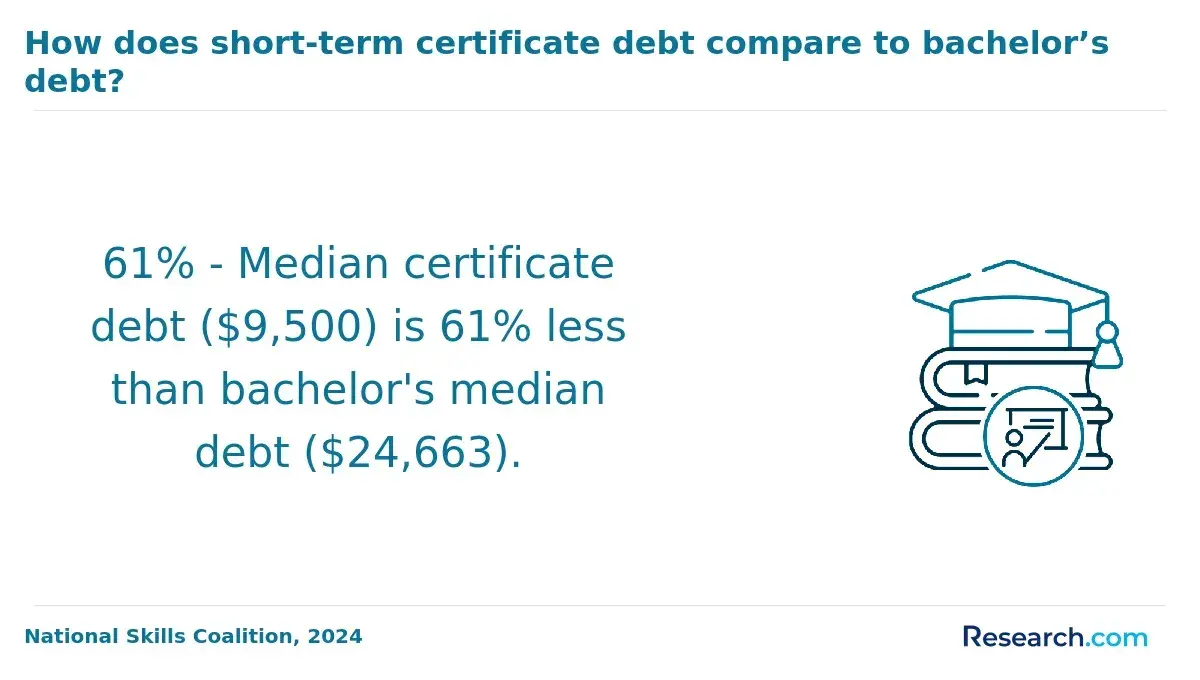
Programs lasting one to two years, such as associate degrees or certificates focused on fitness instruction, often limit upward mobility in the sector, as employers tend to prioritize candidates with four-year degrees for instructional roles.
Cost patterns vary considerably by institution type and residency, with public universities generally offering lower tuition. Total expenses for bachelor's kinesiology programs typically range from $20,000 to $50,000, influenced by per-credit-hour charges ($300-$600) and additional fees for course materials or exam prep.
For working adults, assessing part-time or accelerated tracks means weighing short-term earnings losses against potential future salary gains linked to higher credentials.
Workforce data indicates median annual wages near $46,180 for fitness trainers, increasing to around $83,980 for postsecondary instructors with advanced kinesiology qualifications. This differential of roughly 82% reflects the tangible long-term benefit of completing a bachelor's degree despite initial cost and time commitments.
What careers can you pursue with an online kinesiology degree in fitness and wellness?
Graduates holding an online kinesiology degree with a fitness and wellness focus must navigate a competitive labor market where advanced biomechanical and metabolic expertise significantly enhances employability beyond entry-level fitness roles.
Employers, especially in healthcare and corporate wellness, expect professionals who can design data-driven interventions that demonstrate measurable reductions in injury risk and improved employee health metrics. For instance, a corporate wellness coordinator employing such targeted programs can influence cost-containment in HR budgets by lowering absenteeism and medical claims.
The practical value of this degree often manifests in specialized settings like rehabilitation or elder care, where a nuanced understanding of neuromuscular and behavioral factors outpaces generalist training. However, graduates should anticipate the necessity of additional accredited certifications post-degree, which represent both a time and financial commitment, as they remain a hiring prerequisite for many organizations.
Comparatively, programs with lower tuition rate, such as Texas A&M University-Commerce charging $3,669 per semester for nine online credits for Texas residents, offer a financially accessible path relative to the national median of $8,000 annually for graduate studies. This can be particularly relevant for working adults balancing ongoing employment with education costs.
What salary ranges and job outlook can graduates in fitness and wellness kinesiology expect?
Salaries for graduates with fitness and wellness kinesiology degrees vary significantly, typically ranging from $40,000 to $75,000 annually, depending on industry sector, certifications, and location.
Positions in clinical rehabilitation, corporate wellness, or specialized fitness facilities often command salaries above $60,000, a direct result of employer demand for measurable client outcomes and evidence-based expertise. Conversely, entry-level roles in community health or public organizations usually start near $40,000 but can rise with additional certifications or relevant experience.
Employment growth for kinesiology-related health and wellness roles is projected at 10% from 2024 to 2034, outpacing many other occupations. However, this growth clusters in urban markets with established healthcare infrastructure, while rural areas may present limited job availability and lower salary scales.
Tuition costs for top online kinesiology programs vary widely, from under $8,000 to more than $25,000 annually, creating a cost-benefit tension for students. Those pursuing corporate wellness positions may justify higher education expenses by targeting roles with $70,000+ potential, whereas individuals focused on fitness instruction face a tighter salary-to-cost ratio and more competition at the entry level.
Key factors influencing success include timely acquisition of practical experience, obtaining professional licenses, and selecting programs aligned with industry certifications. Applicants must weigh program price against time to completion and networking opportunities to navigate this fragmented field effectively.
How can you choose a reputable online kinesiology program that fits your goals?
Choosing an online kinesiology program demands prioritizing accreditation and curriculum alignment with workforce needs, especially for those targeting roles in fitness and corporate wellness. Accreditation from bodies like CAATE ensures recognized educational standards, easing certification and licensure processes essential for employment.
Programs lacking a balanced curriculum that integrates exercise science with nutrition and wellness program design risk limiting graduates' versatility in a competitive job market.
When assessing experiential learning, consider programs offering virtual labs, internships, or collaborations with local fitness centers. For working professionals, the ability to complete clinical hours near home without logistical strain is a significant factor affecting program completion and skill acquisition.
Employment statistics reinforce the financial implication of program choice. According to Data USA, median earnings for kinesiology graduates are about 11% higher than the national average, though regional and sector variability is considerable. Credentials like ACSM or NASM, often linked with certain kinesiology programs, can further enhance job placement and salary.
Technology platforms and student support services directly impact learner persistence and outcomes. Asynchronous coursework paired with accessible advisors benefits students balancing work commitments. Programs that accelerate timelines may sacrifice depth in wellness specialization, reducing readiness for niche roles in rehabilitative or corporate fitness management.
Other Things You Should Know About Kinesiology
Hands-on experience remains essential for kinesiology, especially in fitness and wellness, because practical skills directly impact employability. Many online programs incorporate local internships or supervised practicum components to fulfill this need. Prospective students should prioritize programs that offer structured in-person application opportunities, as purely theoretical online courses risk leaving graduates underprepared for client-facing roles.
Online kinesiology degrees often cover core knowledge but may fall short in meeting clinical hours or specific state licensing board requirements for certifications like personal training or exercise physiologist licenses. Students aiming for advanced credentialing must verify if their chosen program's practicum hours are accepted by certifying bodies. Failure to confirm credentials can lead to additional mandatory coursework or supervised hours post-graduation.
Choosing between program reputation and curriculum specialization depends on career goals. For roles requiring broad recognition, such as working in healthcare settings, established programs with strong employer networks offer distinct advantages. However, if aiming for niche fitness and wellness careers, a program with tailored specialization may provide more directly applicable skills. Ideally, prioritize programs combining both respected accreditation and a concentration aligned with your intended career path.
References
- What Can You Do with a Kinesiology Degree? https://www.nec.edu/news/what-can-you-do-with-kinesiology-degree
- Bachelor's in Kinesiology Program Online | Montreat College https://www.montreat.edu/online/kinesiology/
- Kinesiology (Online), B.S. https://www.nccu.edu/academics/undergraduate-programs/kinesiology-online-bs
- Kinesiology and Exercise Science Salaries https://teach.com/online-ed/healthcare-degrees/online-bachelors-kinesiology-exercise-science/how-much-do-kinesiologists-make/
- Kinesiology Online Master's: See & Compare Top Programs https://www.edumed.org/online-schools/kinesiology-degrees/masters/
- Exercise Sciences https://www.caahep.org/committees-on-accreditation/exercise-science
- Is a Kinesiology Degree Right for You? | Corban University https://www.corban.edu/is-a-kinesiology-degree-right-for-you/
- Kinesiology, B.S. - NCCU Online https://nccuonline.nccu.edu/programs/bachelor-of-science-b-s-in-kinesiology/
- Best Online Kinesiology Degree Programs, Updated for 2026 https://www.kinesiologydegrees.org/programs/online