2027 Does an Ultrasound Technology Program Require In-Person Clinical Training?

Co-Founder and Chief Data Scientist
Determining whether an ultrasound technology program requires in-person clinical training is crucial for students managing work, family, and geographic constraints. Accreditation bodies typically mandate specific clock hours in clinical settings to ensure hands-on experience, directly affecting licensure and certification eligibility after graduation. For instance, completing over 1,200 clinical hours is often essential to meet professional standards and secure certification. Additionally, clinical placement logistics vary-students must navigate site availability, background checks, and documentation.
This article explores these challenges in depth-drawing on accreditation standards and program policies-to help prospective and current students understand and fulfill in-person clinical training requirements effectively.
Key Things to Know About the Ultrasound Technology Programs That Require In-Person Clinical Training
- Accreditation mandates often require ultrasound technology programs to include a minimum number of supervised in-person clinical hours-typically 200-300-to ensure real-world competency and regulatory compliance.
- Placement logistics can pose challenges-students must coordinate site availability, meet facility-specific background check requirements, and maintain detailed hour documentation to secure program credit.
- Geographic constraints affect access-rural students frequently face limited nearby clinical sites, impacting their ability to complete required hours and potentially delaying program completion and licensure eligibility.
What Is In-Person Clinical Training in the Context of a Ultrasound Technology Program, and Why Does It Matter for Prospective Students?
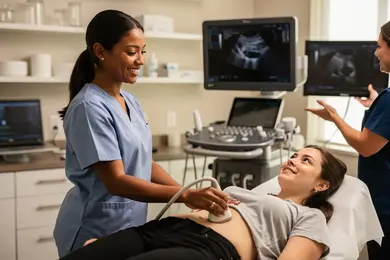
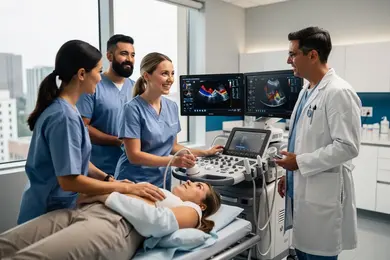
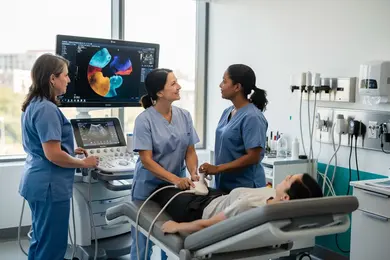
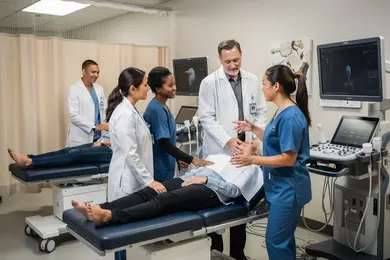
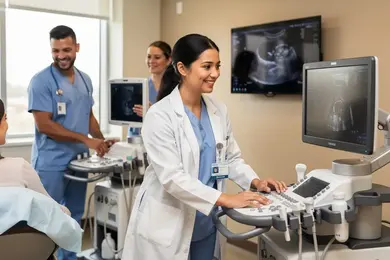
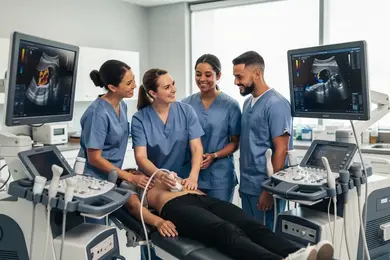
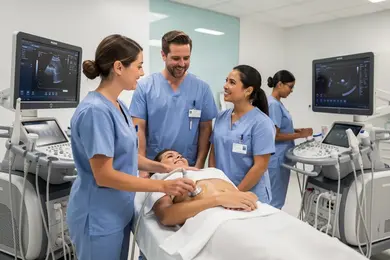
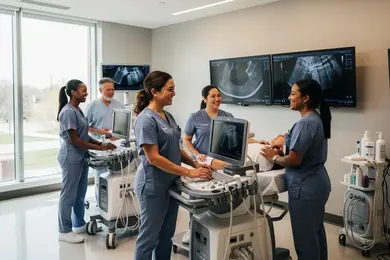
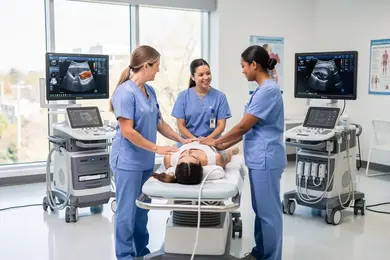
In ultrasound technology programs, in-person clinical training means supervised, hands-on practice hours completed in approved healthcare settings such as hospitals, clinics, or specialized imaging centers. This training involves direct patient care and differs clearly from classroom instruction, simulated labs, or virtual practicums. Accreditation bodies like the Commission on Accreditation of Allied Health Education Programs (CAAHEP) require these clinical hours to occur in real-world environments, ensuring students gain the practical skills, professional demeanor, and real-time problem-solving abilities essential for competent ultrasound practice. This distinction matters because many prospective students confuse field-based clinical hours with academic coursework, but these supervised, in-person requirements are legally mandated components of program completion.
The importance of hands-on clinical experience in ultrasound technology education is high-stakes. Clinical training limits scheduling flexibility, requires geographic proximity to approved sites, and typically cannot be waived or substituted with virtual alternatives. Successful completion of these hours is often directly tied to eligibility for state licensure and national certification-critical milestones for employment. Prospective students must evaluate clinical site availability and program support for placement logistics carefully alongside tuition and curriculum.
Key decision points addressed include:
- Clinical Hour Requirements: The total supervised hours needed for accreditation and licensure compliance.
- Virtual Training Options: Possibility of supplemental online modules but no replacement for in-person practice.
- Placement Coordination: Whether program staff help arrange clinical sites or students are responsible.
- Accreditation Impact: How accreditation mandates shape clinical training standards.
- Student Constraints: The effect on working adults, geographic limitations, and students balancing family or health concerns.
Students considering enrollment in ultrasound technology programs should factor these clinical training requirements alongside academic components, as the time, logistics, and physical presence required are often non-negotiable. For those exploring options that balance affordability with educational outcomes, reviewing the cheapest DNP programs can offer insight into structured clinical training models in related healthcare fields.
Is In-Person Clinical Training Legally or Professionally Required to Earn a Ultrasound Technology Degree?
In-person clinical training requirements for ultrasound technology degree programs are governed primarily by the Commission on Accreditation of Allied Health Education Programs (CAAHEP), which mandates specific in-person clinical hours and experiences at approved healthcare facilities. This ensures students obtain essential hands-on skills under professional supervision to meet quality education standards.
- Accreditation Requirements: CAAHEP approval depends on a set number of clinical hours that programs must enforce, ensuring students are practice-ready.
- Licensing Board Mandates: State ultrasound technology licensing boards regulate licensure eligibility based on completion of these accredited clinical training hours, often adopting or exceeding CAAHEP standards. Students who lack documented in-person clinical hours risk denial of licensure-making this training a legally mandated component.
- Program-Level Requirements: Individual programs may require additional clinical hours or specific clinical settings beyond accreditation minimums to align with their educational philosophy or local healthcare partnerships.
- Consequences of Non-Compliance: Programs failing to meet these mandates risk losing CAAHEP accreditation, which directly affects graduates, often rendering them ineligible for licensure and national certification in regulated ultrasound technology fields.
- Student Considerations: Even if a program offers virtual or reduced-clinical options, students must verify that their clinical hours meet both CAAHEP and their state licensing board requirements to avoid licensure denial.
- Key Reference Documents: Students should consult three essential sources:
- The published standards of CAAHEP for ultrasound technology.
- The ultrasound technology licensing board regulations specific to their state.
- The student handbook or clinical manual of their intended program.
These materials form the comprehensive regulatory framework guiding where, how, and how much in-person clinical training is legally and professionally mandated. Prospective students balancing work, family, and geographic constraints should research programs carefully to ensure they meet these in-person clinical training requirements for ultrasound technology degree programs. For those also curious about how much is the RN program, exploring related resources can provide valuable financial context alongside clinical training logistics.

How Many Hours of In-Person Clinical Training Does a Typical Ultrasound Technology Program Require?
Minimum Accreditation Requirements: Accredited ultrasound technology programs generally require between 200 and 300 in-person clinical hours, satisfying standards set by bodies like CAAHEP. These minimum hours provide essential supervised exposure but may be less intensive for students juggling other responsibilities.
- Median Program Hours Nationally: Most programs demand 500 to 700 clinical hours, divided into two phases:
- Practicum: Early-stage supervised observation and limited hands-on experience, typically 150 to 250 hours.
- Internship or Residency: Later-phase intensive training emphasizing higher volume scanning and greater autonomy, usually 350 to 500 hours.
- Upper-End and Intensive Programs: Select programs push beyond 800 clinical hours, fostering advanced skills and stronger exam readiness but requiring significant time investment.
- Weekly Time Commitment: Completing around 600 clinical hours across two semesters generally means dedicating 15 to 20 hours weekly on site, plus additional time for coursework, supervision, and documentation-a notable load for working or caregiving students.
- Professional Development Trade-offs: Minimum-hour programs often enhance accessibility, whereas longer programs tend to improve clinical competency and licensure success, a critical consideration when weighing program options.
Reflecting on his journey, a professional who recently completed an ultrasound technology degree recalled the balancing act between rigorous clinical hours and personal obligations. He shared, "I found the practicum phase manageable, but when the internship started, the increased hours and independence demanded a steep adjustment. Coordinating with my clinical site's schedules-while maintaining coursework and occasional weekend shifts-was stressful at times. Keeping precise records of each hour added an extra layer of responsibility. However, this intensity helped build my confidence and skill set significantly." His experience underscores that while the hours can be challenging, they are pivotal in developing practical proficiency essential for career success.
Can Any Part of the Ultrasound Technology Clinical Training Requirement Be Completed Online or Virtually?
Telehealth and simulation components in ultrasound technology clinical training have seen only limited acceptance as substitutes for in-person hours. Emergency allowances during the COVID-19 pandemic temporarily expanded virtual and simulation-based clinical training options, but most of these flexibilities were rolled back by 2022 as accrediting bodies and state licensing boards returned to stricter standards.
- Accreditation Requirements: Most accreditors mandate the majority of clinical hours be completed in real-world settings with actual patients. Simulation labs-controlled, campus-based environments-may count for a small fraction of hours if allowed by the program's accreditor, but never as a full replacement for authentic direct patient care.
- Licensing Board Standards: State boards generally require hands-on patient contact hours for licensure eligibility. Telehealth or virtual case review components might be permitted in exceptional cases but do not substitute for direct assessment and emergency skills training.
- Non-Substitutable Skills: Physical exams, intervention techniques, and crisis response training remain firmly in-person requirements, critical for safe clinical practice with no approved virtual alternatives.
- Virtual Roles Allowed: Limited telehealth uses such as clinical supervision or case consultation are sometimes integrated remotely, augmenting but not replacing traditional clinical experience.
- Simulation vs. Authentic Placements: Accredited programs differentiate between simulation labs and authentic clinical placements, with the latter mandatory for the bulk of clinical training credited toward program completion.
- Program Variability: Students should verify with their chosen programs and state boards the allowable percentage of clinical hours that can be completed virtually under evolving post-pandemic policies.
Those evaluating ultrasound technology clinical training online options-especially virtual clinical hours for ultrasound technology programs-must confirm program-specific and state requirements before enrollment to ensure compliance. Detailed information on accelerated degree programs can help navigate these options more effectively by offering pathways aligned with accreditation policies.
Explore accelerated degree programs for insight into expedited educational routes within this field.
Who Is Responsible for Arranging Clinical Placements in a Ultrasound Technology Program - the Student or the School?
Ultrasound technology programs differ considerably in how clinical placements are arranged, with two primary models: school-arranged and student-arranged placements. Programs using the school-arranged model establish formal partnerships with approved clinical sites and assign students accordingly, which often eases the placement process by providing broader geographic options and reducing uncertainty.
In contrast, student-arranged placements demand that students proactively locate and secure clinical sites, requiring significant advance planning-often months ahead. Students must confirm their chosen supervisors possess the appropriate credentials and are willing to fulfill mandatory supervision hours, besides obtaining official program approval before starting clinical work. This approach can be time-intensive and stressful and often relies heavily on students' personal networks or local market conditions.
- Preparation Time: Early initiation is essential for students handling their own clinical placements to avoid delays.
- Geographic Flexibility: School-arranged networks usually offer more placement options, whereas student-arranged placements may be limited by local site availability.
- Placement Risk: Student-led placement poses a higher chance of delays or inability to secure required sites, especially in rural or underserved locations.
- Program Support: Applicants should assess whether a program maintains active local affiliations, the success rate of local placements, and the support available when placements prove difficult.
- Rural Market Coverage: Programs should be evaluated for their capacity to serve students outside urban centers effectively.
Choosing programs with limited placement infrastructure while expecting students to self-arrange may jeopardize on-time program completion, particularly for those in less populated regions. Prospective students must weigh these factors carefully during enrollment decisions.
A professional who began her career after completing an Ultrasound Technology degree shared her experience: "I had to start searching for my clinical site nearly six months before classes began. It wasn't just about finding a place-it was verifying the supervisor's credentials and ensuring they met the program's strict requirements. The whole approval process felt overwhelming at times." She recalled feeling the pressure of balancing this task alongside schoolwork and family commitments but valued the autonomy it offered. "Though stressful, it taught me early on how important networking and persistence are in this field." Her story highlights how self-arranged placements can shape a student's organizational and professional skills while underscoring the importance of program support throughout the process.

How Do Accreditation Standards Shape the In-Person Clinical Training Requirements of Ultrasound Technology Programs?
Accreditation standards for ultrasound technology programs establish clear mandates for in-person clinical training-covering required clock hours, supervisor qualifications, oversight ratios, and approved clinical environments. These programmatic standards typically demand between 1,200 and 1,800 supervised clinical hours to ensure students gain sufficient practical experience.
- Supervisor Credentials: Supervisors must hold current professional certification in ultrasound technology-commonly credentials from the American Registry for Diagnostic Medical Sonography (ARDMS)-to guarantee qualified guidance and compliance with industry best practices.
- Supervision Ratios: Programs must maintain low student-to-supervisor ratios, often capped at one supervisor per two or three students, to preserve personalized mentorship during clinical training.
- Clinical Settings and Population Diversity: Students must complete clinical hours in accredited healthcare environments such as hospitals, imaging centers, or specialized outpatient clinics-ensuring exposure to diverse patient populations and diagnostic procedures vital for well-rounded skill development.
- Enforcement and Consequences: Failure to meet these standards risks loss of programmatic accreditation-an essential credential linked directly to eligibility for national certification exams and state licensure. Without accreditation, graduates may be barred from professional certification and legal practice.
- Accreditation Types: Regional institutional accreditation covers the entire university but does not guarantee that an ultrasound technology program meets specialized, programmatic accreditation standards required for licensure eligibility. Prospective students must verify program-specific accreditation.
- Verification Process: Students should consult the accrediting body's publicly accessible directory of accredited programs, request the program's most recent accreditation self-study or site visit summary, and confirm state licensing boards recognize the program for licensure.
These precise clinical training requirements and enforcement mechanisms shape how students plan and fulfill their in-person clinical commitments-ensuring graduates meet the professional standards crucial for certification and licensure in ultrasound technology.
What Types of Clinical Settings Are Accepted for Ultrasound Technology Clinical Training Hours?
Clinical training hours in ultrasound technology programs must be completed in settings that meet standards set by accreditation bodies such as the Commission on Accreditation of Allied Health Education Programs (CAAHEP) and professional organizations like the Society of Diagnostic Medical Sonography (SDMS). These standards ensure hands-on experience under qualified supervision in environments that reflect real-world practice. A variety of clinical settings typically qualify, broadening placement options for students.
- Healthcare Systems: Traditional hospitals and large health networks offer comprehensive training across ultrasound specialties with access to diverse patients and advanced equipment.
- Community Mental Health Centers: Some programs allow clinical placements here when ultrasound services support behavioral health or integrated care settings.
- Schools and Educational Clinics: University-affiliated clinics and educational ultrasound labs may be approved if they meet supervision and equipment standards.
- Private Practices: Outpatient clinics and physician-run ultrasound offices provide focused outpatient diagnostic exposure and often more personalized supervision.
- Government Agencies: Military, veterans' hospitals, public health centers, and CDC-related programs can qualify when ultrasound and supervision requirements are met.
- Nonprofit Organizations: Free or subsidized healthcare providers, including mobile units or screening events, may be approved with proper clinical oversight documentation.
- Other Settings: Specialized imaging centers, research hospitals, and multidisciplinary diagnostic services may also be eligible based on program policies.
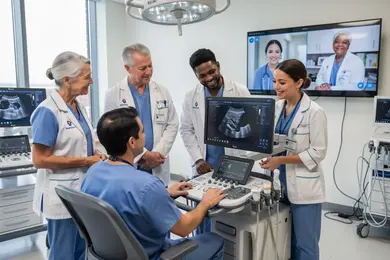
Qualifying clinical sites must provide direct, hands-on ultrasound practice with appropriate equipment and supervision by credentialed sonographers or licensed healthcare professionals holding relevant certifications such as ARDMS. The availability and expertise of supervisors vary by setting, affecting the site's ability to meet clinical hour and evaluative feedback requirements.
The diversity of clinical settings offers significant flexibility, especially for students in rural or underserved areas where large hospitals are scarce. Programs limiting approved site types may pose challenges to students with fewer local options. Prospective and current students should prioritize setting types aligning with their specialty interests and geographic realities. Consulting the program's approved clinical site list, reviewing graduate placement data, and communicating with clinical coordinators are essential steps to identify feasible placements in their area, supporting successful completion of clinical requirements and strengthening readiness for licensure and certification.
How Does In-Person Clinical Training in a Ultrasound Technology Program Affect Students Who Work Full-Time?
Students balancing full-time work often encounter significant challenges fulfilling the in-person clinical training required in an ultrasound technology program. According to NACE First-Destination Survey data and adult learner program completion research, managing work and clinical hours is a frequent struggle that can negatively affect program completion rates. Most approved clinical sites operate during standard business hours-typically weekday daytime-which conflicts with many students' availability limited to evenings or weekends. Employer leave policies rarely accommodate the sustained weekly time commitment clinical training demands, creating a practical conflict many only fully realize during placement coordination. This dynamic is crucial for those seeking to understand how ultrasound technology clinical training accommodates full-time employment.
- Scheduling Conflicts: Full-time workers often cannot attend clinical placements due to their hours outside of standard clinical site operations.
- Program Accommodations: Some programs address this by offering extended timelines that spread clinical hours over multiple semesters, securing partnerships with sites offering evening or weekend shifts, or arranging employer-partnered placements within a student's current job setting.
- Leave Policies: Formal leave-of-absence options may be available to pause coursework during intensive clinical phases, allowing better management of work obligations without delaying program progress.
- Questions to Ask Before Enrolling:
- What percentage of students complete clinical training while employed full-time?
- Are there evening or weekend clinical placements available nearby?
- What accommodations exist for managing scheduling conflicts?
- Are extensions on completion timelines offered to better fit work schedules?
Prospective students should evaluate these factors carefully-understanding clinical training logistics upfront prevents unexpected delays and supports successful licensure eligibility post-graduation. For those exploring flexible pathways, considering best online radiology tech programs may also provide alternative options that better accommodate complex schedules while fulfilling program requirements.
Do Hybrid or Online Ultrasound Technology Programs Still Require In-Person Clinical Training?
Hybrid and online ultrasound technology programs in-person clinical requirements remain stringent despite digital coursework delivery. Accreditation bodies such as the Commission on Accreditation of Allied Health Education Programs (CAAHEP) and state licensing boards mandate that students must complete hands-on clinical training onsite to demonstrate essential competencies. These clinical skills are not achievable through virtual simulations or online labs alone-making supervised, face-to-face training a non-negotiable component. This core requirement means online ultrasound technician courses clinical training obligations are fulfilled in local healthcare settings, ensuring real patient interaction under licensed professionals.
The prevailing model for clinical training in online or hybrid ultrasound technology programs involves students completing remote academic coursework while arranging their clinical hours at geographically convenient, approved sites. The program's clinical office typically assists with placement, vetting sites, and coordinating supervision. This approach balances geographic flexibility with program integrity, but students must remain alert to inconsistencies in site quality and supervisor expertise that can vary by location.
- Program Structure: Remote coursework paired with in-person clinical hours at approved local sites.
- Supervision: Licensed clinical professionals oversee hands-on training on-site.
- Placement Coordination: Program offices help identify and approve suitable clinical sites near the student.
- Geographic Flexibility: Enables students to complete hours without relocating.
- Risks and Challenges: Variability in clinical site quality and supervisor experience based on location.
Students evaluating online ultrasound technology programs should verify the presence of formal clinical partnerships in their area, understand the process for site and supervisor vetting, assess how the program supports remote clinical coordination, and review placement success rates across diverse regions rather than only near the main campus. Such due diligence is critical since successful completion of these in-person clinical hours directly impacts eligibility for professional certification and licensure.
For those interested in allied health fields with adaptable formats, a nutritionist degree also offers hybrid and online options with clinical requirements worth comparing.
How Far in Advance Do Ultrasound Technology Students Typically Need to Secure Their Clinical Placement Sites?
Securing clinical placement sites for ultrasound technology students demands early and careful planning-typically beginning 4 to 6 months prior to the clinical semester. This extended lead time reflects multiple simultaneous tasks that must be completed before clinical hours can start.
- Site Identification: Students need to research and select accredited facilities aligning with their program requirements-often contacting several sites well ahead of deadlines due to limited availability.
- Application and Interview: Detailed applications require significant documentation and interviews with clinical supervisors, which must be scheduled early to secure placement.
- Documentation and Approvals: Background checks, health screenings, and professional liability insurance are mandatory-and can take weeks, especially if additional paperwork or corrections are needed.
- Program Approval: The clinical placement is not final until academic program authorization is granted, with any delay in this step postponing clinical start dates.
- Consequences of Delay: Late preparation risks losing preferred site options, delayed clearances, and program timeline extensions-often resulting in semester deferrals and higher tuition costs.
- Backward Planning: Mapping a timeline that counts backward from the clinical start date through milestones like site selection, interviews, health clearance, and insurance verification helps manage the process proactively and avoid last-minute setbacks.
What Background Check, Health, and Liability Requirements Must Ultrasound Technology Students Meet Before Starting Clinical Training?
Meeting pre-clinical prerequisites is essential before starting in-person clinical training in ultrasound technology programs, with many requirements rooted in accreditation standards, state licensing boards, and program guidelines. Students should initiate these steps early-preferably when applying or in their first semester-to avoid delays in placement.
- Background Checks: Criminal screening protects patient safety and maintains clinical trust. These evaluations usually take two to eight weeks and conform to both program and state regulations. Some sites-especially those serving children or vulnerable populations-may require added measures such as drug testing and fingerprinting.
- Health Clearance and Immunizations: To reduce infection risks, students must verify vaccinations including MMR, varicella, tetanus, hepatitis B, and annual flu shots. Certain hospital facilities also require N95 respirator fit testing. Obtaining records and arranging any needed boosters can extend timelines, so advance planning is vital.
- Professional Liability Insurance: Malpractice coverage shields both students and clinical sites from legal claims due to errors in practice. Students must secure insurance from approved providers offering policies tailored to them, factoring in this mandatory cost during preparation.
- HIPAA Training: Completion of patient privacy and confidentiality training ensures adherence to federal law, allowing students to handle protected health information responsibly in clinical settings.
- Site-Specific Requirements: Additional clearances-such as state child abuse checks, fingerprinting, or specialized orientations-may be imposed depending on the clinical environment. Contacting assigned sites early helps students identify and fulfill these unique mandates beyond core program requirements.
What Graduates Say About the Ultrasound Technology Programs That Require In-Person Clinical Training
- Kim: "The clinical training requirement for my ultrasound technology program was intense but absolutely necessary. The accreditation mandates ensured that every hour spent in the clinic translated directly to hands-on experience validated by recognized standards-giving me confidence my learning was both thorough and legitimate. I couldn't overstate how crucial this was in preparing me for certification exams and real-world work. "
- Julio: "Reflecting on my journey, the required clock hours for in-person clinical training were a logistical challenge-especially since the program had specific geographic constraints limiting where I could complete them. It forced me to think ahead about my placement options and be flexible, but ultimately it broadened my perspective on diverse clinical settings. This program's structure made sure licensure eligibility wasn't just theoretical; it was deeply tied to practical, verifiable experience. "
- Alex: "From a professional standpoint, navigating placement logistics was one of the more complex parts of the ultrasound technology program that includes in-person clinicals. Coordinating sites, hours, and schedules taught me valuable organizational skills-and it underscored how important clinical training is for meeting post-graduation certification requirements. That real-world exposure helped me stand out in a competitive job market, proving the program's impact goes beyond just academic learning. "
Other Things You Should Know About Ultrasound Technology Degrees
Geographic location plays a significant role in the availability and quality of clinical training sites for ultrasound technology students. Urban and metropolitan areas typically offer a larger number and variety of healthcare facilities-such as hospitals, imaging centers, and specialty clinics-providing diverse clinical experiences. In contrast, students in rural or remote regions may face limited site options, which can affect the range of cases they encounter and the overall quality of hands-on training. Some programs mitigate this by establishing partnerships with distant facilities or offering rotational placements to ensure adequate clinical exposure.
Most accredited ultrasound technology programs and certifying bodies require completion of a specified number of in-person clinical hours to ensure competency. Alternatives or waivers are rare and usually granted only in extraordinary circumstances, such as severe illness or natural disasters, and often require program director approval and documentation. Some programs might offer limited simulation training to supplement clinical hours, but these typically cannot replace the hands-on experience mandated for licensure and certification. Students unable to complete clinical hours may face delays in graduation or certification eligibility.
In-person clinical training is essential for eligibility to sit for professional licensure and certification exams in ultrasound technology. Accrediting organizations and certifying bodies-such as the American Registry for Diagnostic Medical Sonography (ARDMS)-require documented completion of clinical hours to verify practical skills. Without fulfilling these hands-on training requirements, graduates are typically ineligible to obtain certification, which in many states is necessary for employment. Thus, the quality and completeness of in-person clinical training directly impact a graduate's professional qualifications and career prospects.
In 2027, most ultrasound technology programs still mandate in-person clinical training. Some programs may offer hybrid models with limited online simulations, but real-world, hands-on experience is crucial for competency. As of now, there are no fully online alternatives recognized for full accreditation or licensure.
References
- CAAHEP | Standards and Guidelines https://www.caahep.org/program-directors/standards-and-guidelines
- The Role of Student Background Checks in Clinical Placement Readiness - OneSource Screening https://onesourcescreening.com/blog/2025/08/12/student-background-checks-in-clinical-placement-readiness/
- Ultrasound Technician Courses – What is Required to Be a Sonographer? https://www.ultrasoundschoolsinfo.com/courses/
- Learn Ultrasound SonoSim Ultrasound Courses https://sonosim.com/learn-ultrasound-online-ultrasound-courses
- Top Ultrasound Courses: Your Path to Becoming a Certified Sonographer - Advanced MSK Ultrasound Center https://www.amsku.com/msk-ultrasound-techniques-and-best-practices/top-ultrasound-courses-your-path-to-becoming-a-certified-sonographer/
- Sonographer/Technologist: Ultrasound (Revised 1-31-2022) https://accreditationsupport.acr.org/support/solutions/articles/11000060919-sonographer-technologist-ultrasound-revised-1-31-2022-
- Admission Requirements | Grady Health https://www.gradyhealth.org/training-programs/school-of-diagnostic-medical-sonography/admission-requirements/
- Online Ultrasound Classes vs Hands-on Ultrasound Training https://mtschool.edu/online-ultrasound-classes-vs-hands-on-ultrasound-tech-training/
- Hybrid-Online Diagnostic Medical Sonography Program – Accredited Ultrasound Tech School https://calinstitute.edu/diagnostic-medical-sonography-program/
- Australasian Sonographers Association - Prospective Students https://www.sonographers.org/careers/prospective-students