2027 How to Choose a Licensure-Approved Forensic Nursing Degree Master's Program
Audited and Verified:
Our Editorial and Data Verification Process
Research.com uses government datasets, official education statistics and primary institutional information to support its career and degree guides. Our review process checks factual accuracy, occupational definitions, source dates and the requirements associated with the credentials discussed.
How This Article Was Fact-Checked
Our editorial team verifies salary estimates, employment projections, education requirements and program information against original data providers and official organizations. Salary figures are checked against the relevant occupational definitions and reporting periods. Information about licensure, accreditation and required in-person training is reviewed separately.
Fact-checked and verified on:

Co-Founder and Chief Data Scientist
Choosing a licensure-approved forensic nursing master's program can challenge many prospective students who aim to meet state-specific regulatory standards. Without proper guidance, graduates risk enrolling in programs that do not qualify for professional certification, delaying career entry. Approximately 25% of forensic nursing master's programs in the U. S. lack accreditation necessary for certain state licensure boards, complicating employment prospects. This article clarifies key criteria for selecting programs that align with both educational quality and legal requirements. It aims to equip readers with actionable insights to identify master's degrees that fulfill licensure prerequisites and advance forensic nursing careers effectively.
Key Things to Know About Choosing a Licensure-Approved Forensic Nursing Degree Master's Program
- Verify the program's accreditation by bodies like CCNE or ACEN to ensure it meets national educational standards required for forensic nursing licensure.
- Confirm curriculum includes state-specific licensure preparation, combining clinical practice hours and legal knowledge critical for professional certification.
- Assess availability of faculty with forensic nursing licensure and practical experience, which enhances students' real-world readiness and employment outcomes.
What Does "Licensure-Approved" Mean for a Forensic Nursing Master's Program?
"Licensure-approved" in the context of a forensic nursing master's program means the curriculum complies with the educational standards set by regulatory bodies responsible for nursing licensure. This approval ensures that the program equips students with the essential knowledge and clinical experience needed for professional certification. Such recognition confirms alignment with state licensing requirements for forensic nursing degrees, which is crucial for graduates aiming to become credentialed forensic nurses.
This approval signifies a program's adherence to quality and consistency by meeting rigorous academic and practical benchmarks established by accreditation or authoritative entities. For students, choosing licensure-approved programs supports a clear pathway to professional licensure and enhances employment prospects. Those seeking advanced nursing education should also explore options like RN to BSN programs no clinicals as part of their overall educational planning to meet diverse licensing and career goals.
How Do I Verify Licensure Approval for a Forensic Nursing Master's Program?
Verifying licensure approval is crucial when selecting a forensic nursing master's program to ensure your education qualifies you for professional certification and state licensure. This step helps avoid enrolling in programs that may not meet the regulatory requirements of your state, which could delay or prevent your career advancement. Prospective students should carefully evaluate a program's compliance with licensure standards before committing.
Here are five reliable ways to verify licensure approval for a forensic nursing master's program:
- Program Website Review: Examine the program's official website for statements regarding licensure eligibility and specific accreditation related to forensic nursing. Clear information on these points indicates the program's intent to meet licensure criteria.
- State Licensing Boards: Consult your state nursing board or licensing authority websites to check for lists of approved forensic nursing programs or programs meeting state-specific requirements. This helps confirm if the program aligns with local licensure regulations.
- Accreditation Confirmation: Verify the institution's accreditation status through recognized agencies, as accreditation ensures the program's quality and is often a prerequisite for licensure approval.
- Direct Contact: Reach out to the program's admissions or academic advising office to ask about licensure approval and how their curriculum supports fulfilling licensing requirements. Direct communication can provide clear, up-to-date information.
- Published Eligibility Statements: Review program handbooks or course catalogs for documented licensure eligibility statements. Official documentation explicitly confirming compliance with professional standards is a strong indicator of licensure approval.
Checking these aspects also aligns with understanding state requirements for forensic nursing master's program licensure. For those interested in broadening their healthcare credentials, exploring affordable options like medical billing and coding online courses can offer flexibility and additional career pathways.

How Can I Check If a Forensic Nursing Master's Program Meets State Licensing Requirements?
Confirming that a forensic nursing master's program aligns with your state's licensing requirements is essential to ensure you qualify for professional practice upon graduation. Data from the National Council of State Boards of Nursing indicates that more than 90% of state licensing boards mandate completion of an accredited program that meets state-specific criteria. Below are several actionable steps to verify a program's compliance with licensure standards.
- Review State Board Guidelines: Visit your state nursing board's official website to explore detailed licensure prerequisites related to forensic nursing. This information often outlines the key educational components required for approval.
- Examine University Disclosures: Look for licensure alignment statements in the university's program descriptions or academic catalogs. Schools that cater to multiple states sometimes specify which licensures their program supports.
- Verify Accreditation Status: Check whether the program holds accreditation from reputable bodies like the Commission on Collegiate Nursing Education (CCNE) or the Accreditation Commission for Education in Nursing (ACEN). This is crucial for licensure eligibility.
- Consult Program Advisors: Reach out directly to program staff to inquire about compliance with your state's licensing regulations. Advisors can provide tailored guidance and clarify any concerns.
- Contact Licensing Boards: When in doubt, communicate with your state's nursing licensing authority to confirm if the program you're considering meets their approval criteria.
A prospective graduate student shared that navigating these steps felt overwhelming at first, especially with varying requirements across states. "I wasn't sure where to start or which sources were trustworthy," he explained. He described spending hours combing through state board websites and university catalogs, only to encounter conflicting information. Reaching out to program advisors brought some clarity, but final confirmation required a direct conversation with the licensing board. The process was "frustrating yet necessary" to ensure that the effort invested in pursuing a forensic nursing master's would ultimately lead to licensure and a legitimate career path.
Forensic nursing master's program licensure reciprocity across states is a key factor for students planning to relocate or work in different states, especially since about 18% of licensed nurses move or change jobs across state lines within five years. Because no single degree automatically ensures licensure in all states, careful program selection is critical. To navigate these challenges, consider the following practical steps:
- Review State Standards: Analyze each state's licensing criteria to find common educational and clinical prerequisites. This helps identify programs that meet multiple jurisdictions' requirements.
- Verify Accreditation: Ensure the forensic nursing program is accredited by organizations recognized by the state nursing boards, which is fundamental for licensure eligibility.
- Multi-State Disclosure: Look for universities that clearly state whether their program supports multi-state licensure. Transparency here can save time and effort.
- Consult Nursing Boards: Directly contact state nursing boards to confirm if the program's curriculum aligns with licensure prerequisites, which reduces uncertainty during application processes.
Choosing a program that addresses these factors enhances the likelihood of meeting multiple states licensure requirements with one forensic nursing master's program. For those interested in affordable options to begin their nursing careers, the cheapest way to become a nurse can be a helpful resource.
For students aiming to enroll in a licensure-approved forensic nursing master's program, recognizing the essential coursework ensures their studies fulfill licensure and professional criteria. The following list highlights typical subject areas that build the crucial knowledge and skills required in this specialized field.
- Advanced Nursing Theory: This area emphasizes the integration of sophisticated nursing concepts with forensic applications. Students develop critical thinking by applying evidence-based approaches to complex clinical and legal cases.
- Forensic Science Fundamentals: Coursework introduces foundational principles of evidence handling, crime scene procedures, and the legal context surrounding forensic nursing practice.
- Clinical Forensic Practice: Focused on real-world experience, these classes prepare students to assess and care for victims of trauma, including sexual assault examinations and detailed injury documentation.
- Legal and Ethical Issues: Students explore matters such as patient confidentiality, ethical conflicts unique to forensic nursing, and courtroom testimony skills, alongside legal report preparation.
- Research and Data Analysis: Training covers research design and statistical methods, empowering students to critically assess outcomes and support policy development in forensic nursing.
When I asked a licensed professional with a forensic nursing master's degree about her experience with the coursework, she described it as both rigorous and rewarding. She recalled balancing emotionally intense subjects alongside the challenge of mastering legal procedures, noting, "Every class required me to think not only like a nurse but also as an advocate for justice." The hands-on components, she said, were invaluable, providing confidence to handle complex cases in clinical settings. Reflecting on the journey, she emphasized how coursework shaped her ability to navigate ethical dilemmas and communicate effectively in high-stakes environments, affirming the importance of comprehensive training in preparing for licensure and professional practice.
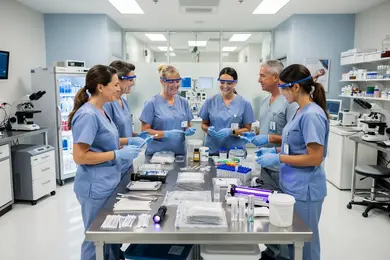
Practicum or field placements are essential in many licensure-aligned forensic nursing master's programs, offering practical experience that bridges classroom learning with clinical practice. These placements are carefully structured to ensure students gain the skills and insights necessary for advanced professional roles and licensure. The following points highlight common features of how practicum placements are organized:
- Collaborative Partnerships: Universities establish connections with a variety of sites such as hospitals, forensic laboratories, law enforcement agencies, and community groups. These partnerships expose students to diverse forensic nursing environments, enhancing their breadth of experience.
- Placement Coordination: Dedicated program staff coordinate practicum assignments, maintaining relationships with partner organizations while aligning placements with individual student goals and state licensure requirements. This ensures each placement is purposeful and compliant with regulatory standards.
- Student Involvement: Students often have opportunities to express preferences or select placement sites that align with their career interests. This input helps tailor the practicum experience to support their professional development and objectives.
- Supervised Practice: Licensed forensic nursing professionals or faculty members oversee students during their placements, providing mentorship, monitoring clinical performance, and ensuring adherence to both legal and clinical protocols essential for safe practice.
- Targeted Skill Development: Practicum sites are chosen to facilitate acquisition of key competencies such as evidence gathering, courtroom communication, and patient care. These focused experiences are vital for students preparing to meet licensure requirements and excel in forensic nursing roles.
Graduate forensic nursing master's programs are available in on-campus, online, and hybrid formats. Choosing the right format requires understanding how each supports meeting state-specific forensic nursing licensing requirements. More than 60% of nursing graduate students prefer online or hybrid options for their flexibility, but licensing standards demand thorough evaluation of these programs.
- Accreditation and Licensure Alignment: Confirm the program's curriculum is accredited and meets your state board's forensic nursing licensure criteria. Only programs aligned with recognized accreditation bodies ensure eligibility for professional licensure.
- Practicum or Fieldwork Arrangements: On-campus programs often arrange local clinical placements for students, while online and hybrid formats typically expect students to find approved sites independently. This difference can affect completing required supervised training hours critical for licensure.
- State Authorization and Eligibility: Check if the program is authorized to enroll students from your state, as some online programs impose geographic restrictions that may impact your enrollment and licensure path.
- Scheduling Flexibility for Training: Programs vary in how well they accommodate clinical hour scheduling around work or personal commitments, especially in hybrid and online formats where students balance multiple responsibilities.
- Faculty Support and Placement Assistance: Strong faculty engagement and assistance with clinical placements can significantly improve your ability to meet licensure requirements, regardless of the program format.
Careful consideration of these factors ensures that your chosen forensic nursing master's program format effectively supports your licensure goals.
The cost of earning a licensure-approved forensic nursing master's degree can vary widely depending on multiple factors. Prospective students should understand these elements to make informed decisions about which program aligns best with their financial and professional goals. According to the National Center for Education Statistics, tuition and fees for graduate nursing programs at public institutions generally range from $10,000 to $20,000 per year, while private institutions often charge over $30,000 annually.
- Tuition Differences: Public and private institutions show significant price variation. Public schools typically offer more affordable tuition for residents, while private institutions may charge substantially higher fees, impacting total program costs across states. Students should review forensic nursing master's program tuition and fees by state to identify cost-effective options.
- Additional Fees: Beyond tuition, programs may include technology fees, lab or clinical charges, and administrative costs. These are essential for supporting hands-on learning and regulatory requirements but can add up quickly, increasing the overall financial burden.
- Practicum Expenses: Clinical placements are mandatory for licensure and often involve travel, specialized equipment, or facility fees. These practical experiences enhance training quality but should be budgeted carefully since costs vary considerably by location and partnership opportunities.
- Materials and Resources: Required textbooks, software subscriptions, and certification exam fees contribute to total expenses. These are recurring or upfront costs necessary for successful completion and meeting state licensure exam requirements.
- Financial Aid Options: Many programs offer scholarships, grants, or employer tuition assistance. Some forensic nursing programs collaborate with hospitals or law enforcement, providing funded practicums or loan forgiveness incentives. Exploring these support mechanisms may help offset tuition and related expenses, making education more accessible.
Prospective students interested in related healthcare graduate degrees might also consider programs like an MHA degree to compare financing structures and career trajectories.
Graduates of licensure-approved forensic nursing master's programs generally must pass a licensing exam to practice professionally. These exams serve as standardized benchmarks set by state licensing boards to ensure candidates meet essential competencies and follow professional standards. Successfully passing the exam verifies a nurse's knowledge and skills to provide safe, effective forensic nursing care. Many professions require passing such an exam, reinforcing the importance of completing a forensic nursing master's program licensure requirements thoroughly.
Requirements for passing a forensic nursing licensing exam vary by state and specific nursing role. For instance, some states require the American Nurses Credentialing Center (ANCC) Sexual Assault Nurse Examiner-Adult/Adolescent (SANE-A) certification exam, while others may have additional state-specific tests.
According to the National Council of State Boards of Nursing, about 90% of U.S. states mandate passing a licensing exam after completing an approved program. Prospective students should research their state board's requirements and choose programs aligned with these standards, especially if considering fast track school programs fast track school programs that prepare them for licensure success.
Graduate programs in forensic nursing that meet licensure criteria can vary widely in how they prepare students for professional success. Research shows that 68% of students credit their exam achievement to quality supervised clinical experiences, underscoring the value of practical training. When selecting a licensure-approved master's program, consider these critical factors:
- Accreditation Status: Ensure the program holds accreditation from a recognized body. This guarantees adherence to high educational standards and can impact eligibility for licensure and employment.
- Alignment With Licensing Requirements: Check that the curriculum fulfills your state's specific forensic nursing licensure criteria. Programs aligned with state regulations reduce the risk of delays or additional coursework after graduation.
- Supervised Practicum Opportunities: Seek programs that offer extensive clinical placements under experienced forensic nurses. Hands-on experience is vital for skill development and confidence in professional settings.
- Program Format: Evaluate whether online, hybrid, or on-campus delivery suits your learning preferences and schedule. Flexibility can influence your ability to balance study with other responsibilities.
- Faculty Expertise and Support: Investigate the qualifications of instructors and the availability of student resources. Strong faculty mentorship, advising, and peer support enhance your academic and career outcomes.
What Graduates Say About Licensure-Approved Forensic Nursing Degree Master's Program
- Kian: "Choosing a licensure-approved forensic nursing master's program was essential for me because I wanted a credential recognized nationwide that truly reflected my expertise. The investment was significant, but the structured curriculum and licensure support made every dollar worthwhile. Since graduating, I've seen a remarkable increase in my responsibilities and confidence in clinical forensic settings."
- Leonard: "Reflecting on my decision to pursue a forensic nursing master's within a licensure-approved program, I appreciated how the program balanced cost with comprehensive training. The licensure aspect provided a clear roadmap to certification, which helped me avoid costly delays or uncertainty. Professionally, this degree has opened doors to leadership roles in victim advocacy and forensic units that I hadn't anticipated."
- David: "As a seasoned nurse, I sought a licensure-approved forensic nursing master's degree to legitimize my focus on forensic cases and ensure my practice met state standards. The cost was considerably less than other advanced nursing programs, which was a relief. This accreditation has enhanced my job prospects substantially and empowered me to contribute more authoritatively in multidisciplinary forensic teams."
Other Things You Should Know About Forensic Nursing Degrees
State boards of nursing set licensure rules, while program accreditation is commonly reviewed through the Commission on Collegiate Nursing Education (CCNE) or the Accreditation Commission for Education in Nursing (ACEN). A licensure-approved program should also document clinical practice hours and align with the state where the RN license is held.
In 2027, forensic nursing master’s students can explore federal student loans, grants, and scholarships specifically for nursing students. Additionally, some schools offer assistantships or tuition reimbursement through arrangements with healthcare employers. It's crucial to research eligibility and application requirements for each aid type carefully.
Graduates can work as sexual assault nurse examiners, forensic nurse investigators, legal nurse consultants, or educators. Some choose to specialize further or pursue roles in policy development and victim advocacy. The degree supports a range of settings including hospitals, law enforcement agencies, and community organizations.
- Online Forensic Nursing Graduate Certificate Programs https://www.graduatecertificate.org/programs/forensic-nursing/
- Master's in Nursing - Forensic Nursing | Aspen University https://www.aspen.edu/nursing/msn-forensic-nursing/
- Nursing, Forensic Nursing, (Online), M.S. https://catalog.fitchburgstate.edu/preview_program.php
- Nursing Licensure by State https://nursinglicensemap.com/states/
- Forensic Nursing https://onlinelearning.csuohio.edu/programs/msn-forensic-nursing-online
- Online Master of Science in Forensic Nursing https://www.fitchburgstate.edu/academics/programs/online-master-science-forensic-nursing
- Post-Master’s in Forensic Nursing with Certification in Investigative Forensics Certificate https://catalog.desales.edu/preview_program.php
- The Importance of Forensic Nursing - Why You Should Get Your Degree | Grantford Financial Aid Blog https://www.grantford.org/post/the-importance-of-forensic-nursing-why-you-should-get-your-degree
- Master Degree used as partial experience for licensure | Professional Engineer & PE Exam Forum https://engineerboards.com/threads/master-degree-used-as-partial-experience-for-licensure.28711/
- Master's Degrees in Forensic Nursing - Online & On-Campus Programs https://www.forensicscolleges.com/programs/forensic-nursing/masters