2027 What Can You Do with a Forensic Nursing Master's Degree? Careers, Salaries & Growth
Audited and Verified:
Our Editorial and Data Verification Process
Research.com uses government datasets, official education statistics and primary institutional information to support its career and degree guides. Our review process checks factual accuracy, occupational definitions, source dates and the requirements associated with the credentials discussed.
How This Article Was Fact-Checked
Our editorial team verifies salary estimates, employment projections, education requirements and program information against original data providers and official organizations. Salary figures are checked against the relevant occupational definitions and reporting periods. Information about licensure, accreditation and required in-person training is reviewed separately.
Fact-checked and verified on:

Co-Founder and Chief Data Scientist
Law enforcement and healthcare sectors face a critical shortage of skilled professionals qualified to handle the complexities of legal and medical intersections. Demand for forensic nursing experts is expected to grow by 11% through 2032, outpacing average job growth rates in healthcare. However, many potential candidates lack guidance on navigating this specialized field's educational pathways and career outcomes.
This article addresses these challenges by providing an in-depth analysis of forensic nursing master's programs, including admission criteria, salary expectations, and industry demand. Readers will gain clarity on program options, certification benefits, and financial considerations, enabling informed decisions about this dynamic career path.
Key Things to Know About What You Can Do with a Forensic Nursing Master's Degree
- Forensic nursing master's programs typically require a nursing license and offer flexible online or on-campus formats, combining clinical practice, legal coursework, and research to prepare students for specialized roles.
- Graduates can expect median salaries around $80,000 to $90,000, with positions in hospitals, law enforcement, and legal settings demonstrating competitive compensation reflecting advanced expertise.
- Employment in forensic nursing is projected to grow faster than average, with earnings increasing alongside certifications and experience, highlighting strong long-term career and financial potential.
What Are the Admission Requirements for a Forensic Nursing Master's Program?
Preparing the standard prerequisites is essential for a smooth admission process into a forensic nursing master's program. Understanding the key requirements helps applicants meet expectations and improve their chances of acceptance.
Below is an overview of typical admission criteria prospective students should anticipate:
- Relevant Undergraduate Degree: A Bachelor of Science in Nursing (BSN) from an accredited institution is usually required. Some programs accept candidates with other health-related degrees but may mandate additional prerequisite courses to ensure foundational knowledge.
- GPA Thresholds: Most programs expect a competitive GPA, commonly a minimum of 3.0 on a 4.0 scale, to demonstrate academic readiness and maintain eligibility for admission.
- Standardized Tests: The GRE or GMAT requirements are increasingly optional, especially for applicants with relevant work experience or previous graduate education. Nevertheless, some programs still may request these scores, so it is important to verify specific institutional policies.
- Supplementary Materials: Applicants generally submit two to three letters of recommendation from academic or professional sources who can attest to their qualifications. A personal statement outlining career goals and motivation for studying forensic nursing is typically required, with some programs also requesting a writing sample.
- Field-Specific Requirements: Current registered nurse (RN) licensure and relevant clinical experience, particularly in emergency care, trauma, or criminal justice settings, may be prerequisites. These vary by program and specialization.
The demand for forensic nursing specialists is projected to grow by about 15% from 2021 to 2031, reflecting strong employment prospects and potential salary growth in this specialized field. Applicants exploring requirements to enter forensic nursing graduate programs can also consider online options, including the best online RN to BSN programs without clinical requirements, to tailor their preparation and education pathway.
What Is the Minimum GPA Requirement for a Forensic Nursing Master's Program?
Meeting the minimum GPA requirement is a key consideration for applicants to a forensic nursing master's program, as it often serves as an initial benchmark for admission committees. Typically, programs look for a GPA that reflects consistent academic achievement, but understanding how these requirements vary can help prospective students better target their applications.
Employment in forensic nursing is growing steadily, with a projected 7% increase from 2021 to 2031, making admissions criteria particularly relevant for those planning to enter this expanding field. Below are important factors to know about the forensic nursing master's program admission GPA criteria:
- Typical GPA Range: Most programs require a minimum GPA between 2.75 and 3.0 on a 4.0 scale, ensuring applicants show solid base academic performance during undergraduate studies.
- Variation by Institution: GPA standards often depend on program prestige and institution type; private universities and highly competitive programs tend to require higher minimum GPAs than some public institutions.
- Holistic Admissions: Many programs adopt a comprehensive approach, evaluating professional experience, test scores, personal statements, and letters of recommendation in addition to GPA.
- Flexibility for Applicants: Candidates with GPAs below the typical threshold may still gain admission if they demonstrate strong achievements or submit compelling narratives that highlight their potential.
- Field Demand: The growing need for qualified forensic nursing professionals emphasizes the importance of understanding admission standards when pursuing specialized graduate degrees.
For those considering various program formats, comparing traditional coursework with newer options such as DNP online programs can provide insight into accessible pathways within advanced nursing education.
How Much Does a Forensic Nursing Master's Degree Cost and How Can You Finance It?
Setting a realistic budget before starting a forensic nursing master's program is crucial to avoid unexpected financial strain. Knowing cost factors and funding options upfront allows students to plan effectively. Here are key considerations to keep in mind:
- Cost Variation by Institution Type: Public university programs generally range from $15,000 to $30,000 in tuition, while private institutions often charge between $30,000 and $60,000. Online programs usually provide more affordable and flexible choices, potentially lowering expenses related to commuting or relocation.
- Additional Expenses: Beyond tuition, students must consider living costs and the opportunity cost of lost wages during study, which can significantly impact the overall financial commitment.
- Funding Sources: Scholarships, fellowships, and graduate assistantships often provide crucial financial relief. Employer tuition reimbursement programs and federal student loans are also common, but merit-based awards should be pursued first to minimize indebtedness.
- Debt Reduction Strategies: Applicants can decrease costs by targeting in-state public universities, applying for departmental scholarships, or negotiating tuition waivers through research or teaching assistant roles. Online studies may also help cut indirect costs.
- Evaluating Return on Investment: Prospective students should weigh total expenses against realistic salary expectations in their chosen forensic nursing subfield. A conservative approach helps determine whether the degree's cost aligns with potential career outcomes, ensuring financial prudence.
A graduate of a forensic nursing master's program shared that navigating tuition and funding options felt overwhelming at first, especially balancing work, family, and school. "I relied heavily on a departmental fellowship and was fortunate to secure a teaching assistantship, which eased financial pressure."
They emphasized the relief of carefully evaluating each funding source and the importance of planning early. "The investment paid off not just financially, but professionally-I gained skills that opened doors I hadn't anticipated." This reflection underscores how deliberate financial planning can transform the challenge of financing advanced education into an achievable goal.
For prospective students, knowing how long it typically takes to complete a forensic nursing master's degree program is crucial for effective planning and managing expectations. The time to complete a forensic nursing master's degree can vary substantially based on factors such as enrollment status, program structure, and academic requirements.
The main considerations influencing completion times are outlined below.
- Full-Time Enrollment: Most students studying full time finish their forensic nursing master's degree within 1.5 to 2 years. This includes completing coursework, clinical rotations, and any required projects or exams.
- Part-Time and Online Programs: Those who study part-time or enroll in online formats often take 3 to 4 years to graduate. The duration depends on credit load per term and personal scheduling, which can be more flexible for working professionals.
- Accelerated Programs: Some institutions offer accelerated tracks where students can complete the degree more quickly, typically in 12 to 18 months, by taking on heavier course loads and intensive schedules.
- Combined Bachelor's/Master's Pathways: Integrated or dual-degree programs enable students to begin graduate coursework while completing their undergraduate studies, potentially shortening the total time by at least one year.
- Transfer Credits: Prior graduate coursework or relevant certifications may be accepted for transfer, reducing the number of credits needed and thus the overall program length.
- Thesis vs. Non-Thesis Tracks: Opting for a thesis track may add several months due to research and writing requirements, whereas non-thesis tracks typically emphasize additional coursework or practical experience.
- Internship and Practicum Requirements: Clinical placements are mandatory in forensic nursing education and can impact completion time depending on scheduling and availability of hands-on experiences.
Students should also consider exploring flexible options such as those offered in an online nursing degree to better align with their personal and professional commitments.
Exploring career paths for graduates with a forensic nursing master's degree reveals diverse opportunities across healthcare, legal, and academic sectors. This degree equips students to navigate roles ranging from hands-on clinical work to leadership positions in various organizations.
Below is an overview of key career options available to these professionals:
- Clinical Specialist Roles: Many graduates become sexual assault nurse examiners (SANEs), combining advanced nursing skills with legal knowledge to provide medical care and collect evidence. These positions focus on individual expertise and direct patient interaction.
- Law Enforcement and Legal Support: Forensic nurses frequently work alongside police or prosecution teams, offering their expertise during crime investigations or court proceedings. The degree's legal foundation enhances their value in such roles.
- Program Management and Administration: Experienced forensic nurses often transition into supervisory positions where they oversee training, ensure legal compliance, and manage forensic services within healthcare and government agencies, paving the way to executive roles.
- Academic and Research Careers: Universities seek graduates to teach forensic nursing or conduct clinical research, contributing to the field's advancement through scholarly and educational activities.
- Sector Employment: Government agencies, private healthcare, nonprofit organizations focused on victim advocacy, and academic institutions regularly hire forensic nursing master's graduates, reflecting the degree's broad applicability.
One graduate shared how pursuing the forensic nursing master's made a demanding career transition smoother. They described confronting complex crime scene assessments and fragile survivor interactions with confidence, thanks to the program's combination of clinical rigor and legal training.
"Having that specialized education meant I wasn't learning on the job when cases became emotionally and technically challenging," they said. This preparation helped them integrate quickly into multidisciplinary teams and advocate effectively for victims, highlighting the degree's practical impact beyond theory.
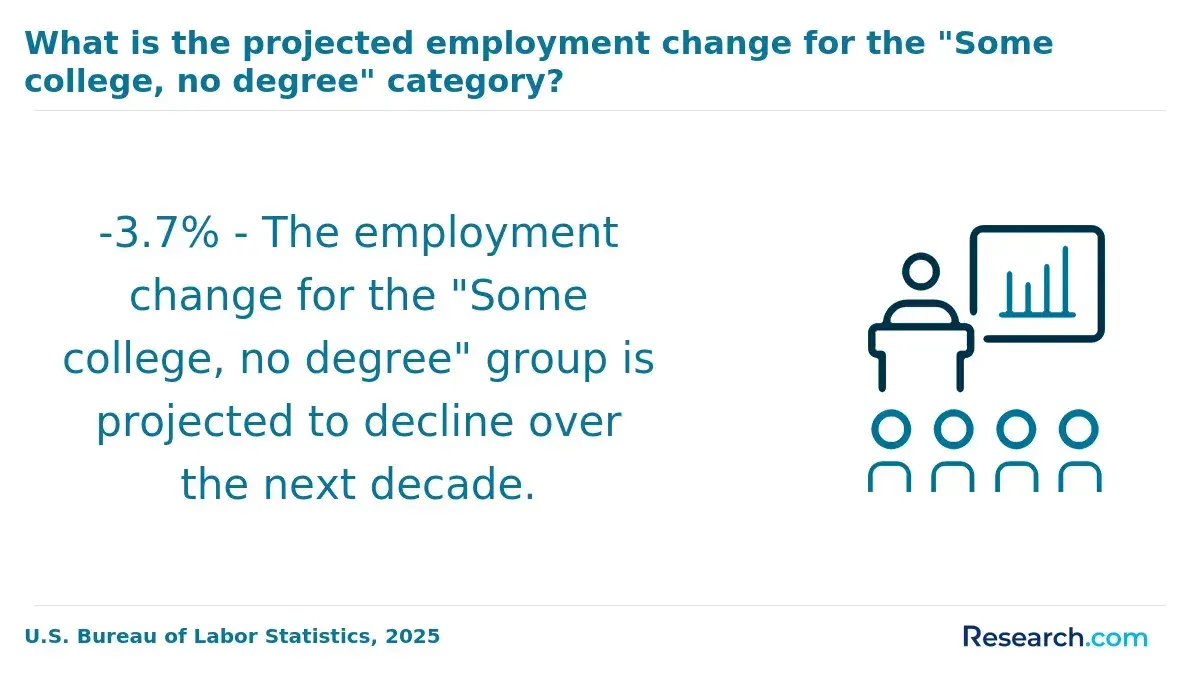
Salaries for professionals with a forensic nursing master's degree vary widely by experience, location, and employer sector. Industry and government data highlight how compensation evolves over a career while reflecting differences by geographic region and workplace type. Additional financial perks like bonuses and benefits also play a role in total earnings.
Key salary insights include the following:
- Entry-Level Salaries: Early-career forensic nurses typically earn between $60,000 and $75,000 annually. These roles often involve clinical and investigative duties within hospitals, law enforcement, or public health settings without extensive managerial responsibilities.
- Mid-Career Growth: With five to ten years of experience, salaries generally rise to the $80,000-$95,000 range. Mid-level practitioners frequently take on leadership, case management, or training responsibilities, and salaries are higher in urban and high-cost-of-living areas.
- Senior-Level Compensation: Seasoned forensic nurses, including program directors and forensic nurse examiners, can earn $100,000 to $120,000 or more. Positions in federal agencies, private consulting, or academia tend to offer superior benefits, bonuses, and sometimes profit-sharing incentives.
- Geographic and Employer Variations: States such as California and New York often provide higher wages due to increased demand and living costs. Public sector jobs offer stable benefits, while private employers might add performance-based bonuses and equity, affecting total compensation.
- Master's Degree Premium: On average, holding a master's degree translates to a 15-20% salary increase compared to those with only a bachelor's degree, emphasizing the value of advanced education in this specialized field.
Several professional certifications significantly enhance the career prospects and earning potential of graduates holding a forensic nursing master's degree. These credentials offer specialized expertise highly valued by employers and serve as a competitive advantage in the job market.
Consider these certifications as part of a strategic career plan; pursuing them during or shortly after completing your degree can maximize their impact. Here are the key certifications:
- Forensic Nursing Certified (FNC): Administered by the International Association of Forensic Nurses (IAFN), the FNC credential requires a registered nurse (RN) license, two years of full-time forensic nursing experience, and completion of at least 40 hours of related continuing education. The exam features multiple-choice questions assessing forensic nursing knowledge and practice. Certification renewal occurs every five years through continuing education credits or retaking the exam. Holding this certification opens opportunities in hospitals, law enforcement, and sexual assault response teams where forensic expertise is essential.
- Sexual Assault Nurse Examiner-Adult/Adolescent (SANE-A) and Pediatric (SANE-P): Also provided by the IAFN, these certifications require RN licensure, clinical experience, and specialized training focused on sexual assault cases. Exams evaluate clinical skills and forensic evidence collection. Certification renewal mandates ongoing education in both forensic and sexual assault care. Employers in medical-legal settings, victim advocacy organizations, and correctional facilities highly seek SANE-certified nurses.
- Market Value and Strategic Timing: Certified forensic nurses typically see salary increases averaging 10-15%, reflecting the advanced skills and demand for credentialed professionals. Incorporating these certifications into your development plan alongside a forensic nursing master's degree is advisable to enhance employability and professional growth. Prospective students coming from or seeking a nursing school that doesn't require TEAS may find these credentials especially advantageous when transitioning into forensic nursing roles.
Identifying key industries that hire graduates with a forensic nursing master's degree is essential for targeting career paths effectively. Understanding where demand is greatest helps prospective students align their skills and certifications with employer needs.
Below is a ranked overview of the leading sectors employing forensic nursing master's graduates and emerging fields gaining momentum:
- Healthcare Sector: Large hospitals, trauma centers, and healthcare systems are the primary employers, often seeking sexual assault nurse examiners (SANEs) and forensic nurse investigators. Expertise in evidence collection, victim communication, and teamwork across disciplines is highly valued. Certifications like SANE-A or SANE-P substantially increase job prospects.
- Law Enforcement Agencies: Police departments and coroner offices actively recruit forensic nurses to support death investigations, crime scene analysis, and expert testimony. These government and municipal organizations look for candidates with knowledge of criminal justice and forensic pathology.
- Legal Services and Advocacy: Forensic nurses contribute as expert witnesses in cases involving abuse and assault, requiring strong documentation abilities and understanding of legal protocols. Coursework focused on forensic law and ethics enhances employability in this niche.
- Emerging Cybersecurity and Teleforensics: Advances in technology and regulatory changes have created roles in healthcare fraud investigation and teleforensics. This new frontier offers growing opportunities, driven by demand for specialized forensic nursing skills adapted to digital environments.
- Professional Development Strategies: Internships with law enforcement or victim advocacy organizations and active participation in forensic nursing associations provide valuable networking and experience. Tailoring education and practical exposure to industry demands improves career outcomes.
High-paying roles for master's degree holders in forensic nursing combine clinical skills with legal and investigative expertise, making them valuable in multiple sectors. These positions offer varied responsibilities and salary ranges influenced by experience, certifications, and location.
The following outlines key jobs, their median salaries, and what qualifications boost earning potential:
- Forensic Nurse Examiner: Median salaries typically range from $75,000 to $100,000. These nurses perform thorough forensic medical evaluations, gather evidence, and provide expert testimony. They need strong clinical abilities, legal knowledge, and empathy, working primarily in hospitals, law enforcement, and sexual assault response units, with higher pay often found in urban or specialized settings.
- Forensic Nurse Educator: Earning between $80,000 and $110,000, educators focus on training nurses and law enforcement personnel in forensic nursing principles. Key qualifications include advanced teaching skills, research experience, and often doctoral degrees or certifications like SANE-A. Universities and training organizations generally offer the best salaries.
- Clinical Nurse Specialist in Forensic Nursing: Salary ranges from $90,000 to $120,000, with these specialists leading program development, refining forensic protocols, and managing interdisciplinary teams. Board certification and expertise in policy implementation enhance compensation, especially within forensic hospitals and criminal justice institutions.
- Forensic Nurse Consultant: Consultants earn between $85,000 and $130,000 by advising on injury analysis and evidence documentation for legal, healthcare, and insurance clients. Analytical proficiency and recognized expert testimony increase value. They often work on contracts, prevalent in affluent metropolitan areas.
- Forensic Nurse Administrator/Director: Leadership roles surpass $130,000 annually, overseeing entire forensic nursing departments or programs. Essential skills include strategic leadership, budgeting, and personnel management. Positions are most common in large hospitals, government agencies, and private forensic organizations, with advanced degrees such as doctorates or MBAs greatly enhancing pay.
Advancing through additional certifications like SANE or legal nurse consultant credentials, as well as pursuing doctoral studies, can significantly improve employment opportunities and salary ceilings. Geographic location matters, with higher compensation found in states like California or New York. Furthermore, private sector roles often offer better pay than public institutions.
Prospective students pursuing a Forensic Nursing master's degree should consider the employment growth and job outlook for forensic nursing professionals, as this directly impacts career opportunities and long-term earning potential. Labor market data reveals a positive trajectory compared to many other healthcare occupations, signaling a stable and expanding field.
- Employment Growth Rates: Registered nurses, often the baseline profession for forensic nursing graduates, are expected to grow by 9% from 2022 to 2032, matching the average growth rate for all occupations. Specialized forensic nursing roles, including sexual assault nurse examiners, are in increasing demand due to their unique expertise.
- Demographic Drivers: An aging population contributes to more forensic cases involving elder abuse, increasing the need for skilled forensic nurses.
- Rising Crime Rates: Elevated incidents of violent crime and sexual assault fuel demand for forensic nurses who provide critical victim care and forensic evidence collection.
- Technological Advancements: Innovations in forensic technology require nursing professionals to possess advanced skills for interpreting and collecting medical evidence, sustaining employment growth despite automation in administrative areas.
- Policy and Funding Support: Enhanced victim rights legislation and increased healthcare funding create more roles and responsibilities for forensic nursing professionals.
Given this favorable job outlook for forensic nursing professionals 2024 and beyond, interested students might also explore relevant medical coding programs to complement their expertise and improve career flexibility.
Prospective forensic nursing master's students benefit from understanding the key technical and interpersonal skills developed throughout their studies. Mastery of both hard and soft skills is crucial for success across healthcare, legal, and investigative career paths.
- Technical Proficiency: Students gain expertise in forensic evidence gathering, medical-legal documentation, advanced research techniques, and data interpretation. Familiarity with specialized forensic technologies enhances their ability to assess crime scenes and examine victims effectively.
- Critical Thinking and Communication: Developing strong analytical abilities and clear communication skills enables graduates to collaborate effectively with multidisciplinary teams, advocate for patients, and produce accurate legal reports.
- Leadership and Ethical Judgment: Training fosters decision-making grounded in ethics while encouraging leadership qualities that support team coordination and professional responsibility.
- Experiential Learning Opportunities: Internships, simulations, case studies, and group projects provide real-world scenarios that reinforce theoretical knowledge, cultivating practical problem-solving and adaptability.
- Employer-Valued Competencies: Attention to detail, analytical insight, and interdisciplinary communication rank highly among skills sought by employers when hiring forensic nurses, reflecting the profession's complex demands.
- Career Versatility: These combined competencies equip graduates to work not only in clinical forensic nursing but also in healthcare administration, legal consulting, education, and public safety, broadening potential employment sectors.
What Graduates Say About Their Forensic Nursing Master's Degree
- Kristina: "Applying for admission to the forensic nursing master's program presented its challenges, but researching official academic catalogs helped me understand exactly what was required. Navigating through various accredited institutions was a learning curve, yet focusing on schools with solid accreditation made the process more manageable. I'm enthusiastic about how this foundation has set me up for a successful career in forensic nursing."
- Michelle: "Choosing the right forensic nursing master's program required careful evaluation of accredited providers and federal education resources, which gave me clarity on degree requirements and professional standards. Reflecting on my initial hesitation, I appreciate how relying on these official channels simplified my decisions. The journey has been rewarding, and I feel well-prepared for the specialized demands of this field."
- Cheryl: "My approach to entering a forensic nursing master's program was highly professional-I prioritized programs recognized by respected accrediting agencies to ensure quality. Using detailed academic catalogs was essential to comprehend the curriculum and requirements thoroughly. This strategic method gave me confidence in my education and in pursuing leadership roles in forensic nursing practice."
Other Things You Should Know About Forensic Nursing Degrees
A forensic nursing master's degree typically leads to higher earning potential compared to a bachelor's degree in nursing. Graduates often move into specialized roles that offer advanced salaries, including forensic nurse examiner, nurse educator, or legal consultant. Over time, gaining experience and additional certifications can further increase income, as the expertise in forensic nursing is in demand across healthcare, legal, and law enforcement sectors.
Both online and on-campus forensic nursing master's degree programs are widely available, and the choice depends on personal circumstances. Online programs offer flexibility, making them suitable for working professionals or those with geographical limitations. On-campus programs may provide more direct access to clinical experiences and networking opportunities, which can be valuable in forensic nursing careers. Accreditation and program content quality should guide the decision more than format alone.
In 2027, a forensic nursing master's degree can significantly enhance career opportunities by qualifying professionals for roles like clinical nurse specialists, forensic examiners, and legal consultants. Graduates are well-positioned for leadership roles, contributing to crime investigations and providing specialized healthcare services to victims.
Forensic nurses can pursue the Sexual Assault Nurse Examiner-Adult/Adolescent credential through the International Association of Forensic Nurses. Applicants must hold an active RN license, complete an approved SANE education program, and meet the clinical practice requirements before sitting for the certification exam.
- Forensic Nursing - International Association of Forensic Nurses https://www.forensicnurses.org/page/WhatisFN/
- How much do Forensic Nurses Make in The USA? | Shiftmed Blog https://www.shiftmed.com/professionals/blog/how-much-do-forensic-nurses-make/
- How to Become a Forensic Nurse? | Salary & Career Outlook | Maryville Nursing https://nursing.maryville.edu/blog/forensic-nurse
- Forensic nursing | Nursing and Allied Health | Research Starters | EBSCO Research https://www.ebsco.com/research-starters/nursing-and-allied-health/forensic-nursing
- Forensic Nurse Practitioner (NP) - Education, Licensure & Salary https://www.nursingcolleges.com/careers/nurse-practitioner/forensic
- Master’s in Forensic Nursing Guide https://nurse.org/education/masters-forensic-nursing/
- Forensic Nursing https://onlinelearning.csuohio.edu/programs/msn-forensic-nursing-online
- Forensic Nurse: All You Need to Know About Forensic Nursing | Xavier University : Xavier Online https://online.xavier.edu/forensic-nurse-all-you-need-to-know-about-forensic-nursing/
- Online Master of Science in Forensic Nursing https://www.fitchburgstate.edu/academics/programs/online-master-science-forensic-nursing
- Master's in Nursing - Forensic Nursing | Aspen University https://www.aspen.edu/nursing/msn-forensic-nursing/