
2027 How to Become a Structural Engineer: Education, Salary, and Job Outlook

Co-Founder and Chief Data Scientist
Structural engineering is the career path for people who want to turn engineering theory into buildings, bridges, towers, hospitals, schools, and infrastructure that can safely carry real loads in real conditions. The decision is not just “Do I like math?” It is whether you want a licensed, detail-heavy profession where your calculations, drawings, and judgment affect public safety.
This guide explains the credentials, skills, internships, salary expectations, career stages, workplaces, challenges, and self-assessment questions involved in becoming a structural engineer. It is designed for students choosing an engineering major, civil engineering graduates planning for licensure, and early-career professionals deciding whether to specialize in structural work.
What are the benefits of becoming a structural engineer?
- Structural engineering jobs are projected to grow by 6% from 2023 to 2025, reflecting steady demand in construction and infrastructure development sectors.
- The average salary for structural engineers in 2025 is estimated at around $87,000 annually, increasing with experience and licensure.
- Pursuing this career offers a stable path with diverse opportunities in design, safety analysis, and project management, suited for problem-solvers focused on practical impact.
What credentials do you need to become a structural engineer?
To become a structural engineer in the United States, you typically need an engineering degree, supervised experience, exam-based licensure, and ongoing professional education. The exact requirements vary by state, especially for engineers who want to sign and seal structural plans or work on complex structures.
The main credential pathway usually includes the following steps:
- Bachelor's degree: Start with a degree in civil engineering or structural engineering. An ABET-accredited program is strongly preferred because many state licensing boards use ABET accreditation as a standard for engineering education.
- Fundamentals of Engineering (FE) exam: Many students take the FE exam near graduation or soon after earning their degree. Passing it typically qualifies you for Engineer in Training (EIT) status, which is an important early licensure milestone.
- Work experience under a licensed engineer: Most states require about four years of supervised engineering experience before you can apply for full professional licensure. Choose roles where you can document design work, calculations, code review, site observations, and project responsibility.
- Professional Engineer (PE) license: The PE license is a major career credential. It allows qualified engineers to take legal responsibility for engineering work, approve designs, supervise technical staff, and offer professional services to the public, subject to state rules.
- Structural Engineering (SE) license: Some states require an SE license for certain high-risk or complex structures. This requirement is especially relevant for engineers working on essential facilities, tall buildings, bridges, seismic design, or other structures with higher public-safety implications.
- Advanced education: A master's degree or graduate certificate is not always mandatory, but it can strengthen your preparation in areas such as advanced structural analysis, earthquake engineering, steel design, concrete design, bridge engineering, and research methods. A Ph.D. is more common for academic, research, or highly specialized technical careers.
- Continuing education: Licensed engineers must keep up with changing codes, design methods, materials, software, and professional standards. Continuing education is also commonly required to maintain licensure.
How to choose the right education path
If your goal is professional practice, prioritize accredited engineering programs, strong structural design coursework, access to labs or design studios, and internship placement. If your goal is research, teaching, or advanced analysis, compare graduate programs by faculty expertise, research areas, funding options, and thesis opportunities.
For a broader view of education options connected to engineering and technical careers, you can review college majors in demand.
What skills do you need to have as a structural engineer?
Structural engineers need more than strong math skills. The work requires technical precision, practical judgment, communication, and the ability to design within real constraints such as budget, schedule, site conditions, codes, materials, and constructability.
The most important skills include:
- Structural analysis and design: You need to understand how forces move through a structure and how to design members, connections, foundations, and lateral systems that can safely resist those forces.
- Engineering drawings interpretation and drafting: Structural engineers must read, prepare, and review plans, sections, details, schedules, 3D models, and specifications. Small errors in drawings can create major field problems.
- Building codes and safety standards knowledge: Code compliance is central to the profession. You need to understand how codes apply to loads, materials, fire resistance, seismic design, wind design, serviceability, and inspection requirements.
- Material science and construction methods: Effective designs account for how steel, concrete, timber, masonry, composites, and other materials behave, as well as how contractors actually build with them.
- Proficiency with structural modeling software: Tools like AutoCAD and Revit are commonly used for drafting, coordination, and modeling. Engineers may also use analysis and design software depending on the employer and project type.
- Attention to detail: Structural work leaves little room for careless assumptions. Accurate calculations, clear load paths, coordinated drawings, and careful review habits are essential.
- Project documentation and reporting: You must be able to document assumptions, calculations, site observations, design changes, review comments, and decisions in a way that other professionals can follow.
- Engineering judgment and problem-solving: Software can support analysis, but it does not replace judgment. Structural engineers must know when results look wrong, when assumptions are unsafe, and when a simpler solution may be better.
- Collaboration and communication: Structural engineers coordinate with architects, civil engineers, mechanical engineers, contractors, owners, inspectors, and public agencies. Clear communication helps prevent delays, redesigns, and unsafe misunderstandings.
- Adaptability and sustainability awareness: Codes, materials, modeling tools, and sustainability expectations continue to evolve. Engineers who can learn new methods and evaluate lower-impact design choices will be better prepared for future work.
Technical skills versus workplace skills
| Skill area | Why it matters |
| Technical analysis | Helps you design structures that meet safety and performance requirements. |
| Code knowledge | Allows your work to satisfy legal, safety, and review standards. |
| Software proficiency | Improves modeling, documentation, coordination, and productivity. |
| Communication | Reduces project conflicts and helps teams understand design intent. |
| Judgment | Helps you make defensible decisions when projects involve uncertainty or competing constraints. |
What is the typical career progression for a structural engineer?
A structural engineering career usually moves from supervised technical work to independent design responsibility, then to project leadership, specialization, management, or consulting. Licensure often determines how quickly you can take on higher-responsibility roles.
- Entry-level roles (0-4 years): Titles may include Structural Engineer I, Graduate Structural Engineer, Design Engineer, or Junior Structural Engineer. Work often includes calculations, drafting, modeling, markups, quantity checks, site visit support, and learning design standards under senior supervision. Internships and co-op experience can make this stage smoother because you enter with basic familiarity with drawings, software, and project workflows.
- Mid-level roles (4-7 years): Engineers at this stage often move into Structural Engineer II, Project Engineer, or similar roles. After passing the Fundamentals of Engineering (FE) exam and gaining qualifying experience, many work toward the Professional Engineer (PE) license. Responsibilities may include managing smaller design packages, coordinating with architects and contractors, reviewing junior engineers' work, attending client meetings, and resolving field issues.
- Senior and leadership roles (8-12+ years): With a PE license and substantial project experience, engineers may become Senior Structural Engineer, Lead Engineer, Project Manager, Technical Specialist, or Principal. These roles require stronger accountability for design quality, schedule, budget, team supervision, risk management, and client relationships.
- Specialization and lateral moves: Some engineers specialize in seismic design, bridge engineering, forensic engineering, building envelopes, high-rise structures, industrial facilities, coastal structures, or digital modeling. Others move into construction design, owner representation, code consulting, project management, academia, or research.
What affects advancement speed?
Progression depends on licensure timing, project complexity, mentorship, employer size, communication skills, and your ability to manage risk. Engineers who only perform isolated calculations may advance more slowly than those who learn full project delivery, coordination, site conditions, and client communication.
How much can you earn as a structural engineer?
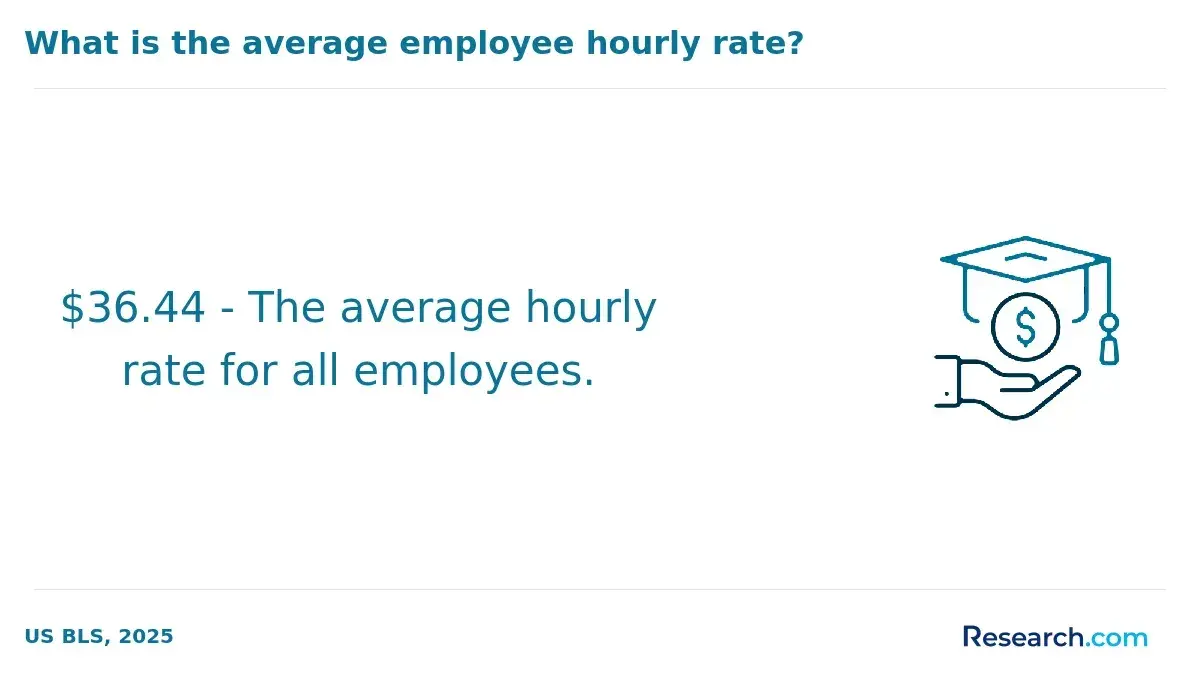
Structural engineering pay varies by experience, licensing, education, specialization, employer type, and location. Higher earnings usually come with greater responsibility, such as sealing drawings, managing projects, leading teams, or handling specialized structures.
In the United States, salaries typically range between $71,000 and $105,000 per year, with experienced professionals making up to $150,000 or more. Entry-level structural engineers often start from $55,000 to $70,000. Senior or principal engineers can earn $91,000 to $112,000 or more, depending on their responsibilities and expertise. This average pay for structural engineers in 2025 is expected to reflect steady growth over earlier career phases.
Experience has a major effect on pay. Engineers with less than three years typically make around $57,000 to $70,000, while those with ten or more years can earn $91,000 to $104,000. A master's degree, advanced certifications, or specialized expertise may improve promotion and salary prospects, especially in areas that require advanced technical judgment. Specializations such as aerospace or senior roles tend to command the highest salaries. Geographic location also matters because urban centers and certain states may pay more due to demand, project volume, and cost of living.
| Career stage or factor | Salary information stated |
| Entry-level structural engineers | $55,000 to $70,000 |
| Less than three years of experience | Around $57,000 to $70,000 |
| Typical U.S. range | $71,000 and $105,000 per year |
| Ten or more years of experience | $91,000 to $104,000 |
| Senior or principal engineers | $91,000 to $112,000 or more |
| Experienced professionals | Up to $150,000 or more |
If you are balancing education with work or family responsibilities, flexible study options may help you build credentials over time. You can explore the best college courses for older adults online while comparing programs carefully for accreditation, relevance, cost, and transfer policies.
What internships can you apply for to gain experience as a structural engineer?
The best structural engineering internships give you exposure to real projects, not just administrative support. Look for roles where you can assist with calculations, drawings, field observations, modeling, code research, shop drawing review, or construction coordination under licensed engineers.
If you are searching for structural engineering internships in California or summer structural engineer internship programs 2025, focus on employers whose project types match your long-term interests.
- Engineering consulting firms such as Walter P Moore or Thornton Tomasetti can expose interns to commercial buildings, public infrastructure, complex structural systems, design software, U.S. building codes, and technical documentation.
- Government agencies may offer internships in public works, transportation, infrastructure safety, disaster response, inspection, and regulatory compliance. These roles are useful if you are interested in bridges, roads, public facilities, or large-scale infrastructure.
- Construction companies help interns understand how structural drawings become physical structures. You may observe field coordination, quality assurance, constructability issues, sequencing, inspections, and change management.
- Companies like Kimley-Horn run extended internship and co-op programs that combine mentorship, technical workshops, and leadership training, helping students build both engineering and professional skills.
- Other organizations such as nonprofits, hospitals, or school districts that manage facilities can offer experience with maintenance, renovations, structural assessments, and owner-side project coordination.
How to evaluate an internship offer
- Ask whether you will work with licensed engineers or experienced structural staff.
- Confirm which software, project types, and design tasks interns typically handle.
- Look for employers that provide feedback on calculations and drawings, not just task assignments.
- Choose internships that help you document experience relevant to future EIT and PE goals.
- Consider whether the role exposes you to both office design work and field conditions.
While planning your internship path, you may also compare shorter education options such as what is the fastest associates degree to get, especially if you are building foundational technical skills before pursuing a longer engineering route.
How can you advance your career as a structural engineer?
Career advancement in structural engineering depends on becoming more trusted with risk, responsibility, clients, and complex decisions. Technical ability matters, but promotion also requires communication, reliability, business awareness, and a clear licensure plan.
- Advanced education: Graduate study in earthquake engineering, sustainable design, advanced structural analysis, bridge engineering, materials, or other specialized areas can deepen your expertise and support movement into leadership, research, or highly technical roles.
- Certification attainment: The Professional Engineer (PE) license is one of the most important credentials for advancement because it can allow you to approve plans and lead projects. Structural Engineering (SE) licensure may be required or preferred for certain complex structures in some states. LEED can also be useful for engineers working on sustainability-focused projects.
- Networking and mentorship: Professional organizations, conferences, technical committees, and online forums can help you learn from experienced engineers, identify job opportunities, and stay current with practice changes. A strong mentor can also help you avoid common career mistakes, such as delaying licensure or staying too long in a narrow role.
- Practical experience and adaptability: Work across different materials, building types, project phases, and delivery methods. Staying aware of innovations such as AI-assisted design and 3D printing can help you evaluate new tools without losing sight of engineering fundamentals.
Practical ways to move up
- Track your qualifying experience early so your PE application is easier to support.
- Volunteer for design reviews, site visits, and coordination meetings to understand full project delivery.
- Ask for feedback on both technical work and client communication.
- Develop one or two specialties while maintaining broad structural competence.
- Learn how project budgets, schedules, contracts, and liability affect engineering decisions.
Where can you work as a structural engineer?
Structural engineers work anywhere structures must be designed, evaluated, repaired, expanded, or made safer. In 2025, workplace options include consulting firms, contractors, public agencies, research settings, and specialized industries. The best choice depends on whether you prefer design depth, field exposure, public service, research, or sector-specific engineering.
- Private Engineering Firms: Companies like AECOM, WSP, and Thornton Tomasetti employ structural engineers to design buildings, bridges, and complex infrastructure. These firms are often strong options for engineers who want broad project exposure, mentorship, and experience with structural engineering jobs in major cities.
- Construction and Design-Build Companies: Firms such as Bechtel, Skanska, and Turner Construction hire engineers to support technical design decisions, coordinate with design teams, review field conditions, and ensure safety compliance through office work and field inspections.
- Government Agencies: Federal, state, and local departments, including the U.S. Army Corps of Engineers and Departments of Transportation, employ structural engineers to plan, design, review, maintain, and improve public infrastructure such as roads, bridges, flood control systems, and public facilities.
- Research Institutions and Academia: Universities and laboratories offer opportunities to teach, conduct research, test materials, study structural behavior, and develop new technologies that can influence future engineering practice.
- Specialized Industry Sectors: Structural engineers may also work in energy, including power plants and wind farms; aerospace, including support for launch facilities; or healthcare, where hospitals must meet strict safety and performance requirements.
| Work setting | Best fit for engineers who want |
| Private engineering firms | Design variety, technical mentorship, and client-facing project work. |
| Construction and design-build companies | More field exposure and closer involvement with constructability. |
| Government agencies | Public infrastructure work, regulatory responsibility, and long-term asset management. |
| Research institutions and academia | Teaching, testing, innovation, and advanced technical study. |
| Specialized industry sectors | Focused expertise in energy, aerospace, healthcare, or other high-requirement environments. |
To build relevant experience early, choose internships or entry-level roles connected to your target sector. If you are comparing flexible study options, consult the list of accredited online colleges with no application fee and review each program for accreditation, engineering relevance, cost, and student support.
What challenges will you encounter as a structural engineer?
Structural engineering can be rewarding, but it is not a low-pressure career. The work involves deadlines, safety responsibility, changing codes, coordination conflicts, and the need to keep learning throughout your professional life.
- High workload and emotional stress: Structural engineers often work on critical projects with tight deadlines, budget pressure, and public-safety implications. Recent surveys show that a notable portion of engineers leave the field due to the demanding nature of the job.
- Rapid technology changes: Tools involving AI, machine learning, BIM, and IoT are changing how engineers model, coordinate, inspect, and manage data. You do not need to chase every new tool, but you do need to understand which technologies improve accuracy and efficiency.
- Labor shortages and competition: The construction sector is facing a decline in experienced workers approaching retirement, making talent scarce. This can create opportunity for skilled engineers, but it also increases pressure on teams to deliver more with limited senior oversight.
- Regulatory and sustainability pressures: Building codes, environmental laws, energy standards, and resilience expectations continue to change. Structural engineers must design for safety while also responding to sustainability goals and compliance requirements.
- Limited career growth opportunities: Some professionals cite stagnation as a reason for leaving the field. To avoid this, seek employers that support licensure, mentorship, technical growth, project ownership, and movement into leadership or specialization.
How to manage these challenges
- Build review habits early so errors are caught before they become project risks.
- Set realistic expectations with supervisors about workload, deadlines, and training needs.
- Keep a record of lessons learned from projects, field issues, and design reviews.
- Invest in communication skills so you can resolve conflicts before they affect safety or schedule.
- Choose continuing education that directly supports the structures, materials, and codes you use most often.
What tips do you need to know to excel as a structural engineer?
To excel as a structural engineer, develop strong fundamentals, seek responsible mentorship, and learn how design decisions affect real projects. The engineers who advance fastest are usually not only accurate calculators; they are reliable professionals who can explain decisions, coordinate with teams, and manage risk.
- Find mentors early: Connect with experienced engineers, ask specific questions, request feedback on your calculations and drawings, and observe how senior professionals make decisions under uncertainty.
- Master the fundamentals: Software is useful, but it should not replace your understanding of load paths, structural behavior, materials, boundary conditions, and code requirements.
- Stay current with codes and tools: Make continuing education part of your routine. Workshops, certification programs, technical publications, and employer training can help you keep pace with industry changes.
- Join professional organizations: Industry groups can provide technical resources, networking, leadership opportunities, and exposure to career paths you may not see inside one employer.
- Improve written and verbal communication: Clear emails, calculation packages, meeting notes, and drawing comments reduce confusion and protect project quality.
- Build resilience: High-pressure deadlines, design revisions, and field problems are part of the job. Emotional intelligence helps you stay professional, calm, and useful when projects become difficult.
- Diversify your project portfolio: Experience across different materials, sectors, and technical challenges, such as seismic or coastal engineering, can make you more adaptable and improve long-term career stability.
Common mistakes to avoid
- Relying on software output without checking whether the results make engineering sense.
- Waiting too long to plan for the FE, PE, or SE pathway.
- Avoiding field visits and missing the chance to understand constructability.
- Failing to document assumptions, changes, and design decisions.
- Staying in a narrow role without building broader project delivery skills.
How do you know if becoming a structural engineer is the right career choice for you?
Structural engineering may be a strong fit if you enjoy applied math and physics, care about public safety, and want work that connects technical analysis with visible, real-world structures. It may be a poor fit if you want a routine desk job with little accountability, minimal collaboration, or limited continuing education.
- Skills needed to be a structural engineer: You should be comfortable with math, physics, technical data, diagrams, and detailed analysis. Creativity matters too, but it must be paired with accuracy and safety.
- Personality fit: Structural engineers work closely with architects, contractors, owners, reviewers, inspectors, and other engineers. If you enjoy collaborative problem-solving, the role may suit you well. If you strongly prefer isolated work, the coordination demands may be frustrating.
- Work environment: Many structural engineers split time between office-based design work and construction sites. Site visits may involve changing weather, active construction areas, inspections, and fast decisions.
- Career goals and stability: The profession offers stable prospects because communities continue to need buildings, bridges, infrastructure, repairs, renovations, and climate resilience work. Advancement often requires a Professional Engineer (PE) license and project management ability.
- Interest in real-world applications: If you are curious about why buildings stand, how bridges carry traffic, how foundations support loads, or how structures respond to wind and earthquakes, structural engineering offers a direct outlet for that interest.
- Willingness to embrace pressure and deadlines: Structural projects involve safety, cost, and schedule pressure. You need to be dependable when decisions matter.
Questions to ask yourself before choosing this path
- Do I enjoy solving problems that have both technical and practical constraints?
- Am I willing to pursue licensure and keep learning after graduation?
- Can I accept responsibility for work that affects public safety?
- Do I want a career that combines calculations, drawings, meetings, and site conditions?
- Would I enjoy seeing projects I helped design become part of the built environment?
Exploring related paths can also help you decide. Entry level certifications that pay well may provide a quicker foothold in technical work while you continue building toward more specialized engineering qualifications.
What Professionals Who Work as a Structural Engineer Say About Their Careers
- : "Pursuing a career as a structural engineer has given me incredible job stability and the chance to work on projects that literally shape our cities. The salary potential is very competitive, especially as you gain experience and specialize. I appreciate the blend of technical skills and creativity this career demands. — Mitchell"
- : "What I find most rewarding about structural engineering are the unique challenges presented by each project, from earthquake-resistant buildings to innovative bridge designs. Every day brings new learning opportunities and a strong sense of accomplishment. The industry's demand for sustainable solutions keeps me excited about future developments. — Julien"
- : "The path of a structural engineer offers impressive professional growth, especially through ongoing training programs and certifications. Working closely with diverse teams has refined my leadership skills and broadened my expertise in different construction environments. It's a career that truly encourages continuous improvement and advancement. — Phoenix"
Other Things You Should Know About Becoming a Structural Engineer
Licensure is crucial for structural engineers who want to advance in their careers in 2027. Most states mandate professional engineering (PE) licensure, which allows engineers to sign off on projects and ensure their engineering work meets safety and ethical standards.
Licensure requirements for structural engineers vary by state. While most states require a Professional Engineer (PE) license to practice independently, a few have additional exams or certifications specific to structural engineering. It's essential to check your state's licensing board for precise regulations before applying for jobs.
Yes. In the United States, only a licensed Professional Engineer can sign and seal structural design documents for public approval. The usual path is a four-year ABET-accredited engineering degree, the FE exam, about four years of supervised experience, and then the PE exam through the state licensing board.
References
- Top 10 skills and qualifications in structural engineering https://www.trsstaffing.com/blogs/2024-5/top-10-skills-and-qualifications-in-structural-engineering
- Common Challenges in Structural Engineering and How to Overcome Them https://www.civilera.com/post/common-challenges-in-structural-engineering-and-how-to-overcome-them
- How to become a structural engineer - The Institution of Structural Engineers https://www.istructe.org/become-a-structural-engineer/how-to-become-a-structural-engineer/
- 4 career paths you can take following a structural engineer job https://careers.atkinsrealis.com/blogs/2022-5/4-career-paths-following-a-structural-engineer-job
- Common Problems That Only A Residential Structural Engineer Can Solve https://caddrafter.us/problems-that-residential-structural-engineer-can-solve/


