2027 How Many Credits Can You Transfer Into an Addiction Counseling Degree Program?

Co-Founder and Chief Data Scientist
Transfer credit policies for addiction counseling degree programs vary widely, reflecting differences in accreditation standards and curriculum alignment. A 2024 report from the National Center for Education Statistics found that about 68% of transfer seekers faced partial credit acceptance when moving between related health fields, highlighting the challenge of overlapping yet distinct program requirements.
This points to a broader trend where students must carefully evaluate how their previous coursework aligns with core addiction counseling competencies, especially given practical skills demands from employers. Understanding typical credit transfer limits and institutional priorities can clarify realistic degree pathways and inform strategic academic planning.
Key Things to Know About How Many Credits Can You Transfer Into a Addiction Counseling Degree Program
- Transfer limits often cap at 50-60%, requiring strategic academic planning to maximize relevant credits while anticipating additional fieldwork components unique to addiction counseling's applied learning standards.
- Employers increasingly value clinical competency tied to program accreditations, so transferring excess credits that don't meet curriculum specificity risks producing graduates inadequately prepared for licensing and workforce demands.
- With over 40% of addiction counseling students being adult learners balancing work, efficient credit transfer policies can shorten time to degree, lowering cost and improving access but may force tradeoffs on course sequencing and eligibility.
How Many Credits Can You Transfer Into a Addiction Counseling Degree Program?
Transfer credit limits in addiction counseling degree programs often hinge on institutional standards that prioritize how much prior coursework matches discipline-specific criteria. Typically, programs allow transfer credits only from regionally accredited schools and require those credits to correspond directly with addiction counseling prerequisites or core foundational classes like human development and counseling theories.
For example, a student transferring from a community college with a strong social work curriculum might only have 50% to 70% of their credits accepted toward a 120-credit bachelor's degree, because many programs reserve a significant portion of upper-division credits for in-house specialization. This cap not only reflects academic rigour but also impacts workforce readiness, as employers generally expect graduates to have completed substantial training under the degree-granting institution's framework dedicated to addiction counseling competencies.
The practical consequences of these transfer credit limits extend into degree planning and progression because students must often complete residency requirements in advanced coursework that shapes professional skills, ethics, and legal knowledge specific to substance abuse treatment. This sequencing means that even if students accumulate many credits elsewhere, gaps in required foundational or advanced courses could delay graduation timelines and complicate transfer strategies.
Adult learners and career changers should weigh the benefit of transferring credits against the potential need to retake essential classes, particularly if their prior credits lack clear equivalency. In these situations, consulting resources like the easiest DNP program studies can offer insight into transfer-friendly pathways, as some institutions may better align transferable credits with addiction counseling degree transfer credit limits, influencing not just time-to-degree but also alignment with evolving employment standards in the healthcare system.
What Types of College Credits Can Transfer Into a Addiction Counseling Degree Program?
Transfer credit evaluation in addiction counseling degree programs extends beyond simple credit accumulation; it critically shapes how quickly a student can enter a high-demand workforce sector. For instance, adult learners who completed psychology courses at community colleges often discover that transfer policies vary widely, affecting their trajectory toward licensure and employment. Programs rigorously examine credits from both traditional academics and alternative learning pathways to determine alignment with core competencies and regional accreditation standards, ultimately influencing educational timelines and professional readiness.
- General Education Credits: Typically encompassing subjects like English and social sciences, these credits are usually accepted if from regionally accredited institutions. While they fulfill foundational graduation requirements, they rarely substitute for core addiction counseling coursework, necessitating caution among students seeking to minimize academic delays.
- Related Behavioral Science Courses: Psychology, sociology, and human development courses often transfer as electives or prerequisites when their learning outcomes align directly with addiction counseling content, offering valuable but limited relief on core program demands.
- Previous Addiction or Substance Abuse Coursework: Courses specifically labeled in addiction studies undergo thorough equivalency reviews. Because these may reduce core requirements, the accuracy of course content assessment critically impacts credit acceptance and, therefore, time-to-degree completion.
- Military or Workplace Training Credits: Some programs award credit for documented behavioral health or counseling training acquired through military or professional experience. However, acceptance typically requires extensive portfolios and often applies only to selected clinical or administrative competencies, making this option viable but not broadly comprehensive.
- Continuing Education and Certificate Programs: Non-degree programs may grant credit if rigorously accredited and supported by robust assessments that demonstrate collegiate-level knowledge, though such credit is typically supplemental and varies by institution.
Does Accreditation Affect How Many Credits Transfer Into a Addiction Counseling Degree?
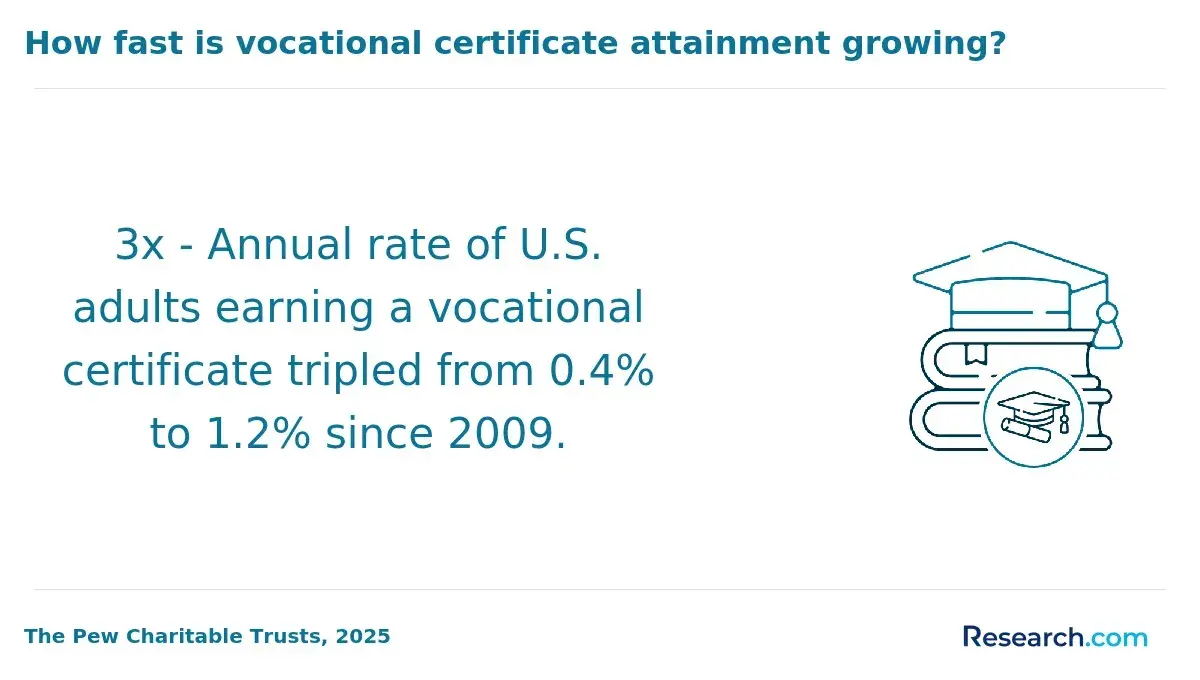
The accreditation status of an institution significantly shapes how transfer credits are evaluated in addiction counseling degree programs. Credits from regionally accredited schools tend to transfer more smoothly since these institutions uphold rigorous academic standards that are widely recognized by other regionally accredited programs. In contrast, credits from nationally accredited or non-accredited schools, which often emphasize vocational or specialized training, frequently face stricter scrutiny or rejection due to misalignment with the curriculum and competencies expected in addiction counseling degrees.
Additionally, programmatic accreditation dedicated specifically to counseling fields plays a crucial role in ensuring that clinical and competency-based courses meet professional standards, affecting whether credits are accepted fully, partially, or not at all.
These accreditation distinctions have practical consequences for transfer students, especially working adults balancing education with career goals. Data from the National Student Clearinghouse Research Center in 2024 reveals that up to 35% of transfer credits nationwide are not applied toward degree requirements, with the highest loss occurring among students moving from nationally accredited institutions.
For addiction counseling candidates, this often translates into longer timeframes to finish their degrees and additional tuition expenses as they retake required courses. The necessity to realign coursework with licensing requirements means miscredited courses can delay entry into the workforce, illustrating a tradeoff between choosing flexible or non-traditional schools and the efficiency of one's educational trajectory.
A recent applicant to an addiction counseling program shared an experience highlighting these dynamics. After completing several courses at a nationally accredited school, they hesitated to submit transcripts immediately, uncertain how many credits would transfer.
The program's rolling admissions process added urgency, but the applicant weighed the risk of delays caused by credit evaluations. Ultimately, they found that waiting for a complete assessment before enrolling allowed for more targeted planning, even if it postponed their start date-a decision marked by cautious optimism rather than rushed commitment.
How Do Universities Evaluate Transfer Credits for Addiction Counseling Programs?
Universities assessing transfer credit eligibility for addiction counseling programs engage in a thorough, multi-step evaluation focusing on academic equivalency rather than mere credit accumulation. Evaluators begin by examining course syllabi and detailed content descriptions to ensure alignment with essential addiction counseling competencies such as substance use disorders, ethics, counseling methods, and clinical practicum experience. The academic rigor and relevance of the coursework are critical for direct transfer approvals.
Credit hours are scrutinized next, especially with respect to program requirements for upper-division coursework. Credits from lower-division courses with overlapping content often transfer only as electives, which typically do not fulfill core degree milestones. This core versus elective differentiation significantly shapes a student's academic trajectory and timeline to completion.
The institution's accreditation status also influences acceptance rates. Regionally accredited institutions generally have more transferable credits, while nationally accredited or unaccredited programs face greater hurdles. Moreover, departmental approval by faculty or program directors is standard, ensuring transferred courses meet specific curricular standards.
Due to varying institutional policies and program competitiveness, transfer outcomes can differ widely, especially in addiction counseling programs with direct licensure implications. A 2024 report from the National Center for Education Statistics notes that around 62% of transfer students in health-related bachelor's degrees receive only partial credit acceptance, underscoring the rigor in evaluating core addiction counseling courses.
Students should consider these factors carefully and explore options such as MHA online programs to plan efficient progression while bridging potential credit gaps.
Can Work Experience Count as College Credits in a Addiction Counseling Degree Program?
Work experience can be recognized for academic credit in addiction counseling degree programs, but this depends heavily on institutional policies that require formal evaluation processes. Many programs employ prior learning assessments (PLA), portfolio reviews, or competency-based evaluations to verify if a student's professional skills meet specific course outcomes.
This often necessitates detailed documentation, including comprehensive job descriptions, supervisor endorsements, and reflective statements linking workplace duties to academic standards. Credit is never guaranteed; it demands a rigorous alignment of practical experience with the curriculum to uphold academic integrity and professional competencies.
In practice, students with relevant addiction counseling experience might reduce their required coursework by earning credit for up to 15 to 30 semester hours, though many programs impose upper limits to maintain degree rigor. This can shorten degree completion times and reduce costs but may also mean missing exposure to updated theories or evidence-based practices critical to the field's evolving demands.
According to a 2024 report from the Council for Adult and Experiential Learning, only about 35% of adult learners in health-related programs successfully receive PLA credits, which underscores the selective nature of these assessments and the need for well-prepared documentation aligned with specific institutional requirements.
One graduate shared that while applying for credit through work experience, they faced delays during a rolling admissions cycle because their portfolio submission needed revisions after initial evaluation. The process required careful timing and persistence to ensure all supervisor verifications and competency mappings were accepted before registration deadlines. This added uncertainty made balancing immediate employment demands with academic goals challenging but ultimately helped streamline their path once credit was awarded.
Why Do Colleges Reject Transfer Credits for Addiction Counseling Programs?
Transfer credit rejection reasons for addiction counseling programs often hinge on stringent academic and institutional evaluations that prioritize program quality and professional standards. A significant cause is accreditation disparities; credits from nationally accredited or technical schools frequently fail to meet the regional accreditation standards required by many universities, raising legitimate concerns about coursework rigor and comparability.
Outdated coursework also weighs heavily in transfer decisions. Given that addiction counseling curricula must reflect current best practices, evidence-based treatments, and ethical guidelines, older courses-even if completed with passing grades-may not satisfy program expectations. Many programs enforce minimum grade requirements, typically a C or better, to ensure sufficient student mastery before applying credits toward professional credentials. Credit denial often results from course equivalency mismatches where transferred classes do not precisely align with the learning objectives or lack required practicum components.
Laboratory, clinical, and supervised practicum standards create additional barriers. Many addiction counseling degrees mandate in-person clinical hours that cannot be compensated through online or less comprehensive transferred credits, protecting essential hands-on skill development. Upper-division curriculum alignment is another critical factor; lower-division transfer credits rarely count toward specialized advanced courses necessary for licensure, which can extend time to degree completion, increase tuition costs, and disrupt course sequences.
This reality has practical consequences: students face delayed graduation timelines, higher educational expenses, and interrupted progress toward certification or employment. Students transferring from older programs or institutions with less comprehensive addiction counseling curricula often experience higher rejection rates. Nationally, nearly 40% of students transferring into specialized health fields encounter some level of credit denial. Careful academic advising combined with early curriculum alignment is vital for navigating these challenges effectively.
Prospective students evaluating transfer options should also consider alternative educational pathways, such as online colleges with no application fee, which might offer curricular designs better suited to their academic background and timelines.
Which Addiction Counseling Degree Programs Accept the Most Transfer Credits?
Public universities with established articulation agreements typically offer the most generous transfer credit acceptance for addiction counseling degrees by allowing up to 90 semester hours from community colleges. This arrangement smooths credit recognition, especially for foundational coursework, reducing redundancy for transfer students.
Online programs geared toward adult learners often leverage prior learning assessments and standardized transfer frameworks, permitting credit for professional experience, military training, or certifications, which can accelerate degree completion through competency-based testing. A 2024 report from the National Center for Education Statistics highlights that nearly 60% of adult online learners used such mechanisms, underscoring their growing role in educational pathways.
However, increased transfer flexibility frequently comes with tradeoffs affecting academic quality and employer perception. Many programs enforce residency requirements mandating a minimum number of credits be earned directly to maintain rigor and meet professional certification standards, sometimes limiting upper-division transfer credits or foreign coursework acceptance. This can reduce curricular flexibility and create challenges for students relying heavily on transferred credits.
In addiction counseling fields, employer skepticism toward degrees completed predominantly through transfer or alternative credit sources remains a practical concern. Thus, while transfer-friendly programs enhance completion efficiency, prospective students must weigh the benefits against constraints on course selection and potential implications for job market competitiveness.
How Do Transfer Credits Affect the Time Needed to Complete a Addiction Counseling Degree?
Transfer credits can reshape the time needed to complete an addiction counseling degree, but this impact depends heavily on how credits align with critical curriculum requirements. For instance, students transferring mostly general education credits may not accelerate graduation if foundational or upper-division addiction counseling courses must be taken sequentially at the new institution.
The National Center for Education Statistics reports that about 60% of health-related transfer students experience credit loss or misalignment, potentially extending their degree timeline by at least one semester. Such delays not only affect course completion but also complicate scheduling key internships, which are often prerequisites for licensure and employment in addiction counseling roles.
Conversely, when transfer credits satisfy core major and residency criteria, students can move through programs faster and enter the workforce earlier, a significant advantage given rising demand for qualified addiction counselors. However, practical challenges like course expiration, incomplete prerequisite chains, and inconsistent credit applicability often force retaking classes or postponing clinical placements.
This is particularly relevant for adult learners and career changers whose transferred credits may add to their total hours but not align with immediate program milestones. Effective academic advising that prioritizes credit relevance and program progression is crucial to weigh these tradeoffs, ensuring that transferring credits support a coherent, licensure-compliant pathway rather than simply increasing credit counts.
Do Transfer Credits Reduce the Cost of a Addiction Counseling Degree?
Transfer credits can affect the total cost of an Addiction Counseling degree primarily by reducing the number of tuition-bearing credits a student must complete at the enrolling institution. Tuition is generally calculated based on credits taken directly toward degree requirements, so only those transfer credits recognized as fulfilling core or elective requirements lower overall expenses. This dynamic means the impact on program costs hinges on whether institutions and specific Addiction Counseling programs accept these credits as applicable to degree progress. Understanding this nuanced relationship is crucial when considering the transfer credits impact on addiction counseling degree cost.
In practice, the ability to lower program expenses through transferring credits is complicated by institutional residency rules and credit load minimums that require students to complete a set number of credits on-campus or via the institution's platform. Excess transferred credits often count only as electives, which may shorten time to graduation but not necessarily reduce total tuition if the credit load remains unchanged. Additionally, transfer credits for specialized Addiction Counseling courses may be limited or need to meet recent content standards.
Approximately 60% of transfer students report some tuition reduction, yet only around 35% see savings exceeding 25%, highlighting these tradeoffs. Adult learners and community college graduates evaluating their options should weigh these financial realities carefully, alongside potential practical benefits. For those comparing educational pathways, the application of prior coursework should be as deliberate as one would when assessing transfer opportunities in other fields, such as ultrasound tech.
What Is the Best Strategy to Maximize Transferable Credits?
Transfer students aiming to maximize transferable credits in addiction counseling degree programs face complex institutional policies and practical constraints that affect credit acceptance. For example, credits from regionally accredited institutions often carry more weight, which can significantly reduce total time and cost to degree completion-a crucial factor given the increasing demand across healthcare systems for qualified addiction counselors. Strategic course selection and documentation can make the difference between partial credit acceptance and duplicative coursework, impacting employability and financial burden.
To increase transfer credits for addiction counseling degrees efficiently, consider these approaches:
- Complete courses at regionally accredited institutions, as research from the National Center for Education Statistics in 2024 shows a 65% higher likelihood of credit acceptance compared to national or vocational schools.
- Review articulation agreements between your community college and target universities to identify pre-approved transferable courses, reducing evaluation delays and rejections.
- Submit detailed syllabi and course descriptions proactively to admissions or transfer offices, enabling precise equivalency assessments that can increase credits awarded.
- Focus on completing prerequisite-aligned coursework related to addiction counseling, as foundational program requirements have priority in transfer evaluations.
- Utilize prior learning assessments such as CLEP exams or portfolio reviews when available, which some addiction counseling programs recognize toward core competencies.
These tactics reflect how universities operationally assess transfer credits and can drastically enhance academic progress. Adult learners and career changers, in particular, should factor these strategies into their educational planning to avoid unnecessary delays. Prospective students evaluating pathways might also explore specialized options like ADN to NP programs online, which exemplify bridging models that can inform decisions about credit transfer and program alignment.
What Graduates Say About How Many Credits Can You Transfer Into a Addiction Counseling Degree Program
- Levi: "When I was deciding how many credits to transfer into my addiction counseling degree, I found that many employers really valued hands-on experience over just coursework. I chose to only transfer credits that aligned closely with counseling fundamentals, which meant taking a few extra classes but gave me the chance to pursue an internship. This choice paid off as I secured a role faster than peers who tried to rush through with maximum transfers but lacked practical experience."
- Ahmed: "I initially thought transferring the maximum number of credits into my addiction counseling program would speed up my entry into the workforce, but I quickly realized that some certifications and state licensure requirements couldn't be bypassed. I had to be strategic about which credits counted toward licensure eligibility. Although the path was longer, this approach allowed me to qualify for better-paying clinical roles rather than being stuck in entry-level positions indefinitely."
- Christopher: "Transferring credits for my addiction counseling degree was a balancing act between convenience and career growth. While transferring a lot of credits shortened my time in school, I missed some specialized courses that proved valuable when applying for jobs. Employers in my area prioritized candidates with completions of specific workshops or certifications rather than just degrees, so I ended up taking extra classes after graduation to stay competitive."
Other Things You Should Know About Addiction Counseling Degrees
Clinical hours and supervised practice are central to addiction counseling degrees and often cannot be satisfied by transfer credits. Even if academic courses transfer smoothly, students may still need to complete hands-on clinical training in the host program's specific formats and settings. This means that transferring credits does not typically lighten the workload in practicum or internship requirements, which are critical to licensure and employer expectations.
Since addiction counseling relies heavily on specialized knowledge in counseling techniques and substance abuse treatment, credits from behavioral science or general psychology may not substitute for core addiction counseling classes. Prioritizing transfer credits directly related to counseling theories and clinical methods can reduce redundancy and better prepare students for licensing exams. When possible, students should strategically transfer courses that align closely with the counseling curriculum rather than general education credits.
Accepting a high volume of transfer credits can speed up degree completion but may also reduce exposure to up-to-date addiction counseling practices taught in later-stage courses. Some programs limit transfer credits to ensure students receive training in current evidence-based interventions, which directly affects employability and clinical competency. Students should weigh the benefit of faster graduation against potential gaps in practical knowledge that could impact readiness for certification and employment.
Transfer credits can significantly shorten the time it takes to complete an addiction counseling degree program by covering general education or foundational courses. However, core counseling and clinical components typically must be completed at the institution from which you will earn your degree.
References
- Accelerated Addiction Counseling Programs | Fast Track Degrees https://www.addiction-counselors.com/blog/accelerated-addiction-counseling-programs/
- How to become an addiction counselor - edX.org https://www.edx.org/become/how-to-become-an-addictions-counselor
- Substance Abuse Counselor https://onlinecounselingprograms.com/become-a-counselor/counseling-careers/substance-abuse-counselor/
- How to Become a Substance Abuse Counselor | Hazelden Betty Ford https://www.hazeldenbettyford.org/graduate-school-addiction-studies/how-to-become-a-substance-abuse-counselor
- Addictions Counseling - Transfer | Human Services https://www.monroecc.edu/depts/humserv/programs/addictions-counseling-transfer/
- What Is CACREP Accreditation? Meaning, Standards, And Benefits - North American Community Hub https://nchstats.com/what-is-cacrep-accreditation/
- Master of Science in Clinical Behavioral Health, Emphasis in Addictions Counseling https://catalog.msudenver.edu/preview_program.php
- A Transfer Credit Crisis https://wcuquad.com/6024996/features/a-transfer-credit-crisis/