2027 How Fast Can You Earn an Online Healthcare Administration Bachelor's Degree? Timelines & Completion Options

Co-Founder and Chief Data Scientist
The fastest way to earn an online healthcare administration bachelor's degree depends less on the word “online” and more on the program’s calendar, credit-transfer policy, course load, and your weekly availability. A traditional full-time path often takes about four years, but students with prior credits, year-round enrollment, accelerated terms, or self-paced options may be able to shorten that timeline.
This guide is for working adults, transfer students, career changers, and healthcare employees who want a realistic answer to one question: how quickly can I finish without choosing a weak or poorly matched program? According to the National Center for Education Statistics, over 40% of students in healthcare administration programs choose online formats for their flexibility. That flexibility can help, but it does not automatically make a degree faster. You still need to understand credit requirements, workload, start dates, and the trade-offs of accelerated study.
Below, you will find practical guidance on typical timelines, accelerated formats, transfer credits, part-time study, workload expectations, cost implications, and completion strategies for online healthcare administration bachelor’s programs.
Key Things to Know About Online Healthcare Administration Bachelor's Degree Timelines & Completion Options
- Many online healthcare administration programs offer accelerated formats allowing completion in as little as two to three years, compared to the traditional four-year timeline.
- Flexible scheduling, including asynchronous courses, enables students to balance work and study, often speeding up progression through year-round enrollment.
- Credit transfer policies let students apply prior coursework from community colleges or associate degrees, potentially reducing required credits by 30% or more.
What Is the Typical Timeline for an Online Healthcare Administration Bachelor's Degree?
The typical timeline for an online Healthcare Administration bachelor’s degree is approximately four years for full-time students. That is similar to many traditional campus-based bachelor’s programs because online delivery changes the format, not necessarily the number of credits required. Most programs require between 120 and 130 credit hours, usually combining general education, business fundamentals, healthcare policy, ethics, finance, management, information systems, and healthcare operations courses.
According to the National Center for Education Statistics, the average time to complete similar bachelor’s degrees is about 4.5 years. That average matters because many online students are also working, caregiving, transferring schools, or taking lighter course loads. A program advertised as “four years” may take longer if you enroll part time, pause for a term, miss a prerequisite sequence, or cannot get required courses when you need them.
For most students, the timeline falls into one of three practical categories:
- Traditional full-time pace: Usually designed around steady enrollment across fall and spring terms and often completed in about four years.
- Accelerated pace: May use shorter terms, summer enrollment, transfer credits, or heavier course loads to reduce total time.
- Part-time pace: Often chosen by working adults and parents, but it can extend the degree beyond the standard timeline.
When comparing programs, ask for a degree plan that shows when each required course is offered. A program can look fast on paper but become slower if upper-division healthcare administration courses are only available once per year. If you are still exploring other healthcare education routes, a PharmD degree represents a different, more clinical pathway and should be compared separately from healthcare administration.
What Are Accelerated Online Healthcare Administration Bachelor's Degree Programs?
Accelerated online healthcare administration bachelor’s degree programs are designed to help qualified students finish faster than a standard four-year schedule. They usually do this by shortening academic terms, offering courses year-round, accepting transfer credits, or allowing students to take more credits in a shorter period. The curriculum should still cover the same core areas: healthcare systems, management, law and ethics, finance, quality improvement, human resources, and data-informed decision-making.
The main advantage is speed. The main risk is overload. A faster program can be valuable if you are organized, have reliable study time, and understand the weekly workload. It may be a poor fit if your schedule is unpredictable or if you need more time to absorb quantitative, policy, or management coursework.
- Condensed coursework: Courses cover essential material in less time than standard formats. This can work well for focused students, but falling behind in an accelerated course is harder to recover from.
- Shorter terms: Many accelerated programs use 8-week or 10-week sessions instead of the typical 15-week semester. This can let students complete more courses across the year.
- Year-round enrollment: Summer and winter courses can reduce downtime between terms and help students keep momentum.
- Higher weekly intensity: Accelerated does not mean easier. The same reading, writing, discussion, and project expectations may be compressed into fewer weeks.
- Best-fit students: These programs often serve adults with clear goals, prior college experience, strong time-management habits, and enough weekly availability to sustain a faster pace.
Before enrolling, confirm whether the program is accredited, how transfer credits are evaluated, whether accelerated courses cost more per term, and whether key courses are available often enough to support your target graduation date. Students considering clinical advanced-practice routes should compare requirements carefully because a nurse practitioner degree online serves a different professional goal and typically involves separate licensure and clinical expectations.
Can I Transfer Credits to an Online Healthcare Administration Bachelor's Degree?
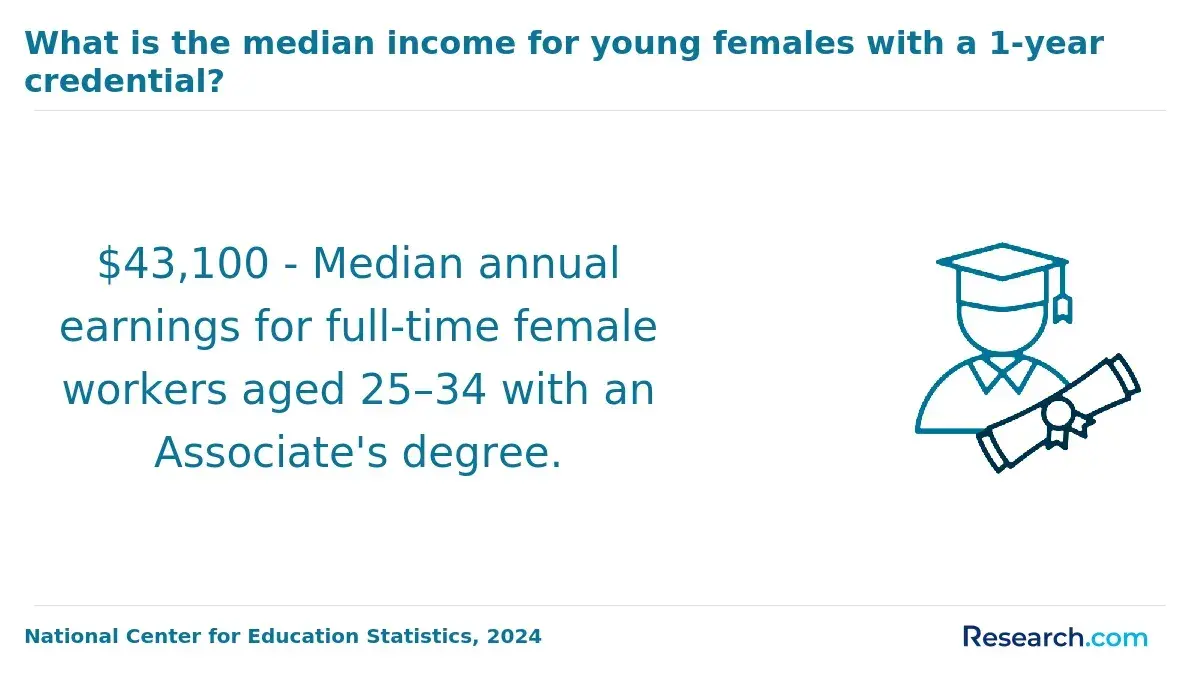
Yes. Transferring credits is one of the most common ways to shorten an online healthcare administration bachelor’s degree. Nearly four in ten students in such online programs bring credits from previous colleges, and those credits can reduce both time and cost if they apply directly to degree requirements.
The key phrase is “apply directly.” A school may accept credits for admission but still classify some as electives rather than major, general education, or upper-division requirements. That distinction can determine whether you actually graduate faster.
- Eligibility requirements: Transfer credits typically need to come from regionally accredited institutions. Many schools also require a minimum grade, commonly a "C" or higher.
- Accepted credit types: General education courses such as English, mathematics, social sciences, and humanities are often the easiest to transfer. Business, health sciences, statistics, accounting, and management courses may also apply if they match the program curriculum.
- Credit evaluation: Schools compare your transcripts, course descriptions, credit hours, accreditation, and sometimes syllabi against their own requirements. This process determines whether each course counts toward the degree.
- Transfer limits: Many universities cap accepted transfer credits between 60 and 90 credits. Even with substantial prior coursework, you may still need to complete a residency requirement at the degree-granting institution.
- Program-specific requirements: Some core healthcare administration courses must be completed through the school awarding the degree, especially upper-division courses tied to program outcomes.
To avoid surprises, request an official transfer evaluation before committing. Ask for a written degree audit showing which credits count, which requirements remain, and how long the program will take at your intended pace. If you have old credits, credits from multiple schools, military training, or professional certifications, ask whether the institution reviews prior learning or credit for experience.
One graduate described the transfer process as “meticulous” and sometimes “frustrating,” especially when the school requested detailed syllabi. Still, the effort was worthwhile: transfer approval cut his time in the program by nearly a year. His advice was simple—gather transcripts early, keep course documents, and do not assume every credit will count until the school confirms it in writing.
Which Is Faster: Self-Paced or Scheduled Online Healthcare Administration Bachelor's Degree?
Self-paced programs can be faster for highly disciplined students, while scheduled programs can be more reliable for students who need structure. According to data from the National Center for Education Statistics, students in self-paced online programs finish up to 25% quicker on average than those in scheduled formats. However, speed depends on how the school defines self-paced learning, how many courses you can take at once, and whether faculty grading or course access creates bottlenecks.
Self-Paced Online Programs
- Flexibility: Students can often decide when to complete readings, assignments, and assessments within broader program rules.
- Potential for accelerated progress: Motivated learners may move quickly through familiar material, especially if they have healthcare or business experience.
- Strong self-management required: Without weekly deadlines, it is easy to lose momentum. Self-paced programs reward consistency, not just ambition.
- Important question to ask: Confirm whether there are limits on course attempts, instructor response times, assessment windows, or the number of courses you may complete in a term.
Scheduled Online Programs
- Structured timeline: Courses have fixed start dates, end dates, weekly deadlines, and shared calendars.
- Built-in accountability: Regular assignments, discussion boards, and instructor feedback can help students stay engaged.
- Predictable sequencing: Scheduled programs may make it easier to plan around prerequisites and required upper-division courses.
- Possible slower pace: Even if you finish assignments early, you may not be able to move to the next course until the next term begins.
If your goal is the shortest possible timeline, self-paced learning may offer more room to accelerate. If your goal is dependable progress while working or managing family obligations, a scheduled format may be safer. Students comparing broader accelerated options can also review fast track degree programs to understand how compressed degree structures differ across fields.
How Long Does a Part-Time Online Healthcare Administration Bachelor's Degree Take?
A part-time online healthcare administration bachelor’s degree typically takes between four to six years, though the exact timeline depends on how many credits you complete each term and how many credits you transfer in. Many part-time learners take closer to five years because they reduce their course load to keep working, caregiving, or managing other responsibilities.
Part-time study is not a failure to move quickly; for many adults, it is the only sustainable route. The benefit is flexibility. The trade-off is that the longer timeline can increase exposure to term-based fees, delay graduation, and make it easier to lose momentum if you take breaks.
Part-time students can protect their timeline by planning carefully:
- Take at least one course every term when possible: Long gaps can make it harder to re-enter academic routines.
- Prioritize prerequisites early: Completing foundation courses first helps avoid delays in upper-division healthcare administration classes.
- Use summer sessions strategically: Even one additional course per year can shorten the overall timeline.
- Meet with an advisor regularly: A part-time plan should be reviewed before registration opens, not after preferred courses are full.
A graduate who completed the degree part time said the slower pace was both challenging and rewarding: “It wasn't just about managing time; it was about staying motivated through the slower pace.” She credited advisor check-ins and an online peer community with helping her persist. She also found that working while studying let her apply healthcare administration concepts immediately, which made the longer timeline more useful rather than merely slower.
What Affects the Timeline of an Online Healthcare Administration Bachelor's Degree?
The timeline for an online healthcare administration bachelor’s degree is shaped by program design and student choices. Two students can enter the same program and graduate at very different times because of transfer credits, course load, work schedule, start date, and course availability.
- Enrollment status: Full-time students typically finish within about four years. Part-time learners may take six years or more if they enroll in fewer courses per term or take breaks.
- Course availability: Required courses may not be offered every semester. If a prerequisite or upper-division course is missed, graduation can be delayed.
- Program flexibility: Asynchronous, self-paced, accelerated, and year-round formats can shorten the timeline, but only if students can keep up with the workload.
- Personal commitments: Work schedules, family responsibilities, health concerns, and financial pressures can affect how many courses a student can complete consistently.
- Transfer credits: Accepted prior college credits or approved experiential learning can significantly reduce the number of courses remaining.
- Administrative readiness: Delays in sending transcripts, filing financial aid forms, completing orientation, or meeting with advisors can slow enrollment before classes even begin.
Prospective students should ask each school for a personalized completion estimate, not just a general program length. If affordability is also part of the decision, comparing healthcare administration degrees can help you evaluate timeline, tuition, and format together instead of treating speed as the only factor.
What Is the Workload for an Online Healthcare Administration Bachelor's Degree?
An online healthcare administration bachelor’s degree requires steady weekly work, even when courses are asynchronous. Students typically spend between 15 and 20 hours per week on coursework, including lectures, readings, discussion posts, quizzes, exams, papers, case studies, and projects. The workload can rise during accelerated terms or major assignments.
The subject matter is practical but not light. Healthcare administration students often study finance, regulations, organizational behavior, quality improvement, health information systems, leadership, and ethics. These courses frequently require writing, analysis, and applied problem-solving rather than simple memorization.
- Weekly study hours: Students need regular blocks of time to read, review lectures, complete assignments, and prepare for assessments.
- Assignment expectations: Coursework may include research papers, healthcare case analyses, presentations, budget exercises, and management plans.
- Online participation: Discussion boards, group projects, and peer responses are often required and may have strict deadlines.
- Technology readiness: Students need reliable internet access, comfort with learning platforms, and the ability to submit work in required formats.
- Work-life balance: Many online students are employed, so success often depends on setting a weekly routine before the term begins.
For a roughly 120-credit curriculum, consistency matters more than occasional bursts of effort. Students who want to graduate faster should calculate whether they can sustain the added weekly hours before increasing their course load.
Do Multiple Start Dates Help Me Finish an Online Healthcare Administration Bachelor's Degree Faster?
Multiple start dates can help you finish faster, but they are not a guarantee. They are most useful when they reduce waiting time between admission and enrollment or let you add courses throughout the year. Data from the Online Learning Consortium indicates that around 65% of online undergraduate programs offer at least three start dates annually, which reflects how common flexible online calendars have become.
Instead of waiting for one fall or spring intake, students in programs with multiple start dates may begin when they are ready. This can be especially helpful for transfer students, working adults, and students who miss a traditional semester deadline.
- Earlier entry: Starting sooner can reduce idle months before your first class.
- More planning flexibility: Multiple terms can make it easier to schedule required courses around work and family obligations.
- Better fit with short terms: Programs using eight-week sessions often pair well with multiple start dates because students can complete courses in smaller blocks.
- Less benefit if courses are limited: Multiple start dates will not help much if required major courses are offered infrequently or fill quickly.
Ask whether all students can start on each available date or whether certain starts apply only to general education, transfer, or specific course sequences. Also confirm whether starting later in the year changes financial aid timing or course availability. For students comparing administrative and coding-related healthcare paths, understanding credentials and outcomes such as CCS vs CPC salary considerations may also help clarify which education route fits their career plan.
Is It Cheaper to Complete an Online Healthcare Administration Bachelor's Degree Faster?
Completing an online healthcare administration bachelor’s degree faster can be cheaper, but it depends on the school’s pricing model and your personal circumstances. On average, tuition for an online bachelor’s degree ranges from $300 to $600 per credit hour. If you pay per credit, finishing faster does not always reduce tuition because the number of required credits may stay the same. The savings often come from reducing term-based fees, avoiding extra semesters, and entering higher-level roles sooner.
- Tuition structure: Per-credit tuition means you generally pay for each course you take. Faster completion may not lower tuition unless transfer credits or prior learning reduce the number of credits required.
- Term-based fees: Technology, student services, registration, and other fees may be charged each term. Fewer terms can reduce these costs.
- Workload intensity: Accelerated study can create indirect costs, including fewer work hours, childcare needs, or added stress. These costs can offset savings.
- Opportunity cost: Finishing sooner may allow earlier access to promotion opportunities or new roles, which can make the faster path financially valuable.
- Financial aid pacing: Taking more credits in a term can affect aid eligibility, satisfactory academic progress, and out-of-pocket timing. Students should verify details with the financial aid office before accelerating.
- Alternative program options: Students comparing healthcare-related fields may also review affordable online dietetics programs, which can have different timelines, prerequisites, and cost structures.
The best approach is to calculate total program cost, not just annual tuition. Include accepted transfer credits, required remaining credits, fees, books, expected time to graduation, and any income you may lose by taking a heavier course load.
How Can I Complete an Online Healthcare Administration Bachelor's Degree Faster?
You can complete an online healthcare administration bachelor’s degree faster by combining smart program selection with disciplined academic planning. Research shows that students engaged in well-structured accelerated programs can shorten their time to graduation by as much as 25%, but acceleration works best when it is planned before enrollment.
Start by choosing a program that supports speed structurally. Look for generous transfer policies, multiple start dates, summer courses, short terms, clear prerequisite sequencing, and frequent availability of upper-division healthcare administration courses. Then build a realistic course plan with an advisor.
- Maximize transfer credits early: Submit all transcripts before enrolling and request a formal degree audit. Ask whether prior learning, military training, or professional credentials can be reviewed.
- Maintain consistent course loads: Avoid alternating between overload and inactivity. A steady pace is often faster in the long run.
- Use summer and intersession courses: Off-term enrollment can add credits without waiting for the next traditional semester.
- Complete prerequisites first: Foundation courses should be prioritized so they do not block access to advanced healthcare administration classes.
- Choose the right format: Self-paced and accelerated formats can save time, but scheduled courses may be better if you need deadlines and structure.
- Protect study time: Build a weekly schedule before classes begin, including time for readings, assignments, discussion posts, and exams.
- Stay in contact with advisors: Confirm each term’s courses apply to your degree plan. Taking the wrong elective can delay graduation.
The fastest path is not always the best path. A sustainable timeline that you can complete successfully is more valuable than an aggressive plan that leads to failed courses, withdrawals, or burnout.
What Graduates Say About Online Healthcare Administration Bachelor's Degree Timelines & Completion Options
- : "I chose an online healthcare administration bachelor's program because it offered the flexibility I needed to balance work and family life. The ability to complete courses at my own pace without relocating was a significant factor. The affordable tuition compared to traditional programs made it accessible, and finishing the degree has opened doors for promotions I never thought possible. — Augustus"
- : "Reflecting on my experience, the cost-effectiveness of the online healthcare administration program was a big relief, especially since I could work while studying. The program's structure, with multiple start dates and accelerated options, allowed me to graduate faster than expected. Earning the degree online validated my skills professionally and gave me a competitive edge in healthcare management roles. — Antonio"
- : "From a professional standpoint, the online healthcare administration bachelor's degree was an excellent investment. I appreciated the comprehensive curriculum and the option to transfer credits, which shortened my timeline. Completing this program has significantly enhanced my confidence in handling complex administrative challenges in healthcare settings. — Julian"
Other Things You Should Know About Healthcare Administration Degrees
Online healthcare administration bachelor's degrees from accredited institutions are generally accepted by employers across the healthcare industry. Accreditation ensures the program meets academic and professional standards, which is crucial for credibility. Graduates should verify the program's accreditation status to ensure their degree will be valued in the job market.
Many online healthcare administration bachelor's programs include internship or practicum requirements to provide hands-on experience. These experiences are often completed locally to accommodate distance learners. Practical components help students apply theoretical knowledge and increase employability after graduation.
Yes, most online healthcare administration bachelor's programs are designed to accommodate working students with flexible schedules. Part-time enrollment and asynchronous courses allow students to balance work commitments while progressing through their degree. However, managing time effectively is essential to meet course deadlines and maintain academic performance.
References
- Health Care Management (B.S.) - Online Degree Completion - University of St. Francis https://stfrancis.edu/health-care-management-online-degree-completion/
- Health-Care Administration, BS (Online) | Loma Linda University https://llu.edu/academics/programs/school-allied-health-professions/health-care-administration-bs-online
- News https://www.setonhill.edu/academics/degrees-programs/online-bachelors-degrees-certificates/healthcare-administration-bs.html
- Online Healthcare Administration Degree https://www.snhu.edu/online-degrees/bachelors/bs-in-healthcare-administration
- Online Healthcare Administration Degree – Self-Paced, Affordable https://exsci.cuchicago.edu/healthcare-administration/degrees/bachelors/
- Back to School: How to Finish Your Healthcare Degree Online https://www.edumed.org/articles/online-degree-completion-in-healthcare/
- Why online Health Admin Degrees are Easier? https://www.healthadministrationdegrees.com/articles/ease-of-online-health-admin-degrees/
- What is the Timeline for Obtaining a Degree in Healthcare Management? - Healthcare Management Degree Guide https://www.healthcare-management-degree.net/faq/what-is-the-timeline-for-obtaining-a-degree-in-healthcare-management/
- 2025 Most Affordable Healthcare Administration Degrees Online https://www.onlineu.com/most-affordable-colleges/healthcare-administration-degrees
- Healthcare Administration BS Online https://www.umassd.edu/programs/healthcare-administration-online/