2027 From Billing Specialist to Healthcare Administration

Co-Founder and Chief Data Scientist
Billing specialists already understand a part of healthcare administration: how documentation, claims, payment rules, and patient accounts affect an organization's operations. Moving into administration means building on that knowledge while taking responsibility for people, budgets, processes, or broader service delivery. This guide is for billing professionals considering a supervisory role, a different administrative function, or a degree. It explains which moves are realistic with your experience, when further education helps, and how to avoid paying for a credential that does not match your next job.
Key Things You Should Know
- The most direct move is often into revenue-cycle supervision or practice operations; senior hospital administration usually requires broader leadership experience, not just a new degree.
- A bachelor's degree can support many management paths, while an MHA or healthcare-focused MBA may help with broader leadership goals. Neither replaces relevant work experience.
- The U.S. Bureau of Labor Statistics reports a $126,520 median annual wage for all management occupations in May 2025. That is not a starting salary or a healthcare administration graduate salary.
How can billing specialists transition into healthcare administration careers?
Start by identifying the administrative work you already do. Resolving denials, explaining payment policies, tracking receivables, and coordinating with clinical teams demonstrate process improvement, compliance awareness, financial judgment, and communication. The easiest transition usually extends those responsibilities rather than abandoning them.
Ask your manager to let you lead a defined project, such as improving a denial-review workflow or training new billing staff. Record the problem, your actions, and the result without disclosing patient information.
Then seek titles involving a wider scope: billing lead, revenue-cycle supervisor, patient financial services manager, or practice operations coordinator. A move from claims work into staffing, scheduling, or facility-wide operations may require a lateral role first.
If you need a bachelor's degree to qualify for internal openings, compare transfer-credit policies and course schedules before enrolling. Rolling-start university options for healthcare administration majors may reduce the wait to begin, but a convenient start date matters less than affordable tuition and credits that apply to the degree.
What degree or training is required for healthcare administration jobs?
There is no single degree required for every healthcare administration job. Employers set requirements by role and organization. A billing lead may advance through experience and employer training; a practice manager may be expected to hold a bachelor's degree; and broader health services management roles commonly call for a bachelor's degree plus related experience. Graduate study can strengthen an application for larger-scale leadership, but it is not a universal prerequisite.
A bachelor's in healthcare administration emphasizes organizational operations. Health information management (HIM) emphasizes health data, records, coding systems, and information governance.
A Master of Health Administration (MHA) focuses on managing healthcare organizations, while an MBA offers a broader business core that may include healthcare electives or a formal concentration. Check the actual curriculum: a healthcare elective does not make an MBA a healthcare administration degree.
If you have no bachelor's degree, compare healthcare administration undergraduate degrees at U.S. universities with your employer's education requirements and your existing credits. If you already have a bachelor's degree, first test whether supervisory experience or targeted training can get you the next role before committing to graduate school.
What healthcare administration careers can billing specialists pursue?
Billing experience is strongest evidence for roles close to revenue, patient access, and practice operations. The table distinguishes plausible next moves from roles that generally require a wider record of management.
| Career path | Connection to billing experience | Likely gap to address |
| Revenue-cycle supervisor or manager | Claims, denials, collections, and payment workflows | Staff coaching, performance measures, and process ownership |
| Patient financial services manager | Patient accounts and payment communication | Team leadership and organization-wide policy implementation |
| Medical practice manager | Financial workflows and coordination with clinical staff | Scheduling, staffing, vendor management, and operating budgets |
| Hospital or system administrator | Knowledge of one important operational function | Substantial cross-functional and senior leadership experience |
For a fuller view of healthcare administration employment paths and advancement, compare job descriptions with your current responsibilities. A title alone can conceal major differences: managing a small billing team is not the same job as directing multiple departments.
Check two different kinds of recognition. First, confirm that the institution holds accreditation recognized by the U.S. Department of Education or the Council for Higher Education Accreditation.
Then determine whether accreditation specific to your intended program matters: CAHME accredits eligible healthcare management graduate programs, while CAHIIM accredits eligible HIM programs. Business-school accreditation, such as AACSB, ACBSP, or IACBE accreditation, is a separate consideration for an MBA.
These labels are not interchangeable. A university can be institutionally accredited without a particular healthcare program holding specialized accreditation; an accredited MBA is not automatically a CAHME-accredited MHA.
If you are interested in health information leadership or a credential tied to HIM education, examine accredited online HIM degree program choices and verify the individual program's current status directly with its accreditor before applying.
Online study can let an employed billing specialist stay in the workforce, but "online" does not necessarily mean self-paced. Ask whether classes have live meetings, scheduled exams, group projects, an in-person residency, or a locally arranged practicum. Those requirements may be manageable alongside a regular work schedule - or difficult during month-end billing cycles.
Campus study may be preferable if you want regular face-to-face contact, local employer connections, or an established internship route. Online study may be preferable if travel would otherwise prevent enrollment. When comparing online healthcare administration programs with accelerated schedules, examine course sequencing and weekly deadlines as carefully as the advertised completion time. Faster completion usually means less room to absorb a demanding work period.
Healthcare administration coursework typically addresses healthcare finance, operations, law and ethics, quality improvement, organizational leadership, and data-informed decision-making. An undergraduate degree may begin with accounting and management foundations.
An MHA applies management concepts specifically to healthcare organizations; an MBA generally adds a broader core in areas such as finance, strategy, and organizational behavior before any healthcare-focused study.
For a billing specialist, the most useful courses may be those that move beyond reimbursement: budgeting across departments, managing employees, interpreting quality measures, and leading operational change.
In comparing programs through an online MHA program selection guide, inspect required courses and applied projects rather than relying on a degree title. A project with a healthcare organization may help you demonstrate broader responsibility, but confirm who arranges the placement and whether it fits your schedule.
Admissions requirements vary by school and degree level. Undergraduate applicants may need prior transcripts and must follow a program's transfer-credit rules. Graduate applicants generally need a bachelor's degree and may be asked for a résumé, recommendations, a statement of purpose, or evidence of academic readiness.
Tests, minimum grades, prerequisites, and work-experience expectations must be checked program by program; none should be assumed universal.
Billing work is relevant healthcare experience, even if it is not clinical experience. When preparing an application, describe the scope of your work and any measurable process improvements rather than presenting billing experience as identical to general management.
If your bachelor's degree is outside business or healthcare, examine foundation coursework and MHA programs open to applicants with other professional backgrounds. That comparison can help you distinguish an actual prerequisite from a preferred background.
Completion time depends on the degree, accepted transfer credits, course availability, and whether you study full- or part-time. An accelerated calendar does not erase required coursework, and a part-time path may be easier to sustain while working. Graduate healthcare administration study on a 12-month timetable is worth examining if you can accommodate its course load; confirm whether the advertised timetable includes any practicum or capstone.
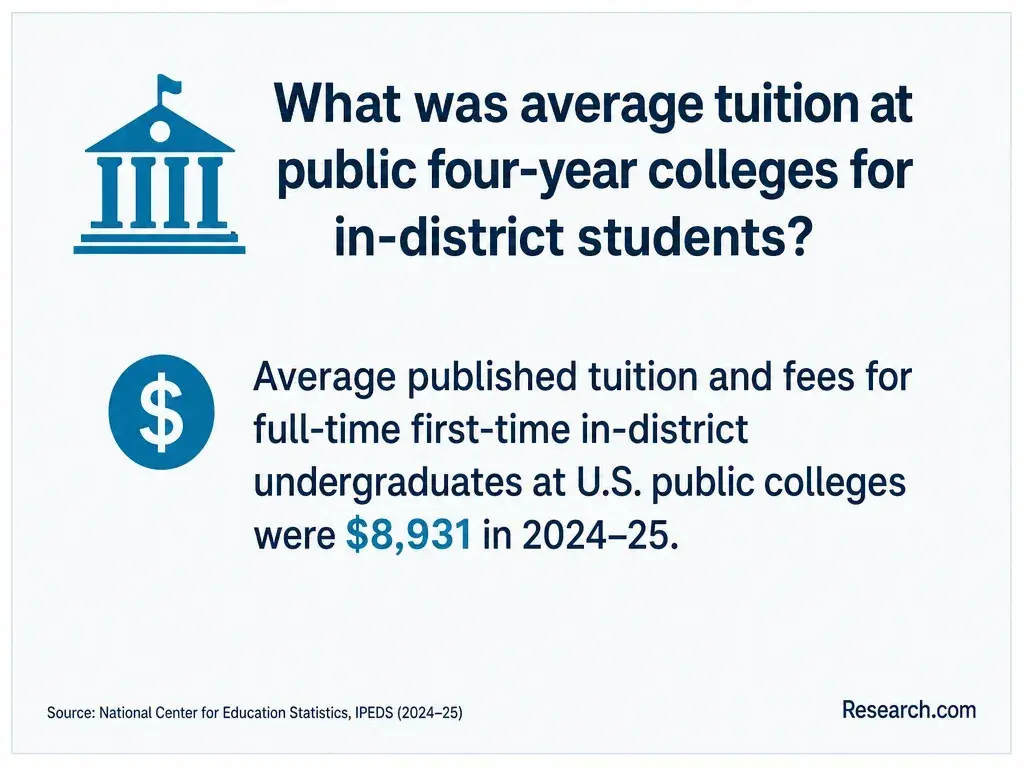
Do not compare programs using tuition per credit alone. Request a written estimate covering required credits, mandatory fees, books and software, travel or placement expenses, and any credits that will not transfer.
Ask your employer whether tuition assistance applies to the specific program and whether repayment is required if you leave. The least expensive route to your next qualifying job may be an internal promotion supported by training, rather than an additional degree.
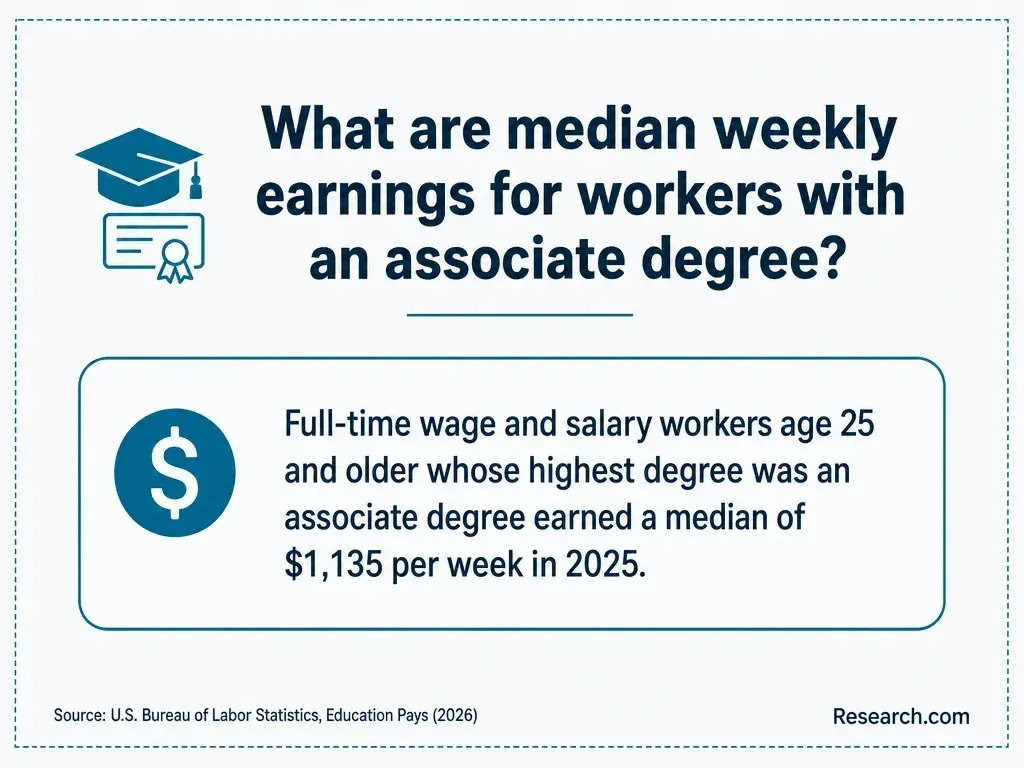
There is no single salary that healthcare administration graduates can expect. Pay depends on the job, location, employer, supervisory scope, and prior experience. The U.S. Bureau of Labor Statistics reports that the median annual wage across all management occupations was $126,520 in May 2025.
That broad figure includes managers outside healthcare and should not be used to predict a new billing supervisor's pay or the return on an MHA or MBA.
For a useful comparison, look at posted pay ranges for the specific jobs you could credibly obtain now and after gaining management experience. Compare those ranges with your current compensation and the full cost of study; do not count a possible senior-level salary as an immediate post-graduation outcome.
A doctorate is generally a poor shortcut to a near-term raise. If your longer-term goal genuinely calls for one, review financial planning for a healthcare administration doctoral degree separately from your decision about the next job.
What certifications and licenses are needed in healthcare administration?
Most general healthcare administration positions do not require a single nationwide administrator's license. Licensing is role-specific: nursing home administrators, for example, must meet applicable state licensing requirements. Do not assume that an MHA, MBA, or billing background qualifies you to run a licensed facility.
Relevant professional certifications may demonstrate expertise in billing, coding, revenue cycle, or health information, but eligibility rules and employer preferences differ. A certification can be a focused choice if your next role remains close to billing operations.
If you need broader management preparation instead, compare the curriculum and total commitment of accelerated online healthcare management master's options with employer training and a conventional program. Neither a short program nor a professional certification substitutes for a license where state law requires one.
Other Things You Should Know About Healthcare Administration
Yes. A lead role or a defined improvement project can help you demonstrate readiness. Seek responsibility for training, workflow decisions, or performance reporting before applying for jobs that require formal supervision.
Choose based on the work you want to do. An MHA centers healthcare organizations; an MBA teaches broader business management. Compare actual courses, applied opportunities, cost, and the qualifications listed in your target job postings.
Usually, it is relevant experience, particularly for revenue-cycle and practice roles. Employers may still distinguish it from clinical work, facility operations, or managing a department.
Shadow a practice manager or revenue-cycle leader, review local job descriptions, and volunteer for a cross-functional project. Use what you learn to identify the specific skill or credential gap a program would need to fill.
- Healthcare Administrator Career Guide & Degree Paths | News & Updates from the Antioch University Community https://commonthread.antioch.edu/healthcare-administrator-career-guide-degree-paths/
- Healthcare Management vs. Administration: Key Differences | Herzing University https://www.herzing.edu/difference/healthcare-management-vs-administration
- Healthcare Administration Work Settings | M.H.A. Boston College https://onlinemha.bc.edu/work-settings-healthcare-administrators/
- What Careers Can You Get With a Healthcare Administration Degree? Here are 12 Roles to Explore. https://www.cambridgehealth.edu/blog/what-careers-can-you-get-with-a-healthcare-administration-degree-here-are-12-roles-to-explore/
- Healthcare Administration Careers and Salaries | UW Online Collaboratives https://uwex.wisconsin.edu/stories-news/healthcare-administration-careers-and-salaries/
- Healthcare Administration Career Guide | American College of Education https://ace.edu/student-success/career-guides/healthcare-administration/
- What Is Healthcare Administration? Roles, Skills, And Career Paths | Rockford Career College https://www.rockfordcareercollege.edu/blog/what-is-healthcare-administration-career-field/
- Healthcare Management vs. Healthcare Administration | The Pennsylvania Institute of Technology https://www.pit.edu/news/healthcare-management-vs-healthcare-administration-what-are-the-differences/
- What Does a Medical Billing and Coding Specialist Do? | American Career College https://americancareercollege.edu/blog/what-does-a-medical-billing-and-coding-specialist-do
- Healthcare Administration Salary Guide & Career Outlook | SIUE https://online.siue.edu/degrees/business/mba/healthcare-administration/hospital-administrator-salary/