
2027 Fastest Online Degrees

Co-Founder and Chief Data Scientist
Finishing a degree quickly can save time and reduce living expenses, but the shortest advertised timeline may assume you already have college credit or a professional license. The choice matters for career changers, working adults, and graduates considering a master's degree.
For context, the U.S. Bureau of Labor Statistics reported a 2024 median annual wage of $133,080 for software developers, an occupational figure, not a promise to computer science graduates. This guide compares online degree fields by realistic completion barriers, career fit, and costs so you can identify a fast path that actually starts where you are.
Key Things You Should Know
- An associate degree generally requires about 60 credits, a bachelor's about 120, and a master's commonly 30-60; accepted prior credit and remaining requirements matter more than short class terms.
- Business and information technology may offer fewer location-specific requirements. Nursing, education, social work, and some healthcare paths can require supervised work or a current license.
- Before trusting a completion-time claim, ask for a degree audit showing accepted credits, required course sequences, the minimum credits you must earn at the school, and any in-person obligations.
Top 10 Fastest Online Degrees
Business Programs
An online MBA or master's in management can be a relatively direct option for bachelor's degree holders seeking advancement rather than initial professional licensure. Some programs admit applicants from other majors but add foundation coursework; accelerated schedules may also expect substantial weekly study.
Compare required credits, course rotation, and whether a capstone replaces a thesis. Choose an MBA for broad management preparation and a specialized master's for a narrower goal, such as accounting or analytics. An MBA alone does not qualify someone for management or guarantee a promotion.
Healthcare Programs
Online master's programs in healthcare administration or public health often suit bachelor's degree holders seeking administrative or population-health work. They may avoid the clinical placements required by patient-care degrees, although internships or capstones can still slow completion.
Check prerequisites, required credits, and whether courses run every term. A healthcare administration degree does not qualify graduates to practice medicine or another licensed clinical profession. If your goal is direct patient care, compare the relevant licensing pathway instead of choosing solely by speed.
Information Technology Programs
An online master's in information technology, cybersecurity, or information systems may fit professionals building on technical experience. Applied projects and non-thesis tracks can simplify scheduling, but programming or networking prerequisites may extend the timeline for career changers.
Compare the curriculum with the roles you want: IT management, security operations, and systems design demand different skills. Professional certifications can complement the degree, while some entry-level IT roles may not require a master's at all.
Computer Science Programs
Online computer science master's degrees typically emphasize algorithms, software development, or specialized computing. A bachelor's degree in another field may be accepted, but missing mathematics and programming prerequisites can make the route considerably longer.
Compare thesis and project options, course sequencing, and access to required advanced classes. This path makes sense when the curriculum develops skills your target role needs; it is not necessarily the fastest way for a beginner to enter technology.
Nursing Programs
Online master of science in nursing programs generally require an active RN license and previous nursing education. RN-to-MSN bridges may include undergraduate requirements before graduate coursework, while nurse practitioner tracks require supervised clinical practice and additional certification or licensure steps.
Online lectures do not eliminate placement hours. An MSN in nursing leadership or education may suit a different goal than an advanced-practice track. Confirm admission eligibility, clinical-placement support, and state authorization before comparing advertised timelines.
Psychology Programs
An online master's in psychology can support research, behavioral-health-adjacent, or organizational interests, depending on the concentration. Program length varies with research projects, prerequisites, and any practicum.
Crucially, a general psychology master's does not automatically qualify someone to work as a licensed psychologist or therapist. If licensure is your goal, check your state board's degree, accreditation, supervised-practice, and examination rules before prioritizing a shorter program.
Education Programs
An online master's in education may help an existing teacher specialize or advance, while an initial-licensure program has additional state-specific requirements. Student teaching, classroom observations, and certification exams can determine the actual finish date even when coursework is online.
Check whether the program is designed for licensed teachers or new entrants and whether it meets the rules where you plan to work. A non-licensure education master's should not be mistaken for a teaching-license pathway.
Criminal Justice Programs
Online criminal justice master's degrees often cover policy, leadership, research, and organizational practice. For eligible bachelor's degree holders, a non-thesis route may be easier to schedule than a research-intensive one.
Match the coursework to your goal: public administration, analysis, and agency leadership are different paths. Law enforcement hiring and promotion depend on agency rules and experience; a master's is not an automatic entry credential or promotion.
Engineering Programs
Online engineering master's degrees can offer coursework or project tracks for graduates with substantial mathematics and technical preparation. A missing engineering background, laboratory requirement, thesis, or infrequently offered specialization can lengthen completion.
Check whether your intended discipline requires any campus attendance and whether the degree's focus matches your work. Professional engineer licensure is separate from the master's and depends on state rules, qualifying education, examinations, and experience.
Social Work Programs
An online master of social work may offer advanced standing to applicants with an eligible bachelor of social work from a program meeting the school's stated accreditation and recency rules. Other applicants generally follow a longer foundation pathway. Both routes involve supervised field education, which must fit your location and schedule.
For clinical practice, graduation is only one step; state licensure can also require examinations and supervised postdegree experience. Verify advanced-standing eligibility and placement arrangements before relying on a short timeline.
What are the fastest online degrees to complete?
The fastest online degree is usually the one with the fewest requirements left for you to complete, not the field with the shortest advertised classes.
A student with applicable prior college credit may finish a bachelor's sooner than a first-time student finishes an associate degree. For bachelor's degree holders, a coursework-focused master's without prerequisites or placement hours may offer a shorter route than a licensure-oriented program.
The comparison below shows where speed is most likely to come from. These are pathways, not universal completion-time promises.
| Pathway | What can shorten it | What can delay it |
| Associate degree | Applicable transfer credit and year-round required courses | General education gaps or limited course availability |
| Bachelor's completion | Credits that satisfy specific remaining requirements | Major prerequisites and minimum in-house credit rules |
| Coursework-focused master's | Required preparation already completed | Foundation courses, a thesis, or course sequencing |
| Licensure-oriented master's | Eligible advanced standing where offered | Clinicals, field placements, and state requirements |
If you are still choosing a credential, compare the fastest degree to get with the actual education required for your intended job. A shorter degree is not a shortcut if it does not meet that goal.
How long does it take to earn an online degree?
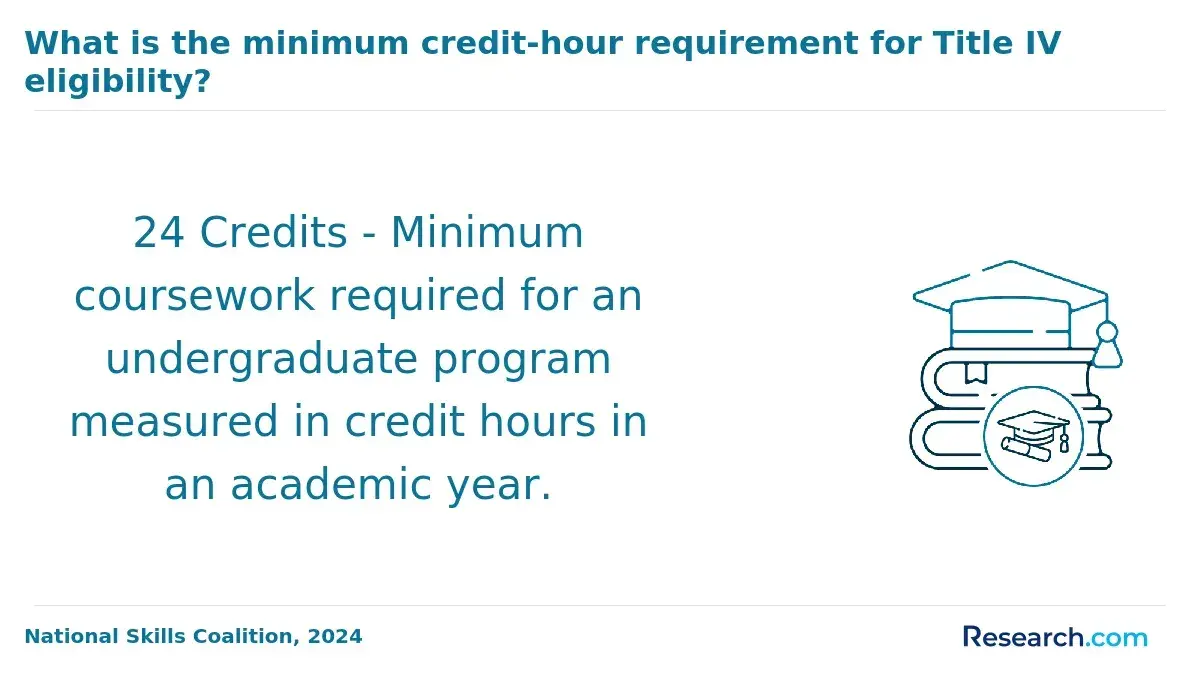
Online delivery changes where you study, not how many credits you owe. An associate degree commonly requires around 60 credits, a bachelor's around 120, and a master's often 30-60, although individual programs vary. Full-time enrollment, year-round courses, and accepted credit can reduce elapsed time; part-time enrollment, prerequisites, and fixed course sequences can extend it.
An online accelerated bachelor's degree may use shorter terms or allow a heavier course load. Neither feature means the full degree takes only one term. Request a personalized degree audit and a term-by-term schedule showing when each remaining course is actually offered.
Are accelerated online degrees accredited and legitimate?
An accelerated online degree can be legitimate. Speed is not the accreditation test: verify that the institution holds accreditation recognized by the U.S. Department of Education and that the specific program meets any additional accreditation requirements for your intended profession. For nursing, teaching, social work, and other regulated paths, ask the relevant state licensing board whether the program's education meets its rules.
Be wary of a school promising a degree based only on a résumé, refusing to explain required coursework, or implying that accreditation guarantees licensure. Also confirm that the advertised online format applies to your specific program rather than the institution generally.
Which online degrees lead to high-paying careers?
Computer science, engineering, and some business or healthcare fields can connect to well-paid occupations, but a degree alone does not establish eligibility or earnings.
The Bureau of Labor Statistics reported a 2024 median annual wage of $133,080 for software developers. That figure describes workers in the occupation, including people with different experience and credentials; it is not the expected salary of a new computer science graduate.
Compare the roles a program prepares you for with actual job requirements. Software development may reward a strong project portfolio, while engineering roles can require discipline-specific preparation and some positions require licensure. Nursing and social work follow different licensing paths. Weigh the time and total cost of the degree against the work you can realistically pursue afterward.
Employer Confidence in Online vs. In-Person Degree Skills, Global 2024

What are the admission requirements for fast online degrees?
Requirements depend on the degree level and field. Associate and bachelor's applicants generally need proof of prior schooling; transfer students also submit college transcripts.
Master's applicants need a qualifying bachelor's degree and may face GPA thresholds, prerequisite courses, recommendations, or relevant professional preparation. Nursing pathways can require an RN license, and advanced-standing social work programs have separate eligibility rules.
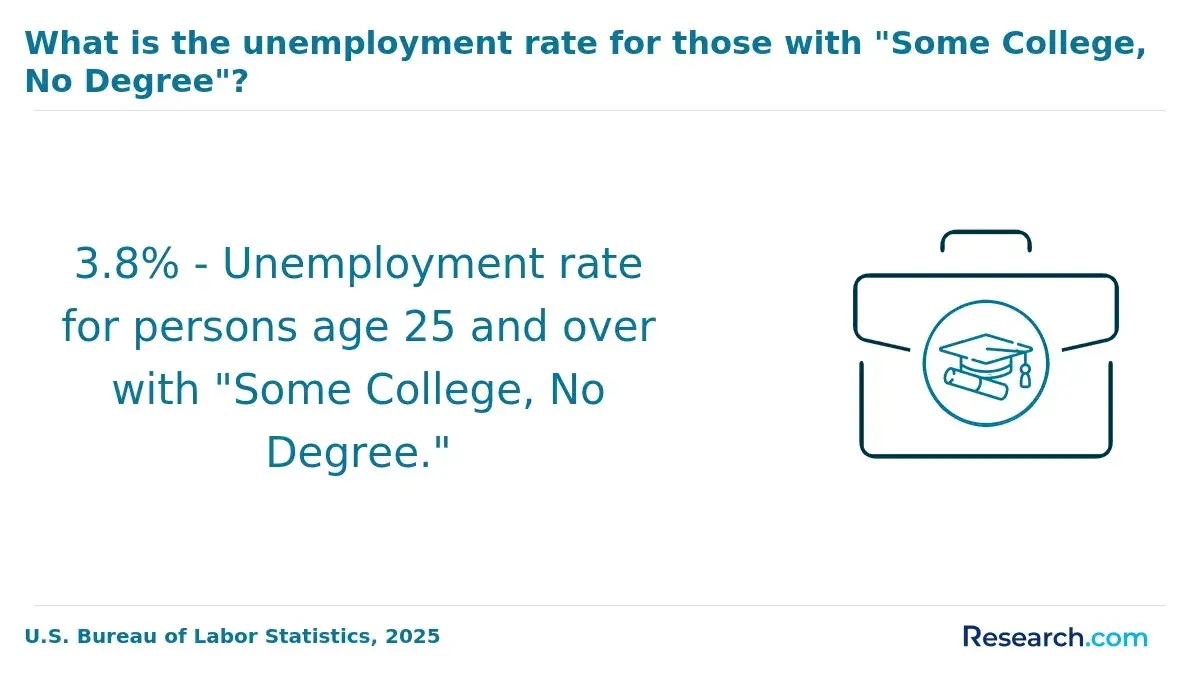
A field that seems like the easiest bachelor degree to get may not be the fastest for you if its major will not accept your previous coursework. Ask admissions and the academic department for a written evaluation of transfer credits, prerequisites, and any conditional-admission requirements.
How much do accelerated online degree programs cost?
Compare the cost to finish, not just the price of one credit. Multiply the school's applicable tuition rate by the credits you still need, then add mandatory, technology, program, and graduation fees.
Include textbooks, equipment, proctoring, and travel or placement costs when required. A faster schedule may reduce the time you pay for housing or childcare, but a heavier workload can also limit paid work.
The table identifies costs that are easy to miss when comparing online programs. Ask each school for an estimate based on your enrollment status and transfer evaluation.
| Cost factor | Why it changes the comparison |
| Accepted credit | May reduce credits billed, but only if it applies to degree requirements |
| Required fees | Can make a low tuition rate less competitive |
| Enrollment pace | Can affect work hours and aid eligibility |
| In-person requirements | May add travel, supplies, or time away from work |
Confirm institutional eligibility for federal aid, then compare grants, scholarships, employer assistance, and any borrowing you would need. Financial aid availability does not make a higher-priced program the better value.
What careers can you enter with a fast online degree?
A fast online degree can support entry or advancement in business operations, IT, healthcare administration, or other fields, provided the curriculum matches the position.
An associate degree may prepare you for some support roles or further study; a bachelor's may meet educational expectations for a broader set of roles; a master's often builds on prior education or work experience. Employers, not degree titles, decide hiring qualifications.
For readers balancing coursework with caregiving, guides to the best degrees for single moms can help frame scheduling questions. Whatever your circumstances, check whether your target jobs require a license, certification, portfolio, or supervised experience beyond the degree.
Do online degrees require internships, clinicals, or licensing?
Some do. Business and IT programs may be fully coursework-based, but nursing can require clinical placements, social work requires field education, and initial teacher preparation generally includes supervised classroom experience. Engineering programs may have laboratories or residencies. An internship or capstone can also be required in an otherwise online program.
These obligations are not interchangeable with licensure. Before enrolling, confirm where placements may occur, who arranges them, whether they require daytime availability, and which state's licensing rules the program is designed to meet. An online classroom does not make local practice requirements optional.
How can you choose the best fast online degree program?
Start with the job or educational outcome you want, then compare programs by remaining time to completion. A fast format has little value if required courses are unavailable when you need them or the credential does not meet your profession's rules.
Use these steps to turn advertised timelines into a decision you can verify:
- Identify the required credential and any state licensure or employer requirements for your target role.
- Request a written review of transfer credit, prior learning, prerequisites, and the school's minimum in-house credits.
- Ask for a term-by-term plan showing course availability, weekly workload, and any clinical, field, laboratory, or campus commitments.
- Compare the total remaining tuition and fees alongside aid, work-schedule effects, and likely borrowing.
- Verify institutional accreditation and any required programmatic approval before paying an enrollment deposit.
A common mistake is comparing an advertised completion time for an experienced transfer student with your own timeline as a new entrant. Use the personalized plan, not the headline, as the basis for your choice.
Other Things You Should Know About the Fastest Online Degrees
Possibly, if an accredited program's remaining requirements fit that period and you already have substantial applicable credit or qualify for an eligible advanced pathway. A first-time student should not assume a full associate or bachelor's degree fits into one year.
Not necessarily. Short terms can compress the same coursework into fewer weeks, increasing the weekly workload. Check the total credits and assignments, not just class length.
Only when a school has an applicable prior-learning policy and formally awards credit after its required evaluation. Experience alone does not automatically reduce degree requirements.
Diploma wording varies by institution. Ask the school directly if it matters to you; accreditation, curriculum, and suitability for your career goal are more consequential checks.
References
- Cost of Attendance (Budget) | 2025-2026 Federal Student Aid Handbook https://fsapartners.ed.gov/knowledge-center/fsa-handbook/2025-2026/vol3/ch2-cost-attendance-budget
- DAPIP | Homepage - Office of Postsecondary Education (OPE) https://ope.ed.gov/dapip/
- Tuition & Fees - UF Online - University of Florida https://ufonline.ufl.edu/tuition/tuition-fees/
- Undergraduate and Graduate Tuition and Fees | Purdue Global https://www.purdueglobal.edu/tuition-financial-aid/undergraduate-graduate-tuition-and-fees/
- What Is an Accredited University? Understanding Accreditation | National University https://www.nu.edu/blog/what-is-an-accredited-university/
- How Fast Can You Get a Bachelor's Degree Online? | Coursera https://www.coursera.org/articles/how-fast-can-you-get-a-bachelors-degree-online
- Types of Degrees | isac.org https://www.isac.org/counselors/processes/finding-applying/types-of-degrees.html


