2027 Fastest Accredited Online Teaching Programs: Accelerated Degrees and Completion Times

Co-Founder and Chief Data Scientist
Choosing a fast online teaching degree is really a timing, licensure, and workload decision. BLS May 2024 data places median annual pay for kindergarten and elementary teachers at $64,450, making speed-to-credential important for career changers and working adults. This guide explains accredited accelerated online teaching programs, who they fit, and how to compare real completion times. A genuinely accelerated program uses short terms, year-round enrollment, transfer credit, competency-based pacing, or embedded fieldwork. Actual graduation may still depend on prerequisites, state licensure rules, student teaching, transfer evaluations, and how many courses you can handle.
Key Things You Should Know
- The fastest realistic paths are usually 12 to 24 months for bachelor's-completion, post-baccalaureate licensure, MAT, or non-licensure master's programs; a full first-time bachelor's degree commonly takes closer to 3 to 4 years even online.
- Accelerated online teaching programs often use 5-, 6-, 7.5-, or 8-week courses, 6-month competency-based terms, year-round starts, or self-paced coursework, but fieldwork and student teaching can still add a fixed 12 to 16 weeks or more.
- Transfer credit is the biggest time-saver: many bachelor's programs accept up to 75% of required credits, while degree-completion programs may let students enter with 60 to 90 prior credits if those credits meet major, GPA, and residency rules.
Which Colleges Offer the Fastest Accredited Online Teaching Programs?
The fastest accredited online teaching program depends on your starting point. A student with 90 transferable credits may finish a bachelor's-completion program faster than a first-time student in a self-paced program, while a career changer who already has a bachelor's degree may move fastest through a post-baccalaureate licensure or master of arts in teaching pathway.
The colleges below are examples of accredited institutions with online teaching or education programs that use accelerated terms, competency-based pacing, transfer-friendly structures, or short advertised timelines. Before enrolling, confirm the program's current approval for your target state and license area; if you are still comparing fields, a broader guide to good majors in college can help you decide whether teaching is the right academic path.
This table compares program types and speed factors, not guaranteed graduation dates. Use it to identify which model fits your current credits, licensure goal, and schedule.
| College or university | Relevant online teaching pathway | Fastest-path format | Who may finish fastest | Important limitation |
| Western Governors University | Online teacher-preparation bachelor's and master's pathways | Competency-based 6-month terms | Students who can move quickly through mastered material and have transfer credits | Clinical practice and state licensure requirements can set minimum timing |
| Liberty University | Online education and teacher-preparation degrees | 8-week courses and generous transfer-credit policies | Students with prior college credit who can study year-round | Licensure eligibility depends on program track and state requirements |
| University of West Alabama | Online education and teaching master's pathways | Accelerated online terms with some programs advertised around 1 year | Licensed teachers or career changers who meet prerequisite rules | Certification pathways may require field placements and state approval |
| National University | Online teacher credential and education pathways | Short course formats and frequent starts | Adults seeking a credential or advanced education pathway with prior coursework | Credential-only routes are not the same as full bachelor's degrees |
| Arizona State University Online | Online education bachelor's pathways, including non-licensure options | 7.5-week online classes | Transfer students seeking an education-related bachelor's degree | Some education degrees do not lead to initial teacher certification |
| American College of Education | Online education master's programs | Highly structured online terms with short completion estimates | Current educators seeking a non-licensure graduate degree | Many programs are for advancement, not first-time licensure |
The key comparison is not simply "which school is fastest." It is whether the program's speed mechanism matches your situation: transfer-heavy bachelor's completion, self-paced competency-based learning, post-baccalaureate licensure, or a graduate degree for already licensed teachers.
How Long Does It Take to Complete an Accredited Online Teaching Degree?
"Fastest" means the shortest credible path to finishing all degree, fieldwork, and licensure-related requirements at an accredited institution. "Accelerated" usually refers to shorter academic terms, heavier course loads, year-round enrollment, transfer credit, prior learning credit, or competency-based progress. "Completion time" should include not only online classes, but also student teaching, observations, background checks, testing, and school-district placement calendars.
Use the table below as a realistic planning guide. Timelines vary by state, subject area, transfer evaluation, and whether the program leads to initial teacher licensure.
| Program type | Typical fastest realistic timeline | Best fit | What can extend the timeline |
| Full online bachelor's in teaching, starting with few credits | About 3 to 4 years with year-round study | First-time college students seeking initial licensure | General education, prerequisites, student teaching, state exams |
| Online bachelor's-completion teaching degree | About 12 to 24 months after 60 to 90 accepted credits | Students with an associate degree or significant prior college credit | Unaccepted credits, missing education prerequisites, residency-credit rules |
| Post-baccalaureate teacher licensure program | About 12 to 24 months | Career changers who already hold a bachelor's degree | Content-area deficiencies, field placements, testing windows |
| Online MAT leading to initial licensure | About 12 to 24 months | Graduates who want a master's plus teacher preparation | Clinical teaching schedules and state-specific licensure requirements |
| Online M.Ed. for licensed teachers | About 12 to 18 months | Current teachers seeking advancement, specialization, or pay-scale movement | Capstone projects, practicum requirements, district workload |
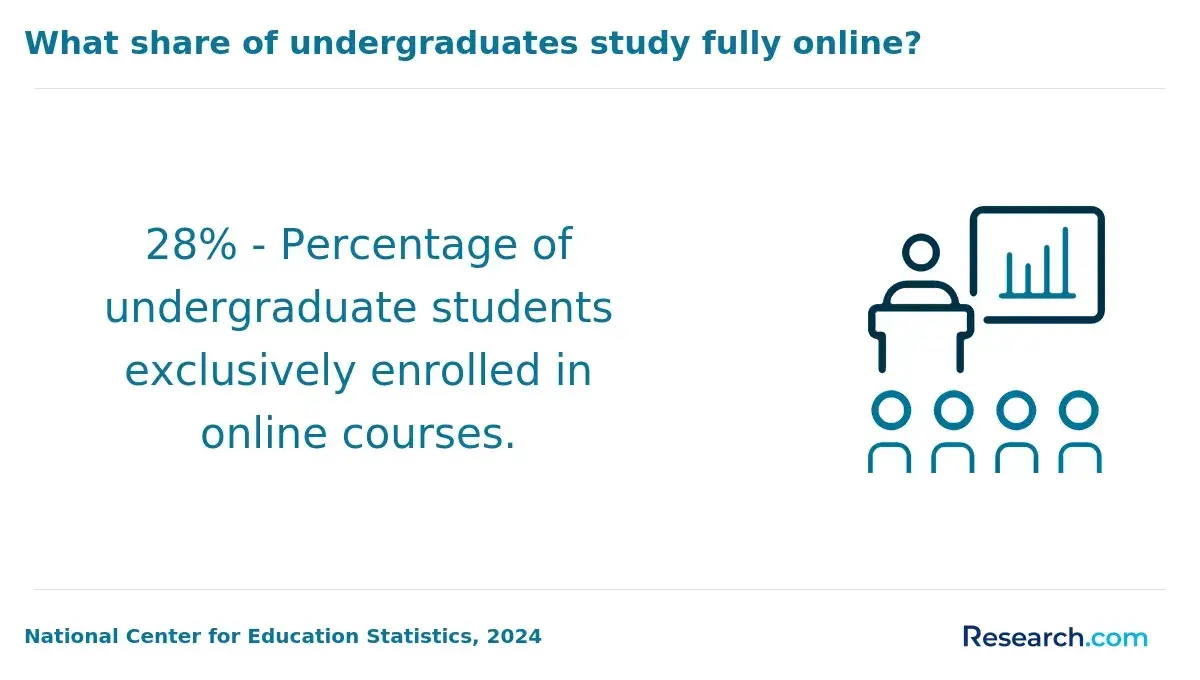
A shorter course calendar does not automatically reduce total work. An 8-week course often compresses the same assignments, readings, exams, and projects into half the time of a 16-week course, which can make pacing more intense even when the degree ends sooner.
How Do Accelerated and Competency-Based Online Teaching Programs Work?
Accelerated online teaching programs work by changing the delivery model, not by removing essential teacher-preparation requirements. Legitimate programs still require evidence that candidates can plan lessons, assess learners, manage classrooms, use educational technology, and meet state or program standards.
The main accelerated formats differ in how they save time. Understanding the format helps you estimate whether the advertised timeline is realistic for your schedule and learning style.
- Short-term courses: Programs using 5-, 6-, 7.5-, or 8-week sessions let students complete more courses per year, but each class may require concentrated weekly study time.
- Year-round enrollment: Summer, winter, and multiple annual starts can reduce idle time between terms, especially for students who already know which courses they need.
- Competency-based education: Students progress by proving mastery rather than waiting for a traditional semester to end, which can help experienced learners move faster.
- Cohort lockstep programs: A fixed sequence can prevent scheduling delays, but it may be less flexible if you need to pause or reduce your course load.
- Embedded fieldwork: Some programs coordinate observations and practicum hours alongside coursework, which may reduce delays if local school placements are available.
Competency-based and accelerated formats are also appearing in adjacent public-service fields; comparing an accelerated social work degree can show how schools balance compressed coursework with supervised practice requirements. Teaching programs face a similar trade-off: online coursework may move quickly, but supervised classroom experience must still meet state and program standards.
AI is also changing online teacher preparation. Many programs now expect candidates to understand digital lesson design, learning management systems, academic integrity issues, and responsible use of AI-supported planning tools, but these technologies do not replace supervised teaching practice.
What Accreditation Should an Online Teaching Program Have?
Accreditation is the safeguard that separates a legitimate fast online teaching degree from a shortcut that may not be accepted by employers, graduate schools, or state licensing boards. At minimum, the college should hold institutional accreditation from an agency recognized by the U.S. Department of Education or the Council for Higher Education Accreditation.
For teaching, accreditation has multiple layers. The table below explains which approvals matter and why each one affects both credibility and licensure portability.
| Accreditation or approval type | What it means | Why it matters for a fast online teaching program |
| Institutional accreditation | The college or university meets broad academic and financial standards | Usually required for federal financial aid, transfer credit, employer recognition, and graduate admission |
| State educator-preparation approval | The teacher-preparation program is approved by the state for licensure preparation | Critical if you want initial teacher certification in a specific state |
| Programmatic accreditation, such as CAEP or AAQEP | The education unit or program has met teacher-preparation quality standards | Can strengthen credibility and may support licensure review, but state approval still matters |
| Specialized endorsement approval | The program prepares students for a specific grade band, subject, or endorsement | Needed when you want elementary education, special education, ESL, secondary math, or another defined license area |
Do not assume that "accredited" means "approved for your license." A non-licensure education degree can be fully accredited and still not qualify you for classroom certification. Before applying, ask the school to identify the exact license, grade level, endorsement, and state for which the program is designed.
How Can Transfer Credits and Prior Learning Shorten an Online Teaching Degree?
Transfer credit is often the single biggest factor in finishing an online teaching degree quickly. A student entering with an associate degree, completed general education courses, or previous education coursework may reduce the remaining degree plan by a year or more if the credits apply to the program.
The table below shows common credit sources and how they may shorten a teaching degree. The exact result depends on the school's residency requirement, grade rules, course equivalencies, and whether older credits still satisfy current standards.
| Credit source | How it may shorten the degree | Common limitation |
| Community college or associate degree credits | May cover general education and lower-division electives | Some credits may transfer as electives rather than major requirements |
| Prior bachelor's degree | May satisfy general education for post-baccalaureate or MAT licensure routes | Content-area prerequisites may still be required |
| Prior learning assessment | May award credit for documented professional training or experience | Usually limited and rarely replaces supervised teaching requirements |
| Military training credits | May satisfy electives or some lower-division requirements | Evaluation depends on ACE recommendations and school policy |
| Standardized exam credit | May satisfy selected general education or subject-area courses | Not all teacher-preparation programs accept exam credit for major courses |
To maximize credit before enrolling, request an unofficial transfer evaluation and then confirm it in writing after admission. Focus on credits that apply to the degree map, not just credits the university accepts in general.
Students trying to finish quickly should ask admissions or advising teams these questions before committing.
- How many credits can transfer into this specific teaching program, and how many must be completed at your institution?
- Which of my prior credits satisfy major, prerequisite, fieldwork, or licensure requirements rather than only electives?
- Do older science, math, child development, or education courses expire for licensure purposes?
- Can I complete transfer evaluation before paying an enrollment deposit?
- Will student teaching require full-time daytime availability, and when can I begin placement paperwork?
What Are the Admission Requirements and Start Dates for Accelerated Online Teaching Programs?
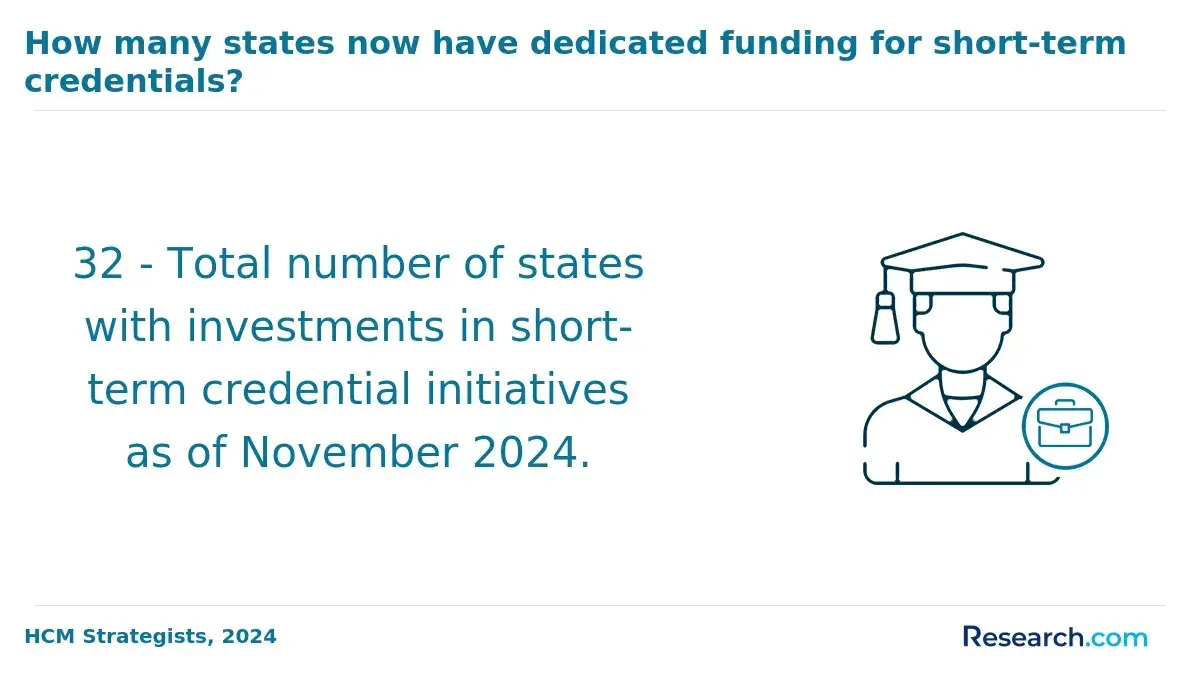
Accelerated online teaching programs may offer more frequent start dates than traditional campus programs, but admission can still take time. Background checks, transcript evaluations, testing requirements, field-placement approvals, and state paperwork may prevent an immediate start in the licensure sequence.
Admission requirements vary by level. The table below summarizes the most common requirements and how they can affect your start date.
| Program level | Common admission requirements | Timing issue to watch |
| Bachelor's in teaching | High school diploma or GED, transcripts, placement requirements, minimum GPA after core coursework | Formal admission to teacher education may happen after initial enrollment |
| Bachelor's-completion program | Prior college credits, minimum GPA, completed general education or prerequisite courses | Transfer evaluation may reveal missing courses that delay upper-division work |
| Post-baccalaureate licensure | Completed bachelor's degree, content-area coursework, background check, state testing requirements | Deficiencies in subject preparation can add courses before student teaching |
| MAT leading to licensure | Bachelor's degree, GPA minimum, essays or recommendations, content prerequisites | Clinical placement windows may not align with every online start date |
| M.Ed. for licensed teachers | Bachelor's degree, teaching license or experience for some tracks, transcripts | Capstone or practicum timing may depend on access to a classroom setting |
To start as quickly as possible, gather transcripts early and ask the school whether admission to the university is separate from admission to the teacher-preparation program. That distinction matters because some students can begin general courses online before they are formally admitted to the licensure sequence.
How Much Does a Fast Online Teaching Degree Cost, and Is Financial Aid Available?
A fast online teaching degree can cost less if it reduces extra semesters, housing, commuting, or time away from work. It can also cost more per term if accelerated pacing leads to heavier course loads, additional fees, repeated courses, or unpaid student teaching time. The right comparison is total cost to completion, not just tuition per credit.
Recent national cost benchmarks show why this matters. The College Board reported 2024-25 average published tuition and fees of $11,610 for in-state students at public four-year institutions and $43,350 at private nonprofit four-year institutions; online teaching programs may price above or below those averages depending on school type, residency rules, and fees.
When comparing costs, include the items that commonly affect online teaching students and not just the advertised tuition rate.
- Tuition per credit or per term, including whether online students pay in-state, out-of-state, flat-rate, or subscription-style tuition
- Technology, distance learning, transcript, graduation, background check, and testing fees
- Books, digital course materials, assessment platforms, and classroom-supply costs during fieldwork
- Lost income or reduced work hours during full-time student teaching or clinical practice
- Retake costs for failed courses, licensure exams, or required performance assessments
Financial aid may be available if the institution and program meet eligibility rules. Federal Student Aid annual Direct Loan limits for undergraduate dependent students typically begin at $5,500 for first-year students and rise by grade level, while independent undergraduates may qualify for higher annual limits up to $12,500 depending on year in school and eligibility.
Graduate students comparing teaching master's degrees should also look beyond education-only lists; reviewing affordable master degree programs can help establish a broader cost benchmark for online graduate study. Always verify whether a shorter program actually lowers your total cost or simply concentrates the same tuition into fewer months.
Can You Work Full Time While Completing an Accelerated Online Teaching Degree?
You can work full time during many online teaching programs, especially during asynchronous coursework. The difficult point is usually not the online class schedule; it is the fieldwork. Observations, practicum hours, and student teaching often require daytime availability in approved school settings.
Before choosing the fastest pace, estimate weekly study time honestly. Accelerated courses can be manageable for organized working adults, but two compressed courses at once may feel like a full-time academic load.
| Enrollment pace | Likely completion impact | Best fit | Main risk |
| One accelerated course at a time | Slower but more sustainable | Full-time workers, parents, and students new to online learning | Graduation may take longer than advertised fastest-path timelines |
| Two accelerated courses at a time | Can significantly shorten coursework | Students with predictable schedules and strong study habits | Compressed deadlines can increase burnout or lower grades |
| Full-time year-round study | Fastest for many term-based programs | Students who can prioritize school for a defined period | Hard to combine with full-time employment and field placements |
| Competency-based pacing | Can be very fast for experienced learners | Self-directed students with prior knowledge and available study blocks | Progress may stall without consistent weekly work |
Working students should build a plan around the most demanding term, not the easiest one. This is similar to other flexible professional programs, such as an MBA operations management online, where time management and predictable study blocks often determine whether the advertised pace is realistic.
A slower pace may be the better choice if you have rotating shifts, caregiving responsibilities, limited access to daytime school placements, or a GPA requirement for admission into the teacher-preparation sequence. Finishing one term later is usually better than failing a course or losing licensure eligibility because the workload was unrealistic.
Are Accelerated Online Teaching Degrees Respected by Employers and Graduate Schools?
Employers and graduate schools generally care less about whether a teaching degree was online and more about whether the institution is accredited, the program is state-approved when licensure is required, and the graduate can demonstrate classroom readiness. For public school teaching, the decisive credential is usually state certification in the correct subject and grade band.
BLS May 2024 data reported median annual wages of $64,450 for kindergarten and elementary school teachers and $64,580 for high school teachers. Those figures are not promises for any graduate; pay depends heavily on district salary schedules, state funding, education level, experience, endorsements, and collective bargaining rules.
Graduate schools may accept accredited online degrees if applicants meet GPA, prerequisite, recommendation, and testing requirements. The same is true across many helping-profession fields; comparing education pathways with top masters in social work programs shows that accreditation, supervised practice, and state eligibility are often more important than whether coursework was delivered online.
For teaching employers, respect usually comes from evidence: a valid license, successful student teaching, strong references, classroom-management skill, lesson-planning ability, and familiarity with assessment and educational technology. A fast program should help you produce that evidence, not just move you through courses quickly.
How Should You Compare the Fastest Accredited Online Teaching Programs?
The best accelerated online teaching program is the one that gets you to the right credential quickly without creating licensure, transfer, cost, or workload problems. Start with your end goal: elementary classroom teacher, secondary subject teacher, special education teacher, ESL teacher, instructional designer, curriculum specialist, or current-teacher advancement.
Use this comparison checklist when speaking with admissions advisors. It focuses on the questions most likely to change your real graduation date.
- Confirm whether the program leads to initial teacher licensure, an added endorsement, a non-licensure education degree, or professional advancement for already licensed teachers.
- Ask for a written transfer-credit estimate that shows which credits apply to degree requirements, not just total accepted credits.
- Compare the official course sequence with your available study hours, work schedule, and fieldwork availability.
- Verify institutional accreditation, state educator-preparation approval, and any programmatic accreditation relevant to your credential goal.
- Ask when student teaching or clinical practice can begin and whether placements are available near your location.
- Calculate total cost to completion, including fees, testing, background checks, materials, and any income reduction during full-time fieldwork.
- Check whether the program has multiple annual start dates or whether key licensure courses are offered only once or twice per year.
Common mistakes can add months to an accelerated program. Watch for these red flags before you enroll.
- Assuming "accelerated" means every student can finish in the shortest advertised time
- Choosing a non-licensure education degree when your goal is classroom certification
- Ignoring state-specific licensing rules because the school is accredited nationally or regionally
- Confusing shorter terms with easier classes or lighter weekly workload
- Overlooking student teaching, practicum, testing, or background-check timelines
- Assuming all old credits will transfer into the major or teacher-preparation sequence
- Comparing tuition per credit without calculating the full cost to graduation
If two programs look equally fast, choose the one with clearer licensure alignment, stronger advising, transparent transfer policies, and a field-placement process that fits your location. A program that takes slightly longer on paper may be faster in practice if it prevents transfer surprises or placement delays.
Other Things You Should Know About Teaching
A post-baccalaureate teacher licensure program or online MAT leading to initial licensure is often the fastest route, commonly taking about 12 to 24 months. The exact timeline depends on content-area prerequisites, state testing, and student-teaching placement.
Yes. A school can be institutionally accredited and offer a legitimate online education degree that is not designed for initial teacher certification. Always confirm state approval and the exact license area before enrolling.
Not necessarily. Accelerated courses usually compress similar learning outcomes into a shorter calendar, which can mean more reading, assignments, and deadlines each week. They are faster, but not automatically easier.
The most common delays are missing prerequisites, transfer credits that do not apply to the major, limited student-teaching placement windows, state exam timing, background checks, and taking fewer courses than the fastest plan requires.
References
- Navigating Accelerated Online Graduate Programs While Working Full-Time - Oklahoma's Nursing Times https://oknursingtimes.com/07-13-26/navigating-accelerated-online-graduate-programs-while-working-full-time/
- How Long is a Typical Online Course? https://adjunctworld.com/blog/how-long-is-a-typical-online-course
- Early Childhood Online Courses Online | Career Paths. https://www.apteachertraininginstitute.com/blog/what-are-the-career-options-after-an-early-childhood-care-and-education-course/
- SACSCOC Opens Pathway for Reduced-Hour Bachelor’s Degrees - SACSCOC https://sacscoc.org/news-and-events/sacscoc-opens-pathway-for-reduced-hour-bachelors-degrees/
- Guide to Online Education Degrees | OEDb.org https://www.oedb.org/rankings/online-education-programs/
- Master's Degree: How Long Does It Take? | Teacher's Guide https://creditsforteachers.com/masters-degree-how-long-does-it-take-a-complete-guide-for-teachers/
- Accelerated Bachelor’s Degree in Education | Neumann University https://www.neumann.edu/academics/online-degree-completion/accelerated-ba-education
- Are Online Degrees Accredited? How to Identify Quality Distance Learning Programs https://www.umassglobal.edu/blog-news/online-degrees-accredited-identify-quality-distance-learning-programs
- What Can I Do With a Teaching Degree (Besides Teach)? https://www.alleducationschools.com/blog/what-can-i-do-with-a-teaching-degree-besides-teach/
- Can I Get a Teaching Degree Online? Your Complete Guide to Online Teaching Degrees | ACE Blog https://ace.edu/blog/your-complete-guide-to-online-teaching-degrees/