2027 Energy Engineering Degrees Explained: Are They Classified as Professional Degrees?
Audited and Verified:
Our Editorial and Data Verification Process
Research.com uses government datasets, official education statistics and primary institutional information to support its career and degree guides. Our review process checks factual accuracy, occupational definitions, source dates and the requirements associated with the credentials discussed.
How This Article Was Fact-Checked
Our editorial team verifies salary estimates, employment projections, education requirements and program information against original data providers and official organizations. Salary figures are checked against the relevant occupational definitions and reporting periods. Information about licensure, accreditation and required in-person training is reviewed separately.
Fact-checked and verified on:

Co-Founder and Chief Data Scientist
Many prospective students misunderstand whether energy engineering degrees qualify as professional degrees, impacting career decisions and licensure paths. For example, while 67% of engineering graduates enter the workforce within six months, a significant portion remain unclear about accreditation and credential requirements.
This confusion can delay employment or limit advancement in specialized energy sectors that increasingly demand recognized professional qualifications. Understanding how energy engineering fits into licensure and professional standards is crucial for aligning education investments with career goals.
This article clarifies the classification of energy engineering degrees, explores accreditation and outcomes, and guides readers on making informed choices about their education and professional future.
Key Benefits of Professional Energy Engineering Degrees
- Graduates with a professional energy engineering degree often secure leadership roles, reflecting a 20% higher promotion rate compared to those with undergraduate qualifications.
- Professional degrees in energy engineering can increase earning potential by up to 30%, offering a significant return on investment within five years of employment.
- Such degrees qualify professionals for regulated roles, enhancing job stability amid evolving energy sector policies and technological advancements.
What Is Considered a Professional Energy Engineering Degree?
Students evaluating career-focused education pathways should recognize what qualifies as a professional energy engineering degree to ensure it meets licensure and industry standards. Career advancement in this field often depends on selecting an accredited program aligned with professional requirements. Workforce demand for licensed energy engineers is projected to increase by about 8% over the next decade, emphasizing the value of programs that prepare students effectively.
A myth-versus-fact approach can clarify common misconceptions about professional energy engineering degrees.
Degree Purpose
- Myth: All energy engineering degrees directly qualify graduates for engineering licensure and immediate career entry.
- Fact: Only those programs designed as professional energy engineering degree programs meet educational requirements necessary for licensure and prepare students for professional exams.
Licensure Preparation
- Myth: Graduating from any energy engineering program ensures preparedness for the Fundamentals of Engineering (FE) and Professional Engineer (PE) exams.
- Fact: Professional energy engineering degree requirements include focused training that readies students specifically for these certification exams through applied knowledge and standards.
Program Focus
- Myth: Energy engineering degrees are mainly theoretical and research-based, limiting professional certification opportunities.
- Fact: Accredited energy engineering degree programs emphasize practical skills and industry standards, offering career-oriented internships and experiences relevant to licensure.
For those comparing programs, it's helpful to review related fields with professional credentials, such as online slp degrees, to understand how accreditation and licensure impact career pathways.
Who Should Pursue a Professional Energy Engineering Degree?
Identifying the best candidates for professional energy engineering degrees is crucial for students seeking focused, practice-oriented education tied directly to licensure and specialized roles. This approach ensures that time and resources are invested effectively toward clear career outcomes. Enrollment in energy-related engineering programs has grown by more than 20% over the past five years, highlighting increasing demand and interest in this field.
Below is a myth-versus-fact overview to clarify who should pursue a career in energy engineering.
Early-Career Licensing
- Myth: A professional energy engineering degree is only for recent graduates with no work experience.
- Fact: Early-career professionals pursuing licensure or specialized roles in regulated industries benefit most from this degree, which emphasizes practical knowledge and certification preparation.
Career Changers
- Myth: Career changers cannot gain value from a professional energy engineering degree.
- Fact: Individuals transitioning into the energy sector frequently find this degree essential for developing foundational skills and meeting industry standards, enhancing employability and credibility.
Professional degrees in energy engineering are designed for those who desire relevant practical skills aligned with career advancement. For applicants researching flexible learning options, choosing an accredited online business degree in a related field may also complement energy-focused qualifications.
What Are the Most Common Professional Energy Engineering Degree Programs?
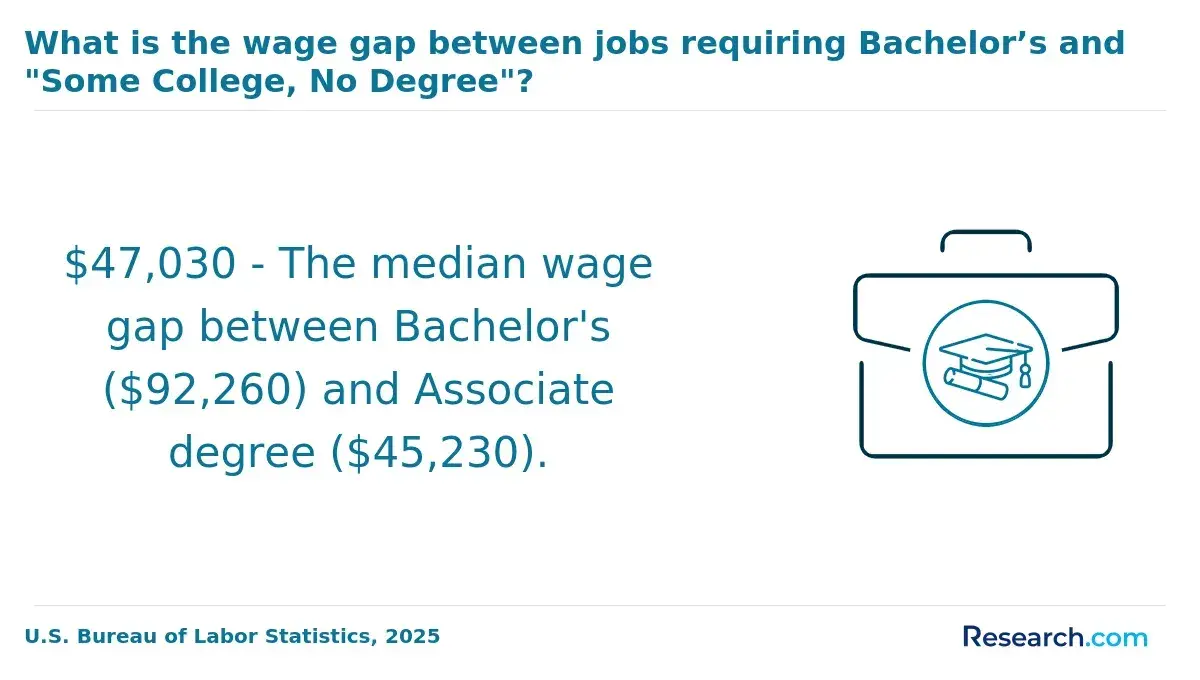
Recognizing the range of professional energy engineering programs enables students to choose options that align with their specific career objectives. Recent trends reveal that enrollments in renewable energy-focused graduate studies have grown by approximately 7% annually, reflecting industry demand.
Below are key types of professional energy engineering programs commonly available:
- Bachelor of Science (BS) in Energy Engineering: This undergraduate degree emphasizes foundational engineering principles with a concentration on energy systems, renewable resources, and power generation. It is designed to meet accreditation standards critical for early career licensure and practice.
- Master of Science (MS) in Energy Engineering: Focusing on advanced technical knowledge, this graduate program covers areas such as thermodynamics, energy conversion, and grid modernization. It prepares students to address complex challenges in energy management and sustainability.
- Specialized Renewable Energy Degrees: These programs concentrate on clean and sustainable energy technologies, reflecting the industry's increasing need for professionals skilled in environmental impact and energy efficiency solutions.
Breakdown of All 2-Year Online Title IV Institutions

Accreditation is a crucial factor for students evaluating professional energy engineering degree programs because it influences the credibility and acceptance of the degree in the job market and for licensure purposes. Over 75% of engineering graduates seek degrees from accredited institutions, reflecting the importance of oversight by recognized bodies to ensure educational quality and career readiness. Accurate information about accreditation helps students avoid costly mistakes when choosing programs.
Below are common myths and facts clarifying key concerns about accreditation in energy engineering programs.
Program Accreditation
- Myth: All energy engineering programs are accredited by default and lead to professional licensure.
- Fact: Accreditation depends on oversight by recognized bodies and varies by program and institution; not all programs automatically qualify.
Institutional vs. Programmatic
- Myth: Institutional accreditation is sufficient for licensure and professional recognition in energy engineering.
- Fact: Institutional accreditation covers the entire school, while programmatic accreditation, such as from ABET-the primary accreditor for engineering degrees including energy engineering specialties-specifically evaluates program quality to meet industry and licensure standards.
Ongoing Importance
- Myth: Accreditation is only important during enrollment.
- Fact: Accreditation affects not only enrollment but also financial aid eligibility, degree transferability, employer perceptions, and state licensing board requirements, making it essential throughout one's career.
Prospective students should also consider accreditation organizations for professional energy engineering degrees when comparing programs to ensure alignment with career goals. Knowing the top accrediting bodies for energy engineering programs can help identify quality programs that meet licensing board criteria. For those balancing cost concerns with quality, it may also be helpful to explore options like affordable online mft programs as models of accredited, cost-effective degrees in rigorous fields.
Knowing the admission criteria for professional energy engineering programs helps applicants identify if they meet essential academic and professional standards. This clarity is especially important as competition rises, with applicant numbers growing about 15% in recent years due to the field's expanding role in sustainable technologies. Below are key requirements that prospective students should be aware of.
- Relevant Undergraduate Degree: Most programs expect a bachelor's in engineering, physics, or a related STEM discipline. This foundation ensures candidates possess the necessary background to grasp complex energy systems that draw from various scientific fields.
- Academic Performance: Strong grades in mathematics, physics, and chemistry courses are critical. These demonstrate the applicant's ability to handle demanding technical coursework and problem-solving challenges throughout the program.
- Standardized Test Scores: Tests like the GRE may be required to objectively measure quantitative and analytical skills. While requirements are evolving, these scores provide a benchmark for academic readiness.
- Letters of Recommendation: Applicants typically submit references from academic or professional contacts. These attest to the candidate's motivation, work ethic, and suitability for graduate-level study.
- Personal Statement: This narrative lets candidates communicate their career goals and commitment to energy engineering. It reveals the applicant's passion and alignment with the program's focus.
One graduate shared that the application process felt both intense and reflective. He recalled spending weeks refining his personal statement to clearly convey why energy engineering was his chosen path. "Balancing the technical transcripts with a compelling story about my goals was challenging," he said. He also valued the recommendation letters, which helped highlight qualities not evident in grades alone. Overall, he described gaining admission as a rewarding milestone that validated his readiness for the professional demands ahead.
Prospective students evaluating professional energy engineering programs must recognize how curriculum structure and required hands-on experience impact both licensure eligibility and career prospects. This understanding helps distinguish programs that effectively prepare graduates for technical roles and advanced certifications.
Below are essential coursework and practical training components commonly required in a professional energy engineering degree:
- Core engineering courses: These include thermodynamics, fluid mechanics, electrical power systems, and renewable energy technologies. Such courses provide a strong theoretical foundation for understanding energy production and conversion processes critical in power generation and sustainable energy development.
- Energy management and optimization: Focus is placed on strategies and tools to improve energy efficiency and system performance. Students gain skills in analyzing energy usage patterns, conducting audits, and implementing cost-effective solutions.
- Laboratory and simulation projects: Practical training often involves hands-on work with energy systems and industry-standard software for modeling and optimization. These activities develop problem-solving skills and technical proficiency vital for addressing real-world energy challenges.
- Internships or cooperative education programs: Required hands-on experience for energy engineering degrees frequently includes internships that expose students to workplace environments. These placements are highly valued by employers for demonstrating applied skills, familiarity with safety regulations, and effective teamwork.
- Accreditation-focused coursework: Some programs emphasize content aligning with licensure requirements and professional accreditation standards. This can be a decisive factor for graduates seeking certification or membership in engineering societies.
Skills gained through these components enable graduates to pursue careers in HVAC design, energy consulting, and renewable energy development. Additionally, students interested in further academic advancement or leadership roles may explore an online doctorate in organizational leadership to enhance management competencies beyond technical expertise.
Integrating theoretical coursework with required hands-on experience for energy engineering degree programs equips early-career professionals with the technical knowledge and applied training necessary to meet industry demands and advance in a competitive job market.
Understanding program costs is critical for prospective students evaluating professional energy engineering degrees, as tuition and fees can significantly influence education decisions and long-term financial planning. On average, total tuition for a professional energy engineering degree ranges from $20,000 to over $60,000, with an annual 3% increase observed in STEM fields including energy engineering.
Key factors affecting the cost of professional energy engineering degrees include:
- Tuition fees: These vary widely depending on the institution, program length, and delivery format (online or in-person). Many programs charge per credit hour, which means the final cost depends heavily on the number of credits required to graduate.
- Fees and supplies: Additional expenses such as registration fees, lab fees, textbooks, and specialized software often add to the overall cost and can fluctuate based on program requirements.
- Living expenses: For students attending on-campus, costs like housing, food, transportation, and personal expenses vary significantly by geographic location, impacting total affordability.
- Certification and licensure: Since some professional degrees prepare students for licensure exams, fees related to these certifications should be factored into the total cost of obtaining the degree.
- Financial aid availability: Scholarships, grants, and employer tuition assistance programs may reduce expenses substantially, although availability and eligibility vary widely. Prospective students should research options carefully and may consider cheap online colleges as a cost-effective alternative.
Evaluating these costs in context with career goals will help students make informed decisions about pursuing a professional energy engineering degree and manage their financial commitments effectively.
Many students eyeing professional energy engineering programs often question whether these degrees qualify for financial aid. This concern arises because tuition for such specialized fields can be substantial. A 2022 survey revealed that nearly 45% of graduate engineering students accessed some form of financial assistance, indicating increasing availability of support. To clarify common misconceptions, consider the following myths and facts.
Federal Aid Eligibility
- Myth: Professional energy engineering degrees are ineligible for federal financial aid.
- Fact: Accredited programs in energy engineering usually qualify for federal student loans and grants if the institution participates in federal aid initiatives.
Scholarships & Assistance
- Myth: Scholarships and employer tuition aid for energy engineering students are scarce.
- Fact: Numerous scholarships exist specifically for energy and engineering disciplines, and many employers provide tuition reimbursement or other financial help.
Loan Forgiveness
- Myth: Energy engineering graduates cannot benefit from public service loan forgiveness programs.
- Fact: Graduates employed in qualifying public sector roles, including government energy agencies and nonprofits, often qualify for loan forgiveness options.
When asked about financial aid eligibility, a graduate of a professional energy engineering program shared her experience navigating funding challenges. Initially uncertain about how to finance her education, she diligently researched scholarships and employer programs, noting that persistence was key. "I found that many resources were available, but it required patience and organization to apply successfully," she reflected. She also emphasized the importance of verifying program accreditation and institutional participation in federal aid to ensure eligibility. Her journey demonstrated that while the process can be overwhelming, combining federal aid, scholarships, and employer support made completing her degree achievable and ultimately rewarding.
Students considering professional energy engineering programs need clear insights into how degree requirements align with their career goals. Navigating licensure and job eligibility depends heavily on understanding when specialized credentials are necessary. Employment for energy engineers and related roles is expected to grow by approximately 4% between 2022 and 2032, underscoring the value of informed decisions about education and qualifications.
Below are common misconceptions alongside factual clarifications regarding professional energy engineering degrees and related requirements.
Degree necessity
- Myth: A professional energy engineering degree is always required for employment in energy-related fields.
- Fact: While some positions mandate accredited energy engineering degrees, many roles-such as research, consulting, or project management-accept degrees from allied engineering or technology disciplines.
Licensure rules
- Myth: All energy engineers must hold professional licensure to practice.
- Fact: Licensing demands differ by state and function; Professional Engineer (PE) licensure often requires accredited degrees, exams, and experience, but numerous technical or operational roles do not require certification.
Specialized requirements
- Myth: Jobs in specialized energy sectors don't require knowledge of degree accreditation or status.
- Fact: Certain specialized careers-in utilities, renewables, or facility design-mandate graduation from accredited programs to qualify for certifications or licensure essential for career progress.
Students considering an advanced energy engineering degree must carefully evaluate the potential financial returns before committing significant time and resources. Understanding how such degrees influence salary and career trajectories helps guide informed decisions about education investments.
Below are common misconceptions contrasted with factual insights regarding professional energy engineering degrees and earning potential.
Salary Guarantee
- Myth: Holding a professional energy engineering degree ensures a substantially higher salary.
- Fact: While these degrees can increase earning potential, actual salary improvements depend on experience, job market conditions, and career choices rather than the degree alone.
Career Advancement
- Myth: Only a professional energy engineering degree enables access to high-paying roles and promotions.
- Fact: Degrees improve eligibility for specialized or licensed positions, but many employers prioritize hands-on experience, industry certifications, and expertise alongside formal education.
Financial Outcomes
- Myth: Graduates with a professional energy engineering degree inevitably achieve better long-term financial success than those without.
- Fact: Long-term gains depend on factors like program quality, accreditation, networking, and the ability to leverage the degree. Higher tuition costs may be balanced by increased earnings, but outcomes vary by individual.
Key Considerations
- Advanced degrees can enhance competitiveness for licensure and niche roles within energy engineering.
- Salary growth often results from combining professional education with relevant experience over time.
- Accredited programs add value by boosting credibility and employer recognition.
- Evaluating tuition costs against expected career benefits is essential before enrollment.
What Graduates Say About Their Professional Energy Engineering Degree
- Ronin: "I chose the professional energy engineering degree program because of its incredible flexibility, allowing me to balance work and study without sacrificing either. The average cost of attendance was quite reasonable, making it a smart investment in my future. Since graduating, I've noticed significant career growth and more opportunities in sustainable energy projects. "
- Peter: "Reflecting on my decision to pursue a professional energy engineering degree, I appreciate how the program's adaptable schedule fit seamlessly into my busy life. Knowing that the cost was manageable made the commitment easier. This degree truly sharpened my expertise and opened doors to leadership roles in energy consulting. "
- Jordan: "The decision to enroll in a professional energy engineering degree program was driven by my desire for career advancement. The flexible course options and the average affordable tuition helped me to complete the program without overwhelming financial stress. Today, I apply advanced energy solutions daily and have expanded my professional network considerably. "
Other Things You Should Know About Energy Engineering Degrees
Most professional energy engineering programs strongly encourage or mandate internships or cooperative education experiences. These practical components give students real-world exposure to energy systems, project management, and engineering practices. Completing these experiences is often essential for meeting graduation requirements and enhancing job placement prospects.
In the United States, ABET accredits engineering programs, and a professional energy engineering degree is usually expected to come from an ABET-accredited engineering curriculum. In the UK, the Engineering Council recognizes degrees through accredited institutions such as the IET or IMechE for Chartered Engineer routes.
- Empowering the Future: An Energy Engineering Student's Vision - AEE Center https://www.aeecenter.org/aee-news/empowering-the-future-an-energy-engineering-students-vision/
- Renewable energy engineer | Explore Careers | National Careers Service https://nationalcareers.service.gov.uk/job-profiles/energy-engineer
- How To Become An Energy Engineer https://unity.edu/careers/energy-engineer/
- Is it true if your engineering degreeing isn't ABET accredited then it is worthless. https://talk.collegeconfidential.com/t/is-it-true-if-your-engineering-degreeing-isnt-abet-accredited-then-it-is-worthless/234629
- Professional Registration Myths Debunked https://engx.theiet.org/b/blogs/posts/professional-registration-myths-debunked
- Financial Aid Myths vs. Facts https://www.pointpark.edu/admissions/financialaid/understandingfinancialaid/financialaidmyths
- ED Releases Myth vs. Fact on Professional Degrees to Address Widespread Misconceptions | College Aid Services https://www.collegeaidservices.net/2025/11/25/ed-releases-myth-vs-fact-on-professional-degrees-to-address-widespread-misconceptions/
- Why Accreditation Matters in Online Education https://www.dcreport.org/2025/01/21/why-accreditation-matters-in-online-education/
- Everything you need to know about the renewable energy engineering profession: studies, salary... - ECE https://www.ece.fr/en/everything-you-need-to-know-about-the-renewable-energy-engineering-profession-studies-salary/
- What is Energy Engineering? Definition, Roles, and Future Innovations | Neural Concept https://www.neuralconcept.com/post/what-is-energy-engineering-definition-roles-and-future-innovations