2027 Different Types of Energy Engineering Degrees and Their Salaries
Audited and Verified:
Our Editorial and Data Verification Process
Research.com uses government datasets, official education statistics and primary institutional information to support its career and degree guides. Our review process checks factual accuracy, occupational definitions, source dates and the requirements associated with the credentials discussed.
How This Article Was Fact-Checked
Our editorial team verifies salary estimates, employment projections, education requirements and program information against original data providers and official organizations. Salary figures are checked against the relevant occupational definitions and reporting periods. Information about licensure, accreditation and required in-person training is reviewed separately.
Fact-checked and verified on:

Co-Founder and Chief Data Scientist
The demand for skilled professionals in energy engineering has surged as the world prioritizes sustainable and efficient power solutions. According to the U.S. Bureau of Labor Statistics, employment in related engineering fields is projected to grow notably over the next decade, reflecting a strong market need for specialized expertise. Selecting the right educational path is crucial for leveraging these opportunities and achieving career success.
This article offers a clear overview of the various types of energy engineering degrees and outlines the potential earnings graduates can anticipate, providing valuable insight for those planning their academic and professional futures in this dynamic industry.
Key Points About Different Types of Energy Engineering Degrees and Their Salaries
- Holding a bachelor's degree in energy engineering significantly broadens career opportunities, with graduates often qualifying for entry-level positions in government agencies, private energy firms, and consulting companies, where the median annual salary is about $74,000 according to the U.S. Bureau of Labor Statistics.
- Those with a master's degree in energy engineering typically see enhanced long-term growth and higher earning potential, with average salaries rising to around $95,000 per year as advanced degrees open doors to management roles, specialized technical positions, and research and development careers.
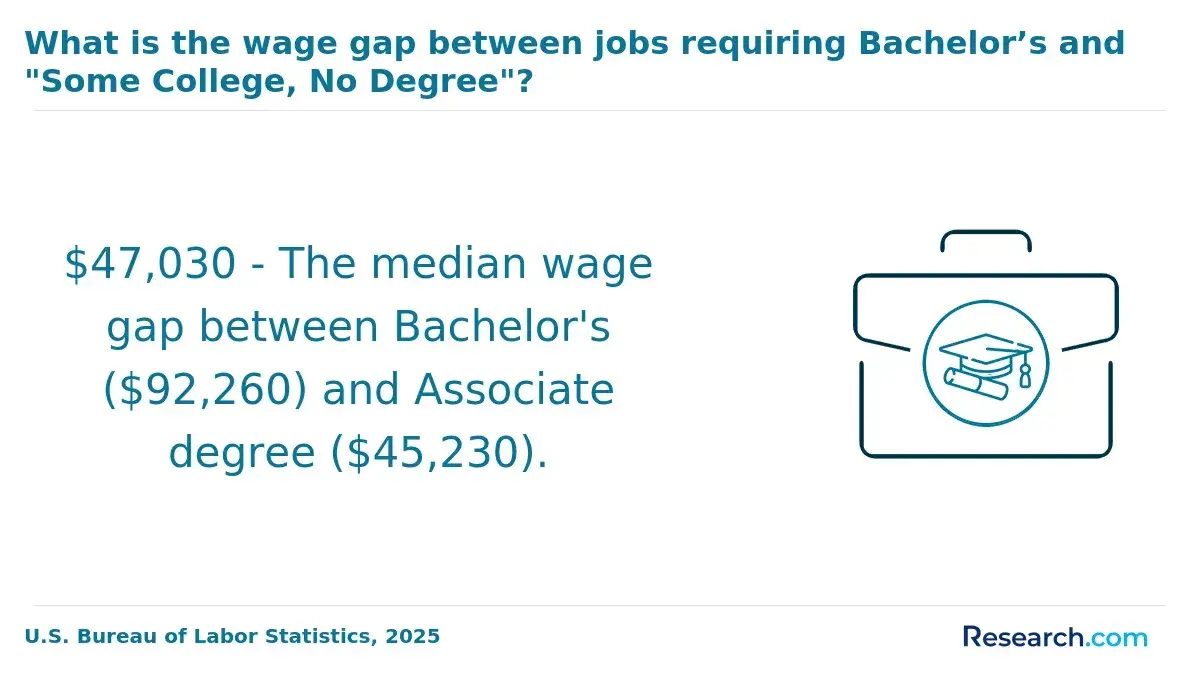
- An associate degree in energy engineering or related technical fields provides a faster pathway into the workforce, but these roles generally have lower salaries, averaging near $45,000 annually, and offer limited upward mobility unless supplemented by further education or certifications.
What Are the Different Types of Energy Engineering Degrees Available?
Understanding the different types and levels of energy engineering degrees is crucial for students to make informed decisions that align with their career goals and educational backgrounds. Each degree option caters to distinct technical strengths and industry focuses, helping students shape their expertise and professional path accordingly. Below is an overview of the main energy engineering degree types and what makes each unique.
This knowledge is especially useful when considering options alongside easy certifications that pay well, providing a broader perspective on training and earning potential within the energy sector.
- Bachelor of Science in Energy Engineering: This degree offers a comprehensive foundation in energy production, storage, and distribution from both traditional and renewable sources. Coursework typically includes thermodynamics, fluid mechanics, material and energy balances, and fundamentals of energy systems and markets.
- Bachelor of Science in Renewable Energy Engineering: Focused on renewable energy technologies, this program covers solar photovoltaic, wind, geothermal, and biomass systems. Students study renewable energy systems, energy conversion and storage, and sustainable design principles.
- Bachelor of Science in Energy Systems Engineering: This interdisciplinary degree combines engineering with business and public policy subjects. Core topics include systems control, industrial safety, energy planning, and smart grid technologies.
- Bachelor of Science in Engineering Technology (Energy Focus): Emphasizing practical skills, this degree applies engineering concepts to hands-on energy technology challenges. Common coursework involves electrical circuits, programmable logic control, electromechanical principles, and laboratory-based problem solving.
- Master's in Energy Engineering: Graduate programs provide advanced technical coursework across energy topics, often integrating interdisciplinary studies. Students explore energy systems integration, power systems, engineering economics, and sustainable energy technologies, frequently completing capstone projects or internships.
- Master's in Energy Management, Policy, or Sustainable Energy: These degrees blend technical energy knowledge with business, policy, or sustainability analysis. Coursework may include energy markets, regulations, energy law, planning, and environmental impact assessment.
What Specializations Are Available in Energy Engineering Degrees?
Specialization is a vital factor when choosing an energy engineering degree because it helps students tailor their education to specific industries and career objectives. By focusing on a particular area, they develop targeted skills that increase their employability and align with future job market demands.
To better understand these options, here is a list of common Energy Engineering specializations along with their distinct features and career pathways:
- Renewable Energy Engineering: This specialization centers on solar, wind, hydro, and geothermal power technologies. Students gain expertise in system design, resource assessment, and project management, preparing for roles such as solar engineer or renewable project manager.
- Energy Systems Engineering: Focused on integrated energy systems, smart grids, and energy storage solutions, this track teaches systems analysis, optimization, and energy policy. Graduates often pursue careers as energy systems engineers or grid analysts.
- Power Engineering: Concentrating on electric power generation, transmission, and distribution, students develop skills in power electronics, grid reliability, and electrical safety. Common career paths include power utility engineer or smart grid developer.
- Petroleum and Fossil Fuels Engineering: This area involves oil, gas, and coal extraction and management, emphasizing drilling technology and energy economics. Graduates typically become petroleum engineers or energy resource analysts, often earning higher entry-level salaries.
- Environmental and Sustainability Engineering: Focused on reducing environmental impact, it covers energy auditing, lifecycle analysis, and regulatory compliance. Career opportunities include environmental consulting and energy efficiency specialists.
- Materials Science for Energy Engineering: This specialization deals with materials used in energy storage and conversion, such as batteries and turbine components. Students develop knowledge in material properties and manufacturing, leading to roles in R&D or materials engineering.
For those considering options related to energy engineering, examining what's the easiest associate's degree to get may also provide useful insights when planning your educational path.
How Long Does It Take to Complete Each Type of Energy Engineering Degree?
Understanding the duration of energy engineering programs is crucial for students as it helps with planning their education and aligning it with career goals. Being aware of how long each degree typically takes allows for better management of time, finances, and personal commitments. Below is an overview of the main types of Energy Engineering degrees and their typical completion times.
Here are the common Energy Engineering degree types and the average lengths of study:
- Associate Degree in Energy Engineering: Usually takes about two years of full-time study at a community college or technical school. Part-time students may take longer, while some programs offer accelerated tracks or online courses to finish sooner.
- Bachelor's Degree in Energy Engineering: Typically requires four years of full-time study at a university. Transfer credits from an associate degree or AP courses can shorten this timeline. Many schools offer part-time and online options, which may extend the duration depending on the student's pace.
- Master's Degree in Energy Engineering: Generally completed in 1.5 to 2 years beyond the bachelor's degree. Some programs offer accelerated one-year options or part-time enrollment, allowing students to balance work and study. Online master's degrees are also widely available, providing greater flexibility.
- Doctoral Degree (PhD) in Energy Engineering: Usually requires four to six years of study after the master's degree, including coursework, research, and dissertation writing. The timeline varies greatly based on research progress and funding availability, with some students completing faster through focused study or continuing part-time while employed.
Breakdown of All 4-Year Online Title IV Institutions

There are indeed accelerated energy engineering degree programs in the United States designed to help motivated students complete both bachelor's and master's degrees more quickly than traditional pathways. These programs shorten overall completion time through several strategies, such as allowing students to take graduate-level courses while still finishing their undergraduate studies, granting credit for Advanced Placement (AP) exams, and running condensed course schedules with sessions lasting as few as eight weeks instead of the typical 14 to 16 weeks. Many programs also operate year-round or offer flexible online and hybrid formats, enabling students to maintain a full-time academic load continuously throughout the year. Additionally, transfer credits or advanced standing from prior learning can further reduce time to graduation. For example, some institutions allow up to nine graduate credits to count toward both undergraduate and graduate degree requirements, resulting in a combined total of approximately 150 to 160 credits over about five years.
Key considerations for prospective students include the intensity of the workload, as accelerated programs demand sustained academic focus and excellent time management skills due to heavier course loads and faster paces. Maintaining a strong academic record is often necessary for eligibility, and some programs require a formal application or invitation after the first year of study. These factors mean that accelerated energy engineering degrees are better suited for disciplined and highly motivated individuals ready to embrace an accelerated schedule without compromising performance. Graduates from these programs typically pursue careers as energy engineers, researchers, or consultants, with median annual salaries ranging from $75,000 to $100,000 in the U.S.
In speaking with a graduate of an accelerated energy engineering degree program, he reflected on the challenges and rewards of his experience. He described the program as "intense but incredibly rewarding," emphasizing how the condensed courses required a steep learning curve and quick adaptation to new material. Despite the demanding pace, he appreciated the opportunity to integrate graduate-level work early, which helped him develop advanced skills more rapidly than in a traditional timeline. The year-round schedule meant fewer breaks, demanding consistent commitment, but he noted that this structure kept momentum and focus high. Looking back, he acknowledged that managing the workload was "a balancing act," but the accelerated path shortened his time to career readiness and gave him confidence in handling complex projects early in his professional life. He advised prospective students to "be ready for a fast and focused journey" but affirmed that the experience "prepared me well for the energy sector's challenges."
Online energy engineering degree programs strive to uphold the same academic standards as their traditional on-campus counterparts by offering comparable curricula and adhering to accreditation requirements. Many institutions, such as the University of North Dakota, provide students the flexibility to earn energy engineering degrees either online or in person, with both formats recognized for their quality. Accreditation remains a critical factor in assessing program credibility; however, only a few fully online undergraduate engineering degrees, like Arizona State University's BS in electrical engineering, have earned ABET accreditation, the primary engineering accreditor. To replicate hands-on experiences typical of traditional programs, many online courses incorporate digital simulations and remote labs, though some critics argue these methods cannot completely substitute for in-person laboratory work, especially at the undergraduate level. Graduate online energy engineering programs tend to be more common and widely accepted, often catering to working professionals by focusing more on research and advanced theory.
Employer acceptance of online energy engineering degrees has notably increased in recent years, particularly when degrees come from reputable, accredited institutions. Studies comparing outcomes indicate that online students can perform as well as-or sometimes better than-their on-campus peers when courses are delivered by established universities meeting rigorous standards. Despite this progress, some employers remain cautious, mainly due to concerns about hands-on training and the networking opportunities traditionally gained through in-person attendance. Ultimately, the reputation of the institution and program accreditation are the most important factors influencing a degree's credibility, regardless of whether it was earned online or on campus. Prospective students should prioritize enrolling in recognized programs aligned with their career goals, knowing that where the degree is awarded increasingly matters more than how it was attained.
Understanding the tuition differences across energy engineering degree levels is crucial for effective budgeting and long-term financial planning. Tuition costs vary widely depending on the degree type, institution, and delivery method, making it important to know what to expect before committing to a program. Below is an overview of typical tuition ranges for each kind of Energy Engineering degree to guide prospective students in their decision-making.
- Associate Degree in Energy Engineering: This is the most affordable option, with average total tuition around $7,375. Community colleges often offer lower costs, and many students benefit from federal or state aid, scholarships, and grants to further reduce expenses.
- Bachelor's Degree in Energy Engineering: Public universities charge about $11,435 per year for in-state students, while private schools can reach $37,630 annually. Online programs sometimes offer more affordable tuition, with some institutions charging as little as $4,162 per year. Financial aid options include federal loans, scholarships, and need-based grants.
- Master's in Energy Engineering: Graduate tuition typically averages $11,713 per year at public institutions and can be as high as $26,326 at private universities. Some schools charge by course, such as $5,455 for a single three-credit course. Many graduate students reduce costs through assistantships, research positions, and in-state rates offered by online programs.
- Combined or Accelerated Energy Engineering Degrees: These programs can shorten completion time and lower overall tuition by blending undergraduate and graduate coursework. Tuition is charged depending on course level, and accelerated options often come with unique scholarships or assistantships.
- Financial Aid Opportunities: Across all degree levels, students can pursue federal aid through FAFSA, institutional scholarships, private grants, and employer tuition reimbursement programs. Work-study and graduate assistantships are commonly used to offset tuition costs as well.
A graduate of an energy engineering degree program shared her experience navigating tuition costs with a mix of scholarships and part-time work. She noted, "I was able to piece together state grants and institutional scholarships that covered nearly half of my tuition, which made graduate school feasible." She also emphasized how choosing a program offering flexible online courses helped her maintain employment while studying, easing financial pressure.
Reflecting on her journey, she remarked that careful planning and exploring every available aid resource were key to managing costs successfully. This approach allowed her to focus on learning and ultimately advance her career in sustainable energy technologies, highlighting the tangible benefits of investing wisely in an energy engineering education.
The level of energy engineering degree you obtain-whether associate, bachelor's, master's, or doctorate-directly influences the range of career opportunities and types of roles for which you qualify. Higher degrees often lead to specialized, leadership, and research positions, while entry-level degrees focus more on technical and operational roles. Below is a detailed bullet list outlining common jobs associated with each energy engineering degree type.
- Associate Degree in Energy Engineering: Graduates typically work as engineering technicians or junior energy analysts. Responsibilities usually include supporting engineers in energy audits, assisting with site inspections, and monitoring equipment operations at renewable energy plants or utility companies, mostly within entry-level settings like power generation facilities or manufacturing plants.
- Bachelor's Degree in Energy Engineering: This degree prepares graduates for roles such as energy engineer, systems analyst, or project coordinator. Jobs often involve designing and testing energy systems, developing sustainable energy solutions, and overseeing installations in sectors including solar, wind, oil and gas, and energy consulting. According to labor data, the median annual salary for energy engineers with a bachelor's degree ranges from $80,000 to $100,000, depending on specialization and location.
- Master's Degree in Energy Engineering: Master's degree holders pursue advanced positions like senior energy engineer, engineering manager, or renewable energy project leader. These roles focus on leading research teams, developing energy efficiency innovations, and managing large-scale projects in wind, solar, battery storage, and nuclear sectors. Graduates also engage in policy, compliance, and strategic planning, often earning salaries over $110,000 annually.
- Doctorate (PhD) in Energy Engineering: Doctoral graduates commonly serve as researchers, university professors, or chief technology officers. Their work involves pioneering new energy technologies, conducting advanced research, and shaping industry standards and government policy. Professionals with this degree often hold leadership roles in research institutions and development labs, with salaries frequently exceeding $130,000. For more information on advanced studies, explore the cheapest phd programs in usa.
Degree level in energy engineering often influences earning potential, with higher degrees typically leading to better salaries and more advanced career opportunities. Understanding these differences can help students make informed decisions about their education and professional goals. Below is an overview of typical salary ranges associated with each degree type in energy engineering.
- Associate Degree in Energy Engineering: This degree usually prepares graduates for entry-level roles such as energy engineering technicians, with starting salaries ranging from $54,000 to $72,800 per year. Salaries at this level depend heavily on factors like industry and location, with metropolitan areas and tech sectors often offering higher pay. Further education is generally needed to advance into specialized or senior roles.
- Bachelor's Degree in Energy Engineering: Most energy engineers start with a bachelor's degree, qualifying for professional engineering roles. Starting salaries average between $69,600 and $77,100, while mean salaries across all experience levels range from $80,483 to $86,305 annually. Variables such as industry, company size, and geographic location can influence earnings. This degree is also a stepping stone for graduate study and career growth.
- Master's Degree in Energy Engineering: A master's degree often leads to more specialized, senior, or management positions, with typical salaries between $90,000 and $120,000 or higher depending on experience and region. Advanced degrees hold particular value in research, consulting, and leadership roles, which tend to offer greater long-term earning potential.
- Doctoral Degree (PhD) in Energy Engineering: A PhD generally leads to careers in academia, advanced research, or executive roles. Salaries usually start above those with a master's degree and can exceed $120,000 in top research or specialized consulting jobs, though academic salaries vary. Research funding, institution prestige, and industry demand play major roles in compensation levels.
Prospective students seeking education in this field may consider exploring non profit accredited online universities offering relevant energy engineering programs to find flexible and reputable options that align with their career aspirations.
There is currently high demand for energy engineering degree holders in the US job market, driven by rapid growth in renewable energy technologies and evolving regulatory requirements. Employment for energy engineers is projected to increase by 10% from 2018 to 2028, outpacing many other professions. This demand is fueled by investments in solar and wind power, energy efficiency programs, and the growing complexity of energy systems that require specialized skills. Emerging technologies such as smart grids and energy storage also require engineers to have up-to-date training and adaptability. Additionally, a notable skills gap exists, with nearly 75% of energy employers reporting shortages of qualified professionals-a situation worsened by retirements among experienced engineers.
Regional differences further shape demand, as areas with aggressive clean energy policies or large renewable projects experience the highest needs for energy engineers. Rural and underserved regions may offer incentives to attract new talent due to workforce shortages. Meanwhile, the number of graduates in energy-related fields has declined, underscoring a competitive market for specialists. For students seeking educational options, pursuing an affordable online bachelors degree in energy engineering can be a strategic choice to enter this growing field. These trends point to a favorable outlook for recent graduates, presenting strong job prospects and upward salary potential for those entering the energy engineering workforce in the coming years.
Choosing the right degree level in energy engineering is a critical decision that shapes your career trajectory, earning potential, and personal satisfaction. It is essential to align your education with both your professional goals and life circumstances to maximize the value of your investment. Consider the following key factors when selecting the appropriate degree level.
- Career Goals: Your intended career path directly impacts the degree you need. Entry-level positions like energy technician may require only an associate degree or certificate, while engineering and leadership roles generally demand a bachelor's degree or higher. If you aim to become an energy engineer or project manager, an ABET-accredited bachelor's or master's degree is often necessary.
- Salary Prospects: The level of your degree significantly affects your earning potential. Energy engineers with a bachelor's degree typically earn a median salary near $90,000 annually, whereas those with master's or doctoral degrees can reach six-figure salaries, especially in senior or managerial roles. Consider how the upfront time and cost of education align with your long-term income goals.
- Time Commitment: Degree programs vary widely in length. Associate degrees and certificates often take 1-2 years, bachelor's degrees usually require 4 years, and graduate studies can add 2-6 additional years. Assess your availability and willingness to invest time in education before entering the workforce.
- Specialization and Curriculum: Some degree programs offer specialized fields such as renewable energy or energy management. Choose a curriculum that matches your technical interests and provides practical experience, like internships or capstone projects, to enhance employability.
- Accreditation and Reputation: Ensure the program is accredited by recognized bodies like ABET and has a strong reputation among employers. Accreditation is often required for professional licensure and can improve job prospects upon graduation.
What Energy Engineering Graduates Say About Their Degree and Salary
- Jasmine: "Completing my bachelor's degree in renewable energy engineering gave me incredible insight into sustainable technology and how to implement it on a large scale. The hands-on projects and internship opportunities connected me directly with cutting-edge companies, which made starting my career in solar power much smoother than I expected. Beyond the technical skills, this degree empowered me to be a part of a much-needed global movement towards clean energy. It's fulfilling to know that my work contributes to a healthier planet and economic growth in green industries."
- Monica: "My doctorate in nuclear energy engineering was a rigorous but rewarding journey that refined my research abilities and expanded my network within the scientific community. Working on innovative reactor designs gave me a unique perspective on energy security and safety, which are critical global issues. Professionally, this advanced degree positioned me for leadership roles in both academia and industry, where I can influence policy as well as technological progress. Reflecting on my experience, I'm proud to contribute to advancing cleaner nuclear technologies that could transform our energy landscape for generations to come."
- Rajesh: "Pursuing a master's degree in thermal energy engineering truly shaped my analytical skills and deepened my understanding of energy conservation in industrial systems. After graduation, I found that employers highly valued my specialized expertise, which opened doors to advanced roles in energy efficiency consulting. This degree challenged me intellectually and also inspired me to mentor younger students interested in STEM fields. It's gratifying to witness how energy engineering can positively impact communities by making energy use smarter and more sustainable."
Other Things You Should Know About Energy Engineering Degree Programs & Salaries
In 2027, energy engineering degrees with a focus on renewable energy technologies and sustainable systems often result in the highest starting salaries. Graduates entering fields such as solar and wind energy engineering or energy efficiency engineering can expect salaries that reflect the growing demand for expertise in sustainable solutions.
A nuclear energy engineering track is the most relevant for nuclear power plants. It usually requires calculus, physics, and thermodynamics, plus 120 to 128 credit hours for a bachelor’s degree. Employers often prefer ABET-accredited programs and may require background checks and plant-specific safety training.
- Exploring the Four Primary Areas of Engineering: Types and Salaries https://www.snhu.edu/about-us/newsroom/stem/types-of-engineering
- Online vs Traditional Degrees: Similarities and Differences https://www.aiu.edu/blog/online-vs-traditional-degrees/
- 8 High-Paying Jobs in Energy https://www.coursera.org/articles/highest-paying-jobs-in-energy
- What job can I get with a degree in Engineering and Energy? https://www.murdoch.edu.au/news/blogs/blog-posts/campus-and-community/what-job-can-i-get-with-a-degree-in-engineering-and-energy
- Accelerated Integrated Engineering Degree MEng (Hons) https://nmite.ac.uk/undergraduate-degrees/integrated-engineering-degree-accelerated-meng
- Tuition & Aid | Cost of Energy Engineering Masters https://und.edu/programs/energy-engineering-ms-meng/cost.html
- 12 of the Highest-Paying Engineering Jobs https://online-engineering.case.edu/blog/highest-paying-engineering-jobs
- Top 10 jobs for energy majors and who’s hiring https://joinhandshake.com/blog/students/top-jobs-for-energy-majors/
- Top 10 Countries to Build a Career in Energy Sector [2025] https://digitaldefynd.com/IQ/countries-to-build-a-career-in-energy-sector/
- Bachelor of Science in Energy Engineering https://schulich.ucalgary.ca/future-students/undergraduate/programs/bsc-energy-engineering