2027 Easiest Online Communication Disorders Bachelor's Degree Programs That Pay Well: High-Salary Degrees with Simple Admissions

Co-Founder and Chief Data Scientist

Reviewed by Rhea Paul, PhD
SLP Education & Research Expert
Choosing an online communication disorders bachelor’s degree is usually a question of fit: Which programs are realistic to enter, flexible enough to finish, and useful for the career you want next? For adult learners, transfer students, and career changers, admissions requirements can matter as much as curriculum because a complicated process can delay enrollment or stop it altogether.
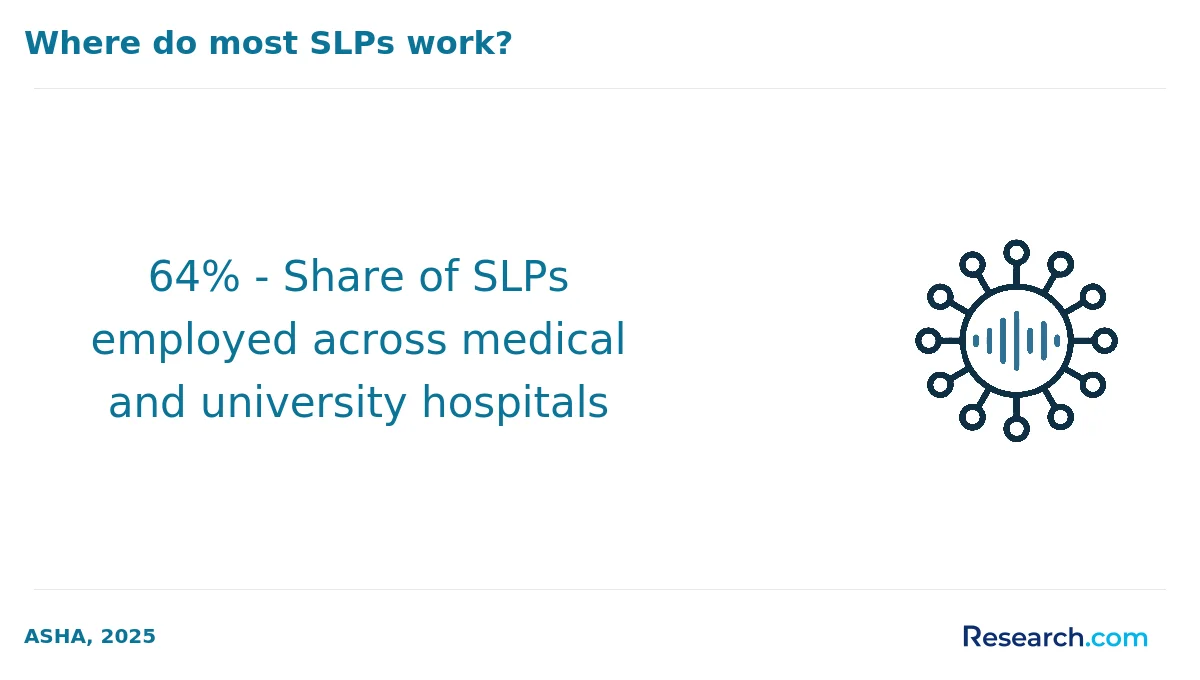
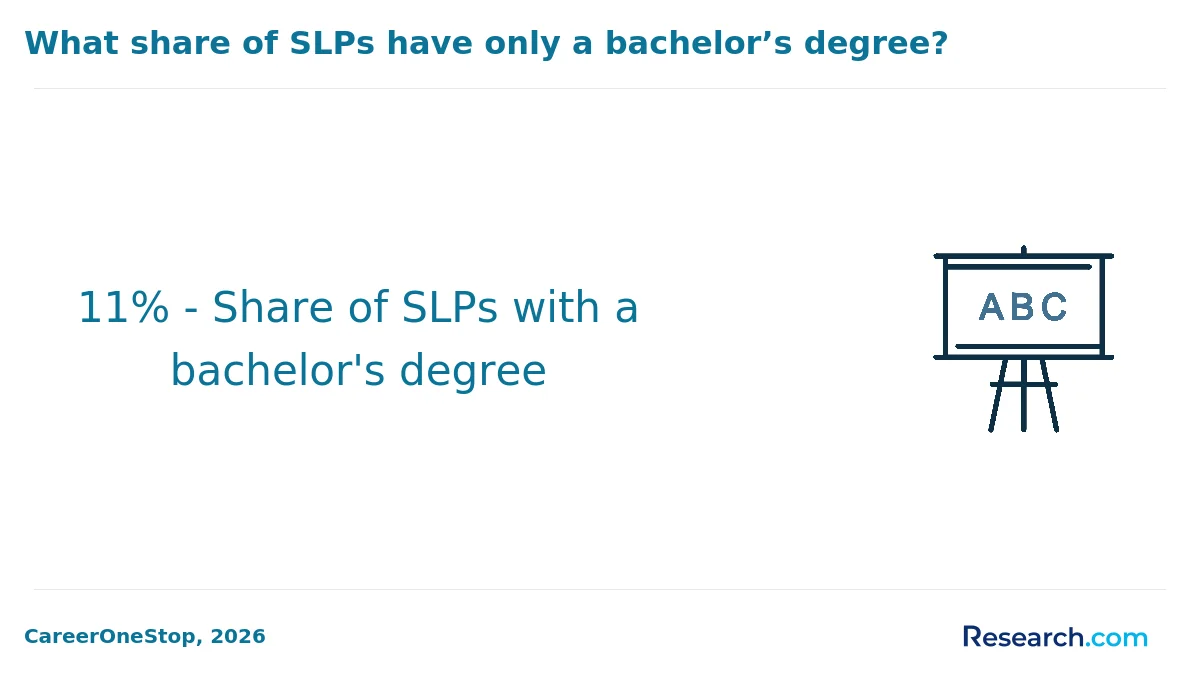
Communication disorders programs typically introduce students to speech, language, hearing, swallowing, communication development, and support services across schools, clinics, healthcare settings, and community organizations. A bachelor’s degree can prepare graduates for assistant-level, support, advocacy, education, and related roles, but it is important to understand the limits of the credential. Becoming a licensed speech-language pathologist generally requires graduate education, supervised clinical preparation, and state licensure.
This guide explains what makes some online communication disorders bachelor’s programs easier to enter, how test-optional and accelerated formats work, which concentrations tend to have fewer barriers, what completion challenges to expect, and how the degree may support long-term career growth.
Key Benefits of the Easiest Online Communication Disorders Bachelor's Degree Programs That Pay Well
- Flexible online formats allow busy students to balance work and study, with many programs offering asynchronous classes and year-round enrollment.
- Simplified admissions often require minimal prerequisites and no standardized tests, easing entry for a diverse range of applicants.
- Graduates enter growing fields such as speech-language pathology assistant roles, enjoying median salaries exceeding $60,000 and strong job market demand through 2031.
Which Online Communication Disorders Bachelor's Degree Programs Have Simple Admissions?
Online communication disorders bachelor’s degree programs with simple admissions usually reduce the number of steps required to apply, not the academic expectations after enrollment. These programs are often designed for transfer students, working adults, first-generation college students, and applicants who may not have followed a traditional college-prep path. With more than 70% of U.S. colleges adopting flexible admissions policies in recent years, applicants now have more options that evaluate readiness in different ways.
The easiest programs to enter commonly share these admissions features:
- Rolling enrollment: Instead of one or two annual deadlines, rolling admissions allow applicants to submit materials throughout the year. This can help students start sooner, especially if they are coordinating school with work schedules, caregiving, or military obligations.
- Minimal prerequisites: Many accessible programs require a high school diploma or GED for first-year admission. Transfer applicants may need prior college transcripts, but they may not need extensive science, psychology, or communication disorders coursework before applying.
- Streamlined application requirements: Easier admissions often mean a shorter online application, fewer essays, limited recommendation requirements, and sometimes no application fee. This is especially helpful for students applying to multiple schools.
- Transfer-friendly policies: Programs may accept community college credits, prior college coursework, or general education credits, allowing students to reduce the number of courses they must complete after admission.
- Flexible entry pathways: Some schools review professional experience, military training, or prior learning assessments. These options can be useful for applicants who have worked in education, healthcare support, disability services, childcare, or human services.
Simple admissions do not automatically mean a program is the best choice. Before applying, students should confirm accreditation, total cost, transfer credit rules, online course format, student support services, and whether the curriculum supports their intended next step. For comparison, the cheapest 1 year online MBA programs show how other online degree fields also use streamlined admissions and flexible formats to attract working adults.
Are There Test-Optional Online Communication Disorders Bachelor's Degrees?
Yes. Test-optional online communication disorders bachelor’s degrees are increasingly common, especially at institutions that serve adult learners, transfer students, and students applying several years after high school. A test-optional policy means applicants may be considered without submitting SAT or ACT scores. Instead, the admissions review may focus on high school GPA, prior college performance, personal statements, transfer credits, work experience, or other indicators of readiness.
Test-optional admission can make the process easier for students who did not take standardized tests, whose scores do not reflect their academic ability, or who have been out of school long enough that testing is no longer practical. It can also reduce cost, scheduling pressure, and application delays.
Applicants should still read the policy carefully. “Test-optional” does not always mean “open admission.” Some programs may still require minimum GPA standards, official transcripts, prerequisite grades, placement assessments, or additional review for students with limited academic records. In some cases, test scores may still be considered for scholarships, honors programs, or course placement.
For communication disorders students, the stronger admissions strategy is to show readiness for writing-intensive coursework, science-based content, human development topics, and professional communication. Relevant experience in tutoring, childcare, healthcare support, special education support, interpreting services, or disability advocacy can strengthen an application even when test scores are not required. Students planning future graduate study can also compare long-term academic pathways, including options such as a doctorate in leadership for professionals who later move into administration, training, or organizational roles.
Are Accelerated Online Communication Disorders Bachelor's Degree Programs Easier?
Accelerated online communication disorders bachelor’s degree programs are usually faster, not easier. They compress coursework into shorter terms or allow heavier course loads so students can finish in less time, often between two to three years rather than the traditional four. Education studies show that accelerated formats can shorten degree completion time by 25% to 50%, but that speed usually comes with more weekly reading, writing, exams, projects, and discussion participation.
These programs may feel easier to enter if they offer rolling admissions, transfer-friendly policies, or fewer application requirements. Once enrolled, however, students must keep pace. A missed assignment or delayed reading week can create a larger setback in an accelerated course than in a traditional semester.
Accelerated formats tend to work best for students who:
- can study several days each week without long gaps;
- have reliable internet access and a quiet place to complete coursework;
- enter with transfer credits that reduce the number of remaining requirements;
- are comfortable with independent reading, writing, and online discussion;
- can limit outside commitments during intensive terms.
They may be a poor fit for students who need a slower adjustment to college-level work, have unpredictable work schedules, or are taking foundational science and communication disorders courses for the first time. A more traditional online pace may be better if maintaining strong grades is important for graduate school applications.
One graduate of an accelerated online communication disorders degree described the experience as rewarding but demanding. He said it required sacrifice and steady commitment, especially while managing multiple intensive classes at once: “It was less about finding extra time and more about prioritizing every hour effectively.” He also noted the emotional pressure of the format: “There was no room to fall behind, which kept me both stressed and motivated.” His experience reflects the main trade-off: accelerated programs may reduce time to completion, but they require strong discipline from the first week.
Which Online Communication Disorders Bachelor's Degree Concentration Is the Easiest to Get Into?
The easiest concentration to enter is usually the one with the fewest prerequisite courses, the broadest curriculum, and the most available seats. In communication disorders, concentrations that emphasize foundational communication science, developmental support, or general applied skills may be more accessible than highly specialized or clinically sequenced tracks. Approximately 40% of enrollees opt for concentrations that blend foundational knowledge with practical communication skills, which suggests strong demand for flexible, broadly applicable pathways.
Admissions flexibility varies by institution, but these concentrations often have more accessible entry points:
- Speech-Language Pathology Assistant: These tracks may be accessible for students who want a direct support role, though state rules and employer requirements can vary. Students should confirm whether the program meets local expectations for assistant-level practice or prepares them for additional supervised requirements.
- General Communication Sciences: A broad communication sciences concentration is often one of the most flexible options because it introduces speech, language, hearing, and human communication without requiring students to commit immediately to a narrow career path.
- Early Childhood Communication Development: This concentration can be a good fit for students with experience in childcare, early education, family services, or developmental support. Admissions may be more flexible because the curriculum overlaps with education and child development.
- Health Communication: This option connects communication skills with public health, patient education, healthcare access, and organizational communication. It may appeal to students seeking non-clinical roles in health-related settings.
- Augmentative and Alternative Communication: AAC-focused study introduces tools and strategies that support people who use alternative ways to communicate. Programs may welcome students from education, technology, disability services, or caregiving backgrounds.
Students should not choose a concentration only because it is easier to enter. The better approach is to compare the concentration with the role you want after graduation. If your goal is graduate study in speech-language pathology or audiology, make sure the bachelor’s curriculum includes the foundational courses commonly expected for admission. For students comparing speed and access across fields, the fastest online business degree programs offer another example of how online pathways can vary by pace, prerequisites, and career direction.
Is an Online Communication Disorders Bachelor's Degree Easy to Complete?
An online communication disorders bachelor’s degree can be manageable, but it should not be mistaken for an easy credential. The online format may remove commuting and fixed classroom times, yet the subject matter still requires consistent study. Students often complete coursework in anatomy and physiology of speech and hearing, language development, phonetics, speech and language disorders, audiology foundations, assessment concepts, ethics, and communication across diverse populations.
According to the National Center for Education Statistics, roughly 65% of online learners finish their degrees within six years. Completion depends less on whether the program is online and more on whether the student has the structure, support, and available time to keep progressing.
Key factors that make completion easier include:
- Course format flexibility: Asynchronous courses allow students to complete lectures, readings, and assignments around work or family obligations. Synchronous courses provide more live interaction but require students to be available at specific times.
- Clear degree planning: A strong program should show the course sequence, prerequisites, transfer credit rules, and expected time to completion. Confusing course sequencing can delay graduation.
- Academic support: Advising, tutoring, library access, writing support, technology help, and faculty availability can make a major difference for online students who cannot visit campus easily.
- Consistent workload: Programs with predictable assignment calendars help students plan ahead. Sudden heavy workloads can be difficult for students balancing employment or caregiving.
- Student motivation: Online learning requires self-direction. Students must log in regularly, participate in discussions, meet deadlines, and ask for help before small problems become major setbacks.
A graduate of an online communication disorders bachelor’s program said the flexibility was essential, but the hardest part was maintaining momentum during less structured weeks. She described periods of self-doubt and noted that faculty responsiveness helped her continue: “It wasn’t always easy, but knowing help was just a message away made a huge difference.” Her experience highlights a practical point for applicants: choose a program with strong support systems, not just an easy application.
What Are the Best Industries for Online Communication Disorders Bachelor's Degree Graduates?
Online communication disorders bachelor’s degree graduates can work in several industries, especially when they combine their degree with strong communication skills, documentation ability, empathy, and experience supporting children, patients, clients, or families. According to the U.S. Bureau of Labor Statistics, employment in health-related support occupations is expected to grow by approximately 17% through 2035, which supports demand for workers in care, rehabilitation, and service environments.
The best industry depends on whether the graduate wants direct service, education support, healthcare exposure, administrative work, or preparation for graduate school.
- Healthcare settings: Hospitals, rehabilitation centers, long-term care facilities, and outpatient environments may employ graduates in support, coordination, patient communication, or assistant-level roles. Clinical responsibilities depend on state regulations, employer requirements, and supervision rules.
- Educational institutions: Schools, early childhood programs, and higher education offices may need staff who understand language development, learning differences, accessibility, and communication support. Graduates may work in classroom support, special education assistance, student services, or program coordination.
- Private clinics: Speech therapy and related practices may hire bachelor’s graduates for administrative coordination, therapy support where permitted, intake assistance, materials preparation, scheduling, or family communication.
- Community organizations: Nonprofits and social service agencies often serve children, older adults, people with disabilities, multilingual families, and individuals with communication needs. Graduates can contribute to outreach, case support, training, and client communication.
- Corporate and government agencies: Organizations focused on accessibility, disability services, public health communication, training, compliance, or workplace inclusion may value graduates who understand communication barriers and inclusive practices.
Students who want the strongest career mobility should look for programs that offer internship options, field observation, service-learning, or coursework aligned with their target industry. Even when clinical licensure requires more education, relevant undergraduate experience can make a graduate more competitive for entry-level roles and future graduate applications.
What Are the Highest-Paying Roles with an Online Communication Disorders Bachelor's Degree?
The highest-paying opportunities connected to a communication disorders bachelor’s degree usually come from roles that add supervision, specialized knowledge, healthcare experience, education program responsibility, or corporate communication skills. However, students should be careful when comparing salaries. The U.S. Bureau of Labor Statistics reported that the median annual wage for speech-language pathologists was about $82,000 in 2022, but speech-language pathologist roles generally require graduate education, supervised clinical training, and licensure. A bachelor’s degree is commonly a foundation for that path, not the final requirement.
With a bachelor’s degree, graduates may pursue roles such as:
- Speech-Language Pathologist Assistant: SLPAs support licensed speech-language pathologists and may help with treatment activities, documentation, materials preparation, and client support under supervision. Scope of practice and requirements vary by state and employer, so students should verify local rules before choosing this path.
- Rehabilitation Specialist: Rehabilitation-related support roles may involve helping individuals follow care plans, tracking progress, coordinating services, and supporting communication during recovery or long-term care. Employers may require additional training depending on the setting.
- Communication Specialist in Corporate Settings: Graduates with strong writing, presentation, training, and interpersonal skills may move into internal communication, accessibility communication, patient education, employee training, or healthcare communication roles.
- Special Education Coordinator: In some education or service settings, experienced professionals may coordinate programs that support students with communication challenges. Requirements vary widely, and public school roles may require certification or additional credentials.
The best way to improve earnings is to pair the degree with practical experience, strong documentation skills, relevant state-approved credentials where required, and a clear plan for graduate study if the target role is licensed clinical practice. Students should ask each program how graduates are employed, whether career services support placement, and what additional credentials are commonly needed after graduation.
What Is the Long-Term Career Growth for an Online Communication Disorders Bachelor's Degree?
An online communication disorders bachelor’s degree can support long-term career growth in two main ways: it can qualify graduates for support and service roles, and it can provide the academic foundation for graduate study in speech-language pathology, audiology, education, rehabilitation, public health, or related fields. Employment in communication-related fields is projected to grow by about 17% through 2035, which points to continued need for professionals who understand speech, language, hearing, and communication support.
Early career growth may come from moving from general support roles into specialized assistant, coordinator, case support, training, or program roles. Over time, graduates who add credentials, supervised experience, or graduate education may pursue higher-responsibility positions.
Important long-term growth factors include:
- Licensure and certification planning: The Certificate of Clinical Competence in Speech-Language Pathology (CCC-SLP) and relevant state licenses are associated with professional speech-language pathology practice, but they require additional education and supervised clinical preparation beyond the bachelor’s level.
- Graduate school readiness: Students who want to become licensed clinicians should choose undergraduate coursework carefully, maintain strong grades, and seek observation or field experience where available.
- Telepractice awareness: Communication services increasingly use remote tools in some settings, so comfort with technology, privacy expectations, and virtual communication can be valuable.
- Interdisciplinary collaboration: Professionals in this field often work with educators, physicians, occupational therapists, psychologists, social workers, families, and caregivers. Collaboration skills can improve advancement prospects.
- Continuing education: Ongoing learning helps graduates stay current with evidence-based practices, assistive communication tools, accessibility standards, and service delivery models.
Graduates who later move toward management, training, or systems-level work may also consider related graduate options, including the cheapest online master's in organizational leadership, depending on their career goals.
What Is the Hardest Part of an Online Communication Disorders Bachelor's Degree?
The hardest part of an online communication disorders bachelor’s degree is usually the combination of self-directed learning and technical subject matter. Nearly 40% of online undergraduate students face difficulties completing courses, and communication disorders students may feel that pressure when science-based content, writing assignments, terminology, and online participation all overlap.
Common challenges include:
- Time management: Students must balance readings, lectures, discussions, exams, projects, and sometimes observation or field-related expectations. Without a weekly schedule, it is easy to fall behind.
- Learning specialized terminology: Courses may introduce unfamiliar terms related to speech production, anatomy, phonetics, audiology, language development, and disorders. Memorization alone is not enough; students must learn how concepts connect.
- Staying motivated online: Online courses require consistent engagement without the routine of physically attending class. Students who wait until deadlines approach may struggle in cumulative courses.
- Navigating learning platforms: Students need to manage video lectures, discussion boards, quizzes, file uploads, virtual meetings, and online library tools. Technical problems can become academic problems if students do not seek help quickly.
- Balancing work and family responsibilities: Many online students are employed or caregiving. Fatigue, schedule changes, and competing priorities can reduce study time.
- Limited in-person interaction: Students may feel isolated without campus-based classmates. Active discussion participation, study groups, and faculty communication can reduce that isolation.
The most effective preparation is practical: create a weekly study schedule, review the syllabus before the term starts, use tutoring early, build relationships with instructors, and choose a course load that matches your real availability. Students thinking ahead to graduate education can also review shortest master degree programs to understand how pacing and workload may change after the bachelor’s degree.
Is an Online Communication Disorders Bachelor's Degree Worth It?
An online communication disorders bachelor’s degree can be worth it for students who want a flexible route into communication-related support roles or a foundation for graduate study. It is especially useful for learners interested in speech, language, hearing, disability services, early childhood development, rehabilitation, healthcare communication, or education support.
The degree is most likely to be worth the investment when:
- the program is properly accredited and recognized by employers or graduate schools;
- tuition and fees fit your budget without creating unmanageable debt;
- the curriculum aligns with your target role or graduate program prerequisites;
- the school accepts transfer credits that shorten your time to completion;
- online advising, tutoring, and career support are strong;
- you understand that clinical licensure typically requires graduate education beyond the bachelor’s degree.
Financially, these degrees can lead to solid opportunities in related fields, and the median annual salary for speech-language pathology and related fields is approximately $80,000. However, salary outcomes vary by role, state, employer, credentials, experience, and whether the graduate continues into licensed clinical practice.
If your goal is to become a speech-language pathologist, the bachelor’s degree should be viewed as the first academic step. After graduation, many students compare online speech pathology masters programs to find graduate options that meet licensure-related academic and clinical requirements. For students who want support roles without graduate school, the degree can still be valuable, but it is important to verify local requirements for assistant, education, and healthcare support positions before enrolling.
What Graduates Say About the Easiest Online Communication Disorders Bachelor's Degree Programs That Pay Well
- : "Choosing an online communication disorders bachelor’s degree made sense for me because the admissions process was clear and manageable. I did not feel buried in unnecessary steps, and the affordable tuition helped me stay focused on finishing. The degree gave me a stronger path into work that feels meaningful and offers room to grow. — Axton"
- : "The biggest advantage was access. The program was affordable, the admissions requirements were reasonable, and the online format allowed me to keep working while I studied. It was not effortless, but it was realistic for my life, and it helped me improve my long-term earning potential. — Jaime"
- : "For me, the value came from the combination of simple admissions, lower cost, and flexibility. I avoided taking on more debt than I could handle and still gained a degree that improved my job options. The program worked because it fit my schedule and supported my career goals. — Roman"
Other Things You Should Know About Communication Disorders Degrees
Yes, many graduates with a bachelor's degree in communication disorders can find remote work opportunities. Positions such as speech-language pathology assistants, teletherapy support staff, and remote case managers are increasingly common, especially as telehealth services expand. However, some roles still require in-person clinical hours or licenses that may limit remote options.
Most reputable online communication disorders bachelor's programs incorporate hands-on learning components. These often include supervised clinical practicum or internships arranged locally to each student. Practical experience is essential to meet certification requirements and to develop real-world skills in speech, hearing, and language therapy settings.
In 2027, certain online communication disorders bachelor's degree programs may take up to five years due to part-time enrollment options, comprehensive internship requirements, or extended course sequences for skill development. Flexibility in pacing to accommodate working students or those with other responsibilities often extends program durations.
References
- U.S. Bureau of Labor Statistics - Speech-Language Pathologists https://www.bls.gov/ooh/healthcare/speech-language-pathologists.htm
- ASHA EdFind - Accredited Speech-Language Pathology Programs https://find.asha.org/ed/
- Audiology and Speech-Language Pathology Interstate Compact https://aslpcompact.com/compact-map/
- Idaho State University - Master of Science in Speech-Language Pathology (Online/Distance Education) https://www.isu.edu/slp/programs-offered/slp-graduate-program/
- Pennsylvania Western University - Master of Science in Speech-Language Pathology https://online.pennwest.edu/programs/speech-language-pathology-grad/index.php
- Pepperdine University - Master of Science in Speech-Language Pathology https://healthscience.pepperdine.edu/online-masters-in-speech-language-pathology/
- University of North Carolina at Greensboro - Speech-Language Pathology, M.A. (Online) https://csd.uncg.edu/graduate/masters-of-arts-online/
- Maryville University - Master of Science in Speech-Language Pathology https://www.maryville.edu/masters/speech-language-pathology/