2026 Does an Online Spanish Degree Qualify You for Licensure?

Co-Founder and Chief Data Scientist
A prospective student considering online spanish degree programs often wonders if such credentials meet state licensure standards. With nearly 40% of language-related job openings requiring professional certification, understanding licensure eligibility is critical.
Many states mandate supervised clinical training or internships, which can be challenging to complete through fully online courses. Accreditation status and curriculum alignment with licensing boards further complicate the picture.
This article explores whether an online spanish degree qualifies graduates for licensure and highlights essential factors students must evaluate before enrolling, ensuring informed decisions about their education and career paths.
Key Things to Know About Online Spanish Degree Licensure Qualifications
- Accreditation and program approval by recognized bodies are essential for online Spanish degrees to meet licensure standards in fields like teaching or translation.
- State-specific licensure requirements vary widely, often requiring additional exams or credentials beyond an online Spanish degree for eligibility.
- Clinical, practicum, or supervised experience components are frequently mandatory to qualify for professional licensure, impacting the degree's effectiveness for licensure purposes.
Does an Online Spanish Degree Qualify You for Licensure?
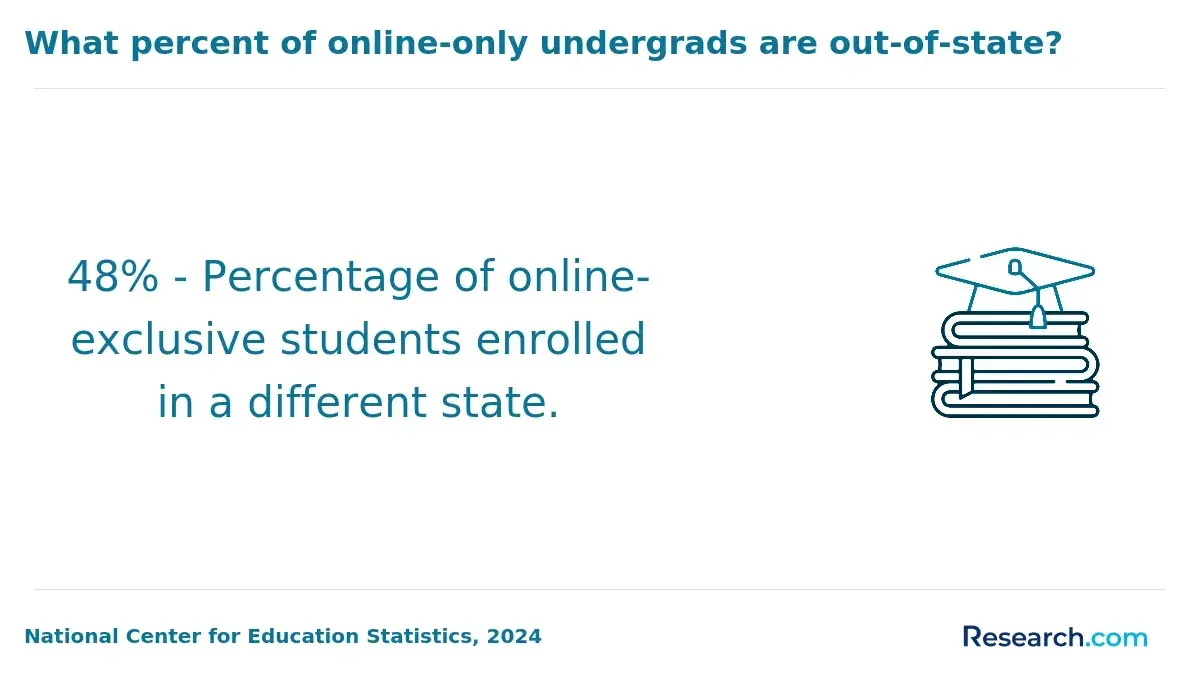
Online education has become increasingly common in fields that lead to professional licensure, reflecting broader changes in higher education. According to the National Center for Education Statistics, more than one-third of all higher education students were enrolled in at least one online course as of 2018.
This growth includes programs that can qualify graduates for licensure, including some language-related degrees. Understanding the licensing requirements for online Spanish degree graduates involves evaluating how these programs align with established professional standards.
Whether an online Spanish degree qualifies you for professional licensure in your state depends on several factors, including institutional recognition, program structure, and practical components mandated by licensing bodies.
The degree must come from an accredited institution and include coursework that meets the competencies required by the licensure authority. Some programs incorporate hands-on experiences essential for professional readiness.
Prospective students should carefully verify these requirements to ensure their degree satisfies licensure criteria and consider pathways such as one year doctoral programs to enhance their qualifications.
Which Spanish Careers Require Professional Licensure?
Licensure is essential in many professions involving Spanish because it ensures individuals meet strict standards of competence, ethics, and safety. Approximately 22% of U.S. professions require some form of licensure or regulation, reflecting the importance of protecting the public.
Below are key Spanish-related careers where professional licensure is typically necessary before one can legally practice:
- Certified Translator and Interpreter: Licensure or certification is often required for those working in sensitive fields like medical, legal, or governmental settings. This ensures clear, accurate communication to prevent misunderstandings that could lead to serious consequences.
- Speech-Language Pathologist (SLP): Bilingual SLPs offering services in Spanish must be licensed to confirm they meet clinical standards. Licensing guarantees effective assessment and treatment of speech disorders while addressing cultural and linguistic nuances.
- Spanish Teacher or Educator: Public school Spanish teachers need teaching licensure to demonstrate proficiency in pedagogy and language instruction. This credential supports delivering effective bilingual education and upholding quality teaching standards.
- Social Worker for Spanish-Speaking Clients: Although social work itself requires licensure, bilingual professionals often pursue additional certification to prove language fluency and cultural competence in serving Hispanic populations.
- Healthcare Professionals Using Spanish: Nurses, counselors, and other healthcare providers might need primary licensure with added credentialing for Spanish language skills. Proper licensing ensures culturally appropriate care and patient safety.
A Spanish degree graduate I spoke with described the licensure journey as "challenging but necessary." He explained that beyond mastering the language, understanding legal and ethical requirements was vital.
"Navigating the licensing process felt overwhelming at times," he said, "but it gave me confidence that I'm truly qualified to serve diverse communities professionally and responsibly." This experience highlights the real-world importance of licensure in Spanish careers.
What Accreditation Is Required for Spanish Licensure?
Accreditation is a critical factor in determining whether an online Spanish degree qualifies for professional licensure. Programs with recognized accreditation typically demonstrate higher academic standards, which licensing bodies rely on when assessing credentials.
Research from the U.S. Department of Education indicates that graduates from regionally accredited institutions have about a 15% higher pass rate on licensure exams than those from non-accredited programs.
The following accreditation organizations play key roles in validating online Spanish education for licensure purposes:
- The Commission on Colleges of the Southern Association of Colleges and Schools (SACSCOC): This regional accrediting agency covers many universities in the southeastern United States. Degrees from SACSCOC-accredited institutions are widely accepted by state licensure boards, reflecting comprehensive institutional quality and academic rigor.
- The Higher Learning Commission (HLC): Serving institutions in the central U.S., HLC accreditation signifies strong educational standards. Programs accredited by HLC offer graduates credibility that supports licensure eligibility and facilitates transfer of academic credit.
- The Modern Language Association (MLA): Although not a formal institutional accreditor, the MLA endorses quality standards specifically for language programs, including Spanish. Their recognition highlights programmatic strengths that can enhance professional readiness.
- The National Association of Schools of Languages (NASL): Focused on language education quality, NASL certification ensures programs meet rigorous curriculum and faculty qualifications. This recognition helps align programs with professional licensure expectations.
- The Middle States Commission on Higher Education (MSCHE): Accrediting institutions primarily in the mid-Atlantic region, MSCHE certification signals high educational quality broadly accepted by licensure authorities, reinforcing the institution's credibility for licensure purposes.
Do Licensure Requirements Vary by State for Spanish Careers?
State regulations play a significant role in determining whether graduates from both online and traditional Spanish degree programs meet licensure eligibility.
A 2022 review of state occupational licensing boards found that around 45% of states apply varying rules that influence recognition of online degrees, impacting cross-state professional mobility. This variability underscores the importance of examining specific licensing conditions.
Regional differences in Spanish career licensure often involve specific educational criteria, such as course content and required credit hours. Some states impose restrictions on acceptance of online programs compared to in-person degrees, affecting eligibility for licensure.
Additionally, licensing authorities may require supplementary documentation or verification steps. Because these standards are not consistent nationwide, candidates should carefully assess individual state policies to determine if their degree suffices for professional practice.
Prospective students considering an online bachelor's degree in Spanish must verify how their program aligns with state licensing boards to ensure compliance with relevant standards.
What Online Courses Are Required for Spanish Licensure?
Online spanish degree programs structure their coursework to align with professional licensure requirements, blending both theoretical foundations and practical skills. Recent data indicates that over 40% of college students have enrolled in at least one online course, reflecting the rising acceptance of digital learning platforms.
Below are core course categories typically mandated for licensure eligibility:
- Foundational Theory: These courses address the linguistics, history, and cultural backgrounds of the Spanish language, providing essential knowledge needed to understand language development and regional variations.
- Applied Practice: Emphasizing oral proficiency, writing, and immersive techniques, these classes ensure students gain practical communication skills crucial for teaching and professional translation.
- Ethics and Professional Standards: Designed especially for those pursuing teaching licensure, these courses focus on cultural sensitivity, ethical responsibilities, and best practices within language education.
- Research Methods: This area trains candidates in language assessment, curriculum design, and critical analysis, skills vital for ongoing professional development and maintaining licensure credentials.
When discussing the required online coursework with a professional holding a Spanish degree, she reflected on the process candidly. She recounted how balancing theoretical lessons with applied tasks sometimes felt demanding, especially mastering oral proficiency through virtual formats.
However, she emphasized the rewarding nature of engaging deeply with ethical discussions and research projects, which enhanced her confidence and competence for licensure.
According to her, "The coursework genuinely prepared me for the real-world challenges I'd face, even if the online setting required extra self-discipline." Ultimately, she viewed the structured online curriculum as a solid foundation for meeting licensure standards and stepping into professional roles with assurance.
Do Online Spanish Programs Require Internships for Licensure?
Many online Spanish degree programs incorporate practical experiences such as internships to align with professional licensure requirements, though these are not universally mandated.
About 40% of students in online and hybrid degree programs participate in internships or other forms of experiential learning, reflecting a growing trend toward incorporating hands-on opportunities.
These placements often enrich language skills in authentic environments like schools, healthcare settings, or governmental agencies. Such experiences complement academic work, bridging theory with practical application in the field.
Internship requirements differ widely based on each program's design and the specific licensure objectives pursued by students. Rather than serving as a strict prerequisite, internships frequently function as opportunities to develop applied competencies and enhance career readiness.
Programs may emphasize internships for roles like teaching Spanish or professional translation, yet others may rely more heavily on comprehensive coursework and examinations. Ultimately, the inclusion and importance of internships depend on how the program balances experiential learning with academic preparation for licensure outcomes.
How Do Licensing Exams Work for Online Spanish Graduates?
Licensing exams serve as a standardized measure to evaluate the competency of graduates from both online and traditional Spanish degree programs.
Approximately 75% of candidates holding online Spanish degrees pass their professional licensing exams on the first attempt, reflecting preparation outcomes comparable to on-campus students. These exams ensure graduates meet the professional standards necessary for certification.
Key factors regarding how these licensing exams function follow:
- Eligibility Requirements: Graduates must hold an accredited Spanish degree recognized by licensing authorities to qualify for exam participation. Online degrees from reputable programs typically meet these standards, enabling candidates to sit for the licensing exams without additional hurdles.
- Exam Content: Tests commonly assess language proficiency, cultural competency, translation and interpretation skills, and adherence to ethical standards relevant to Spanish-related professions. This comprehensive coverage ensures candidates possess the knowledge and skills required for professional practice.
- Preparation Expectations: Online graduates must demonstrate mastery of theoretical concepts and practical applications, often requiring rigorous study and use of specialized materials. Participating in practice exams is also essential to meet the established professional criteria.
- Testing Administration: Exams offer increased flexibility with options for in-person testing at secure centers nationwide or remote proctoring services. This accommodates candidates regardless of geographic location, supporting online graduate participation while maintaining exam integrity.
How Do You Verify an Online Spanish Program's Licensure Status?
Verifying the licensure alignment of an online Spanish degree program is a crucial step for students who want to ensure their education qualifies for professional use. Studies show that up to 30% of students enroll in programs without realizing potential licensure restrictions.
To avoid such pitfalls, students should focus on several key verification strategies:
- Official Program Disclosures: Examine the institution's published materials for clear statements about licensure qualification. Legitimate programs often explain whether their degrees prepare graduates for licensure or professional certification, providing insight into the program's purpose.
- Institutional Recognition: Check if the college or university holds regional or national accreditation recognized by educational authorities. While accreditation does not guarantee licensure eligibility, schools transparent about their status offer a better indication of educational quality and compliance with standards.
- Licensing Board Guidelines: Review general criteria provided by licensing boards or professional organizations related to Spanish language careers. These guidelines help determine if an online Spanish degree program meets essential requirements without focusing on specific exam or coursework details.
- Program Outcomes: Investigate graduation rates, job placements, and alumni success linked to licensure achievements. Programs that share such data demonstrate their effectiveness in supporting students' professional advancement.
For students comparing options, it's also useful to review resources that highlight affordability and program credentials, such as those featuring the online construction management bachelors degree, which offers an example of transparent program listings and accreditation details.
Checking state licensing requirements for online Spanish programs alongside these steps further ensures alignment with professional standards.
What Challenges Do Online Spanish Students Face With Licensure?
Online Spanish students often face complex licensure pathways that differ significantly from traditional programs, particularly in the U.S. context.
Research shows that only about 65% of online degree holders successfully attain professional licensure within five years of graduation, highlighting credentialing barriers common to remote learners. These challenges are amplified by varying state-by-state licensure requirements for online Spanish graduates.
The following points summarize key obstacles in securing licensure:
- Varied Program Expectations: Licensing authorities have diverse standards that online programs may not uniformly meet. Ensuring that an online degree aligns with these expectations across different states requires careful verification by students.
- Documentation Requirements: Graduates often need to submit detailed transcripts, course outlines, and proof of supervised experience. Differing institutional policies on records for online education complicate this process, potentially delaying applications.
- Professional Standards Alignment: Licensing bodies expect evidence that education equips candidates with relevant language proficiency, cultural competency, and applied skills. Online programs lacking strong ties to current industry standards risk leaving students underprepared.
- Eligibility Clarity: Pathways to licensure can be confusing, with unclear communication about accepted programs and additional certification steps. This confusion can lead to errors or setbacks for online Spanish learners.
For students exploring interdisciplinary opportunities, programs like the MBA for entrepreneurs offer additional career pathways that might complement language expertise in professional licensing contexts.
Are Online Spanish Degrees Respected in Licensed Professions?
Attitudes toward online education in licensed professions have changed considerably over recent years. Initially viewed with doubt, online degrees are now increasingly accepted as credible alternatives to traditional programs.
A 2023 survey found that about 73% of employers hold online degrees in similar regard to on-campus ones, as long as the programs maintain accreditation and clear educational standards. This shift signals growing recognition of the value online learning can offer in terms of skill development and knowledge acquisition.
Respect for online Spanish degree programs in licensed professions largely depends on the quality of the curriculum, tangible learning outcomes, and the graduate's proven competencies.
Rather than focusing on whether the degree was earned online, many employers and licensure boards prioritize demonstrated skills and professional capability. This evolving acceptance highlights a trend toward evaluating applicants based on results rather than educational format.
For students interested in the recognition of online Spanish degrees for licensure in the US, selecting accredited programs that emphasize measurable competencies offers a path forward. Those curious about career options with a related degree may also find insights in fields like artificial intelligence, such as those available through an AI degree.
What Graduates Say About Online Spanish Degree Licensure Qualifications
- Ivan: "Pursuing an online spanish degree was a strategic choice for me because it offered flexibility without sacrificing the quality of education required for licensure. I found that most programs clearly outlined their accreditation status, which made verifying whether the degree qualified for licensure straightforward. Ultimately, having an online degree opened doors in educational settings where bilingual skills are highly valued, boosting my professional credentials significantly."
- Renz: "Reflecting on my journey, I was initially skeptical about whether an online spanish degree would prepare me adequately for licensure. However, the comprehensive curriculum and accessible instructors changed that perspective, proving that distance learning can be just as rigorous. Earning licensure with an online degree has profoundly impacted my career, enabling me to teach and translate in diverse environments I hadn't anticipated before."
- Gabbie: "From a practical standpoint, opting for an online spanish degree maintained my full-time job while pursuing licensure, which was essential for my career transition. I researched carefully to ensure the program met licensure requirements to avoid any surprises. Now, as a licensed professional, I appreciate how my degree's online format didn't limit my opportunities but instead prepared me to meet industry standards effectively."
Other Things You Should Know About Spanish Degrees
Yes, practical experience can influence licensure eligibility in certain Spanish-related professions, particularly in fields like translation or education. Some licensing bodies or employers may require documented teaching hours, supervised internships, or certified translation projects in addition to passing exams. While online degrees cover theoretical knowledge, candidates may need to seek external opportunities to fulfill experience requirements.
In some cases, licensure authorities may require additional language proficiency testing beyond the degree curriculum. This ensures that candidates meet professional standards in speaking, reading, and writing Spanish at an advanced level consistent with licensure demands. Such assessments can come in the form of oral exams or standardized tests independent of the online program's evaluation methods.
Most accredited online Spanish degree programs incorporate cultural studies as part of their curriculum to prepare students for professional contexts. Licensure boards, particularly in education and counseling, may look for evidence of cultural competency training before granting certification. This focus helps ensure graduates can effectively interact with Spanish-speaking populations in diverse environments.
Many licensure boards mandate continuing education units (CEUs) or professional development to maintain active licensure status in Spanish-related careers. Graduates of online programs should be aware that obtaining the degree is often just the first step, and ongoing coursework or certifications may be necessary to remain current with language standards and professional practices. These requirements vary by profession and state regulations.
References
- Online / Live Language Course before your Internship - Bast Programs https://www.bestprograms.org/internship-programs/language-course/
- Which are the main Spanish language certifications? - Españolé https://espanoleschool.com/spanish-language-certifications/
- The Benefits and Process of Taking an Online Spanish Certification Exam https://doberman.ee/en/quests/2012780043-the-benefits-and-process-of-taking-an-online-spanish-certification-exam.html
- Learn Spanish Online with Certified Courses - Set Idiomas https://setidiomas.com/en/spanish/online-courses/
- Certifications, accreditations and collaborations https://spanishinstitute.net/certifications-accreditations-collaborations/
- Spanish Certification Courses https://www.enforex.com/spanish-certification-courses/
- Online Internships - Euroace https://euroace.net/internships/online-internships/
- Best Spanish Online Classes – Spanish Courses with Certification https://institutospanien.org/blog/spanish-online-classes-spanish-courses-with-certification/
- Taking a Spanish Language Exam | Expanish https://expanish.com/blog/taking-spanish-language-exam/
- Best Online Spanish Degrees https://www.onlineu.com/degrees/spanish