2026 How Many Credits Can You Transfer Into a Spanish Degree Program?

Co-Founder and Chief Data Scientist
Transfer credit acceptance in Spanish degree programs varies widely, reflecting both institutional policies and program-specific curricular demands. In 2024, the National Student Clearinghouse Research Center reported that nearly 40% of bachelor's degree earners in the U. S. transferred credits at some point, underscoring the growing complexity of transfer pathways.
However, the nuances in language programs-such as requirements for conversational fluency, cultural studies, and literature-often limit how many credits apply directly toward degree completion. Understanding these distinctions is crucial for transfer students and adult learners aiming to leverage previous coursework effectively while meeting the practical competencies emphasized by employers and academic standards.
As the article explores credit transfer limits and program comparisons, it provides actionable insights for navigating these challenges.
Key Things to Know About How Many Credits Can You Transfer Into a Spanish Degree Program
- Spanish degree programs often limit transferable credits from non-language electives, slowing progression and requiring strategic planning to meet core fluency requirements within standard timeframes.
- Employers increasingly value cultural competence tied to language fluency, meaning credits solely in general education may not advance workforce readiness without targeted Spanish studies.
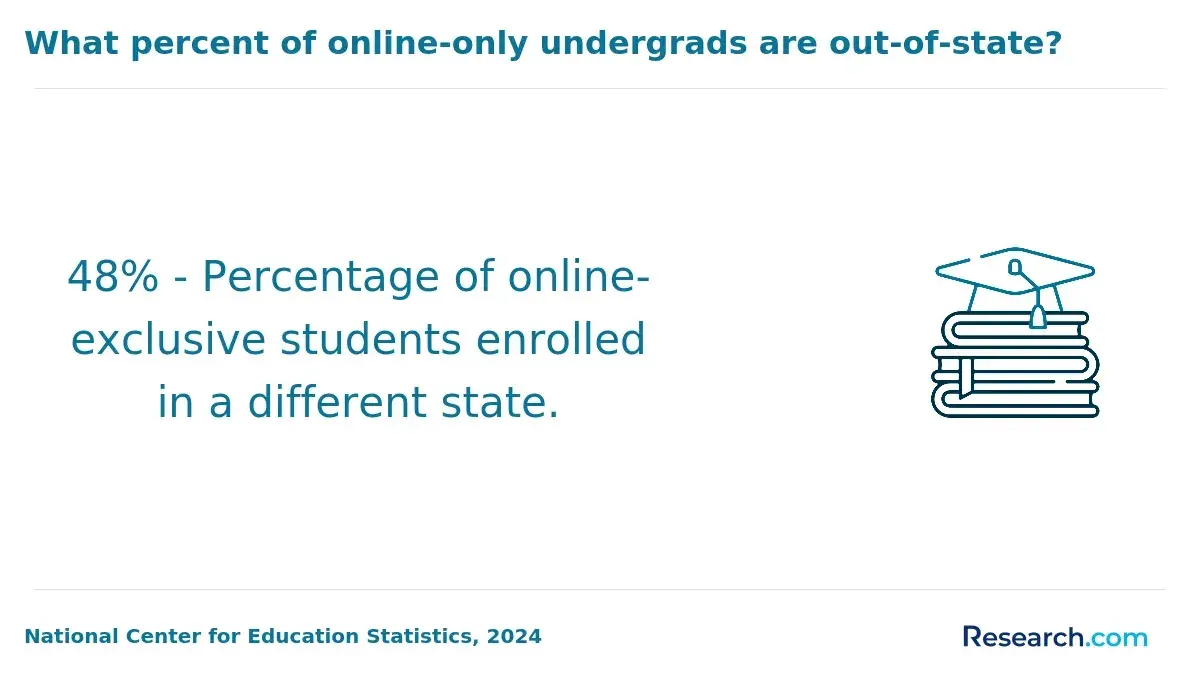
- With online and adult learner enrollments rising nearly 15% annually per the National Center for Education Statistics, timed credit transfers critically affect access and cost-efficiency for nontraditional Spanish students.
How Many Credits Can You Transfer Into a Spanish Degree Program?
Transfer credit policies for Spanish degree programs often impose strict limits on how many credits can apply, particularly at the upper-division level where advanced linguistic and cultural competencies are integral. Credits must originate from regionally accredited institutions and demonstrate close equivalency to required courses in literature, linguistics, or culture; general language courses from community colleges transfer more readily but rarely fulfill upper-level requirements.
A practical consequence for many students is extended time to degree if their transferred credits are counted only as electives, forcing retakes of key advanced courses. For adult learners and career changers balancing work and study, these constraints shape degree completion strategies by requiring careful validation of syllabi and course content to maximize acceptance within institutional caps.
When evaluating how many credits can transfer into a Spanish degree program, students benefit from early, detailed articulation reviews to ensure alignment with departmental expectations. Many programs limit the total transfer credits to about 60-70% of the degree, with fewer upper-division credits accepted to maintain academic rigor and preparation quality for professional roles demanding cultural fluency.
This impacts course sequencing, often prioritizing on-campus or in-residence work for specialized topics. For those considering broader academic acceleration options, exploring pathways like 2-year EdD programs online reflects similar transfer and credit evaluation challenges that echo the importance of strategic credit planning in any advanced degree pursuit.
What Types of College Credits Can Transfer Into a Spanish Degree Program?
Transfer credits for a Spanish degree often come from varied academic and non-traditional experiences, but acceptance hinges on how well previous learning aligns with program requirements and institutional standards. For example, a community college graduate with two years of general education might expect full credit transfer for language courses, yet many universities impose strict equivalency measures that influence time to graduation and financial cost.
These differences directly affect employability outcomes by determining how quickly students develop marketable language skills valued in diverse workplaces such as healthcare, education, or government services.
Transfer evaluations in Spanish programs typically categorize credits as follows:
- Community College Language Courses: Institutions usually approve credits if course content corresponds to intermediate or advanced language levels. Introductory or remedial courses rarely bypass core requirements, which can extend the path to degree completion and delay workforce entry.
- Advanced Placement (AP) and International Baccalaureate (IB) Exams: High scores may allow students to skip beginner semesters, but most programs require upper-division coursework for cultural and literary competence essential to many employers.
- Military or Corporate Training Programs with Language Components: These are accepted selectively and dependent on documentation proving proficiency comparable to academic standards, often necessitating additional assessments or validation.
- Study Abroad and Immersion Experiences: While not typically credited in hours, demonstrated proficiency via placement tests can reduce required course sequences, expediting practical language readiness.
- Credits from Non-Equivalent Disciplines: Related fields like linguistics or Latin American studies may count toward electives but seldom satisfy major-specific language requirements, potentially lengthening study time and affecting skill depth employers expect.
Does Accreditation Affect How Many Credits Transfer Into a Spanish Degree?
Accreditation fundamentally shapes how many credits are accepted when students transfer into a Spanish degree program. Regional accreditation, held by most public and private universities, generally ensures smoother acceptance due to its strict standards and widespread recognition.
Conversely, credits from nationally accredited schools, often linked to vocational or specialized fields, face more rigorous scrutiny and are frequently denied or only partially credited.
Additionally, programmatic accreditation focusing on foreign language departments can validate course relevance and quality, directly affecting a student's transfer success. Institutions tend to favor credits from similarly accredited schools to uphold academic rigor, meaning mismatched accreditation can reduce credit transferability or trigger more demanding review processes.
The practical consequences of these accreditation differences are significant. Recent data from 2024 indicates that around 42% of transfer students lose credits due to accreditation or curricular discrepancies, leading to prolonged degree completion timelines. Many end up retaking fundamental or intermediate Spanish courses, which raises their cost burden and delays their entry into careers or further education.
For adult learners or those shifting careers, these setbacks complicate financial planning and disrupt career trajectories. Employers frequently prefer candidates who finish their degrees without undue delay and demonstrate verified competencies, so understanding how accreditation impacts credit acceptance can minimize redundant coursework and help students maintain momentum in their studies.
One applicant experienced uncertainty during a rolling admissions cycle after transferring credits from a nationally accredited institution. Although their previous coursework aligned with many Spanish requirements, delays in evaluation caused stress and hesitation about enrolling immediately. The student carefully weighed whether to register for prerequisite courses not clearly credited, fearing wasted time and expenses if the transfer review ultimately recognized fewer credits.
Only after additional documentation and direct communication with the program did they gain clarity, underscoring how nuanced accreditation issues can influence timing, decision-making, and overall transfer strategy.
How Do Universities Evaluate Transfer Credits for Spanish Programs?
Universities assess transfer credits for Spanish degree programs through a structured evaluation that focuses on detailed course comparisons and academic standards. Transfer credit evaluation criteria for Spanish language courses begin with an analysis of course syllabi to determine if the learning outcomes align closely with the receiving institution's curriculum, particularly regarding language proficiency, cultural content, or literature components.
Credit hours are carefully matched to ensure equivalence, since disparities in credits can affect progress toward degree requirements.
Accreditation status significantly influences acceptance, with regionally accredited institutions' credits favored. Departmental review is a key step, where faculty specializing in Spanish review whether courses meet core, elective, or advanced upper-division requirements. Many programs restrict community college credits to lower-division classes, limiting transferability of essential higher-level coursework needed for major completion.
Evaluation outcomes are highly variable and depend on how competitive and rigorous a university's Spanish program is. According to a 2024 report by the National Center for Education Statistics, only about 65% of transfer credits are accepted toward major requirements in language programs nationwide. This reflects program-specific policies that prioritize maintaining academic quality through stricter equivalency standards.
Transfer students and adult learners targeting practical outcomes should also consider that not all electives will satisfy specialized professional expectations, potentially affecting degree timelines and employability. Those seeking efficient degree completion might explore options like the cheapest online civil engineering degree, which illustrates the importance of verifying transfer credit policies aligned to career goals.
Can Work Experience Count as College Credits in a Spanish Degree Program?
Conversion of work experience into college credits within a Spanish degree program hinges on institutional policies and rigorous alignment with academic objectives. Many schools employ prior learning assessments or portfolio reviews to match professional competencies with course outcomes, often requiring comprehensive documentation such as detailed work samples, supervisory evaluations, or reflective essays.
These evaluations typically demand evidence that experiential skills demonstrate linguistic proficiency, cultural insights, and communication aptitudes comparable to formal classroom learning. Departmental approval plays a critical role, especially since Spanish programs emphasize nuanced cultural understanding and language fluency, making broad acceptance of work experience less straightforward than in technical disciplines.
From a practical standpoint, receiving credit for work experience can shorten time to degree completion and reduce course loads, but it is frequently capped and may not cover key upper-division requirements. According to a 2024 report by the Council for Adult and Experiential Learning, about half of adult student credit requests are approved overall, yet language fields like Spanish see lower acceptance rates due to the complexity of meeting academic rigor.
Additionally, students must weigh the tradeoff between expedited graduation and missing out on advanced coursework valued by employers, such as literary analysis or linguistics, which are less likely to be credited through experiential means.
A Spanish degree graduate recalled encountering delays when submitting his professional portfolio for credit evaluation during a rolling admissions cycle. Although his bilingual social work experience was relevant, the college requested multiple rounds of additional documentation to verify language competence and cultural knowledge. This process stretched over several months, creating uncertainty about how many credits would be granted before enrollment decisions.
Ultimately, he decided to register for core Spanish courses while awaiting final credit approval, balancing the risk of duplicated efforts against the need to maintain academic momentum.
Why Do Colleges Reject Transfer Credits for Spanish Programs?
Credit transfer decisions for Spanish degree programs hinge on detailed academic standards and institutional priorities, often leading to rejection or partial acceptance of transfer credits. A key factor is accreditation differences between institutions. Credits from regionally accredited colleges transfer more smoothly, while those from nationally accredited or technical schools-common among transfer students-face greater scrutiny.
This discrepancy is a major reason why many transfer credits are denied, as accreditation directly influences the perceived rigor and quality of coursework.
Another critical issue is course equivalency. Spanish programs demand alignment in specific language skills, cultural content, and literary analysis. Older or less specialized credits, including introductory courses that may be outdated linguistically or pedagogically, rarely meet current program standards. This is especially relevant because course content and expectations evolve rapidly, a reality that transfer students and advisors must anticipate when mapping out degree progress.
Minimum grade thresholds also shape acceptance. Most institutions require at least a grade of C to consider transfer credits valid for degree requirements, ensuring foundational proficiency necessary for advanced study. Credits earned below these thresholds are typically rejected, increasing risks of course repetition and extended graduation timelines.
Upper-division curriculum alignment presents another barrier. Spanish degrees prioritize advanced-level coursework that builds critical cultural insight and linguistic nuance not often covered in lower-division or general education classes. Credits failing to meet these standards cannot substitute for mandatory upper-level requirements, disrupting course sequences and prolonging academic progression.
A 2024 government dataset highlights that up to 40% of transfer credits in language programs are partially accepted or rejected, underscoring the tangible impact on students. Transfer candidates from older or less specialized Spanish programs frequently encounter these hurdles, emphasizing strategic academic planning to limit credit loss.
These realities point to the importance of evaluating how transfer courses fit curricular and accreditation criteria early in the process. For students balancing complex career and life commitments, such as adult learners and community college graduates, understanding these nuances is vital to avoiding the practical downsides of rejected credits, from increased tuition to delayed entry into the workforce.
Those exploring degree options may also consider related fields that offer clearer, more transferable pathways, such as construction management. For instance, programs like the best 2 year construction management degree online demonstrate how accreditation and program design enhance transferability and career relevance, a contrast worth noting for Spanish degree transfer students.
Which Spanish Degree Programs Accept the Most Transfer Credits?
Public universities often maintain rigid transfer credit limits, typically allowing no more than 60 to 75 semester hours toward a 120-credit Spanish degree. This restriction protects the integrity of upper-division coursework, with many state systems requiring students to complete at least 30-40 advanced credits on campus.
While this ensures academic depth, it can slow credit transfer and prolong degree completion, especially for community college transfers or adult learners who have accumulated significant credits elsewhere. Such policies reflect broader employer expectations valuing demonstrated proficiency through traditional in-person coursework, which may carry weight in fields demanding cultural competency.
In contrast, online and competency-based programs frequently accommodate up to 90 transfer credits, leveraging prior learning assessments and flexible credit recognition to expedite degree completion. These pathways often appeal to working adults by validating experiential learning, though they may limit elective options and reduce faculty interaction, impacting the academic experience.
Transfer-friendly institutions with articulation agreements ease credit acceptance but often impose residency rules that restrict which upper-division credits transfer, a factor students should weigh to avoid extension of their studies.
Notably, a 2024 survey found about 35% of U.S. institutions actively cap the transferability of upper-level foreign language courses to maintain quality standards, underscoring the importance of reviewing each program's transfer policies against long-term career implications in Spanish-related roles.
How Do Transfer Credits Affect the Time Needed to Complete a Spanish Degree?
Transfer credits can alter the trajectory of a Spanish degree but often introduce complex tradeoffs rather than straightforward time savings. For instance, a student transferring 30 credits from a community college may clear general education hurdles, yet many of those credits fail to fulfill required upper-division Spanish language or literature courses.
According to the National Student Clearinghouse Research Center's 2024 report, only about 65% of transfer credits apply directly to major requirements, indicating a frequent misalignment that can delay progression into critical advanced classes. This fragmentation of prerequisite chains often compels students to extend their enrollment to complete mandatory upper-division coursework, limiting actual acceleration despite the volume of transferred credits.
Residency mandates requiring students to earn 30 to 40 credits at the degree-granting institution further constrain how much transfer credits reduce degree length, a crucial consideration for adult learners or those aiming to enter the workforce promptly.
Additionally, expiration policies on language credits-commonly rejecting courses taken over five years prior-complicate semester planning, especially for career changers returning to study after time away. When transfer credits do align and meet program-specific prerequisites, students can engage earlier in internships or study abroad opportunities vital for competitive positioning in education, translation, or international relations roles.
Yet, failing to strategically evaluate credit applicability risks disrupting course sequencing, extending tuition costs, and delaying licensure or graduate study timelines, underscoring the need for careful academic advising that prioritizes real-world career timing and credential requirements.
Do Transfer Credits Reduce the Cost of a Spanish Degree?
Transfer credits can affect the overall tuition calculation for a Spanish degree, but only when those credits are accepted and applied directly toward degree requirements. Since most U.S. colleges charge tuition per credit hour, credits that fulfill Spanish major or general education requirements reduce the total number of credits a student must pay for.
However, this cost reduction only occurs if transferred credits replace required courses as defined by the particular Spanish degree program rather than simply adding to the credit count. This nuance is crucial when evaluating the impact of transfer credits on Spanish degree tuition fees, as not all credits yield the same financial benefit.
In practice, many students find that residency requirements or institutional policies limit the tuition savings from transferred coursework. For instance, students may still be required to pay full tuition for a minimum number of in-residence credits regardless of how many transfer credits they bring. Similarly, transferred credits that count solely as electives rather than replacing core Spanish courses often do not lower the overall program cost.
A 2024 report by the National Student Clearinghouse Research Center indicates that transfer students typically realize only a 10-20% average tuition savings, highlighting the importance of carefully assessing credit applicability. Prospective students and adult learners considering credit transfer should also explore options such as an UX design degree pathway, which may offer different transfer policies and cost structures relevant to career changers.
What Is the Best Strategy to Maximize Transferable Credits?
Maximizing transferable credits in Spanish degree programs hinges on navigating institutional policies and understanding course equivalencies with precision. For example, a community college graduate aiming to transfer to a four-year university often faces significant credit loss unless they strategically align prior coursework.
This inefficiency can extend time to degree and increase costs, underscoring the need for an informed transfer strategy. Students who master transfer credit policies for Spanish degree programs typically reduce redundant coursework and better meet employer expectations for degree relevance.
Data from the 2024 National Student Clearinghouse report shows students transferring from regionally accredited community colleges retain on average up to 85% of their credits, highlighting the practical value of accreditation and prior planning.
- Review existing articulation agreements early with the target institution to identify which Spanish courses transfer directly and avoid unexpected credit rejections.
- Enroll exclusively in regionally accredited colleges, as credits from nationally accredited or unaccredited schools often do not meet transfer standards.
- Submit detailed syllabi for all Spanish or related courses to enable thorough evaluation of course content and learning outcomes, which may capture credits for specialized topics like Hispanic linguistics.
- Complete prerequisite-aligned coursework focused on required language, culture, and literature classes rather than electives that may not count toward degree completion.
- Leverage prior learning assessments such as CLEP exams or portfolio reviews where permitted to gain credit for demonstrated competencies, especially relevant for adult learners.
For career changers or adult students balancing education with work, understanding how to maximize transferable credits for Spanish degrees translates directly into time saved and quicker labor market reentry. Students can also explore easy certifications to get online as complementary credentials that may enhance employability alongside their degree.
What Graduates Say About How Many Credits Can You Transfer Into a Spanish Degree Program
- Paxton: "I initially thought I could transfer most of my credits from a general humanities degree into the Spanish program, but the cap on transferable language credits meant I had to retake several advanced courses. This decision slowed my graduation timeline but ultimately gave me a deeper grasp of cultural nuances that impressed employers in education roles. Despite the added effort, I found that the intensive coursework offset any disadvantage in starting my career later by preparing me for specialized jobs that don't just look at credit hours but value comprehensive language proficiency."
- Ameer: "With the credit transfer limitations, I had to weigh whether to accelerate the Spanish degree by using more credits or focus on internships and certifications instead. I opted for fewer transfers so I could engage in immersive language experiences, which turned out to be a key factor when I applied for remote translation jobs. Employers seemed less concerned about my transfer credits than about my practical experience, which helped me enter the workforce faster, albeit with a somewhat slower salary growth initially."
- Nathan: "The strict transfer policy forced me to reevaluate my plan; I wanted to transfer over half my previous credits but could only move about a third. This meant taking additional classes that delayed my entry into the job market. While frustrating, it also gave me a chance to pivot toward bilingual healthcare roles, which are competitive but rewarding. My takeaway is that although the credit cap feels limiting, it can push you into niche areas where employers prioritize certifications and hands-on language application rather than just transferred coursework."
Other Things You Should Know About Spanish Degrees
Many Spanish degree programs require specific upper-division courses focusing on culture, literature, and advanced linguistics. Even if general language credits transfer, students often find themselves needing to complete several in-depth cultural or literary courses on campus.
This can limit how much prior coursework actually reduces your overall workload and means that transferring many credits might not shorten the time spent engaging with critical area studies that employers and graduate programs highly value.
Focusing on transferring language proficiency credits alone can leave significant gaps in cultural competence, which is a key outcome for Spanish degrees. Prioritizing cultural coursework-like Hispanic literature, history, or film-often aligns better with the expectations of employers seeking communication skills combined with cultural literacy.
When possible, students should aim to transfer credits that balance both language skills and cultural understanding to maximize readiness for real-world application.
Yes. Many Spanish programs structure advanced language courses as smaller, interactive classes emphasizing active speaking and writing. If transfer credits fulfill basic language requirements, students may skip these critical experiences, potentially weakening their practical oral and written communication skills. Students should consider whether accepting transfer credits at lower levels might result in gaps in essential advanced practice required by employers or certification organizations.
Relying heavily on transfer credits can lead to a misalignment with the competencies expected by graduate schools or employers, especially if the credits lack advanced or specialized content.
Programs that require a certain percentage of credits completed in residence ensure students engage thoroughly with institutional standards and faculty expertise. Students aiming for specialized careers such as translation, education, or international relations should weigh the benefits of completing more in-residence coursework against the temptation to transfer many credits for faster graduation.
References
- How CA gives college credit for work experience - CalMatters https://calmatters.org/education/higher-education/2026/02/college-credit-california/
- Can You Transfer Credits From a Completed Degree? https://www.edvisorly.com/student-guides/can-you-transfer-credits-from-a-completed-degree
- Cost of Studying in Spain: A Budget Breakdown | BLC Spain https://blcspain.com/cost-of-studying-in-spain/
- School of Record - Spanish Institute Academic Programs https://spanishinstitute.net/about-spanish-institute/school-of-record-spanish-institute-academic-programs/
- Why universities often reject class credits of students transferring from community colleges | Milwaukee Independent http://www.milwaukeeindependent.com/newswire/universities-often-reject-class-credits-students-transfering-community-colleges/
- Can I make up for a lack of foreign language credits in the rest of my application? https://talk.collegeconfidential.com/t/can-i-make-up-for-a-lack-of-foreign-language-credits-in-the-rest-of-my-application/3530407
- How do you get ECTS credits as foreign student in Spain? https://www.linguaschools.com/blog/2026/02/25/get-ects-credits-as-foreign-student-in-spain/
- Go Study Spain, Learn Spanish Abroad in Spain https://www.gostudyspain.es/Credits.htm
- Accredited Online Spanish Courses for College Credit | Maximo Nivel https://maximonivel.com/online-spanish-college-credit/