2027 DNP Adult-Gerontology Primary Care NP Programs for Nurses in Hawaii: BSN and MSN Entry Routes and Clinical Training
Audited and Verified:
Our Editorial and Data Verification Process
Research.com uses government datasets, official education statistics and primary institutional information to support its career and degree guides. Our review process checks factual accuracy, occupational definitions, source dates and the requirements associated with the credentials discussed.
How This Article Was Fact-Checked
Our editorial team verifies salary estimates, employment projections, education requirements and program information against original data providers and official organizations. Salary figures are checked against the relevant occupational definitions and reporting periods. Information about licensure, accreditation and required in-person training is reviewed separately.
Fact-checked and verified on:

Co-Founder and Chief Data Scientist
A Hawaii nurse seeking to provide primary care to adults needs more than a doctoral degree: the program must include adult-gerontology primary care nurse practitioner preparation and suitable supervised clinical experiences. That distinction matters whether you hold a BSN, an MSN, or an existing APRN credential. This guide explains the Hawaii program option to investigate, how entry routes differ, what to ask about clinical placements and costs, and how education connects to certification and Hawaii practice authority.
Key Things You Should Know
- The University of Hawaiʻi at Mānoa is the Hawaii-based school to investigate for an adult-gerontology primary care NP DNP track; confirm that the track is accepting students for your entry term.
- A BSN-to-DNP NP route and an MSN-to-DNP route are not interchangeable: an MSN-prepared nurse without AGPCNP preparation still needs the required population-focused coursework and supervised care.
- Two national organizations offer adult-gerontology primary care NP certification: ANCC and AANPCB. Completing a DNP does not itself award certification or Hawaii APRN authority.
What is a DNP adult-gerontology primary care NP program in Hawaii?
A Doctor of Nursing Practice (DNP) adult-gerontology primary care nurse practitioner (AGPCNP) program is graduate education for licensed nurses preparing to assess, diagnose, treat, and coordinate ongoing care for adolescents through older adults, within applicable law and professional standards. Its primary care focus includes prevention and management of chronic conditions across ambulatory and community settings. The DNP also develops practice-improvement and leadership skills.
Population focus is the deciding detail. AGPCNP preparation is not interchangeable with adult-gerontology acute care, family NP, or psychiatric-mental health NP preparation. An FNP route may better fit a nurse who intends to care for children as well as adults; accelerated FNP education comparisons can help frame that different choice, but a short timeline should never substitute for checking clinical preparation and eligibility.
Which Hawaii schools offer adult-gerontology primary care DNP programs?
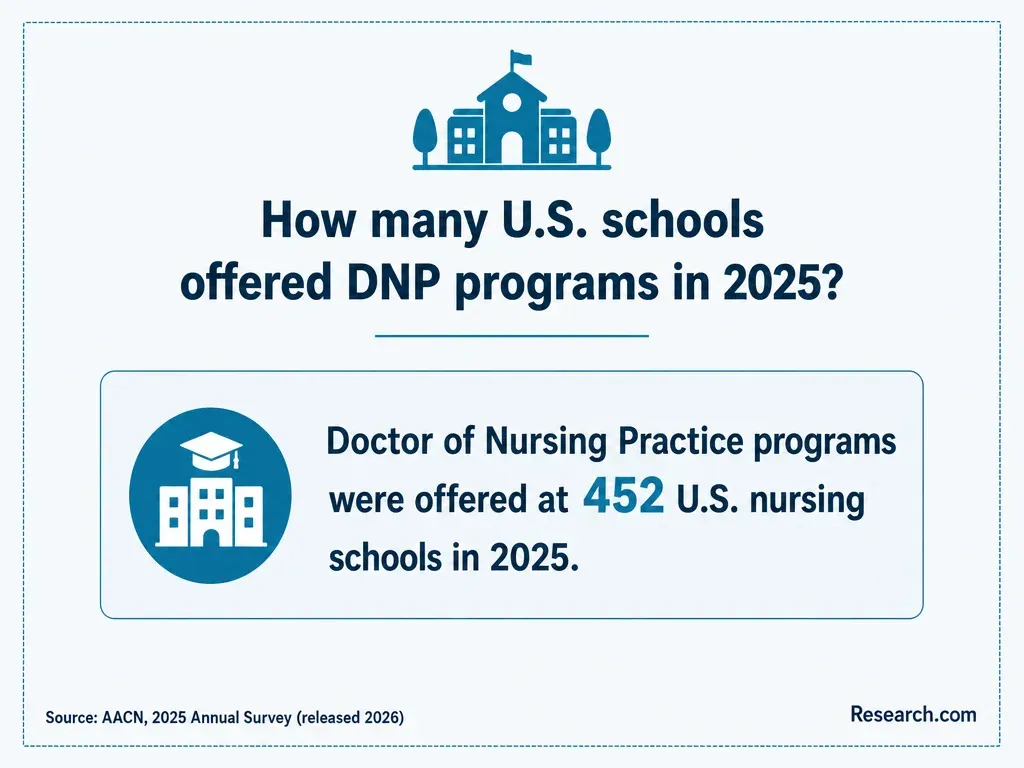
The University of Hawaiʻi at Mānoa's nursing school is the principal in-state institution to check for a DNP AGPCNP pathway. Its published program information, application materials, and admissions office should establish whether the specific AGPCNP track is open for your intended term, which entry route is offered, and whether its clinical-placement arrangements work on your island. A university's general DNP listing is not enough to establish those facts.
Do not count a Hawaii school as an AGPCNP option merely because it advertises a DNP, another NP specialty, or an RN-to-BSN program. For example, comparing RN-to-BSN practice expectations addresses a different stage of nursing education, not graduate NP preparation. If the UH Mānoa track is unavailable or impractical, an out-of-state program may be worth considering, but obtain written confirmation that it can enroll Hawaii residents, arrange acceptable Hawaii clinical experiences, and support the certification pathway you need.
Can BSN and MSN nurses enter Hawaii DNP AGPCNP programs?
BSN-prepared RNs need a pathway that explicitly combines doctoral study with initial AGPCNP preparation. MSN-prepared RNs must establish what their earlier degree actually covered. An MSN in leadership or education is not an NP qualification; an MSN in another NP population focus does not automatically confer AGPCNP eligibility. An already-certified AGPCNP seeking a DNP may instead be eligible for a post-master's doctoral route that does not repeat initial NP preparation.
The receiving school must evaluate prior transcripts, course descriptions, documented supervised hours, and certification against its track requirements. Ask whether it offers an MSN-entry AGPCNP preparation route or only a post-master's DNP for nurses who already hold appropriate advanced practice credentials. Nurses whose starting point is an associate degree can explore MSN pathways that accept ADN-prepared nurses, but a bridge degree alone does not resolve the later AGPCNP specialty requirement.
Expect a program to review your nursing degree, RN license, academic record, professional experience, recommendations, and statement of goals. The applicable requirements depend on the entry route and admission term. Clinical participation may also require site-specific background checks, health documentation, and other clearances that differ from academic admission.
Before applying, request the current AGPCNP track checklist and answers to these questions:
- Which nursing degrees, licenses, prior NP courses, and certifications qualify for this entry route?
- What GPA, experience, prerequisite, interview, and application-deadline rules apply?
- Will the program review an MSN applicant's syllabi and supervised-hour records before confirming a study plan?
- What separate requirements must be met before beginning clinical placements?
A non-nursing bachelor's degree does not replace an RN license for a postlicensure DNP NP track. Someone entering nursing from another field needs an initial RN-qualifying route first; second-bachelor's nursing program entry comparisons address that earlier decision rather than AGPCNP admission.
Initial AGPCNP preparation typically brings together advanced health assessment, pathophysiology, pharmacology, diagnostic reasoning, and supervised management of adult and older-adult primary care needs. Doctoral work adds evidence appraisal, population health, systems leadership, and a practice-focused improvement project. The school's curriculum - not the DNP label - determines which of these elements a particular route includes and which prior courses may count.
Compare the published clinical course sequence with the patients you expect to serve: chronic disease, prevention, care transitions, and concerns associated with aging all matter to primary care readiness. Psychiatric assessment may be relevant in primary care, but it does not turn AGPCNP preparation into a PMHNP track. Nurses considering that different role should evaluate its separate curriculum and clinical requirements; accelerated PMHNP master's admissions and requirements illustrate why specialty-specific preparation matters.
There is no reliable single price or completion time for every applicant. A BSN-entry student completing initial NP preparation generally has more specialty coursework and clinical education ahead than an already-prepared AGPCNP completing a post-master's DNP. An MSN in a different field may require additional coursework and placements. Course availability, enrollment pace, approved sites, and project progression can all change the finish date.
Ask the school for a written, entry-route-specific degree plan and cost estimate. Build a budget that includes the following items rather than comparing tuition alone:
- Tuition by credit or term, mandatory fees, and charges for any additional enrollment terms.
- Books, technology, clinical clearances, certification examinations, and licensing applications.
- Travel or lodging for required campus activities and clinical placements, including interisland travel where applicable.
- Income lost if supervised clinical hours require reducing paid RN shifts.
Compare the resulting total - not just a headline tuition rate - with nurse practitioner program tuition comparisons. For a Hawaii-based nurse, an apparently cheaper mainland option can cost more if travel and placement arrangements are substantial.
Verify the format of the AGPCNP track, not the university's DNP program as a whole. Coursework may use online learning, campus sessions, or both, while supervised patient care must occur at approved clinical sites. "Online" does not establish that every class is asynchronous, that visits are optional, or that clinical hours can be completed at a nurse's existing job.
Ask for the actual schedule of live sessions, campus intensives, simulation, and clinical courses. Also ask who finds and approves preceptors, whether placements are available on your island, and what happens if a site becomes unavailable. Working nurses comparing formats may find planning the cost of a BSN-to-MSN transition useful for understanding another graduate route, but neither its online format nor its price establishes how a DNP AGPCNP track operates.
Check institutional accreditation and the nursing program's accreditation separately, then confirm that the proposed curriculum provides the education needed for the intended AGPCNP certification examination and Hawaii APRN application. An accreditor evaluates an educational program; a certifying organization decides exam eligibility; the Hawaii Board of Nursing decides state practice authority. None of those decisions should be inferred solely from a school's marketing description.
For clinical training, obtain the school's written requirements for direct patient-care experiences, acceptable populations and settings, preceptor qualifications, faculty oversight, and evaluation. Ask how it records prior MSN hours, DNP practice hours, simulation, and project activity; these are not automatically interchangeable. A guide to comparing doctoral nursing projects and practice hours can clarify why a post-master's DNP designed for an existing NP is not equivalent to initial AGPCNP clinical preparation. Never assume paid RN work or a self-arranged preceptor satisfies the school's requirements without its approval.
Graduation is one milestone, not permission to practice as an NP. A prospective Hawaii AGPCNP should confirm the current requirements of the Hawaii Board of Nursing and the chosen national certifier before enrollment, particularly if the educational program is outside Hawaii or prior graduate study is being applied to a new specialty.
The usual sequence involves these distinct decisions:
- Complete an appropriate graduate AGPCNP curriculum and its required supervised clinical education.
- Meet the applicable eligibility rules and pass an adult-gerontology primary care NP certification examination offered by ANCC or AANPCB.
- Apply to the Hawaii Board of Nursing for the applicable APRN recognition or authority and meet its current documentation and practice requirements.
- Complete any employer credentialing and setting-specific onboarding before providing care in the new role.
Initial RN education is a separate matter. Even entry-level MSN options for career changers should not be mistaken for automatic AGPCNP certification or APRN authorization.
What careers, salaries, and job outlook do Hawaii AGPCNP graduates have?
AGPCNPs may work in adult primary care clinics, community health, geriatrics, and other settings that need longitudinal adult care, subject to employer needs and Hawaii practice requirements. The fit depends on the actual patient population and duties: a position emphasizing pediatric care or inpatient acute care may call for different preparation.
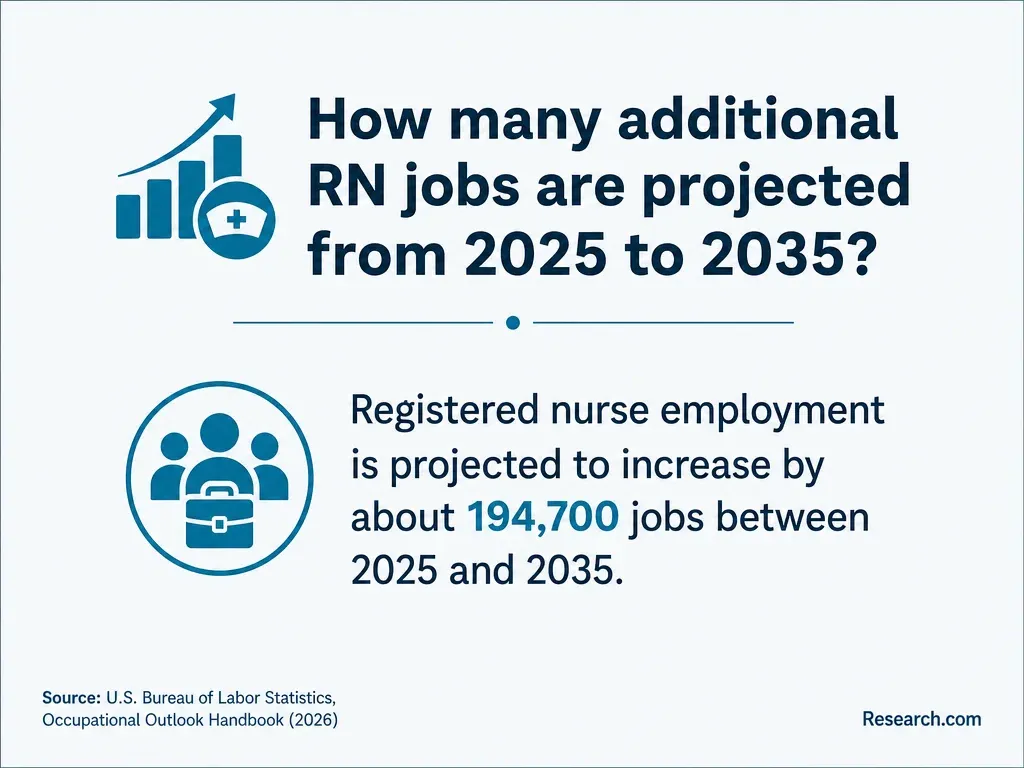
The U.S. Bureau of Labor Statistics reports wages and employment projections for the broader nurse practitioner occupation, not a separate Hawaii AGPCNP DNP graduate category. Use its latest national and Hawaii occupational figures as market context, not as an expected starting offer or a return-on-tuition guarantee. Compare actual job postings and offers for required certification, experience, schedule, location, benefits, and patient panel before estimating the value of a degree.
If psychiatric care is the intended career rather than adult primary care, compare the full educational commitment - including psychiatric NP program affordability comparisons - against that different role's requirements. Choosing AGPCNP because a nearby program exists is a poor bargain if its population focus does not match the work you want.
Other Things You Should Know About Nursing
AGPCNP education focuses on adolescents through older adults, not comprehensive care across childhood. Confirm the intended patient ages against the certification, state scope, and employer role; consider FNP preparation if caring for children is central to your goal.
Not automatically. The program must approve qualifying supervised experiences, preceptors, and documented competencies. Ordinary RN employment does not become NP clinical training solely because patients are adults.
Possibly, with program and workplace approval. Establish access to data, privacy protections, project oversight, and a feasible timeline before relying on your employer as the project site.
Ask about a post-master's DNP designed for an already-prepared APRN. It may avoid repeating initial NP coursework, but the school must evaluate your credentials and specify any remaining degree and practice requirements.
- Rule 4757-13-03 - Ohio Administrative Code https://codes.ohio.gov/ohio-administrative-code/rule-4757-13-03
- Board of Nursing - DCCA Hawaii https://cca.hawaii.gov/pvl/boards/nursing/
- What Is CCNE Accreditation? | New England College https://www.nec.edu/news/what-is-ccne-accreditation
- Graduate Clinical Placements | Master of Science in Nursing Handbook 2025-2026 https://u.osu.edu/msnursinghandbook2025/clinical-requirements/specialty-clinical-locations-and-travel/
- Graduate Nursing Professional Licensure Disclosure | Hawai'i Pacific University https://www.hpu.edu/nursing/graduate_nursing_professional_licensure_disclosure.html
- MSN to DNP-AGPCNP Adult Gerontology Primary Care NP | Herzing University https://www.herzing.edu/nursing/dnp/msn-to-dnp/agpcnp
- Doctor of Nursing Practice (DNP) | University of Hawaiʻi at Mānoa Outreach College https://www.outreach.hawaii.edu/programs/doctor-of-nursing-practice-dnp/
- Adult-Gerontology Primary Care Nurse Practitioner | University of Hawaii at Manoa https://nursing.hawaii.edu/doctor-of-nursing-practice/adult-gerontology-primary-care-nurse-practitioner/