2027 Disability Studies Degree vs Bootcamp vs Certificate: Which Path Leads to Better Career Outcomes?

Co-Founder and Chief Data Scientist
Choosing between a disability studies degree, bootcamp, or certificate can overwhelm those aiming to enhance career prospects in advocacy and support fields. For example, while bootcamp graduates report average starting salaries 15% higher than certificate holders, degree recipients tend to gain faster long-term promotions due to stronger employer recognition and networking opportunities. Job placement rates vary-degree programs often advertise rates near 80%, whereas bootcamps promise quicker entry but sometimes at the expense of depth. This article explores these pathways critically-comparing return on investment, employer preferences, and growth potential-offering data-driven guidance to align choices with diverse learner goals.
Key Things to Know About Which Path Leads to Better Career Outcomes: Disability Studies Degree, Bootcamp, or Certificate
- Disability studies degrees yield higher average salaries-about 15% above bootcamp and certificate holders-reflecting employer preference for comprehensive credentials in advanced roles.
- Bootcamps offer faster job placement-up to 75% within six months-but typically lead to entry-level positions with limited long-term growth compared to degree holders.
- Certificates provide cost-effective upskilling, ideal for working professionals seeking targeted skills-return on investment depends on industry demand and employer recognition of specific credentials.
How Does Disability Studies Degree Compare to Bootcamps and Certificates in Total Program Cost and Time to Completion?
Prospective students interested in Disability Studies face a significant decision between pursuing a traditional, multi-year degree or choosing accelerated, lower-cost alternatives like bootcamps and professional certificates. Neither path is inherently better; each caters to different learner needs and career goals.
A traditional Disability Studies degree-usually an associate's or bachelor's-offers a broad and in-depth educational experience covering theory, history, policy, and practical applications. According to the National Center for Education Statistics (NCES) and Integrated Postsecondary Education Data System (IPEDS), the average cost for a public, in-state bachelor's degree ranges from $20,000 to $40,000, with private institutions often charging more. Such programs generally require 2 to 4 years of full-time study, though part-time options extend the timeline for those balancing work and study.
Bootcamps provide intensive training over 8 to 26 weeks, focusing on practical skills tailored to specific job roles. Reviews from SwitchUp and Course Report indicate that bootcamps in related fields typically cost between $7,000 and $15,000. These programs usually expect full-time commitment but may offer some part-time or flexible schedules. Their compressed format is a distinct contrast to the longer duration of degrees.
Professional certificate programs-offered by platforms like Coursera, Google, or industry associations-vary from self-paced to instructor-led and usually last weeks to a few months. They emphasize targeted competencies and cost significantly less, typically between $300 and $2,000. These certificates serve as valuable credentials for career changers or those supplementing existing education.
- Program Duration: Degree programs span 2-4 years full time; bootcamps run 2-6 months; certificates vary from weeks to a few months, often self-paced.
- Total Cost: Degrees generally cost $20,000-$40,000 or more; bootcamps fall between $7,000 and $15,000; certificates typically under $2,000.
- Structure: Degrees offer comprehensive, theory-based education; bootcamps focus on intensive skill-building; certificates target specific topics.
- Flexibility: Certificates and some bootcamps provide part-time or self-paced options; degrees usually require a longer, more structured commitment.
While cost and completion time are critical factors in evaluating disability studies degree cost and completion time or bootcamp vs certificate program duration and expenses, these alone do not determine the best pathway. Subsequent sections will explore salary outcomes, employer preferences, job placement rates, and career growth opportunities. Learners may also consider the value of networking and access to professional communities, which vary widely across these formats. For those interested in combining degree study with flexible options, resources like RN to BSN online programs illustrate how part-time online paths can accommodate complex schedules.
What Career Outcomes Can Disability Studies Degree Graduates Expect Compared to Bootcamp and Certificate Completers?
Employment outcomes for disability studies degree graduates typically surpass those of bootcamp and certificate completers, with six-month employment rates around 85-90% compared to 70-80%. According to labor market data from the Bureau of Labor Statistics (BLS) and Course Report, degree holders benefit from a lasting employer preference for formal education in this field-though some bootcamp completers are narrowing this gap through skills-based hiring trends.
- Employment Rate Within Six Months: Degree graduates generally lead with roughly 85-90% employment, while bootcamp and certificate holders report 70-80%, influenced by reporting methods and verification rigor.
- Median Starting Salary: Degrees often command $45,000 to $55,000 initially, whereas bootcamp and certificate paths start lower, around $35,000 to $45,000. However, aligned programs that match employer needs can reduce this disparity.
- Job Title Level At First Placement: Degree holders usually begin as coordinators, policy analysts, or researchers, while non-degree completers often assume support specialist or program assistant roles-reflecting expectations of analytic and theoretical depth.
- Employer Credential Preferences: Although degrees remain valued, many organizations increasingly prioritize demonstrated competencies, benefiting bootcamp and certificate graduates, particularly in skill-driven sectors.
- Data Reliability: Be cautious of bootcamp outcome claims, which may involve survivorship bias or selective disclosure. Independent audits or third-party verification via the Council on Integrity in Results Reporting (CIRR) enhance credibility.
- Additional Factors Shaping Outcomes:
- Portfolio quality and relevant work experience weigh heavily alongside credentials.
- Networking opportunities-more common in degree programs-support job placement and advancement.
- Geographic market and target industry significantly impact salary and availability.
Career outcomes in disability studies are complex and influenced by education type, individual skill development, and market dynamics. Prospective learners should use this information to ask nuanced questions rather than draw premature conclusions. For those exploring diverse educational options, including nursing schools without entrance exam pathways, understanding the differences between degree, bootcamp, and certificate routes-especially regarding long-term salary prospects for disability studies degree holders versus certificate and bootcamp graduates-can guide better decisions tailored to personal career goals.
Which Disability Studies Pathway - Degree, Bootcamp, or Certificate - Offers the Highest Starting Salary for Graduates?
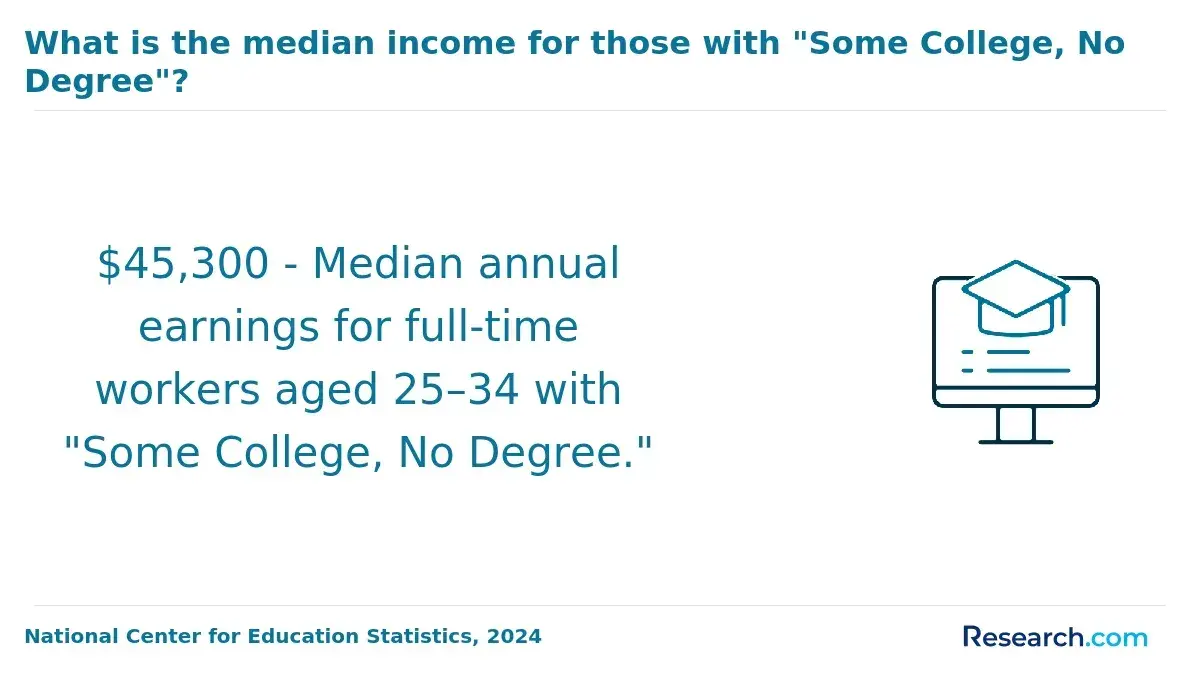
Entry-level salaries vary notably across educational pathways in disability studies, with formal degrees generally offering the highest starting pay. According to data synthesized from the U.S. Bureau of Labor Statistics, LinkedIn Salary Insights, and Glassdoor, graduates holding bachelor's or master's degrees typically earn between $45,000 and $55,000 annually. Early mid-career compensation often climbs to $65,000-$80,000 as these professionals assume more specialized or managerial positions requiring advanced credentials.
- Bootcamp Graduates: Starting salaries for those completing intensive, short-term bootcamps range roughly from $40,000 to $48,000. Although these programs emphasize practical skills, the lack of formal degree credentials can restrict access to certain roles or promotional tracks.
- Certificate Holders: Earnings for certificate completers generally align with bootcamp participants, falling between $38,000 and $47,000. Salary differences here depend on certificate prestige, program focus, and relevance to employer demands.
Several factors influence these salary disparities. Employer type plays a crucial role-large enterprises often prefer or require degrees for advancement, while startups and smaller organizations may value hands-on skills shown by bootcamp or certificate holders. Industry sector is another consideration; government and nonprofit positions with fixed pay scales favor degree holders, while tech and advocacy startups may offer competitive compensation regardless of credentials.
Geographic location affects salaries across all credential categories, with metropolitan areas typically providing higher pay. Job roles differ as well: degree holders often secure policy, research, or leadership positions, whereas bootcamp and certificate graduates tend to begin in support or operational roles.
The trajectory of earnings highlights that degree holders tend to experience faster growth and reach higher salary ceilings, benefiting from formal education that unlocks promotion and specialized career paths. However, median salary figures mask broad individual variation influenced by experience, specialization, program quality, and geographic flexibility. For a detailed, cost-adjusted financial outlook, readers should consult the return on investment section.
When asked about career preparation, a professional who earned a disability studies degree reflected on the journey: "The structured curriculum challenged me to think critically and develop research skills, which really set me apart during interviews. The path wasn't easy-I balanced work and study, but having that degree opened doors that might have stayed closed otherwise. I felt more confident stepping into management roles, knowing my education was a recognized credential supporting my growth."
- Credential Weighting: Employers focused on disability studies in the US overwhelmingly favor formal degrees-such as bachelor's and master's-when screening candidates, especially within government, healthcare, and large nonprofit sectors that prioritize regulatory compliance or academic credentials. This preference remains a central factor in many traditional roles, reflecting ongoing employer credential preferences in the US.
- Industry Variation: Large enterprises and government agencies often mandate degrees due to policy and accreditation demands. Startups, consulting firms, and organizations involved in disability advocacy technology tend to be more receptive to bootcamp graduates and certificate holders who demonstrate practical skills and experience.
- Skills-Based Hiring Trends: Although some major tech companies and state governments have introduced initiatives valuing skills and portfolios as alternatives to formal degrees, LinkedIn Talent Insights data show limited shifts so far for disability studies careers. Non-degree candidates still face significant obstacles in accessing many established roles.
- Practical Outcomes: Bootcamps and certificates can speed skill development and lead to entry-level employment opportunities but degrees usually provide a competitive advantage for advancement and salary growth within structured organizations. The best return on investment for bootcamps is found in niche areas where specific advocacy or technical skills outweigh academic qualifications.
- Networking and Growth: Degree programs often offer extensive alumni networks and seamless routes to advanced study-valuable for those aiming at leadership, research, or policy roles in disability studies. These benefits are less accessible through certificate or bootcamp pathways.
- Nuanced Choice: Students should evaluate their intended career path and sector before deciding. This may include exploring options like a fast track bachelor degree when seeking roles where degrees remain pivotal, rather than assuming uniform employer preferences across the disability studies labor market.
- GPA Requirements: Accredited disability studies degree programs generally expect applicants to hold a minimum GPA, typically between 2.5 and 3.0, ensuring foundational academic readiness. Bootcamps and certificate programs rarely impose GPA requirements, emphasizing broader access instead.
- Prerequisite Coursework: Degree paths often mandate completion of introductory social science or humanities courses to prepare students for advanced study. In contrast, most bootcamps and certificates do not require specific prior classes.
- Standardized Tests: Undergraduate degree applications may still ask for SAT or ACT scores, though this requirement is gradually declining. Bootcamps and certificate programs almost never demand standardized test results.
- Letters of Recommendation and Personal Statements: Degree admissions routinely incorporate recommendation letters and personal statements, providing qualitative insight into candidates' motivation and potential. These elements are uncommon in bootcamp and certificate application processes.
- Application Deadlines: Degree programs maintain fixed yearly or biannual deadlines, which can create time constraints. Bootcamps and certificates often offer rolling admissions with flexible starting dates, allowing prompt enrollment.
Selectivity in degree programs functions as both a hurdle and a signal-competitive admissions act as a quality filter trusted by employers. Conversely, open enrollment in bootcamps and certificates shifts the burden of demonstrating quality onto measurable outcomes, instructor expertise, curriculum depth, and accreditation status instead of exclusivity.
The more accessible nature of bootcamps and certificates benefits non-traditional learners such as career changers, working adults, and underrepresented groups-who might struggle with conventional degree barriers like cost, location, family duties, or lost income. Prospective students should assess their academic record, availability, finances, and career ambitions to determine which route suits their needs and whether selective admissions represent meaningful quality assurance or an unjust barrier in their case.
Talking with a professional who built their career after completing a disability studies bootcamp revealed how approachable that path felt at first. She described enjoying the quick start and flexible schedule but initially worrying about employer perceptions due to the program's open enrollment. Over time, strong instructor support and solid job placement statistics reassured her about the credential's value. Her story highlights the balance between accessibility and perceived credibility-and how outcomes often speak louder than admission criteria alone.
Curricula across disability studies degree programs, bootcamps, and certificate tracks vary significantly in scope and learning outcomes, shaped by their underlying educational models.
- Degree Programs: These offerings include a wide curriculum featuring general education courses alongside extensive major requirements. Students engage deeply with core theories, historical frameworks, policy debates, and cultural analysis in disability studies. Electives allow for focused specialization, while research projects or thesis work enhance critical thinking and scholarly depth. This comprehensive approach builds transferable knowledge suitable for varied career paths but often extends the time before entering the workforce.
- Bootcamps: Bootcamps provide an accelerated, intense learning experience that emphasizes practical skills development tailored to specific job roles like advocacy or accessibility design. Their project-driven and outcome-oriented structure fosters rapid acquisition of technical competencies within weeks or months. However, they tend to exclude broader theoretical content and cultural context, which may limit long-term career flexibility and opportunities for advancement without further study.
- Certificate Programs: Certificates span a spectrum from introductory to expert levels, shaping different pathways within disability studies careers.
While certificates provide focused skill enhancements, they generally lack the curriculum depth of degrees and the immersive, hands-on training characteristic of bootcamps.
- Entry-level certificates-such as those found on Coursera-offer foundational knowledge beneficial for beginners or those supplementing existing credentials.
- Advanced certifications from professional bodies target specialized skill validation valued in niche industry roles.
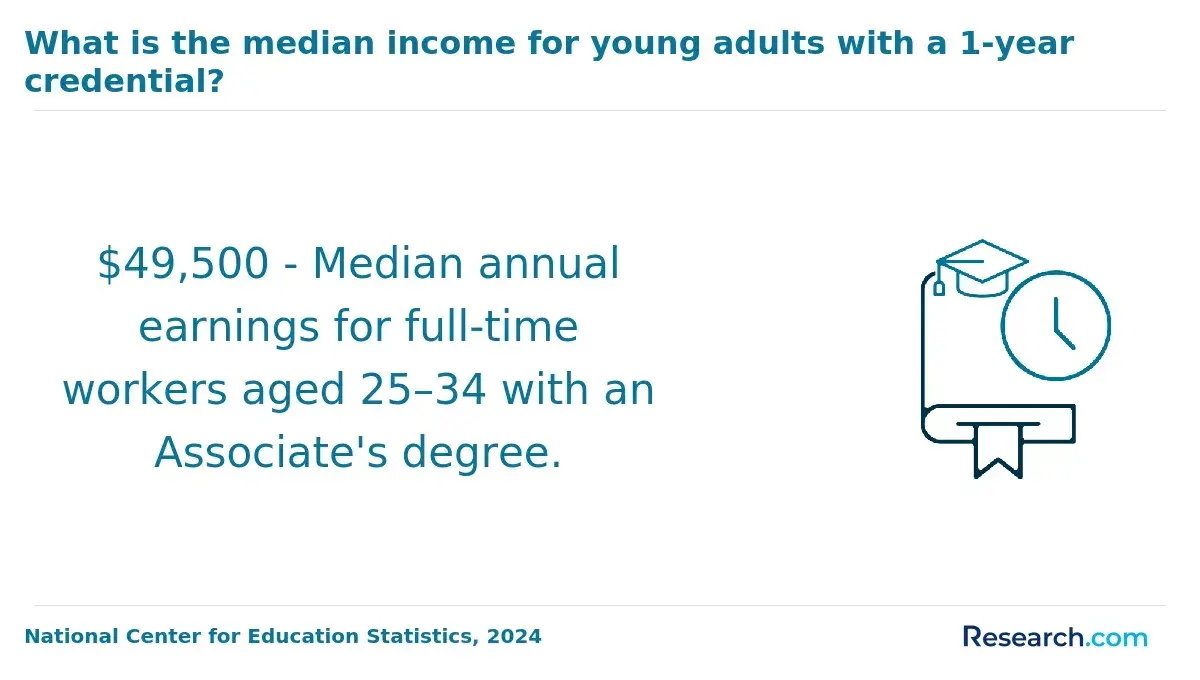
Calculating the return on investment (ROI) for disability studies pathways requires combining direct costs-tuition, fees, and materials-with opportunity costs, which reflect income lost during study. Degree programs typically last two to four years and demand full-time commitment, meaning students forgo potential earnings. In contrast, bootcamps and certificates usually take weeks to months and often allow part-time work, significantly lowering opportunity costs and speeding workforce re-entry.
ROI estimates draw on NCES cost data, NACE salary benchmarks, and bootcamp outcome reports to compare expenses against cumulative salary premiums gained over five- and ten-year horizons after completing the credential.
- Recent High School Graduate: Without prior income, direct costs dominate. A bachelor's degree in disability studies costs roughly $40,000 total and yields about an $8,000 annual salary premium over five years-resulting in a moderate positive ROI. Bootcamps and certificates, priced between $5,000 and $10,000, enable faster employment and quicker but smaller salary gains.
- Mid-Career Professional: Leaving a $50,000/year job to pursue a full degree adds up to $200,000 in opportunity cost over four years. Despite long-term salary benefits, the five-year ROI often turns negative. Shorter bootcamps or certificates allow upskilling with little income loss, delivering higher short-term ROI and competitive salary increases.
- Part-Time Learner: Maintaining employment while studying reduces opportunity cost but may extend completion time. Degrees offer higher long-term ROI through deeper specialization and employer recognition, while bootcamps and certificates boost skills and income faster without equivalent credential prestige.
ROI should be weighed alongside career goals, employer preferences, and individual learning styles. A pathway with lower short-term ROI may still suit learners targeting specialized roles or accredited credentials prioritized by employers.
Job placement rates for disability studies vary significantly by educational pathway-degree programs, bootcamps, and certificate offerings-due to differences in reporting methods and definitions of "placement."
- Degree Programs: These rely on independently audited data sources such as the Integrated Postsecondary Education Data System (IPEDS) graduate outcomes surveys and institutional career services reports. Their placement figures tend to focus strictly on employment in roles directly related to disability studies or the graduate's field, usually within a defined timeframe after graduation. This approach delivers transparent and reliable data that helps prospective students evaluate career alignment and long-term stability.
- Bootcamps: Bootcamp placement statistics are often self-reported and may lack standard auditing. Many count any form of employment-even temporary or unrelated roles in broadly adjacent sectors-as a "placement." Some programs participate in the CIRR (Council on Integrity in Results Reporting) process to add credibility, but this is not universal. When reviewing bootcamp outcomes, students should check whether reported placements represent sustainable, disability studies-relevant jobs or general employment.
- Certificate Programs: These programs fall between degree and bootcamp reporting standards. Detailed placement data is sometimes unavailable, and outcomes may group varied job relevance levels. Evaluating granularity-such as types of roles secured and time until employment-is key to meaningful comparisons.
Given these variations, prospective students exploring disability studies bootcamp job placement rates compared to degrees should carefully question what "placement" means in each context. Is it full-time work tied to the field, or any employment counted? Also, assessing career services quality is critical-strong infrastructure like employer partnerships, resume coaching, mock interviews, and alumni referral networks can boost outcomes across all pathways.
To navigate these complexities, learners should benchmark program placement claims against industry averages and request data broken down by job role, salary range, and time-to-placement instead of relying on aggregate statistics. This level of detail helps reveal important differences impacting long-term career growth and return on investment.
For those considering hybrid approaches or additional credentials, reviewing outcomes from cahme accredited online MHA programs may provide insights into how specialized accreditation affects placement and employer recognition.
Ultimately, understanding the nuanced differences between certificate programs versus degree job placement outcomes in disability studies-and how each pathway aligns with individual goals-empowers informed decisions about education and career development.
Degree Programs
Disability studies degree programs typically provide extensive networking resources that significantly enhance career prospects. These include active alumni associations fostering ongoing professional relationships and frequent career fairs connecting students with potential employers. Faculty members often serve as valuable mentors and industry contacts. Additionally, many programs offer connections to Greek life or professional organizations related to disability advocacy and research. The institutional prestige and geographic reach of the degree-granting university further amplify network benefits-graduates from well-regarded institutions or those located in major urban centers tend to access broader, more influential professional communities. This networking access in disability studies degree programs remains a key factor in long-term career growth for graduates.
Bootcamps
Disability studies bootcamps-especially those focusing on tech-related skills-have smaller but highly engaged cohorts promoting strong peer networks. Though younger than degree program alumni networks, some well-established bootcamps have developed robust alumni referral cultures and maintain partnerships with employers specifically looking for their graduates. This cohort-driven environment encourages collaboration and mentorship, making the bootcamp community a practical resource for job placement and rapid skill development, particularly in emerging fields adjacent to disability studies such as accessibility technology. The alumni network influence in disability studies bootcamps and certificates highlights how these shorter programs can still deliver meaningful professional connections supporting career transitions.
Certificate Programs
Certificate providers linked to recognized industry entities-like Google Career Certificates or Salesforce Trailhead-offer professional networks that vary in accessibility and depth. While these platforms typically provide ways to connect with peers, mentors, and occasionally hiring managers, their networks tend to be less cohesive and smaller than those of degree programs or bootcamps. However, for learners targeting credentialing, these networks open doors to specific employer communities and offer ongoing learning resources beyond initial certification. These features contribute positively to career advancement, especially for individuals seeking quicker entry or upskilling in disability studies-related roles.
Career development in disability studies often depends heavily on one's network, which can sometimes have greater value than formal instruction-especially in senior roles. Interested learners might explore specialized pathways such as the fastest PMHNP programs to understand how professional networks and credentialing intersect in related fields.
Geographic location heavily influences career success across degree, bootcamp, and certificate pathways in Disability Studies. Major metropolitan hubs-such as San Francisco, New York, and Chicago-offer denser employer networks and greater recognition of accelerated credentials like bootcamps and certificates, resulting in stronger job placement rates within these local markets. Graduates who leave these areas often face reduced opportunities as their connections and credentials may carry less weight outside their original region.
- Employer Density: Cities with concentrated tech and business industries typically have established partnerships with bootcamps, fueling higher local employment outcomes for completers. In contrast, mid-sized and rural markets tend to favor degree holders because employers there are less familiar with or reliant on faster, non-traditional credentials.
- Degree Acceptance: Degree qualifications enjoy wider geographic acceptance, providing more stable and sustainable career pathways in regions with fewer employers or where bootcamps and certificates are less recognized.
- Remote Work Impact: The growth of remote work has narrowed the geographic divide by enabling candidates with any credential to compete for positions benchmarked to high-cost metro salaries. Yet this also increases competition nationally, necessitating stronger networking and skills to stand out among a broader applicant pool.
- Pathway Fit: Outcomes for bootcamps and certificates vary significantly by location, so prospective students should evaluate local employer density, credential familiarity, and remote work prevalence before selecting a pathway. A 2024 Course Report study found that 70% of bootcamp graduates secured positions within their home region, underscoring the importance of geographic alignment for accelerated pathways.
Degree Preference
Larger companies and government bodies often treat formal degrees as essential filters, favoring candidates with bachelor's or master's degrees in disability studies or related fields. Despite many organizations publicly dropping strict degree mandates since 2020, degrees still serve as valuable credentials for roles in management, research, and policy. These credentials are preferred for their standardized validation and alignment with accreditation processes.
Skills-First Hiring
Startups, nonprofits, and agile agencies increasingly prioritize demonstrable skills instead of formal qualifications. Candidates who showcase practical portfolios, excel in technical evaluations, or hold certificates and bootcamp completions find stronger consideration here. Certificates gained through hands-on training can rival degrees depending on the position's demands, with adaptability and relevant work experience often taking precedence.
Shift in Hiring Attitudes
Although some large employers have publicly removed degree requirements, significant change in hiring practices remains largely limited to small and mid-sized organizations. Most large employers still view degrees as a competitive advantage, with certificates and bootcamps acting as supplementary credentials rather than replacements.
Practical Research Advice
Relying solely on posted job requirements may not reveal real hiring preferences. Prospective candidates should engage in informational interviews with hiring managers and review LinkedIn profiles of recently hired disability studies professionals. This approach offers clearer insight into which credentials and experiences are genuinely valued.
What Graduates Say About Which Path Leads to Better Career Outcomes: Disability Studies Degree, Bootcamp, or Certificate
- Jayce: "Choosing to pursue a disability studies degree was a game-changer for me-while bootcamps often promise quick entry, the degree provided a stronger long-term career growth path with a solid foundation employers respect. I found that salaries tend to be higher for those with the academic credential, and the networking connections I made through professors and alumni were invaluable. For anyone ready to invest time and energy, the degree offers the best return and recognition in the field."
- Kaizen: "After completing a disability studies bootcamp, I can confidently say it's the most practical route if you're looking to jumpstart your career without the lengthy commitment a degree requires. The job placement rates for bootcamp graduates are impressive-employers clearly value the hands-on skills and specific training we received. While the salary might start a bit lower than those with degrees, the faster entry into the workforce and the focused curriculum make it ideal for career changers or those with tight timelines."
- Dominic: "Reflecting on my certificate in disability studies, I realized this path fits best for professionals balancing work and education-a flexible option that boosts credentials without committing to a full program. Employers appreciate the certificate as evidence of specialized knowledge, which helps in negotiating better roles and salaries. Though the return on investment is more modest compared to degrees or bootcamps, the certificate is a smart choice for steady career advancement and niche expertise."
Other Things You Should Know About Disability Studies Degrees
Degree holders in disability studies typically experience more sustained long-term career growth due to the depth of knowledge and theoretical foundation gained during their education. Employers often value the comprehensive training associated with a degree, which can open doors to leadership or academic roles. Bootcamps and certificates provide quicker entry into the workforce but may offer limited advancement opportunities without further education or experience.
Recent high school graduates generally benefit from pursuing a full degree in disability studies, as it provides a thorough academic grounding and broader career options. Career changers often prefer bootcamps or certificate programs because these paths focus on specific skills and can be completed faster, allowing for quicker workforce reentry. Each pathway aligns with different time commitments and professional goals.
During recessions or tight labor markets, degree holders in disability studies tend to have an advantage because employers prioritize candidates with more comprehensive education. Bootcamps and certificates can offer entry-level opportunities but may face higher competition and reduced job security. Degrees often provide stronger credentials that help sustain employability in challenging economic times.
A disability studies degree should come from a regionally accredited institution, while a certificate or bootcamp should list a recognized university, college, or continuing education office. For careers tied to public funding or graduate study, institutional accreditation matters more than short-course branding, because employers and schools verify the issuing body first.
- 10 Certified Disability Support Worker Courses Offered by Top Universities https://www.humanrightscareers.com/magazine/disability-support-worker-courses/
- Career Outcomes for Graduates https://online.utoledo.edu/programs/disability-studies/career-opportunities.html
- Disability Studies: Is it the Field for You? https://enablingdevices.com/blog/disability-studies-is-it-the-field-for-you/
- ROI on degrees, certificates https://www.ccdaily.com/2024/10/roi-on-degrees-certificates/
- Why Students Should Consider Disability Studies as a Major https://socal.easterseals.com/about-us/community-stories/why-students-should-consider-disability-studies-major
- Building your path: Opportunities for Schools for Post-secondary pathways to rewarding careers for students with disabilities | Canadian Council on Rehabilitation and Work https://ccrw.org/building-your-path-opportunities-for-schools-for-post-secondary-pathways-to-rewarding-careers-for-students-with-disabilities/
- Which College Degrees Deliver the Best Return on Investment? - ClearanceJobs https://news.clearancejobs.com/2025/10/14/which-college-degrees-deliver-the-best-return-on-investment/
- Join our new Stepping Into Alumni Network - Australian Disability Network https://australiandisabilitynetwork.org.au/news-and-events/join-our-new-stepping-into-alumni-network/
- Alumni Networking: Why Your Degree Connections Matter More Than Your GPA | Joinee Articles https://www.joinee.io/articles/alumni-networking
- Career Pathways - National Disability Institute https://www.nationaldisabilityinstitute.org/employment/career-pathways/