2027 Which Disability Studies Degree Careers Have the Lowest Unemployment Risk?

Co-Founder and Chief Data Scientist
Choosing a career path within Disability Studies can be daunting when faced with an unpredictable job market reshaped by automation and shifting sector demands. Specializations in policy advocacy, assistive technology consultation, and inclusive education-especially in regions with strong disability rights legislation-show remarkably low unemployment rates, with some sectors reporting under 3% across entry-level to senior positions. Credentialing, such as obtaining licensure in rehabilitation counseling or certification in accessibility design, further reduces risk. This article examines critical factors-career specializations, industries, geographic markets, and credentialing strategies-that collectively lower unemployment risk for Disability Studies professionals throughout their careers.
Key Things to Know About the Disability Studies Degree Careers With the Lowest Unemployment Risk
- Careers with licensure, such as rehabilitation counseling, show 25% lower unemployment historically, leveraging legal protections and recession resilience to reduce job loss risks through economic cycles.
- Geographic markets with aging populations forecast higher demand increases, up to 15% growth-favoring practitioners in gerontology and assistive technology roles less vulnerable to automation impacts.
- Graduate education combined with professional certification correlates with 40% greater long-term employment stability by enabling specialization, reducing automation exposure, and improving adaptive capacity to industry shifts.
What Makes Disability Studies Degree Jobs More or Less Resistant to Unemployment?
Unemployment risk for disability studies degree jobs includes various forms of joblessness-structural unemployment caused by industry decline or automation, frictional unemployment linked to routine job transitions, and cyclical unemployment arising from broad economic recessions. Not all unemployment risk is identical; understanding these distinctions is essential for evaluating career resilience.
Using data from the Bureau of Labor Statistics, O*NET occupational profiles, and Lightcast labor market analytics, critical factors emerge that influence unemployment resistance factors for disability studies careers:
- Licensing and Certification: Fields requiring professional licensure or certification have lower unemployment risks due to entry barriers and regulatory safeguards.
- Employer Concentration: Diverse employer bases reduce reliance on any single institution, mitigating layoffs driven by structural changes.
- Sector Growth: Occupations in expanding areas-like advocacy, assistive technology, and accessible education-tend to offer stronger job security.
- Role Replaceability: Positions grounded in empathy, cultural competence, and interpersonal skills are less vulnerable to automation or outsourcing than administrative roles.
Degree level and specialization also shape unemployment risk reduction strategies for disability studies careers. Advanced degrees or master's credentials in rehabilitation counseling, accessibility consulting, or related fields improve long-term employment stability. Geographic location plays a significant role, with metropolitan areas typically providing more diverse opportunities than rural markets prone to employer concentration and sector decline.
This assessment relies on a consistent framework evaluating disability studies career paths against historical unemployment rates, ten-year demand forecasts, automation threat levels, recession resilience, licensure value, and regional labor market dynamics. Such an approach allows prospective students, current learners, and early-career professionals to gauge relative job security systematically.
The guiding insight is clear: prioritizing specialization choices based on comprehensive unemployment risk metrics-rather than interest or salary alone-dramatically enhances career longevity in disability studies. For some exploring advanced credentials, exploring DNP online programs can be a strategic option to bolster professional qualifications and job market resilience.
Which Disability Studies Career Paths Have the Lowest Historical Unemployment Rates?
Careers related to disability studies with the lowest historical unemployment rates display a remarkable combination of enduring structural demand and resilience to economic cycles. Analysis of more than a decade of BLS Current Population Survey data, NACE First-Destination Survey outcomes, and Federal Reserve Bank labor market research highlights several occupational categories with consistently below-average unemployment risk. These stable career paths thrive not just because of economic conditions but due to factors such as demographic trends, regulatory mandates, essential-service status, and chronic undersupply of qualified practitioners.
- Rehabilitation Counselors: Low unemployment stems from addressing chronic societal needs in mental and physical health recovery.
- Demand driven by aging populations and increased survival rates from illness or injury.
- Regulatory frameworks mandate rehabilitation services across healthcare and workplace environments.
- Persistent shortage of trained counselors supports steady job openings.
- Special Education Teachers: Stability arises from legal requirements for inclusive education for students with disabilities.
- K-12 education settings require federally guaranteed services under the Individuals with Disabilities Education Act (IDEA).
- Job protection remains high even during recessions due to essential status.
- Teacher shortages, especially in rural and underserved areas, maintain strong demand.
- Occupational Therapists: Clinical necessity and policy expansions sustain historically low unemployment rates.
- Growing elderly population increases need for support in functional independence.
- Healthcare policies broaden insurance coverage for occupational therapy services.
- Training limitations result in fewer practitioners and stronger job security.
- Social and Community Service Managers: Roles benefit from steady funding and a strong policy focus on disability inclusion.
- Government and nonprofit reliance on continuous social service funding supports employment.
- Long-term community integration priorities maintain job stability.
- Economic downturns often protect these roles through public funding commitments.
- Speech-Language Pathologists: Universally needed across ages and disability types, their unemployment risk remains low.
- Healthcare coverage requirements emphasize speech therapy for children and adults alike.
- Diverse employment settings include schools and rehabilitation centers.
- Professional licensure requirements limit supply, supporting job continuity.
- Disability Policy Analysts and Advocates: Demand is fueled by continual policy evolution and legal mandates.
- Federal and state initiatives create ongoing need for experts in compliance and advocacy.
- Their central role in shaping disability rights regulations insulates them from economic volatility.
- Limited professionals with combined policy expertise and disability studies background reinforce stability.
These top US disability studies jobs with stable employment history demonstrated resilience during the Great Recession, the 2020 COVID-19 economic disruption, and the recent labor market normalization from 2022 to 2024. For example, special education teachers and rehabilitation counselors generally faced minimal job losses or even growth amidst economic downturns, a testament to stable demand and protected funding streams. Yet, historical unemployment rates should be treated as a necessary but insufficient factor when selecting career paths-combining this data with ten-year demand projections and assessments of automation vulnerability is essential for a complete risk profile.
Prospective students and current professionals considering specializations in disability studies are advised to evaluate credentialing strategies carefully. For example, pursuing advanced qualifications similar to those offered in ADN to BSN programs can complement career stability by widening job opportunities and enhancing market resilience.
How Does the Disability Studies Job Market Compare to the National Unemployment Average?
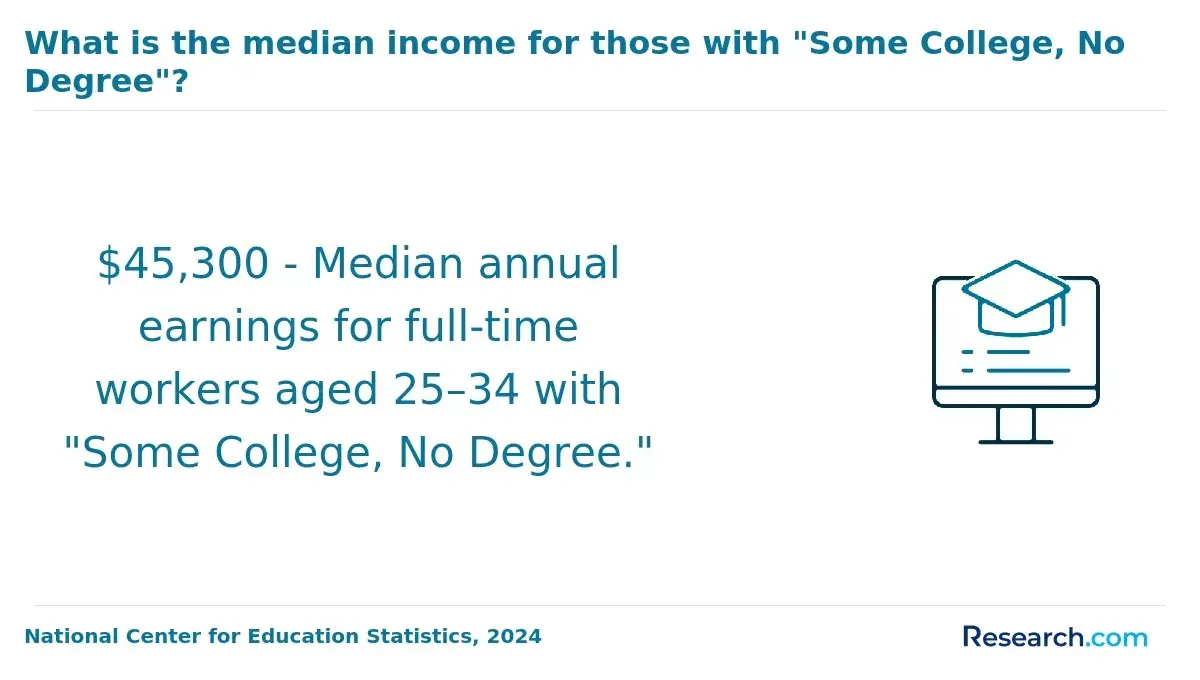
While the national unemployment rate for college graduates rests near 2.5%, individuals holding disability studies degrees in targeted career paths often experience rates closer to 1.3%. This suggests shorter job search durations and more continuous income streams for disability studies graduates, enhancing both financial stability and career momentum compared to average college-educated workers.
Employment figures alone can be misleading. Many disability studies degree holders work in positions that do not fully leverage their skills, creating a distinct underemployment risk separate from formal unemployment. This hidden vulnerability affects income potential, job satisfaction, and professional growth, necessitating careful review of both underemployment and unemployment metrics for a full picture of labor market security.
Due to the relatively small number of professionals in disability studies-related roles, unemployment rates in these niches can vary widely from year to year. Minor shifts in job availability or workforce size may significantly influence percentage rates, emphasizing the importance of analyzing trends over multiple years rather than relying on single-year data.
Sustainable low unemployment, combined with positive decade-long job growth forecasts, indicates the resilience of disability studies-related careers. Jobs requiring advanced credentials or licensure often show greater resistance to economic downturns and automation. Furthermore, geographic factors-such as high demand in metropolitan areas-play a critical role in employment stability.
Quantitative unemployment statistics do not fully capture job quality, advancement possibilities, or the benefits of ongoing education. Disability studies professionals should integrate these data with credentialing strategies and local market insights to make well-informed career decisions.
Asked about how the disability studies job market compares with national averages, a professional who graduated in this field shared that "the initial months after graduation were challenging, with a few rejections and some underemployed roles early on. However, persistence and targeted certifications helped me secure a position closely aligned with my training. It wasn't just about finding any job-it was about finding the right job. The relatively lower unemployment rate reflects that, but personal effort remains crucial."
Employer demand for disability studies specializations in the U.S. clusters around several key fields where job postings are abundant, salaries are competitive, and positions fill more quickly-reflecting durable market needs rather than transient peaks. These areas include Assistive Technology Coordination, where practitioners are needed to evaluate and implement devices enhancing independence amid expanding tech adoption in healthcare and education.
- Policy Analysis and Advocacy: The evolving regulatory landscape on disability rights and healthcare drives demand for advocates skilled in legislation and reform.
- Rehabilitation Counseling: Persistent practitioner shortages combined with an aging population maintain strong hiring activity to support workforce reintegration.
- Inclusive Education Support: Mandates for equitable educational access create a sustained need for experts developing accommodations in schools and universities.
- Mental Health and Disability Integration: An increasing emphasis on co-occurring mental health issues fuels demand for integrative therapeutic approaches.
- Workplace Accessibility Consulting: Businesses seek compliance and inclusion guidance aligned with legal standards and remote work trends.
Before selecting a specialization, prospective students and early-career professionals should cross-verify these demand trends using practitioner salary surveys, reports from professional associations, and direct conversations with industry employers. Regional and sector-specific variations significantly influence demand patterns. Academic alignment is critical-targeted coursework, practical internships, and credentialing enhance employability in high-demand tracks. For those considering related career fields, exploring the best medical coding online programs can also complement disability studies expertise in healthcare administration and billing roles.
Healthcare: Employment in healthcare remains resilient due to its essential-service nature and demographic trends driving demand for inclusive patient care. Graduates support advocacy, ensure accessibility compliance, and facilitate communication between providers and patients with disabilities. Core duties include coordinating care plans and meeting regulatory standards. Key skills include disability rights law knowledge, cultural competency, and interdisciplinary teamwork. Reporting lines typically lead to social service directors or healthcare administrators. Training in disability legislation and patient-centered communication is critical to integrating accessibility in clinical settings.
- Coordinating care plans and regulatory compliance
- Expertise in disability rights and cultural competency
- Reporting to directors or administrators
- Training in legislation and communication
Education: Stable funding and mandates for inclusivity support secure roles in education. Graduates develop individualized education programs and promote accessible learning environments. Responsibilities include special education support and curriculum adaptation. Competencies cover educational law, developmental psychology, and accommodation methods. Typically, graduates report to school principals or special education coordinators. Coursework in pedagogy and inclusion policy equips degree holders to meet legal inclusion requirements.
- Supporting special education and advocacy
- Knowledge of educational law and psychology
- Working under principals or coordinators
- Preparation through inclusive policy training
Government and Public Administration: Demand is sustained by legal mandates enforcing disability rights and public accessibility. Graduates engage in policy analysis, compliance auditing, and program management. Essential skills include legislative understanding, policy interpretation, and stakeholder collaboration. Careers usually report to department heads or municipal leaders. Expertise in disability law and public policy positions graduates as key compliance facilitators.
- Monitoring regulation adherence and advising on standards
- Skills in policy and legislative knowledge
- Reporting to department heads or administrators
- Strong foundation in disability law and public policy
Nonprofit Sector: Employment here is mission-driven, stabilized by advocacy funding and volunteer support. Graduates take roles in program development, community outreach, fundraising, and client services. Competencies involve grant writing, empathetic communication, and advocacy. Reporting lines often lead to program directors or executives. Training in social justice and disability rights advocacy enhances organizational impact.
- Program development and community engagement
- Competencies in grant writing and advocacy
- Reporting to directors or management
- Education in social justice theory and advocacy
Social Services: Ongoing needs for counseling, case management, and rehabilitation underpin stable demand unaffected by automation. Responsibilities include crisis intervention, resource navigation, and multidisciplinary coordination. Core skills are cultural sensitivity, crisis response, and social welfare system knowledge. Graduates work under social work supervisors or clinical managers. Training emphasizes client advocacy and ethical practice, making graduates vital to frontline support.
- Crisis intervention and resource coordination
- Cultural sensitivity and crisis management
- Supervision by social work or clinical managers
- Focus on client advocacy and ethics
Despite stability, reliance on a single sector exposes graduates to risks from regulatory shifts, technology changes, or funding volatility. Developing cross-sector skills-mixing policy, counseling, or advocacy-can mitigate these vulnerabilities. Data on hiring and employer reputations highlight consistent openings in major healthcare systems, public education, federal agencies, nonprofits, and social services, all exhibiting low turnover for disability studies graduates. Geographic flexibility and targeted credentialing further reinforce long-term employment security.
When asked about her career path, a professional who built her career after graduating from the disability studies program shared how navigating multiple sectors proved invaluable. She recalled moments of uncertainty during funding cuts in nonprofits and regulatory changes in government roles but emphasized how her broad skill set-combining policy understanding with direct client advocacy-allowed her to pivot smoothly. "It wasn't just about having a degree but adapting to different environments and understanding each industry's unique demands," she reflected. This adaptability, she said, "gave me the confidence to pursue opportunities across sectors, ensuring job security amidst an evolving labor market."
Data from public-sector agencies shows that employment in government roles related to Disability Studies maintains consistently lower unemployment levels than private-sector equivalents. Civil service protections and union representation reduce the risk of arbitrary job loss, offering a more secure employment environment.
Unlike private employers, government bodies seldom conduct mass layoffs during economic recessions. Instead, budget tightening often results in hiring freezes or employee reassignments, minimizing direct termination of Disability Studies personnel.
Positions in federal, state, and local government frequently provide longer career tenures due to structured promotion paths and stable labor contracts, supporting sustained employment and long-term planning for graduates in Disability Studies.
Graduates often secure stable roles within federal disability policy agencies, state and local social service departments, public research universities, and quasi-governmental organizations managing disability programs, each benefiting from protective employment frameworks.
Protections embedded in civil service systems shield employees from political shifts and economic instability. Formal grievance procedures and tenure systems contribute to lower layoff rates, even during financial downturns.
Trade-Offs:
- Compensation: Public sector jobs typically start with lower salaries compared to private sector roles.
- Total Benefits: However, they often include pension plans, extensive leave policies, and eligibility for public service loan forgiveness, enhancing lifetime financial security.
For risk-averse Disability Studies graduates prioritizing stable income and comprehensive benefits, government employment is often preferable. Those targeting faster salary growth and dynamic advancement may lean toward private-sector positions despite increased job insecurity.
Graduates should evaluate their tolerance for employment risk against income needs and career goals. The public sector rewards patience and stability, whereas private-sector paths may offer accelerated compensation and advancement opportunities but with higher volatility.
Licensure and certification critically shape employment stability for disability studies degree holders by regulating who may legally practice in specialized roles and signaling professional competence. Several common career paths-such as licensed clinical social workers, speech-language pathologists, and occupational therapists-mandate state licensure. This legal requirement restricts labor supply exclusively to credentialed practitioners, limiting employers' ability to substitute unlicensed workers during downturns. By imposing these entry barriers, licensure stabilizes demand for licensed professionals even amid economic contractions.
- Mandatory Licensure: Required for professions including speech therapy, occupational therapy, and licensed counseling, these credentials ensure legal practice eligibility and reduce employment volatility.
- De Facto Certifications: Voluntary credentials like Certified Disability Management Specialist (CDMS) or Assistive Technology Professional (ATP) often serve as essential hiring filters in competitive markets, narrowing applicant pools and bolstering job security.
- Economic Mechanism: Licensing restricts labor supply elasticity by legally limiting who can fill roles, thereby reducing substitution risks during recessions and maintaining a demand floor for credentialed disability studies professionals.
- Credential Strategy: Graduates should first obtain the requisite licensure to enter their field, then pursue widely respected certifications to enhance employability. Lesser-known or costly credentials with minimal market value should be deprioritized.
Data from the Bureau of Labor Statistics underscores this protective effect: occupations requiring licensure exhibit average unemployment rates 1.3 percentage points lower than non-licensed roles, highlighting licensure's stabilizing influence on disability studies employment prospects.
Geographic location profoundly influences regional unemployment rates for disability studies graduates by shaping the availability and stability of employment. Metropolitan areas with dense healthcare corridors, such as Boston and Minneapolis, and government employment centers like Washington, D.C., consistently exhibit higher concentrations of employers seeking experts in disability rights, policy, and advocacy.
These industry clusters foster stable job opportunities and reduce unemployment risks well below the national average. Conversely, regions lacking these specialized employment hubs-especially many rural and post-industrial areas-tend to have lower Disability Studies employer density, extending job search durations and increasing sensitivity to economic downturns.
The impact of geographic location on disability studies career stability also depends on the evolving role of remote work. Many specializations involving policy analysis, grant writing, and advocacy management now offer full or partial telecommuting options, expanding labor market access beyond local boundaries and mitigating geographic unemployment risk. However, positions requiring clinical or direct support skills generally necessitate physical presence, thus anchoring workers to localized labor markets with higher vulnerability to regional shocks.
Prospective students and early-career professionals should conduct a targeted geographic labor market analysis to balance unemployment risk against personal preferences. Leveraging BLS metropolitan area employment data, LinkedIn job geography filters, and regional wage benchmarks can illuminate whether staying local, relocating strategically, or pursuing remote-compatible roles offers optimal career resilience. Notably, in 2023, remote and hybrid disability services roles increased by over 15%, reshaping geographic employment dynamics for these graduates.
For those exploring educational paths complementing remote work potential within Disability Studies, programs like DNP online no clinicals offer flexible options aligning with market demands and geographic risk management.
Certain disability studies career paths face higher automation susceptibility based on their routine task focus-this aligns with frameworks like the McKinsey Global Institute's automation susceptibility, Oxford Martin School's occupational automation probabilities, and MIT's Work of the Future task-level analysis. Jobs that rely heavily on routine data processing, pattern recognition, standardized decision-making, and transactional client interactions are more likely to experience displacement due to artificial intelligence, machine learning, robotic process automation, and related technologies. This dynamic critically shapes the landscape of disability studies careers most vulnerable to automation.
- Administrative Support Roles: Tasks such as managing schedules, processing applications, and maintaining records are highly automatable using software and AI-driven document review tools. These roles face functional replacement by machines rather than mere supplementation.
- Standardized Assessment Coordinators: Positions focused on standardized surveys or simple evaluations are susceptible to algorithmic scoring and automated data analysis, reducing human involvement in routine assessments.
- Repetitive Client Service Specialists: Jobs requiring scripted interactions, routine referrals, or basic information dissemination are vulnerable to robotic process automation and conversational AI, which can either supplement or replace workers depending on adoption and regulation.
Conversely, disability studies roles emphasizing non-routine problem-solving, high-complexity domain expertise, ethical oversight, and complex interpersonal judgment-such as advocacy, specialized counseling, and policy advisory positions-are less exposed to automation risks. These roles demand creative expertise and emotional intelligence, dimensions that current technologies cannot replicate effectively.
Interpretation of automation risk data demands nuance: scores represent probabilities, not certainties. The pace and extent of automation vary by employer investments, regulatory environments, geographic labor markets, and cost trade-offs between automation and human labor. Consequently, a focus on building technology-management and human-judgment skills is paramount for practitioners targeting high-risk roles, helping them transition mid-career into positions managing automated systems rather than being displaced by them. This understanding is essential for those assessing the impact of technological disruption on disability studies jobs.
Prospective students and early-career professionals should consider advanced credentials and certifications to enhance resilience. For example, programs such as the fastest PMHNP program can bolster clinical expertise and employment security amid automation pressures.
Graduate degrees correlate with lower unemployment rates and enhanced salary prospects for disability studies degree holders. Data from the Georgetown University Center on Education and the Workforce and the Bureau of Labor Statistics show that advanced degree holders typically see 2 to 4 percentage points lower unemployment than those with only a bachelor's degree. Salary premiums frequently range from 15% to 35%, varying by specialization and career stage.
Key graduate degrees that drive these employment advantages include:
- Professional Master's Programs: These include clinical master's for rehabilitation counseling, legal master's in disability rights advocacy, and engineering master's focused on assistive technology design-often qualifying graduates for licensure and access to regulated, in-demand roles.
- Research-Oriented Graduate Degrees: Master's and doctoral programs preparing individuals for advanced practitioner and research roles, which face limited labor supply and offer greater job security.
- MBA Programs: Equipping graduates for management and leadership roles in nonprofit, healthcare, and education sectors, which traditionally constrain advancement for bachelor's-level disability studies professionals.
Investing in graduate education requires weighing its costs and timelines against career benefits through a nuanced approach:
- Tuition and Fees: Professional master's programs generally range between $20,000 and $60,000, with research-focused degrees sometimes exceeding this depending on the institution.
- Duration: Full-time programs usually last 1-3 years; part-time options stretch the timeline.
- Opportunity Cost: Time in graduate school delays income generation; return on investment often materializes 5 to 10 years after graduation, contingent upon career pathway.
Alternatives like obtaining professional certifications, selecting employers with robust inclusion policies, relocating to high-demand regions, or specializing in emerging fields may provide comparable employment resilience with lower investment. Prospective students should carefully assess whether graduate education or these strategies best align with their long-term goals and resource constraints.
Entry-level roles in disability studies that foster long-term career stability share several key characteristics: clear advancement routes within a structured career framework, employment in sectors with robust retention practices, and credentials valued across multiple organizations. These factors combine to reduce unemployment risk and support steady upward mobility.
- Rehabilitation Specialist: Positioned mainly in healthcare and government sectors, this role benefits from strong promotion cultures. Holding certifications such as vocational rehabilitation credentials helps professionals move laterally and vertically across different employers and regions. Typically, individuals spend two to four years gaining experience before advancing, with stability usually solidified by the fifth year.
- Disability Support Coordinator: Often found in educational and nonprofit settings, this position provides a reliable career path through policy and advocacy work. Strong organizational networks enhance job security during economic fluctuations, and promotion to supervisory or grant management roles commonly occurs within three to six years. Retention rates in these roles exceed average entry-level job stability.
- Assistive Technology Consultant: Combining technical skills with disability expertise, this role is set in growing industries like healthcare and education, offering resilience against recessions. Certifications in assistive technology significantly reduce unemployment risk, and most professionals progress beyond entry-level roles within three years by continuously updating skills.
- Vocational Rehabilitation Counselor: A licensed profession requiring counseling expertise, it provides clear promotion pathways in public agencies and private entities. Licensure requirements help shield against automation threats, with alumni data showing consistent mid-career retention. Geographic areas with strong funding for social services tend to offer longer tenure and faster advancement.
Decisions about employer selection, regional job markets, and early specialization have a pronounced impact on long-term career security. Professionals who align themselves with employers known for high retention and advancement, supported by empirical labor market data, are positioned to build durable career equity rather than facing cyclical job searches.
What Graduates Say About the Disability Studies Degree Careers With the Lowest Unemployment Risk
- Jayce: "Choosing a career specialization in policy advocacy within disability studies was a game-changer for me-especially since it offers one of the lowest unemployment risks at the entry-level. Working predominantly in government agencies and nonprofit sectors allowed me to directly influence legislation while honing credentialing strategies tailored for mid-career professionals, like specialized certifications in public policy. This degree opened doors in geographic markets where disability rights are rapidly evolving, which has been both challenging and deeply rewarding."
- Kaizen: "Reflecting on my journey, the healthcare industry stood out as the most stable and impactful sector for disability studies graduates. I found that obtaining advanced credentials, such as board certifications in rehabilitation counseling, drastically reduced unemployment risk during the senior practitioner phase. Geographically, focusing on urban centers where inclusive health services are expanding greatly enhanced my career prospects-a combination of thoughtful specialization and strategic location choice made all the difference."
- Dominic: "As someone who values a professional and pragmatic approach, I recognized early on that educational program development in disability studies offers sustained growth and low unemployment risk. Credentialing with recognized teaching and training certifications proved essential at every career stage-entry, mid, and senior levels alike. Moreover, targeting emerging international markets where disability inclusion is gaining traction broadened my opportunities far beyond traditional roles, making my career truly global."
Other Things You Should Know About Disability Studies Degrees
The 10-year employment outlook for the most secure disability studies careers generally shows steady growth, particularly in fields related to social work, education, and healthcare coordination. Roles such as disability services coordinators and rehabilitation counselors are projected to grow faster than average due to increasing societal focus on inclusion and compliance with accessibility laws. These career paths benefit from ongoing demand driven by an aging population and expanding community-based services.
Mid-career roles with the highest demand typically arise in specialized areas combining disability studies knowledge with healthcare, education administration, or policy advocacy. Graduates who secure certification in areas like assistive technology or disability rights advocacy tend to have better job prospects. Positions such as program managers in non-profits serving disabled populations or consultants in inclusion practices remain highly sought after at this career stage.
In 2027, freelance or self-employment offers disability studies graduates increased flexibility and control over their careers, typically reducing unemployment risk. Graduates can cater to diverse needs, including consulting, advocacy, or content creation, thus ensuring stable income streams, especially amidst shifting job market demands.
A master’s degree in rehabilitation counseling, social work, or special education lowers unemployment risk because these roles often require state licensure, supervised field hours, and passing an exam such as the CRC for rehabilitation counselors. Employers in schools, hospitals, and state agencies usually prefer candidates with these credentials.
- The employment of disabled people 2024 https://www.gov.uk/government/statistics/the-employment-of-disabled-people-2024/the-employment-of-disabled-people-2024
- Unemployment rates for disabled and non-disabled people | The Health Foundation https://www.health.org.uk/evidence-hub/work/unemployment-rates-for-disabled-and-non-disabled-people
- Impact of Artificial Intelligence on Employment of People with Disabilities: The Moderating Role of Governance Quality – ScienceOpen https://www.scienceopen.com/hosted-document
- Disability Studies: Is it the Field for You? https://enablingdevices.com/blog/disability-studies-is-it-the-field-for-you/
- University Graduates with a Disability: The Transition to the Workforce https://dsq-sds.org/article/id/211/
- There is still an unacceptable gap in employment outcomes for disabled graduates https://wonkhe.com/blogs/there-is-still-an-unacceptable-gap-in-employment-outcomes-for-disabled-graduates/
- Disability and Employment https://www.un.org/development/desa/disabilities/resources/factsheet-on-persons-with-disabilities/disability-and-employment.html
- The Geography of Disability | Center on Budget and Policy Priorities https://www.cbpp.org/blog/the-geography-of-disability
- Infographic: Which Fields of Study Are (Not) Leading to Jobs? https://www.statista.com/chart/35108/unemployment-by-field-of-study/
- Navigating Career Change Pathways for People with Long-Term Health Conditions and Disabilities https://www.opportunitiesworkshop.com/blog/navigating-career-change-pathways-for-people-with-long-term-health-conditions-and-disabilities