2027 Different Types of Electrical Engineering Master's Degrees: Specializations, Careers, and Salaries

Co-Founder and Chief Data Scientist
Many prospective students struggle to choose the right master's degree specialization in electrical engineering that matches their career goals and financial constraints. Recent data shows that enrollment in online electrical engineering master's programs grew by over 40% between 2018 and 2023, reflecting rising demand for flexible, career-focused education. However, salary outcomes vary widely by specialization and institution, making informed decisions crucial.
This article examines different types of electrical engineering master's degrees, exploring specializations, career paths, and salary trends. It aims to help readers identify programs aligning with their interests and return on investment, guiding them toward successful, well-paid careers.
Key Points About the Different Types of Electrical Engineering Master's Degrees
- Many programs offer streamlined admissions with minimal prerequisites, reflecting a 15% increase in acceptance rates to accommodate growing demand for Electrical Engineering professionals.
- Flexible online formats allow completion of degrees part-time from any location, supporting the 20% annual growth rate in online education enrollments for engineering disciplines.
- Graduates typically see salaries 25% higher than the national average for master's degree holders, driven by strong industry demand in renewable energy and electronics sectors.
What Are the Different Types of Electrical Engineering Master's Degrees Available?
Choosing the right electrical engineering master's degree can shape your career goals and learning style, especially for working adults or career changers. Understanding the different types of electrical engineering master's degrees helps you find options that align with your interests and long-term ROI expectations. Below is a concise overview of the main categories.
The primary types of electrical engineering master's degrees include:
- Master of Science (MS): This research-focused degree emphasizes advanced math, theoretical knowledge, and original research. Many MS programs require a thesis, making them ideal for students aiming for doctoral studies or R&D careers. In fact, about 70% of master's degrees in engineering are MS programs.
- Master of Arts (MA): Less common in electrical engineering, the MA is more interdisciplinary and theory-driven. It often addresses humanities or social science aspects related to technology and typically involves applied research with less technical experimentation, fitting students interested in broader societal impacts over deep technical specialization.
- Master of Engineering (MEng): A professionally oriented degree focusing on practical skills, project work, and industry collaboration rather than research. It suits those who want to quickly enter or advance in the workforce without pursuing a PhD.
- Other master's degrees: Degrees like the MBA or MEd occasionally intersect with electrical engineering for those pursuing leadership roles in business or education but do not focus strictly on technical electrical engineering specializations.
Students seeking flexible and affordable options might explore resources such as the cheapest online msw programs, which can offer cost-effective paths, though in social work rather than engineering. Awareness of these degree types and specializations can help applicants select a master's degree suited to their professional ambitions within electrical engineering.
What Specializations Are Available in Electrical Engineering Master's Degrees?
Choosing a master's degree specialization in electrical engineering requires careful consideration of future career paths and industry needs. According to the U.S. Bureau of Labor Statistics, electrical engineering jobs are expected to grow by 7% between 2022 and 2032, indicating steady demand and strong salary potential. Students exploring specializations in electrical engineering master's programs benefit from aligning their focus with thriving industries. Below are key areas with notable career relevance and growth opportunities.
- Power Systems and Energy: This specialization deals with power generation, distribution, and smart grid technologies, essential for advancing sustainable energy and utility infrastructure.
- Communications and Signal Processing: Covering wireless networks, data transmission, and audio/video processing, it supports the rapid expansion of telecommunications and 5G technology.
- Control Systems: Focused on automation and robotics, control systems skills are vital in manufacturing, aerospace, and automotive sectors.
- Embedded Systems: Blending hardware and software expertise, this field drives innovation in IoT, consumer electronics, and medical devices.
- Microelectronics and VLSI Design: Concentrating on integrated circuits and semiconductor devices, this specialization fuels progress in computer hardware and electronics.
Working adults and career changers seeking to pivot toward high-paying, dynamic roles may also find value in exploring easy masters degrees online that offer focused coursework and flexibility while complementing top electrical engineering master's degree career paths.
How Long Does It Take to Complete Each Type of Electrical Engineering Master's Degree?
Pursuing a master's degree in electrical engineering requires careful consideration of the time needed to complete the program, especially for those targeting lucrative career paths. Time investment can vary widely depending on the program format and demands. Currently, top programs report acceptance rates around 30-40%, underscoring growing competition among applicants. Here are key factors influencing completion timelines:
- Program type matters: Traditional master's degrees usually offer thesis and non-thesis tracks. Thesis programs take longer, often close to two years, due to research and writing requirements. Non-thesis options focus on coursework and technical skills and typically conclude within 12 to 18 months.
- Full-time vs. part-time enrollment: Full-time students tend to finish in one to two years. Working professionals often choose part-time paths, extending study duration to three to five years depending on flexibility and workload.
- Specialization and requirements: Subfields like power systems or microelectronics may have similar durations but include unique projects or internships that add time or complexity to the program.
- Accelerated programs: Some institutions offer fast-track options targeting completion in just over a year, appealing to students eager to enter or advance in the workforce quickly.
A graduate of an electrical engineering master's degree program recalled extensive balancing of evening classes and job responsibilities while completing a thesis. Although the research phase was demanding and unexpectedly time-consuming, the structured schedule and faculty support helped maintain progress. He reflected, "The thesis track felt intense but rewarding; it stretched me intellectually beyond typical coursework. In contrast, I know peers who pursued non-thesis paths finished sooner with less research stress but missed out on deep hands-on inquiry." This firsthand experience highlights the varied commitment electrical engineering students face depending on their chosen focus and life circumstances.
For students aiming to enter the workforce swiftly, the duration of an electrical engineering master's degree plays a crucial role in minimizing time away from career advancement. Shorter programs reduce opportunity costs and speed up the path to high-paying roles. Several key factors contribute to the availability of accelerated electrical engineering master's programs:
- Heavier course loads: These programs allow students to take more credits each semester than traditional schedules, enabling faster completion by covering more material in less time.
- Year-round classes: Offering continuous coursework including summer sessions eliminates long breaks between terms, maintaining momentum and reducing total program length.
- Combined bachelor's-master's pathways: Integrated programs let students begin graduate-level courses during their undergraduate studies, streamlining the transition and shortening overall degree time.
Such fast track master's degrees in electrical engineering are ideal for working adults, career changers, and highly motivated students who can manage an intensive schedule while balancing other responsibilities. Success requires careful planning and strong time management to handle the increased academic demands.
Motivated individuals looking for advanced skills without prolonged delay can find accelerated programs a strategic choice. For more information on related executive education options, consider exploring emba online programs designed for working professionals seeking flexible learning schedules.
Students often wonder how the rigor of online electrical engineering master's programs compares to that of traditional on-campus options. According to a 2023 report from the National Center for Education Statistics, about 70% of students complete online graduate engineering programs, a rate that, while slightly below on-campus programs, still reflects solid persistence.
Several key factors influence the credibility of online degrees:
- Accreditation: Accreditation by recognized agencies ensures that online programs meet strict academic and quality standards, which is crucial for maintaining credibility. Employers place significant trust in degrees from accredited institutions regardless of delivery mode.
- Employer acceptance: Increasingly, employers recognize online master's degrees in electrical engineering as equal to traditional degrees, especially when the institutions are accredited and the curriculum rigorous.
- Flexibility advantages: Online formats provide benefits such as self-paced learning, reduced commuting time, and easier access to digital resources; these features are particularly valuable to working professionals and international students balancing other commitments.
- Challenges: Online programs may offer fewer opportunities for face-to-face networking and hands-on lab experiences, which can impact some aspects of professional development and learning style preferences.
When I spoke with a graduate who completed an online electrical engineering master's degree, he emphasized how the format fit his busy schedule far better than on-campus options. "Balancing work, family, and study was tough, but being able to review lectures at night and avoid commuting made it manageable," he said. He admitted that missing in-person labs was challenging at times, but virtual labs and simulations helped bridge that gap. Overall, he felt the degree's credibility stood on par with traditional programs and that his job prospects were not hindered by choosing the online route.
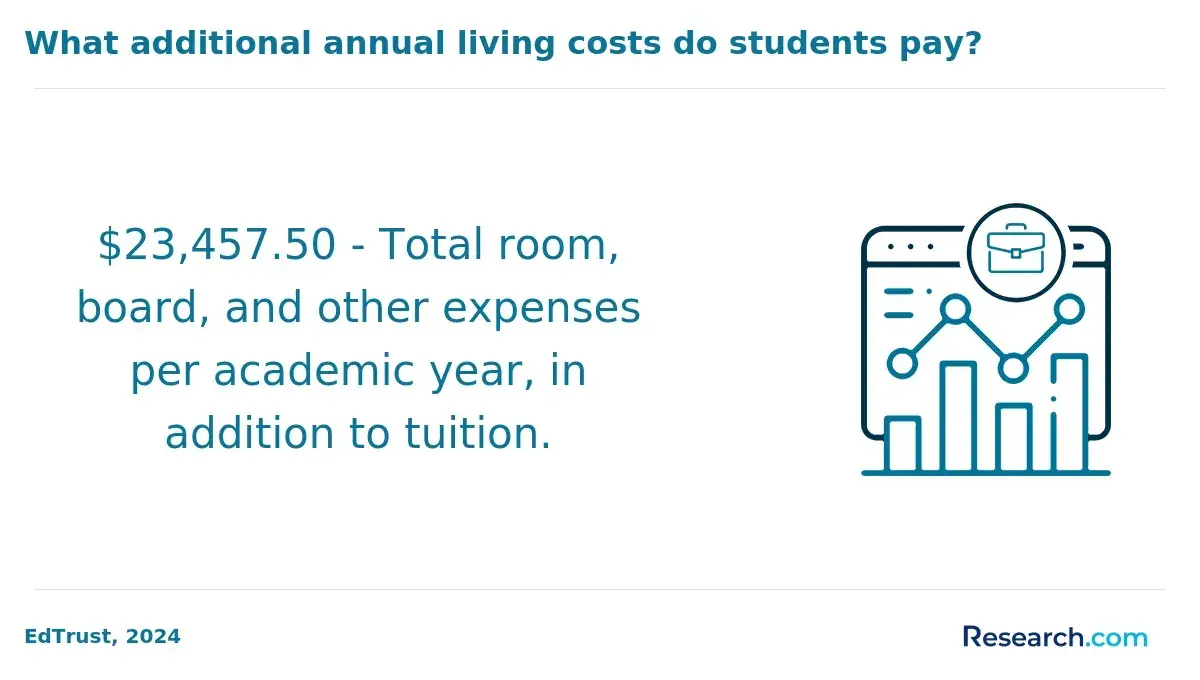
Tuition costs play a crucial role for individuals aiming to pursue a master's degree in Electrical Engineering, especially for those balancing work and education. Financial investment must be carefully evaluated alongside program format, institutional type, and supplementary expenses to ensure a viable return on investment. Average tuition for Electrical Engineering master's programs nationwide has risen steadily, now typically ranging between $15,000 and $40,000 for completion.
Here are key factors influencing tuition costs and what prospective students should consider:
- Public vs. Private institutions: Public universities usually offer reduced tuition rates for in-state residents, making them more affordable options. Private schools generally have higher, consistent tuition fees regardless of residency status, often reflecting broader campus resources and brand reputation.
- Online vs. On-campus formats: Fully online master's programs commonly charge less due to lower overhead and absence of campus fees. Hybrid programs-combining online learning with in-person components-tend to be pricier because they integrate services from both modalities, such as access to facilities and occasional on-site sessions.
- Program length and credit requirements: Master's degrees in Electrical Engineering usually demand between 30 and 36 credit hours. Programs with more credits or extended durations generally incur higher tuition, directly impacting overall cost.
- Additional fees and expenses: Technology access charges, lab materials, and application or administrative fees add to the tuition base. These often-overlooked costs can significantly increase the total investment required to complete the program.
Evaluating job outlook is crucial for those considering electrical engineering master's degree programs, as it helps align educational goals with career opportunities and earning potential. The field continues to grow steadily, with roles demanding both advanced technical expertise and leadership skills. According to the U.S. Bureau of Labor Statistics, electrical engineers holding a master's degree earn a median annual wage around $110,000, reflecting increased value in the job market. Below are key career paths linked to specialized electrical engineering master's degrees.
- Power systems specialization: Graduates often become power systems engineers or grid modernization specialists, primarily employed by utility companies and renewable energy firms. These roles usually require a master's degree due to the complex nature of managing electrical grids and integrating sustainable energy solutions.
- Electronics and embedded systems: Opportunities include hardware design engineers and embedded systems developers. Such positions are common in consumer electronics, automotive, and aerospace sectors and may prefer candidates with a master's degree, especially for research and development projects that demand innovation and problem-solving.
- Communications and signal processing: Careers as communications engineers or network architects are typical, with leadership roles like project manager or director of engineering increasingly requiring a master's degree. These professionals are essential in advancing technologies such as 5G and IoT, which shape modern connectivity.
- Leadership and management tracks: An advanced degree enhances prospects for roles involving project management, systems integration, and innovation strategy. Master's graduates often leverage these skills to secure managerial positions, adding substantial value to organizations.
For prospective students seeking programs that balance flexibility, specialization, and return on investment, exploring a variety of options-from on-campus degrees to online mft programs-can be key to matching career goals and lifestyle preferences.
Salary ranges for electrical engineering master's degree specializations are an important consideration for prospective students seeking strong returns on their educational investment. Average earnings in the US vary notably by specialization, industry demand, geographic location, and experience. For example, the U.S. Bureau of Labor Statistics reports that electrical engineers earned a median annual wage of about $103,000 in 2023, but individual salaries can differ significantly depending on specific career paths within the field. These factors combine to create a diverse salary landscape for graduates with different backgrounds and goals.
Key factors influencing salary differences include:
- Industry demand and emerging technologies: Fields like semiconductor design, embedded systems, and telecommunications are currently in high demand, often offering higher salaries due to rapid technological advancements and strong corporate investment. Conversely, sectors such as renewable energy or academic research may provide lower starting pay but compensate with job security and growth potential.
- Type of specialization within electrical engineering: Salary levels vary by focus area, with power systems, electronics, and communications engineering commanding distinct wage scales. Specialized expertise in cutting-edge areas typically attracts premium compensation compared to more traditional roles.
- Geographic location affecting cost of living and employer budgets: Engineers working in economic hubs such as California and New York generally receive higher wages that reflect regional living costs and competitive labor markets. These differences often outweigh the base pay established by industry norms.
- Professional experience and leadership roles: Salaries tend to increase with years of experience, particularly for those advancing into leadership, project management, or specialized technical roles. Master's degree holders with strong management skills are positioned to capitalize on higher earning potential.
Prospective students balancing career advancement with affordable education options may also explore related fields; for example, you can find information on affordable online criminal justice programs for those considering varied paths. Understanding how salaries vary by electrical engineering master's degree specialization will help align educational choices with realistic earnings expectations and long-term career goals.
Selecting the right master's degree in electrical engineering requires careful consideration of various factors to ensure alignment with your professional goals and personal circumstances. Key elements such as program cost, duration, and potential earnings play a crucial role in determining the return on your educational investment. Evaluating aspects like program delivery format and accreditation also contributes to long-term career adaptability and credibility. Below are important points to guide your decision-making process.
- Career goals: Aligning your degree with specific industry sectors, such as renewable energy or semiconductor design, helps target high-demand skills and opens doors to competitive job markets. Consider how the curriculum supports credentialing or licensure if that aligns with your ambitions.
- Cost and financial planning: Assess tuition fees alongside available financial aid or employer tuition reimbursement options. Balancing affordability with program quality ensures your investment supports both learning outcomes and economic feasibility.
- Time commitment: Examine program length and scheduling flexibility, especially if balancing studies with work or family responsibilities. Online formats can provide self-paced or part-time opportunities to accommodate diverse lifestyles.
- Program format and support: Look for programs offering robust academic advising, technical assistance, and access to research resources to facilitate a seamless learning experience. Supplemental tutoring and peer networking can be invaluable for those transitioning from nontraditional backgrounds.
- Accreditation and reputation: Enrollment in accredited programs guarantees curriculum quality and industry relevance, which enhances employability and ensures eligibility for professional certifications when applicable.
- Long-term career flexibility: Choose degrees that offer broad technical competencies and connections to career services emphasizing resume development, interview preparation, and employer networking. This approach supports sustained growth and adaptability in the evolving electrical engineering field.
Choosing the right master's degree program in electrical engineering is essential for aligning your education with future success and satisfaction. This decision affects not just your knowledge but also your career trajectory and earning potential. Below are key factors to consider when evaluating your investment in such a program:
- Salary Increase Potential: Graduates often see significant pay raises, typically between 15% and 30% compared to those with only a bachelor's degree, especially in specialized areas like power systems and microelectronics.
- Career Advancement: Many employers prefer candidates with graduate degrees for leadership and research roles, making a master's valuable for moving into higher-level positions.
- Industry Demand: The need for experts in telecommunications and advanced engineering grows, but this varies by sector, so understanding market trends is crucial.
- Time and Financial Commitment: Balancing tuition costs and the time required for study against expected long-term benefits will help ensure that the investment aligns with your personal and professional goals.
- Personal Interest and Fulfillment: Passion for the subject and readiness to engage deeply with complex topics can greatly affect both the learning experience and career satisfaction.
What Graduates of Electrical Engineering Master's Degree Programs Say About Their Specialization, Career, and Salary
- Jireh : "Getting into the electrical engineering master's program was a leap of faith for me, but the hands-on projects and supportive faculty made it worth every penny. The program's cost was manageable compared to the industry salary boosts I've experienced-definitely a smart investment. Since graduating, I've seen my career skyrocket, landing a senior engineering role with a significant pay raise. - "
- Henrik: "After researching various programs, I chose an electrical engineering master's that balanced affordability with robust curriculum, costing about the average price for similar schools. Reflecting on my journey, this degree opened doors I hadn't imagined, enabling me to contribute to innovative projects and command a higher salary than before. It's been a thoughtful and rewarding path. - "
- Weston : "Professionally, pursuing an electrical engineering master's was a strategic move-I factored in cost carefully and found a program that offered excellent value. The impact on my salary and job opportunities proved the decision right; I moved into leadership roles quickly thanks to the advanced skills I gained. It's a degree that truly pays off in the tech sector. - "
Other Things You Should Know About Electrical Engineering Degrees
Master's degree holders in electrical engineering often experience faster career advancement than those with only a bachelor's degree. They are frequently considered for leadership roles in engineering projects, research and development, and management. The advanced knowledge and specialized skills gained allow them to qualify for positions such as senior engineer, systems architect, or project manager.
Obtaining a master's in electrical engineering generally leads to higher salaries compared to bachelor's degree holders. According to industry data, median salaries for master's graduates can be 15% to 30% higher, depending on specialization and geographic location. Roles in emerging fields like renewable energy or embedded systems often command premium compensation.
Most electrical engineering master’s programs require a minimum undergraduate GPA of 3.0 on a 4.0 scale. Competitive research universities often expect 3.2 to 3.5, plus transcripts, recommendation letters, and sometimes GRE scores in 2027.
- M.SC. IN Electrical Engineering https://put.poznan.pl/msc-electrical-engineering
- Electrical Engineering | University Master Degree https://www.utwente.nl/en/education/master/programmes/electrical-engineering/
- Is a Master’s Degree in Engineering Worth It? https://www.utep.edu/extendeduniversity/utepconnect/blog/january-2019/is-a-masters-degree-in-engineering-worth-it.html
- Specialization in Electrical Engineering: Tips and Considerations https://ghrcemn.raisoni.net/specialization-in-electrical-engineering
- Master of Science in Engineering in Electrical Engineering https://www.ese.upenn.edu/masters/electrical-engineering-program/
- Electrical engineering - Wikipedia https://en.wikipedia.org/wiki/Electrical_engineering
- How Long is a Master's in Engineering (MS, MEng) Program? https://www.onlineengineeringprograms.com/faq/how-long-to-earn-masters-in-engineering
- The Best Engineering Specialization: Tips to Choose the Right One for You https://www.esilv.fr/en/the-best-engineering-specialization-tips-to-choose-the-right-one-for-you/
- 2026 Best Accelerated Engineering Degree Programs - Educating Engineers https://educatingengineers.com/degrees/accelerated-engineering-degree-programs/
- Engineering Salary Statistics https://www.mtu.edu/engineering/about/salary/