2027 Electrical Engineering Degree Master's Programs Accepting Students Now

Co-Founder and Chief Data Scientist
Recent graduates and career changers often face a challenging dilemma: how to enter the electrical engineering field without a prior background in the subject. Industry demand grows steadily, yet 37% of master's applicants report concerns about lacking relevant undergraduate coursework. This gap creates barriers for those eager to transition into electrical engineering roles, especially with evolving technologies requiring updated skills. International applicants face additional hurdles, including accreditation recognition and visa limitations. This article examines current master's programs accepting students now and offers guidance on flexible, accredited pathways. It aims to help readers identify suitable programs tailored to varied academic and professional backgrounds.
Key Things to Know About Electrical Engineering Degree Master's Program Accepting Students Now
- Master's programs now offer flexible scheduling and online options to accommodate working professionals balancing careers and study, enhancing accessibility without sacrificing quality.
- Accelerated tracks enable students to acquire advanced technical skills and complete degrees in as little as one year, meeting urgent industry demands.
- Many programs provide global networking opportunities through virtual events and international cohorts, fostering professional connections across diverse engineering sectors.
What Are Electrical Engineering Master's Programs, and Who Are They Designed For?
A master's program in electrical engineering typically spans one to two years and is available in both on-campus and online formats, accommodating various learning preferences and schedules. These programs are ideal for working professionals looking to advance their careers, career changers seeking a shift into this technical domain, as well as recent bachelor's graduates aiming to deepen their expertise. A master's degree differs from a bachelor's by offering specialized, research-focused training and from doctoral programs by emphasizing professional application over lengthy original research. Graduate electrical engineering degrees open for enrollment now provide tailored coursework and practical projects to enhance technical skills and prepare students for complex industry challenges.
- Duration and Format: Master's programs offer flexible options including full-time, part-time, on-campus, and online delivery, suitable for diverse student needs.
- Target Audiences: These programs serve recent graduates, professionals, and career shifters, with specialized tracks aligned to their unique goals.
- Focus and Curriculum: They blend advanced fundamentals with applied research and hands-on projects, differentiating from broader undergraduate studies.
- Career Advancement: A master's degree opens pathways to higher engineering roles, management positions, and technical specialties demanding advanced knowledge.
- Comparison to Other Degrees: Unlike doctoral studies that prioritize original research, master's degrees balance theory and practice for industry readiness.
The expanding demand for advanced electrical engineering qualifications is evident, with employment in this field expected to grow by 7% from 2022 to 2032 according to the U.S. Bureau of Labor Statistics. Prospective students interested in flexible pathways may also explore online doctorate programs as a further step in electrical engineering education. Students searching for master's programs in electrical engineering accepting students now should consider accreditation standards, tuition costs, and financial aid opportunities to make informed decisions.
Which Electrical Engineering Master's Programs Are Currently Accepting Applications?
The landscape of electrical engineering master's programs currently accepting applications shifts each semester, making it essential for prospective students to verify current admissions status directly with each institution. Consulting official accrediting bodies such as ABET and exploring university program portals ensure access to the latest details. Keep in mind that "accepting students now" can indicate different intake windows, including fall, spring, or even summer, depending on the university.
- Thesis-Based Master's Programs: These focus extensively on research and tend to attract students aiming for advanced technical expertise or future PhD studies. Admissions usually align with traditional academic calendars, requiring applications several months before the term begins. Some institutions have rolling admissions but impose deadlines for funding or assistantships.
- Professional Master's Programs: Targeted at those seeking practical skill development without research, these programs often offer flexible course structures. They appeal to career changers wanting to enter the electrical engineering field quickly and frequently provide rolling admissions with multiple start dates throughout the year.
- Accelerated Master's Tracks: These pathways allow students to complete degrees in less time, often by combining undergraduate and graduate work or offering intensive summer sessions. Application periods may be limited, so early inquiries are recommended to secure a spot.
- Part-Time and Online Programs: Providing maximum flexibility for working professionals, these programs typically feature several intake periods and rolling admissions. Accredited online master's degrees are widely accessible and growing in popularity.
- Fixed-Deadline Programs With Cohort Models: Some schools admit students as cohorts, progressing together through the curriculum. These programs have fixed application deadlines, usually one or two start dates annually, requiring early planning to ensure enrollment.
For those exploring top accredited electrical engineering master's programs open for enrollment, examining tuition and financial aid options is crucial. Resources that highlight the cheapest online college options can help balance quality with affordability.
What Are the Admission Requirements for a Electrical Engineering Master's Program?
Admission to master's programs in electrical engineering generally requires several key documents. Official undergraduate transcripts must reflect strong academic performance in relevant subjects such as calculus, physics, and foundational electrical engineering courses. Letters of recommendation-usually two or three-are needed from people familiar with the applicant's academic abilities or professional work ethic. Applicants must also submit a statement of purpose that clearly outlines their goals, interests in the field, and reasons for choosing the program. Many schools request a current resume or CV to highlight relevant experience.
Standardized tests like the GRE or GMAT may still be requested by some institutions, but many have recently made them optional, especially following changes during the pandemic. Prospective students should verify these requirements carefully for each program. Additionally, some programs require prerequisite coursework or ask for a portfolio showcasing relevant projects. Professional certifications can also strengthen an application, particularly when applicants come from non-electrical engineering backgrounds.
- Undergraduate Transcripts: Provide official records demonstrating proficiency in core mathematical and engineering courses to prove readiness for graduate study.
- Letters of Recommendation: Typically two or three letters are required from academic or professional contacts who can vouch for your qualifications and potential.
- Statement of Purpose: A detailed essay explaining your motivation, career objectives, and why the program fits your goals is essential.
- Standardized Tests: GRE or GMAT scores might be necessary, but many schools have waived this requirement; confirm with each program.
- Prerequisites and Portfolios: Coursework or a showcase of projects may be requested, especially for those shifting from other fields, along with relevant certifications.
A professional who pursued an online electrical engineering master's degree to transition careers shared, "Navigating the requirements was initially overwhelming because I came from a different field. Gathering transcripts and recommendations meant reaching out to old professors and supervisors I hadn't contacted in years. The statement of purpose was the toughest part-I wanted to convey not only my passion but also how my prior experiences would contribute. The optional GRE helped reduce stress, but making sure I met all the prerequisite coursework required extra preparation." This insight highlights the importance of careful planning when assembling an application for an electrical engineering master's program.
Breakdown of Public Fully Online Title IV Institutions

Most master's programs in electrical engineering require a minimum GPA around 3.0 on a 4.0 scale to ensure academic readiness. However, highly competitive schools often expect applicants to hold a GPA closer to 3.5 or higher. This minimum GPA requirement for master's in electrical engineering programs serves as a baseline but is not the sole factor in admissions decisions.
Admissions committees frequently assess upward GPA trends, valuing candidates who show consistent improvement over time. Additionally, applicants with substantial professional experience or relevant research can sometimes offset GPAs slightly below the standard threshold. Some institutions also extend conditional admission to those with borderline GPAs, often requiring satisfactory progress during the first semester.
Applicants uncertain about their GPA eligibility should contact admissions offices early to explore personalized options and clarify requirements. According to a 2023 survey by the Electrical and Computer Engineering Graduate Education Task Force, 62% of master's programs reported a minimum GPA threshold of 3.0 or higher, with room for flexibility in exceptional cases.
- Standard GPA Threshold: Most electrical engineering master's degrees expect at least a 3.0 GPA, while selective programs demand higher academic credentials.
- Upward GPA Trends Count: Admissions boards give weight to improving academic performance over the course of undergraduate study.
- Professional Experience Matters: Relevant work or research often strengthens applications even when GPA falls just below typical cutoffs.
- Conditional Admission Opportunities: Some programs admit students provisionally, contingent on academic performance after enrollment.
- Proactive Communication: Early contact with admissions can provide guidance and potential exceptions for applicants near GPA requirements.
Prospective students seeking both quality education and career clarity may also explore the best degrees in the world to understand how electrical engineering master's degrees compare in long-term value.
Most full-time electrical engineering master's programs take between one and two years to complete, whereas part-time options offer a longer timeline of two to four years to accommodate working students. Accelerated routes such as intensive 12-month programs or combined bachelor's/master's (4+1) tracks can shorten total study time without compromising educational depth. Various elements impact program length, including the choice between thesis and non-thesis tracks, with thesis options usually taking more time due to research commitments. The course load and availability of transfer credits also influence duration, as a heavier semester load or applicable prior credits can accelerate progress. Additionally, required internships, while sometimes extending completion times, provide vital real-world experience that can enhance career prospects.
- Study Format Impact: Full-time enrollment generally leads to faster completion compared to part-time, which offers flexibility but increases the overall duration for degree attainment.
- Accelerated and Combined Options: Some programs offer fast-track or integrated degree plans, facilitating earlier graduation without sacrificing course rigor.
- Thesis Versus Non-Thesis Tracks: Research-intensive thesis routes tend to prolong the timeline, whereas non-thesis paths focus on coursework and can be finished more quickly.
- Course Load and Transfer Credits: Opting for heavier credit loads or applying prior academic credits can significantly reduce time spent in the program.
- Internship Requirements: Mandatory practical training may lengthen studies but delivers valuable experience linking education to career goals.
A professional who completed an online electrical engineering master's program shared that balancing family, work, and study demands was especially challenging. She explained, "At times, managing a full-time job alongside intensive coursework felt overwhelming, but the flexibility of the online format made it feasible." She found choosing the non-thesis track helpful in managing her schedule, though completing the required internship added a meaningful dimension to her learning. Reflecting on her journey, she noted that while the timeline was longer than traditional full-time study, the experience prepared her effectively for career advancement and was worth the effort invested.
Tuition costs for a master's program in electrical engineering vary significantly based on the type of school, residency, and delivery format. Public institutions usually charge lower rates for in-state students, with fees ranging from $400 to $700 per credit hour, while out-of-state tuition can be between $800 and $1,500 per credit hour. Private universities often have a consistent tuition rate for all students, which tends to be higher than public options. Online programs commonly offer a flat tuition fee that does not change with residency.
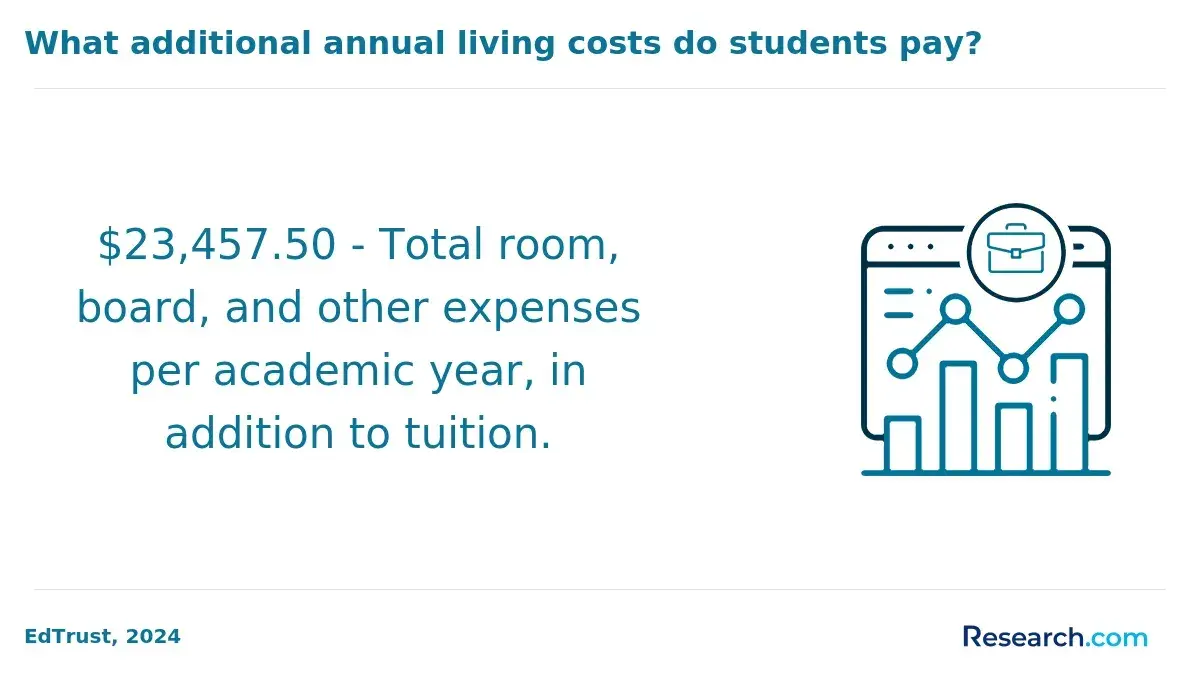
In addition to tuition, students must account for mandatory program fees covering administrative, technology, and lab expenses essential to electrical engineering courses. These charges typically add several hundred to over a thousand dollars each semester. Those attending on campus should also plan for living costs, including housing, food, transportation, and personal expenses, usually amounting to $10,000 to $15,000 annually depending on the region.
Overall expenses for earning a master's degree in electrical engineering nationally span from approximately $20,000 to upwards of $70,000. The variation depends on factors like the institution's prestige, program length, and number of required credits. It's important to remember that many students receive scholarships, financial aid, or assistantships, which reduce the actual amount paid and make the net cost substantially lower than the list price.
The next section will delve into financial aid opportunities and strategies to minimize your education expenses.
- Tuition Per Credit Hour: In-state students at public universities pay less per credit, generally between $400 and $700, while out-of-state rates can be double or more; private and online programs often maintain a uniform tuition rate.
- Program Fees: Additional mandatory fees for labs, technology, and administration usually add several hundred dollars each semester and vary by school.
- Living Expenses: On-campus attendance requires budgeting for housing, meals, transportation, and other personal costs, typically ranging from $10,000 to $15,000 yearly.
- Total Cost Range: The full cost of a master's degree in electrical engineering can vary widely, typically falling between $20,000 and $70,000 based on program and institution factors.
- Net Versus Sticker Price: Most students benefit from financial aid and scholarships, which often reduce the effective cost significantly below the published tuition and fees.
Financial aid opportunities for electrical engineering master's students are more limited than those available to undergraduates, with a stronger emphasis on loans and assistantships. The crucial first step is completing the Free Application for Federal Student Aid (FAFSA), which unlocks access to federal loan programs designed specifically for graduate students. While fewer grants and fellowships exist at the master's level, competitive institutional awards based on merit or research focus can help offset costs.
Graduate assistantships remain a vital resource, often providing tuition waivers and stipends in return for teaching or research work. These positions not only alleviate financial burdens but also enrich the student's professional experience within the field. Students currently employed should investigate employer tuition reimbursement programs, which can significantly reduce out-of-pocket expenses for advanced degrees.
It is also wise to seek private scholarships targeted at STEM or specifically electrical engineering graduate students, alongside state-funded programs that may occasionally support master's candidates.
- Federal Loans Via FAFSA: Completing the FAFSA is essential to qualify for federal student loans such as Direct Unsubsidized Loans, which are the primary federal aid available to master's students.
- Institutional Grants and Fellowships: These merit-based awards from universities can reduce education costs but are limited and highly competitive.
- Graduate Assistantships: These roles offer tuition remission and stipends in exchange for teaching or research assistance, helping students manage expenses while gaining valuable experience.
- Employer Tuition Benefits: Financial support or reimbursement programs from employers provide significant assistance to those pursuing electrical engineering graduate degrees while working.
- Private and State Scholarships: Discipline-specific scholarships and state aid programs offer additional funding opportunities tailored to electrical engineering master's students.
Scholarships for master's students in electrical engineering come from both universities and external organizations. Institutional scholarships are typically awarded by universities based on academic merit, financial need, or involvement in research projects. These often require recipients to maintain a certain GPA and remain enrolled continuously. External scholarships, on the other hand, are offered by professional associations, foundations, and government agencies focused on STEM and engineering fields.
Prospective students seeking financial aid options for graduate electrical engineering programs should explore multiple sources. Key places to search include the websites of professional associations such as the Institute of Electrical and Electronics Engineers (IEEE), scholarship aggregator sites, and federal financial aid portals. It's essential to carefully review each scholarship's eligibility criteria, award amounts, and application deadlines to maximize chances of success.
Many scholarships are renewable and may provide funding throughout the entire duration of the degree, easing the financial burden of graduate study. In recent years, applications to engineering master's programs have risen by 25%, highlighting the growing competition for scholarships and other funding opportunities. Students balancing study with full-time work can find reliable aid to support their academic goals.
For more information on relevant financial aid options, consider researching specialized fields such as MFT programs, which also emphasize comprehensive funding strategies for graduate students.
- Institutional Scholarships: Awarded directly by universities for academic excellence or financial need, typically requiring ongoing satisfactory progress.
- External Scholarships: Provided by professional bodies and foundations targeting electrical engineering students committed to advancing the field.
- Where to Search: Use professional association websites, scholarship databases, and federal student aid tools to find updated and relevant listings.
- Eligibility and Deadlines: Each scholarship has specific requirements and timelines; staying organized is crucial to submitting strong applications.
- Renewable Awards: Many scholarships offer multi-year funding contingent on maintaining academic standards throughout the program.
Choosing the best online electrical engineering master's programs in the US involves more than just reviewing rankings. While rankings from credible sources can be a useful starting point, they should not be the sole criterion. Regional or programmatic accreditation, such as ABET accreditation, is essential to ensure the program meets rigorous educational standards. Prospective students should always verify the accreditation status to ensure their degree is widely recognized by employers and academic institutions.
Faculty credentials significantly impact program quality. Look for programs with professors who hold advanced degrees and maintain active research or industry involvement, which helps keep coursework current and relevant. Comprehensive student support services, including academic advising, tutoring, and technical assistance, are critical for success in a virtual setting.
The flexibility of top accredited online master's degrees in electrical engineering 2024 is especially beneficial to working adults or those managing family commitments. These programs allow students to access lectures and complete assignments on their own schedules, eliminating relocation or commuting challenges. However, online formats may offer fewer opportunities for in-person networking, potentially affecting professional connections and career outcomes.
- Accreditation Verification: Confirm the program has regional or ABET accreditation to ensure credential recognition and adherence to quality education standards.
- Qualified Faculty: Programs staffed with faculty who possess advanced degrees and relevant research or industry experience deliver more thorough and updated instruction.
- Student Support Services: Robust support such as tutoring, advising, and technical help enhances the online learning experience and student success.
- Flexible Scheduling: Online formats allow students to balance work, family, and study by accessing coursework on flexible schedules.
- Networking and Career Support: Consider how the program facilitates professional connections and offers career placement services, noting online options may have some limitations.
For prospective students exploring options, it's helpful to compare engineering programs alongside related fields. For example, you can also review the best data science master's programs to identify cost-effective pathways in complementary disciplines.
Regional accreditation evaluates the overall quality of an institution, ensuring it meets broad educational standards, while programmatic accreditation focuses on specific fields like electrical engineering, assessing the curriculum, faculty, and resources relevant to that discipline. For electrical engineering, ABET serves as the main programmatic accrediting agency in the U.S., underscoring a program's adherence to industry and academic benchmarks. Graduating from an ABET-accredited program is often essential for professional engineer licensure, as many states require it to qualify. Employers also value candidates from accredited programs because the accreditation signals a recognized level of education quality. Additionally, federal financial aid eligibility is generally limited to students enrolled in accredited programs, making it a critical factor for funding graduate studies. Prospective students should independently confirm both institutional and program accreditation through the U.S. Department of Education's official database to ensure their degree will be respected in professional and academic contexts.
- Regional vs. Programmatic Accreditation: Regional accreditation covers the quality of the entire institution, while programmatic accreditation like ABET specifically validates electrical engineering programs.
- Licensure Requirements: Many states mandate graduation from an ABET-accredited electrical engineering program for professional engineer licensing eligibility.
- Employer Preferences: Companies often prefer graduates of accredited programs because it reflects a standard level of education and training.
- Financial Aid Eligibility: Federal funding for graduate studies usually requires enrollment in an accredited program, impacting affordability.
- Verification Process: Checking accreditation status through the U.S. Department of Education's database ensures the program's legitimacy and protects against unaccredited options.
Graduates with a master's in electrical engineering typically find opportunities across various sectors including telecommunications, aerospace, energy, and manufacturing, holding roles such as systems engineers, project managers, and R&D specialists. The U.S. Bureau of Labor Statistics reports a median annual wage near $100,000 for electrical engineers, with steady job growth expected over the next decade. Advanced degrees offer a salary advantage over bachelor's holders and can accelerate career progression into leadership positions. Strong networks and career services from universities further support graduates in securing internships, jobs, and professional development.
- Diverse Career Paths: Master's graduates work in government, private industry, and research, applying specialized skills to innovate and solve industry challenges.
- Salary Advantages: Graduates with advanced degrees generally earn more than those with only bachelor's credentials, reflecting their deeper expertise.
- Job Market Stability: The electrical engineering field shows consistent growth, particularly in emerging technologies like renewable energy and embedded systems.
- Leadership and Advancement: A master's degree often qualifies individuals for supervisory roles sooner, providing access to managerial positions.
- Career Support Networks: Alumni connections and university services offer valuable resources for job placement and ongoing career success.
What Graduates Say About Their Electrical Engineering Degree Master's Program
- Jireh: "Choosing the electrical engineering master's degree was a strategic decision to deepen my technical expertise and open doors to advanced roles in the industry. Although the program's cost was a significant investment, it was worth every dollar considering the quality of knowledge and networking opportunities I gained. This degree has unquestionably accelerated my professional growth and positioned me for leadership roles in innovative engineering projects."
- Henrik: "Reflecting on my journey, the electrical engineering master's degree offered the perfect blend of theoretical rigor and practical application that I was looking for. The tuition fees were manageable with financial aid, which made pursuing my passion less stressful. Most importantly, this program profoundly impacted my career by equipping me with skills that many employers value, helping me secure my dream job in a competitive market."
- Weston: "From the start, I was drawn to the electrical engineering master's program because of its reputation for cutting-edge research and industry connections. The cost was higher than I initially anticipated, but the return on investment is clear in the advancements I've made professionally. This degree has been instrumental in shaping my career trajectory, allowing me to transition into specialized roles and work on exciting, future-focused technologies."
Other Things You Should Know About Electrical Engineering Degrees
Yes, many electrical engineering master's programs offer part-time, evening, or online formats to accommodate full-time professionals. These flexible options allow students to balance their studies and work commitments. However, balancing both can be demanding, so effective time management and support from your employer are important.
Yes, many programs accept applicants from related fields such as physics, computer engineering, or mechanical engineering. Schools often require prerequisite courses in circuits, electronics, signals, and calculus, and some ask for a 3.0 GPA or higher plus GRE scores, though many 2027 programs are GRE-optional.
- Applying to Electrical Engineering Programs: Graduate School Admissions Overview https://blog.accepted.com/applying-to-electrical-engineering-programs-graduate-school-admissions-overview/
- Why ABET Accreditation Matters - ABET https://www.abet.org/accreditation/what-is-accreditation/why-abet-accreditation-matters/
- ABET Accreditation Explained: Do Engineering Students Really Need It? — Lantern College Counseling https://www.lanterncollegecounseling.com/insights/for-aspiring-engineers-understanding-the-value-of-abet-accreditation
- Most Popular Electrical Engineering Master's Degrees Online 2025 | 11 Answers - Featured.com https://featured.com/questions/online-electrical-engineering-masters-degree-insights
- School of Electrical Engineering - Financial aid for summer studies abroad https://www.european-funding-guide.eu/scholarship/14533-financial-aid-summer-studies-abroad
- Computer and Electrical Engineering (MEng | Master's in Engineering) - Graduate Admissions - Apply Here - Concordia University https://www.concordia.ca/academics/graduate/electrical-engineering-meng.html
- How long does it take to complete a master’s degree? https://gradadm.seas.upenn.edu/faqs/how-long-does-it-take-to-complete-a-masters-degree/
- Scholarships and Funding Options for MS in Electrical and Computer Engineering USA https://www.imperial-overseas.com/blog/scholarships-and-funding-options-for-ms-in-electrical-and-computer-engineering-usa/