2027 Which Schools Offer Flexible Start-Anytime Enrollment for an Electrical Engineering Degree Master's Program?

Co-Founder and Chief Data Scientist
Many working professionals face challenges enrolling in a master's program due to rigid academic calendars that conflict with job demands or personal commitments. For those pursuing an electrical engineering degree, flexibility matters greatly; recent studies show that 42% of graduate students in STEM fields prioritize programs with start-anytime enrollment to balance continuous work and education.
Without such options, aspiring engineers risk delaying career advancement or missing timely certifications. This article explores which schools provide flexible start-anytime enrollment for electrical engineering master's programs, helping prospective students find programs that fit their unique schedules and professional goals.
Key Benefits of Flexible Start-Anytime Enrollment for a Electrical Engineering Degree Master's Program
- Flexible start-anytime enrollment allows students to begin their electrical engineering master's program at multiple points yearly, accommodating diverse schedules and promoting continuous academic progress.
- Many programs offer accelerated options, reducing typical completion times by up to 25%, enabling professionals to enter the workforce more quickly or pursue advanced roles.
- This enrollment flexibility supports optimal work-study balance, with over 60% of master's candidates managing employment alongside coursework through adaptable class formats and deadlines.
What Does Start-Anytime Enrollment Mean for a Electrical Engineering Master's Degree?
Start-anytime enrollment in an electrical engineering master's program offers structural flexibility by allowing students to begin their studies at various points throughout the year, rather than joining fixed-start cohorts. Unlike traditional cohort-based graduate programs, where everyone progresses together, this model lets individuals tailor their start dates to fit their personal and professional schedules.
Such flexibility is ideal for those seeking flexible enrollment options for electrical engineering master's programs, especially working professionals balancing multiple commitments. This approach can significantly reduce the constraints typically tied to rigid academic calendars and cohort timelines.
This enrollment style shapes the student experience by enabling self-paced learning, where students control their progress according to workload and timing preferences. Course materials often become available on a rolling basis, providing direct access to specific subjects without waiting for term start dates. Interaction with peers and instructors frequently occurs through virtual platforms, fostering dynamic communication despite asynchronous learning.
These features enhance accessibility and support the benefits of start-anytime graduate electrical engineering degrees, which accommodate diverse lifestyles while maintaining academic rigor. For more insights into efficient educational paths, explore quick degrees online that pay well.
What Schools Offer Start-Anytime Electrical Engineering Master's Programs?
Start-anytime enrollment options are predominantly available through specific types of educational institutions that emphasize flexibility for graduate students. Recent data shows that approximately 35% of online graduate programs utilize rolling or flexible enrollment models to better serve working professionals and those with nontraditional schedules.
Below is an overview of the main categories of schools that offer such flexible formats:
- Public Universities: These institutions sometimes provide rolling admissions, though fully flexible start dates for online electrical engineering master's degree programs are less frequent. Their programs often follow traditional academic calendars with occasional accommodations.
- Private Nonprofit Institutions: Most adhere to set academic semesters but a small percentage have started adopting more adaptable enrollment schedules, offering limited options for flexibility in course start times.
- For-Profit Universities: Typically prioritize modular courses with multiple start dates throughout the year. This facilitates continuous enrollment and pacing adjusted to individual student needs, making it easier to begin programs at almost any time.
- Competency-Based Institutions: These schools structure programs so students progress by demonstrating mastery rather than adhering to fixed timelines. This model inherently supports start-anytime access and appeals especially to those pursuing an online electrical engineering master's degree with flexible enrollment.
Students interested in flexible graduate programs might also explore other fields with similar enrollment models, such as the accelerated MSW program online, which often offers start-anytime flexibility tailored for working professionals.
Are Start-Anytime Electrical Engineering Master's Programs Available in Both Online and On Campus Formats?
Start-anytime electrical engineering master's programs are offered in both online and on-campus settings, though availability largely depends on each institution's program design and structure. Nearly 35% of engineering graduate programs with flexible enrollment are fully online, granting students substantial freedom in scheduling.
Below are some common program formats providing start-anytime options:
- Fully Online Programs: These allow students to enroll at various points throughout the year, enabling working professionals to begin coursework without waiting for traditional semester dates.
- Hybrid Formats: Combining online learning with scheduled in-person sessions, often held evenings or weekends, this approach blends flexibility with face-to-face interaction.
- Evening or Weekend Campus Options: Campuses may offer courses exclusively during evenings or weekends, maintaining fixed semester start dates but accommodating students balancing jobs.
- Competency-Based Models: Focused on mastery over time spent, these programs let students progress at their own pace and enroll anytime, though they remain less prevalent in electrical engineering.
When discussing this topic, a graduate of an online electrical engineering master's with flexible start options shared his experience. He described having a full-time job and family responsibilities that made rigid semester schedules impossible. "Being able to start mid-year meant I didn't have to put my career on hold," he said. Initially, the self-directed nature was intimidating, but the program's support system eased his transition.
He recalled, "It felt empowering to control when and how fast I moved through material, even if it meant juggling deadlines differently." This flexibility was crucial during unexpected work demands, ensuring he could maintain progress without falling behind. His insights highlight how varied delivery formats meet diverse student needs beyond traditional academic calendars.
Admission standards for start-anytime electrical engineering master's programs largely resemble those of traditional graduate degrees, with the key difference being more flexible application deadlines and start dates. These flexible enrollment options facilitate the application process year-round.
The primary criteria generally include the following:
- Minimum GPA Standards: Applicants typically need a bachelor's degree in engineering or a closely related field with a competitive GPA, often around 3.0 on a 4.0 scale, to demonstrate readiness for advanced study. Flexible start programs maintain these academic benchmarks to ensure quality.
- Professional Experience: Although not always compulsory, relevant work experience or internships in electrical engineering or allied industries can enhance an application, especially for candidates pursuing start-anytime enrollment eligibility requirements for electrical engineering master's programs while working.
- Letters of Recommendation: These play a crucial role in evaluating an applicant's qualifications and potential. Programs accommodating flexible start schedules often accept electronic submissions to streamline admissions for nontraditional students.
- Standardized Test Policies: Many flexible programs adopt test-optional or waive GRE requirements to broaden access, though some institutions might still recommend or ask for scores depending on their standards.
Overall, typical application criteria for flexible start electrical engineering graduate programs emphasize maintaining strong academic and professional qualifications while providing scheduling adaptability. Prospective students can explore options including the cheapest online colleges that offer flexible admission models suited for working professionals.
Start-anytime academic calendars differ from traditional semester or cohort-based schedules by offering multiple enrollment periods throughout the year, typically providing up to eight or more start dates annually. This approach grants students greater flexibility to begin their master's studies in electrical engineering when they are ready, without waiting for fixed term dates.
Key features of these calendars include:
- Rolling Start Dates: Students can join the program any month rather than waiting for a specific semester, enabling immediate enrollment and reducing delays in starting coursework.
- Modular Courses: Curriculum is divided into smaller, self-contained units that can be completed independently, allowing learners to manage their studies alongside other obligations more easily.
- Asynchronous Scheduling: Lectures and assignments are accessible on demand, so students can engage with course material at times that fit their personal and professional commitments.
- Individualized Progression: Learners control their pace through the program, spending additional time on challenging topics or accelerating as their schedule and understanding allow.
These elements collectively enable working professionals and nontraditional students to tailor their educational paths, making start-anytime electrical engineering master's programs a flexible alternative to conventional academic models.
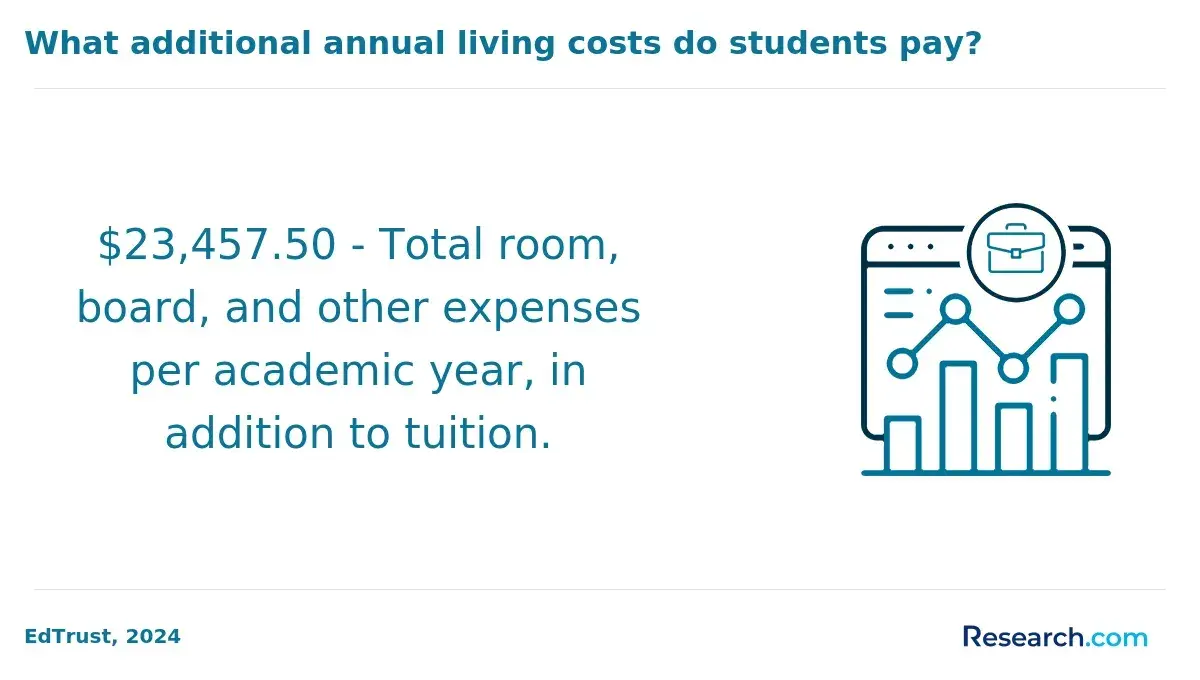
There is a common perception that start-anytime electrical engineering master's programs may carry higher costs compared to traditional, fixed-start cohorts. However, tuition for online electrical engineering master's degrees typically falls between $15,000 and $40,000, aligning closely with many on-campus programs.
The overall expense depends more on institutional pricing models and student pace than on the enrollment format itself. Key cost considerations include the following:
- Tuition Structure - Many flexible start programs charge per credit or use subscription pricing, allowing students to pay only for courses taken, unlike flat-rate semester fees in traditional programs. This may reduce upfront costs but can lengthen program duration, affecting total price.
- Additional Fees - Institutions often add technology or platform charges, especially for online start-anytime formats that require continuous access and specialized resources. These fees vary but are typically absent or lower in fixed-term, campus-based programs.
- Technology or Platform Costs - Start-anytime students benefit from 24/7 learning platforms that provide convenience but may involve premium support fees to maintain personalized online environments.
- Financial Aid Availability - Access to scholarships, federal loans, and grants remains comparable across both program types, supporting students regardless of their enrollment format.
A professional who completed a start-anytime electrical engineering master's program reflected on her experience, noting that while managing costs was important, the flexibility of beginning courses at any time outweighed financial concerns. She shared how this self-paced rhythm helped her balance work and study without the pressure of fixed semester deadlines, even if it occasionally extended her timeline.
"The ability to dive into classes when ready and control my pacing made the financial aspect feel more manageable," she said. She also highlighted that the incremental payment model encouraged her to focus on mastering each subject thoroughly before moving forward. Ultimately, she viewed the cost as an investment tailored to her unique schedule rather than a strict comparison to traditional pricing.
Start-anytime electrical engineering master's programs provide notable flexibility, enabling students to begin their studies at various points throughout the year without being bound to traditional semester calendars. This flexibility often impacts the overall time it takes to complete the degree, with most flexible or online programs averaging between 18 and 36 months.
Several important factors contribute to this variation in program length. Consider the following key influences:
- Pacing Flexibility: Students can tailor their study pace to fit personal and professional demands. Some may move quickly through coursework, while others slow down, extending their time to completion.
- Course Load Options: Full-time study with a heavier course load generally shortens program duration. Conversely, part-time enrollment allows for a lighter course load but may extend the program up to three years or more.
- Accelerated Modules: Some programs include intensive short-term modules that expedite completion of specific courses. These condensed opportunities help reduce overall program length.
- Part-Time vs. Full-Time Enrollment: Many working professionals choose part-time enrollment to balance work and study, which naturally lengthens their time in the program compared to full-time students.
The flexibility of start-anytime programs makes them suitable for diverse schedules, but prospective students should evaluate how their personal pacing and enrollment choices will influence the total time required for degree completion.
Career services play a crucial role in graduate education by bridging the gap between academic study and professional advancement. For start-anytime electrical engineering master's students, these services remain accessible despite flexible enrollment schedules, ensuring continuous support.
Below is an overview of key career services typically available to these students:
- Career Counseling: Students receive personalized guidance to clarify career goals and create tailored job search strategies that fit their unique timelines and professional aspirations.
- Job Placement Assistance: Virtual job fairs, resume reviews, and interview preparation are adapted for nontraditional entry points, helping students secure relevant positions throughout the year.
- Networking Opportunities: Online platforms connect students with peers, faculty, and industry professionals. These virtual communities promote relationship-building regardless of enrollment dates, essential for flexible enrollment electrical engineering graduate students.
- Alumni Connections: Updated alumni directories and mentorship programs are available year-round, allowing start-anytime students to leverage the experience and networks of program graduates to advance their careers.
Many institutions offering flexible start programs design their career services to accommodate the diverse schedules of graduate students, which is an important factor for those considering a librarian degree online or other fields with similar flexibility. These support programs for flexible enrollment electrical engineering graduate students demonstrate a commitment to helping every student transition successfully from study to career growth.
Employers generally consider flexible, start-anytime graduate programs in electrical engineering to be as credible as traditional cohort-based degrees when certain quality standards are met. A 2023 survey by the National Association of Colleges and Employers found that more than 70% of employers view online or flexible graduate degrees as equally valid, provided these programs have proper accreditation and maintain rigorous academic standards.
Key factors shaping employer respect for these programs include:
- Accreditation: Accredited programs demonstrate compliance with industry and academic standards, which reassures employers about the legitimacy and value of start-anytime electrical engineering master's degrees.
- Program Rigor: Challenging coursework and comprehensive assessments ensure that graduates possess strong technical knowledge and problem-solving skills critical to the field.
- Professional Experience: Employers highly value candidates who supplement their education with relevant work experience, which often enhances the learning outcomes of nontraditional enrollment programs.
- Skill Demonstration: Portfolios, real-world projects, and internships offer concrete evidence of a graduate's capabilities, helping to overcome any bias against flexible scheduling.
The value of start-anytime enrollment in electrical engineering graduate programs continues to rise as employers embrace lifelong learning and adaptable education models. For those exploring flexible options, resources such as PsyD online exemplify how accredited programs deliver quality education remotely while keeping pace with workforce demands.
Graduate programs with flexible enrollment offer more frequent start dates than traditional cohort models, making them ideal for students needing adaptable schedules. Studies indicate that about 70% of individuals in online or rolling-start graduate programs are working professionals or nontraditional learners juggling various commitments.
This flexibility makes it easier to balance education with other responsibilities. Below are key groups who particularly benefit from these options:
- Working Professionals: They can continue their jobs without interruption while pursuing advanced degrees, reducing career and financial disruptions.
- Career Changers: These programs enable quick transitions into electrical engineering without waiting for standard semester start times.
- Adult Learners with Family Responsibilities: Flexible scheduling allows them to organize coursework around family duties, promoting a healthier work-life balance.
- Students Seeking Accelerated Completion: Year-round course offerings provide motivated students opportunities to finish their degrees faster without delay.
What Graduates Say About Flexible Start-Anytime Enrollment for a Electrical Engineering Degree Master's Program
- Althea: "The flexible start-anytime schedule allowed me to balance my full-time job while pursuing my master's in electrical engineering without stress. The affordable tuition made it possible for me to invest in my education without incurring heavy debt. Since graduating, I have experienced a significant boost in career opportunities and salary growth."
- Louise: "Choosing an electrical engineering program with a start-anytime format gave me the freedom to learn at my own pace, which was crucial given my unpredictable work hours. I appreciated how cost-effective the program was compared to traditional degrees, making advanced education accessible. The practical skills I gained opened doors to leadership roles I hadn't envisioned before. "
- Kristina: "Enrolling in a flexible electrical engineering master's program was a game-changer for my professional development. The ability to start courses anytime meant I could align my studies with my personal commitments seamlessly. Plus, the program's reasonable cost allowed me to avoid financial strain, and the advanced knowledge has already helped me secure a promotion. "
Other Things You Should Know About Electrical Engineering Degrees
Most schools ask for a bachelor’s degree in electrical engineering or a related field, official transcripts, a résumé, two recommendation letters, and a statement of purpose. Some programs also require GRE scores or proof of English proficiency, and applications are often reviewed on a rolling basis.
Yes, start-anytime programs in electrical engineering often have faculty readily available to accommodate diverse start dates. These programs are designed to ensure students have unfettered access to faculty guidance, providing flexibility without compromising educational resources or mentorship opportunities.
Many start-anytime programs provide opportunities for research, though availability may depend on the faculty involved and program format. Online and part-time students can often engage in research remotely or during scheduled on-campus visits if required. Prospective students should inquire about research options and expectations during the admissions process to align their interests with faculty expertise.
- Rethinking recruitment for graduate engineering programs https://eab.com/resources/blog/adult-education-blog/rethinking-recruitment-for-graduate-engineering-programs/
- Understanding the Start Times for Master's Programs - Oreate AI Blog https://www.oreateai.com/blog/understanding-the-start-times-for-masters-programs/1328a0c537fab2ec34308cc3603f0fbb
- What is the cost of a typical MSEE degree? https://www.dsprelated.com/thread/10075/what-is-the-cost-of-a-typical-msee-degree
- Master's Programme in Electrical Engineering https://www.lut.fi/en/studies/technology/masters-programmes-technology/masters-programme-electrical-engineering
- Why an Online Electrical and Computer Engineering Masters is Worth It https://www.euroeducation.net/articles/why-an-online-electrical-and-computer-engineering-masters-is-worth-it.htm
- Electrical and Computer Engineering MS Degree Program https://www.mtu.edu/ece/graduate/ms/
- Master of Engineering (Electrical and Computer Engineering) https://calendar.ualberta.ca/preview_program.php
- Electrical Engineer (Safety Standards) https://careers.cern/jobs/hse-ohs-gi-2026-28-grap/
- Bachelor of Engineering (Electrical and Electronic) (Honours) / Master of Engineering https://www.unisc.edu.au/study/courses-and-programs/bachelor-of-engineering-master-of-engineering/bachelor-of-engineering-electrical-and-electronic-honours-master-of-engineering