2027 Data Analytics Degree Completion Programs for Working Adults

Co-Founder and Chief Data Scientist
Working adults seeking to complete a data analytics degree often face complex choices-balancing career demands, financial constraints, and the need for flexible scheduling. Unlike generic undergraduate programs, high-quality completion programs emphasize accredited curricula, generous credit transfer policies-including recognition of ACE-credited military training-and formats designed for part-time learners. Graduates of these programs report a median salary increase of 15% within two years, reflecting strong ROI and career mobility across industries and regions.
This article explores how to evaluate such programs critically-covering structural features, accreditation, cost, and career outcomes-to help prospective students align their choices with professional goals and life obligations.
Key Things to Know About Data Analytics Degree Completion Programs for Working Adults
- Maximizing credit for prior learning involves submitting transcripts, ACE military evaluations, and professional certifications-many programs grant up to 50% credit, accelerating completion time.
- Choose programs with employer partnerships or licensure alignment to enhance job market value-67% of data analytics graduates report higher employment rates when credentials are industry-recognized.
- Working adults should explore financial aid options beyond federal loans-including employer tuition assistance, scholarships targeted to adult learners, and flexible payment plans tailored to income.
What Are Data Analytics Degree Completion Programs, and Who Are They Designed For?
Data analytics degree completion programs offer adults who started but did not finish a bachelor's degree a focused and accelerated way to complete their credential. Unlike traditional four-year degrees or graduate programs, these tailored programs emphasize flexible pacing and credit-for-prior-learning policies, recognizing relevant coursework, military training, or professional experience to help students graduate faster. This structure is key for working adults seeking the best online data analytics degree completion programs without sacrificing academic rigor.
Key features include:
- Accelerated Pacing: Curricula are designed to fit the busy schedules of adult learners while maintaining quality standards.
- Credit Transfer: Formal policies maximize acceptance of prior credits from community colleges, military education evaluated by ACE, or other accredited institutions.
- Flexible Scheduling: Online, hybrid, evening, and weekend classes accommodate working professionals balancing career and family.
The primary audiences served are:
- Adults with Some College: Individuals who paused their education and desire an efficient route to degree completion.
- Military Veterans: Veterans leveraging ACE-credited training and coursework to translate service experience into academic credit.
- Working Professionals: Those aiming for career advancement by earning an employer- and licensure-recognized bachelor's degree credential.
- Career Changers: Adults entering the growing Data Analytics field who need comprehensive credentials to improve marketability.
Research from the National Student Clearinghouse, the American Association of State Colleges and Universities (AASCU), and the Lumina Foundation highlight the legitimacy and expanding access of these pathways. High-quality completion programs must meet accreditation standards, maintain clear transfer and credit policies, and offer financial aid options suitable for working adults. These factors help students make informed decisions aligned with their professional and personal circumstances.
For those exploring accelerated degree options in education fields, consider the EdD degree programs, which share similar approaches to streamlined credential completion.
How Do Data Analytics Degree Completion Programs Differ From Traditional On-Campus Degree Programs?
Data analytics degree completion programs for working adults are specifically tailored to balance education with career and family demands. Unlike traditional on-campus programs defined by fixed semester schedules and mandatory full-time residence, these completion programs provide flexible scheduling formats, including evening, weekend, online, and hybrid classes, allowing students to fit coursework into busy lives.
- Scheduling Formats: Completion programs offer diverse delivery options that accommodate working adults better than traditional day-only classes.
- Pacing Options: Students can choose accelerated cohort models for steady progress or self-paced enrollment to match personal time constraints, contrasting with the fixed full-time loads of traditional programs.
- Residency Requirements: These programs often minimize or eliminate on-campus presence, a key difference from traditional degrees requiring physical attendance for labs and seminars.
- Asynchronous Coursework: A significant portion of courses in completion programs are designed for asynchronous study, enabling flexibility unmatched by traditional programs that rely on synchronous sessions.
- Structural Accommodations: Rolling or multiple start dates cut down waiting times between enrollment and coursework, while streamlined academic advising and credit transfer processes recognize prior learning-such as military ACE credits-helping accelerate degree completion.
- Credit Transfer Flexibility: Completion programs usually accept more transfer credits, especially those aligned with National College Credit Recommendation Service standards, unlike more restrictive traditional policies.
National Center for Education Statistics (NCES) and Integrated Postsecondary Education Data System (IPEDS) data reveal strong enrollment growth in data analytics degree completion programs over the past decade. This trend reflects growing awareness of flexible adult-oriented education paths as viable alternatives to campus-based undergraduate formats.
While the credential-often a Bachelor of Science or Bachelor of Arts in data analytics-is the same as that awarded through traditional routes, the learning experience differs substantially. These programs emphasize minimizing disruptions to employment and family life, offering structured yet adaptable pathways that align well with the financial and time considerations of working adults. Prospective students can also explore options for online business degrees to compare flexible program features, affordability, and career outcomes in related fields.
What Prior Credits and Experiences Count Toward a Data Analytics Degree Completion Program?
Completion programs often accept credits from regionally accredited colleges, though evaluation methods vary-some assess courses individually, others impose overall credit limits. The accreditation status of your previous institution heavily influences acceptance.
- Military Training Credits: Veterans can apply credits recognized through the American Council on Education (ACE), which many quality programs honor to count military experience toward degree requirements.
- Professional Certifications: Relevant certifications in programming, statistics, or project management might qualify for credit, typically requiring verification and alignment with curriculum goals.
- Prior Learning Assessment (PLA): Institutions may offer PLA options enabling students to earn credit by demonstrating workplace knowledge via portfolios or competency exams. Research from the Council for Adult and Experiential Learning (CAEL) confirms PLA can significantly reduce time and expenses to finish a degree.
- Credit-by-Examination: Exams like CLEP and DSST provide opportunities to convert prior knowledge into college credits, often accepted for foundational analytics courses.
Because policies differ widely, it's important to request official transcripts from all former institutions and secure a pre-enrollment credit evaluation. Avoid schools that disregard ACE-approved military credits or enforce unexplained transfer caps, as this can delay graduation and increase costs. The American Association of Collegiate Registrars and Admissions Officers (AACRAO) supplies guidelines to gauge fair transfer credit practices and help you choose programs that recognize prior learning effectively.
Reflecting on his journey, a professional who successfully earned a data analytics degree shared that navigating credit evaluations was initially daunting. "I had military training and various certifications, but aligning those with the program's criteria took persistence," he recalled. "The pre-enrollment credit review was invaluable-it clarified what I could apply, prevented surprises, and shortened my path to finishing the degree. It wasn't simple, but the recognition of my previous experiences made all the difference in balancing work, school, and family."
What Is the Minimum GPA Requirement for Data Analytics Degree Completion Programs?
Minimum GPA requirements for data analytics degree completion programs typically range from 2.0 to 2.5 on a 4.0 scale, reflecting varied academic expectations for working adult students. Some schools offer conditional admission to candidates with lower GPAs, requiring supports like tutoring or reduced course loads to boost success rates.
- Open Admission with Professional Experience: Many programs waive strict GPA limits for adults who bring substantial career experience-especially military veterans with ACE-credited training or mid-career professionals-enabling entry through demonstrated skills rather than academic metrics.
- Holistic Review: Accreditation bodies such as the Higher Learning Commission guide institutions in considering a balanced mix of elements-GPA, letters of recommendation, personal statements, and professional history-to assess readiness for data analytics degree completion programs.
- Academic Forgiveness for Returning Adults: Students who previously left with poor academic records may qualify for fresh-start policies that reset GPA calculations after a specified hiatus, enhancing admission prospects.
- Pre-Admission Academic Evaluation: Prospective enrollees should request formal assessments to clarify their standing and better understand how their GPA and experience align with program criteria.
Careful attention to these GPA criteria for working adult data analytics degree programs helps students choose pathways aligned with their backgrounds and goals. Additionally, exploring flexible programs like online PhD leadership may inspire approaches to balancing career growth with academic progression.
How Are Data Analytics Degree Completion Programs Structured Around Full-Time Work Schedules?
Completion programs in data analytics often offer flexible scheduling to accommodate full-time workers. Formats include evening cohorts, weekend intensives, fully asynchronous online modules, and hybrid models blending live sessions with online coursework. These options help students balance their jobs and personal lives effectively. Typically, programs suggest a credit load of 6 to 9 credits per term-enough to maintain steady progress without overwhelming working adults.
Research from the National Student Clearinghouse Research Center indicates that cohort-based completion students demonstrate higher persistence and graduation rates than those in traditional programs, highlighting the effectiveness of this structured approach. Prospective students should ask about essential policies like course cancellation, options for making up classes missed due to work conflicts, and the availability of dedicated student success advisors who can guide them through schedule challenges without delaying graduation.
One professional who completed a data analytics degree reflected on her experience managing a full-time job alongside coursework. She described initial doubts about balancing responsibilities but found the cohort system invaluable for staying motivated. "Knowing my peers were in the same boat kept me accountable," she said. The program's clear schedule helped her plan family time and work commitments well in advance, reducing stress. Having access to advisors who understood working adults' challenges made a significant difference when unforeseen conflicts arose. Overall, the flexible formats combined with supportive structures allowed her to build new career skills without sacrificing her job or personal life.
Is Online or Hybrid Delivery Available for Data Analytics Degree Completion Programs?
Data Analytics degree completion programs now offer diverse delivery options tailored for adults balancing work and life-chiefly synchronous online, asynchronous online, and hybrid formats.
- Synchronous Online: Live video sessions foster real-time engagement but require fixed schedules, which may challenge those with varying time zones or unpredictable hours.
- Asynchronous Online: Pre-recorded courses allow self-paced progress ideal for busy professionals, though immediate access to instructors and peers can be limited.
- Hybrid Models: Mix online classes with in-person intensives, providing hands-on experiences and networking opportunities but demanding occasional travel.
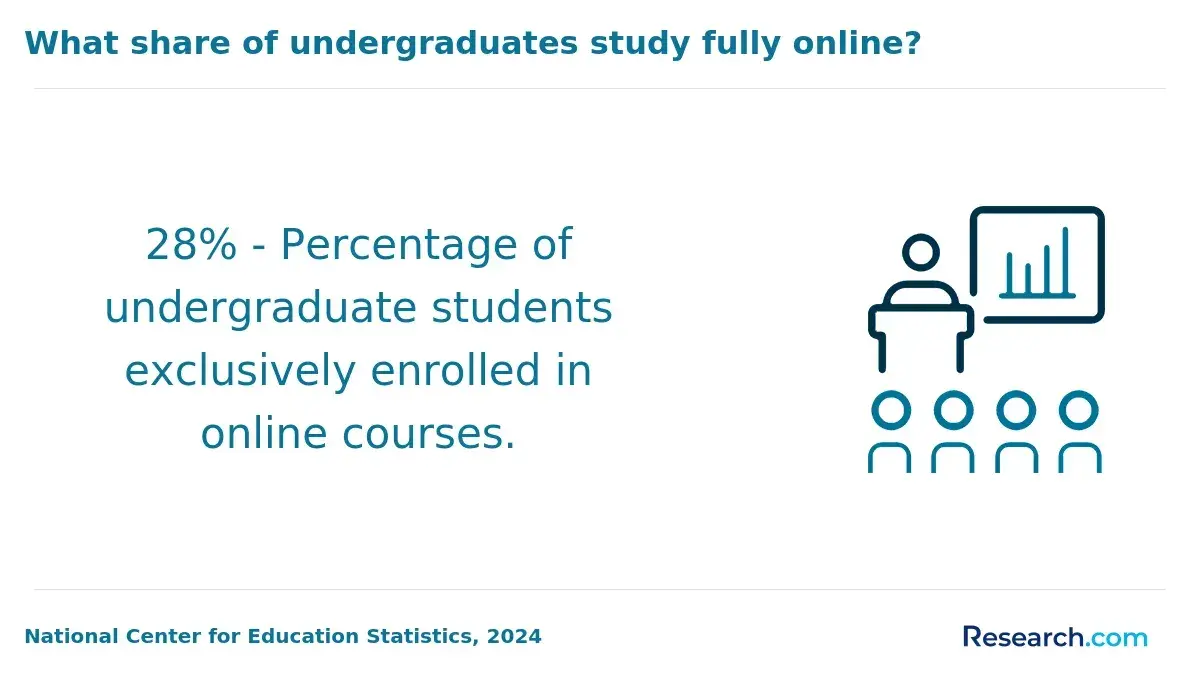
Recent data from the NCES and the OLC indicate that over 60% of adults in degree completion programs opt for fully online formats, while about 25% select hybrid approaches. The COVID-19 pandemic accelerated universities' development of advanced virtual learning platforms, enhancing accessibility and quality across fields like Data Analytics.
Key quality factors to assess include faculty credentials and their experience with online teaching, realistic student-to-faculty ratios to ensure personalized feedback, availability of virtual academic support services such as tutoring and career advising, and confirmation that online programs share the same institutional accreditation as their on-campus counterparts-critical for employer and credential recognition. Institutions combining flexibility with high quality are experiencing enrollment growth among mid-career learners, showing the expanding role of online and hybrid formats in adult education pathways.
How Long Does It Take to Complete a Data Analytics Degree Completion Program?
The time required to complete a data analytics degree completion program varies widely based on several crucial factors-particularly the amount of prior college credit, enrollment intensity, and any fixed-duration components like internships or capstones. Students entering with approximately 60 previously earned credits typically take 1.5 to 2.5 years when studying part-time. Those with closer to 90 credits may finish within 1 to 1.5 years assuming consistent progress. Individuals with substantial prior learning assessments (PLA)-such as ACE-credited military training or professional certifications recognized by the institution-can sometimes accelerate their studies to graduate in under a year.
Key influences on completion speed include:
- Prior Credits: The volume of transfer or PLA credits awarded shapes how many credits remain and therefore the overall timeline to degree completion.
- Enrollment Status: Part-time enrollment generally extends completion time, while full-time or accelerated pacing shortens it-though work and life commitments often limit acceleration feasibility.
- Fixed-Duration Components: Requirements like field experiences or capstone projects have minimum time requirements that cannot be sped up, regardless of academic load.
- Program Structure: Flexible course sequencing and availability of online or hybrid formats help working adults balance responsibilities and progress more efficiently.
Faster completion carries significant financial benefits-reducing overall tuition costs and minimizing opportunity costs from foregone earnings-allowing earlier entry into data analytics careers with salary advancement potential. Prospective students should request in writing each program's average time-to-degree based on their credit profile rather than relying on marketed minimum timelines that typically apply only to well-credited, full-time students.
Evaluating these realistic timelines empowers students to maximize prior learning credit, select employer-recognized programs, access financial aid for working adults, and weigh program quality objectively-ensuring alignment with professional goals, financial realities, and life obligations.
What Accreditation Should a Data Analytics Degree Completion Program Hold?
Regional accreditation is the most widely recognized standard for data analytics degree completion programs accredited by recognized regional accrediting agencies. Agencies such as the Higher Learning Commission (HLC), the Middle States Commission on Higher Education, and the Southern Association of Colleges and Schools Commission on Colleges (SACSCOC) confer this status. Employers, graduate schools, and federal student aid programs typically require regional accreditation, ensuring your degree holds value across career and further education pathways.
National accreditation-granted by organizations like the Distance Education Accrediting Commission (DEAC)-often applies to specialized or vocational schools but is generally regarded as less prestigious. Programs with only national accreditation usually face limitations in credit transferability and may be viewed skeptically by employers and graduate programs, which can restrict professional mobility in data analytics degree completion programs in the United States.
Beyond institutional accreditation, several data analytics programs benefit from program-specific accreditation that confirms academic rigor and industry alignment. For example, ABET accredits engineering and technology-focused programs, while business-oriented tracks may seek recognition from ACBSP or AACSB. Though the Council on Social Work Education (CSWE) is unrelated to data analytics, programmatic accreditation influences eligibility for certain licensures, employer preferences, and graduate admissions.
Beware of degree completion programs offered by institutions with only national accreditation or claims from unrecognized accrediting bodies. Completing such programs risks earning credentials that neither employers nor licensing boards recognize-jeopardizing career prospects and financial investment. To avoid pitfalls, independently verify any college or program's accreditation using the U.S. Department of Education's Database of Accredited Postsecondary Institutions and Programs (DAPIP). Relying solely on marketing materials can be misleading; thorough checks ensure your education meets recognized standards essential for your data analytics career goals.
For those interested in further specialized online education, consider exploring options available at an established blockchain school.
How Much Do Data Analytics Degree Completion Programs Cost, and What Financial Aid Is Available?
Costs for data analytics degree completion programs vary considerably by institution type and credit requirements. Public regional universities typically charge $300 to $500 per credit hour for in-state adult learners, while private nonprofit colleges often range from $600 to $1,200 per credit hour. For-profit institutions generally sit in between but usually add mandatory fees that increase tuition costs by 10-20%. Beyond tuition, expenses such as technology fees, software licenses, textbooks, and occasional in-person residencies or intensives may add $500 to $2,000 annually. These factors shape the overall cost-of-attendance picture from NCES tuition data and College Scorecard net price estimates.
Financial aid options tailored for working adults in data analytics programs help offset these expenses. Pell Grants are available to eligible part-time learners, and many institutions provide scholarships for non-traditional adult students. Military-affiliated individuals can benefit from GI Bill or MyCAA benefits, which cover significant tuition portions. Employer tuition reimbursement programs also reduce out-of-pocket costs-especially when aligned with employee education goals. Completing the FAFSA as an independent adult filer is critical to unlocking federal aid opportunities. For veterans exploring programs, consulting a military online college can provide additional support and credit transfer advantages.
Tax benefits further reduce the financial burden. The Lifetime Learning Credit allows a deduction of up to $2,000 per year on qualified expenses. Additionally, employer-provided educational assistance up to $5,250 annually is excluded from taxable income under IRS Section 127. Consulting a tax professional helps clarify eligibility based on personal income and filing status.
What Career Outcomes Can Working Adults Expect After Completing a Data Analytics Degree?
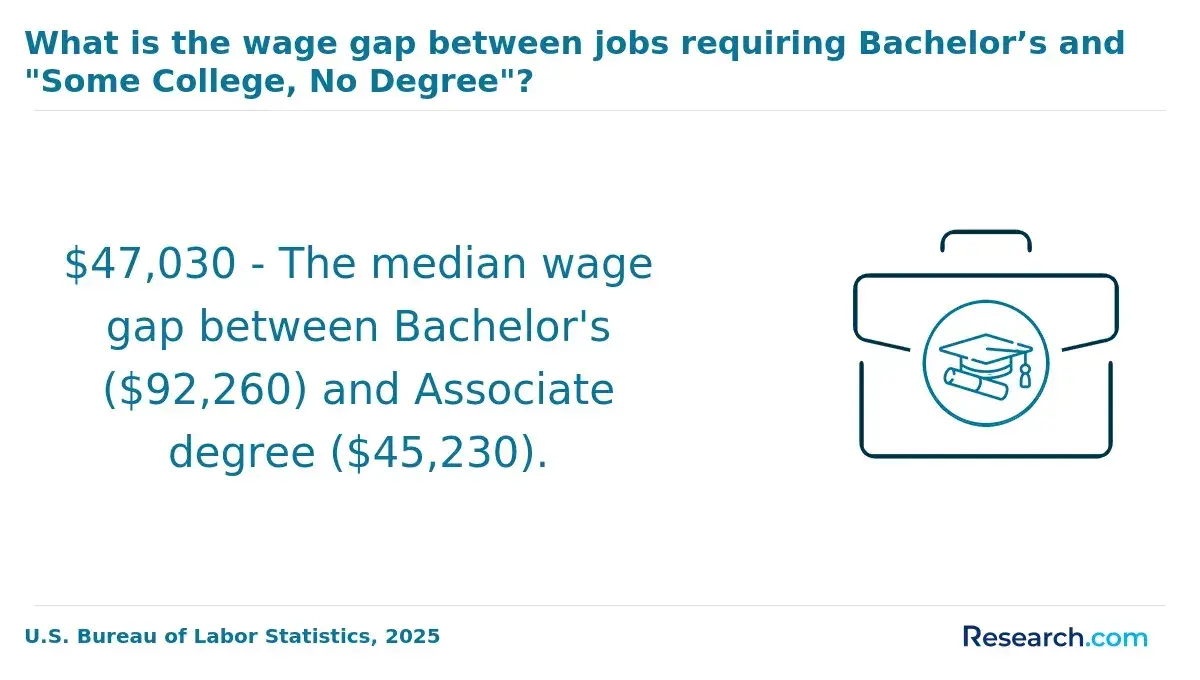
Completing a bachelor's degree in data analytics generally results in a noticeable increase in annual earnings-median figures suggest graduates earn roughly 15 to 25 percent more than those with some college but no degree. This financial benefit stems from enhanced recognition of specialized skills and greater market demand. Many professionals also find that earning this credential opens access to promotion-eligible roles and positions that require formal degrees, including advanced analytics, data science, and managerial paths.
- Career Advancement: Experienced working adults finishing a data analytics degree often bypass entry-level roles, immediately qualifying for senior analyst or project lead positions-leveraging their work history alongside new credentials.
- Salary Premium: Earnings research from institutions like the Georgetown University Center on Education and the Workforce highlights a consistent wage premium for degree completers compared to those without degrees.
- Promotion Eligibility: Degree completion frequently aligns with requirements for credential-gated jobs and increases access to leadership tracks within organizations.
- Credential Alignment: Prospective students targeting licensed roles, managerial positions, or graduate school should verify that their chosen program meets all required standards and accreditation.
- Employment Data Insights: Reliable alumni outcome surveys and institutional research enable informed decisions by providing accurate job placement and wage gain statistics.
- Experience Integration: Combining prior professional experience with degree completion reduces opportunity costs for working adults balancing education and employment.
How Do Employers View a Data Analytics Degree Completed Through a Completion Program?
Employer surveys from the Society for Human Resource Management (SHRM) and the National Association of Colleges and Employers (NACE) reveal that when evaluating candidates, organizations prioritize the accreditation and formal recognition of the institution awarding a data analytics degree-not the pathway through which it was earned or the percentage completed via prior learning assessments (PLA). This means the diploma issued by accredited schools for completion program graduates is indistinguishable from that granted to traditional students, holding equal value in most hiring contexts.
Effective resume presentation involves emphasizing the accredited status of the degree while showcasing specific skills and competencies acquired. Candidates can highlight their program's accelerated or adult-focused structure during interviews to demonstrate attributes like motivation and strong time management.
Certain employment sectors do examine completion pathways more closely, such as federal agencies adhering to Office of Personnel Management (OPM) standards or licensed professions requiring state board approval. Individuals in these fields should verify degree acceptance with human resources or licensing authorities prior to enrollment to avoid surprises.
In contrast, private-sector employers commonly weigh professional experience, relevant skills, and strong references more heavily than degree completion format when hiring for data analytics roles. This underscores that a data analytics completion degree is a legitimate credential that enhances career advancement or transition opportunities-never a lesser substitute for a traditional bachelor's degree.
What Graduates Say About Data Analytics Degree Completion Programs for Working Adults
- Lily: "Choosing a completion program with rigorous accreditation standards made all the difference in my experience-knowing the curriculum met industry expectations gave me confidence in the quality of my education. The scheduling formats were thoughtfully designed to accommodate my full-time job, which helped me stay on track without sacrificing my work commitments. Plus, the clear credit transfer policies meant my previous coursework was valued, shortening my path to graduation significantly."
- Shane: "Reflecting on my journey, I appreciate how cost considerations factored into selecting my data analytics degree-affordable tuition and financial aid options made it accessible without piling on debt. The program's structure-especially its blend of online learning and hands-on projects-felt tailored to adult learners balancing family and career changes. Career outcomes data was transparent, helping me anticipate the real-world benefits and job placement rates before committing."
- Adam: "From a professional standpoint, understanding how completion programs differ structurally from generic degrees played a vital role in my decision. The flexible scheduling formats allowed me to tailor studies around unpredictable work hours, which was invaluable. Moreover, the program's strong emphasis on accredited standards ensured my degree carried weight with employers-something generic programs often lack."
Other Things You Should Know About Data Analytics Degrees
Many data analytics degree completion programs provide tailored support services to accommodate the unique needs of working adults. These often include academic advising, tutoring, and technology assistance. Career counseling and job placement services are also commonly available to help students transition into or advance within the data analytics workforce.
Yes, credits earned in accredited data analytics degree completion programs often transfer to related graduate programs. This is especially true when the undergraduate curriculum aligns with graduate-level prerequisites. Prospective students should verify transfer policies with both institutions to ensure credits are recognized efficiently for further study.
Networking is a critical component of data analytics programs for working adults as it facilitates professional connections and mentorship opportunities. Many programs incorporate group projects, workshops, and alumni events designed to build industry relationships. These connections can lead to job referrals and collaboration in data analytics roles.
In 2027, online learning options for working adults pursuing data analytics degree completion programs include asynchronous courses, live webinars, and self-paced modules. These formats provide flexibility, allowing students to balance their studies with professional and personal responsibilities. Virtual labs and interactive platforms enhance practical skill acquisition.
References
- 10 Best Data Analytics Programs 2026: Beginner to Advanced https://skillifysolutions.com/blogs/data-analytics/best-data-analytics-programs/
- How Long Does It Take to Learn Data Analytics Completely? https://blog.nobledesktop.com/learn/data-analytics/how-long-do-data-analytics-courses-take
- How long does it take to become a data analyst? https://www.analyticsmentor.io/how-long-does-it-take-to-become-a-data-analyst
- How long does it take to complete all courses in the program? - Help Center – 365 Data Science https://365datascience.com/support/how-long-does-it-take-to-complete-the-program/
- Data Analytics degrees in the United States https://www.dataanalyst.com/education
- Data Analyst Degree: Weighing Your Career Options | DataCamp https://www.datacamp.com/blog/data-analyst-degree
- What Is Data Analytics? | Accounting.com https://www.accounting.com/degrees/data-analytics/
- Data Analytics, M.S. (STEM Designated with Day-1 CPT) https://www.mcdaniel.edu/academics/graduate-professional-studies/data-analytics-ms-stem-designated-day-1-cpt
- What Can I Do with a Data Analytics Degree? | University of Bridgeport https://www.bridgeport.edu/news/what-can-you-do-with-data-analytics-degree/
- Online Master of Business Administration MBA Data Analytics - Cairn University https://cairn.edu/data-analytics-masters-hybrid/