2027 Best Online Data Analytics Degrees for Jobs

Co-Founder and Chief Data Scientist
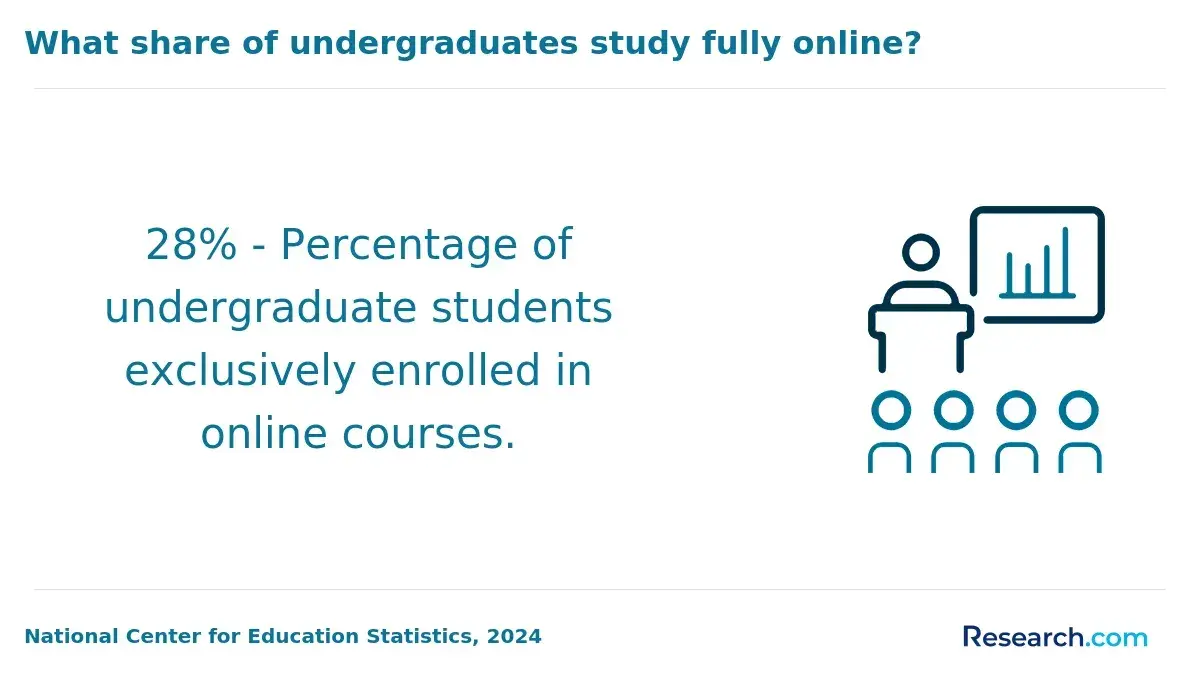
Choosing the right online data analytics degree can feel overwhelming-accreditation standards, curriculum rigor, cost, and career outcomes often vary dramatically. Many students struggle to find programs that balance affordability with practical experience and robust student support. According to the National Center for Education Statistics, only 58% of online degree seekers finish their programs within six years, often due to poor program structure or lack of guidance.
This article reviews top online data analytics degrees through a lens of real-world value-helping prospective students identify programs with proven outcomes and comprehensive support, ultimately empowering informed decisions that align with their career ambitions.
Key Things to Know About the Best Online Data Analytics Degrees for Jobs
- Accreditation by recognized bodies ensures online data analytics degrees meet quality standards-programs with regional or ABET accreditation often yield better employer recognition and graduate outcomes.
- Curriculum rigor matters-comprehensive programs covering statistical methods, machine learning, and big data tools boost job readiness in a competitive market projected to grow 31% by 2030.
- Cost versus return on investment is critical-graduates from affordable online programs average a 15% higher salary uplift within two years, enhancing long-term career advancement prospects.
What Is a Data Analytics Degree, and What Can It Do for Your Career?
Data analytics is a multidisciplinary field focused on extracting meaningful insights from raw data by combining statistical techniques, computational tools, and domain-specific expertise. Professional associations like the Institute for Operations Research and the Management Sciences (INFORMS) emphasize that a data analytics degree equips students with essential skills to collect, process, analyze, and interpret data-skills that directly support effective decision-making across diverse industries. This distinction is important for those seeking the best online data analytics degree programs for career advancement.
These programs develop expertise in several key areas that differentiate data analytics from related disciplines such as data science or business analytics:
- Foundational Knowledge: Statistics, mathematics, programming languages like Python or R, and data wrangling techniques.
- Theoretical Frameworks: Predictive modeling, data visualization, machine learning basics, and data ethics.
- Applied Competencies: Leveraging big data platforms, dashboard creation, and effectively communicating findings to non-technical stakeholders.
Academic credentials range from associate's to doctoral degrees, each matched to distinct career goals and industry demands:
- Associate's Degree: Builds entry-level skills for support roles in data handling and reporting.
- Bachelor's Degree: Provides technical proficiency suitable for analyst positions in finance, healthcare, marketing, and more.
- Master's Degree: Advances expertise for leadership roles and complex problem-solving responsibilities.
- Doctoral Degree: Focuses on research-oriented careers developing new methodologies or academic teaching.
This guide concentrates on the online data analytics degree pathway-an option that offers flexibility and accredited education tailored for recent high school graduates, working adults, military veterans, and professionals aiming for advanced credentials. Readers will find evidence-based criteria for evaluating programs, emphasizing accreditation, curriculum rigor, cost-effectiveness, practical experience, and career outcomes-including identifying some of the highest paying online data analytics degrees in the US.
For those considering cost-effective routes to career growth, programs similar to the cheapest MBA programs demonstrate how affordable online education can unlock new professional opportunities.
How Do Online Data Analytics Degree Programs Compare to Traditional Campus Programs?
Reliable accreditation data confirms that many online data analytics programs versus traditional degrees share the same regional and specialized accreditation, ensuring comparable curriculum depth and academic rigor. These programs often offer identical course content developed by the same expert faculty, covering statistics, programming, data visualization, and machine learning with equivalent complexity and scope.
- Curriculum Depth and Rigor: Both online and campus programs maintain comprehensive curriculum coverage, matching traditional offerings in scope and challenge.
- Faculty Qualifications: Leading online degrees employ instructors with credentials equivalent to those at residential campuses-often PhDs with professional experience-who frequently teach in both formats to uphold quality.
- Student-Faculty Interaction: While campus programs enable spontaneous face-to-face support, online learning leverages scheduled video conferencing, forums, and emails. Strong programs maintain smaller classes and synchronous sessions to promote active engagement.
- Peer Collaboration: Teamwork is encouraged in both delivery modes; online environments rely on digital tools like discussion boards and collaborative software, which can require adjustment but serve effectively once mastered.
- Clinical or Practicum Requirements: Campus programs typically integrate apprenticeships or labs on-site; top online programs establish partnerships with local employers or provide virtual simulations to ensure hands-on experience.
- Employer Perception: Employment outcome surveys show growing acceptance of accredited online degrees in data analytics-especially those recognized for practical skills certifications-enhancing career outcomes of online data analytics degree programs.
- Learner Suitability: Online formats particularly benefit working adults balancing jobs and family, caregivers with mobility challenges, remote workers, and students lacking geographical access to campuses, delivering flexibility without sacrificing quality.
- Limitations and Innovations: Some online students face challenges in self-motivation and networking opportunities; however, leading institutions counter this with cohort models, scheduled virtual meetings, and periodic on-campus residencies to build community and reinforce learning.
For those evaluating their options, it can help to compare with other fields-such as colleges with accelerated psychology programs-to understand how online delivery is transforming diverse disciplines.
What Are the Accreditation Standards That Define a Reputable Online Data Analytics Degree?
Accreditation is essential to ensure an online data analytics degree holds value in the professional and academic arenas. Regional accreditors guarantee an institution's overall quality and integrity, with recognized agencies including Middle States Commission on Higher Education, New England Commission of Higher Education, Higher Learning Commission, Southern Association of Colleges and Schools Commission on Colleges, and Western Association of Schools and Colleges. Attending programs accredited by these bodies often means credits transfer more easily and federal aid eligibility remains intact.
Specific programmatic accreditors focus on the subject area's rigor and relevance. For data analytics, notable accreditors include ABET, covering applied science, engineering, and computing programs with analytics components, and the Accreditation Council for Business Schools and Programs (ACBSP) for business-focused analytics tracks.
Choosing an unaccredited or poorly accredited data analytics program can lead to significant drawbacks-difficulty obtaining professional licenses or certifications, problems transferring coursework when continuing education, and diminished credibility with potential employers. Such risks may result in wasted effort and expenses without the career outcomes students expect.
To confirm a program's accreditation status, prospective students should reference the U.S. Department of Education's database of accredited postsecondary institutions and programs, alongside the Council for Higher Education Accreditation (CHEA) directory, which lists widely accepted accrediting organizations.
Ultimately, accreditation must serve as a firm foundation when evaluating online data analytics degrees-never sacrificed for lower cost or convenience.
Which Types of Data Analytics Degrees Are Available Online-Bachelor's, Master's, or Doctoral?
Exploring the various online data analytics degree programs can help aspiring professionals find the right path to enhance their skills and advance their careers. Whether you're interested in earning a bachelor's, master's, or doctoral degree, online options provide flexible opportunities to study data analytics from anywhere.
- Associate's Degrees: These two-year online programs suit newcomers or those seeking foundational skills in data analytics. Typically requiring only a high school diploma or GED, they prepare students for entry-level roles such as data technician or analyst aide. Salaries tend to be lower, but the programs offer an affordable, accessible start for recent high school graduates or career changers.
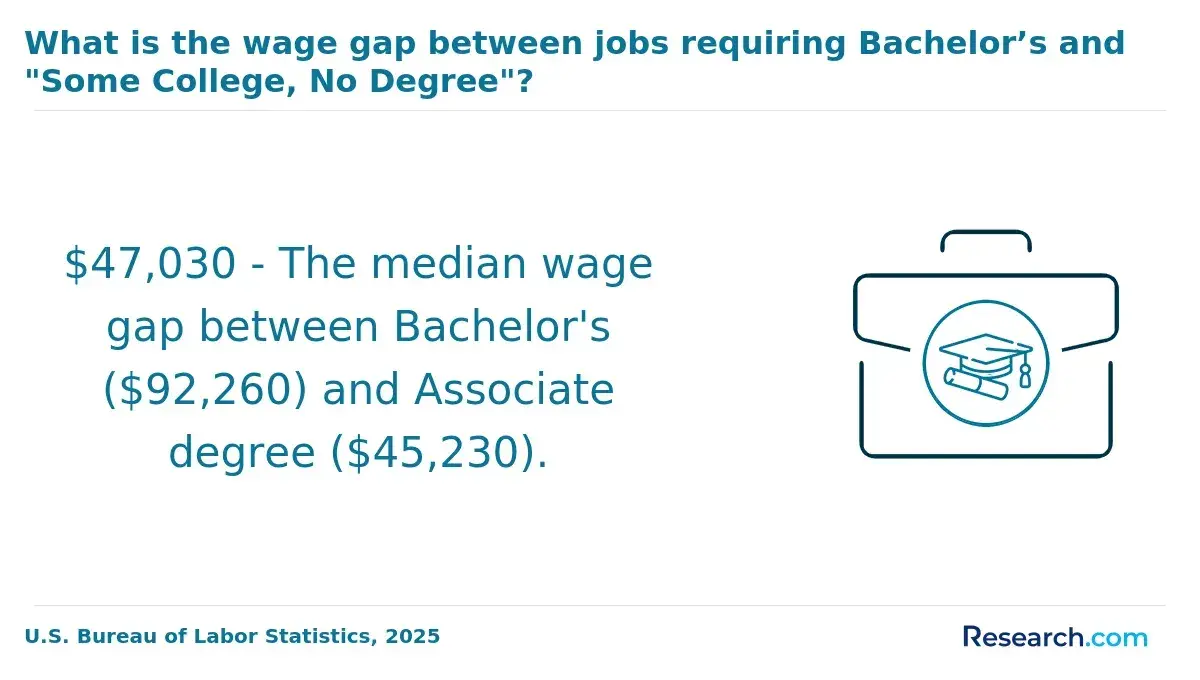
- Bachelor's Degrees and Bachelor's Completion Programs: Four-year bachelor's degrees deliver in-depth knowledge across analytics, programming, and statistics. Completion programs target working adults with some college credits or an associate degree, allowing flexible online study. Graduates often qualify for data specialist or analyst roles with greater earning potential. High school completion or prior college experience is usually required.
- Master's Degrees: Designed for those advancing expertise or changing fields, these programs demand a bachelor's degree and sometimes work experience. Lasting about two years, they emphasize advanced analytics, machine learning, and leadership skills, opening doors to data scientist or management roles.
- Doctoral Programs: PhD or similar degrees focus on research and teaching, attracting students with a master's and research background. These 3-5 year online programs prepare professionals for academic careers or senior leadership in data science.
- Post-Baccalaureate Certificates: Short-term credentials target professionals wanting to enhance skills without committing to a full degree. Many certificates stack towards bachelor's or master's degrees, fostering career advancement through flexible pathways.
Completion times align with credential type-about 2 years for associate's, 4 for bachelor's, 2 for master's, and up to 5 for doctoral programs. IPEDS data reveal better completion rates in structured bachelor's and master's programs compared to certificates or doctoral tracks, reflecting varying student commitments and life situations.
Students must assess accreditation, curriculum rigor, costs, and career outcomes to identify the best online data analytics degrees for career advancement. For those comparing education investments, resources like the online construction management degree cost article offer useful cost perspectives that can inform broader decisions.
What Is the Typical Cost of an Online Data Analytics Degree, and How Can You Finance It?
Tuition costs for an online data analytics degree fluctuate significantly based on the institution's status and residency. Public universities charge in-state students between $6,000 and $15,000 for the full program, while out-of-state attendees often face fees from $15,000 to $30,000.
Private nonprofit schools generally range from $20,000 to $50,000, with for-profit colleges typically aligning with or exceeding that range. Beyond tuition, students should factor in mandatory technology fees, expenses for course materials, and potential travel or lodging costs for limited on-campus sessions or proctored exams.
- Federal Financial Aid: Many students qualify for Pell Grants, offering need-based funding that does not require repayment. Federal loans-both subsidized and unsubsidized-provide lower interest rates and flexible repayment options compared to private loans. Veterans and military members may also apply benefits from the GI Bill or other Department of Veterans Affairs programs to offset tuition and living costs.
- Scholarships: Numerous scholarships target learners in data analytics, often distributed by industry groups like the Institute for Operations Research and the Management Sciences (INFORMS) or state workforce organizations. Additionally, colleges frequently award merit-based scholarships that can substantially decrease overall expenses.
- Cost Comparison Tools: Prospective students are encouraged to use resources such as the College Scorecard's net price calculator to assess actual out-of-pocket costs. This approach offers a clearer comparison than relying solely on listed tuition prices, helping candidates make financially informed choices.
How Long Does It Take to Complete an Online Data Analytics Degree Program?
Many aspiring data analysts and professionals are wondering how long it typically takes to complete an online data analytics degree program. The duration can vary widely depending on the program structure, the student's pace, and the level of degree pursued. Understanding the typical timeline can help prospective students plan their education and career paths more effectively.
- Degree Level: Associate degrees generally span about two years of full-time study, while bachelor's programs take around four years. Master's degrees usually last 18-24 months, and doctoral paths vary widely-often between three and six years-based on research demands and dissertation progress.
- Enrollment Status: Students attending full-time tend to finish sooner than those enrolled part-time. Part-time options cater well to working adults but may extend the degree timeline by multiple years, depending on course availability and individual schedules.
- Transfer Credits: Accepting transferred credits from previous colleges or relevant certifications can shorten completion times significantly, sometimes by an entire academic year-especially when moving from associate to bachelor's programs.
- Accelerated and Year-Round Formats: Several programs offer faster-paced delivery through summer or winter courses. Year-round enrollment-with fewer or no traditional breaks-enables motivated students to advance more rapidly toward graduation.
- Competency-Based Progression: Some online programs allow advancement based on demonstrated skills instead of earning fixed credit hours, helping those with prior knowledge or professional expertise finish sooner.
- Prior Learning Assessment (PLA): PLA credits recognize existing experience-such as military service or work history-letting students bypass foundational courses and decrease their overall program length.
- Program Length Limits: Be mindful of minimum and maximum time constraints established by programs. Exceeding these limits can impact financial aid eligibility under satisfactory academic progress (SAP) rules set by accrediting agencies and funders.
- Average Completion Time: Beyond stated program durations, accredited online Data Analytics degrees report average completion times that consider varied enrollment patterns and student backgrounds-offering a more realistic timeline for planning purposes.
What Core Curriculum and Coursework Should a Quality Online Data Analytics Program Include?
High-quality online Data Analytics programs distinguish themselves through comprehensive core courses and integrative learning sequences that align with standards published by key accrediting bodies such as INFORMS and the International Institute of Business Analysis. These programs cover essential competencies that equip graduates with practical, job-ready skills.
- Core Competencies: Proficiency in statistics, predictive modeling, and data visualization is foundational, combined with expertise in database technologies like SQL to manage large data sets effectively.
- Programming and Tools: Training includes hands-on use of industry-standard languages such as Python and R, along with tools like Tableau, ensuring students meet modern workplace demands.
- Applied Learning: Capstone projects or integrative experiences mirror real-world challenges, enabling students to synthesize knowledge and demonstrate their problem-solving and critical thinking abilities.
- Curriculum Currency: Leading programs maintain relevance through documented curriculum review cycles, often guided by industry advisory boards that incorporate emerging analytics methodologies and evolving regulatory standards.
- Measurable Outcomes: Graduates should be able to analyze complex data sets, communicate insights clearly, and make data-driven decisions-outcomes employers value highly across various sectors.
- Industry Alignment: Incorporation of case studies, internships, or business collaborations exposes students to current tools and authentic data challenges.
- Transparency: Prospective students are encouraged to request detailed course sequences, syllabi, and outcomes maps rather than relying solely on program marketing materials to evaluate rigor and relevance.
Employment in data-related fields is projected to grow 36% from 2021 to 2031 according to the Bureau of Labor Statistics-significantly outpacing average growth and underscoring the value of a thorough, current education in Data Analytics.
Which Online Data Analytics Programs Offer the Best Return on Investment for Working Adults?
Working adults seeking an online data analytics degree that maximizes return on investment (ROI) should focus on programs that balance cost with strong career outcomes. Public universities with competitive tuition rates and robust employer partnerships consistently produce graduates who secure employment quickly and earn higher median salaries relative to program expenses.
These institutions often offer in-state tuition reciprocity agreements, which significantly reduce costs for nonresident students across multiple states-critical for cost-conscious working adults.
- Cost Efficiency: Tuition and fees at public universities typically offer the best ROI when combined with in-state reciprocity, making quality education more accessible to working adults pursuing career advancement.
- Employment Outcomes: High graduate employment rates and strong median salaries at six and ten years after enrollment serve as reliable indicators of program value-data analytics degrees that align with growing industry demand produce more favorable financial returns.
- Loan Default Rates: Programs with low student loan default rates suggest graduates experience stable financial outcomes, which is essential information for those weighing debt against the value of their degree.
- Employer Tuition Reimbursement: Many working adults benefit substantially from employer-sponsored tuition reimbursement programs. Partnerships between schools and major employers help reduce direct education costs and enhance ROI by lessening students' financial burden.
- Scholarships and Financial Aid: Availability of merit-based scholarships-especially for nontraditional, veteran, or military students-can lower total expenses, further enhancing the degree's investment potential.
- Curriculum Rigor and Accreditation: Accredited online data analytics programs ensure rigorous, relevant coursework that equips graduates with the skills employers demand, supporting competitive salaries and career growth.
- Career Support Infrastructure: Dedicated career counseling, internship placement, and active alumni networks facilitate smoother transitions into roles that justify program costs and contribute to long-term career success.
When comparing top online data analytics degrees for career advancement, prospective students should look beyond institutional prestige and rankings. Instead, closely examining program-specific outcome metrics-including median earnings several years post-enrollment and employment rates-provides a more accurate picture of long-term value. Financial factors such as tuition reciprocity, employer tuition assistance, and scholarship opportunities can dramatically improve ROI, aligning with individual financial needs and career ambitions.
For those balancing work and education commitments, selecting a program backed by strong employer networks and verifiable outcomes is key. Students interested in related fields may also consider a sports management degree online as part of their broader education planning.
What Admissions Requirements Do the Top Online Data Analytics Programs Typically Require?
Admissions requirements for competitive online data analytics degree admissions criteria vary widely depending on the institution's selectivity and degree level. Graduate programs at research universities typically uphold higher standards than community colleges or open-enrollment offerings.
- Minimum GPA: Most selective master's programs expect at least a 3.0 cumulative GPA on a 4.0 scale from prior undergraduate work. Applicants with lower GPAs may be considered if they present strong professional experience or other compensating factors. Community colleges and some certificate programs often have more flexible GPA criteria.
- Standardized Tests: Many graduate data analytics programs have adopted test-optional policies, so the GRE or GMAT is not universally required. However, strong scores can enhance candidacy for selective programs. Because policies may change annually, prospective students should verify each program's current stance before applying.
- Letters of Recommendation: Competitive programs typically require two to three letters from faculty, supervisors, or industry professionals who can attest to the applicant's technical skills, analytical abilities, and graduate-level readiness.
- Personal Statement: A well-crafted statement outlining motivation, career goals, relevant experience, and program alignment is vital to differentiate candidates in selective application pools.
- Professional Experience: While not always mandatory, premier graduate programs often prefer applicants with work experience in data-related fields to demonstrate practical understanding and preparedness for advanced study.
- Prerequisite Coursework: Applicants lacking background in data analytics or related disciplines-such as mathematics, statistics, computer science, or economics-may need to complete foundational courses before enrolling fully to keep pace with graduate curriculum demands.
Admissions requirements vary significantly across program tiers-from open-entry options prioritizing accessibility to selective programs emphasizing academic rigor and professional readiness. Prospective students can better identify their best fit by honestly assessing their credentials and experience against these expectations. Direct contact with admissions advisors is strongly recommended for the most current requirements, as test policies, GPA minimums, and prerequisites can shift each cycle.
Working adults exploring online data analytics degree admissions criteria will benefit from comparing programs by credibility and outcomes-just as those interested in affordable online masters counseling programs can find targeted insights at affordable online masters counseling programs.
What Career Paths and Job Titles Are Available to Online Data Analytics Degree Graduates?
Graduates with online data analytics degrees have access to diverse career opportunities across many industries-positions range from entry-level to highly specialized roles requiring advanced education or certifications. Entry points typically include roles such as data analyst, where professionals utilize analytical skills to interpret datasets and support strategic decision-making.
With experience and additional credentials, opportunities expand to fields like business intelligence analysis, data science, and data engineering, each demanding deeper technical expertise in areas like machine learning, predictive modeling, or data pipeline architecture.
- Data Analyst: Often suitable for bachelor's degree holders, these roles involve organizing and evaluating data to reveal trends that guide business strategies.
- Business Intelligence Analyst: Focuses on converting raw data into actionable business insights, collaborating with management to optimize operations and profitability.
- Data Scientist: Typically requires graduate education, blending statistics, programming, and domain knowledge to develop complex models that predict future outcomes.
- Data Engineer: Responsible for creating and maintaining robust data systems that enable seamless data access and processing.
- Management Analyst: Combines analytics with business strategy to recommend changes that improve organizational performance-this is often a mid-career advancement.
- Healthcare Data Analyst: Works within medical settings analyzing clinical data to enhance patient outcomes and health services management.
- Marketing Analyst: Uses consumer data to refine advertising strategies and boost customer engagement.
Across sectors like finance, healthcare, technology, government, retail, and consulting, data analytics graduates find abundant roles reflecting the growing reliance on data-driven strategies. Typical career progression begins in foundational data analysis roles, advancing over five to ten years to senior analyst, data scientist, or leadership positions. Many professionals also shift laterally into specialized areas such as cybersecurity analytics or user experience research to diversify skills or pursue new interests.
Individuals transitioning from related disciplines-such as computer science, statistics, or business-often leverage their background by obtaining targeted certifications in tools like SQL, Python, or Tableau to enter data analytics roles. This flexibility enables career pivots and upskilling while capitalizing on existing expertise.
A degree in data analytics provides a versatile foundation-combining technical knowledge and critical thinking-that supports long-term growth across multiple industries and evolving job markets.
What Is the Salary Outlook for Professionals with an Online Data Analytics Degree?
Professionals with online data analytics degrees generally benefit from strong salary potential, driven by the rising demand for expertise in interpreting and leveraging data across industries. Salary outcomes fluctuate based on several factors including education level, work experience, industry, and location.
- Degree Level: Individuals with bachelor's degrees in data analytics typically earn median salaries between $60,000 and $85,000 per year. Graduates holding master's degrees or specialized certifications often command starting salaries above $90,000, especially when combined with advanced technical skills.
- Experience: Entry-level analysts with under three years of experience tend to earn salaries near the median range, while those with five to ten years or more frequently exceed six figures. Senior positions such as data scientist or analytics manager roles commonly surpass $110,000 annually.
- Industry Sector: Technology, finance, and healthcare sectors usually offer the most competitive pay, reflecting their heavy reliance on data-driven decision-making. Conversely, fields like retail, education, and government tend to have lower average compensation but may offer other non-monetary benefits.
- Geographic Market: High-cost metropolitan areas including San Francisco, New York, and Seattle generally provide higher salaries in response to talent competition and living expenses. Smaller or less densely populated regions may offer reduced wages balanced against remote work possibilities.
- Specialization: Professionals concentrating on machine learning, artificial intelligence, or big data engineering often receive enhanced compensation compared to those in broader analytical roles.
- Professional Certifications: Credentials such as Certified Analytics Professional (CAP), Microsoft Certified: Data Analyst Associate, and Google Data Analytics Certificate contribute to significant salary premiums. Online graduates can leverage these certifications to validate skills and boost income trajectories post-degree.
- Salary Projections: Robust employment growth is expected in the data analytics field over the next decade, with rising salary trends continuing as organizations increasingly depend on data insights for strategic decisions.
Potential candidates should regularly consult updated labor market resources to capture evolving compensation figures and ensure realistic expectations when evaluating prospective data analytics programs or career paths.
What Graduates Say About the Best Online Data Analytics Degrees for Jobs
- Callahan: "Choosing a program with strong accreditation standards was a game-changer for me-it ensured the degree was recognized by employers, which boosted my confidence during job applications. The curriculum rigor was balanced yet challenging, pushing me to develop both technical skills and critical thinking. Plus, the cost was reasonable compared to other options, making the return on investment truly worthwhile."
- Saul: "Reflecting on my experience, the student support infrastructure stood out as the most valuable aspect of my online data analytics degree. From accessible advisors to peer forums, it felt like there was always someone ready to help. The practical experience requirements also meant I graduated with real-world projects under my belt, which employers found impressive."
- Adam: "Professionally speaking, the career outcomes after completing the program exceeded my expectations-many peers landed roles in top companies soon after graduation. The curriculum rigor was intense but relevant, equipping me with up-to-date skills needed in the fast-evolving data analytics field. Overall, the investment in quality education clearly paid off in tangible career growth."
Other Things You Should Know About Data Analytics Degrees
The top online data analytics programs focus on developing strong technical skills in data manipulation, statistical analysis, and data visualization. Graduates typically gain proficiency in programming languages like Python and R, experience with tools such as Tableau or Power BI, and a solid understanding of database management. Critical thinking and problem-solving abilities are also emphasized to help students interpret complex datasets effectively for real-world business applications.
Many online data analytics programs incorporate practicum or internship components to provide hands-on experience with real data sets and industry projects. These opportunities are often arranged through partnerships with businesses or organizations and may offer remote placements suited to distance learners. Students must complete a certain number of hours or projects to demonstrate practical application skills, which improves job readiness and strengthens resumes.
Leading programs offer robust student support services including academic advising, career counseling, and technical help tailored for online learners. Networking opportunities may include virtual career fairs, alumni connections, and professional development workshops. Access to faculty with industry experience and peer collaboration platforms helps students build practical knowledge and professional relationships essential for career advancement.
References
- The Data Analytics Course Fees: Pricing, Costs & Analysis - IABAC https://iabac.org/blog/the-data-analytics-course-fees
- Online Degree vs. Traditional: Choosing the Right Path https://beal.edu/online-degree-vs-traditional/
- Full-time Online Master's in Data Analytics / Data Science Programs https://www.onlineeducation.com/analytics/faqs/full-time-data-analytics-data-science-programs
- Data Analytics Courses vs. Degrees: Best Path in 2023 https://www.fctraining.co.uk/data-analytics-courses-vs-degree-programs
- Data Analytics Program Running Costs: $168k Monthly Budget https://financialmodelslab.com/blogs/operating-costs/data-analytics-training
- Data Analyst Degree: Weighing Your Career Options | DataCamp https://www.datacamp.com/blog/data-analyst-degree
- Certified Data Analyst CPDA Specification https://www.datascienceinstitute.net/certified-data-analyst-cpda-specification
- Best Online and Offline Data Analytics Courses With Practical Projects | Skillio https://helloskillio.com/best-online-offline-data-analytics-courses-with-practical-projects/
- Admission Requirements https://business.laverne.edu/masters-in-data-analytics/requirements/
- Data career paths: 2026 job guide https://www.pluralsight.com/resources/blog/ai-and-data/data-career-guide