2027 Clinical Research Nurse Workday: Patient Mix, Responsibilities, and Teamwork
Audited and Verified:
Our Editorial and Data Verification Process
Research.com uses government datasets, official education statistics and primary institutional information to support its career and degree guides. Our review process checks factual accuracy, occupational definitions, source dates and the requirements associated with the credentials discussed.
How This Article Was Fact-Checked
Our editorial team verifies salary estimates, employment projections, education requirements and program information against original data providers and official organizations. Salary figures are checked against the relevant occupational definitions and reporting periods. Information about licensure, accreditation and required in-person training is reviewed separately.
Fact-checked and verified on:

Co-Founder and Chief Data Scientist
A clinical research nurse may spend the morning assessing a trial participant and the afternoon resolving a safety question with an investigator. For nursing students and RNs considering this career, the appeal is clear - but so is the need to understand how much of the job is patient care, protocol coordination, and documentation. This guide follows a realistic workday, explains who research nurses care for and work with, and shows which education and experience choices can help you enter the field without pursuing an unnecessary degree.
Key Things You Should Know
- A research nurse combines RN assessment and patient education with protocol-specific visits, safety monitoring, and precise trial documentation; the mix changes by study and site.
- Participants may be healthy volunteers or people managing acute, chronic, or serious illness. A scheduled visit can involve multiple assessments, specimens, and follow-up tasks rather than a conventional bedside assignment.
- RN licensure is the usual starting credential for a nursing role; no single research-nursing certification is universally required. Clinical experience and supervised study-specific training often matter more than another degree.
What does a clinical research nurse do during a typical workday?
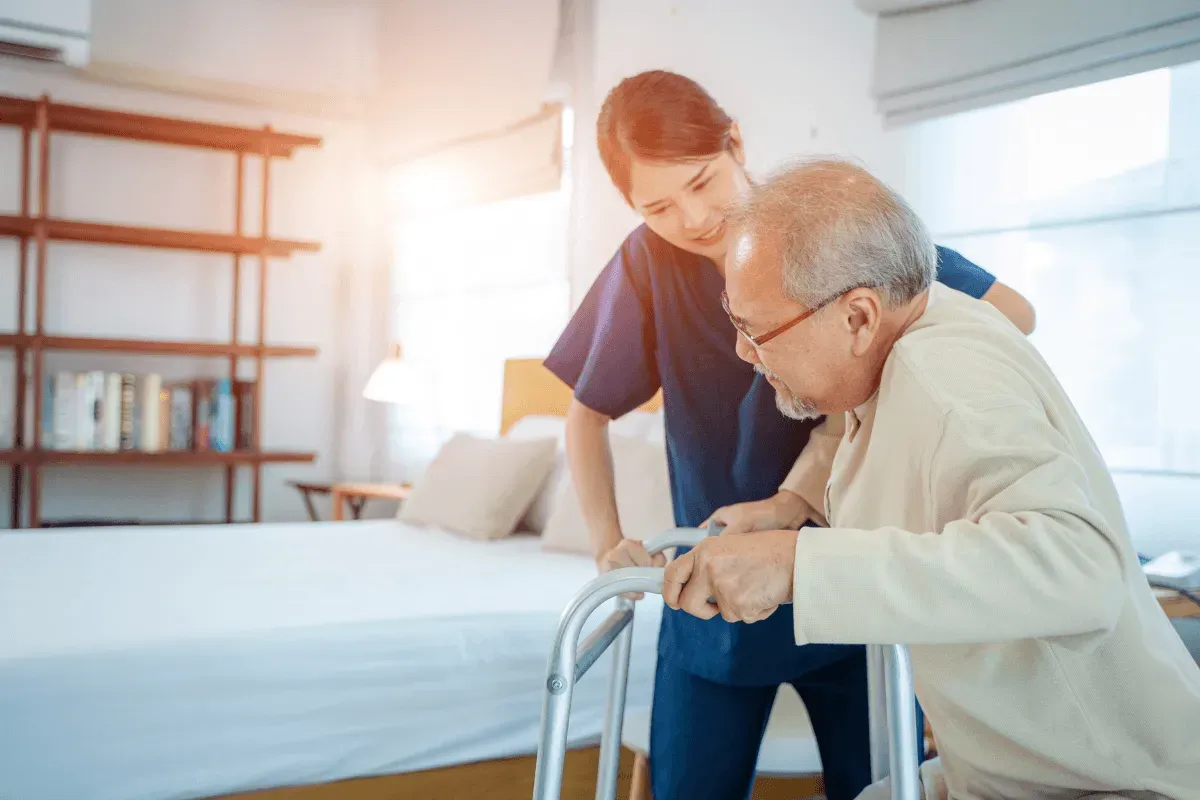
A clinical research nurse is an RN who cares for people participating in research while helping a study follow its approved protocol. A typical day is organized around scheduled visits, enrollment activity, and unexpected safety needs - not simply a fixed number of assigned patients.
The nurse might review visit requirements and laboratory results, confirm that a participant is ready for a study procedure, perform nursing assessments, collect or coordinate specimens, administer an investigational treatment when authorized, and watch for adverse events. Later work may include answering participant calls, documenting findings in the health record and study systems, and arranging follow-up. The protocol specifies research activities, but it does not replace nursing judgment, medication safeguards, or site policy.
Workload depends on visit complexity. A nurse could see several participants for brief follow-ups or spend much of a shift with one participant receiving an investigational infusion. Ask prospective employers how many studies and visits one nurse typically manages, who handles scheduling and data entry, and what happens when a participant needs urgent clinical care. For an RN balancing work with school, RN-to-BSN programs without traditional clinical rotations may be worth comparing, but program schedules and any required on-site activities still need checking.
What types of patients do clinical research nurses care for?
The patient mix follows the site's studies. A cancer center may see people receiving complex investigational treatments; an outpatient clinic might follow participants with diabetes or heart disease; a behavioral health study may involve people with psychiatric conditions. Some early studies enroll healthy volunteers. Participants also vary in age, mobility, language needs, illness severity, and familiarity with research.
Unlike a general unit census, a research nurse's caseload is shaped by eligibility criteria and visit schedules. One participant may need frequent monitoring after treatment; another may return months later for an assessment. Nurses must respond to the person's clinical needs even when an issue is unrelated to the study, while recognizing when protocol questions need investigator review.
Choose experience that matches the populations you hope to serve. Oncology, pediatrics, and behavioral health research can each call for different assessment skills and onboarding. If your goal is to diagnose and treat psychiatric patients rather than support their participation in studies, that is a separate advanced practice decision; psychiatric NP tuition comparisons address a different education and cost pathway.
How do clinical research nurses support clinical trial teams?
Research nurses connect participants' clinical needs with the work of investigators, coordinators, pharmacists, laboratory staff, and data teams. Their contribution is not merely keeping visits on schedule: they recognize changes in condition, communicate concerns promptly, and help ensure that clinical observations are recorded accurately.
The principal investigator is responsible for the trial's conduct and medical oversight. Depending on delegated duties and site policy, a research nurse may help explain study procedures, support the consent process, assess symptoms, administer treatment, and report potential adverse events. The nurse should escalate a safety concern rather than assume a protocol dictates the clinical response. Coordinators may manage recruitment, scheduling, and study records, although duties overlap and job titles vary by employer.
When evaluating a position, ask who makes eligibility and treatment decisions, who is available for urgent escalation, and how delegated tasks are documented. An NP serving as an investigator or treating clinician has different preparation and authority from an RN research nurse; one-year family nursing advanced practice options should not be mistaken for required preparation for this RN role.
For positions that involve RN assessment and treatment, employers generally expect graduation from an RN-qualifying nursing program and an active RN license. They may prefer a BSN and experience with the relevant patient population, especially for medically complex trials. A research-specific nursing degree is not a universal entry requirement.
Clinical experience helps translate a protocol into safe care: recognizing a concerning symptom, explaining a procedure clearly, documenting an assessment, and escalating a change in condition. New graduates should look closely at orientation and supervision rather than assume that classroom research coursework makes them ready to manage visits independently. Employers can teach protocol workflows, but they must also assess nursing competencies for assigned duties.
If you already hold a bachelor's degree outside nursing, starting nursing education after another career requires a prelicensure route - not simply research training or an online postlicensure degree. Conversely, someone seeking research coordination without RN-level patient care may find non-nursing research roles a more direct fit.
The usual sequence is to complete a nursing program that meets the applicable state's requirements, establish eligibility with the state board of nursing, pass the NCLEX-RN, and receive an RN license. Graduation, permission to test, passing the exam, and holding an active license are separate steps. Applicants should confirm the board's current rules, including any background-check or application requirements, before choosing a program.
Clinical research nursing has no separate state RN license. An RN must still practice within the applicable nurse practice act, employer policies, and documented study responsibilities. A study's delegation log does not authorize tasks outside nursing scope or substitute for demonstrated competency.
For second-degree applicants, ABSN options for second-degree applicants may provide an initial RN-education route. Before enrolling, verify prerequisites, clinical attendance requirements, state-board eligibility, and whether the program serves your intended licensing state.
The most direct educational choice depends on whether you are becoming an RN or are already licensed. The comparison below separates initial licensure routes from later academic advancement; none replaces employer orientation to a specific study.
| Starting point | Relevant pathway | Research-career consideration |
| Not yet an RN | Prelicensure ADN/ASN or BSN | Both can lead toward RN licensure when state requirements are met; check whether target employers prefer a BSN. |
| RN with an associate degree | RN-to-BSN | May meet a stated BSN preference while building on existing licensure; it does not confer a second RN license. |
| Experienced RN seeking research leadership or scholarship | Role-aligned graduate study, if needed | Compare the actual job requirements before committing to an MSN, DNP, or research-focused PhD. |
An ADN-prepared RN need not assume graduate school is the next step. If a target role calls for a bachelor's degree, an RN-to-BSN route may be more proportionate than master's nursing study after an ADN. If it calls primarily for protocol experience, targeted training and a supported research position may be more useful than another degree.
Core nursing study supplies the foundation: health assessment, pathophysiology, pharmacology, patient education, clinical judgment, and documentation. Research-related coursework can add study design, evidence appraisal, statistics, ethics, and data quality. These subjects help a nurse understand why a protocol specifies certain measurements and why an incomplete or late record can affect interpretation.
Coursework is not a substitute for site-specific preparation. Before taking on study duties, a nurse needs training in the approved protocol, safety reporting, investigational-product procedures where applicable, privacy practices, and the site's systems. Ask an employer which tasks are taught, observed, and checked during orientation.
Advanced study can be valuable for a different goal, such as leading practice improvement or conducting independent research. DNP program options beyond new clinical licensure concern practice-focused doctoral work; they are not a standard prerequisite for participant-facing research nursing. A research-focused PhD likewise serves a different objective from learning to conduct trial visits safely.
No single specialty certification is universally required to work as a clinical research nurse. Employers may require study-specific training, documented competencies, and training in research ethics or good clinical practice. Experienced professionals can also consider credentials offered by research-certification organizations, but eligibility and value depend on the exact credential and employer.
Check a job posting before paying for an exam: identify whether certification is required or preferred, whether your work history meets the awarding organization's current eligibility rules, and whether the credential matches nursing duties or a broader coordinator role. Certification does not expand an RN's legal scope or replace orientation to a new protocol.
Do not confuse research credentials with advanced practice preparation. For example, planning an accelerated PMHNP certificate addresses a psychiatric NP pathway with distinct education, certification, and state requirements - not a shortcut into research nursing.
Research nurses work in academic medical centers, hospitals, cancer centers, specialty clinics, dedicated research units, and other organizations conducting clinical studies. A job titled "clinical research nurse" may emphasize direct care, while another may combine nursing with substantial coordination. Read the duties, not just the title.
New graduates may find that postings request experience in oncology, critical care, ambulatory care, or another study-relevant specialty. A clinical unit with active trials, a research-unit orientation program, or a supported entry-level position can help bridge that gap. Ask about preceptors, investigator availability, after-hours coverage, and the balance between participant care and administrative work.
If your intended workplace goal is independent psychiatric treatment rather than trial nursing, fast-track psychiatric NP MSN study is a separate route to evaluate. A research-nurse job does not itself qualify an RN for NP practice.
What salary and job outlook can clinical research nurses expect?
There is no single dependable national salary figure for clinical research nurses because the title can cover different RN and research-coordination duties. The U.S. Bureau of Labor Statistics reports wages and employment projections for the broader registered nurse occupation, not a separate clinical research nurse category. Those figures provide RN labor-market context, but they should not be presented as a research-nurse offer or a new graduate's expected pay.
For a useful comparison, review local postings with similar duties and check base pay alongside shift expectations, on-call coverage, benefits, and advancement opportunities. A position with a regular visit schedule may be attractive, but a higher-acuity research unit or study requiring after-hours follow-up can have different demands. Compare offers against the pay and experience you would gain in your current clinical specialty.
Additional education deserves the same scrutiny. If you are comparing this RN career with advanced practice, consider tuition and time out of work as well as possible earnings; cost comparisons across online NP pathways are relevant to that separate decision, not evidence that graduate study raises research-nurse pay.
Other Things You Should Know About Nursing
Some do, especially when treatment, monitoring, or participant calls cannot wait. Other positions follow weekday clinic hours. Ask for the actual visit schedule and on-call expectations.
Some documentation, follow-up, or coordination tasks may be remote, but positions involving assessments, treatments, or specimens usually require on-site work. Confirm which duties the employer permits remotely.
The nurse should respect the participant's decision, communicate it to the study team, and help arrange any appropriate safety follow-up under the approved study procedures. Participation is voluntary.
Speak with a research nurse at your institution, review local postings, and ask to observe an approved research-unit workflow if available. Compare the amount of patient contact, documentation, scheduling, and safety responsibility with what you enjoy in your current role.
- Nursing Responsibilities in Clinical Research - PMC - NIH https://pmc.ncbi.nlm.nih.gov/articles/PMC2792873/
- Clinical Research Nurse Roles | nih.gov https://www.cc.nih.gov/nursing/careers/roles
- Guidance for Industry | fda.gov https://www.fda.gov/media/77765/download
- Learn About Studies | clinicaltrials.gov https://clinicaltrials.gov/study-basics/learn-about-studies
- Care Coordination | Agency for Healthcare Research and Quality https://www.ahrq.gov/ncepcr/care/coordination.html
- Clinical Recruitment Guidelines | wisc.edu https://irb.wisc.edu/manual/investigator-manual/conducting-human-participant-research/recruitment-guidelines/clinical-recruitment-guidelines/
- Research Nurse: Career Guide, Salary & How to Become One | RegisteredNursing.org https://www.registerednursing.org/specialty/research-nurse/