2027 Choosing an Online Data Science Master's for a Career in Property and Casualty Insurance

Co-Founder and Chief Data Scientist
Choosing an online data science master's for property and casualty (P&C) insurance means looking beyond a program's name. An insurer needs analysts who can model losses, work with imperfect claims data, and explain results that affect pricing or claims decisions.
For insurance professionals considering a move into data science - and data scientists targeting insurers - the best choice depends on the role you want, the methods you need to learn, and whether a program lets you demonstrate those skills. This guide shows how to compare programs against that goal.
Key Things You Should Know
- Prioritize programs with strong statistics, programming, model evaluation, and a substantial project; an insurance-labeled elective is useful but not a substitute for technical depth.
- A data science master's is not universally required for P&C analytics jobs, and it does not replace actuarial credentials when an employer requires them.
- The U.S. Bureau of Labor Statistics reports a $120,230 median annual wage for data scientists in May 2025; that figure covers all industries, not P&C graduates or insurance-specific roles.
What Is an Online Data Science Master's for Property and Casualty Insurance?
It is typically a general data science or analytics graduate degree applied to insurance problems - not a distinct credential required by the P&C industry. The relevant work includes forecasting claim frequency and severity, detecting potentially fraudulent claims, assessing catastrophe exposure, and improving claims workflows. These tasks combine statistical modeling with messy policy, claims, geographic, and sometimes image or text data.
The connection between a course and an insurance job is easier to assess through a concrete problem. The examples below describe applications, not courses that every program offers.
| P&C problem | Data and analytical challenge | Relevant graduate preparation |
| Pricing and loss modeling | Policies, exposures, claims, and uneven loss experience | Regression, probability, statistical inference, and model validation |
| Claims triage | Structured records alongside adjuster notes or images | Data engineering, machine learning, and evaluation of decision errors |
| Catastrophe exposure | Property locations and hazard-related data | Spatial analysis, uncertainty, and reproducible data pipelines |
In each case, a technically impressive model is only useful if the analyst can explain its limitations and the consequences of using it.
Is a Data Science Master's Required for Insurance Data Science Careers?
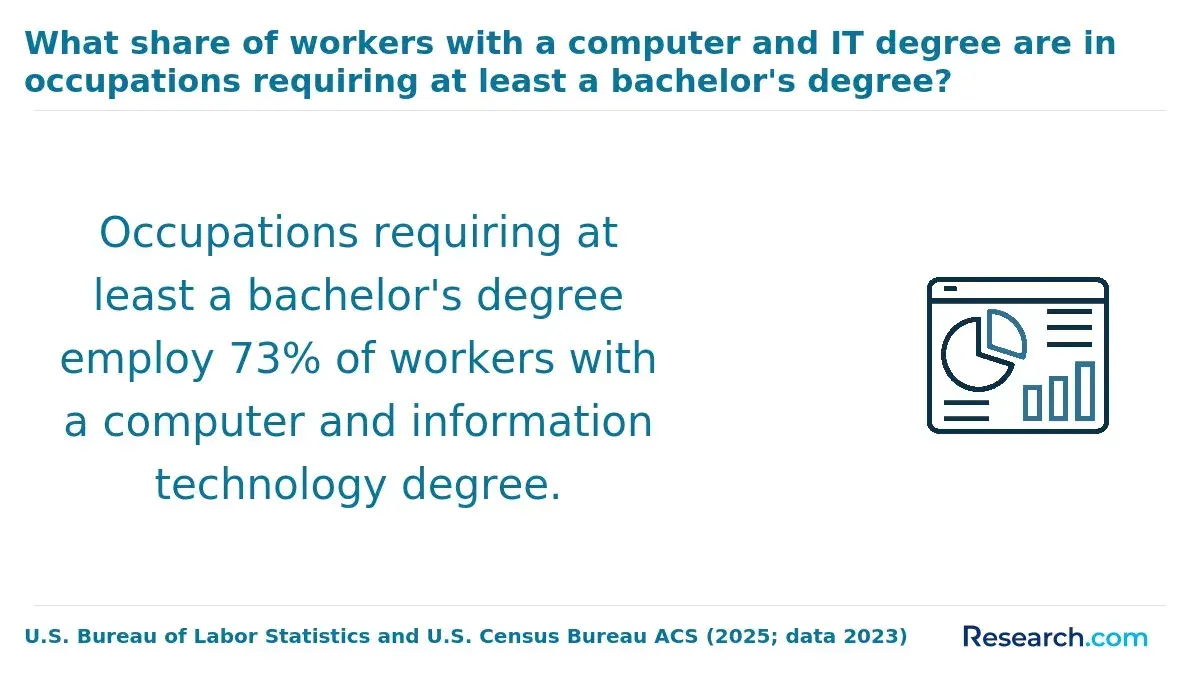
No single degree is required across insurance data science roles. Employers set their own education and experience requirements, and relevant programming, statistics, insurance knowledge, and completed projects may provide evidence of readiness without a master's. A degree can be more valuable when it fills a specific gap - for example, an experienced claims analyst who needs deeper modeling and software skills, or a technical applicant who needs a structured way to develop applied statistical judgment.
Before enrolling, compare job descriptions for the roles you would actually pursue with your current skills. If your main gap is a limited set of tools, shorter training and work-based projects may be more proportionate than a full degree. If the gap spans statistical foundations, computing, and supervised project work, a master's may be easier to justify. For a broader comparison of degree pathways and roles, see choosing a data science degree for data career opportunities.
Which Online Data Science Master's Programs Are Best for P&C Insurance?
There is no defensible universal winner: the best program depends on whether you want to build predictive models, engineer claims-data systems, or follow an actuarial path. A school's published degree title alone cannot establish its P&C value. Compare current catalogs and course descriptions, then ask whether a student can complete a substantial, insurance-relevant project.
Use the following checks to narrow a shortlist; they separate meaningful preparation from an appealing list of course titles.
- For pricing or risk modeling: Look for rigorous probability, regression, uncertainty, and model diagnostics. Check whether electives allow deeper statistical work.
- For claims or fraud analytics: Look for databases, data pipelines, machine learning, and ways to evaluate models when costly errors matter.
- For insurer-wide data science: Check for teamwork, reproducible projects, and instruction on communicating results and model limitations to nontechnical stakeholders.
- For any target role: Confirm the current elective schedule, project rules, online availability, total required credits, and whether faculty supervision supports your proposed topic.
Artificial intelligence can be relevant to claims documents and imagery, but an AI-heavy title is not automatically a better insurance choice than sound statistical training. If that is your trade-off, online artificial intelligence master's value comparisons provide another lens; judge any option against the same P&C role and project criteria.
How Do Online and Campus-Based Data Science Programs Compare?
Choose online study if keeping your current insurance job lets you apply coursework immediately and the program's schedule, group work, and assessments fit your availability. Campus study may be more suitable if you want regular in-person access to peers, faculty, or local recruiting. Neither format proves greater technical rigor; compare required courses and project expectations rather than delivery labels.
Ask online programs which activities are live, whether exams require scheduled proctoring, and whether any campus visits are required. A particularly useful option for employed P&C students is a project policy that permits an employer-sponsored problem without requiring confidential data to be published.
What Courses Should You Take for Insurance Data Science?
Build the core around probability and statistical inference, regression, SQL and databases, Python or R, machine learning, and model evaluation. For pricing work, exposure, claim frequency, claim severity, and uncertainty matter more than simply knowing how to run a prediction package. For claims operations, data engineering and careful treatment of text, images, or missing records may matter more.
Read syllabi where available: a passing insurance example is not the same as an assessed project, and one machine-learning course is not the same as advanced elective depth. Look for assignments requiring a baseline model, justified validation design, error analysis, and an explanation of how a decision-maker would use the result. If you are weighing a narrower technical degree against a broader one, explore online ML master's programs below $20,000, then check whether their statistics and applied-project options match your insurance goal.
Projects involving pricing or claims should also address data privacy, potential unfair outcomes, and the limits of historical data. Requirements for a production insurance model vary by employer, product, and jurisdiction; coursework should prepare you to ask those questions, not imply that a class project is ready for deployment.
What Are the Admission Requirements for an Online Data Science Master's?
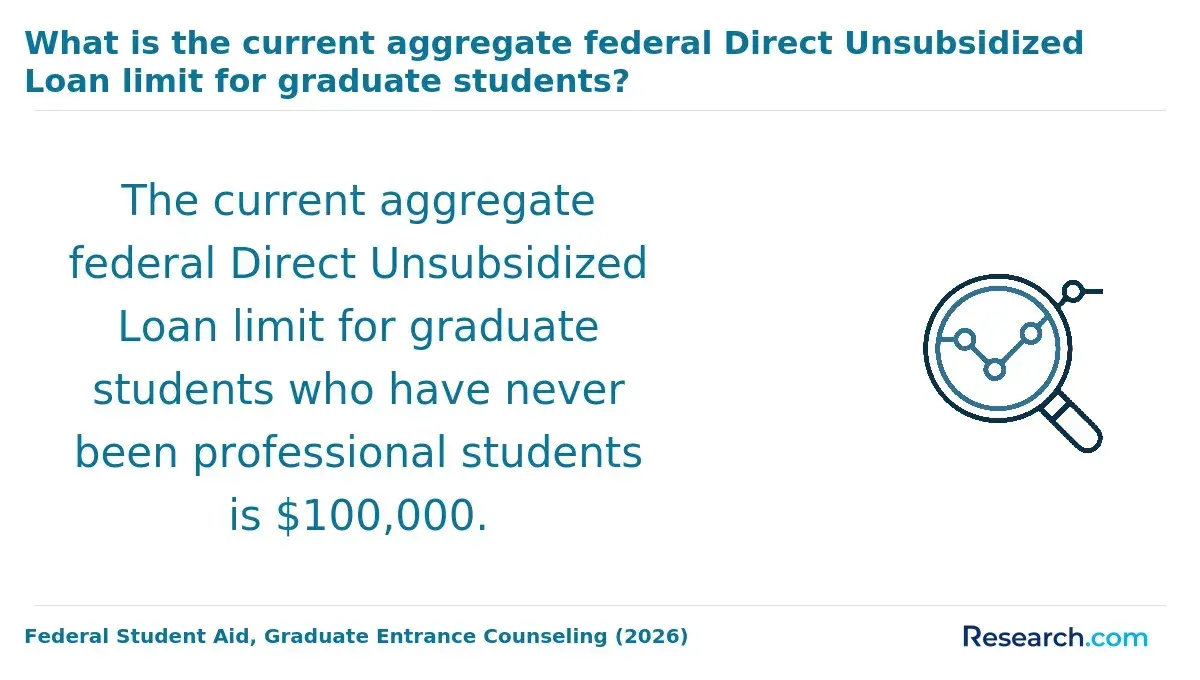
Requirements vary by institution. Programs may ask for a bachelor's degree, transcripts, evidence of quantitative preparation, programming experience, recommendations, or a statement of purpose; do not assume that every program requires - or waives - any one item. Check the current admissions page and ask whether prerequisite courses must appear for credit on a transcript.
An insurance applicant can use a statement or project to show domain experience, but domain knowledge does not automatically replace calculus, linear algebra, statistics, or coding preparation. Conversely, a computer science background does not automatically supply experience with insurance losses or regulated business decisions. If you have a gap, distinguish a course taken for formal prerequisite credit from self-study that prepares you for the work but may not satisfy an admissions rule.
How Long Does an Online Data Science Master's Take and Cost?
There is no reliable single duration or price for online programs: credit requirements, course load, residency-based rates, and fees differ. Compare each school's current tuition schedule and degree requirements using the same assumed enrollment pace. Part-time study may preserve income but extend the period over which you pay fees; faster study may reduce that period while increasing pressure on your work schedule.
Build a comparable estimate for every finalist from these components, rather than comparing one advertised tuition figure with another school's full cost.
- Required credits multiplied by the applicable per-credit tuition, or the published program tuition if charged differently.
- Mandatory university, online, technology, and graduation fees, plus any tuition changes that could affect later terms.
- Books or software not supplied, required travel or proctoring, and interest if you plan to borrow.
- Employer tuition assistance and any conditions attached to reimbursement, such as grades or continued employment.
Ask for a term-by-term estimate at the pace you can sustain and verify financial-aid eligibility with the institution. Affordable online MS in data science options can help form an initial shortlist, but confirm current charges directly before treating any quoted price as your total cost.
What Jobs Can You Get With a Data Science Master's in P&C Insurance?
Potential targets include insurance data scientist, pricing analyst, claims analytics specialist, fraud analytics analyst, and catastrophe or exposure analytics roles. Titles differ by employer. A master's can support an application, but it does not guarantee entry into a role or replace experience with insurance data and decisions.
For a career move, build a project around a recognizable P&C question: define the decision, explain the data and its limitations, compare a simple baseline with a more complex method, and show how errors would affect the business. Use public, synthetic, or properly authorized data. When comparing job postings, note whether a role emphasizes statistical modeling, software delivery, insurance expertise, or actuarial credentials; apply to the roles that match the evidence you can show. The BLS projects 35% growth in U.S. data scientist employment from 2025 to 2035, but that occupation-wide projection is not a forecast of openings at P&C insurers.
How Much Do Insurance Data Scientists and Actuaries Earn?
The BLS reports a median annual wage of $120,230 for U.S. data scientists in May 2025. That is a benchmark for the occupation across industries and experience levels - not a starting salary, an insurance-specific median, or an outcome attributable to a master's. Pay for an insurance role will also reflect responsibilities, location, prior experience, and employer.
Do not assume the data scientist figure applies to actuaries: they are a different occupation, and a comparable current actuarial wage figure is not established here. For either path, compare current BLS occupation data and actual postings for your target location and seniority before estimating a potential salary change. Salary comparisons for data science career sectors can provide additional context, but sector averages cannot predict an individual offer or establish that a degree caused higher pay.
Do P&C Insurance Data Scientists Need Actuarial Certifications?
Not necessarily. A data scientist working on claims workflows, fraud detection, or data infrastructure may not need an actuarial credential. Pricing and reserving positions designated as actuarial may expect progress toward, or completion of, credentials relevant to P&C practice; the exact requirement belongs to the employer and role.
Choose the actuarial route if you want positions whose responsibilities and advancement depend on actuarial examinations and professional standards. Choose a data science master's primarily for broader modeling, computing, and analytics preparation. If you want both, check job postings before committing to a degree: a master's is not a substitute for required examinations, and exam preparation is not a substitute for the technical project experience a data science role may expect.
Other Things You Should Know About Data Science
Only with the employer's permission and within the program's data-handling rules. Ask about de-identification, storage, publication, and who can view the finished work before proposing the project.
Use public or synthetic data and state its limitations. A clearly evaluated model with honest assumptions is more useful evidence than a realistic-looking project whose data you cannot explain or share.
Not automatically. Licensing depends on the duties and jurisdiction, not the fact that an employer is an insurer. Check the job description and applicable state requirements if the position includes activities involving insurance sales.
Describe your contribution, methods, and results only at a level your employer permits. Do not submit policyholder information, proprietary code, or restricted business results without authorization.
References
- Cost of Attendance (Budget) | 2025-2026 Federal Student Aid Handbook https://fsapartners.ed.gov/knowledge-center/fsa-handbook/2025-2026/vol3/ch2-cost-attendance-budget
- Online MS in Data Science | Master's Program | Hopkins EP https://ep.jhu.edu/programs/data-science/
- How to Apply - Data Science & Analytics - Buffalo State https://dataanalytics.buffalostate.edu/how-apply
- What Is a Capstone Project? - Boston University Questrom https://www.bu.edu/questrom/blog/what-is-a-capstone-project/
- What preparations do I need for graduate education? | Statistics & Data Science Graduate Interdisciplinary Program https://stat.arizona.edu/what-preparations-do-i-need-graduate-education
- Capstone Projects - UVA School of Data Science https://datascience.virginia.edu/degrees/info/capstone-projects
- Delivery & Modality Definitions | South University https://catalog.southuniversity.edu/delivery-modality-definitions
- Definitions of Instructional Delivery Types/Course Delivery Options | Morgan Community College https://catalog.morgancc.edu/definitions-of-instructional-delivery-types-course-delivery-options