2027 Choosing an Online Data Science Master's for a Career in Industrial Robotics

Co-Founder and Chief Data Scientist
An online data science master's can prepare you to analyze the data industrial robots generate, but it may not teach you to design or control the robots themselves. If you work in manufacturing, engineering, or software - or hope to enter the field - the choice depends on the work you want to do.
This guide shows how to assess curricula, projects, online access, and costs so you can choose a program that supports a realistic robotics career goal.
Key Things You Should Know
- Choose a data science master's for roles centered on sensor data, predictive maintenance, computer vision, or production analytics; choose a robotics or engineering degree if your goal is robot control or hardware design.
- Look for substantial work with time-series data, machine learning, deployment, and a robotics-relevant project - not merely a course description that mentions automation.
- The U.S. Bureau of Labor Statistics reports a $120,230 median annual wage for data scientists in May 2025, but that is a national occupational figure, not an industrial robotics salary or a graduate outcome.
What Is Data Science's Role in Industrial Robotics?
Industrial robots produce data about motion, equipment condition, inspection results, and production. Data scientists can use those records to detect faults, forecast maintenance needs, identify visual defects, or measure whether a process change improved throughput. The work is not just model building: a useful result must fit the factory's sensors, operating constraints, and human decision process.
The table distinguishes common data-science applications from the operational questions a program project should confront.
| Application | Typical data | Question that makes the analysis useful |
| Predictive maintenance | Vibration, current, temperature, and maintenance logs | Can a warning arrive early enough to schedule service without excessive false alarms? |
| Visual inspection | Camera images and defect labels | How often does the system miss a costly defect under changing lighting or product conditions? |
| Production optimization | Cycle times, downtime events, and quality records | Does a proposed change improve the whole process rather than one robot's performance? |
A model's accuracy alone cannot establish that it is safe to act on. Production decisions may require engineering review, testing, and defined fallback procedures. Treat anyone promising that a general machine-learning course alone prepares graduates to deploy autonomous factory controls with caution.
Is an Online Data Science Master's Good for Robotics Careers?
Yes, if the target job is to turn robotics and manufacturing data into reliable predictions or decisions. It is a less direct route to mechanical design, motion planning, embedded controls, or systems integration. For those goals, compare robotics, electrical engineering, mechanical engineering, and computer science curricula before committing to a data science degree.
Existing experience matters. A manufacturing engineer may bring process knowledge but need stronger programming and statistical modeling; a software developer may need exposure to sensors, equipment failures, and production constraints. A master's can fill substantial gaps, but an applicant with the necessary technical foundation may be able to test this career direction first through a work project. If your interests lie more in operational reporting than model development, master's degree programs in data analytics are another route to compare.
Before applying, select two or three job descriptions you would pursue. If they emphasize machine learning on equipment or image data, assess data science programs. If they emphasize robot programming and control systems, a data science credential alone is unlikely to be the closest match.
Which Courses Should an Online Robotics-Focused Data Science Master's Include?
Prioritize depth that supports an end-to-end project, rather than a catalog with many promising course titles. Ask for syllabi and recent project examples to distinguish a brief mention of industrial AI from sustained technical work.
These curriculum features matter most because they address different stages of a robotics-data problem:
- Statistics and experimental design: Evaluate noisy measurements, rare failures, uncertainty, and whether a process change actually helped.
- Machine learning and time-series analysis: Work with equipment signals, changing operating conditions, and fault prediction.
- Computer vision: Study image labeling, model evaluation, and inspection under realistic variation if vision roles are a goal.
- Data engineering and deployment: Prepare sensor data, maintain pipelines, monitor models, and deliver results to people or systems that can use them.
- Substantial applied project: Define a manufacturing problem, assess data quality, compare a baseline with a model, and explain operational limitations.
Deployment deserves particular scrutiny: a strong model is of limited use if data cannot reach it reliably. You can compare AI master's degrees with data engineering content when a data science program offers little pipeline or production-systems work. Neither degree title, by itself, proves access to industrial equipment or robotics-focused faculty.
What Admission Requirements Do Online Data Science Master's Programs Have?
Requirements vary by institution. Programs may review undergraduate preparation, quantitative coursework, programming experience, transcripts, recommendations, and a statement of purpose; some set specific prerequisites. Check each program's current admissions policy rather than assuming that engineering experience substitutes for a required course - or that a nonengineering bachelor's degree rules you out.
For this career goal, assess readiness in programming, calculus or linear algebra where required, probability, and working with imperfect datasets. An automation professional might document projects involving equipment data; a career changer might build a small sensor or image-analysis project. Such work can demonstrate preparation, but it fulfills a formal prerequisite only if the program says it does. Applicants missing foundational coursework can investigate AI master's routes with additional preparation alongside data science options.
How Do Online and Campus-Based Data Science Master's Programs Compare?
The better format is the one that gives you access to the learning and projects you need while fitting your employment and location. "Online" does not necessarily mean self-paced or entirely remote; confirm live-session times, group-work expectations, exams, and any campus visits directly with the program.
This comparison highlights the access trade-off most relevant to industrial robotics.
| Consideration | Online program | Campus-based program |
| Work and schedule | May allow continued employment, subject to course scheduling | May offer more in-person contact but require commuting or relocation |
| Physical equipment | Access depends on remote labs, employer facilities, or optional visits | May offer on-site labs; availability still depends on the program |
| Project connections | May be strongest when a student can use an employer-approved problem | May provide easier access to campus teams or local facilities |
If you already work near production equipment, online study may let you apply coursework without leaving your job. If hands-on robot access is essential and unavailable through your employer, a campus program with verified lab access may be worth the disruption. Employed applicants can also review program selection for employed data science master's applicants when comparing scheduling demands.
How Long Do Online Data Science Master's Programs Take and Cost?
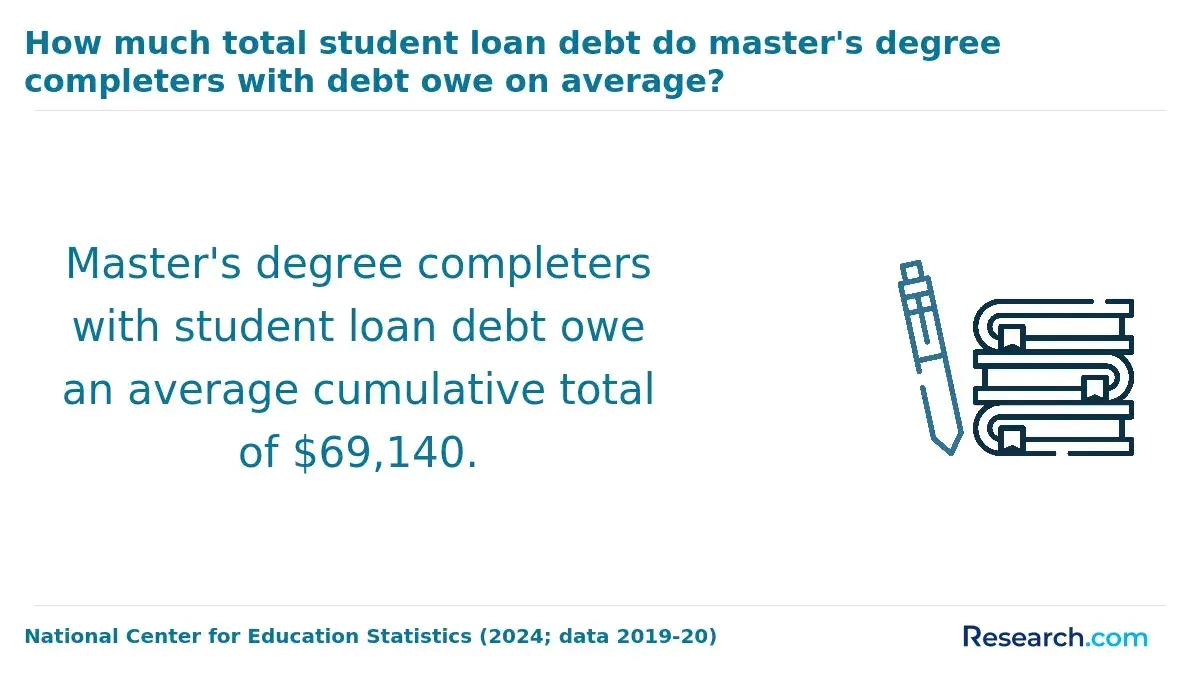
There is no reliable single duration or price for online data science master's programs. Both depend on required credits, course load, tuition rules, fees, and whether needed courses are offered when you can take them. A published per-credit rate is not a total-degree price.
Request a written, program-specific estimate covering required tuition and fees, likely materials or computing costs, and any travel. Ask how the estimate changes if you study part time, need preparatory courses, or take longer than planned. If you will remain employed, weigh the value of keeping your income against the demands of studying while working; check whether your employer offers tuition assistance and what conditions apply.
For a robotics goal, compare the total cost with the cost of obtaining the missing skills and project experience by other means. Do not calculate a return on investment by treating a future salary - or the national data scientist median - as income caused by the degree.
How Can You Verify a Data Science Master's Program's Accreditation?
Start with the institution's accreditation, then check the exact program and your place of residence. Institutional accreditation does not establish that a program teaches industrial robotics, and permission to enroll online can depend on where you live.
Use these checks before paying a deposit:
- Find the institution's stated accreditor and confirm its current status through the accreditor or the U.S. Department of Education's accreditation records.
- Confirm that the online master's is awarded by that institution; ask separately about any program-specific accreditation claims.
- Ask the school whether it can enroll students residing in your state and whether the degree includes any in-person requirements.
Do not mistake a university's reputation, a robotics lab elsewhere on campus, or a third-party course platform for evidence about the particular online degree.
Which Jobs Can You Get With a Data Science Master's in Robotics?
Potential targets include manufacturing data scientist, predictive-maintenance analyst, computer-vision engineer, and machine-learning engineer working on industrial data. Titles vary by employer: inspect responsibilities and required skills rather than searching only for jobs with "robotics" in the title.
A data science master's is most persuasive for these roles when paired with evidence of relevant work: for example, a project that handles sensor drift, compares fault-detection methods, and explains the cost of missed failures. Roles responsible for robot controls or safety-critical system design may require engineering expertise the degree does not provide. Job access also depends on prior experience and employer requirements; no program can promise placement in robotics.
For a career changer, access to practitioners can help identify suitable entry points and project problems. When evaluating networking support, examine actual mentoring and employer connections rather than assuming a large alumni base guarantees referrals. The same question applies when exploring AI graduate study and access to alumni networks.
What Salary Can Data Science Professionals in Industrial Robotics Expect?
The U.S. Bureau of Labor Statistics reports that data scientists earned a median annual wage of $120,230 in May 2025. That benchmark covers data scientists across industries, not specifically industrial robotics, and it does not predict a new graduate's offer. Experience, job duties, location, and employer can materially change pay.
BLS also projects 35% employment growth for data scientists from 2025 to 2035. This indicates broad demand for the occupation, not that industrial robotics employers will grow at the same rate or prefer master's graduates. To judge a program's career value, compare current postings for your target roles with its curriculum and any outcome figures the school can substantiate.
What Certifications Help Data Scientists Advance in Industrial Robotics?
No single certification is required across industrial robotics data-science jobs. A relevant cloud machine-learning or data-engineering certification may help demonstrate familiarity with tools an employer uses, while employer-approved industrial safety training may matter for work near production equipment. Neither replaces the degree's technical depth, site-specific training, or evidence that you can solve a manufacturing problem.
Choose an optional credential only after checking target job postings and the technology used by your employer or prospective employers. Be wary of paying for a generic "robotics AI" certificate without a clear syllabus, assessed project, or connection to the work you want.
Other Things You Should Know About Data Science
No. A well-documented project using suitable sensor, maintenance, or inspection data can demonstrate useful skills. Be explicit about what the dataset represents and what you could not test on physical equipment.
Only with appropriate permission. Employment agreements, customer commitments, and security rules may restrict even anonymized data. If permission is unavailable, publish your methods using data you are authorized to share.
Actual faults can differ from training examples, and sensors or operating conditions can change. Evaluate missed faults and false alarms under conditions that resemble the intended use, not just a single overall accuracy score.
No. A clearly defined problem, defensible analysis, honest evaluation, and reproducible results can make a strong academic or portfolio project. Confirm the chosen program's project requirements separately.
References
- Accreditation in the U.S. | ed.gov http://www.ed.gov/laws-and-policy/higher-education-laws-and-policy/college-accreditation/accreditation-in-the-us
- Cost of Attendance (Budget) | 2025-2026 Federal Student Aid Handbook https://fsapartners.ed.gov/knowledge-center/fsa-handbook/2025-2026/vol3/ch2-cost-attendance-budget
- Master of Science in Autonomy | Innovative Learning https://www.purdue.edu/online/program/master-of-science-in-autonomy/
- What You Can Do with a Master's in Data Science and Artificial Intelligence | Harvard Extension School https://extension.harvard.edu/blog/what-you-can-do-with-a-masters-in-data-science-and-artificial-intelligence/
- Robotics Academic Programs | Robotics Institute Carnegie Mellon University https://www.ri.cmu.edu/ri-education/
- Data Science vs AI: Which Master's Degree Is Right for You? | CSP Global Concordia University, ST. Paul https://online.csp.edu/resources/article/masters-data-science-vs-artificial-intelligence/
- What Can You Do with a Master's Degree in Data Science? | UCLA MSOL Data Science https://www.msol.ucla.edu/data-science-engineering/articles/what-can-you-do-with-masters-degree-data-science/
- Robotics & Autonomous Systems | Master of Engineering https://www.meng.ucla.edu/autonomous-systems/
- Robotics and Autonomous Systems (Artificial Intelligence), MS | ASU Degree Search https://degrees.asu.edu/masters-phd/major/ASU00/ESRASAIMS/robotics-and-autonomous-systems-artificial-intelligence-ms
- What Can You Do With a Master's in Data Science? | WU https://willamette.edu/academics/computing/data-science/career-options