2027 Cheapest Online Materials Science & Engineering Master's Degrees That Pay Well: Tuition, Duration, and Earnings

Co-Founder and Chief Data Scientist
Many prospective graduate students hesitate to pursue an online materials science & engineering master's degree due to concerns about high tuition costs and uncertain return on investment. With average program lengths varying from one to three years, balancing affordability and duration becomes critical for working professionals aiming to boost their earnings quickly. Industry data shows that graduates of online master's programs in this field can achieve a median salary increase of 15% within two years of completion. This article examines the cheapest online materials science & engineering master's degrees, outlining tuition, program duration, and potential earnings to guide cost-conscious students toward the best ROI options.
Key Things to Know About the Cheapest Online Materials Science & Engineering Master's Degrees That Pay Well
- Online materials science & engineering master's degrees often cost between $10,000 and $30,000, offering affordable access compared to traditional programs.
- Many programs can be completed in 1.5 to 2 years, enabling quicker entry into advanced engineering roles.
- Graduates see median salaries exceeding $90,000 annually, reflecting strong industry demand and return on investment for affordable online degrees.
How Much Does an Online Materials Science & Engineering Master's Degree Cost?
Graduate tuition for online materials science & engineering master's programs generally ranges between $15,000 and $40,000, reflecting notable variation among institutions. Understanding the average tuition cost for online materials science & engineering master's degree programs helps students make informed choices aligned with their financial and career goals. This pricing range corresponds with broader trends seen in graduate education, where online master's degrees often balance affordability with flexible access for working professionals. Those seeking the most affordable online materials science & engineering master's programs in the US should also consider how factors like residency and school type influence costs.
Public universities tend to charge significantly less for in-state students, with tuition typically between $15,000 and $25,000, while out-of-state fees can be two to three times higher. Private institutions usually set a uniform tuition rate for all students, often exceeding $30,000 due to program specialization or resources. This pricing structure makes comparing costs essential when evaluating potential programs. For further guidance on affordable graduate options, prospective students can explore cheapest SLP master's programs, which offer insight into competitive tuition strategies across disciplines.
What Fees Are Included in the Total Cost of an Online Materials Science & Engineering Master's Program?
Evaluating the full cost of an online materials science & engineering master's degree requires looking beyond just tuition. Additional fees can significantly influence the total price and impact financial planning. Below is a breakdown of common fees you should consider when reviewing tuition and fees breakdown for online materials science & engineering master's programs.
- Technology Fees: These fees cover access to online learning platforms, specialized software, and digital libraries essential for remote coursework and research. They ensure that students have the necessary tools to engage fully with course materials.
- Course or Lab Fees: Because materials science & engineering often involves specialized labs or simulations, additional charges may apply to cover the costs of these unique resources and hands-on experiences.
- Registration and Administrative Fees: These fees pay for enrollment processing, student support services, and administrative costs that keep the program operating smoothly.
- Library Fees: These allow students to access extensive academic journals, databases, and research tools critical to the advanced study and successful completion of their degree.
Being aware of these additional expenses included in total cost of materials science & engineering master's degrees online can help students budget more effectively and avoid unexpected charges. For those seeking accelerated paths, exploring options such as 1 year MSW programs online no BSW may offer insights into streamlined graduate study timelines, though tailored to a different field.
How Long Does It Take to Complete an Online Materials Science & Engineering Master's Degree?
Knowing how long it takes to finish an online materials science & engineering master's degree is vital for those balancing education with work and finances. Data shows that around 60% of online graduate students complete their studies within three years. Several key factors influence these timelines, including the following:
- Enrollment Status: Students attending full-time typically graduate more quickly, while part-time learners benefit from flexibility but may require additional semesters to finish their programs.
- Accelerated Tracks: Some institutions offer intensified courses allowing students to complete their degrees in 12 to 18 months, helping ambitious learners reduce overall time but demanding a heavier workload.
- Course Availability: The timing and frequency of offered classes affect progress; programs with regular course rotations or asynchronous options enable faster advancement.
- Research Requirements: Completing a thesis or capstone project can extend program length depending on individual pacing and the nature of faculty mentorship.
Asked about his experience, a graduate of an online materials science & engineering master's degree shared how balancing full-time work and coursework tested his time management skills. He recalled, "Juggling deadlines and project demands was tough, especially when unexpected work commitments arose." He also mentioned the value of proactive communication with advisors, noting that "staying ahead on research milestones helped prevent delays." Overall, his journey took about two and a half years, illustrating how personalized circumstances and commitment shape the duration of online graduate studies in this field.
Knowing the credit requirements is key for prospective students planning their online materials science and engineering master's degree, as it influences program length, tuition, and workload. Several factors impact how many credits are needed to complete the degree, which are outlined below.
- Program Specialization: Specializing in areas like biomaterials or nanotechnology often demands extra courses tailored to those fields, which can raise the total credits required. Students should consider how specialization aligns with both their interests and career aspirations.
- Core Versus Electives: Core courses ensure a solid foundation in materials science principles, while elective options provide the chance to focus on niche topics. Programs with a greater elective range might extend the credit load but offer more customization.
- Capstone and Thesis: Including a research thesis or capstone project typically adds credits beyond standard coursework. The depth of research involved may vary by program, affecting overall credit totals and time to completion.
- Credit Transfer Policies: Students with prior graduate credits or relevant certifications might qualify to transfer these, reducing the number of credits they need to graduate and potentially shortening the program duration.
On average, materials science and engineering master's degree credit requirements range from 30 to 36 semester credits. Balancing these factors can help students optimize cost and duration while preparing for successful careers, including those with skills tied to the most valuable degree in the world.
Many prospective students question whether accelerated online Materials Science & Engineering master's programs come with higher tuition or extra fees due to their condensed schedules. This concern stems from the idea that faster-paced programs might demand premium pricing.
The following points outline key factors that impact the overall cost of these accelerated degrees:
- Tuition Per Credit: Accelerated programs may charge the same tuition per credit as traditional ones, but some institutions increase rates to cover the intensive workload. Comparing the per-credit price helps clarify if the program's pacing affects cost.
- Program Length and Credit Load: While the total credits required are often similar to standard programs, accelerated degrees compress these into fewer terms. This can result in comparable or even reduced total tuition since students pay for fewer semesters.
- Type of Institution: Public universities frequently offer more affordable accelerated options than private schools. Considering the institution's status is essential when evaluating overall expenses.
- Additional Fees: Certain accelerated programs may add technology or specialized support fees linked to their online format, slightly raising costs beyond tuition alone.
- Financial Aid Options: Availability of scholarships, grants, or employer tuition assistance significantly influences out-of-pocket expenses and varies by program and school.
Students weighing accelerated versus traditional online Materials Science & Engineering degrees should assess tuition rates, length, credit demands, and extra fees to make cost-effective decisions.
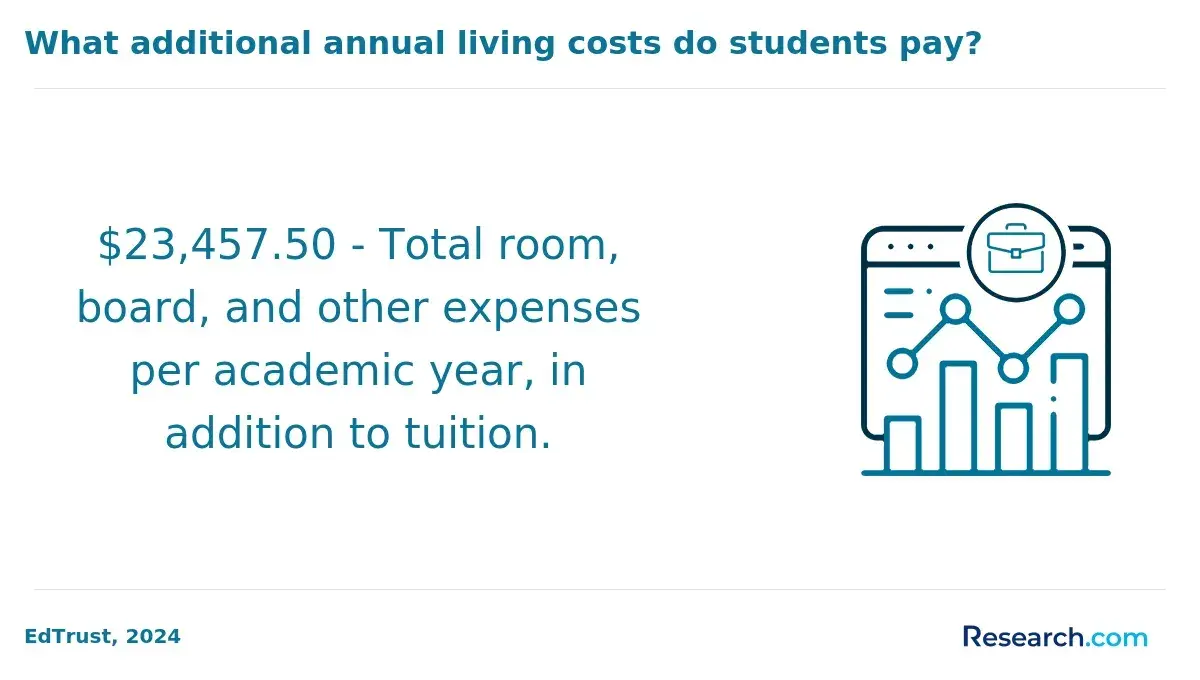
Access to financial aid is a key factor for many pursuing an online Materials Science & Engineering master's degree, helping to offset considerable tuition expenses. Around 85% of graduate students utilize some form of financial assistance, reflecting its broad reach and importance. Below is an overview of common aid options available to online master's students in this field, outlining how each can ease the financial burden.
- Federal Loans and Grants: U.S. citizens or permanent residents can qualify for federal student loans like Direct Unsubsidized Loans, which feature fixed interest rates and manageable repayment plans. Need-based grants are less frequent for graduate students but offer funds that do not require repayment, providing critical support for those eligible.
- Scholarships: Many institutions and engineering societies award scholarships based on merit or financial need, targeting STEM graduate students. These awards directly reduce tuition costs without being repaid, often making a noticeable difference in affordability.
- Employer Tuition Assistance: Organizations often offer tuition reimbursement for employees pursuing relevant graduate degrees. Programs vary widely but can cover part or all of tuition expenses, encouraging career growth while easing education-related financial pressure.
- Private Loans: When additional funds are necessary, private loans from banks or credit unions may be an option. These usually come with higher interest rates and fewer repayment benefits compared to federal loans, so cautious consideration is essential.
One professional with an online Materials Science & Engineering master's shared that navigating financial aid felt overwhelming at first, especially balancing job demands and tuition deadlines. She explained, "Applying for scholarships took time but ultimately relieved a lot of stress once awarded." Her employer's tuition assistance program also played a significant role, covering almost half her costs and encouraging her to continue advancing. Reflecting on her experience, she noted that being proactive and combining multiple aid sources was crucial, describing it as "a puzzle worth solving to open new career doors without heavy debt."
Salary expectations play a crucial role for prospective students considering an online Materials Science & Engineering master's degree, as they help frame the potential return on investment in tuition and time. Understanding earnings as a long-term outcome rather than an immediate guarantee is important for setting realistic financial goals. These projections can guide decisions, especially for those balancing affordability and program duration. Evaluating income potential alongside other factors ensures alignment between educational choices and future financial objectives.
Graduates typically see competitive salaries reflecting their advanced expertise, with materials science and engineering master's degree salary in the US commonly ranging between $75,000 and $120,000 annually. The average earnings after online Materials Science & Engineering master's program vary depending on experience, career progression, and employer expectations. Early-career salaries often start on the lower end but tend to grow as individuals gain professional skills and expand their roles over time. For those seeking cost-effective education paths, exploring a cheap online psychology degree can provide insight into balancing affordability with strong earning potential across fields.
Salary outcomes play a key role for prospective materials science & engineering master's students, particularly for those balancing affordable tuition and program duration with strong earning potential. Knowing which positions offer the highest pay can help candidates make informed decisions about their educational investments. Below are some top career options with a materials science & engineering master's degree that typically yield competitive salaries.
- Materials Engineer: Develops, processes, and tests materials used in various industries. Salaries generally range from $80,000 to $120,000 annually, influenced by experience and sector.
- Process Engineer: Designs and optimizes manufacturing processes to enhance efficiency and product quality. Earnings often surpass $90,000 per year, especially in advanced technology fields.
- Research Scientist: Innovates new materials or improves existing ones through experimental research. Salaries for master's holders usually fall between $75,000 and $110,000.
- Quality Control Manager: Manages quality assurance protocols ensuring regulatory compliance, with typical pay between $85,000 and $115,000 yearly.
- Product Development Engineer: Focuses on creating or improving materials-based products, often earning from $80,000 to $120,000 annually.
For those cost-conscious students and working professionals exploring online pathways, carefully comparing program affordability and duration is crucial. Consider reviewing marriage and family therapy online programs accredited as an example of how research on accredited online programs can guide educational choices.
Highest-paying jobs for materials science & engineering master's graduates in the US often align with roles demanding deep technical expertise and leadership in materials innovation or manufacturing efficiency.
An online materials science & engineering master's degree equips graduates with specialized skills that apply to a wide range of high-demand industries focused on developing and enhancing advanced materials. Employment for materials engineers is expected to grow steadily by 5% over a decade, reflecting continual cross-sector demand. Below are key industries that commonly employ graduates with this expertise.
- Aerospace: This industry prioritizes lightweight, durable materials essential for aircraft and spacecraft performance. Graduates contribute by designing composites and alloys that boost safety and fuel efficiency.
- Automotive: Innovations in advanced materials help reduce vehicle weight and improve fuel economy. Materials science professionals support development of batteries, protective coatings, and novel metals for manufacturing needs.
- Energy: Materials that endure extreme conditions are critical for renewable energy systems and power generation facilities. Roles often involve researching corrosion resistance and advancing semiconductor materials.
- Electronics: The electronics sector depends on materials enabling miniaturization and enhanced device functionality. Graduates work on semiconductors, thin films, and nanomaterials to improve performance.
- Biomedical: Creating biocompatible materials for implants and medical devices is a major focus. Materials scientists develop polymers and ceramics that advance healthcare technologies.
These areas value advanced materials science & engineering skills for innovation in research and development, quality assurance, and optimizing manufacturing processes.
Investing in a materials science & engineering master's degree can be financially beneficial, especially when selecting affordable programs that typically take one to two years to complete. These degrees often lead to noticeable salary improvements for graduates compared to those with only a bachelor's degree. For instance, materials engineers earn a median wage about 20% higher than the average across all professions, according to the U.S. Bureau of Labor Statistics. This wage premium helps offset tuition expenses and supports career advancement.
The return on investment includes more than just initial salary gains. Advanced degrees in materials science & engineering enhance job security by qualifying graduates for specialized roles in sectors like aerospace and electronics. They also boost professional credibility, opening pathways to leadership roles and consulting assignments. Over time, graduates benefit from ongoing salary growth and greater adaptability in a market that increasingly values expertise in advanced materials technology. Selecting a cost-effective program with reasonable duration further maximizes the financial advantages of earning this degree.
What Graduates Say About Their Cheapest Online Materials Science & Engineering Master's Degrees That Pay Well
- Aimee: "I appreciated how affordable the tuition was for the online materials science & engineering master's degree, which made advancing my education manageable without overwhelming debt. The program's flexible schedule allowed me to balance work and study seamlessly. Since graduating, my salary has increased significantly, giving me the financial security I was aiming for."
- Shawn: "The duration of the online materials science & engineering master's program perfectly fit my lifestyle, letting me complete it in just under two years while working full-time. It was a great investment despite the higher tuition because the earning potential post-graduation far exceeded my expectations. This degree truly opened doors to leadership roles in my industry."
- Wayne: "Choosing an online materials science & engineering master's degree was a professional decision driven by its rising market demand and competitive tuition rates. The flexibility to study at my own pace without relocating was invaluable, and the return on investment showed quickly with my enhanced salary and job stability. The program prepared me well for advanced roles in engineering sectors."
Other Things You Should Know About Materials Science & Engineering Degrees
Most online materials science & engineering master's programs require a bachelor's degree in engineering, materials science, physics, or a related field. Applicants generally need to submit transcripts, letters of recommendation, and a statement of purpose. Some programs may also require GRE scores or relevant work experience, but requirements vary by institution.
Many programs offer a non-thesis option, but some require a thesis or capstone for graduation. Thesis tracks usually need 30–36 credits plus faculty supervision, while capstone tracks often replace the thesis with a project or paper. Check whether the program publishes both pathways and credit totals.
In 2027, the average tuition cost for an online Materials Science & Engineering Master’s degree varies significantly, typically ranging from $10,000 to $30,000 per year, depending on the institution and specific program features. It's crucial for prospective students to compare programs for a more precise understanding.
- 2025's Fastest Online Master’s Degrees & Accelerated Programs https://www.onlinemastersdegrees.org/features/fastest-online-masters-degrees/
- Master in Materials Science and Engineering (spec. Materials for Energy) https://www.thinkpoland.org/en/master-in-materials-science-and-engineering-spec-materials-for-energy.html
- Materials Science and Engineering, M.S. https://www.mtech.edu/academics/programs/materials-science-engineering-ms/
- Online Master's Degrees in Materials Engineering - MS, MSE https://www.onlineengineeringprograms.com/materials
- 10 Affordable Online Master's in Material Science & Engineering - Master's Programs Guide https://www.mastersprogramsguide.com/rankings/affordable-online-material-science-engineering/
- Part-Time Study Routes That Lead to Materials Science Jobs: Evening Courses, Bootcamps & Online Masters https://materialssciencejobs.co.uk/career-advice/part-time-study-routes-materials-science-jobs-evening-courses-bootcamps-online-masters