2027 Online Materials Science & Engineering Degree Master's Programs That Accept FAFSA

Co-Founder and Chief Data Scientist
Many prospective graduate students face financial barriers when pursuing a master's in materials science & engineering, especially amid rising tuition costs. According to the National Science Foundation, enrollment in materials science master's programs grew by 12% from 2015 to 2020, yet financial aid remains a primary concern. Over 60% of graduate students rely on FAFSA to offset education expenses, but not all online programs qualify for federal aid. This article examines accredited online materials science & engineering master's degrees that accept FAFSA, clarifying federal aid eligibility, admission criteria, and program comparisons. It equips readers to make informed, cost-effective decisions about advancing their education in this evolving field.
Key Things to Know About Online Materials Science & Engineering Degree Master's Programs That Accept FAFSA
- FAFSA eligibility requires enrollment in an accredited online materials science & engineering master's program, with U.S. citizenship or eligible non-citizen status; admission often demands a related bachelor's degree and GRE scores.
- Application procedures include submitting FAFSA early, providing academic transcripts, letters of recommendation, and a statement of purpose, with some programs offering rolling admissions and flexible start dates.
- Comparing programs involves evaluating tuition costs, course delivery formats, faculty expertise, and career support services to ensure alignment with professional goals and maximize return on investment.
How Does FAFSA Work for Graduate Students Enrolling in an Online Materials Science & Engineering Master's Program?
Institutional accreditation is a critical prerequisite for FAFSA eligibility because only schools accredited by agencies recognized by the U.S. Department of Education (ED) qualify for federal financial aid. The ED's role includes evaluating and listing legitimate accrediting bodies to ensure that federal funds support quality education. According to the U.S. Bureau of Labor Statistics, materials engineers can expect about 5% wage growth over the next decade, reflecting steady demand.
Here are five notable regionally accredited universities with online materials science & engineering master's programs eligible for FAFSA.
- Worcester Polytechnic Institute (WPI): Offers a 30-credit online master's program typically completed in 2 years. WPI is fully accredited and participates in federal aid programs, supporting FAFSA eligibility.
- Columbia University: Provides a flexible 30-credit online master's degree designed for working professionals. The program is regionally accredited and allows students to utilize federal financial aid.
- University of Florida: Features a 30-credit distance master's program with asynchronous coursework. This program is accredited and eligible for FAFSA-supported funding.
- University of Southern California (USC): Offers an online master's requiring 24-30 credits. USC is regionally accredited and participates in federal financial aid programs.
- North Carolina State University (NCSU): Delivers a 31-credit master's online with cohort learning; the institution is accredited and federal aid eligible.
Prospective students should verify FAFSA eligibility directly at the Federal Student Aid website (studentaid.gov) using their school search tool, which regularly updates institutional accreditation and federal aid status. When choosing a program, consider admission requirements, program structure, and flexibility along with cost and reputation.
For those exploring related advanced degrees or financial planning options, reviewing affordable alternatives like MBA programs can provide additional context on managing graduate education expenses.
What Types of Federal Financial Aid Are Available to Online Materials Science & Engineering Master's Students Through FAFSA?
Graduate students pursuing online Materials Science & Engineering master's programs should understand the federal financial aid options available through FAFSA to make informed funding decisions. These aid types differ notably from undergraduate offerings, affecting eligibility and repayment.
Recognizing these distinctions is especially important since median wages in this field are projected to grow by about 6% between 2021 and 2031, enhancing the return on investment.
Below is an outline of key federal aid considerations for Materials Science & Engineering graduate students.
- Federal Direct Unsubsidized Loan: Allows borrowing up to $20,500 annually with a fixed interest rate of 7.05% for loans disbursed between July 1, 2023, and June 30, 2024. Repayment begins after graduation, with multiple income-driven plans available.
- Grad PLUS Loan: Covers up to the total cost of attendance minus other financial aid. This loan carries an 8.05% fixed interest rate and offers flexible repayment options tailored to graduate student needs.
- Limited Grant Availability: Graduate grants are rare in this field; the TEACH Grant generally applies only to education-related programs, often excluding Materials Science & Engineering unless specific teaching criteria are fulfilled.
- Work-Study Opportunities: Graduate students may qualify for federal work-study programs, providing part-time employment to help finance education expenses, although these are less common than for undergraduates.
- Repayment Strategies: Income-driven repayment plans adjust monthly payments based on income, and Public Service Loan Forgiveness (PSLF) may forgive remaining debt after 120 qualifying payments, benefiting graduates working in public service roles.
For those comparing the cost and flexibility of different online programs, researching criteria like admission requirements and financial aid eligibility is essential. Prospective students may also explore options beyond Materials Science & Engineering, such as the cheapest online EdD programs to understand financial aid landscapes across disciplines.
What Are the General Admission Requirements for an Online Materials Science & Engineering Master's Program?
Many accredited online materials science & engineering master's programs that accept FAFSA share several common admission criteria, though specific requirements can vary widely. Over 70% of these programs now use holistic admissions to evaluate candidates more comprehensively.
Below are the typical components applicants should prepare for:
- Bachelor's Degree from an Accredited Institution: Applicants generally need a relevant undergraduate degree, often in materials science & engineering or a closely related STEM field, to ensure they possess foundational knowledge.
- Official Transcripts: Admissions teams review transcripts to confirm academic success and prerequisite coursework such as thermodynamics, chemistry, or materials characterization.
- Letters of Recommendation: Usually from academic mentors or professional supervisors, these letters provide insight into an applicant's skills, work ethic, and readiness for graduate study.
- Personal Statement or Statement of Purpose: This document should clearly communicate the applicant's career objectives, motivation for pursuing the degree, and alignment with the program's offerings.
- Standardized Test Scores: While some programs still request GRE or GMAT scores, many have made them optional or eliminated them to increase access post-2020.
- Professional Experience or Licensure: Certain programs may favor applicants with relevant work history or certifications, especially those with applied or interdisciplinary curricula.
Applicants are encouraged to explore specific program requirements and consult admissions advisors, as many institutions have become more flexible about testing and prerequisites.
Prospective materials science & engineering master's candidates must closely evaluate how their professional background impacts eligibility for GRE waivers and understand the critical steps to apply for federal aid and program enrollment. Successfully navigating the financial aid and admissions process revolves around several key actions outlined below.
- Create a StudentAid.gov Account: Start by setting up an account on the official Federal Student Aid website, which is essential for FAFSA submission and tracking. This portal guides applicants through the entire procedure, making it accessible for students applying for federal aid for graduate materials science & engineering programs.
- Gather Financial Documents: Collect tax returns, income statements, and other relevant documents before applying. Accurate financial information allows for precise FAFSA completion and increases the chance of receiving a suitable aid package.
- Complete the FAFSA Application: Fill out the Free Application for Federal Student Aid carefully, listing eligible schools where you intend to apply. Timing is crucial-submit FAFSA early to align with your program application deadlines and maximize financial assistance opportunities.
- Request Academic Transcripts: Obtain official records from all previously attended institutions to fulfill application requirements. These transcripts demonstrate academic readiness and are often required when applying to online materials science & engineering master's degrees with federal aid.
- Secure Recommendation Letters: Ask supervisors or professors familiar with your technical and professional background for letters of endorsement. These support your application by highlighting your skills and potential contributions.
- Prepare a Statement of Purpose: Draft a focused essay addressing your motivation, experience, and goals specifically related to materials science & engineering. Tailor it to each program to strengthen your candidacy.
- Submit Supplemental Materials: Depending on the program, provide any required writing samples, portfolios, or technical documents. These materials can illustrate your expertise beyond standard application forms.
- Compare Financial Aid Offers: After admission decisions, review award letters carefully. Comparing aid packages across schools helps ensure you select a program that balances cost, reputation, and flexibility effectively.
Prospective students should also explore additional resources such as studentaid.gov for official FAFSA guidance, the CHEA accreditation directory for verifying institutional legitimacy, and the BLS Occupational Outlook Handbook for career planning.
For applicants considering further business qualifications alongside their technical degree, exploring executive MBA programs can be a strategic choice.
When considering eligibility for online materials science & engineering master's programs, GPA is a key factor but far from the sole determinant. Most accredited programs expect a minimum undergraduate GPA around 3.0 on a 4.0 scale, which serves as a foundational benchmark rather than a strict cutoff.
Below is a breakdown of how GPA requirements typically operate within admissions evaluations:
- Variable Standards: Institutions differ widely in competitiveness and applicant quality, meaning GPA thresholds can fluctuate. Some programs weigh other criteria more heavily when the GPA is near but below the standard.
- Conditional Admission Opportunities: Applicants with GPAs slightly under 3.0 may gain provisional acceptance by demonstrating strengths such as professional experience, compelling letters of recommendation, or relevant research.
- Academic Background Considerations: The relevance of the undergraduate major and the timing of academic work influence evaluations. Career changers from unrelated fields might be assessed based on recent coursework or work accomplishments that signal readiness.
- Proactive Applicant Strategies: Those with lower GPAs should directly address this in personal statements, showcasing potential and motivation. Researching programs offering bridge courses or conditional pathways can provide additional preparation options.
Completion times for online Materials Science & Engineering master's degrees typically vary between 18 months and 3 years. This depends largely on whether students enroll full-time or part-time, the chosen program format, and if a thesis or capstone project is required. Balancing work and study often leads many to select part-time schedules, while full-time students usually complete the degree more quickly due to heavier course loads.
Several key factors influence how long the program takes. Below are important considerations prospective students should keep in mind:
- Enrollment Status: Full-time students usually carry more credits each semester, enabling faster completion, whereas part-time students spread coursework over more semesters to accommodate professional or personal commitments.
- Program Structure: Some programs offer accelerated tracks with condensed terms and intensive courses, which can shorten duration but demand greater time and energy.
- Additional Requirements: Thesis projects, internships, practicums, and prerequisite classes can extend timelines by adding coursework or experiential learning components.
- Academic Performance: Retaking classes due to unsatisfactory grades prolongs the time to finish the degree and can impact financial aid eligibility.
- Financial Aid Considerations: Federal aid, including FAFSA benefits, depends on maintaining satisfactory academic progress and appropriate enrollment status, so planning the course load is vital for both financing and academic success.
According to the National Center for Education Statistics, about 48% of graduate students enroll part-time, highlighting the importance of flexible program options in graduate engineering education.
Online materials science and engineering master's programs generally structure their curriculum around a set of core courses, elective specializations, and a final culminating experience such as a thesis, capstone project, or practicum. The depth and breadth of curriculum vary widely between institutions, so prospective students should evaluate program offerings carefully-considering course content, faculty credentials, and intended outcomes.
Enrollment in materials science and engineering graduate degrees has increased steadily by approximately 5% annually, reflecting rising demand in sectors like manufacturing, electronics, and healthcare.
Below are key aspects of program curricula to consider:
- Core Courses: Focused on material properties and engineering principles, these classes cover thermodynamics, characterization methods, and mechanical behavior, laying the groundwork for advanced studies.
- Specializations: Concentrations such as nanomaterials, biomaterials, and electronic materials allow tailoring of the degree to particular professional or research goals.
- Culminating Experiences: Thesis, dissertation, capstone projects, or practicums provide practical application and research opportunities to consolidate learning outcomes.
Those exploring different programs should also consider financial factors, including eligibility for federal aid through FAFSA for graduate studies. To assess the cost of pursuing such degrees effectively, resources on how much does it cost to get a masters in psychology may offer valuable context for comparing pricing and aid options across online master's programs.
Prospective students seeking online Materials Science & Engineering master's programs that accept FAFSA must understand the range of tuition costs and additional expenses to plan their finances effectively. These factors influence both the total investment and the amount of financial aid required.
Below are key considerations regarding program pricing and related fees.
- Tuition Per Credit Hour: Tuition rates for accredited online master's programs generally vary from about $500 to $1,500 per credit hour. This wide range depends on the institution's public or private status, with public schools often charging less, particularly for in-state students.
- Total Program Costs: Most degrees require 30 to 36 credit hours, leading to total tuition fees between $15,000 and $45,000. Variations stem from institutional prestige, program specialization, and whether students qualify for in-state tuition rates when studying online.
- Public vs. Private Institution Pricing: Public universities usually offer lower tuition for residents, while private schools set higher flat rates regardless of residency. Some public institutions extend in-state pricing to online learners nationwide, which can substantially reduce expenses.
- Additional Fees: Beyond tuition, students should budget for technology fees, graduation charges, course materials, and sometimes mandatory on-campus residencies or immersion sessions. These elements can add considerably to the overall cost.
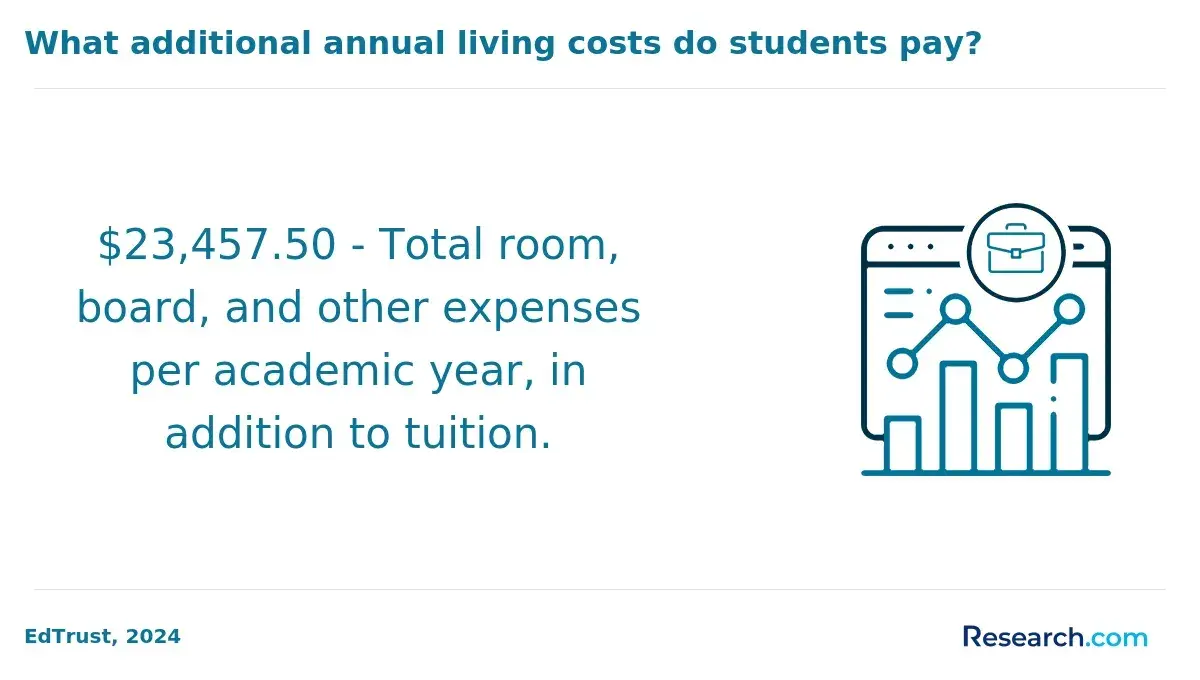
- FAFSA and Financial Aid Considerations: About 60% of graduate engineering students use FAFSA to access aid. Evaluating total cost of attendance-including living expenses and incidental fees-is crucial to accurately estimating funding needs and maximizing aid eligibility.
Students enrolled in online Materials Science & Engineering master's programs must prepare for certain technical and practical needs that support effective remote learning. These requirements influence the ability to engage with course content and complete assignments efficiently.
The following points highlight typical expectations found across accredited programs.
- Reliable High-Speed Internet: A stable, fast internet connection is essential to stream lectures, download large simulation files, and participate in live discussions and group projects without interruptions.
- Hardware Specifications: Programs generally recommend a modern computer equipped with a multi-core processor, minimum 8 GB RAM, and a dedicated graphics card to handle complex modeling and software demands. Peripherals like a webcam and microphone are necessary for virtual presentations and exams.
- Learning Management Systems (LMS): Familiarity with platforms such as Canvas, Blackboard, or Moodle is expected since these tools manage course materials, assignments, and communication. Orientation sessions typically help students navigate these systems smoothly.
- Specialized Software and Simulations: Coursework often involves tools like COMSOL Multiphysics, MATLAB, and AutoCAD. Institutions may offer discounted licenses, but students should budget for possible costs related to software access and subscription fees. Virtual labs and simulations provide practical experiences within the online format.
- On-Site Lab or Internship Requirements: Some programs include mandatory in-person components to meet accreditation and experiential learning standards. These can involve campus labs or local internships, with schools assisting students in arranging suitable placements near their locations.
- Additional Expenses: Beyond tuition, students should anticipate costs associated with software licenses, simulation platforms, and materials needed for hands-on activities conducted at home. These factors can influence overall program affordability.
Prospective students should reach out directly to their chosen programs for the most accurate and current details on technical and clinical requirements, as these vary and impact scheduling, costs, and location flexibility.
Graduates of online Materials Science & Engineering master's programs can pursue a variety of advanced career paths in industries such as aerospace, electronics, automotive, and energy. This overview highlights key factors applicants should consider about career prospects, salaries, licensure, and industry trends to better understand the opportunities after earning this degree.
- Common Job Roles: Graduates often work as materials engineers, quality control engineers, research and development engineers, or failure analysis engineers. These roles typically involve technical innovation, product development, and process optimization.
- Salary and Job Growth: According to the U.S. Bureau of Labor Statistics, the median annual wage for materials engineers is approximately $98,000, with a projected job growth rate of 5% through 2031, indicating steady demand in the field.
- Advanced Degree Advantages: Holding a master's degree offers access to higher-level leadership positions and specialized responsibilities compared to bachelor's degree holders, enhancing earning potential and career advancement opportunities.
- Licensing Requirements: Some positions, especially in government or consulting, may require a Professional Engineer (PE) license. Accredited online master's programs usually meet the educational criteria necessary for pursuing such credentials.
- Emerging Trends: Growth areas include sustainable materials and nanotechnology, which broaden the field's scope and offer expanding career possibilities for advanced degree holders.
Gaining insight into how online Materials Science & Engineering master's degrees are perceived by employers and licensing boards is essential for making well-informed academic and career decisions. Clarifying these viewpoints helps students navigate the professional landscape effectively.
- Employer Acceptance Trends: Recent data from surveys and industry reports reveal a notable shift toward accepting online degrees from regionally accredited universities. Following the pandemic's push for remote education, many employers now emphasize the institution's accreditation and program quality over whether the degree was earned online or in person.
- Licensing Board Requirements: Accreditation remains the key factor for licensing boards rather than the mode of instruction. Most state boards in the Materials Science & Engineering field require degrees from accredited programs and typically do not distinguish between online and campus-based study, though prospective students should verify specific criteria for their jurisdiction before enrolling.
- Institutional Reputation and Accreditation: Employers often consider the prestige and programmatic accreditation of the college offering the degree. An online master's from a respected institution with equivalent academic standards is generally regarded as equal to its on-campus equivalent in both professional and licensing contexts.
- Verification and Research: It is advisable for students to thoroughly check employer policies and licensing board regulations in their intended state or industry sector. Selecting programs that openly communicate how their online credentials are professionally recognized can help avoid potential obstacles in career progression.
What Graduates Say About Getting Accepted in Online Materials Science & Engineering Degree Master's Programs That Accept FAFSA
- Orlando: "Applying for admission to the online materials science & engineering master's program that accepts FAFSA was a game changer for me. It made the financial aspect less stressful and allowed me to focus on my studies. The application process was straightforward, which helped me transition smoothly from undergraduate to graduate school."
- Zion: "As I navigated the landscape of accredited institutions offering online materials science & engineering master's programs, figuring out which ones accept FAFSA was crucial. This financial consideration helped narrow down my options significantly. I appreciated having reliable accreditation information because it assured me of the program's credibility and quality."
- Wyatt: "Relying on official academic catalogs, accrediting agencies, and federal education resources was essential in managing the requirements of my online materials science & engineering master's degree. This approach gave me a professional framework to plan my coursework and ensured I met all academic standards. Reflecting on that experience, I value the clarity and structure these resources provided throughout my education."
Other Things You Should Know About Materials Science & Engineering Degrees
In 2027, universities like the University of Florida and Arizona State University are known for robust financial aid packages, including scholarships and grants for their online Materials Science & Engineering master's programs. Prospective students should directly consult the financial aid offices of these institutions for detailed offerings and application processes.
In 2027, several accredited universities offer online Materials Science & Engineering master's programs that accept FAFSA. Examples include Arizona State University, University of Florida, and Purdue University. These programs are recognized for their flexibility and comprehensive curriculum, making them suitable for students seeking financial aid through FAFSA.
Part-time students may still receive FAFSA aid if they enroll in at least 5 or 6 graduate credits per term, depending on the school’s definition of half-time. Federal Direct Unsubsidized Loans are the main option for graduate students, and borrowing is capped at $20,500 per academic year.
- Applying for Financial Aid https://www.msoe.edu/admissions-aid/financial-aid-scholarships/financial-aid-basics/fafsa/
- How to Use FAFSA for Graduate School | National University https://www.nu.edu/blog/tips-for-using-fafsa-for-graduate-school/
- Materials Science and Engineering https://www.tum.de/en/studies/degree-programs/detail/materials-science-and-engineering-master-of-science-msc
- Is financial aid available? https://online.seas.upenn.edu/faqs/financial-aid/
- Materials Engineering https://prog-crs.hkust.edu.hk/pgprog/2026-27/msc-mate/
- Språkvelger https://www.ntnu.edu/studies/msmt/admission
- How Much is Tuition? Online Tuition Costs | SNHU https://www.snhu.edu/tuition-and-financial-aid/online
- On-campus vs Online master's degree https://academia.stackexchange.com/questions/41211/on-campus-vs-online-masters-degree
- MSc in Advanced Materials Science https://wp.phy.cuhk.edu.hk/postgraduate-admissions/msc-in-advanced-materials-science
- Online Master's Degrees in Materials Engineering - MS, MSE https://www.onlineengineeringprograms.com/materials