2027 Shortest Online Materials Science & Engineering Degree Master's Programs That Pay Well: Cost, Time to Completion, and Salary Outlook

Co-Founder and Chief Data Scientist
Professionals aiming to advance in materials science & engineering often face the dilemma of balancing career growth with time-consuming graduate studies. Many hesitate to enroll in master's programs due to the lengthy durations and high costs. However, accelerated online programs offer a solution: completing a degree swiftly while maintaining career momentum. Data indicates that 35% of students in online accelerated materials science & engineering master's programs finish their degrees in under two years, reflecting growing industry demand for efficient education pathways.
This article explores the shortest online programs that maximize salary potential, cost-effectiveness, and time to completion to guide informed decisions.
Key Benefits of the Shortest Online Materials Science & Engineering Degree Master's Programs That Pay Well
- Accelerated programs typically allow completion within 12 to 18 months, enabling quicker entry into advanced engineering roles compared to traditional two-year degrees.
- Cost efficiency is achieved through reduced tuition and minimal commuting expenses, with many programs offering in-state tuition rates for online students nationwide.
- Graduates often see salary growth averaging 15% post-degree, reflecting strong industry demand for expertise in materials innovation and product development.
What Are the Shortest Online Materials Science & Engineering Master's Programs Available Today?
Rapidly evolving STEM industries have increased demand for accelerated online master's programs, enabling professionals to upskill efficiently. Many of the shortest online materials science & engineering master's degree programs offer completion timelines as brief as 12 to 18 months, significantly reducing the traditional duration of graduate study.
Below are common types of fast-track online master's programs designed to meet this need.
- Full Accelerated Programs: Structured for completion in about 12 months, these programs provide continuous year-round courses with an optimized curriculum that eliminates extended breaks, fostering a swift path to graduation.
- Flexible Paced Programs: Typically lasting 15 to 18 months, these options balance academic demands with professional obligations by allowing part-time enrollment, helping students maintain momentum without overwhelming workloads.
- Competency-Based Programs: These permit learners to advance by demonstrating mastery of required skills, which can shorten program duration to between 12 and 16 months based on prior knowledge and experience, promoting personalized pacing.
The ability to accelerate degree completion relies on online delivery models, condensed semester scheduling, and minimized inter-term breaks. This adaptability helps students pursuing accelerated materials science & engineering master's programs with fast completion reduce time away from work while managing tuition expenses.
For those comparing options, it can be helpful to also explore pathways that emphasize cost-effectiveness, such as the cheapest online masters in artificial intelligence, to gauge affordability across STEM disciplines.
How Many Credits Are Required for the Shortest Online Materials Science & Engineering Master's Programs?
Accelerated online Materials Science & Engineering master's programs design credit requirements to enable students to finish faster while balancing work and study. Typically, these shortest programs require between 30 and 36 total credits, making it feasible to complete the degree within 12 to 18 months.
Key factors that shape this streamlined structure include:
- Total Credit Range: Most programs require 30 to 36 credits focused on essential and foundational coursework, ensuring students meet graduate standards without extra burden.
- Core Requirements: A concentrated set of core classes covers the vital materials science principles, eliminating unnecessary electives to help students progress swiftly.
- Capstone or Thesis Structure: Instead of lengthy thesis projects, some programs offer practical capstone projects or comprehensive exams, which shorten time to degree completion.
- Transfer Credits and Prerequisites: Many schools accept applicable prior graduate credits, reducing the total credit hours needed for accelerated materials science & engineering master's programs.
- Flexible Scheduling: Online formats with multiple term start dates and condensed course schedules allow continuous enrollment without traditional semester breaks.
These elements combine to create a faster path through online master's education, opening doors to increased salary potential and career advancement. Students seeking quick completion while maintaining quality can explore online college courses specifically tailored to working professionals.
Are There Specializations Available in the Shortest Online Materials Science & Engineering Master's Programs?
Accelerated timelines in the shortest online materials science & engineering master's programs can limit but do not eliminate the availability of specializations. Approximately 62% of these online engineering master's programs include options for concentrations or tracks, enabling students to customize their studies according to professional interests and career objectives.
Below are some common specializations found in 12- to 18-month fast-track curricula.
- Nanomaterials: This specialization emphasizes the design and utilization of materials at the nanoscale, focusing on cutting-edge research and applications in areas such as electronics and energy. It fits well within accelerated programs by integrating foundational concepts with practical nanoscale techniques.
- Biomaterials: Concentrating on materials used in medical devices, tissue engineering, and biological contexts, this track blends materials science principles with life sciences. Students gain targeted knowledge that supports careers in healthcare and biotechnology sectors.
- Polymer Engineering: Focusing on the development, characterization, and testing of polymers, this specialization covers both synthetic and natural polymers. It provides specialized skills applicable to industries like packaging, automotive, and aerospace without lengthening program duration.
- Electronic Materials: Addressing semiconductors, conductors, and other materials critical to electronic devices, this track delivers focused content on material properties and manufacturing techniques important in technology-driven fields.
When asked about his experience with specializations in an accelerated online master's program, a recent graduate shared, "Balancing pace and depth was challenging, but the focused curriculum helped me dive deep into biomaterials quickly." He noted that although electives were limited, the targeted courses allowed him to build specific expertise efficiently. "It felt intense at times, especially juggling work and studies, but having a clear specialization kept me motivated and aligned with my career goals," he remarked. His insight highlights how accelerated programs can successfully deliver specialization despite condensed timelines.
Accelerated master's programs in Materials Science & Engineering structure their coursework to facilitate completion within 12 to 18 months, often dividing studies into three to four terms. Students typically enroll in three to four courses per term, striking a balance between pace and depth. The following list highlights critical curriculum components designed to support this expedited path:
- Core Courses: These classes cover foundational topics like thermodynamics, materials characterization, and electronic materials. They ensure students gain essential knowledge critical to mastery in the field.
- Electives: Offering options such as biomaterials, nanotechnology, or polymer science, electives allow students to tailor their learning toward specialized interests or career goals.
- Capstone or Project: Usually scheduled in the final term, the capstone or thesis integrates research and practical skills, encouraging problem-solving under condensed timelines.
- Term Sequencing: Curriculum is strategically arranged to prioritize prerequisites early and cluster advanced courses later. This sequencing supports continuous, uninterrupted progress throughout the program.
The total tuition for accelerated online Materials Science & Engineering master's programs generally falls between $20,000 and $40,000. These fast-track degrees have higher tuition rates per credit or term than standard-length programs but often reduce overall expenses by shortening the time to completion. For example, the average total tuition for fast-track online graduate programs hovers around $28,000. Below are key factors influencing tuition and fees for shortest online materials science & engineering graduate degrees.
- Average Total Tuition: This represents the full cost to finish all required courses. It fluctuates depending on each school's per-credit pricing and the program's total length.
- Tuition Per Term: Accelerated programs break tuition into shorter, more frequent terms. This affects budgeting since payments occur more often than in traditional semester models.
- Additional Program Fees: Extra charges may apply for technology use, labs, or specialized materials needed in materials science & engineering, adding to the overall investment.
Students seeking lucrative career paths can explore the highest paying degrees to complement their graduate studies and maximize return on educational investment.
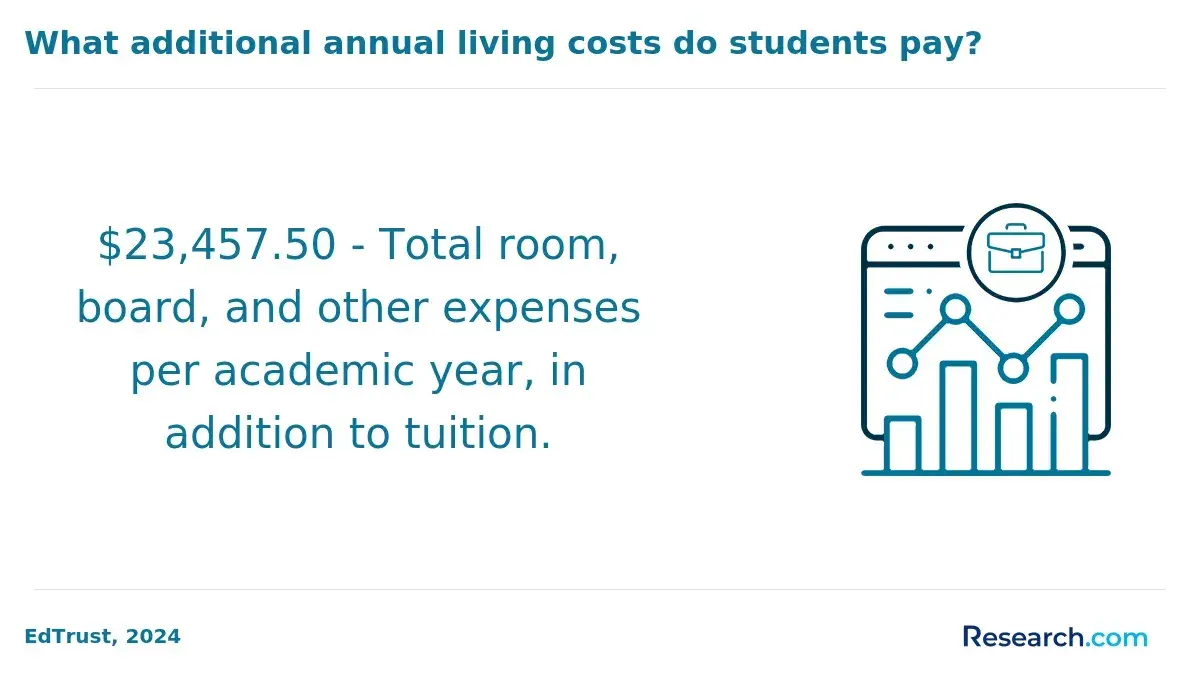
Tuition policies for online programs often differ from those of traditional on-campus degrees, especially regarding residency-based pricing. Recent data indicates that about 65% of universities offering online graduate degrees charge the same tuition to in-state and out-of-state students, reflecting the growing trend to provide equal access regardless of location. Below are key factors to consider when evaluating tuition and fees in accelerated online materials science & engineering master's programs.
- Tuition Parity: Many accelerated online programs simplify payment by applying uniform tuition rates to all students. This approach benefits out-of-state learners by removing additional fees, often leading to significant cost savings compared to on-campus counterparts.
- Residency Exceptions: Certain institutions, particularly public universities, still differentiate pricing based on residency due to state funding requirements. It's essential to confirm if non-resident charges or surcharges affect the overall tuition.
- Program-Specific Fees: Beyond tuition, some accelerated courses include extra fees for technology access, labs, or specialized materials. These can add up regardless of residency, impacting the total program cost.
- Additional Costs: Expenses such as textbooks, software licenses, and exam proctoring services may vary widely and typically fall outside the standard tuition structure. They should be factored into budgeting decisions.
A professional who completed an accelerated online materials science & engineering master's program shared that navigating tuition complexities was initially daunting. She noted, "I was relieved to find that my program charged the same rate as in-state students, which allowed me to plan my finances with confidence." However, she emphasized the importance of scrutinizing additional fees, explaining, "While the tuition was fair, I hadn't anticipated costs for software licenses and virtual lab access, which added up." Reflecting on her journey, she remarked, "The flexibility and cost transparency ultimately made a challenging schedule manageable, and the equal tuition policy removed a significant barrier for me." This perspective highlights how uniform tuition rates can enhance affordability but also underscores the need to carefully review all associated expenses in accelerated online master's programs.
Tuition generally covers the largest share of expenses in the shortest online Materials Science & Engineering master's programs, but students should expect additional charges that influence the overall cost. These extra fees vary by program but are important to consider alongside base tuition and out-of-state tuition and extra costs for online Materials Science & Engineering degrees. Below are some common additional fees associated with accelerated online degrees in this field.
- Technology Fee: This fee supports the online learning platform, software licenses, and technical support, ensuring reliable access to digital course materials and tools necessary for remote study.
- Course or Credit Hour Fee: Charged per class or credit hour, this fee may be separate from tuition and can increase the cost per course, especially in accelerated programs requiring more intensive coursework.
- Graduation or Commencement Fee: Typically a one-time charge, this fee covers administrative tasks related to degree conferral and participation in graduation ceremonies.
- Proctored Exam or Lab Fees: Some programs include fees for proctored testing or access to specialized laboratory equipment, vital for practical assessments within materials science & engineering even in online formats.
- Textbooks and Materials: While many courses offer digital resources, some required textbooks, software, or technical materials may incur additional costs not covered by tuition.
For those comparing costs across fields, exploring an online master's degree in marriage and family therapy can illustrate how tuition and additional fees differ significantly by discipline and delivery format.
Financial aid is essential for making the shortest online materials science & engineering master's programs more affordable and accessible. Approximately 60% of online graduate students receive some form of financial assistance, highlighting how crucial these resources are for managing tuition and related expenses. Several key aid options can help offset the cost and support degree completion in an accelerated timeframe.
Key financial aid opportunities include:
- Federal Loans: These low-interest loans, such as Direct Unsubsidized Loans, offer flexible repayment plans that help students cover tuition and living costs while enrolled in their program.
- Scholarships and Grants: Both merit- and need-based awards do not require repayment and can significantly reduce expenses. Specific scholarships may be available through institutions or professional organizations focused on materials science & engineering.
- Employer Tuition Assistance: Many employers encourage continued education by reimbursing tuition fees partially or fully for employees pursuing relevant master's degrees, making it easier to manage costs without incurring debt.
- Institutional Aid: Universities often provide grants or discounted tuition rates for online learners, especially those enrolled in accelerated programs, as an incentive to complete their degrees efficiently.
Leveraging these financial aid options makes pursuing a master's degree in materials science & engineering online more financially feasible. This approach supports accelerated education paths while paving the way for improved long-term earning potential.
Earning an online Materials Science & Engineering master's degree significantly expands career options and enhances professional advancement. According to the U.S. Bureau of Labor Statistics, individuals with a master's degree in engineering fields often experience employment rates above 85%, reflecting strong demand for specialized expertise. Below are some common career paths available to graduates of accelerated online Materials Science & Engineering master's degree programs.
- Materials Engineer: Developing and testing materials used in manufacturing, aerospace, and automotive industries to improve product performance.
- Research and Development Scientist: Conducting experiments to innovate new materials or enhance existing ones for electronics, energy, or healthcare sectors.
- Quality Control Engineer: Ensuring materials and products meet industry standards and regulatory requirements through rigorous testing and analysis.
- Process Engineer: Optimizing production processes in industries such as semiconductors or polymers to increase efficiency and reduce costs.
- Product Development Engineer: Collaborating with design teams to create materials that meet specific customer or market needs.
Online materials science & engineering master's degree job opportunities in the United States offer high-paying careers with a materials science & engineering master's degree across diverse sectors. Obtaining a master's degree online also allows professionals to enhance their expertise while continuing to work, facilitating career advancement into management or specialized technical roles. The combination of flexible learning with advanced credentials often leads to higher salaries and leadership positions at engineering firms, research institutions, and manufacturing companies.
Prospective students looking for the shortest online Materials Science & Engineering master's programs that balance cost and time to completion might find parallels in other fields; for example, those interested in design-related studies can explore options at an online school for game design, which also offers accelerated degree tracks focused on career outcomes.
Earning an accelerated online master's degree in materials science & engineering can significantly enhance earning potential by shortening time spent outside the workforce. This faster entry into professional roles often leads to higher lifetime income. The median annual salary for materials engineers stands near $96,000, with experienced professionals earning well above $140,000.
Several key factors impact salary for graduates of fast-track online materials science & engineering master's programs:
- Industry Sector: Fields like aerospace, automotive, and semiconductors frequently offer superior pay due to advanced materials requirements and technical complexity.
- Geographic Location: Urban centers and technology hubs provide higher compensation driven by the cost of living and density of specialized employers.
- Experience Level: Prior internships or relevant work can elevate starting salaries, even for those completing accelerated degrees.
- Employer Type: Private companies typically offer more competitive salaries compared to academic institutions or government agencies.
- Skill Specialization: In-demand expertise in areas such as nanomaterials or composites often commands premium wages.
What Graduates Say About the Shortest Online Materials Science & Engineering Degree Master's Programs That Pay Well
- Aaron: "The affordability of the online materials science & engineering master's degree was a game-changer for me. Choosing the shortest program really helped minimize expenses without sacrificing quality, allowing me to graduate debt-free and step into a higher paying role quickly. The direct boost in my salary has made the investment absolutely worthwhile."
- Jeremy: "I chose an accelerated online materials science & engineering master's that cut down the duration significantly, which initially seemed intense but ultimately reduced the overall cost tremendously. This focused timeline meant I entered the workforce faster and saw improvements in my salary prospects sooner than I expected. Reflecting on this, the balance between cost and time efficiency was spot on for my career goals."
- Evelyn: "The shortest online materials science & engineering master's program was an efficient way to enhance my credentials while keeping tuition manageable. I appreciated how the reduced course length also lessened living expenses during study, making the total cost reasonable. The payoff came quickly, as the degree significantly impacted my professional trajectory and increased my earning potential. "
Other Things You Should Know About Materials Science & Engineering Degrees
Graduates with a master's degree in materials science & engineering from accelerated online programs are generally competitive in the job market. Employers value the advanced technical skills and flexibility demonstrated by students who complete rigorous coursework in less time. However, gaining relevant internship or research experience during the program can further enhance employability.
Most programs require a bachelor’s degree in materials science, engineering, chemistry, physics, or a related field, plus a minimum 3.0 GPA. Common prerequisites include calculus, differential equations, general chemistry, and at least one semester of physics, with transcripts and letters of recommendation also required.
- Materials/Metallurgy Opportunities | Gradcracker - Careers for STEM Students https://www.gradcracker.com/search/mechanical-manufacturing/materials-metallurgy-jobs
- Engineering Salary Statistics https://www.mtu.edu/engineering/about/salary/
- Computational Material Science and Engineering | Cademix Institute of Technology https://www.cademix.org/programs/computational-material-science-and-engineering/
- 2025 Most Affordable Online Master's Degrees in Engineering Management https://www.onlineu.com/most-affordable-colleges/engineering-management-masters-degrees
- Språkvelger https://www.ntnu.edu/studies/msmatch/admission
- Online Master’s Degrees That Pay: Top Fields for Solid Salaries https://www.onlinemastersdegrees.org/features/top-earning-masters-degrees/
- Online Master's Degrees in Materials Engineering - MS, MSE https://www.onlineengineeringprograms.com/materials
- Part-Time Study Routes That Lead to Materials Science Jobs: Evening Courses, Bootcamps & Online Masters https://materialssciencejobs.co.uk/career-advice/part-time-study-routes-materials-science-jobs-evening-courses-bootcamps-online-masters