2027 Cheapest Online Higher Education Leadership Doctorate Programs That Pay Well: Tuition, Duration, and Career Outcomes

Co-Founder and Chief Data Scientist
Affordable online Higher Education Leadership doctorate programs are drawing more working professionals because tuition varies widely while executive education roles remain competitive. The U. S. Bureau of Labor Statistics reported a $103,960 median annual wage for postsecondary education administrators in May 2024, making cost control central to ROI.
This guide is for master's graduates comparing low-tuition Ed. D. or Ph. D. options. You will learn estimated total costs, completion timelines, accredited low-cost universities, hidden fees, financial aid strategies, and career outcomes so you can minimize out-of-pocket costs and choose a program with stronger long-term value.
Key Things About the Cheapest Online Higher Education Leadership Doctorate Programs That Pay Well
- Low-cost online Higher Education Leadership doctorates commonly fall around $20,000 to $55,000 in tuition before fees, with the cheapest public online programs often using flat e-tuition rates rather than higher nonresident graduate rates.
- Most affordable programs require about 45 to 60 post-master's credits and take roughly 3 to 5 years; transfer credits, year-round enrollment, and dissertation-in-practice models can shorten the timeline.
- The ROI is strongest when graduates move into senior student affairs, academic affairs, enrollment management, institutional research, dean-level, or executive education roles where BLS May 2024 data show postsecondary administrator pay can exceed $200,000 at the top end.
What is the estimated cost of completing an online doctorate in Higher Education Leadership?
The estimated cost of completing an online doctorate in Higher Education Leadership depends mainly on credit load, per-credit tuition, transfer policy, dissertation fees, and whether the school charges a single online rate. For most working adults, the practical comparison is not sticker price alone but total tuition plus mandatory fees over the full enrollment period.
The table below summarizes realistic U.S. cost ranges for accredited online doctoral programs in higher education administration, higher education leadership, educational leadership with a higher education concentration, or closely related Ed.D. and Ph.D. pathways.
| Program type | Typical per-credit tuition | Common credit range | Estimated tuition before fees | Best fit |
| Low-cost public online Ed.D. | $300 to $550 | 45 to 60 credits | $13,500 to $33,000 | Students prioritizing affordability and applied leadership roles |
| Public online Ph.D. or research doctorate | $450 to $800 | 54 to 72 credits | $24,300 to $57,600 | Students targeting research, policy analysis, or faculty-adjacent roles |
| Private nonprofit online Ed.D. | $650 to $1,100 | 48 to 60 credits | $31,200 to $66,000 | Students who value cohort support, national branding, or specialized mentoring |
| Higher-cost private or proprietary online doctorate | $900 to $1,400 | 54 to 66 credits | $48,600 to $92,400 | Students with strong employer funding or a specific program match |
The cheapest credible option is usually an institutionally accredited public university with an online tuition rate, not necessarily the school with the lowest advertised per-credit number. A program with 60 credits at $350 per credit can cost less than a 48-credit program at $800 per credit, but only if dissertation continuation fees, residencies, and technology charges are modest.
To estimate your true cost before applying, calculate the following in this order:
- Multiply required credits by the exact doctoral tuition rate for online students.
- Add mandatory per-term, technology, graduation, library, dissertation, and distance-learning fees.
- Ask whether tuition changes after candidacy or during dissertation continuation.
- Subtract confirmed employer reimbursement, military benefits, scholarships, waivers, and assistantship funding.
- Estimate interest costs if you will use federal loans rather than paying term by term.
A major mistake is comparing only the first-year bill. Doctoral programs often become more expensive near the dissertation phase if students need extra terms, so build a budget for the full expected enrollment period plus one contingency term.
How long does it take to complete the cheapest online Higher Education Leadership doctorate program?
The cheapest online Higher Education Leadership doctorate typically takes 3 to 5 years for part-time students who continue working. Accelerated students with strong transfer credits, a defined research problem, and year-round enrollment may finish faster, while students balancing senior campus roles, family responsibilities, or complex dissertations may need longer.
Completion speed is usually shaped by program design rather than motivation alone. The most important timeline variables are credit requirements, cohort lockstep structure, dissertation milestones, and whether the school allows continuous enrollment in shorter sessions.
| Pathway | Typical pace | Estimated time to completion | When it makes sense |
| Accelerated applied Ed.D. | Full-time or heavy part-time | 2 to 3 years | You already have a focused problem of practice and employer flexibility |
| Standard online Ed.D. | Part-time while working | 3 to 4 years | You want leadership advancement without leaving your job |
| Online Ph.D. or research-heavy doctorate | Part-time with dissertation research | 4 to 6 years | You want research, policy, assessment, or faculty-oriented options |
| Extended dissertation enrollment | Candidacy plus continuation terms | 5 years or more | Your research requires extra approvals, data access, or major revisions |
Fast completion is valuable only if it does not weaken your research, networking, or job-market positioning. If speed is your main goal, compare structured accelerated options and read the requirements for 1 year EdD programs online, but verify whether the model fits higher education leadership and whether it requires prior doctoral credits or an unusually heavy course load.
Applicants who want a shorter timeline should ask admissions advisors these questions before committing:
- How many credits can I transfer from a completed master's or prior doctoral study?
- Can I take courses year-round, including summer terms?
- Is the dissertation or capstone embedded throughout the program, or does it begin after coursework?
- What is the average time to completion for working students, not just the minimum advertised timeline?
- Are there required residencies, synchronous sessions, or cohort sequences that could delay progress?
Choose a full-time accelerated route if your employer supports flexible scheduling and your topic is already clear. Choose a part-time route if you need stable income, tuition reimbursement eligibility, and enough time to produce a strong dissertation-in-practice.
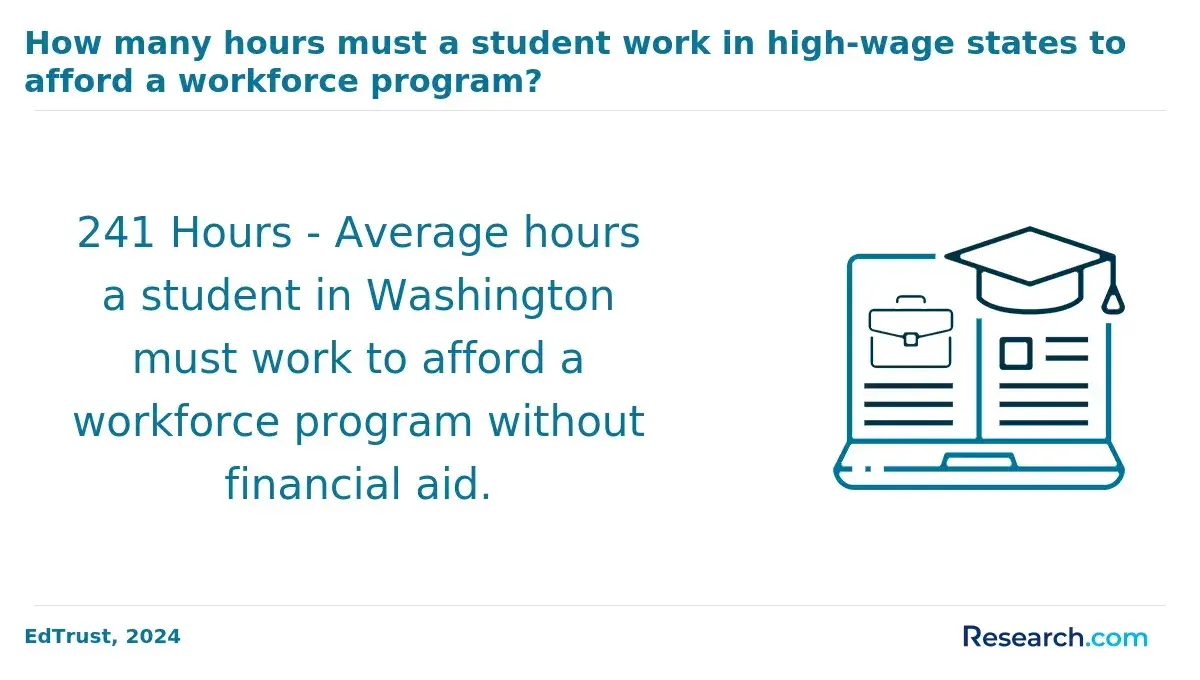
Which accredited universities offer the lowest tuition for an online Higher Education Leadership doctorate?
Several institutionally accredited public universities offer comparatively low tuition for online doctorates in higher education leadership or closely related educational leadership fields. The best choice is the one that balances low tuition with proper accreditation, experienced dissertation supervision, career-relevant specialization, and manageable residency requirements.
The examples below reflect publicly visible program structures and commonly advertised online tuition patterns, but rates change. Always confirm current tuition, fees, residency expectations, and concentration availability directly with the university before applying.
| University | Relevant online doctorate | Approximate credit requirement | Why cost-conscious students compare it | Accreditation check |
| University of North Georgia | Ed.D. in Higher Education Leadership and Practice | About 60 credits | Public university model with a focused higher education leadership curriculum | Verify institutional accreditation and any on-campus expectations |
| University of West Georgia | Ed.D. in Higher Education Administration | About 60 credits | Often considered by students seeking a higher education-specific online Ed.D. | Confirm online tuition, fees, and dissertation format |
| Valdosta State University | Ed.D. in Leadership with education-related concentrations | Varies by concentration | Known among affordability-focused doctoral applicants in the Southeast | Confirm that the concentration aligns with higher education leadership goals |
| East Carolina University | Ed.D. in Educational Leadership with higher education-related study | About 60 credits | Public university option for students comparing applied leadership pathways | Check residency classification and online availability |
| University of Southern Mississippi | Ed.D. in Higher Education | About 54 credits | Higher education-specific curriculum with online delivery options | Verify total fees and dissertation enrollment rules |
Accreditation is nonnegotiable. For doctoral hiring in higher education, employers generally expect a degree from an institution recognized by an accreditor approved by the U.S. Department of Education or CHEA. If you are comparing school models, a guide to a non profit online university can help you separate institutional structure from academic quality, but nonprofit status alone does not prove that a program is the best fit.
Before choosing a low-tuition university, review these decision points:
- Confirm the exact specialization name on the transcript, especially if you need higher education leadership rather than K-12 administration.
- Ask whether tuition is the same for in-state and out-of-state online doctoral students.
- Request a full program cost sheet that includes fees through dissertation completion.
- Check faculty research areas to see whether someone can supervise your intended topic.
- Review graduation and job-placement information if the program publishes it.
A common mistake is choosing the cheapest program before confirming that the curriculum matches your career goal. A K-12 superintendent-focused Ed.D. may be affordable, but it may not be the strongest credential for enrollment management, student affairs, accreditation leadership, or higher education policy roles.
What hidden fees should you expect in an online Higher Education Leadership doctorate program?
Hidden fees can turn a low-tuition doctorate into a mid-priced program. Online Higher Education Leadership students should pay special attention to recurring term fees and dissertation-stage charges because these costs may continue even after formal coursework ends.
The most common hidden or overlooked costs include:
- Technology fees charged each term or each credit.
- Distance-learning, online course, or platform access fees.
- Mandatory residency, orientation, or intensive-session travel costs.
- Background check, portfolio, assessment, or proctoring fees.
- Dissertation continuation or doctoral candidacy enrollment fees.
- IRB-related research expenses, transcription, survey tools, or data access costs.
- Graduation, regalia, transcript, and document-processing fees.
- Tuition increases that apply after the first academic year.
Dissertation costs deserve special attention. Some online Ed.D. programs use a dissertation-in-practice, capstone, or applied project model, while others require a traditional dissertation with extended research timelines. If the dissertation is your biggest concern, compare the structure of online EdD programs no dissertation, but confirm whether the final project is still rigorous enough for your target employers.
To avoid budget surprises, ask the financial aid or bursar's office for a written answer to these questions:
- What is the total estimated cost from first term through graduation?
- Which fees are mandatory for every online doctoral student?
- How much does dissertation continuation cost if I need extra terms?
- Are there in-person residencies, and what expenses are not included in tuition?
- Can tuition reimbursement, scholarships, or waivers be applied before my bill is due?
The biggest budgeting mistake is assuming that online means fee-free. Online delivery can reduce relocation and commuting costs, but it does not automatically eliminate university charges, research expenses, or time away from work.
What financial aid options and federal grants are available for online Higher Education Leadership doctoral candidates?
Online Higher Education Leadership doctoral candidates can often reduce out-of-pocket costs, but most graduate students should not expect the same grant-heavy aid packages available at the undergraduate level. Federal Pell Grants are generally not available for graduate doctoral study, so affordability usually comes from FAFSA-based loans, institutional aid, employer support, assistantships, military benefits, and scholarships.
The table below explains the main funding options and how they usually apply to online doctoral students in education leadership.
| Funding option | How it helps | Important limitation | Best use |
| FAFSA | Determines eligibility for federal loans and some institutional aid | It is an application process, not a grant by itself | Complete it before every academic year |
| Federal Direct Unsubsidized Loan | Can cover graduate tuition and fees up to annual limits | Interest accrues while enrolled | Use only after free aid and employer support |
| Graduate PLUS Loan | Can cover remaining cost of attendance | Requires credit review and can increase debt quickly | Reserve for unavoidable gaps |
| Federal Work-Study | May support part-time campus or remote work if available | Not every online doctoral student or school receives it | Ask the aid office early |
| Institutional scholarships | Can reduce tuition without repayment | May be competitive or limited to certain cohorts | Apply before priority deadlines |
| Employer tuition assistance | Can directly reduce your net cost | Often has annual caps, grade rules, or service commitments | Best for working higher education employees |
| Military and veteran benefits | May cover tuition, fees, or housing-related allowances depending on benefit type | Eligibility varies by service record and institution participation | Confirm with the school's veterans office |
Federal Student Aid information for the 2024-25 award year continues to list graduate Direct Unsubsidized Loans as a core borrowing option, but loans are not cost reductions unless they prevent higher-interest private borrowing. The smartest approach is to use FAFSA to unlock eligibility, then reduce the amount you borrow.
Use this sequence to lower your net cost:
- Submit the FAFSA as early as possible and list every university you are seriously considering.
- Ask each program whether doctoral students qualify for tuition waivers, scholarships, or assistantships.
- Request written employer tuition assistance rules before enrolling.
- Compare loan amounts after scholarships and reimbursement, not before.
- Borrow term by term instead of accepting the maximum loan automatically.
A frequent financial mistake is paying out of pocket for the first term before applying for institutional aid. Many scholarships and tuition discounts are tied to admission deadlines, so ask about funding before you submit your deposit.
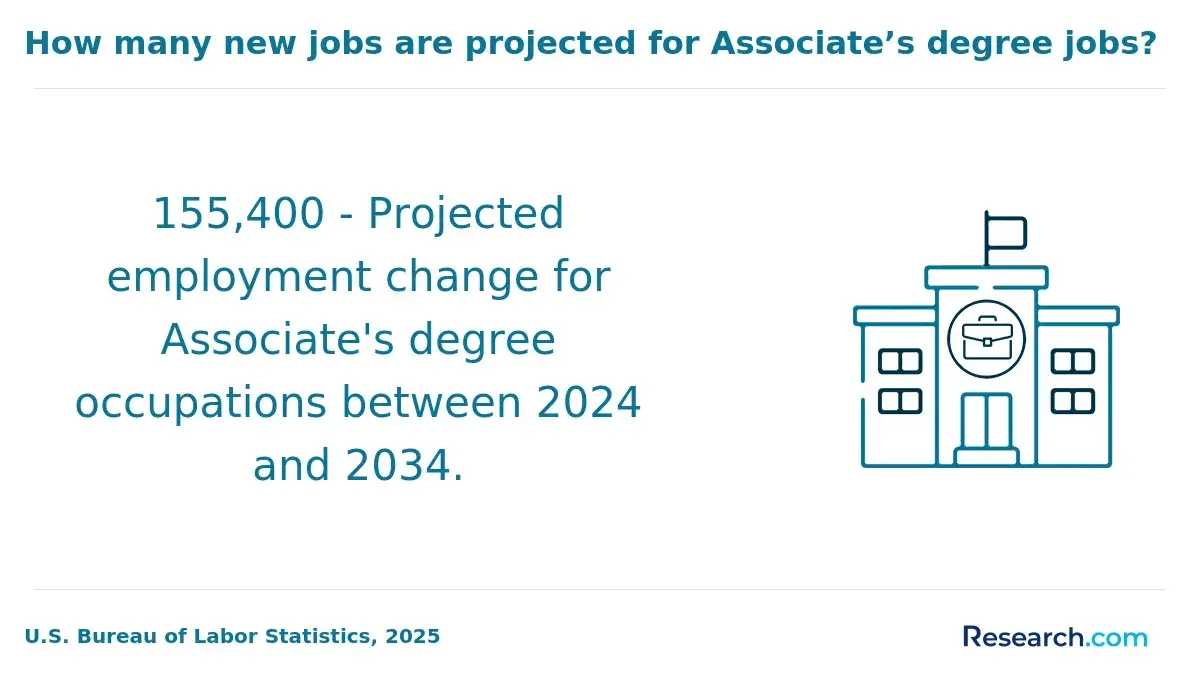
How can fellowships and research stipends offset the cost of an online Higher Education Leadership doctorate?
Fellowships, assistantships, and research stipends can offset doctoral costs, but they are less common in fully online applied Ed.D. programs than in campus-based Ph.D. programs. Still, online students working in higher education may find project-based funding through faculty research centers, institutional assessment offices, grant-funded initiatives, or professional associations.
The funding options below are worth investigating because even modest awards can reduce borrowing or cover dissertation expenses.
- Graduate assistantships that include tuition remission, hourly pay, or a stipend for research, assessment, or administrative work.
- Faculty research stipends for students supporting literature reviews, data analysis, survey design, or qualitative coding.
- Institutional fellowships for doctoral students studying student success, equity, enrollment, retention, or higher education policy.
- Professional association awards from groups related to student affairs, community colleges, institutional research, academic advising, or educational leadership.
- Employer-sponsored research projects that let you align your dissertation-in-practice with a campus priority.
These opportunities are rarely automatic. You need to ask targeted questions, especially because online doctoral students may not be visible to campus-based faculty in the same way full-time residential students are.
Take these steps after admission:
- Email the program director and ask which faculty have funded projects that use doctoral student support.
- Contact the graduate school, not only the academic department, about competitive fellowships.
- Ask whether online students are eligible for tuition waivers or assistantships on the same basis as campus students.
- Propose a dissertation topic connected to institutional priorities such as retention, transfer pathways, accreditation, or workforce partnerships.
- Track small research grants that can pay for software, transcription, travel, or participant incentives.
The main trade-off is time. A stipend can reduce cost, but if the assistantship delays graduation by a year, the opportunity cost may outweigh the award. Compare the stipend amount with the value of finishing sooner and advancing professionally.
What is the average starting salary and long-term earnings potential for Higher Education Leadership doctorate graduates?
The average starting salary for Higher Education Leadership doctorate graduates varies because the degree feeds into several career ladders: student affairs, academic affairs, enrollment management, institutional research, accreditation, advancement, workforce education, and executive administration. The doctorate can strengthen advancement potential, but salary depends heavily on institution type, region, experience, budget authority, and job level.
BLS May 2024 data reported a $103,960 median annual wage for postsecondary education administrators. That figure is useful as a midpoint, not a promise; many entry-level director roles pay less, while vice president, provost, dean, and president-level roles can pay substantially more.
The table below shows how salary potential commonly differs by role type and why the doctorate may or may not be necessary.
| Role category | Typical doctorate value | Salary context | ROI outlook |
| Director of student success, advising, or retention | Helpful for moving from manager to senior director | Often below executive levels but above many staff roles | Moderate if the degree is low-cost |
| Dean, associate dean, or academic affairs leader | Often strongly preferred, especially in academic units | Can move beyond the BLS median with budget and personnel authority | Strong when paired with faculty or administrative experience |
| Enrollment management or institutional strategy executive | Useful when combined with analytics and revenue responsibility | Higher-paying at large universities and systems | Strong if the doctorate supports promotion |
| Institutional research, assessment, or accreditation leader | Valuable for research credibility and compliance leadership | Pay rises with system-level responsibility | Strong for candidates with quantitative or policy skills |
| College president, provost, or vice president | Frequently expected or highly valued | Top-end compensation can exceed $200,000 in BLS wage distributions | Highest but most competitive |
A doctorate is not strictly required for every executive role. Some professionals advance through master's-level preparation plus deep experience, especially in operations, advancement, or enrollment. If your goal is learning technology leadership rather than institutional executive administration, comparing adjacent options such as the best online instructional design master's programs may produce a faster and cheaper career move.
The long-term earnings premium is most realistic when the doctorate helps you cross a credential threshold: moving from director to assistant vice president, from staff leadership to dean-level authority, or from campus administration to system-level policy and strategy.
What high-paying career paths justify the cost of an online doctorate in Higher Education Leadership?
High-paying career paths justify the cost of an online doctorate in Higher Education Leadership when the degree directly supports promotion into roles with budget authority, strategic responsibility, accreditation accountability, or institution-wide decision-making. The degree is less financially compelling if you plan to stay in a role where salary bands do not reward doctoral credentials.
The table below compares doctoral career paths by pay potential and credential fit.
| Career path | Why it can pay well | Doctorate fit | Best candidates |
| Vice president for student affairs or student success | Oversees large teams, retention strategy, student services, and compliance | Strong | Student affairs leaders with director-level experience |
| Dean or associate provost | Manages academic programs, faculty processes, and institutional priorities | Strong | Academic administrators with teaching or program leadership background |
| Enrollment management executive | Influences tuition revenue, recruitment strategy, and financial sustainability | Moderate to strong | Admissions, financial aid, analytics, and marketing leaders |
| Institutional research or effectiveness executive | Guides accreditation, outcomes assessment, and strategic data use | Strong | Professionals with analytics, assessment, and policy skills |
| Community college president or senior system leader | Combines governance, workforce partnerships, budgeting, and public accountability | Very strong | Experienced administrators with broad institutional leadership exposure |
| Higher education consultant | Can command higher fees for specialized accreditation, strategy, or student success expertise | Moderate | Leaders with a strong network and a marketable niche |
The degree makes the most financial sense when it is part of a promotion plan, not just a personal milestone. Candidates should map the doctorate to target jobs before enrolling.
Use this practical test before committing:
- Identify five target job postings and note whether a doctorate is required, preferred, or absent.
- Compare the posted salary range with your current compensation.
- Estimate your net program cost after confirmed aid and employer support.
- Ask mentors in your target role whether the doctorate would materially improve your candidacy.
- Choose the lowest-cost accredited program that still has the specialization, faculty support, and reputation your target employers respect.
Do not choose a research Ph.D. only because it sounds more prestigious if your goal is applied executive leadership. Likewise, do not choose an applied Ed.D. if you want a research-intensive academic career where methodological depth and publications matter more.
Which high-paying industries actively recruit professionals with an online doctorate in Higher Education Leadership?
Professionals with an online doctorate in Higher Education Leadership are recruited across colleges, universities, education systems, policy organizations, consulting firms, workforce development entities, and education technology companies. Hiring demand is strongest when candidates combine the doctorate with measurable leadership results, such as improved retention, accreditation success, enrollment growth, or program turnaround.
The table below identifies industries where the credential can support higher-paying leadership opportunities.
| Industry | Common job titles | Why they recruit doctoral-level leaders | Compensation potential |
| Public universities and state systems | Vice president, associate provost, dean, system director | Need leaders who understand governance, policy, budgeting, and student outcomes | Strong at senior and system levels |
| Private nonprofit colleges | Provost, dean, enrollment executive, student success executive | Need strategy leaders in competitive enrollment and retention markets | Strong where budget responsibility is high |
| Community colleges | President, vice president, workforce education dean | Need leaders for transfer pathways, workforce partnerships, and student completion | Strong for executive roles |
| Education consulting | Higher education consultant, accreditation specialist, student success strategist | Clients value doctoral credibility plus practical campus experience | Variable but high for specialists |
| Education technology and online program management | Academic partnerships director, learning strategy executive, student success leader | Need leaders who understand institutional decision-making and online learning | Strong in revenue-linked roles |
| Government, policy, and nonprofit education organizations | Policy director, research director, program executive | Need evidence-based leadership in access, completion, and workforce policy | Moderate to strong depending on agency and scope |
The BLS Occupational Outlook Handbook projects steady employment needs for postsecondary education administrators as institutions manage enrollment, student services, and compliance responsibilities. For readers, the practical takeaway is that hiring exists, but the highest-paying jobs usually require more than the degree: supervisory experience, budget management, data fluency, and a record of institutional impact matter heavily.
To position yourself for these industries while enrolled, build evidence in three areas:
- Leadership outcomes, such as retention improvement, program growth, accreditation findings, or successful change initiatives.
- Data and policy skills, including assessment, institutional research, strategic planning, and regulatory compliance.
- Professional visibility through conference presentations, association leadership, publications, or cross-campus projects.
A common career mistake is waiting until graduation to plan the transition. The strongest ROI often comes when students use the doctoral program to complete projects that solve visible problems for their current employer or target industry.
How quickly can you achieve a positive ROI on an online Higher Education Leadership doctorate?
You can achieve a positive ROI on an online Higher Education Leadership doctorate when the salary increase, promotion probability, job security, and career mobility outweigh tuition, fees, interest, and time costs. For many students, the payback period is fastest when the net cost stays below $35,000 and the doctorate helps secure a promotion worth at least $10,000 to $20,000 more per year before taxes.
The table below illustrates how net cost and salary lift affect simple payback time. These are planning scenarios, not guaranteed outcomes.
| Net program cost after aid | Annual salary increase after completion | Simple pre-tax payback estimate | ROI interpretation |
| $20,000 | $10,000 | About 2 years | Strong if the promotion is realistic |
| $35,000 | $10,000 | About 3.5 years | Reasonable for stable higher education leaders |
| $50,000 | $15,000 | About 3.3 years | Good if the degree leads to senior responsibility |
| $75,000 | $10,000 | About 7.5 years | Riskier unless employer funding or executive advancement is likely |
The fastest ROI usually comes from combining low tuition with continued full-time employment. Leaving the workforce for a doctorate can increase opportunity cost, so online part-time study is often the more financially conservative route for higher education professionals.
Use these steps to improve ROI before enrollment:
- Set a maximum net cost based on your realistic promotion target.
- Choose an accredited program with a specialization aligned to your target roles.
- Get written confirmation of employer reimbursement before registering.
- Avoid unnecessary borrowing by paying smaller balances monthly when possible.
- Use course projects and the dissertation to create measurable workplace results.
- Apply for promotions before graduation if you have completed enough doctoral coursework to strengthen your candidacy.
An online doctorate may not be worth it if you are already near the top of your salary band, your employer does not value doctoral credentials, or you would need high-interest debt to enroll in a program with weak career alignment. In that case, a certificate, targeted master's-level credential, or employer-sponsored leadership development program may offer a better return.
Other Things You Should Know About Higher Education Leadership
Yes, it can be respected when the university is properly institutionally accredited, the curriculum matches higher education leadership, and the graduate can show relevant experience. Employers usually care more about accreditation, role fit, leadership record, and dissertation relevance than online delivery alone.
Many online Ed.D. programs no longer require the GRE, especially for applicants with a master's degree and professional leadership experience. Requirements vary, so review each program's admissions page and ask whether a waiver is available.
Most programs expect a master's degree, graduate transcripts, professional references, a statement of purpose, a writing sample, and experience in education, student services, administration, policy, or a related leadership field. Some programs prefer applicants already working in higher education.
Usually no. Higher Education Leadership doctorates are designed for administrative, policy, research, and executive roles rather than state teacher or principal licensure. If you need licensure, confirm requirements with the state agency and the university before enrolling.
References
- Career Opportunities After Earning an Educational Leadership Graduate Degree https://aituedu.org/career-opportunities-after-earning-an-educational-leadership-graduate-degree/
- Financial Aid For Online Colleges https://www.affordablecollegesonline.org/financial-aid/financial-aid-for-online-colleges/
- Affordable Doctoral Programs in 2026: How ACE Is Keeping Education Accessible When Others Are Cutting Back | ACE Blog https://ace.edu/blog/affordable-doctoral-programs-in-2026/
- PhD Scholarships: Explore Your Online Education Aid Options https://www.oedb.org/phd-scholarship/
- Best Online EdD in Higher Education Programs of 2025 https://www.eddprograms.org/schools/higher-education/
- Scholarships for Doctor of Education (EdD) Students | Teach.com https://teach.com/online-ed/education-degrees/online-edd-programs/scholarships/
- EdD Salary - How much can you make with a Doctor of Education (EdD) degree? (2025 Update) https://www.onlineeddprograms.com/faqs/edd-salary
- 2025 Most Affordable Online Doctorates in Education https://www.onlineu.com/most-affordable-colleges/education-doctoral-degrees
- Best Online Doctor of Education Programs for 2025 https://www.princetonreview.com/education-school-rankings
- Doctorate in Education Salary Guide| University of Bridgeport https://www.bridgeport.edu/news/doctorate-in-education-salary-guide/