2027 Cheapest Accredited Online Physics Degree Programs That Accept FAFSA

Co-Founder and Chief Data Scientist
Finding an online physics degree is harder than finding an online business or computer science program, and finding one that is both accredited and FAFSA-eligible narrows the field even more. Cost matters because the College Board reported average published tuition and fees of $11,610 for in-state public four-year colleges in 2024-25, before housing, books, and fees. This guide helps transfer students, working adults, military learners, and first-time undergraduates compare affordable online physics options, understand federal aid, avoid hidden costs, and decide whether the cheapest program is truly the best value.
Key Things You Should Know
- The cheapest FAFSA-eligible online physics options are usually public universities or degree-completion routes, but the lowest posted tuition is not always the lowest net price after grants, transfer credits, and fees.
- The maximum Federal Pell Grant was $7,395 for the 2024-25 award year, so even grant-eligible students should estimate remaining tuition, lab costs, technology fees, and possible loan needs before enrolling.
- Physics career ROI depends heavily on degree level: a bachelor's degree can support technical, teaching-adjacent, engineering support, data, and graduate-school pathways, while many physicist roles typically expect advanced study.
Which Are the Cheapest Accredited Online Physics Degree Programs That Accept FAFSA?
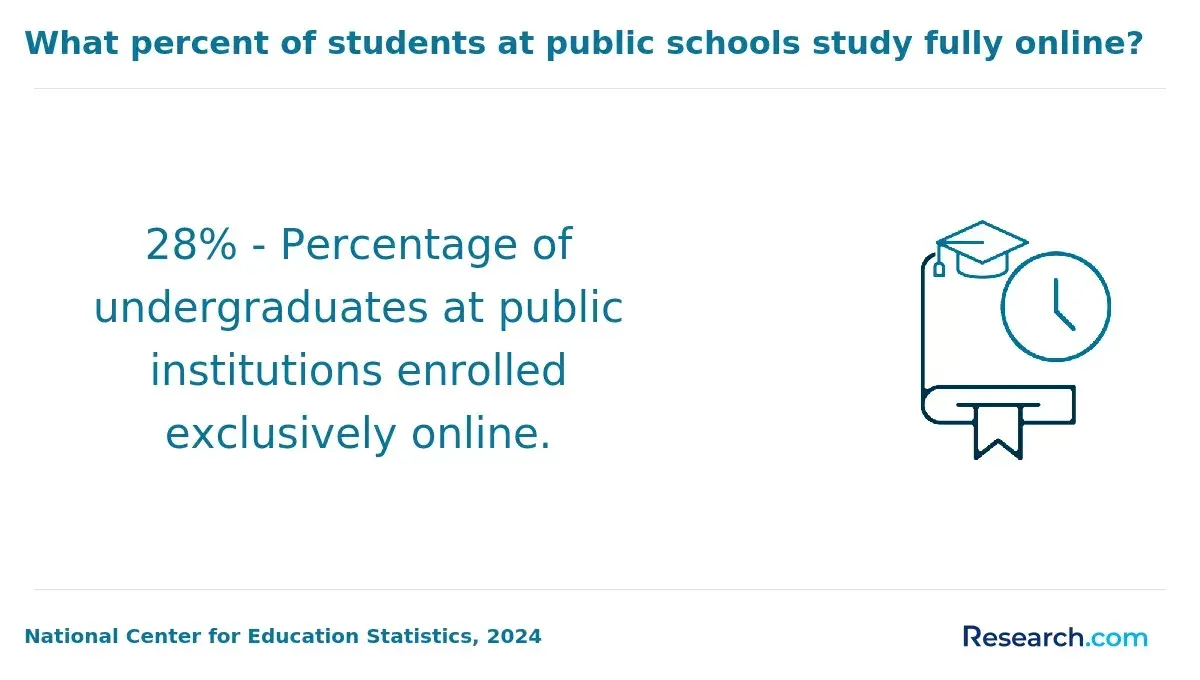
The cheapest accredited online physics degree programs that accept FAFSA are generally limited to a small group of nonprofit and public institutions. Online physics is uncommon because the subject requires advanced mathematics, labs, instrumentation, and faculty supervision, so students should prioritize verified accreditation and federal student aid participation over marketing claims.
The table below compares affordable online or primarily online physics bachelor's options that are commonly considered by students seeking federal aid. Tuition can change by residency, course load, fees, and campus policy, so use this as a short list for deeper net-price comparison rather than a final bill.
| School | Online physics option | Institutional accreditation | FAFSA participation | Published cost signal | Best fit |
| University of North Dakota | Online bachelor's in physics pathway | Higher Learning Commission | Yes, for eligible students | Often competitive among public online science programs | Students who want a public university physics curriculum with online access and structured science coursework |
| Arizona State University Online | BS in Physics | Higher Learning Commission | Yes, for eligible students | Usually higher than the lowest-cost public options but broadly accessible online | Students who value a large online platform, frequent start dates, and a well-known research university brand |
| Liberty University Online | BS in Physics | Southern Association of Colleges and Schools Commission on Colleges | Yes, for eligible students | Private nonprofit tuition may be offset by institutional aid, military benefits, or transfer credits | Adult learners, military-affiliated students, and students seeking flexible eight-week online courses |
| Thomas Edison State University | Physics-related bachelor's or degree-completion route, subject to current catalog availability | Middle States Commission on Higher Education | Yes, for eligible students | Can be cost-effective for high-transfer students | Students with substantial prior college, exams, military training, or community college credits |
The practical takeaway is that "cheapest" depends on your starting point. A first-time student may pay less at a lower-tuition public program, while a transfer student may save more at a school that accepts a larger block of credits even if its per-credit tuition is higher.
Before applying, confirm four things directly with the school: the exact program name, whether it is fully online or requires campus labs, whether the program is eligible for Title IV federal aid, and whether your intended enrollment status qualifies for the aid you need. This is especially important in physics because lab science requirements can make online delivery more complex than in many other majors.
How Does FAFSA Eligibility Work for Online Physics Degree Programs?
FAFSA eligibility means the institution participates in federal student aid programs and the student meets federal and school-level requirements. It does not mean every student receives free aid, and it does not mean the full cost of the online physics degree will be covered.
For an online physics program to be a realistic FAFSA-funded option, three layers must line up. Students should verify each layer before assuming an advertised online degree is aid-eligible.
- The school must be institutionally accredited by a recognized accrediting agency and approved to participate in federal Title IV aid programs.
- The specific degree program must be eligible for federal aid, which can vary for certificates, nondegree study, and some special delivery formats.
- The student must meet FAFSA rules, including citizenship or eligible noncitizen status, satisfactory academic progress, enrollment level, and federal aid limits.
One common mistake is assuming that "accepts FAFSA" means "affordable." FAFSA is only the application gateway. The actual package may include grants, scholarships, work-study, subsidized loans, unsubsidized loans, or a mix of aid depending on financial need, school cost, dependency status, academic progress, and annual loan limits.
Online students should also ask whether the physics program has required in-person labs, proctored exams, lab kits, or summer campus sessions. These requirements can affect both total cost and scheduling, even when tuition itself appears affordable.
How Much Does an Online Physics Degree Cost After Financial Aid?
The cost after financial aid is the net price: tuition, fees, books, equipment, lab expenses, and required technology minus grants and scholarships. Loans reduce the amount due now, but they do not reduce the total cost because they must be repaid with interest.
The following table shows the major cost components to estimate before choosing a program. This is useful because online physics students may avoid campus housing costs but still face science-specific expenses that do not appear in the headline tuition rate.
| Cost component | Why it matters for online physics students | How to check it |
| Tuition per credit | Determines the largest direct academic cost and may vary by residency or course load | Ask for the current online undergraduate tuition schedule for your program |
| Required fees | Online, technology, registration, proctoring, and graduation fees can materially change the bill | Request a full cost-of-attendance estimate, not only tuition |
| Lab costs | Physics may require lab kits, equipment, software, or campus-based lab experiences | Ask the department how each lab course is delivered and billed |
| Books and software | Advanced math and physics courses may require textbooks, simulation tools, calculators, or coding platforms | Review course syllabi or bookstore estimates for major requirements |
| Transfer-credit loss | Credits that do not apply to the major can extend time to graduation | Request a written transfer evaluation before committing |
Use grant aid first when available. The maximum Federal Pell Grant was $7,395 for the 2024-25 award year, which can significantly reduce costs for eligible students but may not cover the full annual price of a bachelor's program. Students should compare remaining out-of-pocket cost, not just whether the school appears on a FAFSA list.
A useful budgeting method is to calculate the total degree-completion cost. Multiply remaining credits by tuition per credit, add mandatory fees and science-related costs, subtract grants and scholarships, and then separate the remaining amount into cash payments, employer assistance, and loans. This gives you a clearer picture than a single semester estimate.
Which Affordable Online Physics Degree Programs Offer the Best Value?
The best value is not always the lowest tuition. A stronger-value online physics degree combines reasonable net cost, recognized accreditation, transferable coursework, credible lab instruction, academic support, and outcomes aligned with your goal.
Students comparing physics with other high-ROI undergraduate paths should also look at broader earnings patterns across majors. Research.com's guide to highest paying bachelor degrees can help put physics-related technical training in context against other bachelor's-level options.
To judge value, compare programs across the factors that actually affect completion and career usefulness. A cheap program that delays graduation, rejects credits, or lacks adequate academic support can become more expensive than it first appears.
- Net price after grants: Compare the aid-adjusted cost at each school, not the sticker tuition.
- Transfer acceptance: A school that applies more prior credits toward the major may reduce your total cost more than a school with lower tuition.
- Lab credibility: Physics employers and graduate programs may care whether lab and computational work are rigorous, documented, and aligned with upper-division science expectations.
- Math and advising support: Physics is math-intensive, so tutoring, faculty access, and sequencing advice can reduce failed or repeated courses.
- Career alignment: Choose a curriculum that supports your target, such as graduate physics, engineering support, data analysis, technical sales, education pathways, or research assistance.
A more expensive program can be worth choosing if it offers stronger transfer evaluation, better lab access, clearer graduate-school preparation, employer recognition, or a schedule that lets you stay employed while studying. Conversely, the lowest-cost option may be best if you already have strong math preparation, need minimal support, and can complete the degree without extra terms.
Are the Cheapest Online Physics Degree Programs Properly Accredited?
The cheapest online physics degree is only worth considering if it comes from a properly accredited institution. For federal aid, the key standard is institutional accreditation from an agency recognized for Title IV purposes; this is what allows eligible students to use FAFSA-based federal aid.
Physics bachelor's programs are not commonly accredited by a separate physics-specific accreditor in the way that some engineering, nursing, or business programs may be. Therefore, students should focus on institutional accreditation, program legitimacy, lab rigor, faculty qualifications, and whether the degree title appears clearly in the school catalog.
Use this verification process before enrolling. It can help you avoid diploma mills, non-aid-eligible programs, and degrees that may not transfer well to graduate study.
- Confirm the institution's accreditor on the school website and in federal or accreditor directories.
- Ask the financial aid office whether the specific online physics degree is eligible for Title IV federal student aid.
- Check the current academic catalog to confirm the exact degree title, required credits, lab courses, and graduation requirements.
- Ask whether transcripts distinguish between online and campus delivery, especially if graduate school is your goal.
- Request data on transfer acceptance, course availability, academic advising, and time to completion.
A red flag is any school that emphasizes "fast approval," "no exams," or "life experience degrees" without transparent accreditation, faculty, curriculum, and aid details. Another warning sign is a program that uses FAFSA language vaguely but cannot confirm Title IV eligibility for the exact degree you plan to enter.
What FAFSA Grants and Federal Aid Can Pay for an Online Physics Degree?
FAFSA can connect eligible online physics students with federal grants, federal loans, and sometimes work-study, depending on school participation and student circumstances. Institutional scholarships, state aid, military education benefits, and employer tuition assistance may also reduce borrowing.
The same affordability logic applies across service-oriented and science-focused degrees: students comparing physics with fields such as online MSW programs affordable should compare total net cost and licensure or career outcomes, not just tuition.
Here are the main aid categories to understand before you build a physics degree budget. Each type affects affordability differently, so separate free aid from borrowed aid when comparing offers.
- Federal Pell Grant: Need-based grant aid for eligible undergraduates that does not have to be repaid if enrollment and academic rules are met.
- Federal Supplemental Educational Opportunity Grant: Campus-based grant aid for students with high financial need, available only at participating schools with limited funds.
- Federal Direct Subsidized Loan: Need-based undergraduate loan where the government covers interest during eligible in-school periods.
- Federal Direct Unsubsidized Loan: Federal loan available to many students regardless of demonstrated need, with interest accruing during school.
- Federal Work-Study: Part-time employment aid that may be available through participating schools but is not guaranteed for every online student.
- Institutional and departmental scholarships: School-funded awards that may consider academic merit, financial need, STEM interest, transfer status, or military affiliation.
The biggest mistake is treating loans as a discount. Loans can make enrollment possible, but they increase long-term cost. When comparing offers, create two totals: one for grants and scholarships that reduce price, and one for loans that postpone payment.
How Do Transfer Credits Lower the Cost of an Online Physics Degree?
Transfer credits can be the single biggest cost reducer for online physics students because they reduce the number of credits you must buy from the degree-granting school. This is especially valuable for general education, calculus, chemistry, computer programming, and lower-division physics courses completed at a community college.
Shorter credentials can also be useful when they fill a specific skill gap before or during a degree. For example, students exploring finance, lab administration, or small-business support roles may compare degree plans with career-specific options such as the best bookkeeping certification online, but physics students should be careful not to replace required major courses with unrelated certificates unless the credits apply.
Transfer savings depend on how credits are applied, not simply how many credits a school accepts. A program may accept 60 credits in total but apply only some of them toward physics major requirements.
- General education transfer: Usually the easiest savings area because writing, humanities, social science, and basic math courses often transfer more broadly.
- Major prerequisite transfer: Calculus, differential equations, chemistry, computer science, and introductory physics may save substantial cost if they match the receiving school's sequence.
- Upper-division physics transfer: Often more restrictive because schools may want students to complete advanced mechanics, electromagnetism, quantum mechanics, or lab courses in residence.
- Alternative credit: CLEP, AP, IB, military training, and prior learning assessment may help with electives or general education but may not satisfy advanced physics requirements.
Ask for a written degree audit before enrolling. The best question is not "How many credits will you accept?" but "How many credits will apply directly to the physics degree requirements I still need to finish?"
Which Students Benefit Most From a Low-Cost Online Physics Degree With FAFSA?
A low-cost online physics degree with FAFSA is most useful for students who need flexibility, have strong math readiness, and can use federal aid or transfer credits to reduce out-of-pocket costs. It is less ideal for students who need extensive in-person lab access, want a traditional campus research experience, or are not prepared for calculus-based coursework.
Students often ask whether a specific career requires graduate study, licensure, or a bachelor's degree alone. That same credential-checking mindset appears in questions like do you need a masters to be a librarian; for physics, the answer also depends on the target role, employer, and long-term plan.
The students below are often strong candidates for an affordable online physics pathway. The common thread is that they can connect the degree to a clear academic or career goal.
- Community college transfer students: They can reduce total cost by completing lower-division math and science courses before transferring.
- Working adults: Online delivery may allow continued income, which can reduce borrowing even if tuition is not the absolute lowest.
- Military-affiliated learners: Tuition assistance, GI Bill benefits, and military transfer credits may combine with FAFSA options.
- Future graduate students: A structured physics bachelor's degree can prepare students for graduate study if it includes rigorous math, lab, and theory coursework.
- Career changers with STEM experience: Students with prior engineering, math, computer science, or technical coursework may finish faster and cheaper.
Students should avoid choosing primarily on price if they need hands-on research mentorship, specialized instrumentation, or a clear pre-engineering route. In those cases, a slightly higher-cost program with better lab access or stronger advising may deliver better value.
How Does the Cost of an Online Physics Degree Affect Career ROI?
Career ROI depends on the relationship between total education cost, debt, time to completion, and the type of work the degree helps you pursue. Physics is versatile, but a bachelor's degree alone does not lead to the same roles as a PhD in physics or a professional engineering license.
The Bureau of Labor Statistics reported a May 2024 median annual wage of $166,290 for physicists and astronomers, but many of those roles require graduate education. For bachelor's students, the more practical ROI question is whether the degree supports technical roles, data-oriented work, teaching pathways, engineering support, graduate school, or another defined next step.
Advanced degrees can change ROI calculations because they add cost and time but may open different roles. Students comparing long-term education investments can use similar cost-benefit thinking when reviewing fields such as affordable doctoral programs in leadership, where the right choice depends on career target and total debt tolerance.
To estimate ROI, focus on the factors you can control before enrollment. These steps make the decision more concrete and reduce the risk of overborrowing.
- Estimate the total remaining cost to graduate, including fees, books, lab expenses, and any required campus travel.
- Subtract grants, scholarships, employer aid, tuition assistance, and cash payments to identify likely borrowing.
- Identify realistic jobs you can pursue with the degree level you plan to complete, not only with a future graduate degree.
- Compare monthly loan repayment estimates with conservative starting pay assumptions for your target roles.
- Consider opportunity cost, including whether online study lets you keep working while completing the degree.
The cheapest accredited online physics program may offer the best ROI if it gets you to graduation with low debt and adequate preparation. A costlier option may be justified if it improves completion odds, transfer efficiency, graduate-school preparation, or access to career-relevant faculty support.
How Should Students Choose the Cheapest FAFSA-Eligible Online Physics Degree?
Students should choose the cheapest FAFSA-eligible online physics degree by comparing net price, accreditation, transfer credits, lab delivery, academic support, and career fit side by side. The right program is the one that lets you finish a legitimate physics degree at the lowest responsible total cost.
Use this decision sequence before committing. It is designed to prevent the most common affordability mistakes, especially confusing low tuition with low total cost.
- List only schools with recognized institutional accreditation and confirmed federal student aid participation.
- Confirm that the specific online physics degree, not just the institution, is eligible for FAFSA-based aid.
- Request a written transfer-credit evaluation and degree plan before paying deposits or enrolling.
- Use each school's net price calculator and then ask financial aid for a program-specific cost estimate.
- Separate free aid from loans so you know the true discount versus future repayment.
- Ask the physics department how online labs, exams, tutoring, faculty access, and upper-division courses work.
- Compare completion risk, including course availability, prerequisites, and whether required classes are offered often enough.
- Choose the lowest-cost option that still supports your goal, whether that is graduate school, technical employment, teaching preparation, or a STEM career pivot.
Do not enroll until you can answer three questions clearly: How much will I likely pay to finish? How much will I likely borrow? What academic or career outcome is this program designed to support? If a school cannot answer those questions in writing, keep comparing options.
Other Things You Should Know About Physics
Sometimes, but not always. Some programs use virtual labs, lab kits, simulations, or local arrangements, while others may require campus visits or in-person lab components. Always confirm lab requirements before enrolling.
Employers generally focus on accreditation, skills, coursework, projects, and experience. An online degree from an accredited institution can be credible, but students should build evidence of applied skills through labs, coding, research, internships, or technical projects.
Yes, most physics bachelor's programs require calculus and additional advanced math. Students who are not ready for calculus may need prerequisite courses, which can add time and cost.
Often, yes, if the school and program are eligible and you meet enrollment requirements. Aid amounts may change for part-time students, so ask the financial aid office how your package changes at half-time, three-quarter-time, or full-time status.
References
- Financial Aid For Online Colleges https://www.affordablecollegesonline.org/financial-aid/financial-aid-for-online-colleges/
- 2025 Best Online Degrees in Physics https://www.onlineu.com/degrees/physics
- Can You Get Financial Aid for Online College? Finding Out https://beal.edu/can-you-get-financial-aid-for-online-college/
- Do Online Colleges Accept FAFSA? | Ascent Funding https://www.ascentfunding.com/blog/do-online-colleges-accept-fafsa/
- Colleges That Offer Complete Financial Aid https://www.collegeessayguy.com/blog/colleges-that-offer-complete-financial-aid