2027 Cheapest Accredited Online Military Science & Studies Degree Programs That Accept FAFSA

Co-Founder and Chief Data Scientist
Finding a cheap online military science or military studies degree is not just about the lowest tuition rate; it is about the lowest net cost after grants, transfer credits, military benefits, and loans. Federal Student Aid lists the maximum Federal Pell Grant at $7,395 for the 2024-25 award year, which can materially reduce costs for eligible undergraduates. This guide is for service members, veterans, military spouses, first responders, and civilian students comparing FAFSA-eligible online programs. You will learn how to compare accredited options, estimate out-of-pocket cost, and avoid paying more than necessary.
Key Things You Should Know
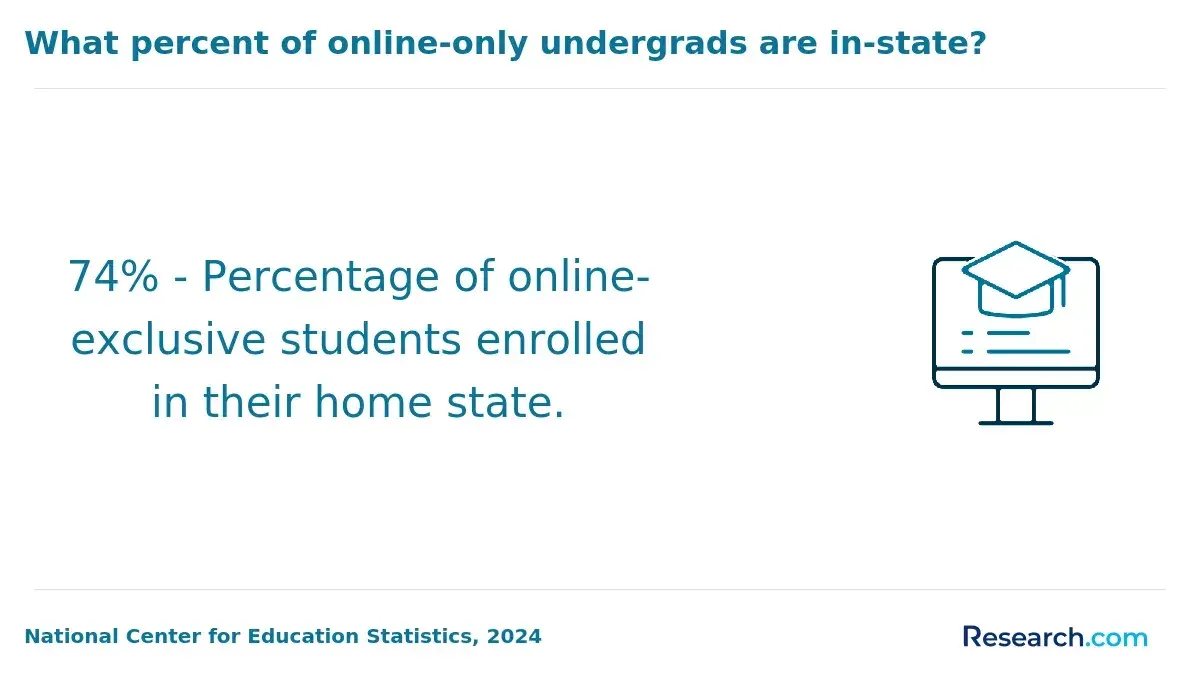
- The cheapest FAFSA-eligible online military studies options are usually bachelor's programs with published tuition near $330 to $390 per credit before fees, while active-duty military tuition discounts can reduce some rates to about $250 per credit.
- FAFSA participation does not mean a program is free; Pell Grants, federal loans, scholarships, military tuition assistance, and transfer credits all affect the final net price differently for each student.
- Accreditation should be verified at the institution level through a recognized regional or national accreditor, because low tuition has little value if credits, graduate admission, or employer recognition are limited.
Which Are the Cheapest Accredited Online Military Science & Studies Degree Programs That Accept FAFSA?
The most affordable online military science and military studies programs that accept FAFSA are typically offered by accredited institutions that participate in Title IV federal student aid programs. "Military science and studies" can include military studies, military history, strategic studies, defense analysis, leadership, intelligence-related study, and security-focused programs, depending on the school's catalog.
The table below compares commonly available online options with published undergraduate tuition figures that make them relevant to cost-conscious students. Tuition can change by term, residency, military status, and fees, so students should treat these as starting points for a net-price comparison rather than final bills.
| School | Example online program | Published online tuition basis | Estimated tuition for 120 credits before aid | Institutional accreditation | FAFSA participation |
| Southern New Hampshire University | BA in History with Military History concentration | About $330 per credit for online undergraduate courses | About $39,600 | New England Commission of Higher Education | Yes |
| American Public University System / American Military University | BA in Military Studies or BA in Military History | About $350 per credit for undergraduate courses; lower military grant rates may apply | About $42,000 before military grant discounts | Higher Learning Commission | Yes |
| Liberty University | BS in Military Studies or related online military-focused programs | About $390 per credit for full-time online undergraduate study; military rates may be lower | About $46,800 before applicable military discounts | Southern Association of Colleges and Schools Commission on Colleges | Yes |
| University of Arizona Global Campus | BA in Military Studies | About $510 per credit before fees and institutional aid | About $61,200 | WASC Senior College and University Commission | Yes |
For many students, the cheapest published tuition will be SNHU or AMU/APUS, but the cheapest actual cost may differ after aid. A veteran transferring many credits into a slightly higher-priced program may pay less overall than a first-time student at the lowest per-credit school.
A good shortlist should separate "low tuition" from "low completion cost." Before choosing, compare the following cost drivers because they can change the real ranking of programs:
- Per-credit tuition: This is the easiest number to compare, but it excludes fees, textbooks, and repeated courses.
- Credits required after transfer review: A 120-credit bachelor's degree may cost far less if the school accepts 60 to 90 prior credits.
- Military and veteran discounts: Active-duty tuition assistance, military spouse discounts, and institutional military grants can reduce out-of-pocket cost.
- Federal grant eligibility: Pell Grant eligibility depends on financial need, enrollment intensity, and federal rules, not the school's advertised tuition.
- Program fit: Military history, military leadership, homeland security, intelligence studies, and defense analysis can lead to different graduate and career pathways.
Students considering adjacent public-service fields may also want to compare cost structures in other online programs, such as a BCBA degree online, because some regulated career paths require specific graduate training beyond a bachelor's degree.
How Does FAFSA Eligibility Work for Online Military Science & Studies Degree Programs?
FAFSA eligibility means the school participates in federal student aid programs and the student may apply for federal grants, loans, and work-study. It does not mean every student receives free aid, every online program qualifies automatically, or every course load is funded at the same level.
For an online military science or military studies degree to be aid-eligible, the student generally must be admitted into an eligible degree program, maintain satisfactory academic progress, and meet federal student aid requirements. Non-degree certificates, standalone courses, or informal continuing education options may not qualify even if the institution itself accepts FAFSA.
Students should verify eligibility before enrolling by following a simple sequence. This matters because an online program can be accredited and still have restrictions on aid eligibility depending on the credential, enrollment status, or academic calendar.
- Confirm the institution has a Federal School Code and participates in Title IV aid programs.
- Ask whether the exact online military science, military studies, military history, or strategic studies program is federal-aid eligible.
- Check whether you must enroll at least half time to access federal student loans.
- Ask whether accelerated terms, competency-based courses, or transfer-heavy degree plans affect aid disbursement timing.
- Request a written financial aid estimate that separates grants, scholarships, federal loans, and out-of-pocket charges.
A common mistake is assuming "FAFSA accepted" means the entire degree will be paid for. FAFSA is an application gateway; the amount of aid depends on federal formulas, dependency status, income, assets, enrollment intensity, cost of attendance, and school packaging policies.
How Much Does an Online Military Science & Studies Degree Cost After Financial Aid?
The cost after financial aid depends on the program's tuition, fees, books, transfer credits, grants, scholarships, and borrowing. The most useful number is not the advertised tuition rate but the estimated net price: total cost minus grants, scholarships, tuition assistance, and other aid that does not have to be repaid.
The table below shows how different aid situations can change the apparent affordability of a 120-credit online bachelor's degree. It uses the 2024-25 maximum Federal Pell Grant of $7,395 as a reference point for eligible undergraduate students, but actual awards vary.
| Example tuition level | Published tuition for 120 credits | If eligible for one year of maximum Pell Grant | If 60 transfer credits are accepted | What it means |
| $330 per credit | $39,600 | $32,205 before other aid and fees | $19,800 before aid and fees | Low tuition becomes especially strong when paired with grants or transfer credit. |
| $350 per credit | $42,000 | $34,605 before other aid and fees | $21,000 before aid and fees | A modestly higher rate may still be affordable if transfer acceptance is generous. |
| $390 per credit | $46,800 | $39,405 before other aid and fees | $23,400 before aid and fees | Military discounts can make this tier much cheaper for eligible service members. |
| $510 per credit | $61,200 | $53,805 before other aid and fees | $30,600 before aid and fees | A higher tuition program needs stronger aid, transfer credit, or career fit to compete on value. |
These examples exclude fees because fee structures vary widely. Students should ask about technology fees, graduation fees, books, course materials, proctoring, transcript evaluations, portfolio assessment fees, and any residency or intensive requirements.
The safest way to estimate cost is to build a completion budget before committing. Use this process to avoid confusing first-term affordability with full-degree affordability:
- List the number of credits required for the degree.
- Subtract only the transfer credits the school has officially accepted in writing.
- Multiply remaining credits by the current tuition rate that applies to your student status.
- Add mandatory fees and estimated books or course materials.
- Subtract grants, scholarships, employer tuition assistance, military tuition assistance, and tuition discounts.
- Treat federal loans as financing, not discounts, because they must be repaid with interest.
Which Affordable Online Military Science & Studies Degree Programs Offer the Best Value?
The best value is not always the program with the lowest sticker price. A strong-value online military studies degree combines recognized accreditation, low net cost, flexible scheduling, generous transfer policy, relevant curriculum, and a realistic path to completion.
The table below compares value factors that often matter more than a small tuition difference. Use it to decide when a higher-priced program may still be worth considering.
| Value factor | Why it matters | When it can outweigh lower tuition |
| Transfer credit acceptance | Reduces the number of credits you must pay for | A higher per-credit school may be cheaper if it accepts substantially more prior learning. |
| Military credit evaluation | May award credit for Joint Services Transcript, Community College of the Air Force coursework, or prior training | Service members and veterans can shorten completion time. |
| Asynchronous online format | Supports students managing deployments, shift work, family care, or relocation | Flexibility can improve completion odds, which affects ROI. |
| Curriculum alignment | Military history, defense analysis, intelligence, leadership, and security courses support different goals | A better-aligned degree may be more useful for graduate school or career transition. |
| Financial aid packaging | Grants and scholarships reduce net price; loans do not | A school with higher tuition but stronger grant aid may cost less out of pocket. |
A low-cost program is usually the best fit when it offers the concentration you want, accepts your transfer credits, and allows you to graduate without excessive borrowing. A more expensive program may make sense if it offers a rare specialization, stronger advising for military students, better transfer recognition, or a format that helps you finish faster.
Students who are comparing broad online affordability across fields can also review most affordable masters degrees online to understand how graduate-level pricing may affect long-term education planning after a bachelor's degree.
Are the Cheapest Online Military Science & Studies Degree Programs Properly Accredited?
The cheapest online military science and military studies programs should be accredited by an agency recognized by the U.S. Department of Education or the Council for Higher Education Accreditation. For most students, institutional accreditation is the key requirement because it affects federal aid, credit transfer, graduate admission, and employer recognition.
Military science and military studies usually do not have a single field-specific programmatic accreditor in the same way nursing, counseling, education, or speech-language pathology programs may. That makes institutional accreditation and curriculum fit especially important.
To avoid accreditation problems, verify these items before applying. This is especially important for online programs advertised through third-party lead forms or unfamiliar school brands.
- Institutional accreditor: Confirm the accreditor is recognized and that the school is currently in good standing.
- Exact school name: Match the name on the accreditor's site with the name on the admissions and financial aid documents.
- Degree level and title: Verify whether the credential is a bachelor's degree, associate degree, master's degree, certificate, concentration, or minor.
- Credit transfer limits: Ask whether credits will transfer to graduate programs or public universities if you later change direction.
- Professional requirements: If you plan to enter a licensed field later, confirm whether this degree satisfies prerequisite expectations.
One red flag is a school that emphasizes speed and aid availability but gives vague answers about accreditation, total cost, or transferability. By contrast, schools in regulated fields often make standards highly visible; for example, students researching ASHA approved online speech pathology programs must check specialized approval because licensure pathways depend on it.
What FAFSA Grants and Federal Aid Can Pay for an Online Military Science & Studies Degree?
FAFSA can connect eligible students to several forms of federal aid, but each type works differently. Grants and scholarships reduce cost directly, while loans increase access but also create repayment obligations.
The most relevant federal aid options for an online undergraduate military studies student are summarized below. The key decision is whether aid lowers your net price or simply spreads the cost over time.
| Aid type | Must be repaid? | How it may apply to online military studies students | Important limitation |
| Federal Pell Grant | No | Can reduce tuition and fee costs for eligible undergraduates with financial need | Award amount varies by Student Aid Index, enrollment intensity, and remaining eligibility. |
| Federal Supplemental Educational Opportunity Grant | No | May be available to students with high financial need at participating schools | Funding is limited and not guaranteed at every institution. |
| Direct Subsidized Loan | Yes | Can help eligible undergraduates cover remaining costs | Available only to students with financial need and subject to annual limits. |
| Direct Unsubsidized Loan | Yes | Can help cover costs when grants are insufficient | Interest accrues according to federal loan rules. |
| Federal Work-Study | No, because it is earned wages | May help students earn money while enrolled | Online students should ask whether remote or local positions are available. |
Federal Student Aid's current undergraduate annual Direct Loan limits generally range from $5,500 to $12,500 depending on year in school and dependency status. That matters because a student in a high-tuition program may not be able to borrow enough federal loans to cover all costs without other resources.
Students with military affiliation should compare FAFSA-based aid with military tuition assistance, GI Bill benefits, Yellow Ribbon participation, state veteran grants, employer reimbursement, and institutional military scholarships. The best package usually minimizes loans first, then preserves limited benefits for future education if possible.
How Do Transfer Credits Lower the Cost of an Online Military Science & Studies Degree?
Transfer credits can lower the cost of an online military science or military studies degree more than almost any scholarship. This is especially true for service members and veterans who may have college credits, Community College of the Air Force coursework, CLEP or DSST exam credit, professional training, or credits documented on a Joint Services Transcript.
The table below shows why transfer policy can change the cheapest option. A higher tuition rate can still produce a lower total bill if the school accepts more credits toward the degree.
| Scenario | Tuition rate | Credits left to complete | Estimated remaining tuition | Decision insight |
| Low tuition, few accepted credits | $330 per credit | 90 credits | $29,700 | Low rate helps, but weak transfer acceptance keeps cost high. |
| Moderate tuition, many accepted credits | $390 per credit | 60 credits | $23,400 | Higher rate can be cheaper overall if transfer credit is strong. |
| Military tuition discount with transfer credit | $250 per credit | 60 credits | $15,000 | This can be one of the lowest-cost pathways for eligible service members. |
Before enrolling, request an official transfer evaluation, not just an informal estimate. Ask how credits apply to major requirements, electives, general education, upper-division requirements, residency minimums, and graduation requirements.
Students trying to finish quickly should also compare military studies options with accelerated pathways such as 2 year bachelor degree programs, especially if they already have an associate degree or substantial prior credits.
Which Students Benefit Most From a Low-Cost Online Military Science & Studies Degree With FAFSA?
A low-cost FAFSA-eligible online military studies degree is most useful for students who need flexibility, already have some credits, and want a credential connected to service, security, leadership, public administration, or defense-related work. It can also fit students who want a broad bachelor's degree before pursuing graduate study in public policy, emergency management, intelligence, history, homeland security, or international relations.
The best-fit students usually fall into several groups. These categories help clarify when affordability and FAFSA access are genuinely valuable.
- Active-duty service members: Online flexibility, military tuition assistance, and military credit evaluation can reduce both cost and completion time.
- Veterans: Transfer credit, GI Bill planning, and career-transition goals can make a military-focused degree practical if it aligns with civilian roles.
- Military spouses: Fully online formats can support relocation and family responsibilities while keeping access to federal aid.
- First responders and public-sector workers: Military leadership, emergency planning, and security coursework may complement existing experience.
- Adult learners with prior college credit: Transfer-friendly programs can be substantially cheaper than starting from zero credits.
Students should be more cautious if they are choosing the degree only because it sounds interesting, have no transfer credits, need a licensed career pathway, or expect a direct military-to-civilian job guarantee. In those cases, a more career-specific degree may provide clearer ROI.
For example, students who want a practical administrative pathway rather than a defense or military-focused curriculum may find that an office administration degree online better matches entry-level business support goals.
How Does the Cost of an Online Military Science & Studies Degree Affect Career ROI?
Career ROI depends on total cost, debt, completion time, prior experience, security clearance, military background, geographic market, and the specific job target. Military studies is often a broad interdisciplinary degree, so it may support several pathways rather than prepare for one licensed occupation.
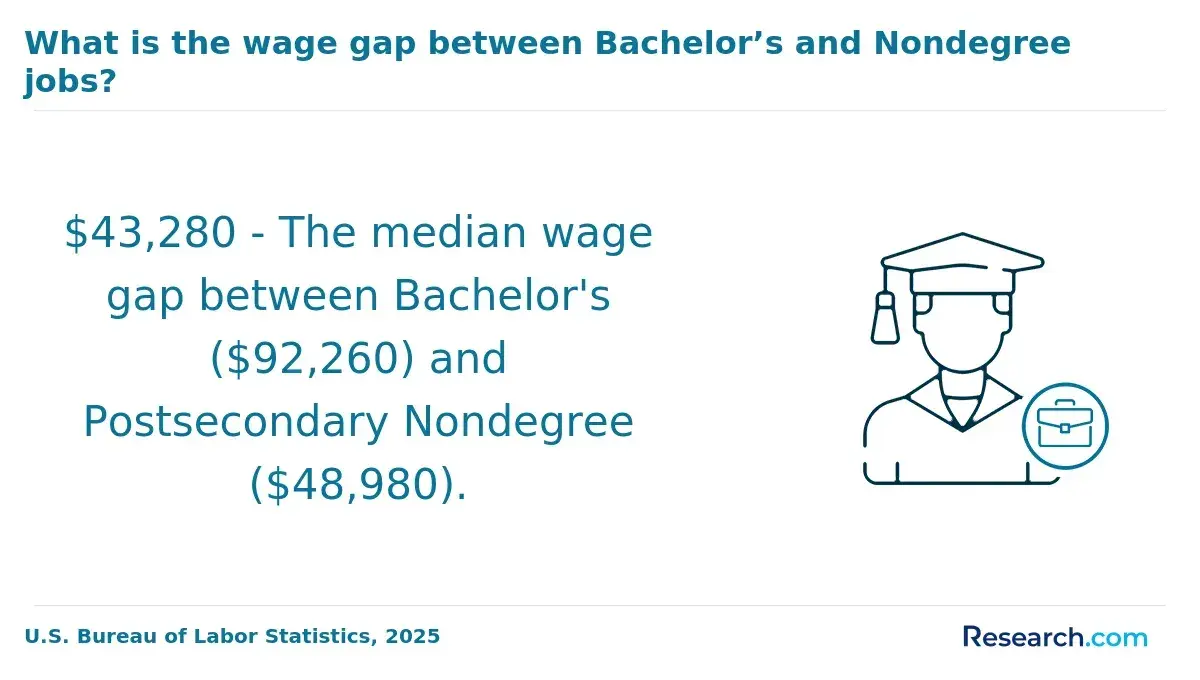
The U.S. Bureau of Labor Statistics reported a May 2024 median annual wage of $86,130 for emergency management directors. That figure does not mean a military studies graduate will automatically qualify for that role, but it shows that some adjacent public-safety and planning careers can offer meaningful earnings when paired with experience and relevant skills.
The table below connects common career directions with ROI considerations. Use it to decide whether a low-cost military studies degree fits your goal or whether a different major may be more direct.
| Career direction | Relevant degree value | Common additional factors | ROI caution |
| Emergency management | Military planning, leadership, logistics, and crisis-response coursework can be relevant | Experience, certifications, public-sector hiring rules, and local government requirements | A degree alone may not replace field experience. |
| Defense contracting | Military background and subject-matter knowledge may help | Security clearance, technical skills, project experience, and location | Employers may prefer technical, cyber, logistics, or acquisition credentials for some roles. |
| Intelligence or security analysis | Courses in strategy, geopolitics, and conflict can support foundational knowledge | Analytical writing, data skills, clearance, internships, and agency requirements | Competition can be strong, and many roles require specialized experience. |
| Military or public history | Military history concentration can support research, museum, archival, or education interests | Graduate study, writing portfolio, teaching requirements, or museum experience | Some pathways require a master's degree or specialized credentials. |
A cheaper degree generally improves ROI because it reduces debt pressure. However, the lowest-cost program is not the best investment if it delays graduation, lacks relevant coursework, accepts too few credits, or does not support your intended career or graduate-school path.
How Should Students Choose the Cheapest FAFSA-Eligible Online Military Science & Studies Degree?
Choosing the cheapest FAFSA-eligible online military science or military studies degree should be a step-by-step financial and academic decision. The goal is to identify the program with the lowest realistic net cost that still supports your career, transfer, and graduate-school plans.
Use the following checklist before enrolling. It is designed to catch the most common affordability mistakes before they become expensive.
- Verify institutional accreditation through a recognized accreditor, not only the school's marketing page.
- Confirm the exact online program is eligible for federal student aid.
- Request an official transfer credit evaluation before accepting admission if you have prior credits or military training.
- Ask for a full cost-of-attendance estimate that includes tuition, fees, books, technology costs, and graduation charges.
- Separate free aid from loans when comparing financial aid offers.
- Compare military tuition assistance, employer reimbursement, GI Bill benefits, scholarships, and FAFSA-based aid before deciding what to use first.
- Check whether the curriculum matches your target career, not just your interest in military topics.
- Ask about online course format, term length, deployment flexibility, leave policies, and academic support for military-connected students.
- Estimate total borrowing at graduation and compare it with realistic salary ranges for your intended roles.
- Get key answers in writing, especially transfer credits, tuition rates, aid eligibility, and program requirements.
The biggest red flags are vague accreditation claims, pressure to enroll before receiving a transfer evaluation, unclear fee schedules, promises about jobs or salaries, and financial aid offers that rely heavily on loans. A strong program will make cost, accreditation, aid, and graduation requirements easy to verify.
Other Things You Should Know About Military Science & Studies
Yes, if the school participates in federal student aid and the specific degree program is eligible. Active-duty students should compare FAFSA aid with military tuition assistance before borrowing, because using the right benefit first can reduce long-term cost.
Not always. Military science often refers to officer training, ROTC, leadership, and tactical education, while military studies may include history, strategy, defense policy, security, and conflict analysis. Online degree titles vary by school, so review the course plan carefully.
Usually not by itself. Commissioning normally requires a specific pathway such as ROTC, Officer Candidate School, a service academy, or another branch-approved route. An online military studies degree may support knowledge and promotion goals, but students should confirm commissioning requirements with the relevant military branch.
Choose military studies if you want a broader focus on military history, strategy, leadership, or defense topics. Choose homeland security if your goal is more directly tied to emergency management, border security, counterterrorism, public safety, or security administration.
References
- Cost of College by Country [2025]: Average Tuition Fees https://educationdata.org/average-cost-of-college-by-country
- 9 Online Schools That Accept FAFSA (and How to Get Financial Aid) https://www.studentloanplanner.com/financial-aid-online-colleges/
- The 4 Best Online Colleges that Accept FAFSA https://joinjuno.com/financial-literacy/financial-aid/online-colleges-accept-fafsa
- Affordable College Options for Veterans: The Best Ways to Maximize Education Benefits and Save Money on Your Degree https://www.straighterline.com/blog/affordable-college-options-for-veterans-how-to-maximize-your-education-benefits-and-save-money-on-your-degree
- Military-friendly Online Master’s Programs for Service Members https://www.onlinemastersdegrees.org/features/military-friendly-programs/
- FAFSA Resources Every Military Family Should Know | First Command https://www.firstcommand.com/coaching-center/family-life/applying-for-student-aid/
- A&M System Best for Veterans Degree Programs https://www.tamus.edu/veterans/tamu-system-best-for-veterans-degree-programs/
- Online Degrees for Military https://www.umgc.edu/military-and-veterans/online-degrees
- 2025 Most Affordable Online Colleges & Degrees https://www.onlineu.com/most-affordable-colleges