2027 Cheapest Accredited Online Care Coordination Degree Programs That Accept FAFSA

Co-Founder and Chief Data Scientist
Choosing an online care coordination degree is really a cost-versus-credential decision: you need a program that is accredited, FAFSA-eligible, affordable after aid, and relevant to healthcare or human services jobs. The timing matters because the College Board reported that average published tuition and fees for public four-year in-state students reached $11,610 for 2024-25, before books and living costs. This guide is for students comparing low-cost online programs and wondering whether federal aid will make them affordable. You'll learn how to compare tuition, net price, accreditation, transfer credits, and career return before enrolling.
Key Things You Should Know
- The cheapest FAFSA-eligible online care coordination pathways are often titled health and human services, healthcare administration, community health, or health services rather than "care coordination," so students should compare curriculum fit, not just program names.
- The maximum Federal Pell Grant is $7,395 for 2025-26, which can cover a large share of tuition at lower-cost online public or competency-based programs but may not cover fees, books, technology, or repeated courses.
- Care coordination ROI depends heavily on total borrowing: BLS May 2024 wage data shows relevant roles ranging from community health worker positions to higher-paid medical and health services management roles, so degree level and career target matter.
Which Are the Cheapest Accredited Online Care Coordination Degree Programs That Accept FAFSA?
The cheapest accredited online care coordination degree programs that accept FAFSA are usually not labeled with one universal major name. In U.S. colleges, care coordination is commonly taught through online degrees in health and human services, healthcare administration, community health, health services, case management, or human services.
The table below highlights lower-cost, accredited online degree options that are commonly relevant to care coordination work and that are offered by institutions participating in federal student aid programs. Published tuition changes often, so use this as a shortlist and verify the current tuition, fees, program availability, and Federal School Code before applying.
| School | Online degree commonly relevant to care coordination | Accreditation status to verify | Published online tuition model to compare | Why it may be affordable |
| Western Governors University | B.S. Health and Human Services | Institutionally accredited; FAFSA-participating institution | Flat-rate six-month terms | Students who complete courses quickly may reduce total terms and total tuition. |
| Fort Hays State University | Online health and human services, health studies, or related applied health pathways | Institutionally accredited; FAFSA-participating public university | Per-credit online tuition | Public online tuition is typically competitive for students seeking a lower sticker price. |
| University of Maine at Fort Kent | Online healthcare administration or health-related bachelor's pathways | Institutionally accredited; FAFSA-participating public university | Per-credit tuition | Can be a strong fit for students seeking online healthcare administration with public-university aid access. |
| Southern New Hampshire University | Online health sciences, healthcare administration, or human services pathways | Institutionally accredited; FAFSA-participating nonprofit university | Per-credit online tuition | Generous transfer-credit evaluation may lower total cost for students with prior college credit. |
| Purdue Global | Online healthcare administration, health and wellness, or human services pathways | Institutionally accredited; FAFSA-participating institution | Per-credit tuition with transfer and prior-learning options | May be cost-effective for adult learners who can apply transfer, military, or prior-learning credit. |
A low published tuition rate is only the starting point. A school with slightly higher per-credit tuition can be cheaper in the end if it accepts more transfer credits, offers stronger grants, requires fewer credits after evaluation, or lets students finish faster.
Students exploring care coordination should also understand the difference between broad healthcare service degrees and clinical professional programs. For example, online pharmacy programs prepare for a very different licensed clinical pathway than a health and human services degree aimed at care navigation, patient advocacy, or community-based support roles.
How Does FAFSA Eligibility Work for Online Care Coordination Degree Programs?
FAFSA eligibility means the institution participates in federal student aid and the specific student may be considered for federal grants, federal loans, and sometimes work-study. It does not mean every online program is free, every student receives a grant, or every cost will be covered.
For an online care coordination degree, FAFSA eligibility usually depends on three layers: the school, the program, and the student. You need all three to line up before you can rely on federal aid.
- Confirm the school is institutionally accredited by an accreditor recognized by the U.S. Department of Education.
- Confirm the school participates in Title IV federal student aid and has a valid Federal School Code.
- Ask whether the specific online degree is aid-eligible, especially if it is an accelerated, competency-based, certificate-to-degree, or nonstandard-term program.
- Complete the FAFSA and review the school's official financial aid offer, not just a net price estimate.
- Check renewal rules, including satisfactory academic progress, enrollment intensity, annual loan limits, and lifetime Pell Grant limits.
The most common mistake is assuming that "accepts FAFSA" means "covered by FAFSA." FAFSA is the application, not the funding source. Your actual aid package depends on federal rules, income and household information, enrollment status, dependency status, prior aid use, school cost of attendance, and institutional aid policies.
How Much Does an Online Care Coordination Degree Cost After Financial Aid?
The real cost of an online care coordination degree is the net amount you pay after grants, scholarships, tuition discounts, employer assistance, and transfer credits are applied. For affordability, net price matters more than advertised tuition.
The following examples show how a student's cost can change after grants. These are simplified scenarios using the 2025-26 maximum Pell Grant of $7,395; actual aid packages can be lower or higher depending on eligibility and school cost of attendance.
| Example annual tuition scenario | Possible grant aid applied | Estimated tuition left before loans or payment plan | What it means |
| $9,000 annual online tuition | Up to $7,395 Pell Grant | $1,605 | A low-tuition program can become very affordable if the student qualifies for a high grant amount. |
| $12,000 annual online tuition | Up to $7,395 Pell Grant | $4,605 | The student may still need scholarships, employer aid, savings, or federal loans. |
| $18,000 annual online tuition | Up to $7,395 Pell Grant | $10,605 | Higher tuition can lead to more borrowing unless the school provides additional institutional aid. |
Students should also budget for costs that are easy to miss. Online programs may charge technology fees, course material fees, assessment fees, background-check fees, graduation fees, or clinical-placement-related expenses if the program includes fieldwork.
Before enrolling, ask the financial aid office for a full cost-of-attendance estimate and the billing office for a program-level tuition plan. Then compare the amount you would need to borrow each year, not just the tuition rate advertised on the program page.
Which Affordable Online Care Coordination Degree Programs Offer the Best Value?
The best-value program is not always the one with the lowest per-credit tuition. Value means the program helps you reach your career goal with acceptable quality, manageable debt, flexible scheduling, relevant coursework, and a realistic completion timeline.
For care coordination, a strong-value program usually includes coursework in patient navigation, healthcare systems, social determinants of health, case management, communication, ethics, data systems, and community resources. If you are comparing programs, focus on how each one supports the job you actually want.
| Student goal | Best-value program type | Why this option can make sense | When to be cautious |
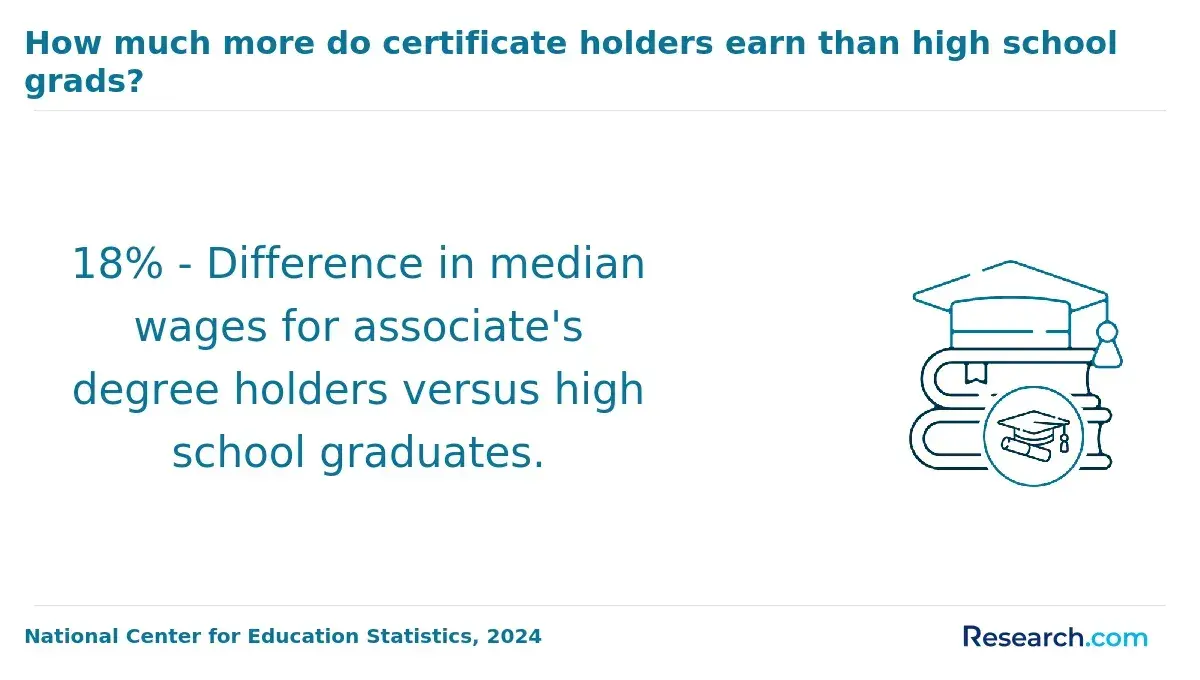
| Entry-level care coordinator, patient navigator, or community health role | Associate or bachelor's in human services, community health, or health services | Usually lower cost and directly relevant to non-licensed coordination roles | Some employers may prefer a bachelor's degree or healthcare experience. |
| Healthcare operations or supervisor pathway | Bachelor's in healthcare administration or health services administration | Stronger fit for administrative, compliance, workflow, and management duties | May include less counseling, advocacy, or community-service coursework. |
| Licensed nursing care coordination pathway | RN-to-BSN or graduate nursing pathway, depending on current license | Can align with clinical care management roles requiring an RN credential | Usually requires existing nursing licensure and clinical prerequisites. |
| Adult learner with many prior credits | Competency-based or transfer-friendly bachelor's completion program | Can lower total tuition by reducing remaining credits or terms | Requires self-direction and careful confirmation of aid rules for nonstandard terms. |
A more expensive program may be worth considering if it accepts substantially more credits, has stronger advising, aligns with a required credential, or supports field experience with healthcare or social-service employers. On the other hand, a low-cost program may be a poor fit if the curriculum is too general, the graduation timeline is unclear, or the school cannot explain career outcomes for online students.
Students comparing care coordination with more clinical routes should understand that advanced healthcare credentials can have different admissions and licensure requirements. For example, nurse practitioner programs are designed for licensed nurses pursuing advanced practice roles, not for students seeking a general care coordination bachelor's degree.
Are the Cheapest Online Care Coordination Degree Programs Properly Accredited?
The cheapest online care coordination degree is only worth considering if the institution is properly accredited. For federal financial aid, the most important baseline is institutional accreditation recognized by the U.S. Department of Education.
Programmatic accreditation is less uniform for care coordination because many relevant degrees fall under healthcare administration, human services, public health, community health, or interdisciplinary health services. Some career goals may not require programmatic accreditation, while others may require specific licensure-related education. Always verify the requirements for your intended job, employer, state, or graduate program.
Use this accreditation check before you apply or pay a deposit. It can prevent the costly mistake of choosing a low-price program that limits aid eligibility, transfer options, or employer recognition.
- Search the institution in the U.S. Department of Education accreditation database and confirm the accreditor is recognized.
- Confirm the school participates in federal student aid and that the online program is included in eligible offerings.
- Ask whether credits are semester, quarter, competency-unit, or clock-hour based, because this can affect transfer and aid packaging.
- Ask whether graduates have used the degree for your target roles, such as care coordinator, patient navigator, case manager, community health worker, or health services supervisor.
- If you plan graduate study, ask potential graduate schools whether they accept credits or degrees from the institution.
Red flags include unclear accreditation language, pressure to enroll before receiving a financial aid offer, vague total-cost estimates, and claims that a degree automatically qualifies you for licensed clinical roles. Care coordination often overlaps with healthcare, social work, and nursing, but a general online degree does not replace state licensure when a role legally requires it.
What FAFSA Grants and Federal Aid Can Pay for an Online Care Coordination Degree?
FAFSA can connect eligible students to several forms of federal aid. The best aid is grant aid because it usually does not need to be repaid, while loans must be repaid with interest unless a forgiveness or discharge option applies.
Here are the main federal aid types online care coordination students should understand before comparing award letters. The exact mix depends on eligibility, enrollment status, annual limits, and the school's cost of attendance.
- Federal Pell Grant: Need-based grant aid for eligible undergraduate students, with a maximum award of $7,395 for 2025-26.
- Federal Supplemental Educational Opportunity Grant: Campus-based grant aid for students with exceptional financial need, available only at participating schools with limited funds.
- Direct Subsidized Loan: Need-based undergraduate loan where the federal government pays interest during certain in-school and deferment periods.
- Direct Unsubsidized Loan: Federal loan available to eligible students regardless of need, with interest beginning after disbursement.
- Federal Work-Study: Part-time employment funding at participating schools, though fully online students should ask whether remote or local placements are available.
Employer tuition assistance can also change affordability. Hospitals, insurers, public health agencies, and social-service employers may help pay for degrees related to care coordination, case management, community health, or healthcare administration. If you are working, ask whether employer aid must be used before federal loans or whether reimbursement arrives after grades are posted.
The biggest financial aid mistake is borrowing the full amount offered without calculating whether you need it. Accept grants and scholarships first, then use savings or payment plans if realistic, and borrow only the amount needed for direct and essential education costs.
How Do Transfer Credits Lower the Cost of an Online Care Coordination Degree?
Transfer credits can be one of the fastest ways to reduce the total cost of an online care coordination degree. If a bachelor's program requires 120 credits and accepts 60 eligible transfer credits from a community college or prior university, the student may pay for only half of the degree at the new school.
The table below shows why transfer policy can matter as much as tuition. A school with a higher credit price may still be cheaper if it accepts more of your previous coursework.
| Program comparison | Tuition per credit | Credits left after transfer evaluation | Estimated remaining tuition | Decision takeaway |
| Lower tuition, fewer accepted credits | $300 | 75 | $22,500 | Low tuition may not produce the lowest total cost. |
| Higher tuition, more accepted credits | $400 | 45 | $18,000 | Better transfer acceptance can outweigh higher per-credit cost. |
| Competency-based program | Flat term tuition | Varies by evaluation and pace | Depends on number of terms completed | Can be economical for self-paced students who progress quickly. |
To estimate transfer savings accurately, do not rely on a verbal guess from admissions. Request a written transfer evaluation that shows how each course applies to general education, major requirements, electives, and remaining credits.
Students trying to finish quickly should also compare accelerated formats carefully. Some 1 year degree programs can be useful for degree completion, but fast pacing only saves money if the credits apply correctly and the workload is realistic.
Which Students Benefit Most From a Low-Cost Online Care Coordination Degree With FAFSA?
A low-cost FAFSA-eligible online care coordination degree can be a strong fit for students who want healthcare-adjacent work without immediately pursuing a licensed clinical credential. These programs often appeal to working adults, community college transfer students, healthcare support workers, military-affiliated students, and parents who need online flexibility.
The students who benefit most usually share one or more of these traits. The goal is to match the program's cost structure to your life, not simply pick the lowest advertised tuition.
- Students with prior college credits who can shorten the degree and reduce remaining tuition.
- Working healthcare or social-service employees who can combine FAFSA, employer tuition assistance, and relevant work experience.
- Students eligible for Pell Grants or state grants who choose a lower-cost school where grant aid covers a meaningful share of tuition.
- Career changers who want roles in patient navigation, community health, care management support, benefits coordination, or health services administration.
- Students who need asynchronous online courses because of work schedules, caregiving responsibilities, or rural access barriers.
Students should be cautious if their intended career requires a license that the degree does not provide. For example, roles in nursing, social work, counseling, dietetics, or therapy may require specific accredited programs, supervised hours, exams, or graduate education. A general care coordination degree can support related work, but it may not satisfy regulated professional requirements.
Some students enter care coordination from nutrition, public health, or clinical support backgrounds. If your long-term goal is nutrition care planning rather than broad service coordination, compare this route with dietetics masters programs, which serve a different professional pathway.
How Does the Cost of an Online Care Coordination Degree Affect Career ROI?
Career ROI depends on how much you pay, how much you borrow, how quickly you finish, and which roles the degree helps you pursue. The degree may support entry-level coordination roles, healthcare support roles, administrative roles, or advancement into supervisory positions, but outcomes vary by employer, experience, location, and credentials.
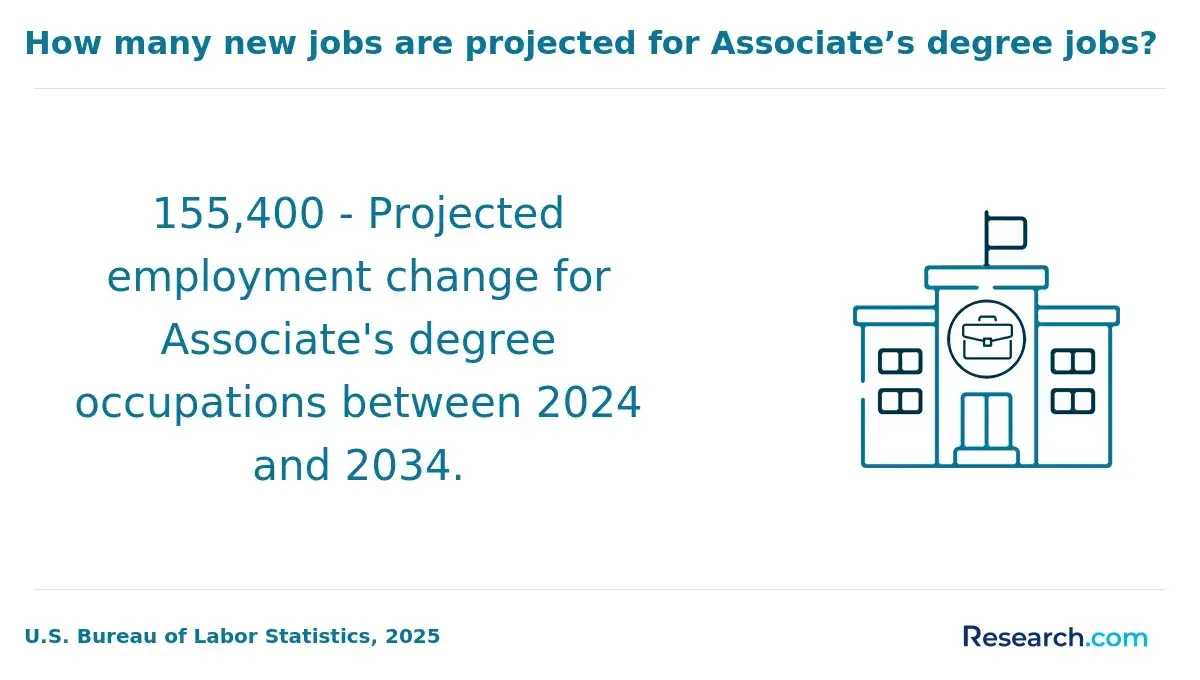
BLS May 2024 wage data shows why career target matters. Community health workers had a national median wage in the mid-$40,000 range, while medical and health services managers had a much higher median wage, but management roles typically require experience and stronger administrative preparation. A low-cost degree can improve ROI by keeping debt aligned with the salary range of the roles you are realistically targeting.
Use this practical ROI check before enrolling. It helps you avoid choosing a program that is affordable on paper but risky once borrowing and career fit are considered.
- Identify three target job titles in your area and read current employer requirements for each.
- Confirm whether employers ask for a degree, healthcare experience, certification, licensure, bilingual skills, EHR experience, or case-management background.
- Estimate total tuition, fees, books, and lost work time through graduation.
- Subtract grants, scholarships, transfer savings, employer assistance, and cash payments to estimate borrowing.
- Compare expected monthly loan payments with conservative starting pay for your target roles.
- Choose the least expensive program that still meets accreditation, curriculum, flexibility, and employer-recognition needs.
A more expensive option can make sense if it leads to a required credential or clearer advancement pathway. For instance, a licensed nurse comparing care coordination roles with advanced practice nursing may eventually evaluate the best online post master's FNP program, but that is a separate clinical investment with different admissions, licensure, and ROI considerations.
How Should Students Choose the Cheapest FAFSA-Eligible Online Care Coordination Degree?
Students should choose the cheapest FAFSA-eligible online care coordination degree by comparing net cost, accreditation, curriculum, transfer acceptance, student support, and career alignment together. The lowest tuition is not enough if the program does not help you graduate or qualify for the roles you want.
A strong comparison process should produce written answers from each school, not vague promises. Use the following steps before committing to an enrollment deposit.
- Build a shortlist of accredited online programs in health and human services, healthcare administration, community health, health services, or human services with care coordination coursework.
- Confirm the institution's federal aid participation and ask whether the specific online degree is eligible for FAFSA-based aid.
- Request a full cost-of-attendance estimate that includes tuition, fees, books, technology costs, and required background checks or fieldwork expenses.
- Submit official transcripts early and request a written transfer-credit evaluation before comparing total price.
- Compare financial aid offers by separating grants and scholarships from loans.
- Ask how online students access advising, tutoring, career services, internship support, and disability accommodations.
- Review course descriptions for case management, communication, healthcare systems, ethics, health equity, data systems, and patient navigation content.
- Check whether the degree supports your next step, such as employment, graduate school, certification, or advancement with your current employer.
The best final choice is usually the program with the lowest realistic out-of-pocket cost that still meets your career requirements. If a school cannot clearly explain accreditation, federal aid eligibility, total cost, transfer credits, or online support, treat that as a red flag and keep comparing options.
Other Things You Should Know About Care Coordination
Sometimes. Some entry-level patient navigation, community health, or support coordination roles accept an associate degree plus relevant experience. However, many healthcare employers prefer or require a bachelor's degree for care coordination, case management support, or supervisory roles.
They overlap, but they are not always the same. Care coordination often focuses on connecting patients with services and improving communication across providers, while case management may involve more formal assessment, planning, monitoring, and documentation responsibilities. Job duties vary by employer and setting.
Many general health services or human services programs do not require clinical placements, but some include internships, practicums, service-learning, or capstone projects. Ask whether placements can be completed locally and whether online students receive placement support.
Usually, certificates cost less because they require fewer credits. However, a certificate may not qualify for the same federal aid as a degree and may not meet employer degree requirements. Compare the credential's cost, aid eligibility, transferability, and job value before choosing it over a degree.
References
- COA Accreditation - Social Current https://www.social-current.org/coa-accreditation/
- 2025 Most Affordable Online Colleges & Degrees https://www.onlineu.com/most-affordable-colleges
- How EduMed Builds the Annual Rankings for Online Nursing & Allied Health Programs - EduMed https://www.edumed.org/rankings-methodology/
- Cost of College by Country [2025]: Average Tuition Fees https://educationdata.org/average-cost-of-college-by-country
- Master of Public Health Online https://www.unthealth.edu/tcom/public-health/master-of-public-health-online.html
- Financial Aid Overview and Scholarships https://www.medicalbillingandcoding.org/resources/financial-aid/
- MedCerts Online Career Training Program Tuition https://medcerts.com/tuition/program-pricing
- Tuition and ancillary fees https://www.georgiancollege.ca/finance-and-fees/tuition-and-ancillary-fees/
- What’s the Deal with Accreditation? https://nursingcas.org/resources-for-current-schools/whats-the-deal-with-accreditation
- Online MHA Programs Ranked by Affordability (2025) https://www.mhaonline.com/blog/affordable-online-mha-programs-ranked