Careers after an online MBA in International Business for international applicants

Co-Founder and Chief Data Scientist
An online MBA in international business can help you build management skills without relocating, but it does not create a direct route to a U.S. job. For international applicants, the value of the degree depends on your experience, target role, access to employers, and ability to work where you plan to seek employment. This guide compares realistic career paths, the skills behind them, U.S. salary context, and the program features worth checking before you enroll. It will help you decide whether a broad MBA, a more specialized qualification, or further work experience is the better next step.
Key Things You Should Know
- Experienced professionals can use an international business MBA to pursue roles in global operations, market expansion, supply chains, and cross-border partnerships; the degree alone rarely qualifies someone for a senior role or a new technical function.
- The U.S. Bureau of Labor Statistics reports a May 2025 median annual wage of $126,520 across management occupations - not an expected salary for MBA graduates or new entrants.
- Enrollment in a U.S. online MBA does not itself provide a U.S. visa or work authorization. Check overseas enrollment, career-service access, total cost, and employment eligibility before choosing a program.
What careers can you pursue after an online MBA in international business?
The most plausible path starts with work you already know. An export-sales professional might move toward regional account leadership; a logistics analyst might progress into international operations; and a product manager might take responsibility for a new market. In each case, the MBA adds broader commercial and managerial judgment to existing functional experience.
International business is not one occupation. It describes work that crosses markets, suppliers, customers, or regulatory environments. Employers typically hire for a function - such as finance, operations, marketing, or partnerships - and then assess whether a candidate can apply it across borders. Someone seeking a substantial switch into finance or supply-chain analytics may need function-specific experience alongside the MBA.
Industry matters, too. A professional interested in cross-border hospital partnerships could explore online MBA programs in healthcare management instead, then compare whether healthcare-specific coursework would better support the intended role. Neither specialization substitutes for clinical qualifications.
How does an online international business MBA prepare international applicants for U.S. careers?
A U.S. online MBA can introduce applicants to U.S.-oriented approaches to accounting, marketing, organizational leadership, and business decision-making. International business coursework may add market-entry analysis, cross-border negotiation, and global supply-chain decisions. Team projects can provide examples of collaboration across cultures, but applicants should check whether projects involve employers or only classmates.
That preparation is different from access to U.S. recruiting. Ask whether online students living overseas can attend employer events, use individual career coaching, and join alumni activities. Live classes may also fall outside workable hours in your time zone; online MBA programs with asynchronous classes may reduce that scheduling problem, although group meetings can still require coordination.
Employment eligibility is a separate decision. Studying online from abroad does not, by itself, authorize you to enter or work in the United States. If a U.S.-based role is your goal, confirm the employer's location and work-authorization requirements early. A strong MBA application and a viable immigration pathway are not the same thing.
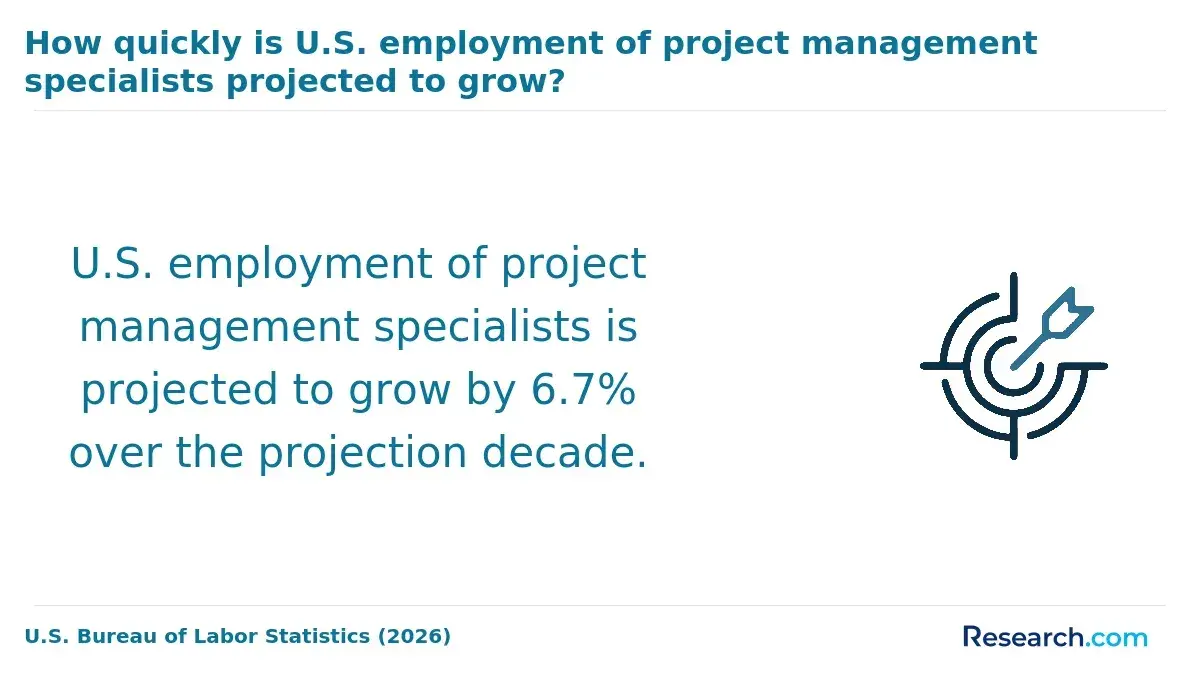
What jobs can you get with an international business MBA?
The roles below show how prior experience changes the likely value of the degree. Titles vary by employer, and the MBA is generally an advantage to demonstrate - not a universal hiring requirement.
| Potential role | Typical work | Background that helps |
| International operations manager | Coordinates processes, vendors, and performance across locations | Operations or logistics experience and people-management evidence |
| Global account manager | Manages multinational customers, contracts, and internal teams | Sales, account management, or industry-specific client experience |
| Market expansion manager | Assesses demand, partners, pricing, and launch risks in new markets | Product, marketing, commercial strategy, or regional expertise |
| Supply-chain manager | Oversees sourcing, distribution, and supplier performance | Procurement, logistics, or supply-chain experience |
| International partnerships manager | Develops and maintains commercial relationships across markets | Business development, negotiation, and relevant industry knowledge |
A substantial career change requires closer scrutiny. For example, an MBA may help a nurse pursue international healthcare administration, while accelerated online MSN-MBA dual-degree programs serve a different goal by combining nursing and business study. Compare the credentials against the actual job description rather than assuming either degree opens every management role.
Employers look for evidence that a candidate can make decisions across functions and markets. Particularly relevant skills include evaluating a market's commercial potential, explaining financial trade-offs, coordinating dispersed teams, negotiating with partners, and identifying operational risks. Language skills and local-market knowledge can strengthen an application when they match the employer's needs.
Show those skills through outcomes rather than course titles alone. A résumé example might describe how you improved supplier coordination across countries, supported a market launch, or presented an investment recommendation to leadership. For specialized roles, expect additional requirements: a supply-chain employer may want hands-on systems experience, while a finance employer may seek deeper technical training. The MBA's management core does not replace either.
Most MBA curricula combine a broad management core with a smaller set of electives or concentration courses. Core subjects commonly include managerial accounting, finance, marketing, operations, strategy, and organizational behavior. International business study may examine global strategy, international marketing, cross-border finance, trade, or multinational supply chains; the exact selection depends on the school.
Check the academic depth behind the program's label. A formally designated concentration with several relevant courses may support a different learning goal than a general MBA offering one international elective. An applied project examining a real market-entry decision may be especially useful if you can discuss your analysis with employers. Verify the published curriculum and whether the concentration is available to online students before treating it as a career advantage.
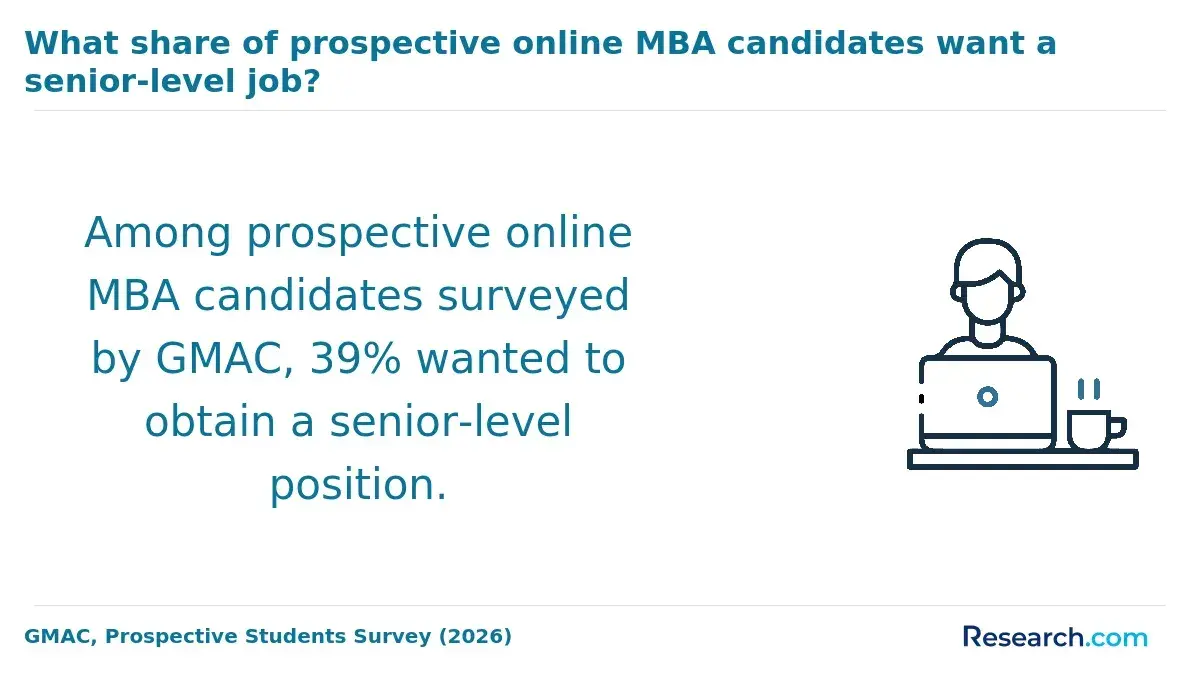
Requirements vary by university. Applicants commonly need to document a recognized undergraduate degree, academic records, professional experience, and their reasons for pursuing an MBA. A school may also request recommendations, a résumé, an interview, or a GMAT or GRE score; testing policies should be checked program by program.
International applicants should pay particular attention to credential evaluation, certified translations, and English-language proficiency rules when applicable. Confirm whether the university accepts students residing in your country and whether any required visit is feasible. Meeting admission requirements establishes eligibility to study in the program - not eligibility for U.S. financial aid or employment.
Completion time depends on the number of required courses, term structure, transfer or waiver policies, and whether you study part time or take a heavier course load. Compare published MBA degree pacing options against your work schedule rather than choosing the shortest advertised timeline.
For applicants overseas, pace is also a career issue. An accelerated schedule may leave less time to build U.S. employer relationships or complete substantial projects, while slower study delays graduation. Ask for a sample course sequence, the timing of live sessions, and any maximum time allowed to finish.
There is no single reliable price for this degree. Compare each school's published tuition using its required credit or course load, then add mandatory fees, materials, technology costs, and any required travel. Currency-conversion charges and payment arrangements may matter if you pay from abroad. Request a written estimate that identifies what can change before graduation.
Check scholarships and employer reimbursement before assuming you must finance the full cost yourself. Eligibility for U.S. federal student aid is not established simply by admission to a U.S. university. If you already hold a senior management role, compare the cost and scheduling demands of online executive MBA programs; if you need only one technical skill, a shorter course may be more economical than either MBA format.
No single salary figure represents international business MBA graduates. Compensation depends on the occupation, U.S. location, industry, seniority, prior experience, and whether the person is authorized to take the job. The U.S. Bureau of Labor Statistics reports a median annual wage of $126,520 for management occupations in May 2025. That figure covers workers across management roles; it is not a starting salary, a measure of MBA outcomes, or evidence that the degree caused higher pay.
For a useful personal comparison, find U.S. pay information for your target job title and location, then compare it with your current compensation and the full cost of study. Also assess the likelihood of securing that role: a prospective promotion within your existing function is a different proposition from entering a new function or seeking a U.S. employer from overseas.
How do international applicants choose an accredited online MBA program?
Start by verifying that the university is institutionally accredited by a recognized accreditor. Then check separately whether its business school holds specialized business accreditation, such as AACSB, ACBSP, or IACBE. Institutional and business-school accreditation answer different questions; neither establishes that a particular concentration, recruiting opportunity, or immigration benefit is available.
For a career-focused shortlist, compare the official curriculum with target job descriptions, confirm online students' access to career services, and ask where alumni in relevant functions work. Verify overseas enrollment permission, live-session times, required visits, total price, and how the credential is described on transcripts. If your main gap is technical expertise rather than general management, compare a specialized master's degree or professional training before committing to an MBA.
Other Things You Should Know About MBA
Use the university's official designation. If the concentration does not appear in its records, list the degree accurately and describe relevant electives separately.
Diploma and transcript wording varies by university. Ask the registrar for the exact wording rather than relying on how the program is advertised.
Possibly. Ask whether online graduates can access alumni chapters, virtual events, directories, and career support from your country of residence.
That depends on the employer's hiring arrangements and the laws, tax rules, and work permissions relevant to where you live. An MBA does not resolve those requirements; confirm them before accepting an offer.
- 18 Careers You Can Pursue with an MBA (Aside from Business) | umn.edu https://online.umn.edu/story/18-careers-you-can-pursue-mba-aside-business
- Grad Insights: What to Know About MBA Career Progression | wsc.edu https://www.wsc.edu/news/article/1493/grad-insights-what-to-know-about-mba-career-progression---how-mba-pathways-differ-across-disciplines
- Online MBA Career Outcomes [2025] | Jenkins MBA https://mba.ncsu.edu/your-career/career-outcomes/online-mba-career-outcomes-2025/
- How to Network as an Online MBA Student | Tulane University Freeman School of Business https://online-business.tulane.edu/online-mba/articles/how-to-network-as-an-online-mba-student/
- FLEX MBA Career Outcomes - Lehigh College of Business https://business.lehigh.edu/academics/graduate/masters-programs/mba/flex-mba/career-outcomes
- 10 Best Career Opportunities After Studying International Business | Schiller International University https://www.schiller.edu/blog/10-best-career-opportunities-after-studying-international-business/
- What career after an MBA in international business? | EDHEC https://www.edhec.edu/en/programmes/mba-emba/mba-international-business
- Why Alumni Networks Matter in Business School: 7 Reasons | CEIBS Europe https://europe.ceibs.edu/article/why-alumni-networks-matter-business-school
- MBA Salary Guide: $101K-$239K by Industry & Role - NKU https://onlinedegrees.nku.edu/programs/business/mba/career-paths-salaries/
- Are Online MBAs Taken Seriously? What Employers Really Think | sbs.edu https://www.sbs.edu/blog/are-online-mbas-taken-seriously-what-employers-think/