2027 Can You Get Licensed With an Online Machine Learning Degree? Requirements, Rules, and What to Know

Co-Founder and Chief Data Scientist
Many aspiring professionals wonder if earning an online machine learning degree qualifies them for licensure in data science or related fields. With the machine learning sector growing by over 40% annually, accurate information on certification pathways is crucial. However, licensure requirements vary widely by state and job role, often complicating candidates' decisions about online education. Understanding how an online degree affects eligibility and compliance with professional standards can prevent costly missteps. This article clarifies essential regulations, reviews common licensure prerequisites, and guides readers in aligning their online education with workforce expectations in machine learning.
Key Benefits of Getting Licensed with an Online Machine Learning Degree
- Licensure with an online machine learning degree enhances professional credibility, meeting industry standards required for roles in AI ethics and compliance across diverse sectors.
- It broadens employment opportunities and job mobility, enabling access to specialized positions in tech hubs and remote work environments globally.
- Licensed professionals often experience higher earning potential and accelerated career advancement, with certified machine learning experts earning up to 25% more than non-licensed peers.
Can You Get Licensed With an Online Machine Learning Degree?
Obtaining a professional license directly through an online machine learning degree is uncommon, as the field does not have standardized licensure requirements like law or medicine. However, completing an accredited online program involves comprehensive coursework and hands-on projects that equip graduates with the expertise to excel in machine learning roles. This solid foundation prepares professionals to meet industry expectations for roles involving advanced algorithm development, data analysis, and artificial intelligence applications.
For those researching online machine learning degree licensure requirements, it is important to recognize that while a formal license may not be required, this education facilitates eligibility for valuable certifications that validate skills and knowledge.
Earning credentials through an online machine learning degree opens doors to regulated career pathways within the tech industry, enabling professionals to pursue specialized licenses or certifications. These qualifications often lead to greater responsibilities, leadership opportunities, and improved salary prospects, reflecting verified expertise. For individuals focused on getting professional license with online machine learning degree credentials, these programs increase competitiveness in a dynamic job market.
Prospective students may also explore pathways similar to those offered by a BCBA degree, which emphasize the importance of formal credentials in regulated fields.
Do Licensing Requirements for Machine Learning Vary by State?
Licensing rules for machine learning professionals are established to ensure individuals demonstrate adequate professional competence before practicing. These requirements differ by state, with about 40% of U.S. states mandating formal examinations related to data science or algorithmic ethics as part of licensure. Such variation underscores the importance of understanding specific rules when considering career options.
Key areas where state rules for machine learning professional license vary include:
- Examinations: Some states require state-specific tests to validate knowledge, while others accept national certifications or waive exams entirely. This can influence how quickly and easily candidates become licensed.
- Supervised experience: The required length and nature of supervised practical work differ widely, ranging from no supervision to multiple years under a licensed mentor, affecting entry-level career pathways.
- Continuing education: License renewal often depends on completing a prescribed number of training hours, which varies, impacting ongoing professional development commitments.
- Scope of practice: Definitions of what licensed machine learning professionals are authorized to perform vary by state, shaping job responsibilities and potential work settings.
- Renewal policies: Procedures, timeframes, and fees for renewing licenses fluctuate, which can affect long-term planning for those maintaining licensure.
These distinctions highlight why researching machine learning licensing requirements by state is critical before choosing an online program or relocating for work. Prospective students interested in flexible education options may also explore CACREP accredited online counseling programs, which offer specialized credentials in related fields.
Are Online Machine Learning Programs Different From Campus Programs for Licensure?
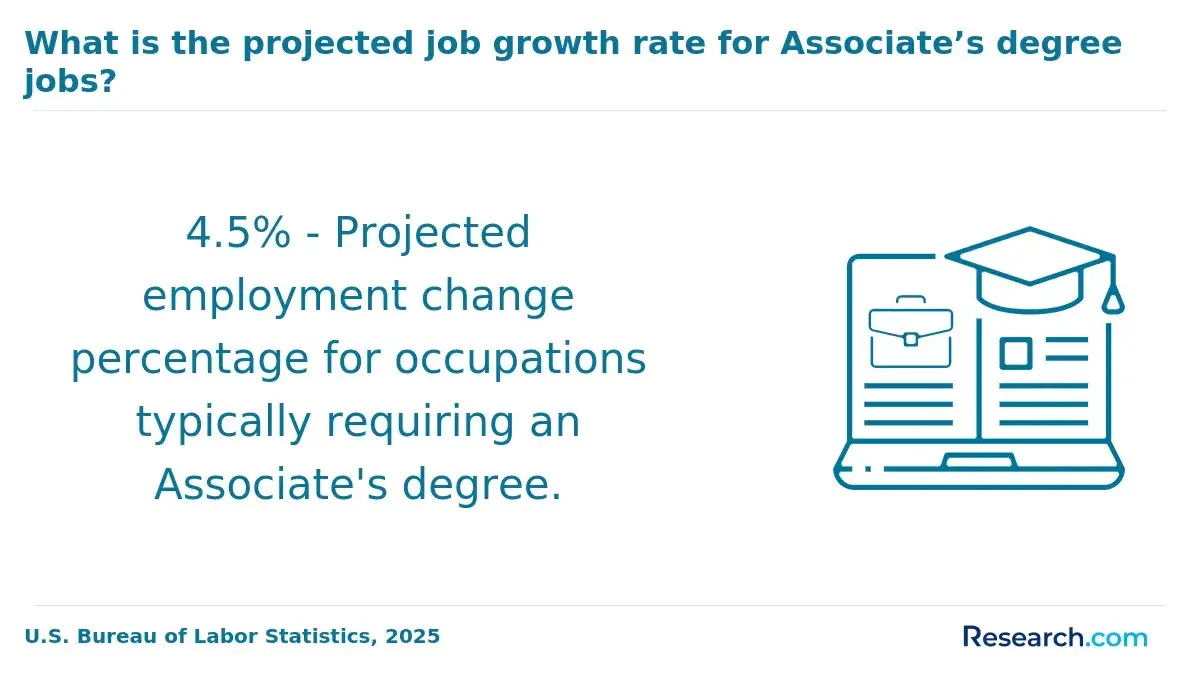
The format of a machine learning program-online or campus-based-generally does not impact eligibility for professional licensure as long as the program maintains proper accreditation. Increasingly, licensing bodies and employers recognize online degrees as equally valid; for example, a 2023 survey showed that over 60% of U.S. employers regard online STEM qualifications as comparable to traditional degrees.
- Curriculum Coverage: Both online and on-campus programs must deliver comprehensive machine learning coursework that aligns with established professional standards, ensuring core knowledge areas are properly addressed.
- Practical Experience: Hands-on components, such as internships or projects, remain essential. Many online programs incorporate virtual labs or collaborate with local organizations to meet these requirements.
- Skill Assessment: Evaluation methods like exams and capstone projects are designed to verify students' mastery of skills regardless of delivery format, maintaining consistent rigor.
- Employer Acceptance: While traditional campus degrees once had a preference, recent trends indicate growing employer trust in online credentials, reflecting improved program quality and alignment with licensure criteria.
Clinical or practicum hours are designed to provide supervised, hands-on training essential for fields requiring professional practice and licensure. These hours ensure students develop real-world skills under expert guidance, preparing them for workplace demands and regulatory standards.
- Typical Hour Requirements: For professions requiring clinical or practicum experience, students often complete hundreds to thousands of hours in approved settings. These requirements vary by field and licensing body but are integral to credentialing processes.
- Placement Types: Clinical or practicum placements usually occur in hospitals, schools, or community agencies where students gain practical exposure relevant to their profession. This direct work experience supports development of necessary skills and professional judgment.
- Supervision and Feedback: Students receive ongoing supervision from qualified professionals during clinical hours, ensuring safe and effective skill acquisition. Constructive feedback helps refine practical competencies essential for licensure eligibility.
- Relevance to Machine Learning Degrees: Online machine learning degree clinical requirements are generally not applicable since the discipline centers on algorithm development, data analysis, and programming. Validation of skills typically occurs through projects, internships, or research instead of clinical practice.
- Facilitating In-Person Experience: Some online machine learning programs may offer optional internships or locally coordinated placements to provide real-life industry exposure. These arrangements accommodate online learners and may include remote supervision but do not involve traditional clinical hours.
Students considering careers that require licensure should review specific requirements carefully since practicum hours for machine learning licensure are uncommon but might exist for related certification paths. For those exploring related fields, programs such as an online psychology masters often include such practical components, illustrating the variation in education demands across disciplines.
The licensing exam is designed to verify a candidate's expertise and readiness to apply machine learning principles effectively in practical settings. Achieving certification through this exam is often essential for advancing career opportunities and gaining professional credibility. Recent data shows that roughly 65% of first-time candidates pass, reflecting the exam's rigorous standards.
Below are critical points to understand about this licensing requirement.
- Exam Title: The Certified Machine Learning Professional (CMLP) exam, or an equivalent credentialing assessment, is the most commonly recognized test across many U.S. states. This credential confirms proficiency and ethical use of machine learning methods.
- Core Content: Test subjects include supervised and unsupervised learning, neural networks, natural language processing, algorithm optimization, and data ethics. These areas ensure a well-rounded grasp of both theory and application.
- Exam Format: Typically, the exam combines multiple-choice questions with case studies or practical scenarios to evaluate candidates' analytical and problem-solving skills in real-world contexts.
- Preparation Methods: Candidates are encouraged to balance formal coursework with hands-on projects and targeted practice exams. Study groups and tailored review resources enhance familiarity with exam topics and structure.
- Retake Policies: Most licensing bodies allow several attempts to pass, though waiting periods may be enforced between tries to promote thorough review and readiness.
- Recognition for Online Graduates: Licenses obtained after completing online machine learning programs hold equal validity and respect compared to those earned via traditional education routes, ensuring graduates of remote programs maintain competitive standing.
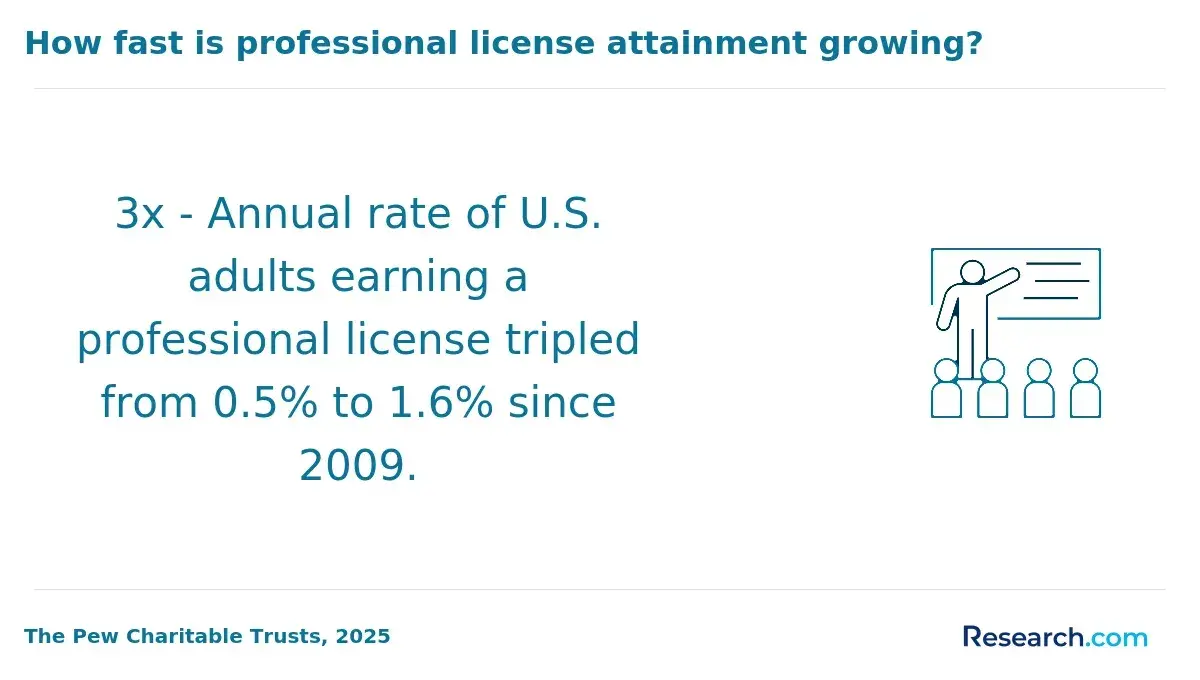
Supervised work experience is generally not a compulsory step after earning an online machine learning degree. Unlike licensed healthcare fields such as nursing, machine learning roles typically do not require formal supervised hours to practice professionally. Such experience, however, plays a key role in honing practical skills and preparing graduates for real-world challenges.
This guided training bridges classroom theory and workplace application, helping students develop abilities in data manipulation, algorithm deployment, ethical decision-making, and team collaboration under expert supervision. Approximately 60% of machine learning professionals undertake some form of post-graduation mentorship or internship within their first year, emphasizing its value in this rapidly evolving discipline.
Key aspects of supervised work experience include:
- Duration: Usually lasts between 3 to 12 months, depending on the employer's needs and specific job responsibilities.
- Settings: Often takes place in technology companies, research centers, or consulting firms where practical exposure is robust.
- Mentorship: Involves working closely with experienced data scientists or engineers who provide continual feedback and guidance.
- Skill development: Focuses on enhancing programming proficiency, model tuning, and real-world problem-solving techniques.
- Career readiness and credentialing: Boosts employment prospects and professional confidence, occasionally influencing eligibility for advanced certifications.
Licensure reciprocity allows professionals licensed in one state or region to obtain equivalent credentials in another without repeating all requirements, making it easier to work across multiple jurisdictions. This flexibility is especially important for online machine learning graduates who may seek employment in different states or areas.
Several key factors influence whether licensure reciprocity applies in their situation.
- Eligibility Criteria: Since machine learning itself is not commonly a regulated profession, reciprocity often hinges on certifications linked to related regulated fields like data science or engineering. Graduates need to confirm that their qualifications meet the standards set by the specific licensing authority.
- Program Accreditation and Recognition: The licensing body's acceptance of online education plays a major role. Programs must typically be accredited and have curricula that align with established professional standards to qualify for reciprocity.
- State Reciprocity Agreements: Reciprocity depends on whether the state participates in interstate compacts or agreements. These arrangements facilitate smoother transitions but vary widely by region and certification type.
- Application Process: Graduates usually need to submit transcripts, provide proof of continuing education, and may have to pass supplemental exams in the new jurisdiction. This process ensures that the candidate meets local requirements despite holding credentials elsewhere.
- Limitations and Challenges: If the online program lacks full accreditation or fails to meet criteria, reciprocity eligibility can be compromised. Understanding these limits is crucial for online machine learning graduates planning to pursue licensure across different states.
For those researching pathway cost and value in higher education, exploring options like the cheapest online EdD programs can also provide insight into how online credentials affect professional mobility and recognition. Awareness of licensure reciprocity for online machine learning graduates and state reciprocity rules for machine learning licensure is essential to navigate licensing landscapes effectively.
Online machine learning programs are increasingly popular, with enrollment in graduate-level courses growing by more than 20% in recent years. Many learners prioritize licensure outcomes when selecting programs, seeking qualifications that meet professional standards and employer expectations.
Below is an outline of the pros and cons to consider regarding licensure eligibility and career impact.
Pros
- Flexibility: Allows students to balance education with work or personal commitments, critical for professionals pursuing licensure while employed.
- Accessibility: Enables participation regardless of geographic location, expanding opportunities for those in remote or underserved areas.
- Diverse Course Options: Offers a wide range of subjects, helping students fulfill various educational requirements relevant to certifications.
- Cost-Effectiveness: Generally more affordable than traditional programs, reducing financial barriers to licensure preparation.
Cons
- Limited Hands-On Training: Reduced laboratory or project-based experiences can affect readiness for practical licensure exams or employer expectations.
- Less Direct Supervision: Fewer opportunities for immediate feedback and mentorship may hinder skill development essential for licensure success.
- Networking Constraints: Limited interaction with peers and faculty could impact professional connections and job placement after licensure.
- Employer Perceptions: Some employers or boards may question the depth of training received solely through online formats, influencing career advancement.
Licensure following an online machine learning degree can significantly affect salary prospects, with licensed professionals earning about 15% more on average than those without credentials, according to a survey by the IEEE. This premium reflects verified expertise and adherence to industry standards, which employers highly value across various roles. Understanding the salary benefits of licensed machine learning professionals highlights why many pursue licensure after completing their education.
Licensure opens up advanced career opportunities and enhances earning potential in multiple ways, including:
- Eligibility for senior positions: Licensed professionals often qualify for leadership and senior technical roles that require formal credentials, increasing their compensation and influence within organizations.
- Access to specialized projects: Holding a license allows individuals to participate in projects involving sensitive data or critical decision-making, which typically come with higher pay rates due to the added responsibility.
- Increased negotiation power: Professional recognition and verified skills provide leverage during salary discussions, enabling licensed machine learning experts to command better compensation packages.
- Greater job security: Licensure implies commitment to continuous education and ethical standards, factors tied to enhanced job stability even in fluctuating markets.
For graduates of online machine learning programs, obtaining licensure can help close perception gaps often associated with remote education by lending credibility equal to traditional degrees. This is an important factor impacting the impact of online machine learning degree on salary and long-term career growth.
Additionally, those exploring affordable educational paths may find resources such as cheap online colleges invaluable when planning their studies and credentialing journey.
Licensure can influence the range of career options available to graduates with an online machine learning degree, with some roles requiring formal certifications and others not. Many professionals choose positions both with and without licenses depending on their industry focus and career goals. About 70% of degree holders secure jobs that do not require licensing, while those with certifications often see salary increases of 15-20% and quicker advancement.
Below are key distinctions between roles that require licensure and those that do not.
Jobs With a License
- Healthcare AI Specialist: Working in clinical or healthcare settings, these professionals integrate machine learning tools with patient care systems, often needing certifications to comply with medical regulations and enhance career credibility.
- Financial Compliance Analyst: Utilizing machine learning for risk assessment in finance, this role may require industry-specific licenses to follow regulatory standards and open doors to leadership positions.
- Autonomous Systems Engineer: Developing machine learning algorithms for self-driving vehicles or robotics, this position often demands certifications attesting to safety and regulatory knowledge, which bolster employability and technical authority.
Jobs Without a License
- Machine Learning Engineer: Designing and refining algorithms, these engineers focus on building scalable models without needing formal licenses, offering strong potential for career growth and rewarding salaries.
- Data Analyst: Analyzing large datasets to extract insights, this role involves creating machine learning workflows but typically does not require certification, making it accessible to most graduates.
- Research Scientist: Conducting experiments and advancing algorithms in academic or corporate labs, this position prioritizes technical expertise over licensure, supporting career development through published work and innovation.
What Graduates Say About Getting Licensed with an Online Machine Learning Degree
- Perry: "The online machine learning degree was surprisingly affordable compared to traditional programs, which made pursuing licensure much less stressful financially. The flexibility allowed me to deeply engage with the coursework at my own pace, which was crucial while working full-time. Since earning my degree and license, I've advanced to a leading role in AI development, and I attribute much of that success to the practical skills I gained online."
- Sev: "At first, I was skeptical about an online machine learning program's rigor, especially given the cost savings I read about-most courses were under $15,000 total. However, the immersive projects and expert instructors proved the quality was top-tier. Getting licensed amplified my credibility, opening doors I hadn't imagined before and truly reshaped my professional path."
- Yarden: "Investing in an online machine learning degree was a strategic move that paid dividends with relatively low tuition costs and the convenience of remote access. The structured curriculum challenged me intellectually while allowing me to balance family commitments. Now licensed, I consult on cutting-edge data solutions, and I credit the program's comprehensive approach with preparing me for the complexities of real-world problems. "
Other Things You Should Know About Machine Learning Degrees
State engineering boards regulate licensure for machine learning work when it falls under professional engineering practice. In most states, the board issues the Engineer-in-Training credential and Professional Engineer license, and the National Council of Examiners for Engineering and Surveying administers the FE and PE exams.
In 2027, there are no specific licenses mandated for machine learning professionals, whether they hold their degree online or otherwise. However, certifications like TensorFlow Developer or AWS Certified Machine Learning can enhance credentials and be beneficial in career advancement.
Yes, professional organizations such as the Association for Computing Machinery (ACM) and the Institute of Electrical and Electronics Engineers (IEEE) provide resources and guidance on certification and licensure for machine learning specialists. These organizations may offer continuing education, ethical guidelines, and networking opportunities that enhance licensure preparation and career advancement.
In 2027, employer endorsements play a significant role in the licensing process for online machine learning degree holders. These endorsements provide credibility and attest to the candidate’s practical skills, which is critical due to the varying quality of online education programs.
- Empower Your Future: An Online Machine Learning Degree https://www.computerdegreesonline.org/online-machine-learning-degree/
- Admissions https://www.mimuw.edu.pl/en/admissions/
- A Guide to The Top Machine Learning Certifications For 2025 | DataCamp https://www.datacamp.com/blog/top-machine-learning-certifications
- What are the job prospects for those with an AI and machine learning degree? https://www.umu.com/ask/q11122301573854332959
- Databricks Certified Machine Learning Associate | Databricks https://www.databricks.com/learn/certification/machine-learning-associate
- Online Master's Degree in Artificial Intelligence (AI) & Machine Learning | CSU Global | Accredited https://csuglobal.edu/academic-programs/graduate-degrees/masters-science-degree-artificial-intelligence-machine-learning
- Guide to Choosing the Right Machine Learning Course https://skillup.online/blog/guide-to-choosing-the-right-machine-learning-course/
- Artificial Intelligence and Machine Learning for Primary Care Curriculum (AiM-PC) https://stfm.org/teachingresources/curriculum/aim-pc/aiml_curriculum/
- Breaking into Industry ML/AI Research Without a PhD | by David Fan | Medium https://medium.com/@davidfan/breaking-into-industry-ml-ai-research-without-a-phd-e56761979c8f
- Here is where you find a new job. Check salaries and apply. https://nofluffjobs.com/machine%20learning