2027 Are There Any One-Year Online Machine Learning Degree Programs Worth Considering?

Co-Founder and Chief Data Scientist
The fastest path into machine learning is not always a one-year degree. For many students, the real choice is whether to pursue a full online degree, an accelerated graduate pathway, a certificate, or a related computer science or data science program with machine learning coursework. That distinction matters because employers, admissions offices, and financial aid providers treat these credentials differently.
Machine learning requires more than learning a few tools. Strong programs build skill in programming, statistics, linear algebra, data preparation, model evaluation, ethical AI use, and deployment. A compressed online format can work for students who already have that foundation, but it can be risky for beginners who need time to build mathematical and coding fluency.
This guide explains what “one-year online machine learning degree” usually means, whether such programs are actually available, what alternatives exist, what they cost, and how to evaluate quality before enrolling. It is designed for working professionals, recent graduates, and career changers who want a faster route into AI and machine learning without choosing a credential that will not support their goals.
Key Points About One-Year Online Machine Learning Degree Programs
- One-year online Machine Learning degrees focus intensively on applied skills like data modeling and neural networks, unlike traditional programs that include broader theoretical and math foundations.
- Students should expect accelerated coursework often requiring prior knowledge in programming and statistics, with industry-driven projects to align with Machine Learning job market demands.
- These programs attract diverse professionals; recent trends show a 40% increase in enrollment among mid-career data scientists seeking rapid credential upgrades.
Is It Feasible to Finish a Machine Learning Degree in One Year?
Finishing a machine learning degree online in one year is possible only in limited circumstances, and it is most realistic at the master's level. A student usually needs to study full time, enter with the right prerequisites, take courses during summer or short terms, and avoid remedial coursework. Even then, many programs are designed for a longer timeline because machine learning is technically demanding and project-heavy.
Most graduate programs require 30-36 credits spread over two years, especially when they are built for working professionals. Compressing that work into one year means taking a heavy course load while completing assignments, coding projects, group work, exams, and often a capstone or portfolio project. Students who already work in software engineering, statistics, data analytics, or computer science are better positioned to handle the pace.
A bachelor's degree in machine learning is not feasible to complete in one year for a new student. Undergraduate degrees commonly require 120 to 180 credits, including general education, programming, calculus, linear algebra, statistics, algorithms, computer systems, and electives. Even accelerated or transfer-friendly formats cannot responsibly condense that entire sequence into a single year unless the student is bringing in substantial prior credit.
The main constraint is not just credit count. Machine learning skill develops through repeated practice: cleaning messy data, choosing models, debugging code, tuning performance, interpreting results, and explaining limitations. A one-year schedule can be efficient, but it leaves little room to recover from weak prerequisites or explore advanced areas in depth.
Are There Available One-year Online Machine Learning Degree Programs?
There are currently no accredited one-year online Machine Learning degree programs available in the United States. Students may see fast AI, data science, or computer science options advertised online, but a dedicated accredited one-year online machine learning degree is not currently a standard offering. Most online bachelor's and master's degrees in Machine Learning or related fields require two to four years of study, depending on the institution, transfer credits, course load, and prior preparation.
That does not mean faster pathways are unavailable. Some students use accelerated graduate tracks, 4+1 programs, competency-based study, or certificates to move more quickly into machine learning roles. The key is to distinguish between a full degree, a specialization within a broader degree, and a shorter non-degree credential.
- Indiana University 4+1 MS in Data Science (Online): This option is designed for current undergraduates majoring in data science. Students complete the bachelor's degree in four years and then add one additional year online for the master's. The curriculum includes advanced data analysis, machine learning, and computational methods, with at least 21 hours of graduate coursework and successful completion of both degrees.
- Georgia Tech Online MS in Computer Science (Machine Learning Specialization): This is a flexible, fully online master's program with core work in algorithms and machine learning plus electives such as deep learning, computer vision, and reinforcement learning. It typically takes 2+ years to complete and requires 30 credit hours including the Machine Learning specialization.
- Colorado State University Online BS in Computer Science (AI & Machine Learning): This is a four-year online bachelor's program with a concentration in Artificial Intelligence & Machine Learning. It requires 120 credits and includes coursework in linear algebra, programming, data structures, and ML algorithms, with research and internship opportunities available.
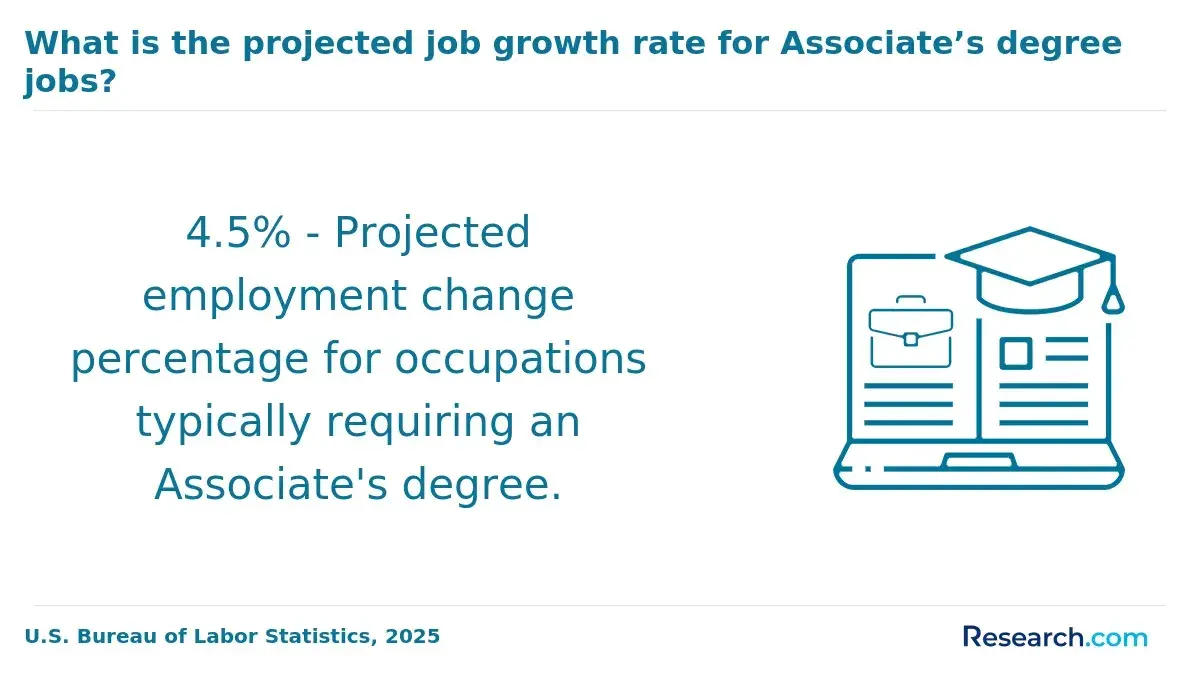
For students who are not yet ready for a master's degree, a shorter credential can be a practical bridge. Some learners begin with transfer-friendly undergraduate study, an associate program, or foundational computer science coursework before moving into data science or machine learning. Students comparing early academic pathways may also find the fastest online associates degree options useful as a starting point.
Why Consider Taking Up One-year Online Machine Learning Programs?
A one-year machine learning pathway can make sense for students who already have the technical foundation and want a faster route to advanced coursework. The strongest candidates are usually data analysts, software engineers, quantitative professionals, computer science graduates, or career changers with strong math and programming experience. For these learners, an accelerated format can reduce time away from career goals while building more focused AI skills.
The main value is speed, but speed should not be the only reason to enroll. A worthwhile program should help students produce evidence of ability: completed projects, model-building experience, code samples, capstone work, and a clearer understanding of how machine learning systems are evaluated and used responsibly.
- Time efficiency: Completing a master's in one year can save considerable time compared with traditional two-year programs, allowing qualified students to move more quickly toward promotion, specialization, or a career transition.
- Cost savings: Programs such as Indiana University's 4+1 can reduce the number of additional years in school. For some students, earning a master's with fewer credit hours may lower tuition and fee exposure.
- Focused curriculum: Accelerated options usually emphasize machine learning essentials such as Python, algorithms, neural networks, and deep learning rather than broad general education coursework.
- Geographic flexibility: Online delivery can make programs accessible to students who cannot relocate. Rice University's Master of Data Science with ML specialization is an example of how online study can support learners balancing location, work, and schedule constraints.
- Career relevance: These pathways are most useful when they connect coursework to practical tasks such as data preprocessing, model training, feature engineering, evaluation, deployment concepts, and communication of results.
The best reason to choose an accelerated machine learning pathway is not simply to finish quickly. It is to enter with enough preparation that the compressed schedule still produces durable skills. Students who want a broad view of accessible graduate options may also compare this route with the easiest master degree to get, while remembering that machine learning itself is rarely an easy subject.
What Are the Drawbacks of Pursuing One-year Online Machine Learning Programs?
The biggest drawback of a one-year online machine learning pathway is that it compresses a difficult field into a short period. Students may finish faster, but they have less time to absorb theory, practice coding, troubleshoot projects, and build professional relationships. For beginners, the accelerated pace can turn manageable gaps in math or programming into serious academic problems.
- Heavy workload: A fast-tracked curriculum requires steady weekly effort. Students balancing work, family, and study may struggle if courses overlap in programming intensity or project deadlines.
- Limited time for hands-on practice: Machine learning is learned by doing. Shorter timelines can reduce opportunities to experiment with datasets, compare models, revise weak projects, or build a stronger portfolio.
- Less networking and mentorship: Online formats may offer discussion boards, virtual office hours, and group projects, but they often provide fewer informal interactions than campus-based programs.
- Fast-changing tools: Machine learning frameworks, model architectures, and AI deployment practices evolve quickly. A degree can provide foundations, but graduates must keep learning after completion.
- Resource limitations: Students should check whether they will have access to computing resources, cloud platforms, software, and quality datasets. Limited access can make advanced experimentation harder.
- Steep learning curve for beginners: Students without prior coding, statistics, calculus, or linear algebra may need preparatory coursework before entering an accelerated program.
Another risk is credential confusion. A certificate, specialization, bootcamp, and full master's degree can all be marketed with similar AI language, but they do not carry the same academic weight. Before applying, students should confirm the credential type, accreditation status, credit requirements, and whether the program title will appear on the transcript or diploma.
What Are the Eligibility Requirements for One-year Online Machine Learning Programs?
Eligibility requirements vary by school and credential, but accelerated online machine learning programs generally expect students to arrive prepared. These programs are usually not designed to teach programming and mathematics from the beginning. They are better suited to applicants who already have academic or professional experience in computer science, data science, engineering, mathematics, statistics, or another quantitative field.
Common admission requirements include the following:
- Prior college credits and degrees: Most master's-level programs require a bachelor's degree in a relevant field such as computer science, mathematics, statistics, engineering, or data science. Some schools may consider equivalent professional experience, but this does not always replace formal degree requirements.
- Prerequisite coursework: Applicants are often expected to know programming, data structures, calculus, linear algebra, and statistics. Prior coursework in machine learning, artificial intelligence, or data science can also strengthen an application.
- Professional experience: Work in software development, analytics, data engineering, research, or technical product roles can help show readiness, especially when the undergraduate major is not a perfect match.
- Placement exams or test scores: Some institutions may request GRE scores or similar evidence of quantitative preparation, although this is becoming less common in online technical programs.
- Background checks and interviews: These are generally not central requirements for online machine learning programs focused on technical skill development, though some schools may use interviews for selective admissions.
Students should read admissions pages carefully rather than relying on the phrase “accelerated.” For example, schools such as the University of Illinois or Indiana University may require specific preparation, additional coursework, or certifications related to machine learning before a student can succeed in advanced classes. If you need a faster academic starting point before moving into graduate-level AI study, you can also review options to get associate's degree online fast.
What Should I Look for in One-year Online Machine Learning Degree Programs?
Because dedicated accredited one-year online machine learning degrees are not widely available, students should evaluate any fast program carefully. The goal is to avoid paying for a credential that sounds advanced but lacks academic credibility, technical depth, or employer value. Start by confirming whether the program is a degree, a concentration, a graduate certificate, or a short professional course.
- Accreditation: Choose a properly accredited institution. Accreditation affects credibility, financial aid eligibility, transfer options, and employer recognition.
- Credential type: Confirm exactly what you will earn. A Master of Science, a computer science master's with a Machine Learning specialization, a data science degree, and a certificate are different credentials.
- Faculty expertise: Look for instructors with advanced training, current research, or industry experience in machine learning, AI, data science, statistics, or computer science.
- Curriculum quality: Strong programs cover ML algorithms, neural networks, data modeling, statistical learning, Python, model evaluation, and ethical AI considerations. Hands-on projects and capstones are especially important.
- Prerequisite fit: Review the expected background before enrolling. If you are weak in programming, linear algebra, calculus, or statistics, a one-year pace may be too aggressive.
- Course delivery format: Check whether classes are asynchronous, live, hybrid, or cohort-based. Working students should understand attendance expectations, exam formats, and project deadlines.
- Credit transfer policies: If you may pursue further education later, ask whether credits are transferable and whether the program has articulation agreements with other institutions.
- Tuition and total cost: Compare tuition, technology fees, distance learning fees, textbooks, software access, cloud computing costs, scholarships, military discounts, and payment plans.
- Student support: Online learners benefit from accessible advising, tutoring, technical support, library access, career services, and faculty office hours.
- Career alignment: Review whether the program prepares students for the roles they want, such as machine learning engineer, data scientist, AI researcher, data analyst, or software engineer with ML responsibilities.
Be cautious with programs that promise quick career outcomes without showing course requirements, faculty qualifications, accreditation, or examples of student work. Students comparing speed, cost, and career payoff across fields may also benefit from reviewing the quickest highest paying degree paths.
How Much Do One-year Online Machine Learning Degree Programs Typically Cost?
One-year online master's programs in Machine Learning generally cost between $13,000 and $30,000 for the full degree, depending on the institution and program design. Some focused options cost around $13,500 annually, while others are more expensive because of added fees, extra credits, or prerequisite coursework.
Students should calculate the total cost, not just the advertised tuition rate. Many programs charge by the credit, and graduate programs often require 30 to 36 credits. Additional costs may include technology fees, distance learning fees, textbooks, software, exam proctoring, cloud computing resources, and prerequisite courses. Online students may avoid relocation and campus housing costs, but that does not make every online program inexpensive.
Cost also depends on how quickly a student can complete the program. A one-year schedule may reduce the time spent paying fees, but it can also require taking more credits at once. Students who need to drop a course, repeat a class, or slow down because of work obligations may see the total cost rise.
Compared with traditional four-year undergraduate programs that often exceed $40,000 per year, accelerated online master's options may be more affordable in direct tuition. However, return on investment depends on the student's starting skills, career goals, job market, portfolio quality, and ability to convert the credential into better work opportunities.
What Can I Expect From One-year Online Machine Learning Degree Programs?
Students in a one-year online machine learning pathway should expect an intensive academic schedule. The work is usually more concentrated than a standard part-time online degree and may require substantial weekly time for lectures, readings, coding assignments, math review, project meetings, and debugging. Programs such as the University of Illinois' Master of Computer Science (MCS) online illustrate the kind of advanced computer science coursework students may encounter, including artificial intelligence, data mining, and data visualization.
The curriculum typically moves quickly from foundations to applications. Students may study algorithms, neural networks, deep learning, natural language processing, data mining, data visualization, supervised and unsupervised learning, and model evaluation. Python and related libraries are common tools, and assignments often require students to clean data, build models, test performance, and explain results.
Hands-on projects are one of the most important parts of the experience. A strong program should give students opportunities to work with real-world datasets, document their process, identify model limitations, and communicate findings to technical and nontechnical audiences. Capstone assignments can help students leave with portfolio evidence rather than only a transcript.
Students can expect to build skills in ML model development, data preprocessing, performance evaluation, optimization, and ethical AI considerations. They may also learn how to interpret results, avoid overfitting, handle biased data, and explain why a model is or is not appropriate for a specific problem.
The main challenge is pace. A flexible online format does not mean an easy workload. Students need reliable time management, comfort with independent learning, and a strong foundation in programming, statistics, and linear algebra before starting. Those still planning their undergraduate route may want to compare foundational options, including cheapest online bachelor degrees, before committing to graduate-level machine learning study.
Are There Financial Aid Options for One-year Online Machine Learning Degree Programs?
Financial aid may be available for online machine learning programs, but eligibility depends on the institution, accreditation status, credential type, enrollment level, and student circumstances. A full degree from an eligible accredited school is more likely to qualify for federal aid than a short non-degree certificate or bootcamp.
- Federal and state aid: Many accredited online machine learning programs qualify for federal student aid such as Direct Unsubsidized Loans and Graduate PLUS Loans. Students must complete the Free Application for Federal Student Aid (FAFSA) and maintain satisfactory academic progress. State aid may also be available, but rules vary by location and institution.
- Scholarships: Universities, departments, private foundations, and fellowship programs may offer scholarships for students in machine learning, AI, data science, and other STEM fields. Awards may be based on merit, financial need, research interest, or fellowship participation, such as the GEM Fellowship targeting underrepresented minorities. Some scholarship deadlines come before general admissions deadlines, with some requiring application by early December for priority consideration.
- Employer tuition assistance: Many employers help pay for job-related graduate education, especially when the program supports technical skill development. Policies may require a minimum employment period, a passing grade, continued employment after completion, or manager approval.
Students should also ask about payment plans, military discounts, and how aid is disbursed. One-year programs may divide aid by term, semester, or another payment schedule. Before enrolling, confirm whether your exact program and enrollment status qualify for the aid you plan to use.
What Machine Learning Graduates Say About Their Online Degree
- Santino: "Completing the one-year Machine Learning degree completely transformed my career trajectory. The accelerated format meant I could quickly apply new skills to real-world projects, and the competency-based approach ensured I mastered every concept. Plus, the average cost was surprisingly reasonable given the depth of knowledge I gained. Highly recommend for anyone eager to upskill fast!"
- Jaime: "Reflecting on my experience with the online Machine Learning program, I truly appreciated the flexibility it offered, allowing me to balance work and studies without sacrificing quality. The course content was comprehensive and kept me engaged throughout the year. Earning this degree has made me more confident in tackling complex data problems."
- Everett: "As a professional looking to enhance my expertise, the one-year Machine Learning degree delivered excellent results in a condensed timeframe. The program's focus on practical skills meant I completed it with a portfolio that immediately impressed employers. Considering the average attendance cost, it was a smart and efficient investment in my future."
Other Things You Should Know About Pursuing One-Yeas Machine Learning Degrees
Yes. Many one-year online machine learning master’s programs require a capstone, final project, or thesis instead of a full research dissertation. A common structure is 30 to 36 graduate credit hours, with the culminating requirement due in the final term before graduation.
Yes, many professionals pursue one-year online Machine Learning degrees to transition into data science, artificial intelligence, or related fields. These accelerated programs often focus on core ML skills that align with industry needs, making them suitable for individuals with prior technical backgrounds seeking a career pivot. However, foundational knowledge in programming and mathematics is typically recommended to maximize the benefit.
References
- M.S. in Machine Learning https://www.msoe.edu/academics/graduate-degrees/m-s-in-machine-learning/
- Your Guide to Artificial Intelligence (AI) Degrees https://www.coursera.org/articles/artificial-intelligence-degrees
- Took A Masters In Machine Learning And I Was (VERY) Unprepared https://medium.com/data-science/took-a-masters-in-machine-learning-and-i-was-very-unprepared-7aba95f044a8
- 7 Best Machine Learning Courses for 2025 (read this first) https://www.learndatasci.com/best-machine-learning-courses/
- Online Machine Learning: The Top Courses for Skill Enhancement - OPIT https://www.opit.com/magazine/online-machine-learning-courses/
- Guide to Choosing the Right Machine Learning Course https://skillup.online/blog/guide-to-choosing-the-right-machine-learning-course/
- Why You Should Enrol in a Machine Learning Online Course Today https://www.digitalregenesys.com/blog/why-you-should-enrol-in-a-machine-learning-online-course-today
- 7 Benefits of an Online MS in Artificial Intelligence https://online.njit.edu/blog-posts/7-benefits-online-ms-artificial-intelligence
- Scholarships for AI and Machine Learning | 2026 UPDATED List https://abroadin.com/blog/scholarships-for-ai/
- Machine Learning and Data Science (Online) https://www.imperial.ac.uk/study/courses/postgraduate-taught/2026/machine-learning-data-science/