2027 Questions to Ask About Online Machine Learning Degree Programs Before You Enroll

Co-Founder and Chief Data Scientist
Choosing an online machine learning degree program can be overwhelming, especially with over 30% growth in demand for machine learning specialists in the U. S. workforce through 2030. Many prospective students struggle to find programs that align with industry standards, offer practical experience, and provide clear career pathways. This confusion often leads to costly enrollments in programs that do not meet professional goals. This article outlines critical questions to consider about curriculum quality, instructor expertise, and affordability, helping prospective students make informed decisions and optimize their investment in education.
Key Benefits of Enrolling in Online Machine Learning Degree Programs
- Online machine learning programs offer flexibility, allowing students to learn at their own pace and accommodate diverse schedules, which is essential for those balancing work or family commitments.
- They typically cost less than traditional degrees due to reduced commuting, housing, and material expenses, making advanced education more financially accessible.
- Maintaining work-life balance is easier with online learning, as students can integrate coursework with professional and personal responsibilities without relocating or surrendering income.
Is the Online Machine Learning Degree Program Accredited?
Accreditation is essential when considering accredited online machine learning degree programs because it ensures that the degree is recognized by employers and professional bodies, affecting licensure eligibility and overall career prospects. Accredited programs meet rigorous academic standards, which validates the quality of education and training provided. Nearly 90% of employers, according to the National Center for Education Statistics, emphasize accreditation when evaluating candidate credentials.
While there are no accrediting bodies solely dedicated to machine learning degrees, relevant programs often fall under the Accreditation Board for Engineering and Technology (ABET) or recognized regional accreditors, which maintain quality standards in computer science and related fields. Prospective students should carefully verify the accreditation status through official accreditor websites or the U.S. Department of Education's Database of Accredited Postsecondary Institutions and Programs. Avoid programs that hold only national or unrecognized accreditation, as these may not meet widely accepted academic standards or support career advancement effectively. Considering how critical recognized credentials are for licensure, certifications, and job market success, confirming accreditation is a top priority.
For students also interested in related fields, exploring artificial intelligence degree programs can provide additional pathways within technological disciplines. Machine learning degrees with accreditation significantly enhance career readiness and academic portability in this competitive sector.
What Are the Admission Requirements for Online Machine Learning Programs?
Prospective students should carefully review admission requirements when exploring online machine learning programs, as these criteria help confirm whether candidates have the foundational skills to succeed academically. Understanding these requirements can prevent pursuing programs misaligned with one's background or career intentions, saving time and effort.
Key admission requirements for online machine learning program admission criteria typically include:
- Academic background: A bachelor's degree in computer science, mathematics, engineering, or a related discipline is commonly required to demonstrate essential knowledge. This ensures students can handle complex machine learning concepts.
- Prerequisite coursework: Courses such as calculus, linear algebra, statistics, and programming prepare applicants for advanced topics. Meeting these requirements signals readiness for rigorous study in machine learning.
- Standardized test scores: Some programs may ask for GRE scores to evaluate analytical and quantitative skills, though this requirement is becoming less common. These scores provide an additional measure of academic preparedness.
- Letters of recommendation: These documents offer insights into an applicant's abilities and potential from academic professors or professional supervisors. Strong recommendations can support a candidate's suitability for the program.
- Statement of purpose: This essay outlines motivation, career goals, and program fit. Admissions committees use it to better understand the applicant's intent and alignment with program objectives.
Applicants comparing requirements for enrolling in online machine learning degrees should also consider program accreditation and cost factors carefully. For related fields, such as counseling, reviewing CACREP accredited online counseling programs gives an example of how accreditation impacts program quality and career readiness.
What Classes Do You Take in an Online Machine Learning Program?
Choosing the right online machine learning program requires a clear understanding of its curriculum since course content shapes your practical skills and career preparedness. With industry demand for machine learning experts increasing by over 40% each year, selecting a program with current and comprehensive coursework is essential.
Below is an overview of the typical classes you'll encounter.
- Core courses: These classes cover foundational subjects such as data structures, algorithms, statistics, linear algebra, and programming languages like Python or R. They cultivate critical analytical skills and coding proficiency required to build effective machine learning models.
- Electives: Specialized topics like natural language processing, computer vision, reinforcement learning, and big data analytics are explored here. Electives allow customization of your studies to align with specific industry needs or research interests, boosting your marketability.
- Practical components: Hands-on projects, laboratories, or capstone courses focus on real-world application of theories. This experiential learning sharpens problem-solving skills and fosters teamwork, both vital for professional success in the field.
Knowing the duration of an online machine learning degree is crucial for students organizing their education and future careers. The length of the program impacts when they can start working professionally and how they balance life commitments during their studies.
Below are typical timelines and factors that influence completion time for online machine learning degrees:
- Full-Time Study: These programs generally take 1 to 2 years to finish, offering a more focused approach that allows students to complete their degree efficiently. Full-time learners benefit from steady progress but must dedicate significant time weekly.
- Part-Time Study: Often extending to 3 years or more, part-time options enable students to juggle work, family, or other responsibilities. This flexibility comes with a longer commitment but suits those needing a less intensive pace.
- Accelerated Programs: Some degrees offer fast-track options finishing in around 12 months. These intensive courses require a heavy workload and a strong time commitment but speed up entry into the workforce.
- Programs with Practical Components: Degrees including internships or clinical experience may add extra months to the program. While extending completion time, these hands-on elements boost job readiness through real-world exposure.
Online machine learning programs often do not mandate internships or practicums, but many incorporate optional or flexible practical experiences to strengthen applied skills. These experiences typically include virtual projects, remote research opportunities, or collaborations with industry partners that accommodate distance learners. Such hands-on work enhances problem-solving capabilities, teamwork, and familiarity with professional tools, which are critical for job readiness despite no licensure being required in this field.
A 2023 survey by the Association of Computing Machinery (ACM) found that 62% of machine learning graduates who completed internships secured employment within six months, underscoring the value of these opportunities. Knowing the nature and availability of practical components helps students choose programs aligned with their career ambitions and learning preferences.
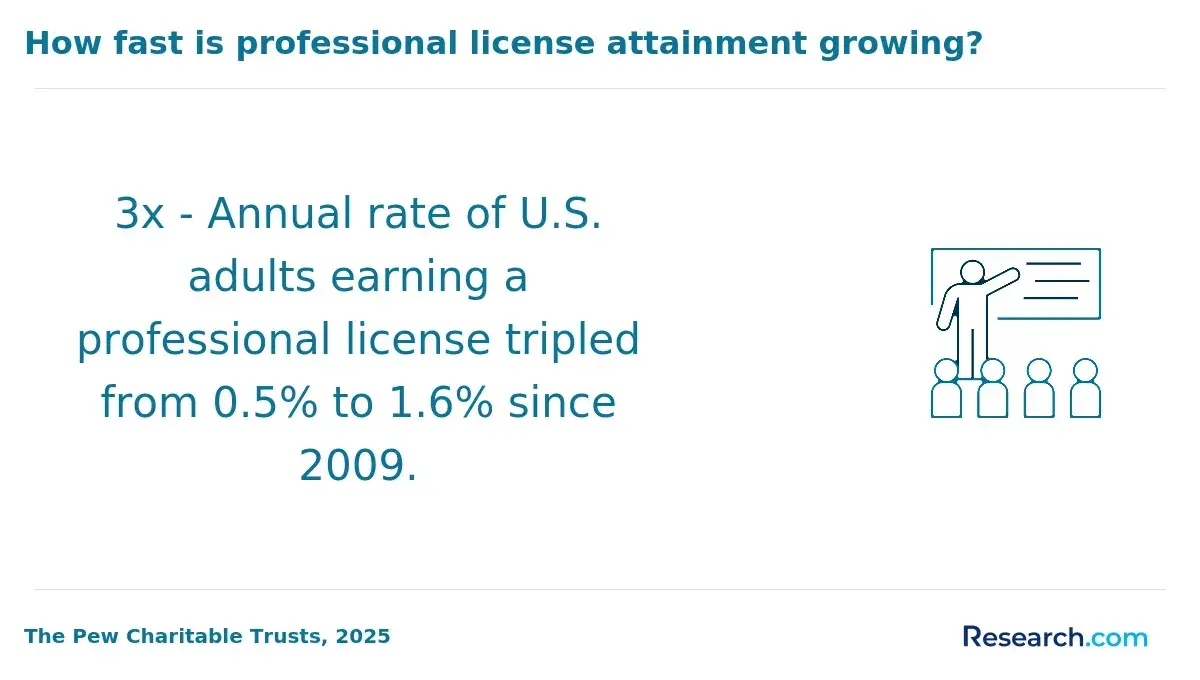
Graduates of online machine learning degree programs generally do not pursue traditional professional licensure as required in careers like engineering or nursing. The field largely stems from computer science and data analysis, where formal licensing remains uncommon. Instead, employers tend to prioritize relevant skills, certifications, and practical experience over licenses. Online machine learning programs often accommodate licensure readiness by providing curricula aligned with industry standards, offering preparation for certifications such as AWS or Google Cloud, and including hands-on projects to demonstrate marketable expertise.
For those wondering how to get licensed with machine learning degree online, it is important to recognize that specialized certifications, rather than formal licensure, serve as key credentials in the field. Licensure and certification opportunities are critical factors for students comparing programs because they influence employability and career advancement in the competitive tech sector. Many programs integrate coursework supporting certifications related to data privacy or cybersecurity-areas increasingly relevant to machine learning professionals handling sensitive data.
In fact, a recent industry survey revealed that 74% of employers prefer candidates who hold professional certifications alongside their degrees. Prospective students might also consider programs alongside other related fields, such as online marriage and family therapy programs, to understand licensure frameworks in different disciplines.
Accurately assessing the cost of online machine learning programs is vital for prospective students to plan their finances and determine the best educational investment. Recent data shows that about 65% of online STEM programs have raised tuition fees in the past two years, reflecting increased expenses for technology and faculty expertise.
Typical costs associated with online machine learning programs include:
- Tuition: This is usually the largest expense, charged per credit hour. Tuition rates typically range from $300 to $1,200 per credit, depending on the institution's prestige and program depth. Most programs require between 30 and 40 credits, which may result in total tuition costs from $10,000 to $40,000 or more.
- Technology fees: These fees cover access to online learning platforms, software tools, and IT support. They can add several hundred dollars each term and vary based on the resources provided by the program.
- Materials and resources: Students should budget for textbooks, software licenses, and specialized learning materials. These costs often range from $300 to over $1,000 depending on the curriculum and whether proprietary tools are required.
When comparing affordable online machine learning programs, it's important to evaluate these expenses in context with the quality of instruction and career outcomes. Some premium programs justify higher costs with up-to-date content and advanced resources.
For students seeking flexible advanced education beyond just machine learning, options such as an online doctorate in organizational leadership may also be worth exploring for broadening leadership and technical skills.
Understanding financial aid options is essential for prospective students weighing enrollment in online machine learning programs, as it helps manage the overall cost of education. Recent studies show nearly 60% of online learners take advantage of some form of financial aid, highlighting its critical role in supporting access to advanced tech degrees.
Key financial aid types to consider include:
- Federal student loans: Available to most U.S. citizens and eligible non-citizens, these loans often feature lower interest rates and more flexible repayment options than private loans, reducing financial strain during and after study.
- Grants and scholarships: These funds do not require repayment and may be merit-based or need-based. Various governmental agencies, private organizations, and STEM-focused groups offer scholarships and grants for online machine learning students, lowering tuition and related costs.
- Employer tuition assistance: Some employers provide partial or full reimbursement for employees pursuing relevant degrees in machine learning, effectively subsidizing program expenses and encouraging professional development.
- Work-study programs: Though less common for online learners, certain institutions coordinate virtual work opportunities tied to the curriculum, helping students earn income while gaining relevant experience.
Each funding source has distinct eligibility criteria and application requirements, so starting research early improves chances of maximizing available aid. Prospective students should also explore scholarships and grants for online machine learning degrees to further reduce out-of-pocket expenses.
For those exploring career outcomes and program quality alongside cost considerations, reviewing resources about online degrees that pay well can offer valuable insights into how financial aid interacts with earning potential in this dynamic field.
Familiarity with career options is essential for students considering online machine learning programs, as it helps align education choices with professional goals. Employment in machine learning-related fields is projected to grow by over 35% through the next decade, reflecting strong demand for skilled professionals.
The following roles illustrate typical paths graduates can pursue.
- Data Scientist: Data scientists analyze complex datasets to extract actionable insights, using machine learning algorithms to build predictive models. Graduates often advance to senior analytics or research leadership positions.
- Machine Learning Engineer: This role involves designing, developing, and deploying machine learning systems in production environments. The degree equips students with the programming and algorithmic skills needed for engineering robust AI solutions.
- Business Intelligence Analyst: These analysts leverage machine learning techniques to enhance data interpretation for strategic business decisions. Career progression can lead to managerial roles in data strategy.
- AI Researcher: Graduates can contribute to advancing machine learning theory and applications, often collaborating on experimental projects. This path usually requires continuous learning and development.
- Software Developer with AI focus: Professionals integrate machine learning components into software products, improving functionality through intelligent features. Experience gained can lead to specialization in AI software architecture.
Knowing the salary prospects for online machine learning graduates helps students make informed decisions about their education investments. Current data shows median salaries in the United States generally range between $90,000 and $130,000 annually, with ongoing growth fueled by rising demand across multiple industries.
Several key elements play a role in determining earnings for those entering this field.
- Level of education: Advanced degrees like master's or doctoral programs often open doors to higher-paying, specialized, or research-focused roles that require deeper expertise.
- Specialization: Expertise in niche areas such as natural language processing or computer vision tends to increase salary potential due to the technical complexity and market demand for these skills.
- Experience: Entry-level professionals typically start with modest salaries that increase as they accumulate practical skills, complete impactful projects, and demonstrate proficiency over time.
- Geographic location: Compensation varies widely, generally rising in technology hubs or large metropolitan regions where living costs and industry presence are higher.
- Work setting: Jobs within private companies usually offer greater financial rewards than academic or nonprofit positions, although the latter may provide other valuable benefits like flexibility or job stability.
What Graduates Say About Enrolling in an Online Machine Learning Degree
- Avery: "I was initially hesitant about the cost, but considering the average tuition was around $15,000, it felt like a worthwhile investment. The online machine learning degree program was incredibly well-structured, allowing me to balance work and study seamlessly. Since graduating, I've secured a job in a top tech firm, and the knowledge I gained continues to be a game-changer in my projects."
- Riven: "Reflecting on my decision, the affordability of the online machine learning program stood out-much less than traditional on-campus options. The flexibility really helped me dive deep into complex topics at my own pace, which enhanced my understanding tremendously. Professionally, this degree has opened doors for me to lead more data-driven initiatives at my company."
- Everett: "I saw the cost of an online machine learning degree as an investment rather than an expense, especially given that average programs run about $12,000 to $18,000. The experience was rigorous and required discipline, but the convenience of learning from home was invaluable. This credential has significantly boosted my credibility and salary prospects in the competitive tech industry."
Other Things You Should Know About Machine Learning Degrees
Make sure the online machine learning degree program is accredited by a recognized authority, such as the Accreditation Board for Engineering and Technology (ABET) or regional accrediting agencies. This ensures the program meets quality standards and your degree will be respected by future employers.
Many online machine learning programs have dropped the GRE requirement, but some still ask for it or make it optional. Admissions offices may also require a 3.0 minimum GPA, transcripts, and prerequisite coursework in calculus, linear algebra, and programming.
Practical experience is often integrated through online labs, programming assignments, and projects using real datasets. Some programs partner with companies to provide virtual internships or capstone projects that simulate industry challenges. Prospective students should examine how the program facilitates hands-on learning to ensure they gain applicable skills for the job market.
- School of IT/Artificial Intelligence and Machine Learning - INTERNATIONAL EUROPEAN UNIVERSITY, POLAND | EUROPE | STUDY IN POLAND | STUDY IN EUROPE | MBBS | GENERAL MEDICINE | BUSINESS | ENGINEERING | IT | EUROPE https://ieu.com.pl/european-school-of-it-home/school-of-it-artificial-intelligence-and-machine-learning/
- AI Salaries Poland 2025 | ITMAGINATION https://www.itmagination.com/reports/ai-salaries-poland
- Data Science Training and Internship | Data Science Dojo https://datasciencedojo.com/data-science-training-and-internship/
- What are the benefits of pursuing an online degree in AI and machine learning? https://www.umu.com/ask/q11122301573854384947
- Learn Artificial Intelligence Online: What You Should Know First https://www.immerse.education/knowledge-base/learn-artificial-intelligence-online/
- Machine Learning Online Courses | Coursera https://www.coursera.org/browse/data-science/machine-learning
- Admissions https://www.mimuw.edu.pl/en/admissions/
- Bachelor in Management and Artificial Intelligence https://www.kozminski.edu.pl/en/programs/undergraduate-programs-bachelor/bachelor-management-and-artificial-intelligence
- 32 Honest Machine Learning Engineer Salaries https://www.cbtnuggets.com/blog/technology/programming/honest-machine-learning-engineer-salaries
- Top 10 Highest Paying Artificial Intelligence (AI) Jobs 2025 | Nexford University https://www.nexford.edu/insights/highest-paying-ai-jobs