2027 BS in Business Administration Decision Guide: Finishing an Unrelated Degree or Changing to Business Administration
Audited and Verified:
Our Editorial and Data Verification Process
Research.com uses government datasets, official education statistics and primary institutional information to support its career and degree guides. Our review process checks factual accuracy, occupational definitions, source dates and the requirements associated with the credentials discussed.
How This Article Was Fact-Checked
Our editorial team verifies salary estimates, employment projections, education requirements and program information against original data providers and official organizations. Salary figures are checked against the relevant occupational definitions and reporting periods. Information about licensure, accreditation and required in-person training is reviewed separately.
Fact-checked and verified on:

Co-Founder and Chief Data Scientist
If you are partway through a non-business bachelor's degree, switching to business administration may seem like a direct route to a business career. But a new major can change which credits count, when you graduate, and what you pay.
This guide is for students and returning learners deciding whether to finish their current degree or pursue a BS in Business Administration. It shows how to compare official degree audits, identify the skills your target role requires, and choose a path without assuming that a business major is necessary - or that an unrelated degree closes the door.
Key Things You Should Know
- Finish your current degree when it is substantially closer to completion and your target business role does not require a business major; add targeted coursework or relevant experience if needed.
- Switch when an official business-degree audit shows an acceptable increase in remaining courses, cost, and time - and the curriculum addresses a meaningful skill gap.
- Compare occupation data with caution: the U.S. Bureau of Labor Statistics reports a $75,940 median annual wage for human resources specialists in May 2025, not a starting salary for business graduates.
What Is a BS in Business Administration, and Who Should Consider It?
A BS in Business Administration is an undergraduate degree covering several business functions, commonly including accounting, finance, marketing, management, operations, and quantitative decision-making. A BS, BBA, or BA in Business may cover similar ground, but their requirements and quantitative emphasis depend on the institution. An official concentration is different from taking a few related electives.
The degree can make sense if you need broad business preparation, your employer requires a bachelor's degree, or you want to move from your current field into business operations. Your existing discipline still matters: healthcare, humanities, technology, and social science coursework may provide useful sector knowledge, communication skills, or analytical preparation. A business degree adds to that background; it does not automatically qualify you to manage staff or enter a regulated profession.
If your goal is specifically to lead teams rather than study a broad business core, compare the actual curriculum and remaining requirements with undergraduate leadership programs with shorter timelines. A shorter advertised timeline is useful only if your credits apply and the schedule works for you.
Should You Finish an Unrelated Degree or Switch to Business Administration?
Compare paths from your current position, not from the first year of college. The controlling evidence is a written degree audit for each option: accepted credits, credits that satisfy specific requirements, remaining courses, and when those courses are offered. A credit accepted as an elective may not replace accounting, statistics, or another business-core requirement.
The comparison below shows when each path tends to be strongest. It is a decision framework, not a substitute for your institution's evaluation.
| Path | Best fit | Main risk to check |
| Finish the current degree | You are close to graduating, and your target role accepts varied majors. | You may still need demonstrable business skills or experience. |
| Switch to business administration | Core business study aligns with your goal, and most prior credits apply meaningfully. | Prerequisites, residency rules, and course sequencing may extend enrollment. |
| Finish, then add targeted training | You need a particular skill rather than another broad curriculum. | A certificate or course may not satisfy an employer's degree-specific requirement. |
Ask an adviser for both audits under the applicable catalog and confirm the estimates with the office responsible for transfer evaluation. Then compare the remaining required courses, not just total credits accepted. If project coordination is your goal, project management undergraduate transfer pathways offer another comparison - but verify whether a specialized degree adds value over finishing your present major and gaining project experience.
How Do You Choose an Accredited Business Administration Program?
First, confirm that the institution holds recognized institutional accreditation and offers the exact bachelor's degree you intend to earn. Then check whether any claimed AACSB, ACBSP, or IACBE accreditation covers the relevant business school or program. Institutional and business-specific accreditation have different scopes; neither guarantees that your credits will satisfy a particular requirement or that you will get a job.
For a student changing majors, program fit is also a policy question. Request the current catalog, a course-by-course transfer evaluation, a degree audit, the required-course schedule, and written rules for residency, substitutions, and appeals. Ask who has final authority to approve business-core equivalencies. Compare advising access and graduation requirements alongside accreditation.
If you are considering a specialized alternative, apply the same checks to economical project management education online; a familiar degree title or low advertised price does not establish accreditation scope or credit applicability.
Most curricula combine general education with a business core, electives, and sometimes a concentration, internship, or capstone. The exact mix varies. Common core subjects include financial and managerial accounting, economics, finance, marketing, management, operations, business law, statistics, and communication. Check prerequisites: an introductory quantitative or accounting course may have to come before an upper-level business course, even if you already hold substantial elective credit.
Translate your existing coursework into a requirement-by-requirement question. A statistics course from another discipline might satisfy a quantitative requirement, need departmental review, or count only as an elective. Likewise, strong writing or technical experience is valuable preparation but does not automatically waive a required course.
Choose electives for a documented skill gap rather than a label alone. For example, if procurement or logistics is your target, compare the business program's operations courses with low-cost shorter supply chain degree options. A specialized curriculum may be more relevant, but it could also leave more of your prior coursework unused.
Your remaining time depends on requirements still unmet, prerequisite order, course availability, enrollment pace, and any required credits taken at the graduating institution. An official audit is more informative than the number of credits on your transcript. Two students with similar credit totals can have different completion timelines if one has finished general education while the other has completed business prerequisites.
Before changing majors, have an adviser map the remaining courses by term, including classes offered infrequently. Confirm whether switching changes your catalog year and whether part-time enrollment affects the sequence. If speed matters, examine bachelor's degrees with compressed schedules against that map. Shorter terms do not remove required work or ensure that a needed course is available sooner.
Neither format is inherently better for a student switching majors. Online study may reduce travel and expand program choices, while campus study may make scheduled collaboration and local recruiting easier to access. What matters is whether you can complete the remaining courses and any applied requirements in the offered format.
Ask whether classes have live meetings, fixed weekly deadlines, proctored exams, group presentations, internships, or campus visits. Also check whether the courses you need are available online each term; a program described as online may have limited scheduling choices for a particular concentration. When reviewing online colleges with accelerated business programs, compare those obligations with your work schedule and the graduation plan, not just the advertised pace.
If you already attend the institution, changing majors may require more than submitting a form. The business school may have separate entry criteria, prerequisite courses, grade standards, or a formal application. Transfer and returning students may also need admission or readmission to the institution before the business major can evaluate them. Requirements vary, and admission does not establish how prior credits will apply.
Gather transcripts and course descriptions before requesting an evaluation. Ask admissions whether you qualify to enter the institution, the business department whether you qualify for the major, and the transfer or registrar's office how specific courses will be classified. If you plan to use federal aid, ask financial aid how your remaining eligible coursework and enrollment status affect it. Guidance on federal aid for undergraduate project management study can help frame questions for a specialized alternative, but your own school must determine your aid eligibility.
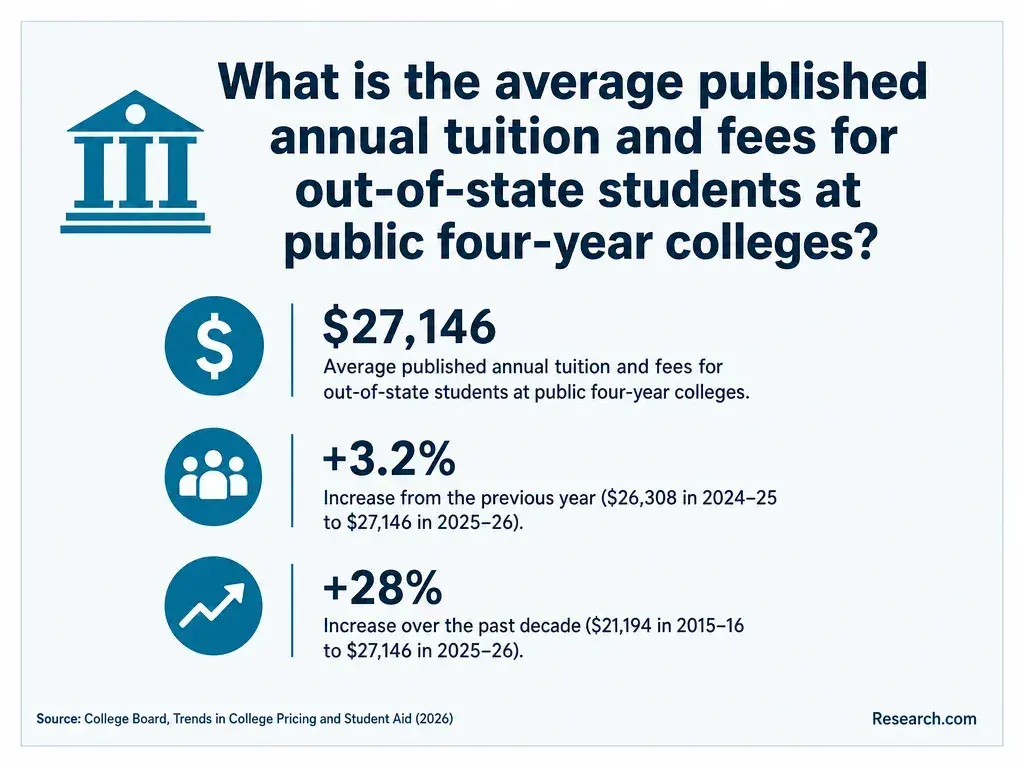
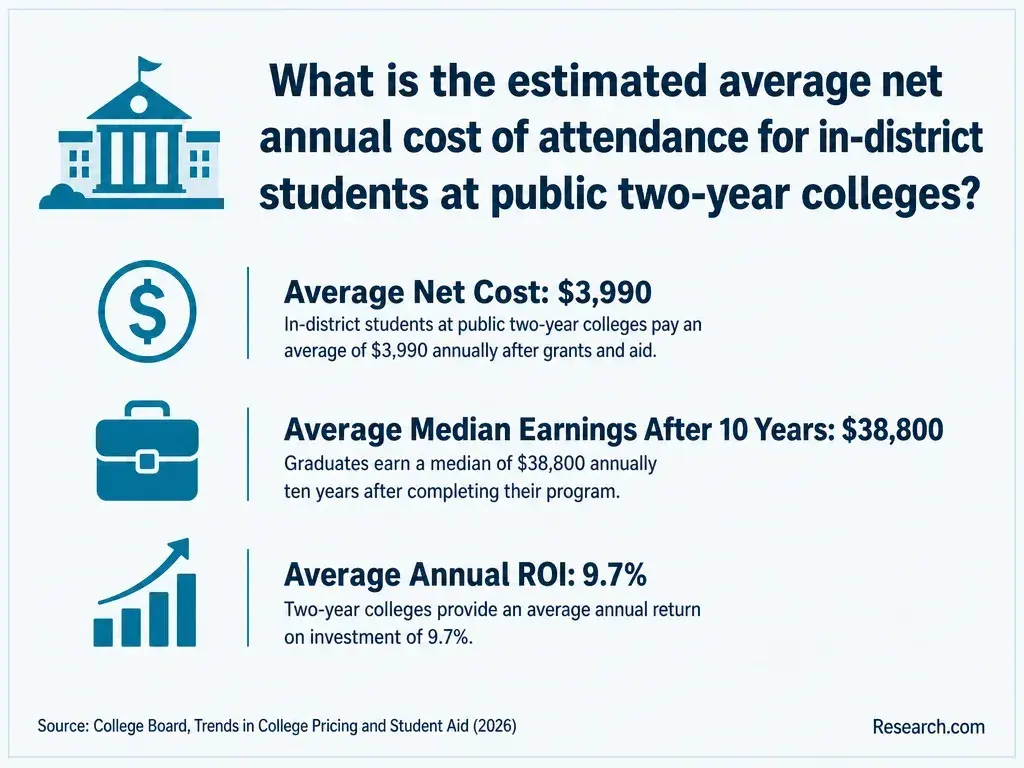
The meaningful comparison is the cost from now to graduation under each path. For each option, obtain the remaining required courses and estimate tuition under the school's actual charging method. Add mandatory fees, books or software, travel, and any term of enrollment added by course sequencing. Subtract confirmed grants or employer benefits only after checking eligibility and conditions; borrowing changes cash flow but does not reduce the price.
Compare low-cost online business administration pathways using the same assumptions about transferred courses and enrollment pace. A lower per-credit price can still produce a higher completion cost if more requirements remain. Ask financial aid whether a major change affects satisfactory academic progress, and check whether employer reimbursement is paid after successful course completion.
A business administration degree can support applications for roles such as operations coordinator, HR assistant or specialist, marketing coordinator, sales operations associate, procurement assistant, and project coordinator. Hiring depends on the job's duties, your prior experience, and evidence that you can perform them. A student finishing an unrelated degree may also be competitive for some of these roles, particularly when sector knowledge or existing work experience is relevant.
Start with job descriptions for your target role. Match recurring tasks - such as maintaining budgets, analyzing customer information, coordinating vendors, or preparing reports - to courses, supervised work, or work samples you can genuinely document. If project coordination is the goal, compare the remaining cost of your current path with an accredited online project management tuition guide before assuming a second or different bachelor's degree is necessary. Neither degree alone qualifies someone to lead major projects or manage staff.
What Salaries and Job Outlook Can Business Graduates Expect?
There is no single salary or growth rate for a BS in Business Administration graduate. The U.S. Bureau of Labor Statistics reports a $75,940 median annual wage for human resources specialists in May 2025 and projects 6% employment growth for that occupation from 2025 to 2035. These figures describe an occupation across experience levels and educational backgrounds, not a new graduate's offer or the return from changing majors.
Use occupation-specific data only after identifying a realistic target job and checking local postings for its required experience. Then weigh the potential benefit of the business curriculum against its additional completion cost and time. If cost is decisive, colleges offering economical online business study provide options to investigate - but compare their official audits before drawing conclusions about value.
Other Things You Should Know About Business Administration
Usually, a major change does not erase grades already on your institutional record. Ask the registrar how cumulative and major GPAs are calculated and whether any academic-renewal policy applies.
Only if the business program approves it under its learning, supervision, and assessment rules. Do not assume past work will satisfy a new internship requirement.
Many MBA programs consider applicants from varied majors. Individual programs set their own admission criteria and may expect relevant work experience or quantitative preparation.
Not necessarily. Ask the registrar whether an approved concentration appears on the diploma, transcript, both, or neither before relying on it as a separately documented credential.
- School-Determined Requirements | 2024-2025 Federal Student Aid Handbook https://fsapartners.ed.gov/knowledge-center/fsa-handbook/2024-2025/vol1/ch1-school-determined-requirements
- Accreditation in the U.S. | ed.gov http://www.ed.gov/laws-and-policy/higher-education-laws-and-policy/college-accreditation/accreditation-in-the-us
- How Do Transfer Credits Work When You Go Back to School? | Whitworth Online https://online.whitworth.edu/news-articles/how-do-transfer-credits-work-when-you-go-back-to-school/
- What Is an Accredited University? Understanding Accreditation | National University https://www.nu.edu/blog/what-is-an-accredited-university/
- Everything you need to know before choosing an undergraduate business degree - Penn State World Campus https://www.worldcampus.psu.edu/about-us/news-and-features/choosing-a-business-degree-program
- Rohrer College of Business Change Major Requirements | rowan.edu https://business.rowan.edu/academic-advising/rohrer-college-business-change-major-requirements.html
- College of Business Administration - Academic Catalog https://catalog.uic.edu/ucat/colleges-depts/business-administration/
- Changing Major | Orfalea College of Business - Cal Poly https://orfalea.calpoly.edu/student-services/policies-and-forms/changing-major
- College Core Requirements - Chicago https://www.depaul.edu/academics/programs/business-administration/college-core-requirements
- Regional vs. National Accreditation: Which is Better? | Drexel University Online https://www.online.drexel.edu/news/national-vs-regional-accreditation.aspx