2027 Best Value Online Computer Science Master's Degrees: Affordable Accredited Programs with the Highest ROI

Co-Founder and Chief Data Scientist
Choosing an online computer science master's degree often means balancing cost, credibility, and career impact-especially when programs vary widely in quality and price. As enrollment in online graduate education rose by nearly 12% in 2024 according to the National Center for Education Statistics, adult learners increasingly seek flexible, affordable options that don't sacrifice academic rigor.
This shift highlights the need to zero in on accredited programs with proven outcomes, rather than just cheapest or most prestigious names. Understanding real return on investment requires scrutinizing admission standards, program structure, and workforce alignment before committing substantial time and money.
Key Things to Know About the Best Value Online Computer Science Master's Degrees
- Affordable accredited programs often require balancing lower tuition with fewer specialization options, limiting advanced technical depth but improving accessibility for working adults seeking practical skills quickly.
- Employers increasingly prioritize graduates from regionally accredited online programs, reflecting workforce data that links recognized academic standards with higher initial job placement rates.
- The National Center for Education Statistics reports a 12% growth in adult enrollment in online master's degrees since 2022, underscoring the timing advantage for career changers leveraging flexible, lower-cost pathways.
What Are the Best Value Online Computer Science Master's Programs in the U.S.?
Best value for online computer science master's programs involves strategically weighing tuition costs against program accreditation, graduation rates, and measurable post-graduation salary increases. For working professionals or first-generation graduate students, these factors directly affect return on investment and career mobility in a competitive tech labor market.
For example, a mid-career developer aiming to pivot into machine learning cannot solely focus on low tuition without considering if a program has strong employer-recognized accreditation or if graduates see significant salary uplift. Conversely, paying premium tuition for synchronous programs may not justify the investment if flexibility and completion rates suffer.
- Georgia Institute of Technology: Total tuition approximately $10,000; asynchronous delivery; notable for its cutting-edge curriculum developed in partnership with leading tech firms.
- University of Illinois Urbana-Champaign: Total tuition around $22,000; asynchronous format; renowned for research-driven content and strong alumni network.
- University of Florida: Total tuition about $25,000; asynchronous; distinguished by high graduation rates and comprehensive specialization options.
- North Carolina State University: Total tuition near $30,000; asynchronous; praised for integration of practical projects with theory and regional industry ties.
- Stevens Institute of Technology: Total tuition roughly $34,000; primarily synchronous sessions; offers personalized mentorship and robust career services.
For those needing a reliable guide to affordable accredited online computer science master's degrees in the United States, this data-driven comparison reveals how tuition savings, program rigor, and employment outcomes intersect. Making an informed choice involves balancing immediate cost constraints with longer-term career impact, especially given the rapid evolution of technical skill demands.
Exploring options to combine these programs with financial aid, employer tuition assistance, or flexible pacing will further optimize value. Students interested in related accelerated graduate pathways may also examine fastest online MSW programs as a reference for institutional flexibility and career relevance in other fields.
What Accreditations Should an Online Computer Science Master's Program Have?
Choosing an online computer science master's program without carefully vetting its accreditation can have lasting consequences on credential recognition, credit transferability, and career advancement opportunities. Many employers prioritize candidates with degrees from regionally accredited institutions, and graduates of nationally accredited programs often face barriers in gaining employer trust or pursuing further education.
Accreditation for online computer science programs typically follows a two-tier structure. First, regional institutional accreditation, granted by one of seven established accreditors like the Higher Learning Commission (HLC) or the Southern Association of Colleges and Schools Commission on Colleges (SACSCOC), serves as the baseline verification that the school meets consistent academic quality standards. This layer is essential not only for federal financial aid eligibility but also because it influences how credits transfer between institutions and how employers perceive your degree's legitimacy.
The second tier is programmatic accreditation, which evaluates the specific quality of the computer science curriculum and faculty. For computer science, ABET accreditation holds particular value, signaling alignment with industry standards and often enhancing employability. Unlike other disciplines, such as business, which relies on AACSB accreditation, or public health with CEPH, computer science programs are generally assessed through ABET or equivalent technical accreditation bodies to validate their rigor and relevance.
Red flags include programs accredited only by less recognized national agencies or claims of accreditation from dubious organizations. Such accreditation often indicates weaker academic rigor and can limit post-graduate mobility in education and employment.
Before enrolling, ask admissions representatives these critical questions to clarify a program's standing:
- Regional Accreditation: Is the institution regionally accredited by a recognized accreditor such as HLC or SACSCOC?
- Programmatic Accreditation: Does the computer science master's program hold ABET or an equivalent specialized accreditation?
- Credit Transferability: Are the program's credits widely accepted by other accredited institutions?
- Employer Recognition: Is the degree recognized by employers in the technology sector to support career advancement?
How Much Does an Online Computer Science Master's Degree Cost on Average?
The financial commitment for an online computer science master's degree typically ranges from around $15,000 to $60,000 in total, depending largely on the institution's status and residency considerations. Many public universities price tuition between $500 and $1,200 per credit hour for in-state students, whereas out-of-state learners often face higher rates-though an increasing number of programs streamline costs by applying a flat tuition fee regardless of residency.
Private and nonprofit institutions usually charge between $800 and $2,000 per credit hour, reflecting higher operational expenses but sometimes offering greater curricular flexibility or specialized tracks. Understanding the average tuition fees for accredited online computer science master's programs is critical because upfront sticker prices rarely capture the full financial picture. Additional mandatory fees, such as enrollment, registration, or graduation charges, can add several hundred to over a thousand dollars beyond the base tuition.
Technology fees supporting learning platforms, software licenses, and virtual labs create a necessary but often overlooked expense. Thesis or capstone projects may involve supervision or materials costs, which vary by school. Costs related to exam integrity, such as proctoring fees, are another consideration, particularly in programs requiring stringent online assessment controls.
While predominantly remote, some programs mandate brief on-campus residencies or orientations, introducing travel and lodging expenses that further impact affordability. These cumulative factors significantly influence return on investment for working professionals and first-generation graduate students assessing program value against career objectives.
- Public University Average: $500-$1,200 per credit hour (in-state), out-of-state often higher but sometimes a flat online rate
- Private/Nonprofit Average: $800-$2,000 per credit hour, reflecting higher delivery costs
Prospective master's candidates should weigh these financial dynamics against career outcomes carefully. Institutional pricing structures and hidden fees affect not only upfront costs but also long-term employability and debt repayment capacity. For specialized interests, such as game design disciplines, reviewing targeted programs like a master's in game design can provide insight into niche pricing and curriculum relevance within the broader scope of computer science graduate education.
What Is the Return on Investment (ROI) of an Online Computer Science Master's Degree?
The return on investment (ROI) of an online computer science master's degree hinges on whether the post-degree salary increase justifies the program's cost and time demands. This financial calculation involves subtracting the pre-degree median salary from the post-degree median salary, then dividing that difference by the total tuition and fees, resulting in either a percentage gain or a payback period.
Data from sources like the Bureau of Labor Statistics and PayScale indicate median salaries before the degree hover around $75,000, rising to roughly $110,000 or more for graduates. This suggests a salary uplift that can offset tuition expenses within several years, but the actual ROI varies widely based on individual circumstances.
Key factors shaping this outcome include:
- Work Experience: Candidates with prior technical roles often see accelerated salary bumps, improving ROI by shortening payback time.
- Institution Prestige: Degrees from top-tier or highly regarded programs tend to secure higher wage premiums, impacting overall financial returns.
- Regional Demand: Graduates based in technology hubs or high-demand local markets are more likely to realize stronger salary gains post-degree.
- Specializations: Focus areas like machine learning or cybersecurity generally command higher earnings than more generalized computer science tracks, enhancing ROI.
Non-financial returns are also significant:
- Career Pivots: The degree grants access to new sectors and roles not typically open to bachelor's holders.
- Promotions: Advanced credentials often factor into eligibility for leadership and senior technical jobs.
- Job Security: Graduate-level qualifications correlate with lower unemployment risk during economic downturns.
Balancing these elements demands an individualized assessment, weighing program costs and time investment against expected salary shifts, geographic mobility, and personal career goals.
A recent graduate recalled navigating rolling admissions where delaying application decisions introduced uncertainty. Although hesitant to commit before understanding financial aid offers, after accepting admission from a well-regarded program nearby, the candidate quickly realized the salary uplift aligned closely with their projections. This experience underscored the practical challenge of timing applications and preparing for entry without firm guarantees, highlighting how strategic patience in admissions can be crucial to optimizing ROI.
What Are the Admission Requirements for an Online Computer Science Master's Program?
Admission to accredited online computer science master's programs often hinges on a balance of academic benchmarks and evidence of practical aptitude, reflecting the varied profiles of applicants. For example, a professional switching careers may find that a rigid GPA cutoff can be offset by strong work experience or projects demonstrating technical competency.
- Undergraduate GPA: Typically, programs seek a minimum GPA near 3.0 on a 4.0 scale, yet exceptions exist for candidates who compensate with significant professional accomplishments or relevant skills.
- Letters of Recommendation: Two to three references from academics or industry supervisors provide insight into an applicant's readiness for graduate-level challenges, focusing on analytical abilities, problem-solving, and work ethic.
- Statement of Purpose: A clear, focused essay explaining career goals and how the program aligns with one's trajectory helps committees gauge fit beyond numerical criteria.
- Resume or CV: A detailed overview of relevant experience, certifications, and projects strengthens applications by highlighting applied knowledge crucial in technical fields.
- Prerequisites: Foundational coursework in programming, algorithms, or discrete mathematics is often mandated to ensure readiness for graduate study in a STEM discipline; applicants lacking these may need preparatory classes.
- Standardized Tests: Many programs have moved toward test-optional policies, recognizing the limited predictive value of GRE or GMAT scores, especially for working adults, though some competitive programs still require them when academic backgrounds are less robust.
Given significant variability in admission rigor, applicants are advised to apply across a spectrum of programs-reach, match, and safety options-to strategically navigate acceptance probabilities and maximize investment value.
What Is the Minimum GPA Requirement for a Computer Science Master's Program?
Minimum GPA requirements for online computer science master's programs often create a practical boundary that separates applicants by academic readiness but do not alone determine admissions outcomes or long-term success. Most accredited programs typically set a minimum undergraduate GPA requirement between 2.75 and 3.0.
However, the reality is that many admit students with GPAs above 3.2, reflecting a more competitive admissions landscape where surpassing the floor is a significant advantage. For example, a working professional with a 2.8 GPA might still gain entry by leveraging relevant work experience or contributions to open-source projects, rather than seeing the GPA cutoff as a firm barrier.
This distinction matters because many prospective students confuse the minimum GPA requirement for online computer science master's programs with a competitive GPA profile, which often represents the average GPA of enrolled cohorts rather than the lowest permissible score. The gap between these figures can affect the applicant's chance and the program's selectivity.
- Minimum GPA Requirement: Typically, accredited programs require a minimum undergraduate GPA ranging from 2.75 to 3.0 to be considered for admission. This serves as the basic threshold or floor that ensures applicants have demonstrated sufficient academic preparation.
- Competitive GPA: Many programs distinguish between the minimum GPA needed to apply and the GPA profile of admitted students. Competitive programs often expect GPA scores of 3.2 or higher, reflecting the academic quality and rigor preferred in their applicant pool.
- GPA Waivers and Substitutions: At many institutions, applicants with GPAs below the minimum eligibility may still be considered if they can demonstrate strong professional experience, a robust portfolio, or solid scores on standardized tests like the GRE. These options provide alternative evidence of readiness beyond GPA alone.
- Conditional or Provisional Admission: Some programs allow admission on a conditional basis for students with lower GPAs, requiring them to meet specific milestones during the program to continue. This pathway can offer a balanced approach for non-traditional candidates.
- Holistic Review Process: Importantly, GPA is only one part of a comprehensive admissions evaluation. Programs frequently assess work experience, recommendations, statement of purpose, and other factors, recognizing that GPA does not fully capture an applicant's potential or relevant skills.
For candidates weighing options, differentiating these GPA standards is crucial when comparing the typical GPA cutoff for accredited computer science master's degrees in the US. Requesting detailed GPA distribution data from programs before applying can clarify competitiveness.
Also, reviewing pathways like MBA without GMAT illustrates how standardized test waivers and professional record substitutions gain traction across fields, signaling similar trends in computer science admissions.
What Financial Aid Options Are Available for Online Computer Science Master's Students?
Securing financial aid for an online computer science master's often involves balancing immediate funding needs with long-term debt management, especially given the constraints unique to graduate-level support. Unlike undergraduate studies, few federal grants exist for graduate students, meaning many must rely on loans and competitive scholarships that require proactive planning and timing.
- Federal Loans: Graduate students can access Direct Unsubsidized Loans, which start accruing interest immediately, and Graduate PLUS Loans that permit higher borrowing but demand credit approval and generally carry steeper interest costs-a tradeoff that impacts repayment strategies significantly.
- Institutional Scholarships and Fellowships: These awards, often merit- or need-based, target graduate students including some online learners, but availability varies widely and application windows can close early, reinforcing the need for early outreach and thorough preparation.
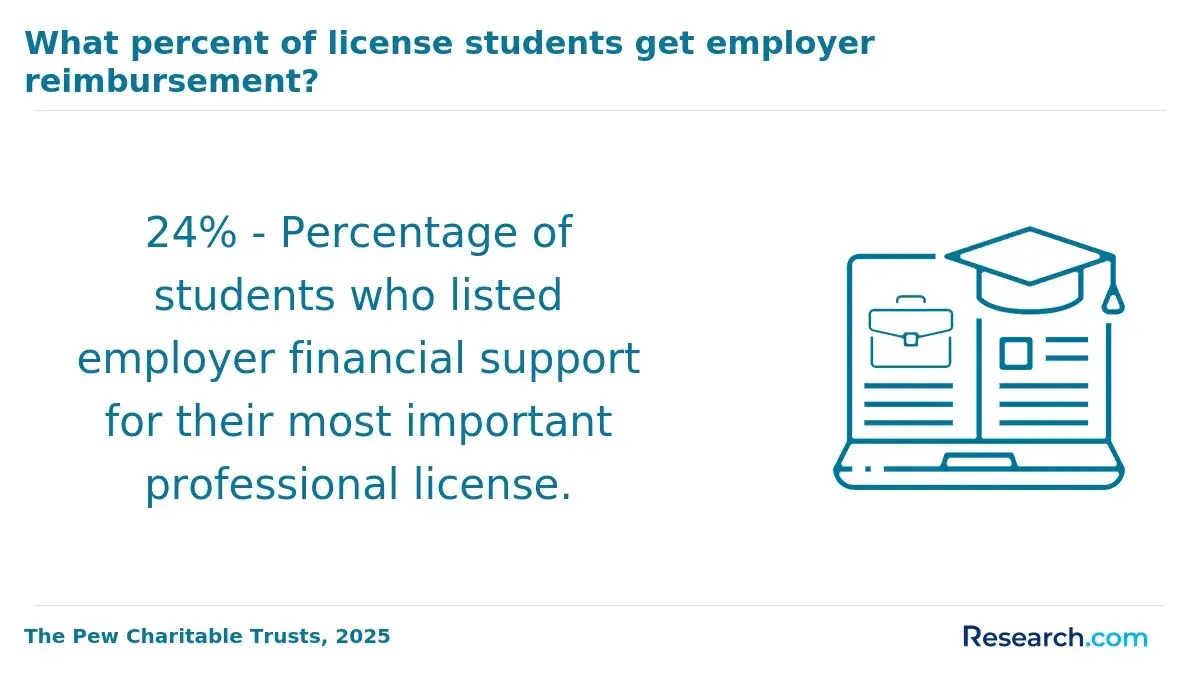
- Employer Tuition Reimbursement: Workers in tech or related sectors should evaluate their employer's education benefits carefully, as eligibility often hinges on course relevance and maintaining set academic standards.
- Graduate Assistantships: Though predominantly tied to campus programs, a fraction of online master's students can secure assistantships or research roles that offset costs while enhancing practical skills, but these opportunities remain scarce.
- External Scholarships: Targeted funds from professional associations in computer science can supplement income, especially for underrepresented groups, though amounts and competition vary.
- FAFSA and Aid Maximization: Completing the FAFSA early is crucial since graduate financial aid operates on a priority timeline and incorporates the Student Aid Index calculation. Further, students improve prospects by negotiating aid offers, investigating state grant options, and focusing on discipline-specific scholarships.
One recent graduate recalled delaying her FAFSA submission due to uncertainty about program choice, nearly missing critical scholarship deadlines in a rolling-admissions process. Her last-minute push helped secure a partial fellowship and employer tuition coverage, yet the experience highlighted how hesitation can reduce options and increase financial pressure. This example underscores how timing, preparation, and strategic aid navigation are as vital to funding an online computer science master's as academic qualifications themselves.
How Long Does It Take to Complete an Online Computer Science Master's Degree?
Completion times for an online computer science master's degree vary significantly based on enrollment status and program structure, affecting both cost and workforce re-entry. Full-time students typically finish within 18 months to 2 years, offering a quicker return on investment but often requiring a substantial time commitment that may conflict with work or family obligations.
Part-time students, who make up the majority of online learners, generally take between 2.5 and 4 years, balancing coursework with professional responsibilities at the expense of prolonged tuition and delayed career benefits. These differing timelines directly influence employability strategies, especially as employers increasingly favor candidates with current, relevant skills confirmed by timely credential completion.
- Credit Hour Requirements: Most accredited programs demand between 30 and 45 credit hours. A larger credit load typically extends the degree duration and total cost, key considerations for those evaluating long-term affordability alongside educational outcomes.
- Course Load Per Semester: Heavier course loads shorten completion time but can strain working professionals managing employment or caregiving duties, impacting academic performance and stress levels.
- Transfer Credits: Acceptance of prior graduate-level credits reduces program length; however, transfer policies vary widely and can complicate admissions for career changers or those who completed foundational courses elsewhere.
- Scheduling Format: Cohort-based curricula follow fixed pacing that limits flexibility, while self-paced formats allow students to accelerate or decelerate progress according to individual circumstances.
- Accelerated Programs: Some online degrees advertise completion in as little as 12 months. Although fast tracks appeal to motivated students, employer and accreditation perspectives emphasize program quality and curriculum rigor over speed alone.
- Thesis or Capstone Requirements: These projects often add one or two semesters, introducing variables tied to student initiative and faculty support that may extend time to completion.
Data from recent enrollment trends indicate a growing preference for part-time online study among adults balancing career transitions, reinforcing the need to realistically plan for longer timelines. Selecting a program that aligns with personal and professional demands avoids costly delays and maximizes return on investment over the long term.
Students exploring specialization choices may also review salary outcomes and affordability carefully. For example, those focusing on data-centric roles can consult rankings of the most affordable data scientist degree options to identify cost-effective pathways that also hold industry value. Understanding the average duration of accredited online computer science master's programs in the United States provides a critical benchmark for setting achievable completion goals that support sustainable career advancement.
What Specializations or Concentrations Are Available in Online Computer Science Master's Programs?
Selecting a specialization within an online computer science master's program is a strategic decision that directly shapes a graduate's employability and salary potential. Employers often seek candidates with focused expertise, so choosing a concentration aligned with target roles can differentiate applicants in crowded job markets.
For example, a graduate concentrating in cybersecurity may find more direct pathways into roles protecting sensitive infrastructure, while those in data science might access broader opportunities in analytics across industries. Programs differ: some offer broad general tracks with elective flexibility, whereas others require declaring a specialization upfront, underscoring the need for deliberate early choices.
Common specializations available across accredited online computer science master's programs include:
- Artificial Intelligence and Machine Learning: Concentrates on algorithms, data modeling, and AI system applications.
- Cybersecurity: Emphasizes network security, cryptography, and risk management.
- Data Science and Analytics: Focuses on big data processing, statistical analysis, and predictive modeling.
- Software Engineering: Covers software design, testing, and development life cycles.
- Computer Networks: Explores network architecture, wireless communications, and protocols.
- Human-Computer Interaction: Studies user interface design and improving user experience.
- Embedded Systems and IoT: Integrates software with connected hardware devices.
- Theoretical Computer Science: Delves into computational theory, algorithms, and complexity analysis.
Prospective students targeting the highest ROI computer science master's degree concentrations in the US should examine job postings for their intended roles and identify which specializations employers prioritize. Not all concentrations have equal market value; industry demand and geographic trends heavily affect salary outcomes and career progression. Conversations with program alumni or advisors provide insights on how specialization translates into labor market relevance.
- Accreditation: Regional agencies like the Higher Learning Commission (HLC), Middle States Commission on Higher Education (MSCHE), and WASC Senior College and University Commission (WSCUC) assure academic standards.
- Professional Accreditation: ABET accreditation is crucial for programs emphasizing computing and engineering rigor.
- Career Outcome Data: Reputable programs share graduate employment rates and salary benchmarks by specialization.
- Curriculum Rigor: Effective concentrations reflect current industry standards and evolving technology demands.
- Faculty Expertise: Depth of specialization depends on faculty with relevant research and professional backgrounds.
- Flexibility: Some programs allow elective adjustments, while others mandate a fixed concentration, impacting adaptability to shifting career interests.
Understanding these factors helps first-generation graduate students, working professionals, career changers, and underrepresented groups choose a path that balances cost, credibility, and career ROI. Exploring high-paying jobs for introverts can also clarify realistic outcomes for technology-focused specializations.
How Do Online Computer Science Master's Programs Compare to On-Campus Programs in Quality and Recognition?
Employer surveys, including recent data from SHRM, consistently reveal that most hiring managers do not differentiate between online and on-campus master's degrees when both are awarded by the same regionally accredited institution. This underscores accreditation as the pivotal factor in degree credibility, with regional accreditation serving as the essential benchmark for ensuring that credentials command equal respect and opportunity regardless of delivery format.
Importantly, some institutions issue diplomas without noting "online," which avoids potential employer bias tied to modality. However, the choice between online and on-campus computer science programs is not simply a question of degree equivalence. On-campus programs retain tangible advantages in experiential components such as in-person labs, practicum opportunities, and direct access to campus recruiting pipelines.
For example, a student seeking roles at tech firms that heavily favor networking may find face-to-face connections and on-site career fairs invaluable. Conversely, many online programs have adapted by incorporating virtual lab environments, remote project collaboration tools, employer partnership events, and hybrid residencies to mitigate these gaps.
Prospective students should prioritize the specific institution's graduate employment outcomes and professional alumni networks over modality labels. Reviewing LinkedIn alumni profiles can provide concrete evidence of salary ranges and job placement in sectors like healthcare IT or software development, where demand continues to rise.
This nuanced approach allows candidates-especially working professionals, first-generation graduates, and career-changers-to make decisions aligned with their financial, networking, and practical learning needs.
- Accreditation: Regional accreditation ensures degree validity and employer trust independent of delivery mode; some schools omit "online" from diplomas to maintain parity.
- Employer Perception: Survey data supports that institutional reputation and graduate success outweigh whether the program was online or in person.
- Networking: On-campus students access direct, face-to-face opportunities; online students use virtual platforms and scheduled hybrid events to build connections.
- Recruitment: Campus recruiting offers direct employer engagement, while online programs increasingly leverage virtual career fairs and industry partnerships.
- Applied Learning: Physical labs favor on-campus settings, yet virtual labs and remote teamwork increasingly replicate practical experience.
- Program Evaluation: Prospective students should analyze graduate employment rates and LinkedIn career trajectories rather than modality focus.
What Graduates Say About the Best Value Online Computer Science Master's Degrees
- Benny: "Balancing a full-time job with family commitments left me very limited on hours, so I chose one of the more affordable online computer science master's programs because of its flexible pacing. It wasn't easy juggling assignments and work deadlines, but the program's focus on practical projects helped me build a portfolio that caught the attention of a few tech startups. While I didn't land a position with a major firm immediately, the internships I secured through the program gave me relevant experience that opened doors for remote roles in software development."
- Greyson: "As someone changing careers from retail into technology, cost was a major concern, and that's why I went for an accredited, budget-friendly master's in computer science. Choosing a program with a strong balance of theory and application helped me quickly upskill in areas like algorithms and databases, but I did notice that some employers emphasized certifications over just the degree. The new skills landed me a junior developer role, though I'm aware that advancing further might require additional credentials or experience outside the classroom."
- Cooper: "After finishing my master's in computer science online, I realized that some hiring managers prioritize demonstrated experience and portfolios over just holding a degree-even from a well-regarded program. I invested weekends into building real-world applications and contributing to open-source projects, which was essential given the competitive market and my limited professional background. The affordable program's remote learning options allowed me to continue working part-time, but salary growth has been steady rather than rapid, especially without licensure or specialized certifications."
Other Things You Should Know About Computer Science Degrees
Graduates from online computer science master's degrees typically see career advancements in roles like software development, data science, and systems architecture. However, the direct impact on job placement often depends on the program's industry connections and reputation. Programs with integrated capstone projects or internships generally provide stronger employer engagement, which improves practical experience and networking opportunities critical for landing desirable positions. Prospective students should prioritize programs that offer applied learning components aligned with current market demands rather than purely theoretical curricula.
Employer tuition reimbursement policies can significantly lower net costs but vary widely in coverage and eligibility conditions. Many employers cover only accredited programs with demonstrated relevance to job roles, which means choosing a program with regional or CSAB accreditation is essential. Students should verify if partial reimbursements apply to online degrees since some companies initially favor in-person programs. Also, reimbursement often requires upfront payment and later reimbursement or proof of satisfactory grades, conditions that may affect cash flow and participation logistics for working professionals.
Selecting a program should hinge on matching curriculum content, specialization options, and delivery format to specific career objectives, not just on overall rankings or cost. For example, if targeting cybersecurity roles, programs focusing on security protocols and hands-on labs yield greater employability than generalized computer science degrees.
Additionally, prospective students must assess the balance between program flexibility and workload intensity since excessive demands can hinder working professionals. Prioritize programs offering robust career services and alumni networks that align with targeted industries for higher ROI.
References
- Affordable Master's in Computer Science Degrees | ComputerScience.org https://www.computerscience.org/degrees/affordable-online-masters-computer-science/
- Average Cost of a Master's Degree: 2025 Analysis https://educationdata.org/average-cost-of-a-masters-degree
- Funding Your Online Master’s Degree: How to Pay Less with Financial Aid https://www.onlinemastersdegrees.org/financial-aid/
- Is Grad School Worth It? A Comprehensive Return on Investment Analysis - FREOPP https://freopp.org/whitepapers/is-grad-school-worth-it-a-comprehensive-return-on-investment-analysis/
- Computer Science Degree ROI Calculator https://hakia.com/resources/cs-degree-roi-calculator/
- Master studies - Warsaw School of Computer Science https://wscs.eu/candidates/master-studies/
- How Elite Universities are Changing the Online Master’s Game https://www.encoura.org/resources/wake-up-call/how-elite-universities-are-changing-the-online-masters-game/