2027 Best RN to BSN Paths for Travel Nurses Seeking Stability

Co-Founder and Chief Data Scientist
Travel nurses balancing fluctuating assignments face a critical challenge when attempting to advance their credentials without sacrificing income or flexibility. As the average enrollment in online nursing programs surged nearly 12% in 2024 according to the National Center for Education Statistics, this growth signals expanding access but also sharper competition for spots in truly adaptable RN to BSN paths.
Such trends reflect a broader shift toward programs designed for working adults requiring accelerated formats and asynchronous coursework to align with unpredictable schedules and relocation demands. This article examines the best RN to BSN paths tailored specifically to travel nurses seeking consistent career progression without compromising mobility or financial stability.
Key Things You Should Know
- The 2024 National Center for Education Statistics shows accelerated RN to BSN programs reduce completion time by 30%, but this often limits clinical diversity exposure, constraining broader specialty eligibility post-graduation.
- Data from the U.S. Bureau of Labor Statistics reveals 68% of healthcare employers now require or prefer BSN for travel nurse roles, increasing job stability yet heightening competition among candidates upgrading credentials.
- Analysis by the American Association of Colleges of Nursing indicates average tuition for RN to BSN programs rose 12% in 2024, forcing candidates to weigh immediate debt burden against anticipated 10%-15% lifetime earning increases.
What are the best RN to BSN pathways for travel nurses seeking long-term stability?
Travel nurses seeking long-term career stability must critically assess RN to BSN programs based on licensure portability, program flexibility, and employer recognition rather than solely accreditation or convenience. Nearly 41% of hospitals and healthcare settings require a BSN for new hires, while 77% prefer it, making program reputation among major healthcare systems a key factor for securing consistent contracts.
Programs offering asynchronous online coursework with rolling admissions accommodate the irregular schedules of travel nurses and ease clinical placement challenges across state lines. For example, nurses covering multiple states need BSN pathways aligned with those state nursing boards to avoid licensing delays that can hinder assignment acceptance.
Accelerated pathways that award credit for prior clinical experience and reduce completion time to 12-18 months also minimize the conflict between work and study obligations frequently encountered in travel nursing. Specialty areas like critical care or pediatrics often benefit from BSN programs emphasizing leadership and population health, expanding job roles beyond bedside care and increasing employability in competitive markets.
Hybrid options with on-campus elements may offer networking advantages but often present logistical difficulties for mobile nurses. Choosing the best value nursing education online WGU involves balancing these practical factors with program outcomes to ensure career continuity. Travel nurses can identify the best pathways to earn a BSN degree for travel nurses aiming for job consistency by prioritizing these critical operational considerations.
How does an RN to BSN degree change career options for travel nurses wanting permanent roles?
The increasing demand for baccalaureate-prepared nurses directly impacts travel nurses aiming for more permanent roles. Travel nurses who earn a BSN gain access to leadership and specialty positions often closed to those with only an RN credential. This shift from episodic contract work toward stable employment aligns with employers' rising accreditation standards and clinical expectations.
For travel nurses pursuing RN to BSN travel nurse career advancement opportunities, several practical tradeoffs arise. Balancing clinical hour requirements with travel assignments can extend program completion time, making online or hybrid formats attractive. These flexible pathways, including online accelerated nursing programs for non nurses, help navigate these logistical challenges while positioning candidates for durable roles.
From a workforce perspective, the U.S. Bureau of Labor Statistics projects a 6% growth in registered nurse employment through 2032, generating approximately 193,100 annual openings. Travel nurses armed with a BSN, rather than just RN credentials, tend to secure these permanent positions with higher salaries-reported at an average of $49/hour versus $42/hour for staff RNs-and improved job stability.
Access to specialty areas such as oncology and critical care further differentiates BSN-prepared travel nurses. For instance, transitioning into an oncology unit typically requires baccalaureate preparation, directly affecting eligibility and career trajectory. Nurses evaluating RN to BSN programs should weigh the long-term benefits against the effort needed to integrate education with professional mobility.

What accreditation and nursing licensure requirements must RN to BSN programs meet for travel nurses?
RN to BSN programs for travel nurses must hold accreditation from agencies recognized by the U.S. Department of Education, chiefly the Commission on Collegiate Nursing Education (CCNE) or the Accreditation Commission for Education in Nursing (ACEN). Without adherence to these accreditation standards for RN to BSN programs for travel nurses, nurses risk enrolling in degrees that lack acceptance by employers and state boards.
Maintaining active Registered Nurse licensure is essential, with particular emphasis on nursing licensure requirements for travel nurse RN to BSN programs due to the variability between states. Many travel nurses pursue multistate Licensure Compacts to minimize licensing friction, enabling legal practice across jurisdictions without repeated applications or delays.
RN to BSN curricula must equip students with competencies aligned to these standards, including leadership and evidence-based practice, to meet employer expectations. Employers disproportionately favor BSN-prepared nurses for leadership or management tracks, creating a tangible career advantage over ADN holders.
Data indicate over 105,600 annual openings for BSN nurses compared to 65,500 for ADNs, underscoring this strategic gap. Travel nurses should verify both accreditation and state license reciprocity to avoid costly career interruptions. Practical considerations also include exploring nursing schools that do not require entrance exam requirements, which can reduce upfront barriers.
For reliable options, review nursing schools that do not require entrance exam to balance accreditation rigor with application feasibility.
How do online RN to BSN programs compare with campus-based options for working travel nurses?
Online RN to BSN programs offer a distinct operational advantage for travel nurses compared to campus-based RN to BSN options for working travel nurses, primarily by accommodating the unpredictable and mobile nature of their work. Travel nursing assignments typically last 8 to 13 weeks across multiple states, making rigid class schedules and local attendance requirements impractical.
Online formats with asynchronous coursework and integrated practical simulations better align with shift variability and geographic transitions. Tuition for state university RN to BSN programs generally falls between $200 and $400 per credit, allowing nurses who transfer credits to complete the degree within a $6,000-$24,000 range. This contrasts with campus programs, where relocation and living expenses can inflate total costs.
Employers increasingly treat online and campus-acquired BSNs equally, provided regional accreditation is maintained. However, program design tailored to working professionals can influence skill acquisition and replicability in clinical settings. Key logistical challenges for travel nurses include inconsistent internet access and time zone differences, which necessitate robust digital resources, flexible deadlines, and comprehensive student support in online programs-areas where campus options often underperform.
For those contemplating further advancement, combining an RN to BSN pathway with a 1-year MSN to DNP program is a strategic option that also demands flexibility.
What admission requirements do RN to BSN programs typically have for experienced travel nurses?
The decision to pursue RN to BSN programs requires navigating prerequisites that can significantly affect working nurses, especially those in travel roles. A valid, unrestricted RN license and an accredited diploma or associate degree serve as baseline requirements, but maintaining a minimum GPA of around 2.5 to 3.0 is common and non-negotiable, posing a barrier for some candidates.
Travel nurses with extensive clinical experience often gain credit for prior learning, yet they still must complete essential general education courses like English composition, statistics, and microbiology, which can complicate scheduling amidst irregular work hours. The balancing act intensifies when programs mandate clinical rotation coordination, a logistical challenge that underscores the practical advantage of online or hybrid formats.
Documentation requirements go beyond transcripts, typically including professional resumes, letters of recommendation, and personal statements to assess readiness for the BSN's leadership and academic demands. Schools often verify ongoing employment to ensure students maintain clinical competence, influencing continuous workforce engagement.
Employer tuition assistance can reshape the cost-benefit analysis. For example, hospital systems often reimburse up to $5,250 annually in tax-free tuition-roughly $10,500 over two years-substantially offsetting expenses and making employer-partnered programs strategically advantageous.
How long do RN to BSN programs take, and what do they cost for travel nurses?
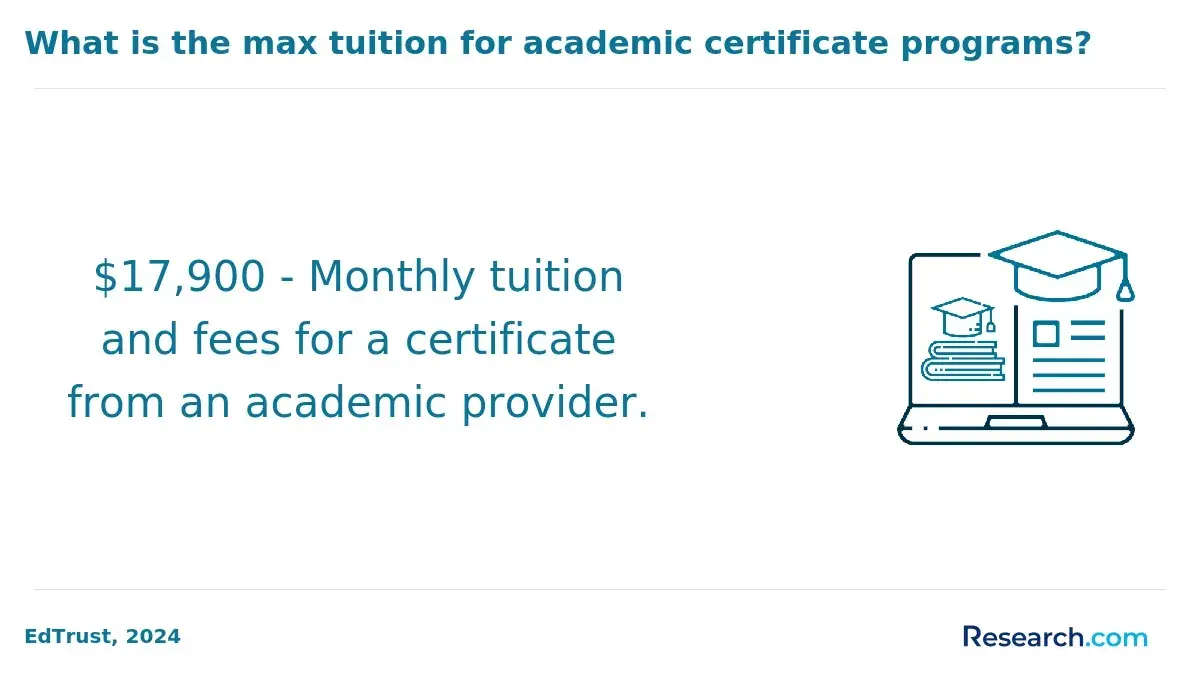
Travel nurses undertaking RN to BSN programs face tangible time and financial tradeoffs that directly impact contract flexibility and income continuity. Standard program durations range from 12 to 24 months, with part-time or online formats providing some adaptability for those with erratic schedules. Accelerated tracks - typically around 9 months - demand full-time engagement, often conflicting with the shift patterns and geographic mobility inherent to travel nursing.
Tuition costs fluctuate widely, approximately $5,000 to $40,000, influenced by institution type and residency status, pressing nurses to carefully assess cost versus potential salary gains during and after study. PayScale data reported by Nurse.org shows RNs with an ADN average around $64,786 annually, while BSN-prepared nurses earn closer to $68,328, a $3,542 difference.
This increment, though modest, often predicates eligibility for leadership or specialty roles that value BSN credentials, representing a longer-term earnings trajectory rather than immediate financial payoff. Practical considerations for travel nurses include:
- Prioritizing programs with asynchronous coursework to accommodate fluctuating work hours and changing locations.
- Confirming that clinical requirements can be met locally or through simulation to avoid placement delays.
- Evaluating employer tuition reimbursement and loan forgiveness opportunities to mitigate upfront costs.
Given the frequent contract transitions and variable employer policies, travel nurses must weigh the opportunity cost of interrupting income streams against the labor market advantages that BSN qualifications typically confer.
What core courses and clinical experiences should travel nurses expect in RN to BSN programs?
Travel nurses pursuing RN to BSN programs encounter curriculum demands that extend well beyond bedside skills, emphasizing system-level competencies crucial to broader healthcare roles. For instance, a nurse assigned to rural clinics must navigate community health assessments and public health initiatives, areas rigorously covered in these programs' clinical components.
Such programs feature core courses in:
- Advanced pathophysiology and pharmacology with a focus on patient safety
- Healthcare policy and finance, preparing nurses for leadership and system navigation
- Ethics and legal issues relevant across diverse care settings
- Informatics, including electronic health records and telehealth
Clinical requirements commonly utilize virtual simulations or local community practicums that accommodate nurses' variable schedules and geographically dispersed work sites. This flexibility reduces income disruption but demands strong self-management and coordination with clinical preceptors. Employers often prefer BSN graduates whose education integrates population health perspectives and leadership development.
Nurse.org's 2026 ranking highlights large public universities expanding scalable, fully online RN to BSN tracks. This growth addresses the logistical hurdles historically impeding travel nurses-such as rigid clinical scheduling and geographic relocation-yet students should weigh the tradeoffs between program flexibility and the rigor required to balance work, study, and clinical obligations effectively.
How does completing an RN to BSN affect salary potential and benefits for former travel nurses?
Travel nurses with ADN credentials face increasing barriers to higher-paying assignments as employers and agencies prioritize BSN-prepared candidates for premium contracts. The practical impact: BSN-qualified nurses typically access specialty roles or extended contracts offering 10-15% higher annual wages compared to ADN peers.
For example, a travel nurse with a BSN might transition from short-term, lower-benefit postings to longer-term hospital assignments that include paid continuing education and leadership incentives. Institutions with Magnet status or federal funding often mandate BSN credentials, which correspond with improved benefits such as enhanced health insurance, tuition reimbursement, and retirement plans-advantages rarely seen in standard travel nursing contracts.
This credential-driven differentiation subtly shifts workforce demand in favor of BSN holders, gradually marginalizing ADN-prepared travel nurses from competitive opportunities. The decision to pursue RN to BSN programs involves weighing several operational tradeoffs. Part-time or online formats reduce income disruption but demand rigorous self-management.
Administrative delays in updating licensure can momentarily stall placement, yet are offset by faster access to favored contracts post-completion. Prospective students must realistically assess these factors against documented salary premiums and workplace benefits. Ultimately, adopting a BSN is less about generic credentials and more about aligning qualifications with evolving labor market standards where evidence-based staffing preferences increasingly reward BSN preparation.
What are the job outlook and demand for BSN-prepared nurses transitioning from travel work?
Healthcare employers are increasingly requiring BSN credentials for permanent nursing roles, placing travel nurses who lack this qualification at a distinct disadvantage. A 15% job growth projection for registered nurses through 2032 emphasizes the rising demand, yet competitive hiring environments now often make a BSN mandatory rather than optional.
Transitioning from travel contracts to steady positions involves navigating tradeoffs: permanent roles offer greater benefits and stability but require rapid educational advancement with minimal income interruption. Competency-based RN to BSN programs, which enable completion in as few as two academic terms costing between $4,000 and $6,000, present a practical solution for clinicians accustomed to variable schedules and geographic mobility.
This accelerated path helps limit debt accumulation and time away from work while meeting employer preferences for curricula emphasizing leadership, community health, and evidence-based practice. Travel nurses considering this transition must evaluate program timelines, recognition of prior experience, and clinical integration options carefully, as misaligned educational choices can restrict long-term advancement.
Employers prioritizing candidates with accredited BSN credentials often link education directly to improved patient outcomes and leadership readiness. The decision to invest in an efficient, employer-aligned RN to BSN program directly impacts employability and income stability in a credential-focused labor market where underlying program quality and strategic fit outweigh mere degree acquisition.
How can travel nurses evaluate and choose a reputable RN to BSN program aligned with their goals?
Program accreditation must be the first filter for travel nurses selecting an RN to BSN program, with national bodies like CCNE or ACEN providing the benchmark employers trust. Beyond accreditation, curriculum alignment with evolving clinical practices and leadership competencies matters significantly-especially when nurses intend to pivot into specialty roles such as case management, where healthcare policy and patient coordination coursework outweigh purely clinical subjects.
Flexibility in program delivery directly impacts the feasibility of study for travel nurses juggling variable shifts and relocations. Options emphasizing asynchronous online learning paired with responsive faculty support enable educational progress without interrupting income streams or forcing costly travel. In contrast, programs with rigid in-person mandates risk delays and added expenses.
Financial tradeoffs go beyond tuition: a candidate must factor in fees, opportunity costs from reduced work hours, and program length. Accelerated RN to BSN pathways compress downtime between entry-level RN status and BSN-related roles, which is critical given that BSN-prepared nurses have access to over 105,000 annual job openings, far exceeding ADN-only opportunities.
Finally, evaluating third-party reviews and employer partnerships can reveal programs' tangible outcomes and hiring leverage. For travel nurses, such data supports decisions grounded in placement potential and real-world ROI instead of institutional reputation alone.
Other Things You Should Know About RN to BSN Programs
Not all RN to BSN programs hold equal weight with employers across states. Programs regionally accredited and compliant with state nursing boards provide greater mobility, essential for travel nurses aiming for stable, cross-state employment. When choosing a program, prioritize those with broad recognition in multiple state boards, as lesser-known or nationally accredited schools may limit job opportunities in certain states.
Clinical or practicum components vary significantly and directly impact travel nurses balancing work and study. Programs with flexible clinical placement policies or virtual simulation options reduce scheduling conflicts and geographic constraints. Travel nurses should select programs allowing clinical experiences near their current assignments or those that can approve existing work settings to avoid delays or additional travel expenses.
Accelerated programs cut completion time but increase weekly workload and academic intensity, which can overwhelm travel nurses managing rotating shifts and relocation stress. Prioritizing programs that balance flexibility with reasonable pacing improves retention and ensures mastery without burnout. Travel nurses with extensive experience but limited time usually benefit more from part-time or modular programs aligned with their schedules than from intensive acceleration.
In 2027, the best RN to BSN programs for travel nurses seeking stability include Arizona State University, University of Florida, and Chamberlain University. These programs offer flexibility with online courses, strong support systems, and are well-regarded by employers nationwide, catering to the unique needs of travel nurses balancing work and education.
References
- TNAA'S RN to BSN Degree Program | TNAA https://tnaa.com/blog/tnaas-rn-bsn-degree-program
- How to Become a Travel Nurse – Nursing Education https://nursingeducation.org/careers/travel-nurse/how-to-become/
- Best States for Travel Nurses: Pay and Demand | Betternurse.org https://betternurse.org/best-states-for-travel-nurses/
- Can Travel Nurses Change Specialties? Here’s What It Takes https://www.medicalsolutions.com/blog/clinician/can-travel-nurses-change-specialties/
- How to Become a Travel Nurse (Degrees & Requirements) https://www.allnursingschools.com/travel-nursing/
- Is Travel Nursing Going Away? The 2026 Outlook for RNs | Nomad Health | Nomad Health https://nomadhealth.com/blog/is-travel-nursing-going-away-the-2026-outlook-for-rns
- How to Become a Travel Nurse https://www.coloradotech.edu/degrees/studies/nursing/articles/how-to-become-a-travel-nurse
- Travel Nursing Career Opportunities | Davis & Elkins College https://www.dewv.edu/travel-nursing-career-opportunities-2/
- RN to BSN Admissions Information https://www.unthealth.edu/college-of-nursing/bs-in-nursing-rn-to-bsn.html
- How to Become a Travel Nurse After Nursing School: A Step-by-Step Guide - Jobs Near Me at ABStaffing https://www.abstaffing.com/how-to-become-a-travel-nurse-after-nursing-school-a-step-by-step-guide/