2027 Highest-Paying Computer Science Master's Specializations Ranked

Co-Founder and Chief Data Scientist
Choosing a computer science master’s specialization is partly an academic decision, but it is also a salary, workload, and career-risk decision. The highest-paying paths usually sit where employers face scarce talent, high technical complexity, urgent security or infrastructure needs, or direct revenue impact.
This guide compares salary potential across major computer science master’s specializations, including AI, cybersecurity, data science, cloud computing, software architecture, robotics, blockchain, and related fields. It also explains which industries tend to pay more, which skills and certifications can raise earning potential, how online and campus pathways compare, and how to choose a specialization that fits long-term goals rather than short-term hype.
Salary figures should be read as directional benchmarks, not guarantees. Actual compensation depends on location, employer size, prior experience, portfolio quality, internships, security clearance requirements, certifications, negotiation, and whether a role includes bonuses, equity, or management responsibilities.
Key Benefits of the Highest-Paying Computer Science Master's Specializations
- Specializations like machine learning require extensive math prerequisites, delaying entry but yielding higher employer regard due to demonstrated analytical rigor and specialized expertise.
- A 2024 LinkedIn report shows AI-focused grads are 33% more likely to secure roles in top tech firms, underscoring employer prioritization of cutting-edge skill sets over generalist knowledge.
- Data security programs often demand ongoing certification to maintain relevance, posing long-term cost and time commitments that affect mid-career professionals' ability to pivot swiftly.
What Are the Top-Paying Careers for Computer Science Master's Graduates?
The top-paying careers for computer science master’s graduates are usually roles where advanced technical decisions affect revenue, security, infrastructure reliability, or product strategy. The degree can help candidates qualify for these roles, but employers typically pay the most for demonstrated expertise, strong project experience, and the ability to solve high-stakes problems.
- AI and Machine Learning Engineers ($130,000+): These roles often pay at the top of the market because they require advanced modeling, algorithm design, production deployment, and the ability to translate experimental systems into usable products. PayScale data points to the scarcity of professionals who can combine theory with business-ready AI implementation.
- Data Scientists and Big Data Analysts (around $120,000): Glassdoor highlights strong demand for professionals who can turn large datasets into decisions. The highest earners usually combine statistics, programming, data engineering, machine learning, and business communication rather than relying on dashboarding alone.
- Cybersecurity Specialists ($100,000-$130,000): Cybersecurity salaries reflect the cost of failure. Breaches, compliance violations, and downtime can be expensive, so employers pay for specialists who can protect systems, investigate threats, and design resilient defenses. The U.S. Bureau of Labor Statistics projects 35% employment growth for information security analysts, signaling strong demand.
- Cloud Engineers and Architects ($120,000+): Robert Half reports salary advantages for professionals who can design secure, scalable, cost-efficient cloud systems. Higher-paying roles usually involve architecture, migration strategy, automation, reliability engineering, and governance across AWS, Azure, Google Cloud, or hybrid environments.
- Software Architects ($115,000-$140,000): Software architects earn premium salaries because they make decisions that shape scalability, performance, maintainability, and integration. These roles require technical depth plus leadership, documentation, stakeholder management, and tradeoff analysis.
- Robotics Engineers ($110,000-$140,000): Robotics roles pay well because they combine software, mechanical systems, sensors, control theory, embedded systems, and increasingly AI. The specialization can be rewarding but may require deeper domain knowledge and longer development timelines than many software-only roles.
- Blockchain Developers ($110,000+): Blockchain compensation reflects niche expertise in decentralized applications, smart contracts, cryptography, and secure transaction systems. Demand is often concentrated in fintech and emerging technology companies, so salary potential can be strong but market stability may vary by sector.
- Natural Language Processing (NLP) Specialists (around $115,000): NLP specialists build systems for chatbots, search, translation, speech interfaces, summarization, and other language-driven tools. Salaries reflect the blend of machine learning, linguistics, information retrieval, and production engineering required to make these systems reliable.
- DevOps Engineers ($110,000-$135,000): DevOps professionals improve deployment speed, uptime, monitoring, automation, and infrastructure reliability. The salary premium comes from reducing downtime and helping engineering teams release software safely and frequently.
- IT Project Managers with Technical Expertise ($100,000-$140,000): Technical project managers earn more when they can coordinate engineering teams, manage budgets and timelines, understand architecture tradeoffs, and communicate risk to executives. The best-paid roles often involve complex enterprise systems or high-stakes transformation projects.
These roles differ in more than pay. AI, data science, and NLP often require continual tool and model updates. Cybersecurity can involve incident response pressure. Cloud, DevOps, and software architecture reward operational judgment and reliability. Robotics and blockchain can offer strong salaries but may be more specialized, making employer selection and location more important.
Students should compare salary potential with the type of work they want to do daily. A high-paying specialization is a poor fit if it requires stress patterns, math intensity, on-call work, domain expertise, or regulatory exposure the student does not want long term.
Readers comparing technology-centered graduate choices with other professional tracks can also review online SLP master's programs to understand how salary, credentialing, and career structure differ across fields.
Which Industries Pay the Highest Salaries for Computer Science Master's Graduates?
The highest-paying industries for computer science master’s graduates tend to share three traits: they depend heavily on software, they face costly technical risk, and they compete aggressively for scarce talent. A graduate’s specialization matters, but the industry can strongly affect salary ceilings, bonus potential, job stability, and work intensity.
- Technology Sector (approximately $110,000-$160,000): Technology companies remain among the strongest payers because software, AI, cloud systems, and data infrastructure are core products rather than support functions. According to the U.S. Bureau of Labor Statistics and PayScale, these roles can offer high pay but often require rapid learning, strong output, and comfort with frequent product or platform changes.
- Financial Services (roughly $100,000-$150,000): Banks, investment firms, insurance companies, and fintech employers pay well for secure systems, algorithmic tools, fraud detection, data science, and trading infrastructure. Robert Half's 2024 guide highlights strong compensation in these settings, where errors can create major financial and compliance consequences.
- Defense and Aerospace (around $95,000-$145,000): Defense and aerospace employers value cybersecurity, embedded systems, simulation, systems engineering, and mission-critical software. Pay can be strong because projects are technically complex and may require security clearances, but hiring processes can be slower and more formal than in commercial technology.
- Healthcare and Biotechnology ($90,000-$140,000): Health IT, bioinformatics, telemedicine, medical data systems, and clinical analytics create demand for computer science graduates who can work with regulated and sensitive data. Lightcast notes a wage premium for health IT and bioinformatics specialists, especially where technical skill overlaps with healthcare domain knowledge.
- Telecommunications ($85,000-$130,000): Telecommunications companies need engineers for network infrastructure, 5G technologies, IoT systems, performance optimization, and large-scale distributed platforms. Glassdoor data show competitive salaries for engineers who can manage high-volume, latency-sensitive systems while modernizing legacy environments.
- Energy and Utilities ($80,000-$125,000): Energy and utility employers increasingly need software, cybersecurity, predictive maintenance, grid analytics, and smart infrastructure skills. These roles may offer stability and strong pay, particularly because system failures can be costly and heavily regulated.
- E-Commerce and Retail ($75,000-$120,000): E-commerce and retail companies hire computer science graduates for recommendation systems, logistics optimization, personalization, payment systems, analytics, and scalable backend platforms. Larger firms may offer stronger total compensation, while smaller firms can vary widely.
- Automotive and Transportation ($70,000-$115,000): Autonomous systems, connected vehicles, logistics platforms, embedded software, and route optimization are reshaping technical hiring in this industry. McKinsey workforce reports highlight rising demand, although pay can be affected by capital cycles and regional concentration.
- Media and Entertainment ($65,000-$110,000): Streaming, gaming, real-time rendering, recommendation engines, and content platforms create opportunities for software and data professionals. PayScale data indicate base salaries may be lower than in finance or defense, but compensation can vary with company scale, bonuses, and equity.
- Consulting and Professional Services ($60,000-$105,000): Consulting firms need adaptable technologists who can solve client problems across sectors. Robert Half data suggest pay varies widely by firm size, client base, travel expectations, and specialization. These roles can build broad experience quickly, but work-life balance can be uneven.
For salary-focused students, the best industry is not always the one with the highest headline range. Technology and finance may offer stronger compensation, but healthcare, defense, utilities, and telecommunications can provide stable demand and specialized career paths. Consulting may pay less in some cases but can build experience across several industries, which may support later advancement.
Which Computer Science Specializations Have the Strongest Job Outlook?
The strongest job outlook belongs to specializations tied to long-term business needs rather than short-lived technology trends. AI, cybersecurity, data science, and cloud computing stand out because they support automation, security, analytics, and infrastructure modernization across many industries.
- Artificial Intelligence and Machine Learning: This specialization has strong demand because AI is being applied in healthcare, finance, autonomous systems, customer service, software development, and operations. U.S. Bureau of Labor Statistics data projects nearly 15% annual growth for AI-related roles. The main tradeoff is the pace of change: professionals must keep updating their skills as models, frameworks, and deployment practices evolve.
- Cybersecurity: Cybersecurity has one of the clearest demand drivers: organizations must defend systems regardless of economic cycle. BLS forecasts above 20% growth for information security analysts. The field can offer stable demand and strong pay, but advanced roles often require hands-on experience, incident response skill, and certifications in addition to graduate coursework.
- Data Science and Big Data Analytics: Data science remains strong because organizations continue to collect large volumes of operational, customer, financial, and product data. The best outlook is for professionals who can combine statistical modeling, machine learning, data engineering, and domain knowledge. Candidates who only know tools without understanding business context may face more competition.
- Cloud Computing and DevOps Engineering: Cloud and DevOps roles benefit from continued migration to cloud infrastructure, automation, containerization, and CI/CD pipelines, with job growth near 15%. These roles are practical and broadly applicable, but they require continual learning because platforms, security models, and deployment practices change quickly.
Students should judge outlook by more than job-posting volume. A strong specialization should offer multiple entry points, demand across industries, room for advancement, and skills that remain useful if a specific tool loses popularity.
One experienced professional described the choice this way: the difficult part was separating a fashionable specialization from one with durable demand. They chose AI because it appeared across industries, but the decision came with a clear cost: constant upskilling. Over time, the broad applicability validated the choice, but the workload confirmed that job outlook and career sustainability are not the same thing.
Which Computer Science Master's Specializations Have the Best Long-Term Salary Growth?
The best long-term salary growth usually comes from specializations where professionals can move from implementation into architecture, strategy, leadership, or risk ownership. Initial salary matters, but the bigger question is whether the specialization creates a path to senior engineer, principal architect, research lead, security leader, data leader, or technical management roles.
- Artificial Intelligence and Machine Learning: AI and machine learning offer strong long-term salary growth because experienced professionals can move into model architecture, applied research, AI product strategy, automation leadership, and technical executive roles. Workforce data from the U.S. Bureau of Labor Statistics and PayScale point to rising value for professionals who can turn AI capability into measurable business outcomes.
- Cybersecurity: Cybersecurity salary growth can accelerate as professionals gain experience, certifications, and responsibility for enterprise risk. Senior roles may involve security architecture, compliance strategy, incident response leadership, or executive-level security governance. McKinsey workforce analyses point to expanding enterprise budgets for security experts.
- Data Science and Big Data Analytics: Data science salary growth improves when professionals move beyond analysis into data strategy, machine learning systems, experimentation, governance, and business decision leadership. Glassdoor Economic Research data emphasizes compensation premiums for senior data scientists who can connect technical insight to organizational outcomes.
- Cloud Computing and Distributed Systems: Cloud specialists can see strong long-term growth by progressing into architecture, platform leadership, migration strategy, reliability engineering, and distributed systems design. Lightcast identifies growing demand for cloud-specific roles, especially where companies need secure, scalable infrastructure.
Long-term salary growth depends heavily on depth. A graduate who understands only one tool may hit a ceiling quickly, while a graduate who understands systems, tradeoffs, reliability, cost, security, and leadership can move into higher-value roles.
Students comparing cost and return on investment can review affordable master's degrees while evaluating whether a program’s specialization, projects, and employer connections support salary progression.
What Skills Lead to the Highest Salaries in Computer Science Careers?
The highest salaries in computer science careers usually go to professionals who combine advanced technical skills with judgment, communication, and business impact. Employers pay more when a skill reduces risk, increases revenue, improves reliability, strengthens security, or gives the organization a competitive advantage.
- Artificial Intelligence and Machine Learning: AI and machine learning skills are highly valued because they support automation, prediction, personalization, and intelligent products. The U.S. Bureau of Labor Statistics highlights demand for professionals familiar with frameworks such as TensorFlow and PyTorch, but salary growth depends on more than framework knowledge. Employers look for modeling judgment, data quality awareness, deployment skill, and ethical awareness.
- Cloud Computing and Infrastructure Management: Cloud skills in AWS, Azure, and Google Cloud can lead to higher salaries because cloud professionals influence scalability, uptime, security, and cost control. Lightcast labor market analyses show strong demand for practitioners who understand tools such as Kubernetes and can manage production-grade infrastructure.
- Advanced Software Development and System Architecture: Strong programming in Python, Java, or C++ becomes more valuable when paired with system design, performance optimization, testing, documentation, and maintainability. PayScale data reflect employer demand for engineers who can lead large-scale and performance-sensitive projects.
- Cybersecurity Expertise: Skills in threat modeling, encryption, secure architecture, identity management, incident response, and vulnerability assessment can raise salary potential because they protect the organization from operational and regulatory damage. Glassdoor Economic Research notes that cybersecurity roles often earn enhanced pay due to their risk-reduction value.
- Data Science and Analytics: SQL, R, Python, statistical modeling, machine learning, visualization, and data storytelling can raise earning potential when used to improve business decisions. McKinsey workforce reports confirm the value of professionals who combine technical analytics with domain expertise.
Students should also build proof of skill. Graduate coursework is useful, but employers often want repositories, capstone projects, internships, publications, case studies, production experience, or problem-solving assessments. For learners comparing flexible academic paths, computer science online classes can help build technical foundations before or alongside a graduate specialization.
A common mistake is choosing a specialization based only on salary rankings while ignoring the skills required to compete. High-paying fields are usually high-expectation fields. Students who plan early for projects, certifications, internships, and interview preparation are better positioned than those who rely on the degree alone.
Which Certifications Increase Salary Potential After Graduation?
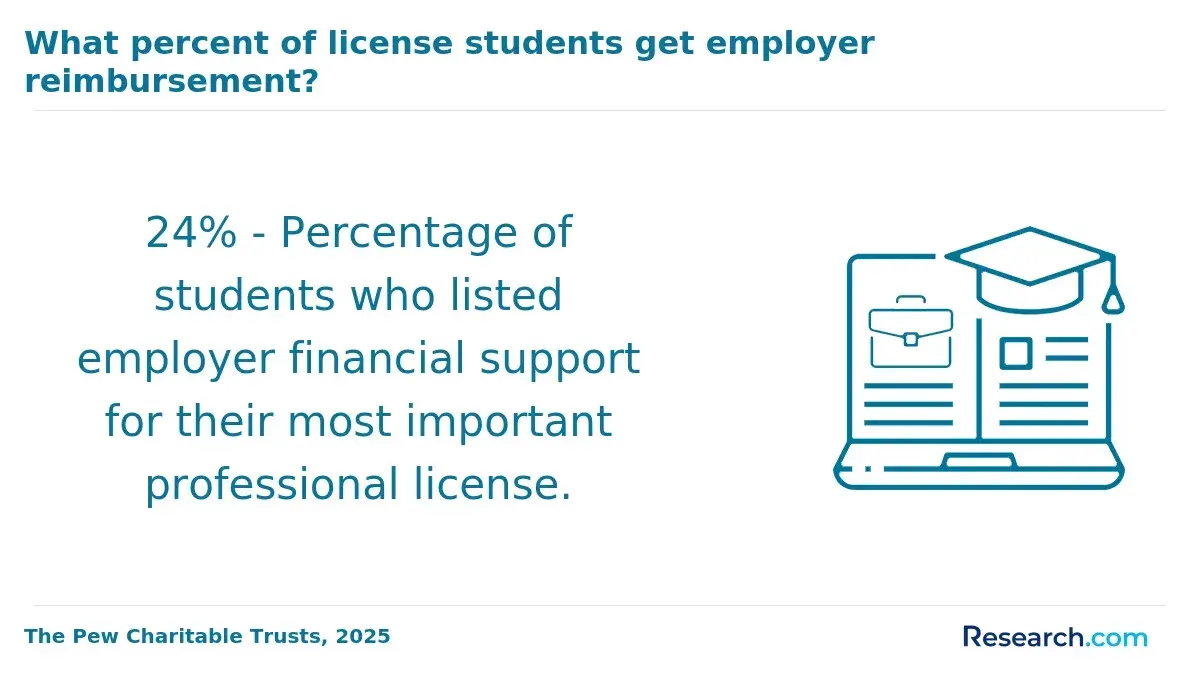
Certifications can increase salary potential when they validate skills employers already need. They are not substitutes for experience, but they can strengthen a candidate’s profile, support promotion, and help hiring managers assess specialized knowledge in cybersecurity, data, and cloud roles.
- Certified Information Systems Security Professional (CISSP): CISSP is most useful for cybersecurity professionals targeting senior security, governance, compliance, or management roles. Recent PayScale and Glassdoor Economic Research data indicate that employers in finance, government, and technology sectors value this certification, with salary premiums averaging 15-25% over comparably qualified but uncertified peers. Because CISSP requires prior work experience, it is often more useful after a graduate has already built a security background.
- Certified Data Professional (CDP): CDP supports careers in data governance, analytics, and data management. Lightcast labor market insights show salary uplifts between 8-18%, reflecting employer demand for professionals who can manage data quality, governance, and decision-ready information. Its broad scope can be useful for data science graduates who want roles beyond modeling alone.
- Google Cloud Professional Cloud Architect: This certification validates the ability to design and manage cloud infrastructure. McKinsey workforce data highlight premiums of 10-20% linked to this credential, depending on role seniority and industry. It can be especially valuable for graduates pursuing cloud architecture, platform engineering, or infrastructure leadership, though frequent re-certification may be necessary as platforms evolve.
The best certification depends on specialization. Cybersecurity students should prioritize credentials that match security architecture or risk roles. Cloud students should choose platform credentials aligned with target employers. Data professionals should select certifications that support the kind of data work they want to do, such as governance, engineering, analytics, or machine learning operations.
Professionals comparing credential timelines across fields can also review the best 2-year construction management degree online as a broader example of how accelerated academic and professional pathways differ by industry.
How Do Online and Campus Specialization Salaries Compare?
Online and campus computer science master’s graduates can compete for many of the same roles, but early salary outcomes may differ because of networking, internships, recruiting access, and program design. The delivery format matters less than whether the program provides rigorous coursework, employer-relevant projects, faculty access, career support, and opportunities to demonstrate skill.
According to recent data from the National Center for Education Statistics paired with the U.S. Bureau of Labor Statistics 2024 workforce reports, campus graduates typically earn 5% to 10% more than online counterparts within the first two years post-degree, a margin that is steadily narrowing.
Campus programs may provide stronger early-career advantages through in-person recruiting, labs, assistantships, peer collaboration, and structured internship pipelines. These features can be especially useful for students who are changing careers or need their first technical role.
Online programs can be a better fit for working professionals who want to keep earning while studying. The tradeoff is that students may need to be more intentional about building a portfolio, finding internships or applied projects, joining professional communities, and networking with employers. Online salary outcomes improve when the program includes real-world projects, synchronous interaction, industry partnerships, and strong career services.
Employer perception is also changing. Some employers still favor campus programs for highly hands-on or research-intensive areas such as artificial intelligence and cybersecurity, especially where lab access, faculty research, or security work matters. However, acceptance of online degrees has grown in areas such as software architecture, data science, cloud computing, and DevOps when graduates can show strong practical work.
Which Specializations Are Best for Career Advancement Among Working Professionals?
For working professionals, the best specialization is usually the one that connects current experience to a higher-value role. A master’s specialization can help with advancement when it fills a clear gap: moving from developer to architect, analyst to data scientist, systems administrator to cloud engineer, or IT professional to cybersecurity leader.
- Data Science: Data science can support advancement because it helps professionals influence business decisions, product strategy, operations, and customer insights. Labor market data consistently shows salary premiums compared to generalist computer science roles. Working professionals with domain experience may have an advantage because they can connect models and metrics to real business problems.
- Cybersecurity: Cybersecurity is a strong advancement path for professionals in IT, networking, systems administration, compliance, or software engineering. The U.S. Bureau of Labor Statistics emphasizes above-average employment growth for cybersecurity roles. Professionals who add cryptography, network security, risk management, and incident response skills may move into higher-responsibility roles faster because organizations need security leadership.
- Artificial Intelligence: AI can support advancement into innovation, automation, product, and technical strategy roles. PayScale data show that AI engineers command among the highest salaries. This path is best for professionals prepared for continuous learning, advanced math or modeling expectations, and ethical questions around AI use.
Working professionals should not choose only by trend. They should ask whether the specialization builds on their existing background, whether their employer or target industry values it, and whether the program schedule allows them to complete projects strong enough to support promotion or a career change.
Are the Highest-Paying Computer Science Specializations Also the Most Stressful?
Many of the highest-paying computer science specializations are also stressful because they involve urgent decisions, high system complexity, revenue impact, security risk, or executive visibility. Higher pay often reflects the cost of mistakes and the scarcity of people qualified to prevent them.
Cybersecurity is a clear example. A 2024 industry report highlights that over 60% of cybersecurity professionals cite workload intensity as a primary stress factor linked to rapid-response operational demands. Incident response, vulnerability management, compliance deadlines, and on-call expectations can create pressure that is different from routine software development.
AI, quantitative analysis, cloud infrastructure, and software architecture can also be stressful. AI specialists may face pressure to deliver uncertain or experimental systems. Cloud and DevOps professionals may support production environments where outages demand immediate action. Software architects may be accountable for technical decisions that affect multiple teams for years.
Not all high-paying roles are equally stressful. Data science and software engineering can offer more predictable workflows in mature organizations, while startups, finance, cybersecurity operations, and mission-critical infrastructure may involve faster deadlines and higher pressure. Employer culture, staffing levels, automation, manager quality, and on-call policies can matter as much as specialization.
Students should evaluate salary together with work style. Important questions include: Will the role require incident response? Is on-call work expected? Are deadlines driven by product launches, regulatory requirements, or security events? Does the employer have enough staff to distribute workload?
For readers comparing cost, salary, and pressure in data-centered careers, What is the cheapest data science course in the US can provide additional context for affordable training pathways.
How Can Students Align Specialization Choices With Long-Term Career Goals?
Students can align specialization choices with long-term career goals by starting with target roles, not course titles. The right specialization should match the work the student wants to do, the industries they want to enter, the skills they are willing to keep developing, and the lifestyle tradeoffs they can sustain.
- Analyze Labor Market Demand Trends: Use data from the U.S. Bureau of Labor Statistics, Lightcast, and other workforce sources to identify specializations with sustained demand, such as cybersecurity, artificial intelligence, and data science. Look for durable employer need rather than short-term excitement.
- Assess Skill Transferability Across Industries: Specializations such as software engineering, cloud computing, cybersecurity, and data science can transfer across many sectors. Transferable skills reduce risk if one industry slows or a specific tool becomes less relevant.
- Map Specialization to Specific Career Roles: A machine learning track may lead to applied scientist, ML engineer, or research-oriented roles. Cybersecurity may lead to security analyst, security engineer, risk manager, or security architect positions. Cloud computing may lead to platform engineer, cloud architect, or DevOps roles. Mapping these paths early prevents misalignment.
- Balance Short-Term Access and Long-Term Growth: Some specializations have more entry-level openings, while others pay best after several years of experience. Students should consider their timeline, current background, financial needs, and willingness to pursue additional certifications or internships.
- Consider Lifestyle and Workload Implications: Salary is only one part of career fit. Students should consider stress, remote work options, expected hours, on-call responsibilities, travel, regulatory exposure, and the pace of required upskilling.
A practical approach is to choose a specialization that sits at the intersection of market demand, personal aptitude, prior experience, and acceptable workload. The highest-paying option is not always the best option if it leads to burnout or requires daily work the student does not enjoy.
Students who need flexible timing while comparing programs can review online colleges that start soon to identify options that may fit their application and career timeline.
What Graduates Say About the Highest-Paying Computer Science Master's Specializations
- : "After completing my online master's specialization in computer science, I quickly realized that employers valued tangible projects and internships more than the degree itself. I focused on building a strong portfolio alongside coursework, which helped me land a role at a startup where practical experience mattered more than formal licensure or certifications. The program's flexibility allowed me to keep working while studying. — Benny"
- : "I went into the program hoping to pivot into advanced software engineering, but the reality was tougher than expected. Many positions I targeted preferred candidates with extensive hands-on experience or specialized certifications. While the degree opened doors to remote work opportunities and broadened my technical knowledge, I found that salary growth without additional credentials or proven work history was limited in more competitive markets. — Greyson"
- : "The online specialization gave me the technical foundation I needed, but navigating the hiring process still demanded strategy. I prioritized internships during the program to offset the lack of in-person networking. Employers emphasized demonstrated skill sets over the degree, often testing candidates through real-world problem-solving exercises. Overall, it was a pragmatic path that required balancing study, practical experience, and realistic expectations about progression. — Cooper"
Other Things You Should Know About Computer Science Degrees
In 2027, top-paying computer science master's specializations include Artificial Intelligence, Data Science, Cybersecurity, and Cloud Computing. Graduates from these areas are in high demand, with industries paying premium salaries for their expertise, particularly in tech hubs like Silicon Valley and New York City.
Narrowly focused specializations typically provide deeper expertise in high-demand areas, potentially leading to a quicker pathway into specialized roles with higher starting salaries. However, they might also limit adaptability in a rapidly evolving job market. Broader specializations offer versatility across several domains but could dilute technical depth, affecting competitiveness for top-tier positions. Prospective students should weigh immediate job market opportunities against long-term career flexibility when choosing their focus.
Employers increasingly expect mastery of practical skills and real-world problem-solving, especially in areas like machine learning or cloud computing, where demonstrated experience with tools and platforms outweighs theoretical coursework. Programs emphasizing applied projects, internships, or capstone experiences better prepare graduates for this demand. When selecting a specialization, students should assess how well the curriculum integrates experiential learning elements, as this influences employability and initial job performance.
Accreditation assures a baseline of curriculum quality and employer recognition, which is crucial in specialized fields where technical rigor matters. Faculty with active research or industry involvement bring current knowledge and networking opportunities, enhancing learning relevance and recruitment prospects. Students should prioritize programs with strong accreditation credentials and faculty reputations, as these factors materially affect both educational value and career outcomes in competitive specialization areas.
References
- What certifications should I get for computer science? | edX https://www.edx.org/resources/certifications-computer-science
- Master's in Computer Science Salary and Career Growth https://www.computerdegreesonline.org/masters-in-computer-science-salary/
- Discover the best professional computer science certifications 2026 from MDIT. https://mdit.edu.sa/en/blog/professional-computer-science-certifications
- Best Specializations for an Online Master’s in Computer Science https://www.ucumberlands.edu/blog/best-specializations-for-an-online-masters-in-computer-science
- Online Master’s Degrees That Pay: Top Fields for Solid Salaries https://www.onlinemastersdegrees.org/features/top-earning-masters-degrees/
- Best Online Computer Science Master's Degree Programs, Jobs, and Salaries https://careerkarma.com/blog/best-online-computer-science-masters-degrees/
- Highest Paying Certifications 2025-2026: IT, Cybersecurity, Medical & Career Growth Guide https://www.frontlinesourcegroup.com/blog-certifications-that-pay-the-most.html