2027 Best States for Human Services Degree Graduates: Salary, Demand, and Career Opportunity

Co-Founder and Chief Data Scientist
Graduates with a human services degree often face the challenge of identifying where their skills can command competitive salaries and steady job growth-especially when state policies and market demands vary drastically. For example, the Bureau of Labor Statistics reports that employment in social and community service occupations is projected to grow 12% nationally through 2031, yet certain states outpace this with even stronger demand and higher average wages.
This article analyzes which states offer the best combination of salary, job availability, and career advancement potential for human services degree holders-empowering readers to make informed decisions on where to build or relocate their careers.
Key Things to Know About the Best States for Human Services Degree Graduates
- States like California and New York offer higher average salaries for human services graduates-exceeding $50,000 annually-despite elevated living costs and complex licensing requirements.
- Employment demand grows fastest in states with expanding social service sectors, such as Texas and Florida, driven by demographic shifts and policy investments.
- Midwestern states often provide balanced career opportunities with moderate salaries, lower taxes, and strong community support networks aiding professional growth and remote work options.
Which States Offer the Highest-Paying Jobs for Human Services Degree Graduates?
The states offering the highest-paying jobs for human services degree graduates reflect a combination of strong industry demand, competitive wages in both public and private sectors, and varied local economic conditions. Drawing from the latest Bureau of Labor Statistics Occupational Employment and Wage Statistics (OEWS), these states demonstrate notable salary premiums-though it is essential to weigh them against cost-of-living adjustments and market realities for a comprehensive view of career opportunity.
- District of Columbia: Commanding some of the highest mean annual wages, the District benefits from a dense cluster of federal agencies, nonprofits, and policy organizations. These institutions sustain demand for roles in social services, policy analysis, and community outreach. Despite a high cost of living, salaries here often translate into meaningful purchasing power for experienced graduates.
- California: California's expansive social service infrastructure and diverse economy, including metropolitan hubs like Los Angeles and San Francisco, create robust opportunities. The elevated housing expenses partly offset compensation value, highlighting the importance of strategic job placement between urban and suburban areas.
- Massachusetts: Fueled by its strong healthcare and education sectors, Massachusetts offers numerous higher-paying roles for human services professionals. Boston's dynamic medical and academic institutions contribute to salaries that generally exceed national averages without the coastal extremes of housing costs.
- New York: New York's extensive urban demand, nonprofit headquarters, and state programs provide relatively high wages. The city's vast social service network requires skilled workers, while the surrounding suburbs offer more balanced cost-to-salary ratios.
- Washington: The state's rapidly growing tech industry and public health initiatives boost demand for human services workers, especially in urban centers like Seattle. Competitive wages paired with a moderate cost of living enhance purchasing power.
- Maryland: Close to Washington, D.C., and backed by strong state investment in social and health programs, Maryland ranks among the top-paying states. The lower tax burden and economic diversity reinforce its salary advantages.
- Colorado: Driven by expanding health services and social welfare agencies, Colorado presents above-average wages coupled with quality of life and growth in urban populations, balancing salary prospects with cost considerations.
Making decisions on relocation or job offers requires evaluating these human services salary and job demand by state figures alongside tax policies, licensing requirements, and quality-of-life factors. Graduates and professionals might also explore specialized options such as medical billing and coding classes to enhance their credentials and broaden career pathways in this competitive landscape.
Where Is Demand for Human Services Graduates Growing the Fastest in the United States?
The demand for human services degree graduates is expanding across several U.S. states, driven by diverse economic, demographic, and policy factors influencing career opportunities. Rapidly expanding job opportunities for human services professionals across growing U.S. regions reflect a combination of structural labor market growth and short-term program funding fluctuations.
- Texas: Texas shows sustained growth fueled by rapid population increases and urban development in cities such as Houston and Dallas. This growth supports an array of social services including healthcare, mental health counseling, and community outreach. Long-term investment in infrastructure and public health significantly underpin the expanding labor market here.
- Florida: Florida's expansion links closely to its aging population and retirees, which drive higher demand for eldercare, rehabilitation, and social support roles. State initiatives to boost community-based social work elevate longer-term career opportunities and stable employment.
- Washington: Growth in Washington centers on mental health and addiction recovery, with notable hiring spikes related to federal relief funding. Yet, ongoing health services infrastructure investment points to a durable upward trend, primarily in metropolitan areas like Seattle.
- Arizona: Arizona experiences accelerating demand tied to demographic shifts and increased migration, especially within its growing Hispanic community. Emphasis on culturally competent care has opened new career pathways, though some market expansion depends on short-term funding programs.
- Colorado: Colorado's expanding tech and wellness sectors overlap with human services needs, emphasizing mental health, substance abuse, and family support. State policies driving integrated care models forecast continued demand for qualified human services graduates.
When mapping career prospects, graduates must distinguish states with structurally expanding labor markets-such as Texas and Florida-from those experiencing variable growth due to policy cycles and federal grants, like Washington and Arizona. Understanding this distinction helps identify where human services credentials will be most valued beyond mere job openings.
For those considering degree advancement options, pathways such as the msn to dnp program remain critical for career growth in related health and human services fields.
How Do Cost-of-Living Differences Affect the Real Value of a Human Services Salary Across States?
When adjusting human services salaries for cost of living using tools like the Council for Community and Economic Research (C2ER) Cost of Living Index, the true value of income across states becomes clear-higher nominal wages do not always translate into greater purchasing power. For instance:
- California: Though median salaries in human services often reach $50,000, steep housing expenses and elevated taxes significantly reduce usable income, diminishing financial flexibility.
- Texas: A typical salary near $40,000 can stretch further thanks to affordable housing, absence of state income tax, and lower commuting costs, resulting in greater disposable income despite a lower paycheck.
- Housing Expenses: This represents the largest monthly cost for most workers, with urban demand in certain states driving rent or mortgage payments to consume a large share of earnings, constraining savings potential.
- Transportation and Taxation: Commuting costs and state tax policies substantially impact take-home pay. States with low or no income tax, like Tennessee, can enhance net income, while higher tax environments erode wage gains.
- Holistic Compensation Assessment: Graduates and professionals must consider total living costs alongside salary figures to evaluate the real financial benefit of job opportunities, ensuring a comprehensive career decision.
A professional who completed a human services degree shared that his decision to relocate hinged on more than salary numbers alone. He emphasized the stress he felt reviewing costs beyond the paycheck-especially housing affordability and the impact of state taxes on his monthly budget. "It was eye-opening to realize a higher salary in one state didn't mean I'd have a better quality of life," he explained. Navigating the complex balance between income and expenses required careful research and advice from mentors, ultimately guiding him toward a location where his earnings translated into meaningful financial stability and room for future growth.
High job posting volume doesn't always signal stable employment-states like Florida reflect more temporary replacements, while New York and Illinois show steadier, well-distributed job types. Timing your search around cyclical hiring peaks, common in government-dependent states, can improve outcomes. Those analyzing the best states for human services degree job openings should also weigh licensing, industry mix, tax policies, and quality of life to ensure their career flourishes.
California: Leading in job postings for human services graduates, California's large population and extensive social programs create diverse openings, from entry-level case managers to senior program directors. However, high volumes sometimes reflect turnover in lower-paid roles, so targeting positions with growth potential is essential.
New York: Featuring a significant government and nonprofit presence, New York offers balanced opportunities across counseling, social work, and rehabilitation at all experience levels, supporting sustainable career progression.
Texas: Demand grows in metro areas like Houston and Dallas, where many entry-level roles exist alongside expanding supervisory opportunities. Texas' lower cost of living adds an economic benefit for job seekers.
Florida: Seasonal spikes in postings align with funding fluctuations, especially within aging and disability services. The market is concentrated in frontline care, with fewer senior roles-indicating competitive advancement prospects.
Illinois: A diverse landscape of youth services, mental health, and outreach jobs supports long-term career paths, though certain urban centers experience high staff turnover requiring selective applications.
Considering roles beyond typical postings, understanding how much does medical coding pay in related healthcare services can also influence career strategy within human services fields.
Diversification of industries within a state generally reduces career risk, while dependence on a single sector might raise income potential but increases exposure to economic downturns. Matching one's industry preference with a state's economic profile enables smarter career choices.
Healthcare And Social Assistance: States such as California and New York lead with healthcare and social assistance dominating human services employment. This sector offers stable wages and consistent demand for roles like therapists and social workers, with clear pathways from frontline care to leadership positions.
Educational Services: In Massachusetts and Texas, educational services provide many human services jobs within schools and community programs. While salaries here tend to be lower than in healthcare, the steady public funding and union support contribute to reliable employment and career development in advocacy or policy.
Government And Public Administration: Areas like Virginia and Maryland rely substantially on federal, state, and local agencies for human services roles. These jobs often come with competitive benefits and defined promotion structures, though they are subject to budget fluctuations linked to political changes.
Nonprofit Organizations: Washington and Colorado show strong nonprofit sectors engaging human services graduates in mission-driven work, from mental health to housing assistance. Although compensation may be modest, the diverse scope within nonprofits can shield workers from economic swings and foster innovative programming.
Social Assistance Services: Oregon and Minnesota focus on social assistance services, including family welfare and rehabilitation. These markets present growth opportunities but face funding uncertainties that can influence salary progression and job security.
When asked about what shapes employment opportunities in these industries, a professional who launched her career after earning a human services degree shared that navigating different sectors required patience and adaptability. She recalled initially feeling overwhelmed by budget constraints in government roles but found nonprofit work rewarding thanks to its community impact despite lower pay. Her experience underscored how industry diversity within a state allowed her to explore various roles without sacrificing job stability, emphasizing the importance of aligning personal values with sector strengths during career planning.
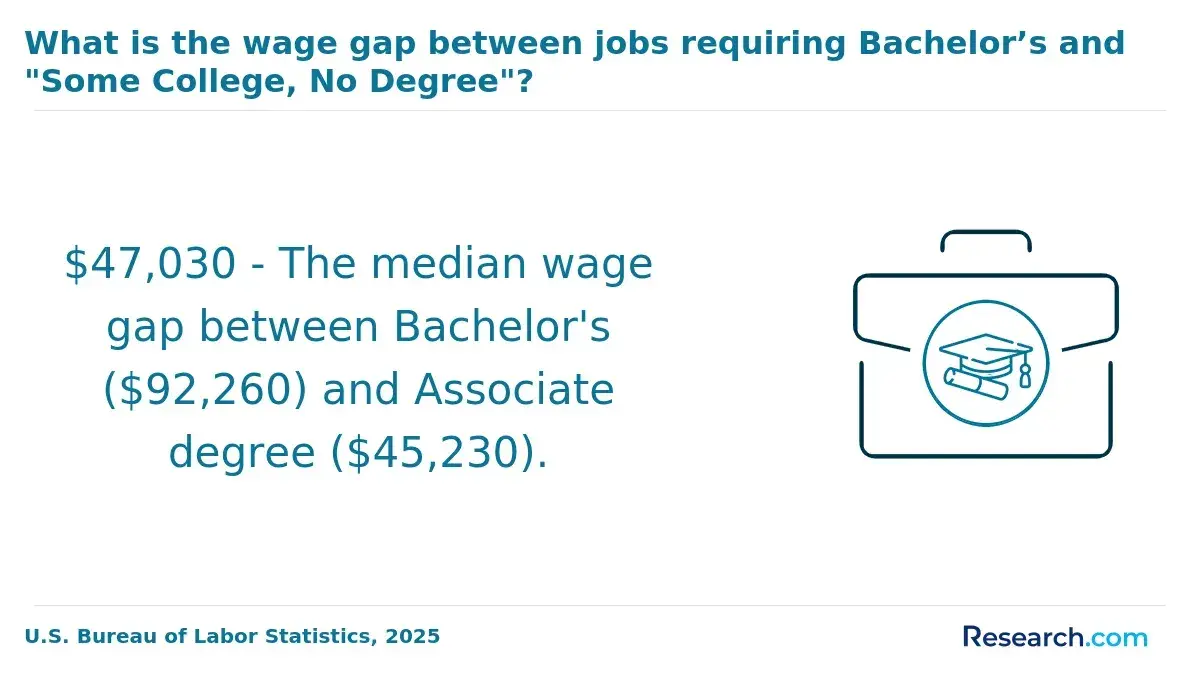
States with more demanding licensure requirements may delay entry into human services careers but typically foster higher professional standards and wages. Conversely, states with less rigorous credentialing facilitate quicker employment but may offer fewer uniform protections. According to the Bureau of Labor Statistics, states with comprehensive certification requirements report a 12% higher median wage for human services professionals compared to those with minimal licensing.
California: Licensure is mandatory for many human services roles, including those regulated by the California Association of Alcohol and Drug Educators and Social Workers boards. Applicants must fulfill supervised practice hours, pass state examinations, and engage in ongoing continuing education. While this process extends the time required before entering the workforce, it often results in greater professional recognition and higher salaries.
New York: Certification is required for community health and social service workers through the New York State Office of Mental Health or Department of Health. Candidates need practical experience and must pass written exams. Reciprocity agreements exist but vary by specialization, which can complicate credential transfers for relocating professionals.
Texas: Provides a comparatively streamlined credentialing process with certification managed by the Texas Department of State Health Services. Graduates can enter the job market more quickly; however, alcohol and substance abuse counselors face strict biennial certification renewal rules.
Florida: Licensure involves supervised clinical hours and successful completion of national exams for social service practitioners. The state's reciprocity agreements with multiple states simplify credential portability. Exceeding Florida's licensure standards can lead to expanded job prospects, especially in mental health and counseling.
Washington: Enforces stringent requirements including mandated continuing education and detailed background checks for behavioral health and social services providers. Although these criteria lengthen the licensing timeline, they correlate with higher average compensation statewide.
Professionals planning relocation should always consult the current licensing regulations from state regulatory agencies to ensure compliance. Exceeding state-specific credential expectations can enhance career opportunities, safeguard licensure portability, and improve earning potential within each jurisdiction.
Beyond salary, quality of life plays a pivotal role in determining which states provide the best environment for human services professionals. Data from WalletHub and the American Communities Survey emphasize factors such as average weekly work hours, commute times, healthcare access, and state-level paid leave policies as crucial to sustaining job satisfaction and reducing burnout.
Survey data from human services workers highlight that states offering comprehensive paid family and medical leave alongside reasonable workloads foster lower stress levels and higher workplace fulfillment. Short commute times also significantly enhance personal well-being by freeing time for family and community engagement.
- Massachusetts: Known for robust healthcare infrastructure and progressive labor laws, it offers extensive paid leave benefits and manageable urban commutes, primarily around Boston.
- Washington: Boasts a dynamic cultural scene and mandated paid family leave, contributing to supportive work-life balance environments in areas like Seattle.
- Minnesota: Features moderate weekly work hours paired with abundant outdoor recreation opportunities that promote mental health and reduce burnout.
- Colorado: Supports active lifestyles and shorter commutes, with flexible workplace arrangements enhancing the quality of professional life.
- Oregon: Prioritizes workplace wellness through state leave regulations and balanced workloads, aiding sustainable careers in human services.
These states illustrate that high wages alone cannot guarantee a fulfilling career. Evaluating cultural amenities, licensing requirements, cost of living, and remote work accessibility alongside compensation ensures a holistic approach to career planning for human services graduates and professionals.
Job markets for human services degree graduates differ markedly between urban and rural areas within the same state, impacting salary, job availability, and career trajectories. These variations highlight the importance of analyzing employment demand differences for human services graduates in urban and rural areas rather than relying on statewide averages.
- Availability: Metropolitan areas tend to concentrate human services roles, supported by diverse healthcare organizations, nonprofits, and government programs. Smaller cities and rural counties may have fewer openings but often experience staffing shortages, presenting distinctive opportunities for those open to less populated locations.
- Salary Levels: Urban centers usually pay higher wages to offset increased living costs-states such as Texas and Ohio show metropolitan salaries 10-20% above rural levels. When adjusted for cost of living, rural wages remain competitive, especially in states with lower housing expenses and taxes.
- Career Growth: Cities offer broader advancement paths, including specialization within human services fields, fueled by expansive employer networks and training programs. Rural areas can provide generalized roles with diverse experiences, valuable for future career shifts.
- Remote and Hybrid Work Impact: Remote work has started to narrow the urban-rural gap for some human services specializations like counseling and case management. States such as Colorado and North Carolina exemplify growing remote job opportunities, enabling graduates to live outside large cities without sacrificing career competitiveness.
- State Examples of Viability Outside Urban Centers:
- In Pennsylvania, regions like the Lehigh Valley and Harrisburg feature expanding job markets that blend affordability with employer access.
- Florida's Sun Coast and Panhandle demonstrate steady demand supported by regional healthcare and social service agencies beyond Miami or Tampa.
- Employer Ecosystem Research: Graduates should evaluate specific metropolitan and non-metropolitan employer ecosystems-including nonprofit density, government programs, and healthcare infrastructure-to find realistic career opportunities aligned with their goals and lifestyle preferences.
Those exploring human services job opportunities within states might also consider cost-of-living adjustments, licensing, and local industry composition for a comprehensive assessment. For additional guidance on advancing a career in healthcare management fields complementing human services, reviewing top online mha programs can provide valuable insights.
States with a strong presence of public sector employers-including government agencies, educational institutions, and military facilities-offer stability and benefits attractive to human services graduates. According to BLS Quarterly Census of Employment and Wages data, these states often provide job security through defined-benefit pension plans and clearer promotion pathways. For example, states such as Massachusetts and Maryland, home to large university systems and state agencies, emphasize workforce continuity and structured career advancement.
- Employer Composition: States like California and New York exhibit a diverse mix of public and private human services employers, spanning social service departments, nonprofit organizations, and private health providers.
- Job Security: Public sector dominance in certain states tends to reduce turnover, offering long-term career stability, which appeals to graduates seeking steady employment and benefits.
- Compensation Variability: By contrast, states with a heavier private sector presence such as Texas and Florida usually offer higher base salaries but often come with greater employment volatility and fewer structured promotion tracks.
- Career Growth: Private employers, influenced by market forces, frequently offer accelerated leadership opportunities and faster career progression for ambitious professionals.
- Cultural Fit: Graduates should weigh personal values-public sector roles often emphasize service continuity and procedural rigor, while private sector roles foster innovation and entrepreneurial mindsets.
- Workforce Demands: Strong government investment in some states ensures consistent demand for human services workers, whereas private sector demand is more sensitive to economic fluctuations.
When evaluating the best states for human services career opportunities, it is essential to consider these employer dynamics alongside licensing requirements, cost-of-living, tax policies, and quality-of-life indicators. This multifaceted approach helps graduates and professionals identify where their credentials will be most valued and where they can thrive, not just find employment. Those interested in flexible educational pathways may also explore the easiest rn to bsn online program options to enhance their qualifications while managing career transitions.
States that dedicate substantial resources to higher education, applied research, and workforce development cultivate environments where human services careers can flourish. These investments often result in strong university networks and targeted programs specifically designed to support human services professionals' long-term advancement.
California: With top research institutions such as UCLA and UC Berkeley, California fosters robust collaborations between academia and industry that stimulate innovation in social policy and care. State-funded initiatives provide grants and certifications aimed at workforce growth in human services. Its proximity to Silicon Valley expands opportunities for interdisciplinary cooperation, enhancing career pathways.
Massachusetts: Home to Harvard and MIT, this state prioritizes applied social research and nonprofit partnerships that address complex societal issues. Government programs encourage collaboration between universities and community organizations to enhance workforce solutions. Local think tanks and research centers create valuable networking and professional development platforms.
Washington: Emphasizing the link between education and public health, Washington supports practical training and apprenticeships for human services workers. State funding backs continuing education targeted at evolving community needs. Seattle's research institutions provide access to cutting-edge policy analysis and workforce training.
New York: Investments in urban social innovation and higher education infrastructure drive demand for skilled human services professionals. Government-led workforce programs emphasize credential attainment and sector-specific skills. Close relationships between research universities and service agencies nurture ongoing professional growth.
Viewing these educational and research infrastructures as strategic career assets offers human services graduates and professionals enhanced networks, advanced training, and accelerated career development opportunities across states.
States with a supportive employer environment for remote or hybrid human services roles provide graduates with broad flexibility in balancing work and lifestyle. Recent data from workforce studies by Buffer and Owl Labs highlight several states where organizations actively promote flexible models-embracing technology-driven service delivery and inclusive workplace cultures.
- California: The state's strong nonprofit and social work sectors, coupled with progressive workplace policies, offer numerous remote opportunities. Many agencies adopt hybrid models, allowing professionals to engage with innovation hubs while working from diverse locations statewide or beyond.
- Washington: With its tech-savvy employers and robust public health systems, Washington extensively supports remote and hybrid roles. The state's focus on work-life balance benefits human services professionals who seek flexibility without compromising competitive salaries tied to metropolitan standards.
- Colorado: Colorado's expanding human services arena, especially in behavioral health, readily integrates telehealth and remote client management. This enables graduates to reside in affordable mountain or rural areas while earning wages aligned with urban markets through remote positions.
- Texas: Remote work is increasingly prevalent across Texas's health and social service sectors, letting professionals access jobs in urban centers while living in lower-cost suburban or rural communities. Additionally, the state's favorable tax framework can enhance overall compensation for location-independent workers.
- Massachusetts: Known for leading social service entities and innovative health initiatives, Massachusetts encourages remote work supported by dense professional networks and strong broadband infrastructure, fostering flexible employment.
When pursuing remote-friendly human services roles, consider factors such as employer acceptance of location-independent arrangements, differences in living costs, and state licensing reciprocity if planning relocation. Negotiating salaries should incorporate benchmarks from high-paying urban markets regardless of your residence-to ensure compensation reflects your expertise rather than geography alone.
What Graduates Say About the Best States for Human Services Degree Graduates
- Timothy: "After earning my human services bachelor's degree, I found that California offers unmatched career opportunities thanks to its diverse population and expansive social programs. The salary potential there is a real draw-it's one of the highest in the country, which makes a big difference when starting out. Plus, the demand for skilled professionals keeps growing, giving me confidence in long-term stability."
- Emilio: "Looking back, I'm glad I focused on states with strong career outcomes for human services graduates, and Texas stood out for me. The demand in urban and rural areas is impressive, and the opportunities to advance within organizations felt very accessible. Salaries might not be the absolute highest, but the balanced cost of living and steady job market create a great environment for anyone entering the field."
- Xavier: "My experience shows that New York is a powerhouse for human services graduates, especially in terms of salary and the breadth of career options. The demand for professionals is intense, driven by a wide range of nonprofit and government roles, which translates into faster upward mobility. It's a competitive market, but for those ready to take on challenges, the rewards and outcomes are definitely worth the effort."
Other Things You Should Know About Human Services Degrees
No single state license is required for most entry-level human services jobs, but some roles need a licensed social worker, counselor, or substance use credential. State licensing boards set the rules, and supervised clinical hours plus an exam such as the ASWB or NCE are often required.
In 2027, states like California, New York, and Washington emerge as top destinations for Human Services graduates seeking career advancement. These states boast robust job markets, diverse populations, and numerous opportunities for progression into managerial and leadership roles.
States with larger social service sectors-such as California, New York, and Illinois-tend to have more career advancement opportunities in Human Services, including leadership and administrative positions. These states benefit from diverse populations and extensive nonprofit and government agencies that require skilled managers. Career progression is also supported by ongoing professional development programs and leadership training widely available in these regions.
Graduates should balance salary offers with local cost of living, employment demand, and personal lifestyle preferences. High salaries in expensive urban centers may not translate to better quality of life due to housing costs and taxes. States offering moderate salaries with lower costs of living and strong demand for Human Services professionals-such as Ohio or North Carolina-may provide more sustainable career and life satisfaction.
- Best Human Services Careers + Salary Outlook | HealthGrad https://www.healthgrad.com/mental-health/human-services/
- Top Work-Life Balance Statistics in the US and Worldwide (2025) https://lifehackmethod.com/blog/work-life-balance-statistics/
- Want to work from home? These are the easiest states to have a hybrid-remote job https://www.livenowfox.com/news/want-work-from-home-easiest-states-hybrid-remote-job
- Which States Offer the Best Work-Life Balance? A Look at the Rankings — Breakfast Leadership Network https://www.breakfastleadership.com/blog/which-states-offer-the-best-work-life-balance-a-look-at-the-rankings
- Public VS Private Sector Careers: Which One is Right for You? - MANCOSA https://www.mancosa.co.za/blog/public-vs-private-sector-careers-which-one-is-right-for-you/
- States Ranked By Job Market Growth - Coastal Moving Services https://coastalmovingservices.com/city-state-guides/states-ranked-by-job-market-growth/
- Looking to jump-start your career? These are the 10 best cities for recent grads https://www.benefitnews.com/list/top-10-cities-for-recent-grads-looking-for-work
- Don't Confuse the Cost of LIVING with the Cost of LABOR - Wilson Group https://www.wilsongroup.com/dont-confuse-cost-of-living-with-cost-of-labor/
- 10 Top States to Work in the U.S. Based on Life-Work Balance Index https://en.tempo.co/read/1990562/10-top-states-to-work-in-the-u-s-based-on-life-work-balance-index
- US Work-Life Balance City Index 2025: Top Cities Ranked https://www.theblueground.com/research/us-best-cities-work-life-balance