2027 Human Services Degree vs Bootcamp vs Certificate: Which Path Leads to Better Career Outcomes?

Co-Founder and Chief Data Scientist
Choosing the right educational pathway-degree, bootcamp, or certificate-can determine career success in human services. With average salaries differing by up to 20% depending on credentials earned, the decision impacts earning potential, employer preferences, and access to professional networks. Job placement rates also vary, as do long-term growth opportunities. Adults balancing work and study must consider return on investment and program flexibility. This article compares human services degree programs, bootcamps, and certificates across key outcomes-salary, job placement, career growth, and learner fit-to provide a clear, data-driven guide for anyone aiming to optimize their career trajectory in this field.
Key Things to Know About Which Path Leads to Better Career Outcomes: Human Services Degree, Bootcamp, or Certificate
- Human services degree holders typically enjoy higher starting salaries-averaging 15% above certificate earners-and greater long-term growth due to employer preference for comprehensive credentials.
- Bootcamps offer faster job placement rates but often lack networking access compared to degree programs, limiting advancement opportunities beyond entry-level roles.
- Certificates provide strong return on investment for working adults seeking specific skills but usually require supplementation to compete for management positions in human services.
How Does Human Services Degree Compare to Bootcamps and Certificates in Total Program Cost and Time to Completion?
Prospective students face a genuine choice between investing several years in a traditional human services degree or pursuing faster, lower-cost alternatives like bootcamps or professional certificates-none of which is inherently the best fit for every learner. A human services degree typically means an associate's or bachelor's program at an accredited college or university. Associate degrees generally require about two years full-time, while bachelor's degrees take around four. According to the National Center for Education Statistics (NCES), average tuition for public in-state students ranges from roughly $3,500 annually at community colleges to $9,500 at public four-year schools, with private institutions often charging over $30,000. Part-time study lengthens completion time but aids balancing work commitments.
Bootcamps offer intensive, practical training designed to quickly build job-ready skills within 8 to 26 weeks. Data from aggregators like SwitchUp and Course Report show costs typically span $4,000 to $15,000 total. Bootcamps are mostly full-time but may have part-time options, catering to learners seeking rapid entry into the workforce with specialized expertise.
Professional certificates provide flexible, often online learning through platforms such as Coursera or professional associations. Completion varies from weeks to several months, usually self-paced. Costs range from a few hundred to a few thousand dollars based on depth and provider. Certificates focus on specific skillsets but lack the broad academic foundation of degree programs.
- Cost Comparison: Degrees involve the greatest overall expense over multiple years, bootcamps fall in the mid-range with a short, fixed period, and certificates are the most affordable though narrower in scope.
- Time to Completion: Degrees take 2 to 4 years full-time, bootcamps about 2 to 6 months, and certificates vary widely from weeks to months based on pacing and program.
- Learning Format: Degrees emphasize broad theory and general education, bootcamps focus on applied career skills, and certificates target specific competencies with flexible scheduling.
Choosing the right path also involves evaluating salary outcomes, employer credential preferences, job placement, return on investment, networking opportunities, and long-term career progression. Factors like individual learning style, career goals, financial resources, and urgency shape this decision. For students seeking detailed data on accelerated programs, resources such as the online DNP guide provide insight beyond human services degree program costs and duration. Understanding the time and cost comparison of human services bootcamps and certificates is just the starting point in this nuanced assessment.
What Career Outcomes Can Human Services Degree Graduates Expect Compared to Bootcamp and Certificate Completers?
Graduates from human services degree programs generally experience a more established pathway to careers-labor market data from the Bureau of Labor Statistics (BLS) shows that those with degrees often enjoy employment rates exceeding 80% within six months. Bootcamp and certificate programs, by contrast, report varied placement results between 60% and 75%, though these figures often depend on self-reporting and may include survivorship bias or selective disclosure.
- Employment Rate: Degree holders tend to secure jobs more reliably soon after finishing, benefiting from greater recognition of formal education among employers.
- Median Starting Salary: According to the NACE Early Career Salary Survey, degree graduates usually report higher median starting salaries-around $40,000 annually-compared to bootcamp and certificate completers, who may start closer to $30,000-$35,000 depending on the role and market.
- Job Title Level: Degree graduates often land entry-level counselor or case manager roles with clear advancement pathways, while bootcamp completers typically enter support-focused positions emphasizing practical skills over formal credentials.
The salary and career advancement opportunities for human services degree holders versus bootcamp completers reveal a field-dependent and sometimes narrow gap-employers are increasingly valuing skills and portfolios demonstrated by bootcamp and certificate candidates in community outreach or peer support roles. However, degrees remain advantageous for clinical positions or agency leadership where accredited credentials may be required.
Because bootcamp and certificate programs often rely on self-reported data not independently audited, it is crucial to critically evaluate outcome statistics by looking for third-party verification such as CIRR (Council on Integrity in Results Reporting) membership. Career outcomes also depend on portfolio strength, networking, geographic job markets, and target industries-not credentials alone.
Adult learners considering a healthcare management certificate or similar certification should weigh these factors carefully, using this analysis as a framework for asking informed questions rather than drawing premature conclusions about human services degree salary comparison to bootcamp and certificate graduates.
Which Human Services Pathway - Degree, Bootcamp, or Certificate - Offers the Highest Starting Salary for Graduates?
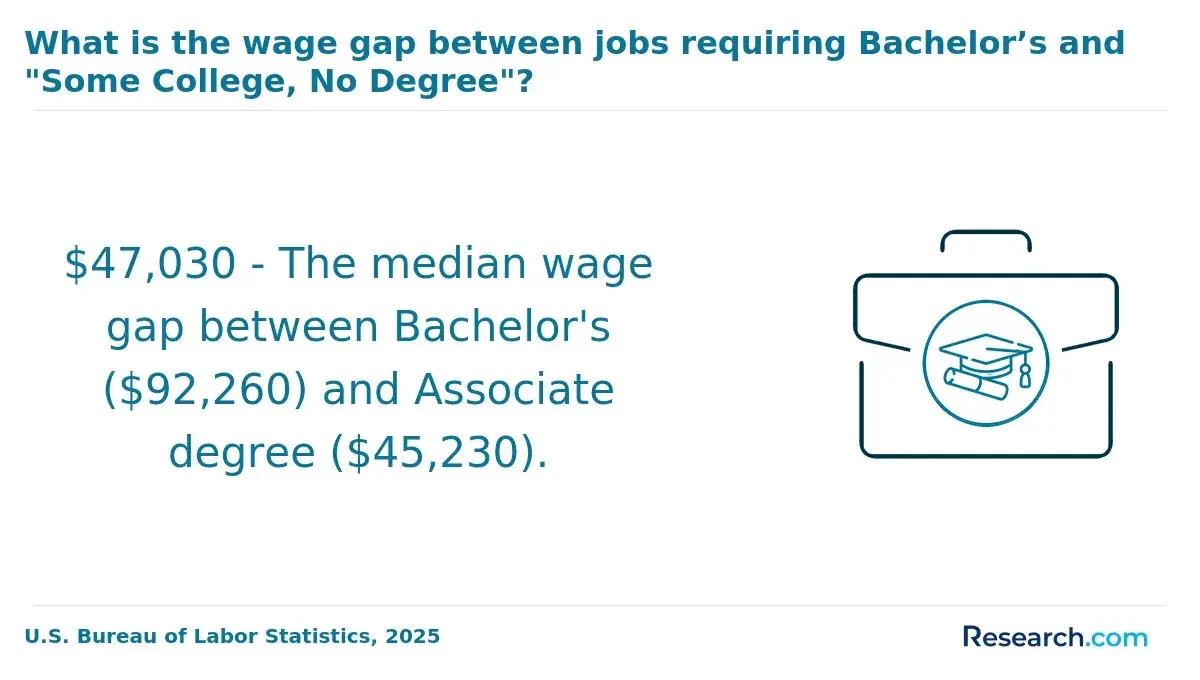
Data from the Bureau of Labor Statistics, NACE, LinkedIn Salary Insights, and Glassdoor indicate that graduates earning degrees in human services typically start with salaries 15-25% higher than those completing bootcamps or certificate programs. Employers often favor formal education for these roles, valuing the broader skill set that degree programs provide.
- Entry-Level Salary Differences: Bootcamp and certificate holders generally begin near entry-level or paraprofessional salary ranges, which tend to be 10-20% lower than degree holders' starting wages, though some targeted certificate programs in high-demand specialties can offer competitive pay.
- Employer and Sector Impact: Salary disparities are influenced by the type of employer-nonprofits, government agencies, and healthcare organizations often require degrees for better-compensated positions, while startups and smaller companies may prioritize relevant skills regardless of formal credentials. Geographic location also affects wages, with urban and high-cost-of-living areas offering higher entry salaries across all pathways.
- Career Progression: Degree holders usually experience faster advancement into managerial or specialized roles that command higher salaries, as many of these positions stipulate academic qualifications. Bootcamp and certificate graduates may start with comparable pay in certain roles but typically encounter slower salary growth over time.
- Variability in Outcomes: Median salary figures mask individual differences driven by prior experience, program reputation, networking opportunities, geographic flexibility, and specific specialization within human services fields.
A professional who completed a human services degree shared that the structured curriculum and internship opportunities were crucial in securing a higher-paying position immediately after graduation. He recalled feeling initially overwhelmed balancing coursework and practical experience but emphasized how those challenges prepared him to navigate diverse employer expectations. Compared to peers who pursued certificates, he noted that his degree opened doors to roles that required demonstrated academic credentials, which ultimately improved his confidence and salary prospects early in his career.
- Degree Preference: Traditional employers-such as government agencies, healthcare providers, and large enterprises-still strongly prioritize formal degrees in human services, often driven by licensing rules, funding criteria, and risk management standards. These degrees serve as essential screening tools in these regulated sectors.
- Skills-Based Hiring: That said, there is a notable shift as some public sector bodies and federal programs promote skills and portfolio evidence over formal degrees. Despite these efforts to lower barriers for non-degree candidates, data reveals degree holders retain an edge in securing advanced roles and promotions where leadership and specialized expertise are crucial. This nuance highlights differences between policy intentions and real-world employer practices.
- Sector Variation: Outside regulated fields, startups, nonprofits, and consulting firms display more flexible hiring standards. These employers often value certificates and bootcamp credentials alongside degrees, particularly for entry-level roles or areas emphasizing client engagement or data skills. This approach aligns with faster hiring cycles and a focus on demonstrable skills rather than formal credentials.
- Credential Signaling: Degrees continue to signal comprehensive knowledge and professional legitimacy, while bootcamps and certificates provide targeted skills and quicker workforce entry but may face skepticism in some employer segments regarding their long-term credibility.
- Networking and Long-Term Growth: Degree programs generally offer stronger alumni networks and internship opportunities, vital for career advancement in human services. Those pursuing bootcamps or certificates often need to invest additional effort in building professional connections.
This analysis of employer preferences for human services credentials helps prospective students and career changers align their education choices with targeted industry sectors. To explore affordable options, consider resources for free online college applications to support your pathway.
Admission to accredited human services degree programs typically involves multiple requirements reflecting their depth and duration. Most demand a minimum GPA around 2.5 to 3.0 on a 4.0 scale, along with prerequisite classes in foundational subjects like psychology or sociology. Many still request SAT or ACT scores, though some have shifted to test-optional policies. Letters of recommendation and personal statements are standard components, aiding admission committees in gauging an applicant's motivation and readiness. These programs adhere to fixed application deadlines months before classes begin, emphasizing the need for early preparation.
In contrast, bootcamps and certificate programs usually impose minimal or no admission criteria. Open enrollment allows learners to begin without delay, rarely requiring academic transcripts or test scores. Instead, these programs focus on demonstrating value through qualified instructors, well-designed curricula, measurable outcomes, and, when possible, accreditation or industry recognition. Their accessibility offers important advantages to career changers, working adults, and individuals facing geographic, financial, or time constraints, balancing education with life obligations more easily than traditional degrees.
- GPA Minimums: Degree programs commonly require GPAs from 2.5 to 3.0; bootcamps and certificates mostly have none.
- Prerequisite Coursework: Degrees often require foundational social science classes; bootcamps and certificates rarely do.
- Standardized Tests: Degrees may ask for SAT/ACT scores but may offer test-optional options; bootcamps usually do not require testing.
- Letters of Recommendation: Frequently requested for degrees; seldom for bootcamps or certificates.
- Application Deadlines: Set deadlines months ahead for degrees; rolling or immediate enrollment typical for bootcamps and certificates.
Selective degree admissions act as quality filters recognized by many employers, while bootcamps and certificates must prove rigor differently. Prospective students should weigh if degree requirements reflect genuine academic standards they can meet or structural barriers that make bootcamps and certificates more practical and equitable pathways.
One professional who built her career after completing a human services certificate recalls the ease of entry but emphasizes the importance of program quality. "There were no strict grades or exams to worry about," she reflected, "which made it accessible when I was balancing family and work. Still, I made sure to choose a program with experienced instructors and clear learning goals. That hands-on approach helped me gain confidence quickly and find a job." Her experience illustrates how lower admission hurdles can open doors without sacrificing meaningful skill development when programs maintain high standards.
- Degree Curriculum: Human Services degree programs typically extend over three to four years, blending broad general education with specialized major courses. Students study subjects like psychology, social work theories, ethics, policy evaluation, and community resource coordination. Electives offer opportunities to explore niche areas or emerging topics. Robust research or thesis projects strengthen critical thinking and evidence-based skills. This wide-ranging curriculum builds a solid foundation adaptable to varied careers but delays entry into the workforce compared to shorter options.
- Bootcamp Curriculum: Bootcamps focus on fast-paced, practical learning often lasting weeks to a few months. Their content centers on hands-on skills such as client assessment methods, case management, and effective communication. Emphasizing applied projects with immediate job readiness goals, bootcamps minimize theoretical depth and lack electives. This concentrated approach efficiently primes students for specific roles, accelerating employment but sacrificing the comprehensive knowledge found in degree programs.
- Certificate Programs: Certificates vary widely from foundational entry-level credentials to advanced professional certifications issued by industry bodies. Entry-level certificates cover essential concepts and basic skills-valuable for beginners or those exploring human services interests.Advanced certificates focus on specialized expertise or compliance relevant to distinct job functions, enhancing professional standing for experienced individuals.These programs generally omit broad curriculum coverage or research components and offer flexibility ideal for working learners. Employer recognition depends on certificate rigor, relevance, and the learner's prior background.
Overall, degree programs provide expansive theory-informed knowledge supporting long-term career development. Bootcamps specialize in rapid, job-focused skill building with limited academic scope. Certificates act as modular enhancements-either introducing core basics or deepening specialization-tailored to varied career stages and employer demands.
Calculating return on investment (ROI) for human services education requires considering both direct costs and opportunity costs-the income forgone while studying. This hidden cost is significant, especially for two- or four-year degree programs, which involve not only tuition and fees but also lost wages during enrollment. Using data from NCES, NACE salary benchmarks, and bootcamp outcome reports, we compare ROI over five and ten years for three learner profiles:
- Recent High School Graduate: With minimal income foregone, certificates and bootcamps show the fastest positive ROI initially due to low upfront costs and short duration. However, over a decade, degrees tend to generate higher cumulative salary premiums despite their longer time commitment.
- Mid-Career Professional: Leaving a $50,000 annual job to retrain raises opportunity costs drastically. For these learners, longer degree programs often result in negative five-year ROI, while bootcamps and certificates-being shorter-deliver quicker reintegration into the workforce and positive returns.
- Part-Time Learner: Balancing study with ongoing employment reduces opportunity cost, making degrees more financially viable. The ROI gap narrows, with degrees yielding stronger long-term gains and offering credentials favored by many employers for career advancement.
While ROI analysis is crucial, it is only one factor. Degrees may provide essential specialization, employer credentialing, and networking opportunities that shorter programs cannot. Certificates and bootcamps offer affordability and speed but might limit access to some roles or reduce future growth potential. Choosing the most suitable human services path depends on individual goals, financial situations, and career aspirations-making a nuanced understanding of costs and outcomes essential for informed decisions.
When comparing human services bootcamp job placement rates, certificate programs versus degree job placement outcomes, it is important to consider the differences in data sources and definitions. Degree programs typically report placement figures based on IPEDS graduate outcomes surveys or institutional career services data, which are independently verified and follow consistent standards. In contrast, many bootcamps rely on self-reported statistics, often without external verification. Some bootcamps that participate in CIRR reporting provide independently audited data, increasing reliability.
- Reporting Standards: Degree programs use verified data, while bootcamp numbers may be self-reported or independently audited for greater accuracy.
- Definition of Placement: Degree programs often count only employment directly related to human services roles or graduate studies, whereas bootcamps and certificate programs may include broadly related jobs, such as administrative or general social assistance roles, which can inflate placement figures.
- Career Services Impact: Robust career support-including employer partnerships, resume coaching, mock interviews, and alumni networks-significantly improves placement outcomes across all pathways.
- Evaluating Claims Critically: Prospective students should request placement data broken down by role type, salary range, and time-to-placement to understand true employment quality and timing.
- Benchmarking Against Averages: Industry-wide averages for human services degree programs typically range from 70% to 90% placement within six months, while certified programs and bootcamps report wider ranges of 60% to 85% that should be interpreted cautiously due to data reliability differences.
Students assessing various pathways should also consider salary outcomes, employer credential preferences, networking access, and long-term career growth. For those exploring their options, including part-time or flexible study paths, additional insights can be found by consulting resources like the best online MHA programs, which illustrate comprehensive career support alongside academic rigor. Overall, integrating these factors with placement rate data helps learners select the pathway best aligned with their goals and circumstances.
Networking benefits in human services degree programs are typically extensive-alumni associations promote continuous professional connections, while career fairs link students directly to employers. Faculty often act as mentors with industry ties, and participation in Greek or professional organizations further strengthens networks. Institutions with notable regional or national prestige tend to offer graduates wider, more influential alumni connections, which can enhance job placement rates and support senior career advancement.
- Degree Programs: These generally provide robust networking infrastructure, combining formal events and informal contacts to support long-term career growth. Employer relationships cultivated by the institution often create pipelines for graduate employment.
- Bootcamps: Though smaller and newer, bootcamp alumni communities build strong bonds through cohort models. Established programs have fostered referral cultures and maintain partnerships with employers, benefiting hiring outcomes-especially in tech-adjacent fields like data analysis and case management software within human services. These targeted connections aid learners seeking quicker entry into the workforce.
- Certificate Programs: Credential providers such as Google Career Certificates, Salesforce Trailhead, and industry associations develop niche professional communities. However, access to hiring managers and mentors is less structured and variable by provider. Peer forums offer networking opportunities but typically lack the influence and longevity of degree or bootcamp networks, which can affect long-term career prospects.
Overall, the depth and quality of professional networks often determine career trajectory more strongly than coursework alone, underscoring the strategic value of assessing each pathway's community access. For those interested in specialized areas of practice, such as psychiatric mental health, online Psych NP programs offer additional pathways enhanced by their own alumni and professional networks. Understanding alumni access impact on human services bootcamp careers is essential when weighing the immediate job placement advantages against broader, long-term growth opportunities typically found in degree programs.
Geographic location shapes how degree programs, bootcamps, and professional certificates influence career outcomes in human services. Major metropolitan hubs-like New York, San Francisco, and Chicago-offer dense employer networks that benefit bootcamp and certificate graduates through strong placement rates and networking opportunities. Degree holders in these cities often enjoy salaries up to 20% higher than the national average, reflecting employer preferences for formal education credentials in high-demand markets.
In regional cities with moderate employer presence, degrees tend to hold more value due to wider recognition, while bootcamp and certificate graduates may find fewer local alumni and employer connections. Those who leave their bootcamp's base city often face reduced job placement success, underscoring the importance of geographic alignment with program location.
Rural areas, with limited employer density and program familiarity, generally favor degree holders as employers prioritize formal qualifications. Although remote work has expanded opportunities for all credential types, it also pits a larger, national pool of candidates against one another-raising competition and frequently favoring those with degrees or established networks.
Key Considerations:
- Metropolitan Advantage: Bootcamps thrive in cities with concentrated employers and provider headquarters, offering rapid job entry.
- Regional Challenges: Mixed employer density means degrees often outperform shorter credentials.
- Rural Preference: Formal education remains critical when local networks and recognition are sparse.
- Remote Work Impact: Equalizes access but intensifies competition, advantaging recognized credentials.
Recent Course Report findings show that 65% of bootcamp graduates secure employment within their program's metropolitan area, highlighting the role of geographic proximity in career success.
- Skills and Portfolio Focus: Smaller agencies, startups, and skills-first employers prioritize demonstrated capabilities over formal education credentials.
- These organizations emphasize practical assessments, portfolios, and measurable achievements, valuing certificates and bootcamps especially when combined with relevant experience.
- Bootcamps that provide specialized, current skills applicable to digital tools or community engagement often attract particular interest.
- Degree Preference: Large corporations and government bodies often use degrees as a primary screening criterion, with bachelor's degrees or higher considered standard for human services roles. Despite many major employers dropping strict degree requirements post-2020, hiring data indicates that degrees remain prevalent among new hires in these sectors due to regulatory frameworks and traditional credentialing norms.
- Credential Trends Since 2020: Although many employers publicly removed degree requirements, adoption of alternative credentials like bootcamps and certificates has been uneven and gradual-mostly serving as complements rather than substitutes for degrees.
- Research Approach for Candidates: Candidates are advised to go beyond stated preferences by conducting informational interviews with hiring managers and reviewing LinkedIn profiles of recent hires. This can reveal the practical value placed on degrees versus certificates or bootcamp credentials within specific organizations and industries.
- Contextual Fit: The most suitable credential depends on factors such as career phase, available time, and goals-recognizing that formal degrees dominate in large entities while innovative agencies reward proven skills and impact.
What Graduates Say About Which Path Leads to Better Career Outcomes: Human Services Degree, Bootcamp, or Certificate
- Timothy: "Choosing a human services degree proved to be a solid investment for me-while the upfront time and cost were higher than a bootcamp or certificate, the salary outcomes have consistently exceeded my expectations. Employers in this field tend to value the depth of knowledge and credential authenticity that a degree provides, which has opened doors to advanced roles and leadership positions. For those willing to commit longer-term, this path offers the strongest return on investment and career growth opportunities."
- Emilio: "After completing a human services bootcamp, I was impressed by the fast job placement rates and practical skills gained-something a degree often lacks in speed. The bootcamp's intensive format suited my learning style perfectly and allowed me to enter the workforce quickly, though I noticed some employers still prefer candidates with formal degrees when it comes to higher-level roles. For learners who want to quickly pivot careers or gain hands-on experience, bootcamps offer a dynamic route with promising short-term benefits."
- Xavier: "Obtaining a certificate in human services was a strategic choice for me as a working professional balancing life demands-it provided focused knowledge without the lengthy commitment of a degree. Although salaries associated with certificates are generally lower than degrees, the credential is well-recognized by employers for entry and mid-level positions, making it a practical step for career changers. The networking access from certificate programs can be limited compared to degrees, but for certain learner profiles, this pathway delivers an efficient blend of affordability and opportunity."
Other Things You Should Know About Human Services Degrees
Individuals with a human services degree typically experience broader long-term career growth due to comprehensive training in theory, ethics, and practical skills. Bootcamp and certificate holders often enter the workforce faster but may face limitations advancing into leadership or specialized roles that require deeper knowledge or licensure. Over time, degree recipients tend to access higher salaries and wider job opportunities in the human services field.
During recessions or tight labor markets, degree holders in human services generally have an advantage since employers prioritize formally educated candidates with credentials signaling readiness for complex client needs. Bootcamp and certificate graduates may face more competition and fewer opportunities but can still find roles in community outreach or support services. Degrees carry greater weight for job security under economic stress.
Regional accreditors recognized by the U.S. Department of Education approve degree-granting colleges for federal aid, while state licensing boards set licensure rules for roles such as social work. Bootcamps and most certificates are not Title IV degree programs and usually do not qualify for federal student aid.
- Bootcamp vs Certificate: Which Is Best for You? https://online.maryville.edu/blog/bootcamp-vs-certificate/
- What is the highest degree you can earn in human services? https://www.herzing.edu/faq/what-is-highest-degree-human-services
- Human Services Salaries | Find Salary Information For a Variety of Careers - Human Services Edu https://www.humanservicesedu.org/human-services-salary/
- Alumni Networks: Universities vs. Corporations – Alumni Reach https://alumnireach.com/alumni-networks-universities-vs-corporations/
- How to Maximize the Impact of Alumni Networks https://www.careeros.com/resources/how-to-maximize-the-impact-of-alumni-networks
- Beyond graduation: The critical role of institution-owned alumni networks in higher education https://hivebrite.io/blog/institutions-role-in-alumni-networks/
- Do Employers Verify Degrees? How (and How Often) They Do It https://validgrad.com/blog/do-employers-verify-degrees/
- College Degree vs. Bootcamp ROI https://oboe.com/learn/college-degree-vs-bootcamp-roi-cs5335/certification-pathways-college-degree-vs-bootcamp-roi-3
- Employers Claim to Value Alternative Credentials. Do Their Practices Match Their Promises? - EdSurge News https://www.edsurge.com/news/2022-04-20-employers-claim-to-value-alternative-credentials-do-their-practices-match-their-promises
- Do Degrees and Credentials Actually Prove Competence at Work? — Minding The Campus https://mindingthecampus.org/2025/02/24/do-degrees-and-credentials-actually-prove-competence-at-work/