2027 Best Online Public Administration Doctorate Programs for Government and Public Sector Careers

Co-Founder and Chief Data Scientist
Choosing an online Public Administration doctorate is a career strategy decision, not just a school search. Government and public-sector employers are managing workforce retirements, digital transformation, and complex policy problems; BLS data published in 2024 shows state and local government employment exceeds 20 million workers, creating broad demand for skilled administrators.
This guide is for working public servants, nonprofit leaders, analysts, and military or federal professionals comparing flexible doctoral options. You'll learn how accreditation, cost, curriculum, online format, dissertation requirements, and public-sector career alignment should shape your shortlist.
Key Things You Should Know
- The best online Public Administration doctorate programs are institutionally accredited, built for working professionals, and clearly connected to public leadership, policy analysis, budgeting, ethics, research methods, and agency management.
- Program cost varies widely, but NCES data released in 2024 reported average annual graduate tuition and required fees of about $12,596 at public institutions and $29,931 at private nonprofit institutions, so total cost matters more than per-credit price alone.
- Career value depends on role fit: BLS May 2024 wage data shows median pay of $86,130 for emergency management directors, $81,800 for urban and regional planners, and $139,380 for political scientists, but a doctorate does not guarantee promotion or salary growth.
What Are the Best Online Public Administration Doctorate Programs for Government and Public Sector Careers?
The best online Public Administration doctorate program is the one whose design matches your public-sector goal. A city manager, federal program evaluator, emergency management director, nonprofit executive, and future professor may all need different doctoral structures even if the degree title looks similar.
Most online options fall into a few practical categories. Use the table below as a decision framework rather than a universal ranking, because tuition, delivery format, faculty assignments, dissertation rules, and admissions policies can change by cohort.
| Program type | Common examples to research | Best fit for government and public sector careers | Key trade-off |
| Doctor of Public Administration | Valdosta State University, West Chester University, National University, California Baptist University | Working administrators who want applied leadership, public management, budgeting, ethics, and organizational change preparation | Often practice-focused; may be less ideal for students whose main goal is theory-heavy academic research |
| PhD in Public Administration, Public Policy, or Public Affairs | Old Dominion University, Walden University, other universities with public policy and administration doctoral tracks | Policy analysts, researchers, evaluators, and students considering college teaching or research-intensive agency roles | Usually requires stronger research-methods commitment and a more traditional dissertation |
| Doctorate with public leadership or public policy concentration | Liberty University, Capella University, and similar institutions with public administration, public policy, or nonprofit leadership concentrations | Professionals who need doctoral-level management preparation but want a broader organizational leadership framework | May be less directly aligned with government hiring language than a DPA or PhD in public administration |
| Hybrid executive doctorate | Public universities and private universities with online coursework plus short campus residencies | Senior managers who value cohort networking, faculty access, and structured dissertation support | Residencies add travel cost and scheduling pressure for full-time government employees |
The strongest programs usually share several features: a regionally or nationally recognized institutional accreditor, faculty with government or policy expertise, transparent doctoral milestones, research training tied to public problems, and evidence that students can complete the program while employed. If a school markets speed or prestige more heavily than curriculum, faculty qualifications, and completion support, treat that as a red flag.
A DPA generally makes the most sense for public managers who want to solve administrative problems inside agencies. A PhD is usually better for students who want research, policy scholarship, university teaching, or evaluation-heavy work. An EdD, DBA, or organizational leadership doctorate can still be useful in the public sector, but only if the concentration, dissertation topic, and professional network clearly support government or nonprofit goals.
How Should You Compare Online Public Administration Doctorate Programs for Your Public Sector Career Goals?
Comparing online Public Administration doctorate programs starts with your target role. A program that is excellent for municipal management may not be the best investment for federal policy analysis, emergency management, public finance, or academic research.
Use this sequence before applying. It helps you move from broad school lists to a short, defensible set of programs that fit your career, budget, and schedule.
- Define your destination role first, such as agency executive, city or county administrator, budget director, policy researcher, nonprofit CEO, emergency management leader, inspector general analyst, or faculty member.
- Match the degree type to that role: DPA for applied public leadership, PhD for research and teaching, or a public policy doctorate for analysis-heavy careers.
- Verify institutional accreditation and confirm whether the university has recognized public affairs, public administration, or public policy strength.
- Compare the curriculum against public-sector competencies, including budgeting, law and ethics, public personnel management, data analysis, program evaluation, and intergovernmental relations.
- Ask how online courses work, whether residencies are required, how dissertation chairs are assigned, and how often doctoral students reach candidacy.
- Calculate total cost, including tuition, fees, dissertation continuation credits, technology fees, books, travel, and lost work time for residencies.
- Request career-outcome examples for public-sector students, not just general alumni testimonials.
Some students should not start with a doctorate. If you need a faster credential for promotion, a master's degree may be more practical, especially if your agency rewards an MPA but does not require a doctorate. For example, a 1-year MPA online may be a better fit for professionals who need public administration training quickly before deciding whether doctoral study is worth the time and cost.
Common mistakes include choosing the cheapest program without checking dissertation support, assuming "online" always means fully asynchronous, or relying only on a ranking list. A better approach is to build a comparison spreadsheet with accreditation, total program cost, faculty fit, residency rules, research requirements, public-sector alumni examples, and how well the program supports your specific goal.
Are Online Public Administration Doctorate Programs Accredited and Respected by Government Employers?
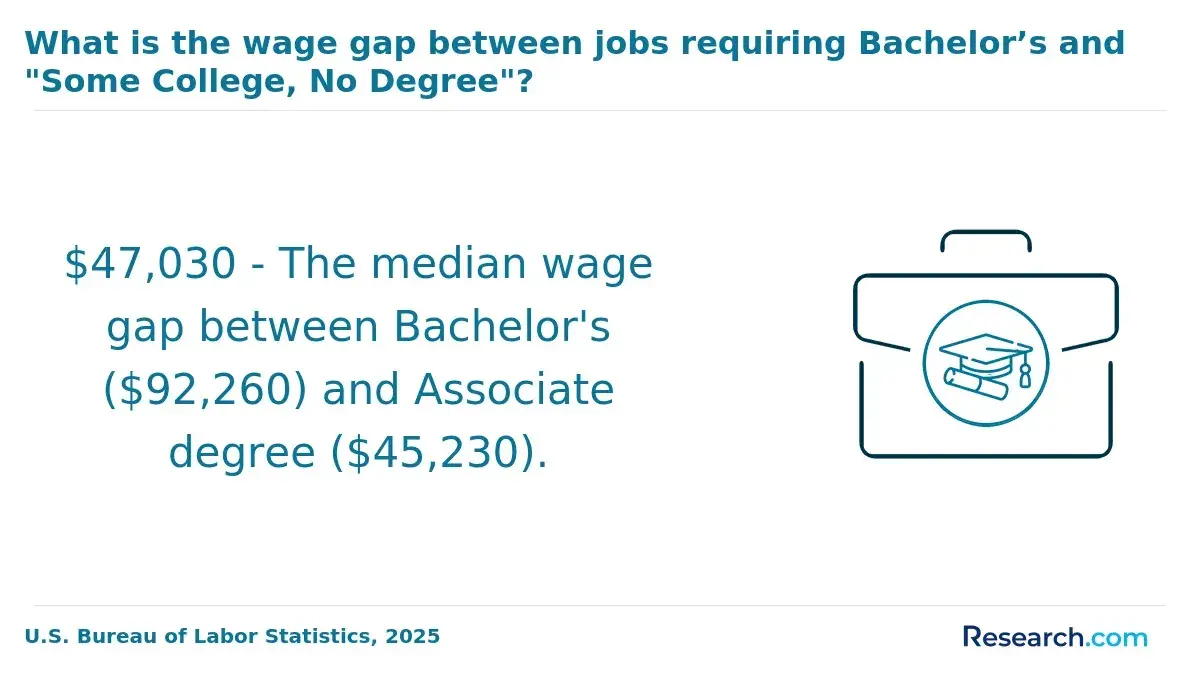
Online Public Administration doctorate programs can be respected by government employers when they come from an institutionally accredited university and the student's experience, research, and leadership record align with the job. Most government hiring processes focus on the accredited degree, specialized experience, competencies, veterans' preference when applicable, and role-specific qualifications rather than whether courses were completed online.
The most important accreditation point is institutional accreditation. In the U.S., legitimate universities are accredited by agencies recognized by the U.S. Department of Education or the Council for Higher Education Accreditation.
For public administration specifically, NASPAA is highly relevant, but it primarily accredits master's programs in public policy, affairs, and administration; a university's NASPAA-accredited MPA can signal public affairs quality, but it does not automatically mean the doctoral program itself has specialized accreditation.
When evaluating employer respect, look beyond the word "accredited." The following indicators help distinguish stronger doctoral programs from programs that may be technically legitimate but weakly aligned with public-sector advancement.
- Institutional accreditation is current and easy to verify through official accreditor or federal databases.
- The school has a public administration, public policy, public affairs, political science, or government department with visible faculty expertise.
- Faculty publish or practice in public budgeting, local government, policy evaluation, ethics, public law, emergency management, nonprofit leadership, or related fields.
- The doctoral handbook explains candidacy, dissertation or capstone expectations, residency requirements, academic progress rules, and dismissal policies.
- Admissions staff can name government, nonprofit, military, or public-sector career paths that align with the curriculum without promising promotions.
- The program's alumni network includes public administrators, agency leaders, consultants, researchers, or faculty in relevant sectors.
Red flags include vague accreditation language, pressure to enroll immediately, unclear dissertation costs, no published faculty list, no doctoral handbook, or promises that the doctorate will automatically qualify you for senior government leadership. Accreditation protects the baseline legitimacy of the degree, but career value comes from program rigor, reputation, faculty fit, and your own professional record.
Most online Public Administration doctorate programs are designed for experienced adults, so admissions committees usually look for both academic preparation and evidence that your professional goals justify doctoral study. A strong application connects your career history to a specific public problem you want to study or solve.
Typical requirements vary by university, but applicants often need the following materials. Confirm every requirement with the school because doctoral admissions standards may differ by concentration, cohort, and faculty capacity.
- A master's degree from an accredited institution, often in public administration, public policy, political science, business, nonprofit management, criminal justice, education, social work, or a related field.
- Graduate GPA that meets the program's minimum standard, commonly with stronger expectations for doctoral-level research courses.
- Professional resume showing public-sector, nonprofit, military, policy, healthcare administration, education, or leadership experience.
- Statement of purpose explaining why the doctorate is necessary, what public administration problem you want to address, and how the program fits your goals.
- Writing sample, policy memo, graduate research paper, or professional report demonstrating analytical writing ability.
- Letters of recommendation from supervisors, faculty, or senior professionals who can assess your leadership, research readiness, and ethical judgment.
- Interview with faculty or admissions staff, especially for cohort-based or dissertation-intensive programs.
- GRE or other test scores only if required; many professional doctorate programs waive standardized testing for experienced applicants.
Applicants without a public administration master's are not automatically excluded, but they may need to show readiness through work experience or prerequisite coursework. Students coming from social science backgrounds, including those who previously explored the best online bachelor's in sociology programs, can be competitive if they demonstrate quantitative reasoning, policy interest, and public-service experience.
A common mistake is submitting a generic leadership essay. The better strategy is to identify a public-sector problem such as workforce retention, homelessness response, procurement reform, public budgeting transparency, disaster resilience, criminal justice administration, or digital service delivery. Then explain why doctoral study is the right tool for analyzing that problem.
The best curriculum for government careers combines public administration theory with practical tools for leading agencies, evaluating programs, managing budgets, and making ethical decisions under political and legal constraints. A doctorate should deepen your ability to diagnose complex public problems, not simply repeat MPA-level management content.
The table below connects common doctoral curriculum areas to public-sector career uses. This can help you decide whether a program's course list supports your actual work environment.
| Curriculum area | Why it matters in government | Best-fit career goals |
| Public administration theory and governance | Explains how agencies operate within democratic, legal, political, and institutional systems | Agency leadership, city management, public affairs leadership |
| Public budgeting and finance | Builds skill in fiscal planning, budget justification, grants, accountability, and resource allocation | Budget director, finance administrator, program executive |
| Policy analysis and program evaluation | Supports evidence-based recommendations, outcome measurement, and performance improvement | Policy analyst, evaluator, inspector general analyst, legislative staff |
| Quantitative and qualitative research methods | Prepares students to collect, interpret, and defend evidence for administrative decisions | Research director, PhD student, faculty candidate, evaluation consultant |
| Ethics, public law, and accountability | Addresses transparency, due process, administrative discretion, equity, and public trust | Compliance leader, ombuds office, executive administrator |
| Human resources and organizational behavior | Helps leaders manage labor relations, succession planning, workforce shortages, and culture change | HR director, agency deputy, department head |
| Technology, data governance, and digital transformation | Supports modernization of public services, analytics, AI governance, cybersecurity coordination, and resident-facing systems | Chief innovation officer, digital services leader, operations executive |
Specializations should be chosen by career problem, not by title alone. Public finance is stronger for budget leadership; emergency management fits disaster response and resilience; nonprofit management supports contracted service delivery; public policy fits legislative and research roles; urban affairs supports planning and local government; healthcare administration fits public health agencies and safety-net systems.
AI and automation are also changing the skills public administrators need. The strongest programs do not treat technology as a side topic; they help students evaluate algorithmic bias, data privacy, procurement risks, cybersecurity coordination, and how agencies can use analytics without weakening transparency or public trust.
Students focused on public operations may also compare management alternatives such as an MBA operations management online, but an MBA is usually less focused on law, governance, public accountability, and citizen-centered service.
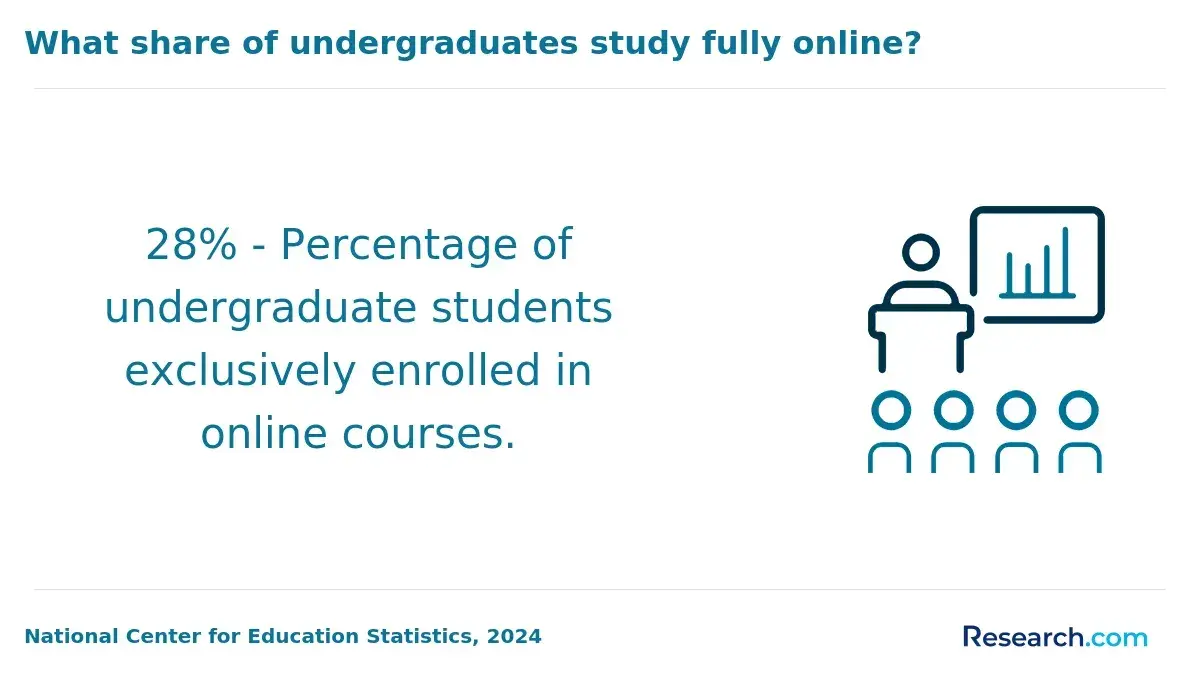
Online doctoral programs vary significantly in how they deliver coursework and support independent research. Before enrolling, you should know whether the program is fully online, mostly online with residencies, synchronous, asynchronous, cohort-based, or self-paced.
The main delivery and completion features to compare are listed below. These details affect your work schedule, travel budget, family commitments, and likelihood of finishing.
- Asynchronous courses allow students to complete weekly work on a flexible schedule, which helps professionals with agency deadlines, shift work, travel, or legislative calendars.
- Synchronous courses require live online meetings, which can improve discussion and faculty access but may be harder for students across time zones.
- Cohort models create peer support and predictable sequencing, while open enrollment models may offer more flexibility but less group identity.
- Residencies can strengthen research planning, networking, and faculty feedback, but they add travel costs and may require annual leave.
- Comprehensive exams or qualifying papers usually test whether students are ready to move from coursework into doctoral research.
- Dissertations are best for students who want deep research expertise, publishable scholarship, policy evaluation, or future teaching options.
- Applied capstones or doctoral projects are best for practitioners who want to solve a real agency, nonprofit, or public management problem.
A dissertation is not automatically better than a capstone. If your goal is academia or research leadership, a traditional dissertation may carry more value. If your goal is executive practice, an applied project tied to performance improvement, budgeting, service delivery, workforce strategy, or emergency preparedness may be more useful.
Ask direct questions before you enroll: How are dissertation chairs assigned? How often do students change chairs? Are there extra fees after coursework? Are virtual defenses allowed? Can your agency's data be used if privacy rules are met? What happens if your research site withdraws permission? Programs that answer these questions clearly are usually better prepared to support working professionals.
Most online Public Administration doctorate students are working adults, so the realistic timeline is usually part-time. Many programs require roughly 45 to 60 post-master's credits, plus exams, proposal approval, dissertation or capstone research, and final defense. A focused student may finish in about three years, while many working professionals need four to six years depending on research progress and course load.
The table below summarizes common pacing options. Use it to estimate whether the program's advertised timeline matches your workload and personal responsibilities.
| Enrollment pace | Typical student profile | Advantages | Risks |
| Full time | Students with employer support, reduced work hours, military transition time, or strong financial flexibility | Faster progress and stronger continuity between coursework and research | Hard to sustain with senior government workloads or family responsibilities |
| Part time | Full-time public employees, nonprofit leaders, military personnel, and working parents | More realistic schedule and better ability to connect coursework to current job problems | Longer time to completion and more exposure to life or job changes |
| Accelerated | Students with a clear research topic, strong writing skills, transfer credits, and predictable schedules | Lower opportunity cost if tuition does not increase and milestones are met | Can be risky if the dissertation phase cannot be accelerated |
| Extended or flexible | Students in demanding roles such as emergency management, law enforcement leadership, budgeting, or executive administration | Allows study during unpredictable public-sector cycles | May increase fees, delay benefits, and reduce motivation |
To finish while working full time, treat the doctorate as a long-term project with scheduled research hours. The students who struggle most often complete coursework but underestimate the independent writing stage. Protecting weekly writing time before candidacy is one of the best ways to avoid becoming stalled after classes end.
Public-sector professionals should also plan around budget season, legislative sessions, election cycles, emergency activations, audits, and major grant deadlines. If your job has predictable annual pressure points, choose a program that permits part-time pacing or temporary course reductions without financial or academic penalties.
Cost should be evaluated as total cost to completion, not just tuition per credit. Doctoral students may pay for application fees, technology fees, books, dissertation continuation credits, research software, travel for residencies, professional memberships, and transcript or graduation fees.
Recent national tuition data provides a useful benchmark for comparing programs, though individual doctoral costs can be higher or lower depending on credit requirements and university pricing. NCES data released in 2024 reported the following average annual graduate tuition and required fees.
- Public graduate institutions: about $12,596 per year.
- Private nonprofit graduate institutions: about $29,931 per year.
Those figures are averages, not a quote for any specific DPA or PhD program. A lower annual price may still become expensive if the program requires more credits, dissertation continuation fees, or multiple residencies. A higher-priced program may be worthwhile if it offers stronger faculty alignment, better doctoral advising, and a network that directly supports your public-sector goals.
Funding options for online Public Administration doctorate students often include employer tuition assistance, federal student loans for eligible programs, veterans' education benefits, scholarships, assistantships when available, professional association awards, and payment plans.
Government and nonprofit employees may also examine Public Service Loan Forgiveness rules if they use qualifying federal loans and meet all program requirements, but PSLF should not be treated as guaranteed financial aid.
Before committing, ask the school for a written cost estimate that includes tuition, fees, expected credits, dissertation or capstone continuation costs, residency travel assumptions, and whether tuition changes after candidacy. Also ask your employer whether tuition benefits require a grade minimum, service commitment, repayment if you leave, or approval before enrollment.
An online Public Administration doctorate can support several government and public-sector pathways, especially when combined with relevant experience. It is most valuable for professionals seeking senior leadership, policy research, program evaluation, public management consulting, higher education teaching, or specialized executive roles.
The table below connects possible career paths with typical responsibilities and useful doctoral preparation. Salary figures are occupational medians from BLS May 2024 data where a close category is available, not promises tied to the degree.
| Career path | Typical responsibilities | Relevant doctoral focus | Salary context |
| City or county administrator | Coordinate departments, manage budgets, advise elected officials, oversee service delivery | Public management, budgeting, ethics, intergovernmental relations | Often classified within top executive or general management categories, with pay varying heavily by jurisdiction size |
| Public policy analyst or research director | Evaluate policy options, analyze data, prepare reports, brief decision-makers | Policy analysis, quantitative methods, program evaluation | BLS reported a $139,380 median wage for political scientists in May 2024 |
| Emergency management director | Plan disaster response, coordinate agencies, manage resilience and recovery programs | Emergency management, crisis leadership, interagency coordination | BLS reported a $86,130 median wage in May 2024 |
| Urban or regional planning leader | Guide land use, transportation, housing, resilience, and community development work | Urban affairs, public finance, policy implementation | BLS reported a $81,800 median wage for urban and regional planners in May 2024 |
| Social or community services executive | Lead programs serving families, veterans, older adults, unhoused residents, or vulnerable populations | Nonprofit management, human services policy, program evaluation | BLS reported a $78,240 median wage for social and community service managers in May 2024 |
| College instructor or public administration faculty member | Teach public administration, conduct research, advise students, publish scholarship | Research methods, theory, dissertation quality, teaching experience | Academic hiring requirements vary widely by institution and discipline |
A doctorate may strengthen your credibility for executive, analytical, or teaching-oriented roles, but it rarely replaces experience. Public employers often value demonstrated success managing budgets, leading teams, improving programs, communicating with elected officials, and navigating legal or political constraints.
Students interested in human services leadership should compare public administration with social work, nonprofit management, and public health routes. For some agency or community-service roles, the best online MSW programs may offer a more direct path to clinical, human services, or licensure-related work than a public administration doctorate.
Which Online Public Administration Doctorate Programs Offer the Best Public Sector Career Support and Professional Networks?
The best career support for public-sector doctoral students is specialized, not generic. A strong program should help you turn doctoral study into public value through research partnerships, professional networks, conference exposure, alumni connections, and practical leadership development.
When speaking with admissions advisors, faculty, or current students, ask questions that reveal whether the program has real public-sector reach. These questions are especially important for online students who may not have daily campus access.
- Which faculty members have worked with federal, state, local, tribal, nonprofit, military, or international public organizations?
- Can students shape dissertations or capstones around current agency problems while protecting confidential data?
- Does the program connect students with organizations such as ASPA, ICMA, NASPAA-related events, Pi Alpha Alpha, emergency management associations, or state public administration networks?
- Are doctoral students encouraged to present at conferences, publish applied research, or produce policy briefs?
- Does the alumni network include city managers, agency executives, policy researchers, nonprofit leaders, consultants, or faculty?
- What career services are available to doctoral students specifically, not just undergraduates or MBA students?
- Can online students access writing centers, statistics support, library research consultations, dissertation boot camps, and mock interviews?
Professional networks matter because many public-sector leadership opportunities are relationship-driven, even when hiring remains formal and merit-based. Faculty who understand government constraints can also help you choose realistic research questions, avoid inaccessible data, and frame your dissertation or capstone for decision-makers.
A final red flag is a program that cannot explain how online doctoral students build community. Look for cohort meetings, research seminars, virtual residencies, alumni panels, practitioner speakers, and structured faculty mentoring. In an online doctorate, isolation can become a completion risk, so support systems are not optional extras.
Other Things You Should Know About Public Administration
No. Public Administration usually focuses more on managing agencies, budgets, people, implementation, ethics, and public organizations. Public Policy usually emphasizes policy design, analysis, economics, evaluation, and research. The fields overlap, so the best choice depends on whether you want to lead organizations or analyze policy problems.
Yes, it can support consulting in areas such as program evaluation, organizational change, public budgeting, emergency preparedness, grant management, or policy analysis. However, clients usually look for a mix of doctoral expertise, practical public-sector experience, writing ability, and a clear consulting niche.
It may qualify you for some teaching roles, especially practitioner-oriented, adjunct, or professional-program positions. Research universities may prefer or require a PhD, publications, and a strong research record. If teaching is your main goal, ask programs where graduates have taught and whether students receive teaching experience.
Often, yes. Your employer may offer tuition assistance, schedule flexibility, data access for research, or leadership-development support. You should also clarify conflict-of-interest rules, data privacy requirements, outside employment policies, and whether your dissertation topic can involve your agency.
- How to Pay for a Ph.D in 2026 - ELFI https://www.elfi.com/how-to-pay-for-a-ph-d/
- Best Online Ph.D. and Doctoral Programs | OEDb https://www.oedb.org/rankings/online-phd-programs/
- 4 Careers You Can Pursue with a Doctoral Degree in Public Administration https://smceducation.com/blog/careers-phd-public-administration/
- Doctor of Public Health (DrPH) | Claremont Graduate University https://www.cgu.edu/academics/program/doctor-public-health/
- Earning an Online Ph.D. in Public Administration https://www.gograd.org/online-phd-programs/best-public-administration-degrees/
- Public Administration https://www.ubalt.edu/schools-and-colleges/college-of-public-affairs/academics/explore-all-programs/doctor-public-administration/index.cfm
- 25 Best Online EdD Programs of 2025 https://www.eddprograms.org/schools/best-online-doctor-of-education-programs/
- Doctor of Public Administration (DPA) Online: Top Programs https://www.phds.me/online-programs/doctor-of-public-administration-dpa/
- How Much Does a PhD Cost https://aituedu.org/how-much-does-a-phd-cost/
- PhD advice for policy careers | Emerging Technology Policy Careers https://emergingtechpolicy.org/pathways/graduate-school/phds/