2027 Best Online Higher Education Doctorate Programs for Senior-Level Roles: Careers, Salaries, and Advancement Paths

Co-Founder and Chief Data Scientist
Choosing an online higher education doctorate is often a career investment, not just an academic goal. The U. S. Bureau of Labor Statistics reports that postsecondary education administrators had a median annual wage of $103,960 in May 2024, showing why doctoral preparation can matter for advancement.
This guide is for midcareer professionals, faculty, administrators, and learning leaders weighing senior-level roles. You will learn how EdD, PhD, and applied doctoral pathways compare, which careers they support, and how to judge cost, credibility, flexibility, and return on investment before enrolling.
Key Things You Should Know
- An online EdD is usually the strongest fit for senior administrative, student affairs, academic operations, enrollment, institutional effectiveness, and executive leadership roles because it emphasizes applied problem-solving rather than full-time scholarly research.
- The BLS reported a $103,960 median annual wage for postsecondary education administrators in May 2024, but senior roles can vary widely by institution type, region, budget authority, and whether the position is faculty-facing, student-facing, or executive-level.
- The best program is not always the highest-ranked one; for executive career goals, prioritize regional accreditation, leadership-focused coursework, dissertation or capstone fit, faculty access, employer recognition, alumni outcomes, and total cost after aid.
Which Online Higher Education Doctorate Programs Best Prepare Graduates for Senior-Level Leadership Roles?
The best online higher education doctorate for senior-level leadership is typically an EdD in Higher Education, EdD in Educational Leadership, PhD in Higher Education, or a closely related doctorate in organizational leadership, learning design, student affairs, or community college leadership. The right choice depends on whether you want to lead institutions, conduct research, direct academic strategy, manage student success systems, or move into policy and consulting.
An online doctorate in higher education is a terminal degree focused on how colleges, universities, and related education organizations operate. Students usually study governance, finance, law and policy, leadership, assessment, equity, organizational change, and research methods. Online formats often serve working professionals, so many programs use evening courses, asynchronous modules, limited residencies, cohort models, or applied capstone projects.
The table below compares the most common doctorate types and how each aligns with senior-level career goals. Use it to avoid a common mistake: choosing a research-heavy degree when your goal is operational leadership, or choosing an applied doctorate when your goal is a tenure-track research career.
| Doctorate type | Best fit | Common leadership outcomes | Research requirement |
| EdD in Higher Education | Experienced administrators seeking advancement | Dean, vice president, provost-track administrator, student affairs executive, enrollment leader | Applied dissertation or problem-of-practice capstone |
| EdD in Educational Leadership | Professionals who want broad leadership preparation across education settings | Executive director, chief academic officer, district or college leader, organizational change leader | Applied research, capstone, or dissertation |
| PhD in Higher Education | Professionals aiming for research, faculty, policy, or scholarly leadership | Professor, research director, policy analyst, institutional research leader | Original dissertation designed to contribute to scholarship |
| Doctorate in Organizational Leadership | Professionals who may work inside or outside higher education | Chief learning officer, executive consultant, nonprofit education leader, talent strategy executive | Often applied, though requirements vary by school |
| Doctorate in Learning, Instructional Design, or Educational Technology | Learning leaders focused on digital education and workforce training | Director of online learning, chief learning officer, academic innovation executive | Applied research, design-based research, or dissertation |
For senior-level preparation, look beyond the degree name. A strong program should connect doctoral research to real institutional problems such as retention, affordability, AI policy, curriculum innovation, faculty development, compliance, and student success analytics. Some professionals also consider accelerated options, including 1-year EdD programs online, but speed should never outweigh accreditation, workload realism, and the quality of mentoring.
Programs that best prepare graduates for leadership tend to share several features. These features matter because senior roles require evidence-based judgment, political awareness, and the ability to lead through ambiguity.
- Regional accreditation: Employers generally expect the institution awarding the degree to be regionally accredited, especially for academic administration and faculty-facing roles.
- Applied leadership curriculum: Courses should cover higher education finance, law, governance, organizational change, strategic planning, enrollment, and assessment.
- Research aligned with practice: A dissertation or capstone should let students solve a real problem in an institutional or education-sector setting.
- Executive mentoring: Access to faculty, alumni, and senior administrators can be as important as course content for career mobility.
- Flexible online delivery: The format should fit full-time work without relying on unrealistic course loads or excessive residency travel.
Which Senior-Level Careers Can You Pursue With an Online Higher Education Doctorate?
An online higher education doctorate can support advancement into executive, academic, administrative, policy, student success, and learning innovation roles. It is most valuable when paired with prior experience because senior-level hiring usually depends on a record of leadership, budget responsibility, supervision, institutional impact, and cross-functional collaboration.
Doctoral graduates often pursue roles that influence strategy rather than only managing daily operations. The table below shows common career paths and how the doctorate may strengthen a candidate's profile.
| Senior-level role | Typical responsibilities | How the doctorate helps | Best degree fit |
| Dean or associate dean | Lead academic programs, faculty processes, student outcomes, and budget planning | Builds credibility in academic governance, assessment, and strategic decision-making | EdD or PhD in Higher Education |
| Vice president for student affairs | Oversee student life, retention, belonging, conduct, advising, and support services | Develops skills in student development theory, policy, equity, and institutional change | EdD in Higher Education or Student Affairs |
| Vice president for enrollment management | Lead admissions, financial aid strategy, marketing, retention, and enrollment forecasting | Strengthens data use, policy analysis, and strategic planning capacity | EdD in Higher Education or Educational Leadership |
| Provost or chief academic officer | Set academic strategy, support faculty affairs, oversee curriculum quality, and guide accreditation | Signals advanced preparation in academic leadership and institutional governance | PhD or EdD in Higher Education |
| Director of institutional research or effectiveness | Manage data, accreditation reporting, outcomes assessment, and performance analytics | Builds advanced research, evaluation, and evidence-based planning skills | PhD in Higher Education or EdD with strong quantitative coursework |
| Chief online learning or academic innovation officer | Lead online strategy, instructional technology, faculty development, and digital learning quality | Connects leadership, pedagogy, technology, and change management | EdD in Learning Design, Educational Technology, or Higher Education |
Outside colleges and universities, the degree may also apply to education associations, accrediting-related organizations, consulting firms, state agencies, foundations, edtech companies, and workforce development organizations. These employers may value the doctorate differently, so candidates should frame the degree around measurable leadership results rather than the credential alone.
The strongest career paths usually fall into three categories. Understanding these categories can help you choose coursework, research topics, internships, and networking opportunities more strategically.
- Executive administration: Best for professionals who want to manage units, budgets, people, policy implementation, and institutional strategy.
- Academic and research leadership: Best for faculty members, institutional researchers, and policy professionals who want to produce or evaluate scholarship.
- Specialized innovation leadership: Best for professionals focused on online learning, instructional design, AI adoption, assessment, accreditation, or student success analytics.
How Much Can You Earn in Senior-Level Roles With an Online Higher Education Doctorate?
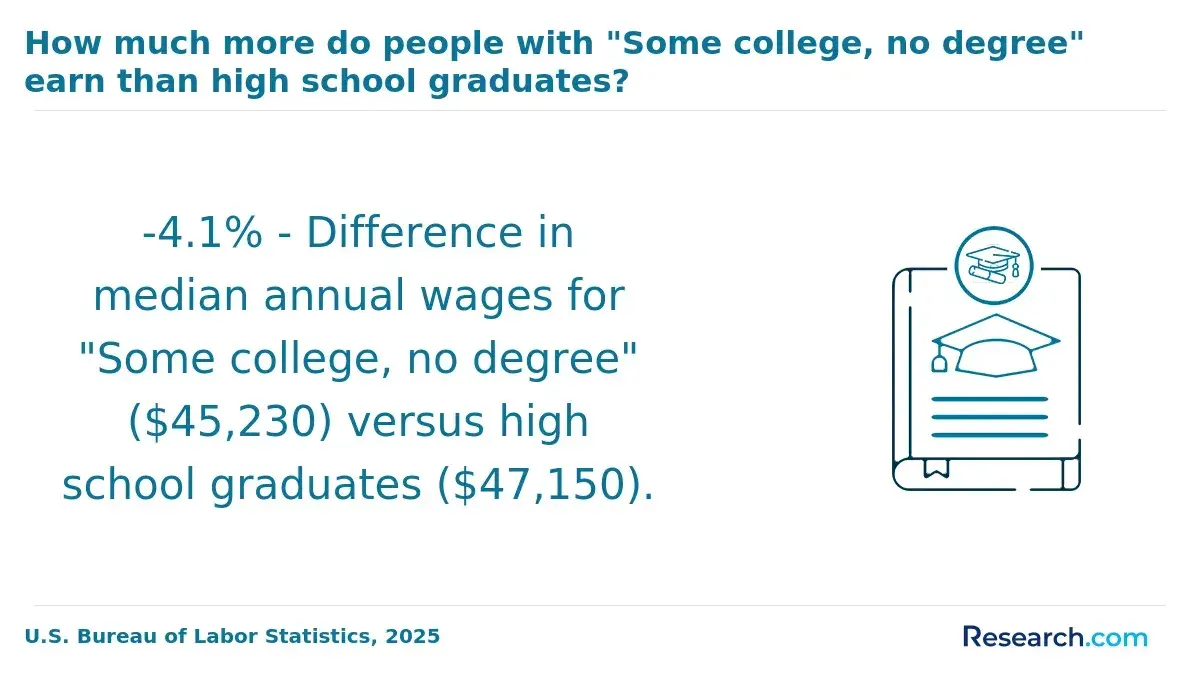
Salary outcomes depend on role, location, institution size, funding model, collective bargaining environment, and the candidate's leadership record. A doctorate can strengthen eligibility for senior roles, but it does not automatically move a professional into a higher salary band.
The BLS reported a median annual wage of $103,960 for postsecondary education administrators in May 2024. That figure is useful as a national benchmark, but senior executives at large universities may earn more, while leaders at smaller colleges, nonprofits, or regional institutions may earn less.
The table below summarizes salary context for roles commonly connected to higher education doctoral pathways. These figures should be used as comparison points, not as promises of earnings after graduation.
| Role category | Relevant national salary benchmark | What affects pay most | Doctorate value |
| Postsecondary education administrator | BLS median annual wage of $103,960 in May 2024 | Institution size, department scope, region, budget authority, and years of experience | Often useful for advancement into dean, director, or vice president roles |
| Postsecondary teacher | BLS median annual wage of $84,380 in May 2024 | Discipline, tenure status, research expectations, union contracts, and institution type | Often required or strongly preferred for full-time faculty and research roles |
| Top executive | BLS groups senior executives across industries, so education-specific compensation varies widely | Organizational scale, executive scope, fundraising responsibility, and institutional finances | Helpful when paired with executive experience and measurable institutional impact |
| Training and development manager | Comparable leadership roles may use management wage benchmarks rather than higher education benchmarks | Corporate sector, learning technology responsibility, team size, and performance outcomes | Most relevant for chief learning officer or workforce education pathways |
When evaluating salary potential, compare the doctorate with your current position and your realistic next two promotions. The financial case is strongest when the degree unlocks roles that were previously inaccessible, supports promotion within an existing employer, or helps you transition into better-compensated administrative or consulting work.
A practical salary review should include more than base pay. Senior roles may also involve retirement contributions, tuition benefits, administrative stipends, relocation support, research funds, consulting opportunities, and access to leadership networks. These benefits can meaningfully affect total compensation even when base salary growth is gradual.
Senior-level higher education roles require more than academic knowledge. Employers look for leaders who can translate evidence into action, manage competing interests, communicate across stakeholder groups, and make responsible decisions under financial and regulatory pressure.
The National Center for Education Statistics reported in 2024 that U.S. postsecondary institutions continued to serve millions of students across highly diverse sectors and delivery models. For doctoral students, that scale means leadership preparation must include systems thinking, not only classroom or department-level expertise.
The most useful executive skills are those that connect research, people, money, and institutional outcomes. These competencies can help you evaluate whether a program is preparing you for actual leadership work.
- Strategic planning: The ability to set priorities, align resources, use data, and measure whether institutional initiatives are working.
- Higher education finance: Understanding tuition revenue, discounting, state funding, grants, budget cycles, and resource allocation.
- Governance and policy literacy: Knowing how boards, faculty senates, accreditors, state agencies, and federal rules shape decisions.
- Change management: Leading new initiatives while managing resistance, communication gaps, and implementation risk.
- Data-informed decision-making: Using enrollment, retention, completion, assessment, and labor market data without reducing students to numbers.
- Equity-centered leadership: Designing policies and services that improve access, belonging, progression, and outcomes for varied student populations.
- AI and technology judgment: Evaluating generative AI, learning analytics, automation, privacy, academic integrity, and accessibility implications.
AI is now a practical leadership issue in higher education. Doctoral graduates entering senior roles may be asked to help create AI use policies, evaluate vendor claims, support faculty training, protect student data, and decide where automation improves service without harming equity or trust.
A common mistake is treating doctoral coursework as separate from career advancement. Students should choose assignments, research topics, and practicum experiences that produce leadership artifacts, such as assessment plans, policy briefs, strategic proposals, dashboards, or change management frameworks that can be discussed in interviews.
The best specialization depends on your target role. A student aiming for a provost's office needs different preparation than someone pursuing online learning leadership, student affairs, enrollment strategy, community college administration, or institutional research.
Specializations are valuable when they build a coherent executive profile. The table below compares common concentrations and the leadership opportunities they may support.
| Specialization | Best leadership opportunities | Strong fit for | Potential limitation |
| Higher Education Administration | Dean, vice president, provost-track administrator, executive director | Broad institutional leadership | May need electives for specialized areas such as analytics or online learning |
| Student Affairs Leadership | Vice president for student affairs, dean of students, student success executive | Professionals focused on retention, belonging, conduct, advising, and support services | Less direct fit for research-intensive faculty roles |
| Community College Leadership | Campus president, academic dean, workforce development leader | Leaders serving open-access, transfer, adult learner, and workforce missions | May be too sector-specific for some university roles |
| Institutional Research and Effectiveness | Assessment director, accreditation leader, chief data or effectiveness officer | Professionals with data, evaluation, and compliance interests | May require strong quantitative preparation |
| Educational Technology or Instructional Design | Chief online learning officer, academic innovation director, learning strategy executive | Professionals leading online programs, digital pedagogy, and faculty development | May need additional coursework in finance or governance for broad executive roles |
Instructional design and educational technology specializations are especially relevant as institutions expand online offerings, evaluate AI tools, and redesign student support for hybrid learners. Professionals who are not ready for a doctorate but want to strengthen learning design credentials first may compare best online instructional design master's programs as a lower-cost stepping stone.
When choosing a specialization, connect it to the problems you want to solve. For example, enrollment leaders may benefit from analytics and finance coursework, while student affairs leaders may need policy, equity, and crisis leadership preparation. Faculty members seeking administrative advancement may want governance, assessment, and budget experience.
Avoid selecting a concentration only because it sounds current. Specializations tied to AI, innovation, or technology should still include leadership, ethics, privacy, accessibility, and evaluation coursework; otherwise, they may prepare you to discuss trends without leading implementation.
An online higher education doctorate supports advancement by helping professionals move from operational competence to strategic leadership. The degree can deepen credibility, expand professional networks, provide research tools, and create a structured opportunity to solve a high-value institutional problem.
Career advancement is most likely when students use the doctorate intentionally. The following steps can help turn the program into a leadership platform rather than only a credential.
- Define the senior role you want before enrolling, such as dean, vice president, provost-track administrator, institutional research leader, or online learning executive.
- Map required experiences for that role, including supervision, budget management, accreditation work, strategic planning, policy implementation, and cross-campus collaboration.
- Select doctoral assignments and research topics that align with those responsibilities so your academic work becomes evidence of leadership readiness.
- Use faculty, cohort peers, conferences, and alumni networks to learn how senior searches work and what hiring committees value.
- Document measurable results during the program, such as retention improvements, process redesigns, assessment systems, successful grants, or policy implementation outcomes.
The degree can also help professionals reposition themselves. For example, a director of advising might use an applied dissertation on retention analytics to compete for a student success executive role. A faculty member might use research on program assessment to move into academic affairs. A corporate learning leader might use a higher education doctorate to transition into online program leadership or workforce education partnerships.
The main limitation is that a doctorate cannot replace leadership experience. Hiring committees may value the degree highly, but they still look for evidence that a candidate can manage people, navigate politics, communicate with senior stakeholders, and produce results under constraints.
Employers generally evaluate online higher education doctorates by institutional accreditation, degree relevance, candidate experience, research quality, and leadership record. The online format itself is usually less important when the institution is credible and the graduate can demonstrate applied impact.
For senior-level positions, search committees often ask whether the degree adds evidence of judgment and preparation. They may consider the following factors alongside employment history and references.
- Accreditation: Regional accreditation is a baseline expectation for most academic and administrative employers.
- Institutional reputation: Reputation can matter, but it is rarely more important than fit, leadership achievements, and evidence of results.
- Program relevance: A doctorate in higher education, educational leadership, student affairs, or institutional research is easier to connect to college leadership than an unrelated doctorate.
- Research or capstone quality: Employers may value research that addresses real institutional problems, especially if it produced measurable change.
- Professional trajectory: A doctorate is more persuasive when it builds on progressively responsible roles.
- Communication and executive presence: Senior candidates must explain complex problems clearly to boards, faculty, students, staff, and external partners.
One red flag is enrolling in a program without confirming how the degree is viewed in your target sector. Before committing, ask mentors, supervisors, HR leaders, and people already in your desired role whether the institution and degree type would be respected in a senior search.
Another mistake is assuming that online automatically means easier. Strong online doctoral programs often require substantial reading, research design, writing, group work, and independent project management. Employers may respect online graduates who can show they completed rigorous doctoral work while continuing to lead professionally.
The professionals who benefit most are usually those who already work in education or learning leadership and need a terminal credential to move into executive, academic, research, or specialized leadership roles. The degree is less likely to pay off for someone who has no relevant experience and expects the credential alone to create an executive career.
An online format can be especially valuable for working adults because it allows them to keep earning income, maintain professional momentum, and apply doctoral learning immediately. However, flexibility varies widely by school, and students should confirm residency, synchronous meeting, dissertation, and practicum expectations before enrolling.
The degree is often a strong fit for these professionals. This list can help you determine whether your background aligns with typical doctoral-level leadership outcomes.
- Midcareer higher education administrators: Directors, associate deans, and department leaders seeking vice president, dean, or executive director roles.
- Faculty members moving into administration: Professors or academic coordinators who want stronger preparation in governance, budgeting, assessment, and institutional leadership.
- Student affairs and student success leaders: Professionals focused on retention, advising, belonging, conduct, housing, accessibility, or student support strategy.
- Institutional research and assessment professionals: Analysts and directors who want to lead accreditation, effectiveness, analytics, or planning functions.
- Learning design and online education leaders: Professionals managing digital learning, faculty development, instructional design, or academic innovation teams.
- Career changers with adjacent leadership experience: Nonprofit, corporate training, workforce development, or policy professionals who can clearly connect prior leadership to higher education needs.
The degree may not be the right next step if you need an entry-level credential, are unsure whether you want to stay in education, cannot commit to several years of sustained writing and research, or would need to borrow heavily without a realistic advancement plan.
A useful test is whether you can name three roles you would pursue after graduation, identify the qualifications listed in current job postings, and explain how the doctorate would close specific gaps. If you cannot, it may be better to gain leadership experience, pursue a certificate, or complete a lower-cost graduate credential first.
The return on investment of an online higher education doctorate depends on total cost, time to completion, financing, opportunity cost, promotion potential, and nonfinancial benefits such as credibility, career mobility, and access to leadership networks. Because outcomes vary, students should calculate ROI using conservative assumptions rather than best-case salary expectations.
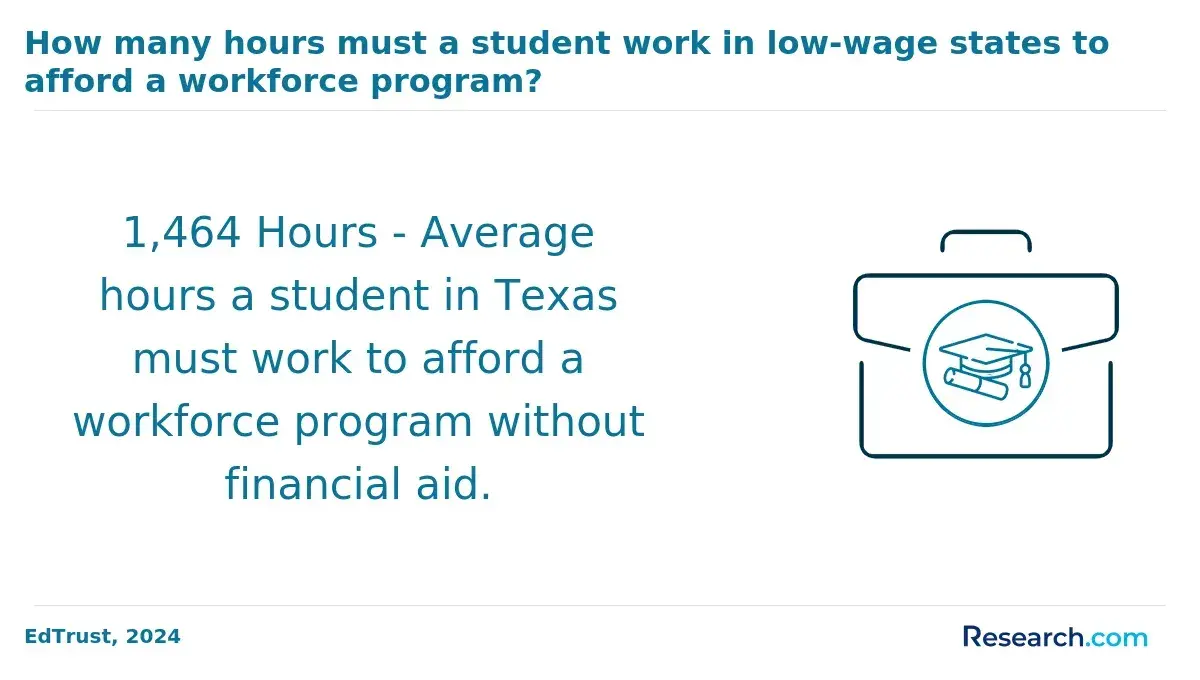
Cost is a major factor. The College Board reported in 2024 that published tuition and fees continued to rise across many sectors of U.S. higher education, which means doctoral students should compare total program price, not just per-credit tuition. Fees, residencies, dissertation continuation credits, travel, books, and technology costs can change the real cost of attendance.
Use the following framework to estimate whether the degree is financially reasonable for your career plan. These steps are more useful than relying on advertised salaries or rankings alone.
- Calculate the full program cost, including tuition, fees, residency travel, books, technology, and possible dissertation extension credits.
- Subtract employer tuition assistance, scholarships, grants, military benefits, or institutional discounts that do not require repayment.
- Estimate how long completion will take while working full time, including the dissertation or capstone stage.
- Compare your current compensation with realistic target roles in your region and institution type.
- Identify nonfinancial returns, such as eligibility for executive searches, faculty credibility, consulting opportunities, and long-term professional influence.
- Stress-test the plan by asking whether the degree would still be worthwhile if promotion takes longer than expected.
Students trying to reduce debt should compare affordable options early, especially if they work in public or nonprofit education settings where salary increases may be gradual. A good starting point is reviewing cheapest online EdD programs while still checking accreditation, doctoral support, and curriculum fit.
The best ROI often comes from aligning the dissertation or capstone with a problem your employer already values. If your research helps improve retention, streamline assessment, support accreditation, improve online learning quality, or strengthen enrollment strategy, the program can create career evidence before graduation.
How Should Students Choose the Best Online Higher Education Doctorate Program for Executive Career Goals?
Students should choose an online higher education doctorate by starting with the role they want, then working backward to the degree type, curriculum, faculty expertise, delivery model, cost, and support structure that best match that goal. The best program for a future provost may not be the best program for a student affairs executive or learning technology leader.
Before applying, compare programs across the factors below. This process helps prevent common mistakes such as choosing based only on prestige, speed, or low tuition without checking leadership fit.
- Accreditation and employer recognition: Confirm the institution is regionally accredited and ask trusted leaders in your target field how the program is perceived.
- Degree type: Choose an EdD for applied leadership and a PhD for research-intensive, faculty, or policy-oriented goals.
- Curriculum fit: Look for coursework in higher education law, finance, governance, strategic planning, assessment, equity, data use, and organizational change.
- Research model: Decide whether a traditional dissertation, applied dissertation, or capstone best supports your career story.
- Faculty alignment: Review whether faculty publish, consult, or lead in areas connected to your intended specialization.
- Online structure: Check asynchronous expectations, live class times, residencies, cohort model, dissertation supervision, and maximum time to completion.
- Career support: Ask about alumni outcomes, executive mentoring, professional associations, leadership practicums, and dissertation-to-career support.
- Total cost: Compare net price after aid, not just tuition per credit, and consider whether lower-cost institutions still provide strong doctoral advising.
Affordability should be part of the decision, especially for students balancing family obligations, full-time work, and possible loan repayment. If minimizing education costs is a priority across degree levels, resources on the cheapest online college options can help you understand how online affordability varies by institution and program model.
Ask admissions counselors specific questions before enrolling. Strong programs should be able to answer clearly, not only describe flexibility or prestige in broad terms.
- What senior-level roles have recent graduates pursued, and how does the school track outcomes?
- How are dissertation or capstone chairs assigned, and what support is available if a student falls behind?
- Can working professionals use their current workplace as a research or capstone site?
- How many campus visits or synchronous sessions are required, and when are they scheduled?
- What happens if the dissertation takes longer than the standard plan, and what fees apply?
- How does the program prepare students for executive communication, budgeting, policy, and organizational change?
The strongest choice is the program you can complete, afford, and explain convincingly to future employers. If the degree type, curriculum, research project, and network all point toward your desired senior role, the doctorate is more likely to function as a strategic investment rather than an expensive credential.
Other Things You Should Know About Higher Education
Yes, it can be respected when the institution is regionally accredited, the curriculum is rigorous, and the graduate can show relevant leadership experience. Employers usually focus more on accreditation, program relevance, work history, and evidence of impact than on whether courses were online.
Not always, but many college presidents hold doctorates, especially in academic institutions where faculty governance and scholarly credibility matter. Some presidents come from law, business, government, fundraising, or nonprofit leadership backgrounds, so requirements vary by institution and search committee.
Many online higher education doctorates take about three to five years, depending on transfer credits, course load, dissertation or capstone progress, and whether the student studies part time or full time. The research phase is often the biggest source of timeline variation.
Yes, many programs are designed for full-time professionals, but the workload is still demanding. Students should plan for weekly reading, writing, research, group work, and faculty meetings, plus heavier time commitments during comprehensive exams, dissertation proposal development, and final research completion.
- PhD holders' skills: a closer look https://doctorat.gouv.fr/en/after-a-phd/phd-holders-skills/
- DIGITAL COMPETENCES OF UNIVERSITY GRADUATES https://www.ht.csr-pub.eu/index.php/ht/article/download/93/80
- The Need of Accreditation in Online Degree Programs https://www.onlinecu.in/blog/cu/the-importance-of-accreditation-in-online-degree-programs.php
- What Is AI Literacy and How a Doctorate in AI Fits the Path? https://imetworldwide.com/blogs/dba-vs-phd-which-pays-more-in-2026/
- The Financial Perks of Earning a Doctoral Degree https://realprofessors.org/the-financial-benefits-of-earning-a-phd-over-your-lifetime/
- Online PhD: Revolutionizing Education or a Risky Gamble? https://onlinecourses.rademics.com/blog-details
- Best Online PhD Programs in Education Leadership: Shaping the Future - 2026 - GTR Blogs | Career Guidance Articles https://gtracademy.org/blog/online-phd-programs-in-education-leadership/
- Understanding Academic Accreditation for Online Universities https://www.qahe.org/article/understanding-academic-accreditation-for-online-universities/
- Get Your Online Doctorate with Swiss International University: Flexible, Accredited, and Career-Boosting https://www.swissuniversity.com/post/get-your-online-doctorate-with-swiss-international-university-flexible-accredited-and-career-boos
- 13 Highest-Paying Doctoral Degrees in 2026 https://www.edumindslearning.com/blog/highest-paying-doctoral-degrees