2027 Best Online Counselor Education Degrees for Jobs

Co-Founder and Chief Data Scientist
Choosing the best online counselor education degrees for jobs is a complex challenge-the field demands programs that meet rigorous accreditation standards and provide practical experience aligned with real-world career outcomes. Prospective students often struggle to balance costs against long-term returns, especially when 65% of graduates report employment related to their counseling degree within six months. Additionally, robust student support infrastructure significantly influences success rates.
This article examines these critical factors-accreditation, curriculum quality, cost-effectiveness, career placement, hands-on training, and student services-to empower readers with a clear framework for evaluating online counselor education programs tailored to diverse professional goals and circumstances.
Key Things to Know About the Best Online Counselor Education Degrees for Jobs
- Accreditation by recognized bodies like CACREP ensures programs meet rigorous academic and ethical standards-key for licensure and employer recognition.
- Curriculum rigor varies-top programs combine theory, research, and supervised practice, boosting job readiness and skills application.
- Cost and return on investment matter-graduates from accredited online degrees often see average salary increases exceeding 20% within five years.
What Is a Counselor Education Degree, and What Can It Do for Your Career?
A counselor education degree prepares individuals with a comprehensive understanding of human development, ethical standards, and counseling theories-essential for effective mental health professionals, school counselors, or clinical supervisors. Defined by professional associations like the American Counseling Association, this discipline integrates both theoretical frameworks and applied competencies to support clients' mental, emotional, and behavioral well-being across various settings.
Key components of counselor education include:
- Foundational Knowledge: Topics such as human growth, multicultural counseling, psychopathology, and ethical practices.
- Theoretical Frameworks: Evidence-based models like cognitive-behavioral, person-centered, and family systems approaches.
- Applied Skills: Techniques including counseling methods, assessment, crisis intervention, and supervised practicum.
Unlike psychology or social work, counselor education is more focused on direct counseling methods and client engagement. Academic credentials span:
- Associate's Degrees: Offering foundational knowledge for paraprofessional roles or pathway opportunities.
- Bachelor's Degrees: Preparing students for graduate counseling programs or supportive roles.
- Master's Degrees: Typically required for professional licensure, specializing in areas like clinical mental health or school counseling.
- Doctoral Degrees: Targeted at leadership, research, supervision, and advanced clinical practice.
This guide highlights the best online counselor education degrees for career advancement-specifically accredited online counselor education programs with practicum experience that accommodate working adults, veterans, and career changers. It offers a framework to evaluate programs based on accreditation, curriculum rigor, costs, job outcomes, and student support. For those seeking accelerated pathways, exploring one year masters programs can be especially valuable.
How Do Online Counselor Education Degree Programs Compare to Traditional Campus Programs?
When comparing online counselor education degree programs versus traditional campus programs, several critical dimensions emerge based on accreditation data and graduate outcome surveys. These factors help prospective students evaluate programs aligned with their career goals and life circumstances.
- Curriculum Depth and Rigor: Both online and campus programs accredited by bodies such as CACREP maintain rigorous, comparable curricula that prepare graduates effectively. Online offerings often replicate campus syllabi and assessments, ensuring parity in academic challenge.
- Faculty Qualifications: Accredited online counselor education degree programs versus traditional campus programs show equivalent faculty credentials and professional expertise-guaranteeing consistent instructional quality across formats.
- Student-Faculty Interaction: While campus programs allow immediate face-to-face engagement, quality online programs foster meaningful connections using synchronous video sessions and personalized feedback.
- Peer Collaboration: Online cohorts compensate for reduced casual interaction through structured virtual group projects and forums, sometimes supported by cohort models that build enduring peer networks.
- Clinical or Practicum Requirements: Hands-on clinical experience meets licensure board standards in both formats. Online students arrange local practicum placements coordinated by program partnerships-an approach validated as meeting or exceeding quality benchmarks.
- Employer Perception: Employers increasingly accept accredited online counselor education degrees as equivalent to campus ones, especially when licensure and practicum requirements are fulfilled-outcome data reveal similar employment rates.
- Structural Advantages: Online delivery offers flexibility vital for working adults, caregivers, military veterans, or those without access to campus facilities-eliminating relocation and commuting burdens without sacrificing program quality.
- Addressing Limitations: Recognized challenges in face-to-face contact and hands-on practice are offset by technology-enhanced platforms, periodic on-campus intensives, and robust advising systems adopted by leading programs.
For those seeking flexible yet credible pathways, understanding differences in career outcomes between online and campus counselor education degrees is key. Working adults and remote learners can explore colleges with accelerated psychology programs offering strong online counselor education options that meet licensure requirements and professional standards.
What Are the Accreditation Standards That Define a Reputable Online Counselor Education Degree?
Accreditation remains a vital marker for identifying credible online counselor education programs-ensuring quality standards recognized by employers, licensing boards, and graduate schools. In the U.S., two main accreditation types matter:
- Regional Accreditation: This institutional accreditation is broadly respected and granted by agencies such as the Middle States Commission on Higher Education, the Higher Learning Commission, and the Southern Association of Colleges and Schools. It confirms that the entire institution meets high academic and administrative standards, safeguarding the value of all degrees earned there.
- Programmatic Accreditation: For counselor education specifically, the Council for Accreditation of Counseling and Related Educational Programs (CACREP) is the primary accreditor. It evaluates counseling programs based on curriculum quality, faculty qualifications, and clinical training, often being essential for state licensure eligibility and certification.
Choosing an unaccredited or poorly accredited online counselor education program can lead to serious setbacks-such as difficulties obtaining professional licensure, limited transferability of earned credits, and diminished employer recognition, which can hinder career advancement.
Prospective students should verify a program's accreditation status through trusted sources. The U.S. Department of Education's Database of Accredited Postsecondary Institutions and Programs (DAPIP) provides a reliable, searchable list of recognized accreditors and accredited schools. Likewise, the Council for Higher Education Accreditation (CHEA) offers a comprehensive directory that helps confirm institutional and program legitimacy.
No matter how appealing lower tuition or convenience might be, accreditation should be your baseline requirement when comparing online counselor education programs-it protects your investment and supports your career aspirations.
Which Types of Counselor Education Degrees Are Available Online-Bachelor's, Master's, or Doctoral?
Exploring the various options for counselor education degrees can be a vital step for those considering a career in mental health, guidance, or therapy. With the increasing availability of online programs, students now have greater flexibility to pursue their educational goals. But which types of degrees are offered online, bachelor’s, master’s, or doctoral? Let’s take a closer look at the options available and what each entails.
- Associate's Degrees: These foundational programs are less prevalent in online counselor education degree options but serve as a launchpad for recent high school graduates or career changers seeking basic skills. They often lead into bachelor's completion programs that build specialized expertise.
- Bachelor's Completion Programs: Tailored for students with prior college credits or associate degrees, these typically require around two years to finish. They prepare graduates for entry-level positions in counseling support roles within human services or behavioral health, aligning with flexible career paths.
- Master's Degrees: Considered the standard for licensed counselors, these programs require a bachelor's degree and span 2-3 years. They include critical supervised clinical hours needed for licensure, enabling graduates to qualify for higher-paying and more stable professions like professional, school, or rehabilitation counseling.
- Doctoral Programs: Aimed at those seeking leadership, research, or academic careers, doctoral studies demand a master's degree and relevant professional experience. Over 3-6 years, students engage deeply in dissertation work, opening doors to faculty roles, clinical supervision, or policy advisory positions.
- Post-Baccalaureate Certificates: These credentials serve bachelor's degree holders wishing to specialize or fulfill prerequisite requirements efficiently. Credits often transfer into graduate degrees, creating stackable learning paths that reduce total time and cost.
- Academic Prerequisites and Profiles: Bachelor's completion programs accept high school diplomas plus some college, while master's require a relevant bachelor's degree. Doctoral candidates usually hold master's degrees plus practical experience. Students range from fresh graduates to working adults and veterans using education benefits, each choosing programs fitting their current stage and goals.
- Enrollment and Outcomes: Data from IPEDS show bachelor's completion and master's programs have strong enrollment and average 2-4 years to completion. Doctoral programs report lower completion rates due to rigor. Certificates typically take under a year, providing swift credentialing. Students pursuing online bachelor's master's and doctoral counselor education degrees benefit from stacking these credentials for efficient advancement.
For cost-conscious students targeting quality, exploring the cheapest masters degree options can balance investment with career returns.
What Is the Typical Cost of an Online Counselor Education Degree, and How Can You Finance It?
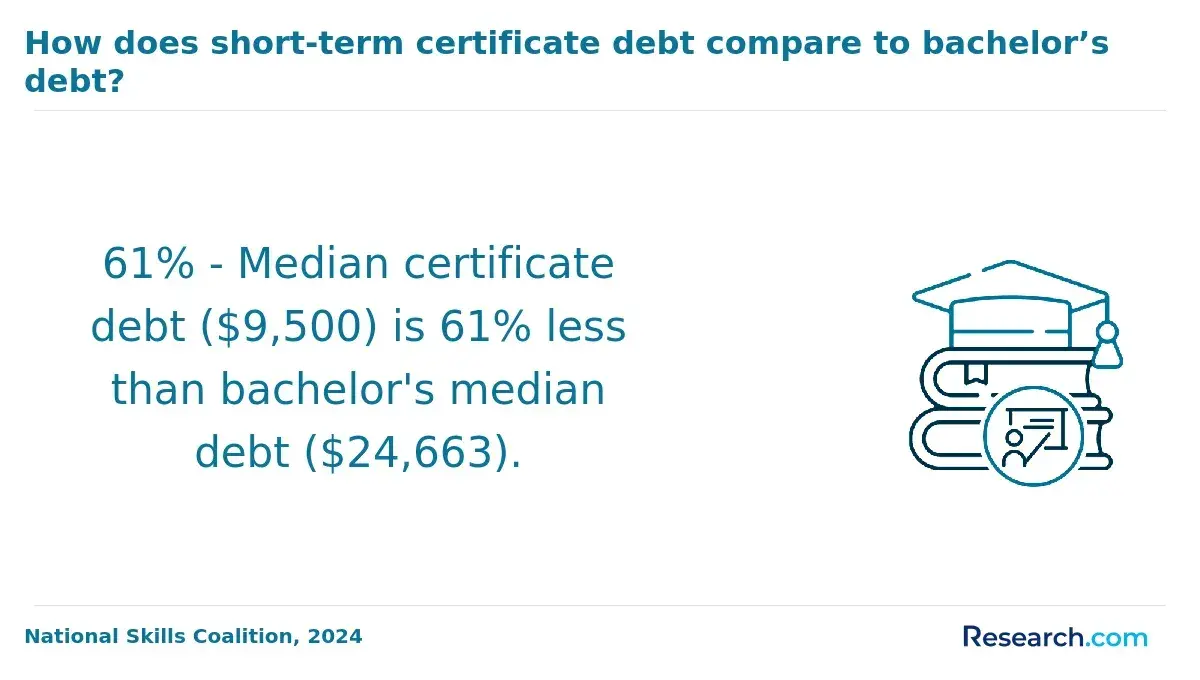
Tuition costs for online counselor education degrees vary considerably depending on the type of institution attended. Public in-state programs tend to be the most affordable-usually ranging from $6,000 to $15,000 for the entire course of study. Tuition for out-of-state public schools can be roughly double that amount, while private nonprofit universities often charge between $20,000 and $40,000. For-profit institutions may fall within a similar price range but can vary widely.
Beyond tuition, students should also account for additional expenses such as required fees, costs associated with technology platforms, and potential travel or lodging charges for on-campus residencies or practicum experiences. These extra costs can add hundreds or even thousands of dollars, making it vital to consider the total program cost rather than just per-credit rates when budgeting.
Financial aid options play a crucial role in making counselor education more accessible. Key federal resources include Pell Grants-which provide need-based, non-repayable aid for eligible undergraduates-as well as subsidized and unsubsidized federal student loans offering manageable repayment terms. Veterans and military families can benefit substantially from the GI Bill and related education programs that cover a significant portion of tuition and fees.
Scholarships designed specifically for counselor education students are another important aid source. These are often awarded by professional counseling organizations, state workforce development agencies, and individual colleges through merit-based programs. Early research and timely application for these scholarships can alleviate financial pressure.
To accurately assess the true cost of enrollment, prospective students should utilize tools such as the College Scorecard's net price calculator. This resource incorporates financial aid factors and personal circumstances, helping applicants compare net costs among programs before making commitments.
- Tuition Variation: Depends on whether the institution is public in-state, public out-of-state, private nonprofit, or for-profit.
- Additional Fees: May include technology fees, online course materials, and residency or practicum-related travel costs.
- Federal Aid: Pell Grants, federal loans, and GI Bill benefits are the primary sources of funding.
- Scholarships: Offered by counseling bodies, state agencies, and institutions, usually merit-driven.
- Cost Calculation: Consider total program cost rather than per-credit pricing.
- Financial Planning Tool: Use the College Scorecard's net price calculator to determine net cost.
How Long Does It Take to Complete an Online Counselor Education Degree Program?
The typical duration for completing online counselor education degrees varies widely by level and enrollment status. Associate's degrees generally require about two years of full-time study, providing foundational knowledge. Bachelor's programs tend to take around four years full time, although transfer credits can reduce this timeframe.
Master's degrees-often required for professional licensure-usually span two to three years full time, extending to four or more years with part-time study to accommodate working adults. Doctoral programs are more variable, often lasting three to seven years depending on research demands and pacing.
- Transfer Credits: Many programs accept transfer credits from accredited institutions, significantly shortening degree completion when prior coursework aligns with requirements.
- Enrollment Pace: Full-time enrollment accelerates progress, while part-time study offers flexibility but prolongs time to finish.
- Accelerated and Competency-Based Options: Several online counselor education programs offer year-round enrollment or competency-based advancement, enabling motivated students to complete degrees faster by demonstrating mastery rather than adhering to traditional semesters.
- Prior Learning Assessment (PLA): Credit for relevant professional experience-including military service-can reduce required study time in reputable programs.
- Program Time Limits: Maximum completion periods-often set at 150% of the published program length-are crucial due to financial aid satisfactory academic progress policies and accreditation standards, with consequences for exceeding these limits.
- Average Completion Times: Actual time to finish often surpasses advertised lengths, reflecting part-time study and external responsibilities; consulting program-specific data helps set realistic expectations.
What Core Curriculum and Coursework Should a Quality Online Counselor Education Program Include?
High-quality online counselor education programs adhere closely to curriculum standards established by accrediting bodies such as the Council for Accreditation of Counseling and Related Educational Programs (CACREP). These programs provide a sequenced curriculum that builds foundational knowledge before progressing to advanced, specialized skills, ensuring graduates develop a comprehensive and practical understanding of counseling.
Core curriculum components typically include:
- Theoretical Foundations: Covering counseling theories, human development, and multicultural competencies essential for effective client engagement.
- Clinical Skills and Techniques: Training in individual and group counseling approaches, assessment, diagnosis, and evidence-based interventions, often supported by simulated or real client experiences.
- Ethics and Professional Standards: In-depth study of ethical guidelines, legal responsibilities, and regulations that shape professional counseling practice.
- Research and Program Evaluation: Instruction on qualitative and quantitative research methods to critically evaluate counseling practices and contribute to continuous program improvement.
- Practicum and Internship Experiences: Supervised fieldwork where students apply theories and techniques in real-world professional settings under expert mentorship.
- Integration and Capstone Projects: Opportunities to synthesize learning through comprehensive projects or portfolios that demonstrate measurable competencies aligned with industry standards.
Graduates should demonstrate:
- Competency: The ability to apply culturally responsive counseling techniques and uphold ethical decision-making across diverse environments.
- Communication: Skills to establish therapeutic relationships and maintain accurate professional documentation.
- Lifelong Learning: Commitment to evolving practices through reflective self-assessment and ongoing professional development.
Leading programs maintain curriculum relevance through regular review cycles involving advisory boards of industry experts and alumni-integrating emerging methodologies like telehealth counseling and adapting to evolving licensure requirements. For instance, remote mental health service delivery has grown significantly, prompting curriculum adjustments since 2020.
Prospective students should request sample course sequences, syllabi, and detailed curriculum outcome maps from programs to verify rigor and relevance beyond marketing claims. Notably, online enrollment in counselor education programs increased by 20% between 2019 and 2023, underscoring the importance of discerning program quality in a growing market.
Which Online Counselor Education Programs Offer the Best Return on Investment for Working Adults?
Working adults pursuing online counselor education programs should focus on public universities with affordable tuition and robust employer connections-these factors strongly influence the program's return on investment (ROI). By targeting institutions with competitive costs and verified post-graduation outcomes, students can ensure a meaningful financial and professional payoff.
- Program Cost: Many public universities offer in-state tuition reciprocity agreements, allowing students from neighboring states to access reduced rates. This can significantly lower overall expenses for working adults balancing education and career demands.
- Employment Outcomes: Leading programs report employment rates often above 85% within a year of graduation, reflecting strong industry ties and effective career preparation.
- Median Earnings: Evaluating median salaries at six and ten years post-enrollment provides a better understanding of sustained financial benefits, key to assessing ROI beyond immediate job placement.
- Loan Default Rates: Programs with below-average loan default rates typically equip students for gainful employment and manageable debt repayment.
- Employer Tuition Reimbursement: Many working professionals can reduce their net education costs by leveraging tuition assistance through their employers, improving ROI by lowering out-of-pocket spending.
- Scholarship and Financial Aid Availability: Target programs offering scholarships specifically for online or working adult learners to ease financial burdens and maximize return on investment.
- Accreditation and Curriculum Rigor: Accreditation by bodies such as CACREP ensures high academic standards, which correlate with better licensure success and job prospects.
- Student Support and Practical Experience: Robust student services and integrated internships or practicum components strengthen job market readiness and competitiveness.
Prospective students evaluating the best online counselor education programs should look beyond traditional rankings and examine program-specific outcome data, including employment rates and long-term median earnings. A data-driven approach-similar to analyses used to identify the best degrees for stay-at-home moms-can guide career-focused professionals toward the highest ROI options.
Such thorough assessment enables recent high school graduates, military veterans, and adults seeking career changes to select programs aligned with their goals and financial realities, ensuring that their investment in earning an online counselor education degree delivers lasting value.
What Admissions Requirements Do the Top Online Counselor Education Programs Typically Require?
Admissions requirements for competitive online counselor education programs balance strong academic standards with diverse student needs. These criteria vary widely across program tiers, from open-enrollment community colleges to highly selective research universities offering graduate degrees in counselor education.
Common requirements for graduate counselor education degree entry include:
- Minimum GPA: Most selective programs mandate an undergraduate GPA around 3.0 on a 4.0 scale. Some prestigious institutions may require higher thresholds or evaluate academic trends alongside GPA.
- Standardized Tests: While many programs have adopted test-optional policies-no longer requiring GRE or similar exams-some still request GRE scores, especially for competitive admissions.
- Letters of Recommendation: Typically two to three letters-from academic instructors or professionals-are required, emphasizing communication, empathy, and critical thinking relevant to counselor education.
- Personal Statement: Applicants submit a written statement articulating their motivations, career goals, and relevant experiences to demonstrate fit for the program and field.
- Professional Experience: Although not always mandatory, many programs prefer candidates with counseling-related work or human services experience, especially involving diverse or mental health populations.
- Prerequisite Coursework: Applicants lacking background in counselor education or related fields often need prerequisite classes in psychology, human development, or counseling fundamentals before starting graduate-level work.
Applicants should assess program requirements carefully-open-access community college programs typically have minimal prerequisites and open enrollment, benefiting newcomers and those seeking foundational credentials. In contrast, top-tier master's programs require stronger academic records and comprehensive applications.
Admissions criteria, including test policies and GPA minimums, frequently evolve-so prospective students pursuing an online counselor education program admission criteria should contact admissions advisors directly to access the latest information and determine the best fit for their background and career goals.
For those exploring career opportunities after completing their degree, it is valuable to research options such as high-paying jobs with environmental science degree, illustrating the importance of aligning educational goals with strong outcomes.
What Career Paths and Job Titles Are Available to Online Counselor Education Degree Graduates?
Graduates of online counselor education degree programs enter a multifaceted workforce with roles ranging from entry-level to specialized and leadership positions. Those holding a bachelor's degree typically start in supportive roles like behavioral health technician or case management assistant-positions based in community organizations, schools, and social services that emphasize client interaction and care coordination under supervision.
- School Counseling: Master's degree holders with appropriate certification often work as school counselors focused on academic guidance, personal development, and career planning for students. Licensure and graduate training are prerequisite for this pathway.
- Mental Health Counseling: Advanced degrees qualify graduates for licensed professional counselor roles, providing therapy, crisis support, and psychological evaluations in clinics, hospitals, and private practice. This career demands state credentials and supervised clinical experience.
- Career Counseling and Workforce Development: Counselors may specialize in vocational guidance-assisting clients with job transitions, skill assessment, and career growth-primarily within government, nonprofits, or corporate HR sectors.
- Rehabilitation Counseling: This specialization serves individuals with disabilities aiming for greater independence, typically requiring graduate degrees and certification, and employment in rehabilitation centers, healthcare facilities, or government agencies.
- Leadership and Educational Roles: Experienced graduates with higher degrees often advance to managerial, program coordination, or instructor roles in education institutions, mental health organizations, or nonprofits, emphasizing administrative duties and strategic program development.
- Research and Specialist Careers: Doctoral-level training opens pathways to faculty positions, clinical specialization areas such as trauma or addiction counseling, and research-focused careers.
- Career Transitions: Professionals from psychology, social work, or human services often leverage counselor education degrees to shift into counseling-specific roles by acquiring targeted certifications and practical experience.
Over five to ten years, graduates tend to progress from direct service positions to licensure and specialization, with opportunities to move laterally among sectors like education, healthcare, and nonprofit organizations. This career evolution enhances earning potential and expands professional influence within diverse community and organizational settings.
What Is the Salary Outlook for Professionals with an Online Counselor Education Degree?
The salary landscape for professionals with an online counselor education degree shifts based on degree attainment, experience length, specialized fields, and geographic location. Median annual earnings fluctuate between approximately $45,000 and $65,000, reflecting varied positions within counseling careers.
- Degree Level: Master's degree holders often earn between $50,000 and $60,000, while doctoral-level counselors-including PhDs and EdDs-typically command salaries above $70,000. Higher educational credentials tend to lead to leadership or specialized clinical roles with increased pay.
- Experience: Entry-level counselors usually start near $40,000 to $50,000 annually. With five to ten years of experience, salaries commonly exceed $60,000, and those with over ten years-especially in administrative positions-may surpass $75,000.
- Industry Sector: Earnings vary by work setting; private healthcare and corporate wellness programs often offer higher pay, sometimes more than $65,000 annually, compared to community-based or government counseling jobs.
- Geographic Market: Compensation tends to be higher in urban centers and states with elevated living costs such as California, New York, and Massachusetts, where median salaries stand well above the national average.
- Specialization: Fields like substance abuse counseling, marriage and family therapy, and rehabilitation counseling often come with distinctive pay scales. Licensure and clinical expertise in these areas may increase salary prospects.
- Certifications and Credentials: Professional certifications-such as Licensed Professional Counselor (LPC), National Certified Counselor (NCC), or Certified Clinical Mental Health Counselor credentials-typically enhance earning potential. Graduates should pursue required state licensure and nationally recognized credentials to boost salary growth after completion of their degrees.
- Salary Projections: The field is projected to experience steady growth with moderate salary increases driven by ongoing demand in mental health and education sectors. Since compensation data evolves, it is advisable to review up-to-date statistics from BLS and current industry surveys rather than depending on fixed numbers.
What Graduates Say About the Best Online Counselor Education Degrees for Jobs
- Nathanael: "The accreditation standards were a crucial factor for me when selecting an online counselor education degree-knowing that my program met rigorous national criteria gave me confidence in the quality of my education. The curriculum was challenging yet highly relevant, pushing me to develop both theoretical knowledge and practical skills. Plus, the strong career outcomes I've seen among graduates make it clear that investing in a well-accredited program pays off in the job market."
- Russell: "Reflecting on my experience, the curriculum rigor truly set the best counselor education programs apart-each course demanded critical thinking and practical application, preparing me thoroughly for real-world challenges. Student support infrastructure was another highlight; having access to advisors and peer networks helped me stay motivated and succeed remotely. The combined support and academic challenge made completing the degree both rewarding and manageable."
- Jose: "Cost and return on investment were my primary concerns when choosing my online counselor education degree-finding a program that balanced affordability with strong career support was key. I was impressed by the practical experience requirements, which ensured I gained hands-on skills through internships and supervised training. This blend of affordability and applied learning gave me peace of mind that my degree would open doors professionally-and it truly has."
Other Things You Should Know About Counselor Education Degrees
The top online counselor education programs emphasize developing strong interpersonal and communication skills. Graduates typically gain competencies in ethical decision-making, assessment techniques, counseling theories, and culturally responsive practices. Programs also focus on critical thinking and crisis intervention to prepare students for diverse clinical situations.
In 2027, top-rated online counselor education degrees emphasize flexible learning schedules, diverse specialization tracks, and robust support for virtual internships. These programs partner with accredited organizations and provide interactive platforms to ensure comprehensive training, preparing graduates effectively for the counseling profession.
Most accredited online counselor education programs require students to complete supervised practica or internships locally. Schools typically assist students in finding placements that meet state licensure requirements. These hands-on experiences are crucial-helping students apply theoretical knowledge while accumulating clinical hours that are mandatory for certification or licensure.
Strong online counselor education programs offer comprehensive support services including academic advising, career counseling, and technical assistance. Additionally, many provide virtual peer groups, professional development workshops, and access to faculty mentors. These resources facilitate networking-connecting students with professionals and alumni to enhance career prospects.
References
- Counselor Salary https://onlinecounselingprograms.com/become-a-counselor/salary/
- Mental Health Counselor Salary and Career Outlook https://teach.com/online-ed/counseling-degrees/online-masters-mental-health-counseling/careers-and-salary/
- Cheapest Counseling Degree Online: What Students Should Consider https://www.e-counseling.com/articles/cheapest-counseling-degree-online-what-students-should-consider/
- Accredited Online Counseling Degrees | Compare Programs https://www.accreditedonlinecolleges.org/counseling/
- 5 jobs you can do with a Ph.D. in Counselor Education - Insight Digital Magazine https://www.thechicagoschool.edu/insight/career-development/5-jobs-you-can-do-with-a-ph-d-in-counselor-education/
- Best Online Counseling Degree Programs 2025 https://www.psychology.org/rankings/best-online-counseling-programs/
- CACREP Accredited Online Counseling Programs (Master's) https://www.onlineeducation.com/counseling/faqs/cacrep-accredited-online-counseling-programs
- About CACREP - CACREP https://www.cacrep.org/about-cacrep/
- Online Counseling Degrees: Top Programs, Tuition & More https://www.edumed.org/online-schools/counseling-degrees/
- Accreditation and License Eligibility | Online Counselor Education https://onlinecounselored.tcnj.edu/about/accreditation-and-licensure/