2027 Best Online College Programs for Adults Returning to College

Co-Founder and Chief Data Scientist
Returning to college means choosing a program that fits both your career goal and the time you can realistically give it. The decision matters: U.S. Bureau of Labor Statistics (BLS) data show that workers with a bachelor's degree had median weekly earnings of $1,543 in 2024, compared with $930 for workers whose highest credential was a high school diploma. Those are broad averages, not promised returns from any program.
This guide compares online options for working adults, including master's fields and other credentials, and shows how to check scheduling, credit policies, costs, and career requirements before enrolling.
Key Things You Should Know
- For adults who already hold a bachelor's degree, the strongest master's option depends on the target role: an MBA may support advancement, while teaching, nursing, and social work require closer checks of licensure and fieldwork.
- A bachelor's degree commonly requires about 120 semester credits; a master's program often requires roughly 30-60 graduate credits, depending on the field and prerequisites. Accepted transfer credit can change what remains.
- Compare total cost, not tuition alone. College Board figures for 2024-25 put average published tuition and fees at $11,610 for in-state public four-year study and $43,350 at private nonprofit four-year institutions; neither figure is a quote for an individual online program.
Top 10 Best Online College Programs for Adults Returning to College
Business Programs
An online MBA or specialized master's in accounting, finance, or analytics can suit an adult seeking advancement or a career change. MBA curricula typically combine finance, operations, strategy, and leadership; specialized degrees go deeper in one area. Compare part-time course sequencing, group-project meeting times, prerequisite business coursework, and employer tuition assistance. An MBA does not by itself qualify someone for management. If your goal is accounting licensure, check your state's CPA education rules before choosing a curriculum; a business master's is not automatically a substitute for required accounting credits.
Healthcare Programs
Online master's programs in healthcare administration, health informatics, and public health serve different goals. Administration emphasizes operations and finance; informatics focuses on health data and systems; public health addresses population-level research and practice. Some programs require a practicum even when classes are online. Compare whether your experience meets admission expectations and whether placements fit your work schedule. These degrees can support healthcare careers, but they do not grant clinical authority to practice medicine, nursing, or another licensed profession.
Information Technology Programs
A master's in information technology, cybersecurity, or information systems may fit experienced workers moving toward systems leadership or a technical specialty. Look for hands-on labs, current infrastructure and security coursework, and a schedule compatible with your job. Some programs accept applicants from other fields but require foundation courses, which add time and cost. A degree can complement certifications and experience; it does not replace the practical skills employers may test in hiring.
Computer Science Programs
An online computer science master's typically emphasizes algorithms, software systems, and advanced electives. It suits adults who want deeper technical preparation, but applicants without programming and mathematics prerequisites may need additional coursework. Check whether the program includes a thesis, capstone, or substantial projects, and whether group work requires live meetings. If your aim is to enter software development quickly, compare the master's against a bachelor's completion program or focused coursework rather than assuming the higher credential is the best starting point.
Nursing Programs
Online MSN programs commonly serve licensed registered nurses pursuing advanced practice, education, or leadership. Admission and clinical requirements vary by track; an RN-to-MSN bridge may have different eligibility rules from a standard MSN. Advanced practice tracks generally require supervised clinical hours and lead to separate certification and state licensure steps. Before applying, confirm your state's authorization rules, whether local placements are permitted, and who secures preceptors. Online coursework does not make clinical training remote.
Psychology Programs
An online psychology master's can support research, organizational work, or preparation for further study, depending on its curriculum. It is not interchangeable with a clinical or counseling licensure pathway. Adults considering therapy should identify the exact occupation and state license first, then verify required accreditation, supervised experience, and whether the program's coursework meets board rules. Thesis and research-methods requirements also matter if a doctorate is the longer-term goal.
Education Programs
An online master's in education can help practicing teachers specialize in curriculum, instructional design, or school leadership. A program intended for current teachers may not provide an initial teaching license. Adults changing careers should seek a state-approved preparation pathway and confirm student-teaching arrangements, background checks, and testing requirements. Working teachers should ask whether classes and field assignments fit their school calendar and whether a degree will affect pay under their district's contract.
Criminal Justice Programs
An online master's in criminal justice or criminology may suit professionals interested in policy, analysis, administration, or research. Compare programs by method training, electives, and capstone requirements rather than assuming they prepare students for the same roles. Many law enforcement positions have separate academy, physical, background, and experience requirements. If your goal is a specific agency role, review its hiring standards before paying for a graduate credential.
Engineering Programs
Online engineering master's programs offer specialization for adults with relevant technical preparation, but laboratory, project, or occasional campus requirements may apply. Admission often depends on undergraduate mathematics and engineering coursework; a related bachelor's degree may not cover every prerequisite. Choose a specialty that matches the work you want to do and confirm how projects can be completed while employed. If professional engineer licensure is your goal, investigate your state board's education and experience rules separately.
Social Work Programs
An online MSW is a practice-oriented path that commonly includes substantial, supervised field education at an approved site. Programs may offer advanced standing to eligible graduates of accredited bachelor's social work programs; that shorter route is not available to every bachelor's degree holder. Check Council on Social Work Education accreditation, placement support, and your state's clinical licensure rules. A fully online classroom schedule may still be difficult to combine with full-time work if field hours occur during business hours.
What are the best online college programs for adults returning to college?
There is no single best online college program for every returning adult. The best fit is an accredited program that leads toward your intended role, accepts applicable prior credit, and offers a schedule and total cost you can sustain. Adults without a bachelor's degree should first compare bachelor's completion programs and relevant certificates; those who already have one can assess whether a master's adds necessary skills or eligibility.
The comparison below separates career goals that are often grouped together. It also highlights why the most convenient online option may not be the right credential.
| Goal | Option to compare | Critical fit check |
| Finish an undergraduate degree | Online bachelor's completion program | Which previous credits satisfy degree requirements? |
| Advance in a current field | Relevant professional master's | Does the curriculum add skills your target roles use? |
| Enter a regulated profession | Approved licensure pathway | Will it meet your state's education and placement rules? |
| Build a narrower skill set | Certificate or individual courses | Will the credential meet the employer's requirement? |
For location-independent work, compare the skills and experience employers seek alongside lists of degrees for remote jobs. An online degree does not make the resulting job remote.
How do you choose an accredited online college program as an adult learner?
Start with institutional accreditation and then check any program approval your target occupation requires. Accreditation is necessary for many aid and professional pathways, but institutional accreditation alone does not establish that a nursing, teaching, counseling, or social work program meets your state's rules.
A short verification sequence can prevent expensive enrollment mistakes. Request answers for the specific program and your applicant status, not just general university policies.
- Confirm institutional accreditation and, where relevant, programmatic accreditation or state approval.
- Ask for a written evaluation showing which prior courses apply to general education, the major, electives, or graduate requirements, and which credits must be completed at the school.
- Check required live sessions, course deadlines, campus visits, placements, part-time availability, and when required courses are offered.
- Obtain a program-specific estimate covering remaining tuition, mandatory fees, books, travel, and placement expenses.
Veterans and military families should also compare applicable benefits, credit evaluation policies, and support at online military friendly colleges. Military training receives academic credit only when the institution evaluates and accepts it toward the chosen program.
What online degrees and certificate programs offer the strongest career pathways?
The strongest pathway is the least additional education that credibly meets the job's requirements. A certificate may help an experienced worker add a discrete skill. A bachelor's completion program can open roles requiring that credential. A master's is more compelling when it supplies specialized preparation, supports a documented advancement goal, or forms part of a licensure pathway.
Compare job postings for your target occupation with program courses and required experience. Guides to the best degrees to make money can suggest fields to investigate, but occupational pay is not a forecast of your earnings. Healthcare and technology roles, for example, differ sharply in licensing, practical training, and entry routes.
Are online college programs better than campus programs for adult students?
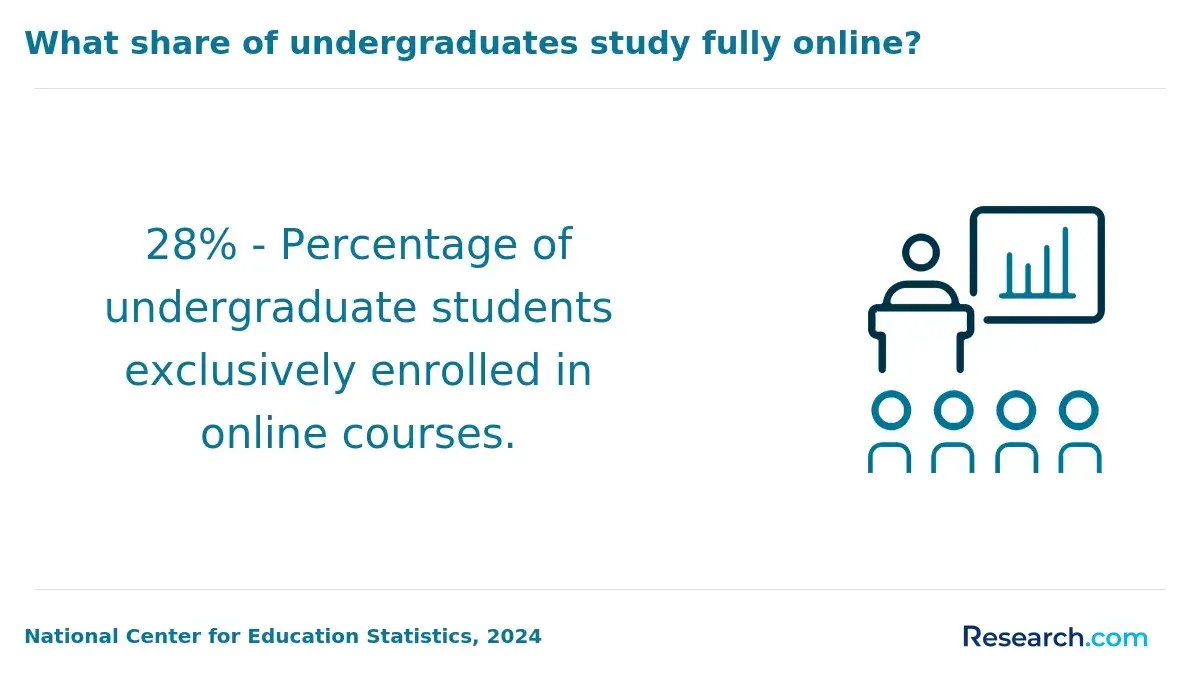
Online study is often better for an adult who cannot regularly travel to campus, but it is not automatically more flexible. Asynchronous classes allow students to access instruction at different times while retaining deadlines; synchronous classes require attendance at scheduled times. Some online programs also require labs, residencies, clinical work, or field placements.
Campus or hybrid study may be preferable if you need hands-on facilities, in-person instruction, or a local placement network. Compare the actual weekly timetable and travel requirements—not the delivery label—against your work and caregiving commitments.
What admission requirements do online colleges have for returning adults?
Requirements depend on the credential and program. Undergraduate applicants generally provide prior school transcripts; some programs also use placement or prerequisite coursework. Master's applicants normally need a bachelor's degree and may face field-specific prerequisites, recommendations, a statement of purpose, or professional experience. Nursing tracks may require an active RN license; other regulated pathways can have background checks or placement conditions.
Do not assume an institution's general admission policy governs a selective program. Ask whether a minimum GPA or standardized test applies to your track and whether missing prerequisites can be completed before or after admission.
How long do online college programs take and what do they cost?
Time depends on credits remaining, course load, sequencing, and experiential requirements. A typical bachelor's degree totals about 120 semester credits; master's requirements vary substantially by field. An advertised fast finish may assume accepted transfer credit, full-time enrollment, a prior credential, or advanced-standing eligibility. Compare accelerated claims—including one year masters programs—against the courses you personally would still need.
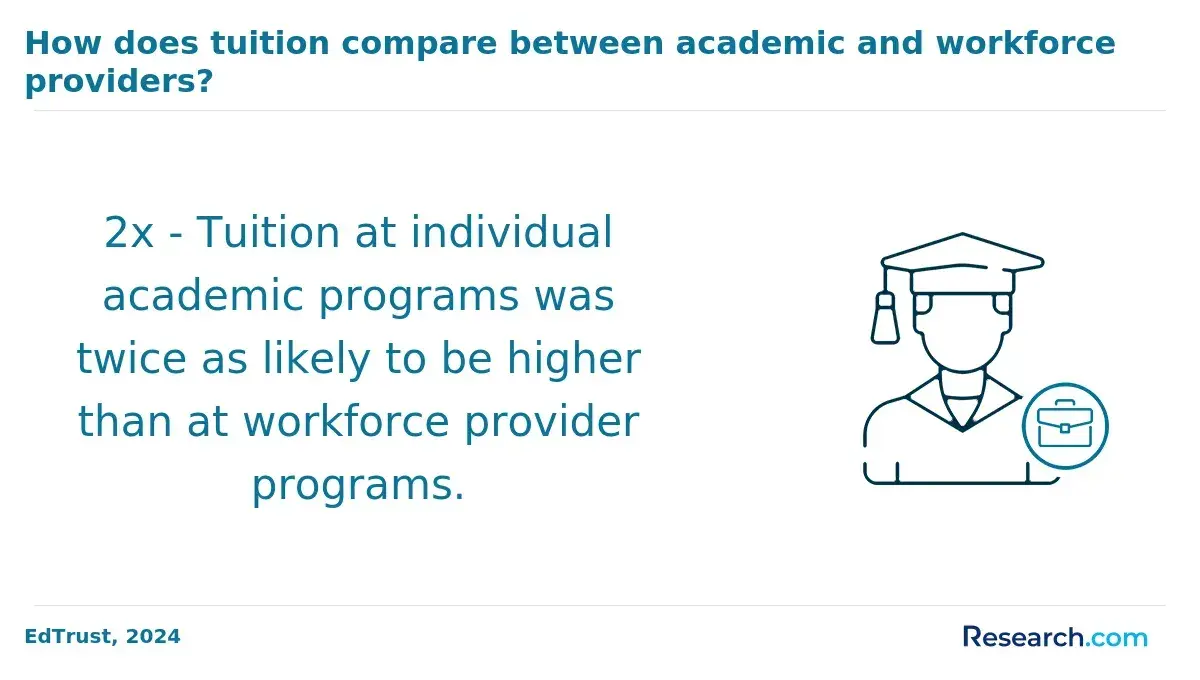
Published national averages give cost context, not a price for online attendance. College Board's 2024-25 average annual published tuition and fees for full-time undergraduates were:
- $11,610 at public four-year institutions for in-state students.
- $43,350 at private nonprofit four-year institutions.
Online rates, graduate tuition, aid, and fees can differ. Ask each school for the cost of your remaining credits plus mandatory charges, materials, travel, and required fieldwork. Compare that estimate with grants, employer assistance, and borrowing rather than choosing solely by per-credit tuition.
What courses and skills do online college programs typically include?
Many undergraduate programs combine general education, major courses, electives, and a final project or other culminating requirement. Master's programs usually concentrate on advanced field coursework and may add a thesis, capstone, internship, practicum, or clinical placement. Across formats, adults should expect to use research, writing, data interpretation, collaboration, and field-specific tools.
Review the course sequence—not just the catalog's topic list. A required course offered infrequently, a prerequisite taken first, or a placement with fixed hours can determine whether a program works alongside your job.
What jobs, salaries, and outlooks can online college graduates expect?
Career outcomes depend on the occupation, location, experience, and required credentials. As one benchmark, BLS reports a May 2024 median annual wage of $93,600 for registered nurses. That is the occupation's median across workers, not the expected salary of a new online-program graduate or evidence that an MSN raises pay to that level.
Use BLS occupation profiles to compare wages, projected employment change, and typical entry requirements for the precise role you want. Then check local postings: a degree may help you qualify to apply, while a license, portfolio, certification, or relevant experience may still be essential.
Which certifications or licenses do online college graduates need for employment?
Requirements vary by role and state. Registered nurses need state licensure; advanced practice nursing adds graduate preparation and other certification and licensure requirements. Public school teachers generally need state certification. Clinical social workers and many counseling professionals need qualifying education, supervised practice, and a license. Engineering roles that require a professional engineer license have separate board requirements.
Technology certifications can demonstrate particular skills, but employer preferences differ, and a certification is not the same as a professional license. Before enrolling, identify the exact job title and state where you plan to work, then confirm the program's eligibility information with the relevant licensing board or credentialing body.
Other Things You Should Know About
Possibly. The college must evaluate the courses and determine whether they meet current degree requirements, grade rules, and any limits on older coursework.
Delivery format alone does not establish quality. Check accreditation, curriculum, required practical work, and whether the credential meets the requirements of your target role.
Many adults do, particularly part-time, but scheduled classes, fixed deadlines, and field placements can restrict availability. Request a sample term schedule before enrolling.
Choose based on the job's entry requirements. A certificate may address a specific skills gap; roles requiring a bachelor's degree, professional preparation, or licensure usually need more.
References
- Types of Financial Aid: Grants, Work-Study, and Loans | studentaid.gov https://studentaid.gov/understand-aid/types
- Pathways to Credentialing | Commission - California https://www.ctc.ca.gov/aspiring-educators/roadmap-to-teaching/pathways-to-credentialing/
- Credit for Prior Learning - Ohio Department of Higher Education https://highered.ohio.gov/initiatives/access-acceleration/credit-for-prior-learning
- Adult Students | Federal Student Aid - Financial Aid Toolkit https://financialaidtoolkit.ed.gov/tk/outreach/target/adults.jsp
- College Credit for Military Training & Experiences | dantes.mil https://www.dantes.mil/credit4training/
- Cost of Attendance (Budget) | 2025-2026 Federal Student Aid Handbook https://fsapartners.ed.gov/knowledge-center/fsa-handbook/2025-2026/vol3/ch2-cost-attendance-budget
- Undergraduate and Graduate Tuition and Fees | Purdue Global https://www.purdueglobal.edu/tuition-financial-aid/undergraduate-graduate-tuition-and-fees/
- Transfer Credit Policy | sunyempire.edu https://sunyempire.edu/policies/transfer-credit-policy.html
- Transfer Credit Policies | Towson University https://www.towson.edu/admissions/undergrad/transfer/credit/policies.html
- Tuition and Fees Charts - Student Financial Services https://sfs.gsu.edu/resources/student-acct/tuition-breakdown/