2027 Best Degree Programs With Job Placement Support

Co-Founder and Chief Data Scientist
A career office can help you search for work, but it cannot promise you a job. That distinction matters when comparing master's programs that advertise "job placement support." The U.S. Bureau of Labor Statistics reported a 2024 median annual wage of $93,600 for registered nurses - an occupational figure, not a salary promised to nursing graduates. For career changers and professionals seeking advancement, this guide compares 10 program families by the support they should offer, the experience employers expect, and the questions that reveal whether a school's claims are useful.
Key Things You Should Know
- Prioritize programs that arrange relevant clinical placements, practicums, student teaching, or internships - not just access to a job board.
- Ask for the employment rate for your specific program, the survey response rate, the time after graduation measured, and the school's definition of "employed."
- Match support to the job you want: the Bureau of Labor Statistics' 2024 median wage for software developers was $133,080, but a computer science degree alone does not secure that role or wage.
Top 10 Best Degree Programs With Job Placement Support
Business Programs
MBA and specialized master's programs in accounting, analytics, or supply chain management often provide employer events, alumni introductions, interview preparation, and internship recruiting. Choose a program with employers hiring for your target function, not merely a large general career office. Ask whether part-time and online students can use the same recruiting services and whether internships are available to experienced students. Accounting candidates should also check state CPA education rules; an MBA alone does not qualify someone for every accounting credential or management position.
Healthcare Programs
Master's programs in public health, healthcare administration, and health informatics lead toward different work. Public health students may benefit from agency practicums; administration students may need health-system fellowships or projects; informatics students should seek experience with clinical workflows and data. Compare the school's placement partners and ask who secures a practicum. Healthcare employers may prefer prior clinical or operational experience, so career changers should not assume that a master's degree alone qualifies them for leadership roles.
Information Technology Programs
Master's programs in information technology, cybersecurity, and information systems often suit students pursuing infrastructure, security, or technical-management work. Useful support includes employer-sponsored projects, technical interview practice, and help translating prior experience into a portfolio. Ask whether internships are open to students who already work full time. Cybersecurity jobs may require hands-on experience, a background check, or employer-preferred certifications; a degree does not replace those requirements. Compare curriculum against the actual tools and responsibilities in target job postings.
Computer Science Programs
A master's in computer science may emphasize software engineering, artificial intelligence, systems, or research. For job preparation, look beyond a career portal: assess project depth, code-review opportunities, employer-facing capstones, and recruiting access for online students. Students without a computing bachelor's degree should check prerequisite and bridge coursework before comparing completion times or prices. A research-heavy program can be excellent preparation for further study but may be a weaker fit than an applied pathway for someone seeking immediate software-development work.
Nursing Programs
Master of Science in Nursing pathways can prepare licensed nurses for advanced practice, education, administration, or informatics. The strongest placement support helps students find suitable clinical sites or employer-connected projects and prepares them for role-specific hiring. Ask whether the school arranges preceptors or expects students to find them, including across state lines. Advanced practice roles require applicable certification and state licensure beyond graduation; prospective students should confirm that the program meets the requirements where they intend to work.
Psychology Programs
Psychology master's programs vary widely: some emphasize research, while counseling-oriented programs prepare students for supervised clinical training. Job support should match that purpose, whether through research placements, school partnerships, or assistance locating approved practicum sites. A general master's in psychology does not automatically qualify a graduate to practice as a licensed psychologist or counselor. Check the precise degree, program accreditation where relevant, supervised-hour requirements, and state licensing rules before treating any placement claim as evidence of professional eligibility.
Education Programs
Master's programs in education may serve current teachers seeking specialization or newcomers pursuing initial certification. District partnerships, supervised student teaching, and guidance through state credential applications are more relevant to classroom hiring than generic résumé workshops. Confirm whether the specific pathway leads to initial licensure, an added endorsement, or neither. Online coursework does not eliminate school-based fieldwork. Working teachers should also ask whether required placements can occur at their current school and whether the program's schedule fits the academic year.
Criminal Justice Programs
Master's programs in criminal justice, criminology, and public safety can support advancement or a move into research, policy, or administration. Look for agency-linked projects, analyst internships, and advisers who understand public-sector applications. Some roles require examinations, security clearances, sworn-service experience, or agency training that graduate study cannot replace. Ask for outcomes by job type rather than accepting a broad "criminal justice employment" figure, and consider whether a statistics or public-policy concentration better fits the work you want.
Engineering Programs
Engineering master's programs can deepen technical specialization or develop systems and project-management skills. Employer-sponsored design work, laboratories, co-ops, and discipline-specific recruiting are useful evidence of career support. A thesis may fit research goals; an applied capstone may better demonstrate workplace skills. Check laboratory attendance before choosing an online option. If professional engineering licensure is your goal, review state board rules and your undergraduate preparation: a master's degree by itself does not confer a Professional Engineer license.
Social Work Programs
A Master of Social Work typically includes supervised field education, making placement coordination central to career preparation. Ask whether the school finds placements, what settings are available locally, and whether employed students may use their workplace. Graduates interested in clinical practice must meet state-specific examination, supervised-experience, and licensing requirements after earning the degree. Applicants with a qualifying accredited bachelor's in social work may be eligible for advanced standing, but should confirm the remaining coursework and field requirements before assuming a shorter or less expensive path.
What degree programs offer the strongest job placement support?
The strongest job placement support is specific to the occupation: a school helps students obtain required experience, connects them with relevant employers, and reports outcomes they can evaluate. No field or service guarantees employment. This comparison shows what support is most valuable in several common master's pathways.
| Program pathway | Most valuable support to verify | Important limitation |
| Nursing and social work | Clinical or field-site coordination and licensing guidance | Graduation may not complete licensure requirements |
| Education | Student-teaching placements and district recruiting | Certification rules vary by state and pathway |
| Business and technology | Relevant internships, employer projects, and recruiting access | Access to employers is not an offer of employment |
| Research-oriented programs | Faculty projects and connections to research employers | Some target roles require further study |
Favor programs that explain who arranges placements, which students can participate, and what happens if a placement falls through. A small program with dependable local partners may serve your goal better than one advertising a large national employer network.
How do you verify accreditation and job placement claims?
Accreditation establishes whether a school or program meets an applicable external standard; it does not prove that graduates get hired. Institutional accreditation matters for a degree's recognition and federal aid eligibility. Programmatic accreditation can be essential in fields such as nursing, social work, counseling, and teacher preparation, depending on the credential and state.
Before paying a deposit, verify claims in this order:
- Check the institution in the U.S. Department of Education's accreditation database and confirm that any required programmatic accreditation covers your exact program and campus or delivery format.
- Ask the relevant state licensing board whether graduates of the pathway can pursue the license where you plan to work.
- Request program-level employment results, including the graduating class, response rate, measurement date, job definitions, and whether results include students already employed before enrollment.
- Ask the school to put internship eligibility, placement responsibilities, and career-service access for online or part-time students in writing.
Be cautious of an unexplained "placement rate," especially if the school will not say whether unrelated jobs count.
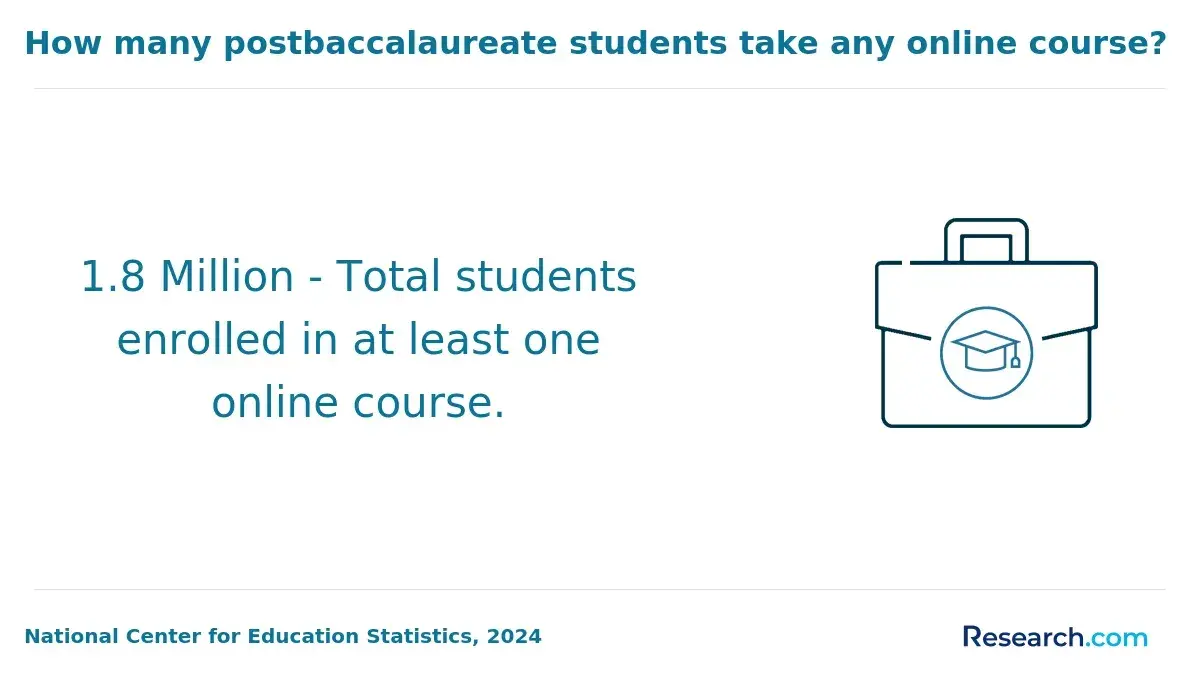
Which degree and certificate pathways lead to in-demand careers?
Match the credential to the job requirement before comparing schools. Nursing practice, licensed social work, and many teaching roles have formal educational and state requirements. Software development, business analysis, and some IT roles may offer multiple routes, but employers still evaluate demonstrable skills and experience.
A master's degree makes the most sense when it provides required professional preparation, a meaningful specialization, or recruiting access you cannot obtain more efficiently. If you need an entry-level credential instead, compare a certificate, apprenticeship, or associate degree against the job postings you intend to pursue. Advertisements for a best associate degree in 6 months online deserve particular scrutiny: ask what prior credits and enrollment load the advertised timeline assumes.
Are online or campus-based programs better for career preparation?
Neither format is automatically better for career preparation. Online study can expand access to a specialized program, but scheduled classes, fixed deadlines, laboratory sessions, and local placements can still limit flexibility. Campus study may make in-person recruiting and laboratory work easier, while adding travel and scheduling costs.
Compare the career experience, not just the course format: Can remote students attend employer events and interviews? Will the school help arrange an internship near you? Are required visits affordable? Students balancing caregiving may also find the scheduling questions in guides to college programs for moms useful. Confirm the answers for the specific master's program rather than relying on university-wide online-learning claims.
What coursework and hands-on experiences improve employability?
Employability improves when students can show work that resembles the target job. Depending on the field, that may mean supervised clinical practice, student teaching, an engineering design project, a software portfolio, or an employer-sponsored business analysis. Coursework should build the technical knowledge needed to complete that work, while feedback and presentation practice help students explain it to hiring managers.
Ask to see recent capstone topics and placement settings. A common mistake is choosing a concentration for its appealing name without checking whether its projects produce evidence of the skills in relevant job postings. Keep examples of your work where confidentiality rules permit.
What are the admission requirements for career-focused programs?
Master's applicants generally need a bachelor's degree, but eligibility varies by program. Computer science may require programming and mathematics prerequisites; advanced nursing pathways generally require an appropriate nursing background and license; advanced-standing social work requires qualifying prior social work education. Some programs also consider a statement, recommendations, work experience, an interview, or standardized tests.
Ask admissions staff to distinguish university admission from admission to the specialization or clinical track. If prerequisite courses are needed, request their cost and sequencing before accepting a quoted completion time. Prior employment may strengthen an application without earning academic credit or waiving required coursework.
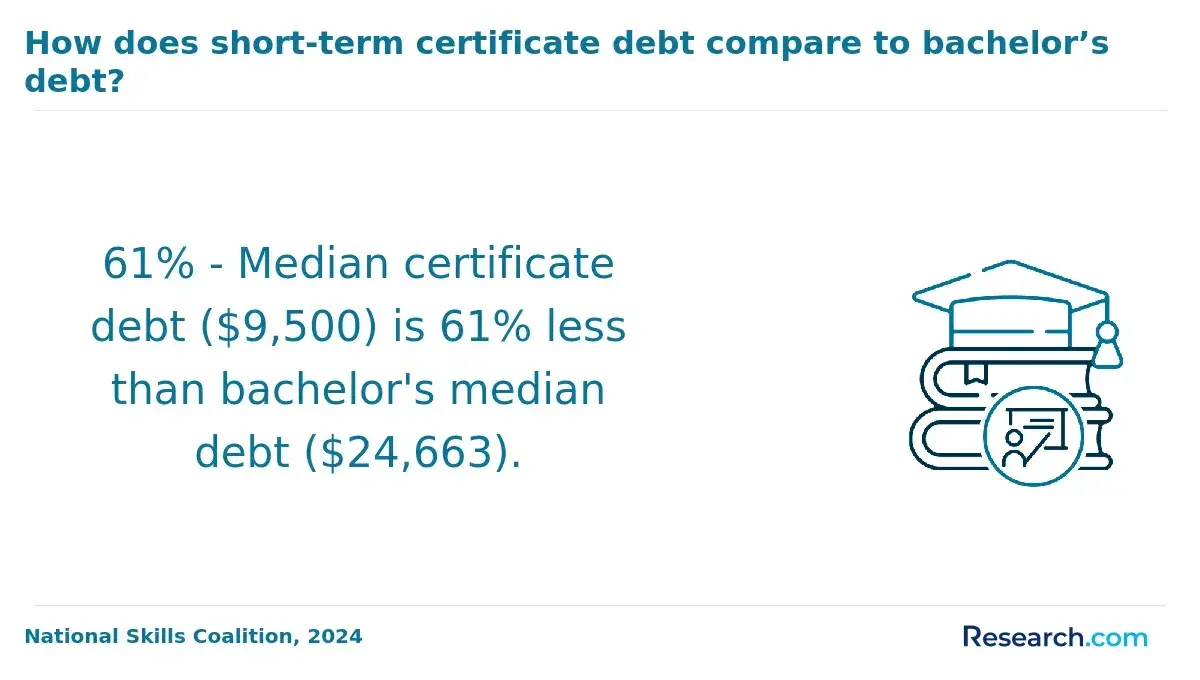
How long do these programs take, and what do they cost?
Completion time and total cost depend on required credits, enrollment pace, prerequisite courses, course availability, and fieldwork. A tuition-per-credit quote excludes possible technology, laboratory, clinical, travel, and graduation charges. For a useful comparison, request a written estimate of all remaining requirements and charges for your circumstances, including whether required placements could reduce paid work hours.
Ask whether eligible graduate coursework can transfer and how it applies to the degree; acceptance as elective credit may not shorten the program. Compare grants, employer assistance, and federal aid eligibility before borrowing. If your career goal actually requires a doctorate, compare its full cost and licensing value separately rather than assuming a master's is a necessary stepping-stone; information on cheapest doctoral programs can help frame that separate decision.
What jobs and salaries can graduates expect after completion?
Evaluate outcomes against your likely starting point. A career changer should ask how many graduates entered the field without prior experience; an employed professional should ask about advancement rather than entry-level hiring. If work setting matters as much as pay, research role-specific conditions alongside salary - for example, guides to jobs for introverts that pay well can prompt better questions about collaboration and client contact.
Which licenses and certifications do graduates need for employment?
A degree and permission to practice are separate things. Nursing advanced-practice roles, clinical social work, counseling, teaching, and professional engineering may require state authorization, examinations, supervised experience, or additional qualifications. Requirements depend on the occupation and jurisdiction; a program's career-services staff cannot waive them.
Before enrolling, identify the exact job title and state where you intend to work, then check that state's licensing board and the relevant certification body. Ask the program which requirements its curriculum fulfills and which remain after graduation. For unlicensed technology and business roles, certifications may help demonstrate particular skills, but check job postings before paying for one.
Other Things You Should Know About
Usually not. It may include coaching, employer introductions, or help securing required training sites. Ask exactly what the school provides and whether any outcome claim is documented.
There is no universal cutoff. Compare rates only when schools disclose the same timeframe, response rate, and definition of employment, preferably for the specific program and students with backgrounds like yours.
Often, but access and usefulness vary. Confirm eligibility for recruiting events, internships, placement coordination, and individual advising in your location and enrollment format.
Choose a target occupation, check its licensing and experience requirements, then ask each program for a written explanation of how its coursework, placements, and career support help you meet them.
References
- Employment | ICE https://www.ice.gov/sevis/employment
- Students & Recent Graduates | U.S. Office of Personnel Management https://www.opm.gov/policy-data-oversight/hiring-information/students-recent-graduates/
- Annual Earnings by Educational Attainment - COE https://nces.ed.gov/programs/coe/indicator/cba/annual-earnings
- Enforcement Guidance on Reasonable Accommodation and Undue Hardship under the ADA https://www.eeoc.gov/laws/guidance/enforcement-guidance-reasonable-accommodation-and-undue-hardship-under-ada
- M.D. Program Admissions Requirements | Albert Einstein College of Medicine https://einsteinmed.edu/education/md-program/md-admissions/admissions-requirements
- Post-Graduation Outcomes Dashboard | Oakland University https://www.oakland.edu/post-grad-dsh/
- MD Admissions Requirements | NYU Langone Health https://med.nyu.edu/education/md-degree/md-admissions/admissions-requirements
- Gainful Employment & Placement Rate Methodology | NWC https://nw.edu/ge-placement-methodology/
- Applying to the M.D. Program | School of Medicine | University of Connecticut https://medicine.uconn.edu/admissions/applying-to-the-md-or-md-mba-programs/
- Applying to Robert Wood Johnson Medical School | rutgers.edu https://rwjms.rutgers.edu/education/admissions/apply