2027 Best Online Associate Degree Completion Programs With No Live Class Requirement

Co-Founder and Chief Data Scientist
If you have college credits but never finished your associate degree, a required weekly video class can make returning to school difficult. Online completion programs with asynchronous coursework offer another route, but "online" does not always mean "no live classes," and accepted credits determine how much work remains.
Cost matters, too: College Board reports average published tuition and fees of $4,050 for in-district students at public two-year colleges in 2024-25. This guide compares fields and program formats so you can identify a credible option that fits your schedule, previous coursework, budget, and career goal.
Key Things You Should Know
- Check the course format, not just the "online" label. Ask whether every required course can be completed without scheduled live attendance; deadlines and proctored exams may still apply.
- Start with a credit evaluation. An associate degree commonly requires about 60 credits, but accepted transfer credits must also satisfy specific general education and major requirements.
- Compare the cost of credits you still need. Confirm the college's residency requirement, mandatory fees, and financial aid eligibility before treating a short completion estimate as your likely outcome.
Top 10 Best Online Associate Degree Completion Programs With No Live Class Requirement
Business Programs
An asynchronous business associate program can suit students with previous accounting, economics, or general education credits who want entry-level office work or a later bachelor's degree.
Compare business administration, accounting, and applied business curricula: a transfer-oriented AS may fit a bachelor's plan better than a workforce-focused AAS. Ask whether required accounting courses run in an asynchronous format each term and whether your earlier courses meet current major requirements. Business degrees alone do not qualify someone for management roles.
Healthcare Programs
Healthcare administration, medical billing, and health information programs may offer coursework without live classes. They fit students seeking nonclinical roles, not those who need hands-on training for patient care.
Check whether the curriculum includes coding practice, an internship, or certification preparation, and whether any required activity has a scheduled or in-person component. An online healthcare degree does not by itself award a professional credential; employers or certification bodies may impose separate requirements.
Information Technology Programs
IT support, networking, and cybersecurity associate programs can use recorded instruction and independent lab assignments instead of live lectures. For students with previous coursework or evaluated industry training, the decisive questions are whether credits meet current technical requirements and whether virtual labs work with their equipment and schedule.
Look for hands-on projects and opportunities to prepare for relevant certifications. A cybersecurity degree is not a shortcut to an advanced security position; practical experience remains important.
Nursing / Pre-Nursing Programs
Pre-nursing associate coursework may be asynchronous, but nursing programs leading toward registered nurse licensure require supervised clinical education and may require in-person labs or scheduled activities.
A no-live-class pre-nursing pathway is not the same as a fully online nursing qualification. Ask whether anatomy and other sciences include labs, whether prerequisite credits will transfer into the intended nursing program, and what that program requires for admission. Nursing admission is often separate from general college admission.
Criminal Justice Programs
An asynchronous criminal justice AA, AS, or AAS may cover courts, corrections, policing, and research methods. It can be useful for students finishing general education credits or preparing to transfer, but it does not replace agency hiring standards, academy training, or background checks.
Compare the program's transfer agreements with your intended bachelor's destination. If fieldwork is required, confirm whether it can be completed locally without scheduled class meetings.
Psychology / Counseling Programs
An asynchronous psychology associate program is generally a transfer foundation, not a counseling license. It may suit students who want to complete statistics, research methods, and general education requirements before pursuing a bachelor's degree.
Counseling and psychologist roles typically require substantially more education and, for licensed practice, state-specific requirements. Before enrolling, check whether the intended four-year program accepts each psychology course toward its major rather than only as an elective.
What Are Online Associate Degree Completion Programs Without Live Classes?
An online associate degree completion program without live classes lets students apply earlier college credit toward a remaining associate degree and complete required coursework without attending scheduled lectures or video meetings.
It is often called asynchronous, but that does not necessarily mean self-paced: weekly deadlines, fixed academic terms, group work, and scheduled exams may remain.
An AA or AS often emphasizes transfer, while an AAS often emphasizes workforce preparation; the actual curriculum and transfer agreements matter more than the abbreviation. If your goal has shifted toward a bachelor's degree, compare the remaining associate requirements with an accelerated bachelor's degree online accredited pathway.
Finishing the associate first makes sense when it provides a useful credential or a confirmed transfer advantage - not simply because you have already started it.
Which Accredited Colleges Offer Self-Paced Associate Degree Completion Programs?
Southern New Hampshire University and Thomas Edison State University are institutionally accredited colleges with online associate options and asynchronous coursework.
They are useful starting points for students with previous credit, but do not assume that every course section or requirement fits a no-live-class schedule. Confirm the current requirements for your selected degree before applying.
The comparison below focuses on completion fit rather than declaring a universal winner. In each case, request a degree audit showing where your previous credits apply:
| College and example pathway | Why a returning student might consider it | Key point to verify |
| Southern New Hampshire University - online AS in Business Administration | Asynchronous online coursework and a published policy allowing up to 45 transfer credits toward an associate degree | Which credits meet business and general education requirements, and whether every remaining course is available without live attendance |
| Thomas Edison State University - AS in Business Administration | Online study designed with substantial flexibility for adults bringing previous learning | Current transfer evaluation, residency and other remaining requirements, and the format of each required course |
Neither college is automatically the better or faster choice. A large transfer allowance helps only when your credits are accepted and fulfill requirements; an unrelated elective may not shorten the path. Ask for written confirmation of any required exams, orientations, or other scheduled activities.
How Do No-Live-Class Associate Degree Programs Compare With Campus Programs?
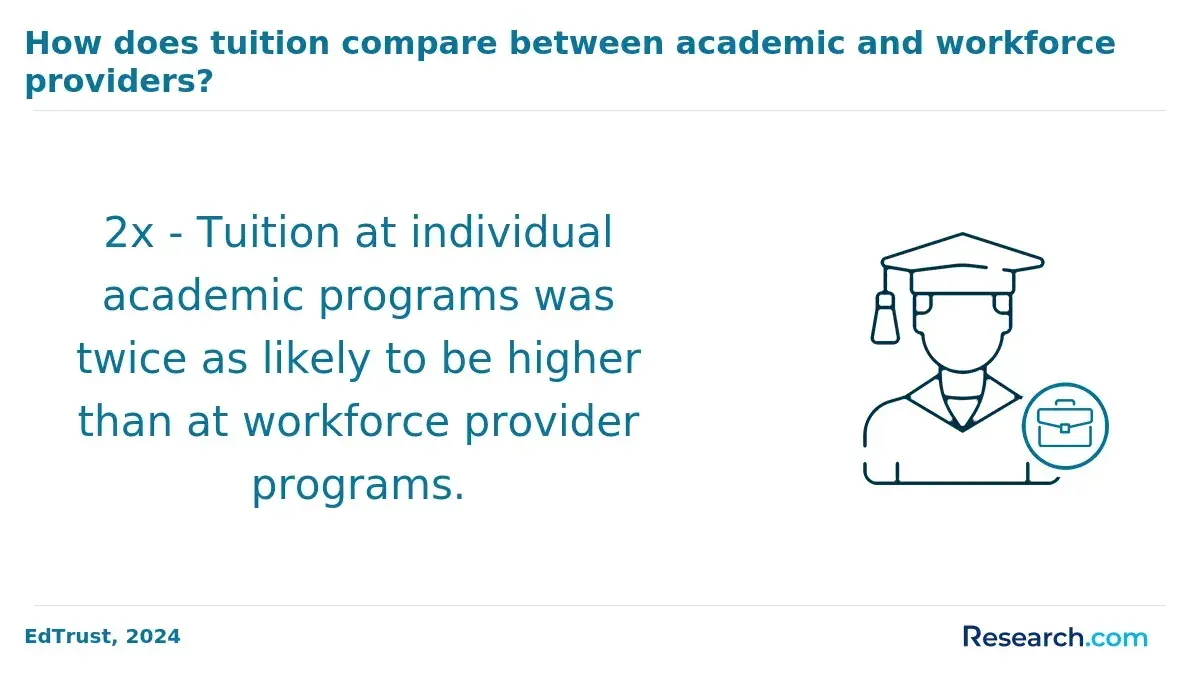
No-live-class programs remove scheduled lecture attendance, not the need to complete the same academic work. The right format depends on whether schedule control or face-to-face access matters more for the courses you still need.
This comparison highlights practical differences to test against your work hours and learning preferences:
| Factor | Asynchronous online completion | Campus program |
| Attendance | Usually no fixed lecture time; deadlines still apply | Classes typically meet at set times |
| Support | Advising and tutoring may be remote or appointment-based | In-person help may be easier to access between classes |
| Hands-on requirements | Virtual labs may work for some majors; clinical work may still be in person | Campus facilities may simplify labs and supervised practice |
| Completion pace | Depends on accepted credits and course availability, not merely online delivery | Also depends on course sequencing and enrollment load |
Choose asynchronous study if fixed meeting times would prevent you from enrolling. Consider campus or hybrid study if you need supervised facilities, prefer real-time discussion, or find it difficult to manage recurring online deadlines independently.
What Admission Requirements Apply to Online Associate Degree Completion Programs?
Colleges commonly ask returning applicants for an application and official transcripts from every previous institution. A school may also request proof of high school completion or placement information. Admission to the college does not necessarily grant admission to a selective nursing or allied-health major.
Transfer evaluation is the critical additional step. Policies can limit credits by grade, course equivalency, age of technical coursework, or source institution.
Ask admissions for a written evaluation before committing to enrollment, then ask an advisor which accepted credits actually satisfy your degree. If earlier grades are a concern, research online schools that accept low GPA while checking the separate standards for your intended major.
What Courses Are Included in Online Associate Degree Completion Programs?
Most associate programs combine general education with courses in a major or concentration. General education may include writing, mathematics, social science, and natural science; major courses depend on the field.
A returning student's remaining schedule could be mostly specialized coursework even if many previous credits transfer - or mostly general education if earlier classes do not match the degree audit.
Requirements that deserve special attention include sequenced accounting or IT courses, science labs, internships, and clinical placements.
"No live classes" should be verified for all remaining required courses, including electives needed to reach the credit total. Before enrolling, compare your completed courses with the current catalog rather than assuming that credits awarded years ago will meet today's major requirements.
How Long Do Online Associate Degree Completion Programs Take and Cost?
Associate degrees commonly require around 60 credits, but a completion timeline begins with the credits that apply to the chosen degree, not the credits listed on an old transcript. Part-time enrollment, course sequencing, and a college's minimum residency requirement can extend the schedule even when you enter with substantial credit.
Costs also depend on what remains. This comparison identifies the figures to request from each college; published tuition alone cannot establish your total bill:
| Cost or time factor | Why it changes the comparison |
| Credits still required | Determines how many courses you must pay for and complete |
| Tuition and mandatory fees | Can differ by institution, residency, and online enrollment |
| Books, software, and lab materials | Can add costs beyond the advertised tuition rate |
| Course rotation and residency rules | Can delay graduation even when few credits remain |
Request a term-by-term plan and an estimate covering tuition, mandatory fees, and required materials for your remaining courses. Check whether the school participates in federal student aid and whether you meet eligibility rules; scholarships, employer tuition assistance, and payment plans may also reduce upfront costs. Be wary of an advertised rapid finish that assumes more transferable credit than you have.
What Careers Can You Pursue After Completing an Online Associate Degree?
Career options depend on the major, previous experience, and any credentials required by an employer or state. Business and healthcare administration coursework can support applications for office or administrative positions; IT study can support entry-level technical support applications.
An AA or AS in psychology or criminal justice may be most valuable as a transfer step rather than a direct qualification for a regulated profession.
If you need a narrowly defined skill for an entry-level role, compare the credits left in your degree with shorter training such as 6 month programs. A certificate may take less time, while an associate degree can provide broader coursework and a credential with potential transfer value. Neither option guarantees employment.
What Salaries and Job Outlook Apply to Associate Degree Graduates?
Do not treat an occupation's median pay as the expected salary for a new associate graduate. The U.S. Bureau of Labor Statistics reports a 2024 median annual wage of $93,600 for registered nurses, but that figure covers employed nurses across experience levels.
A pre-nursing associate pathway alone does not qualify someone for RN employment; graduates of qualifying nursing programs must also meet state licensure requirements and pass the required examination.
For a broader education-level comparison, BLS reports 2024 median weekly earnings of $1,099 for workers whose highest credential was an associate degree. That is not a forecast for an individual graduate: age, field, region, and work experience all affect pay.
When evaluating job outlook, check the specific occupation you want - not a broad degree category - and confirm whether its entry requirements match your proposed program.
How Can You Choose a Reputable Online Associate Degree Completion Program?
The best program is the accredited one that applies the most useful prior credit, offers every remaining requirement in a workable format, and fits your next education or career step. If you are still choosing a field, compare best majors in college against your actual goals rather than selecting a major solely because it accepts more electives.
Before paying an enrollment deposit, use these checks to turn a promising listing into a defensible decision:
- Confirm the college's institutional accreditation and, for a regulated field, any relevant program approval or accreditation with the appropriate accreditor or state board.
- Obtain a written degree audit showing accepted transfer credits, credits applied to each requirement, and credits that must be earned at the new college.
- Ask whether every remaining course is offered asynchronously and whether exams, labs, clinicals, internships, or orientations require a fixed time or location.
- Compare a realistic course schedule and total remaining cost, including fees and materials, with at least one alternative program.
- Verify that the degree meets your intended bachelor's transfer requirements or helps you pursue an occupation for which you can meet any additional qualifications.
Red flags include an "online" label without a clear attendance policy, a completion estimate issued before transcript review, and promises that a degree automatically leads to licensure or a particular salary.
Other Things You Should Know About
No. Asynchronous courses have no required live class meeting but commonly retain weekly deadlines. A self-paced course lets you move through work more independently, subject to its enrollment and completion rules.
There is no universal minimum. Some colleges let students apply with little or no prior credit, while the time-saving value of a completion pathway depends on how many credits apply to the chosen degree.
A program leading to RN eligibility requires supervised clinical education and may require labs or other scheduled components. Check the nursing program's delivery and state approval rather than relying on a college-wide online label.
Not necessarily. The receiving college decides what it accepts, and accepted credits may count only as electives. Request a degree audit to see which credits reduce the requirements you still must complete.
References
- Answers to Questions Transfer Students Ask - PA College Transfer https://collegetransfer.pa.gov/Student/Common-Questions
- Rule 3357:15-13-01 | Instructional programs. - Ohio Laws https://codes.ohio.gov/ohio-administrative-code/rule-3357%3A15-13-01
- Academic Years, Academic Calendars, Payment Periods, and Disbursements | 2025-2026 Federal Student Aid Handbook https://fsapartners.ed.gov/knowledge-center/fsa-handbook/2025-2026/vol3/ch1-academic-years-academic-calendars-payment-periods-and-disbursements
- DAPIP | Homepage - Office of Postsecondary Education (OPE) https://ope.ed.gov/dapip/
- Eligibility & Transfer Credit Guidelines - Penn Admissions https://admissions.upenn.edu/how-to-apply/transfer-applicants/eligibility-credit-guidelines
- Clinical Information - Nursing Students - UW-Madison https://students.nursing.wisc.edu/clinical-information/
- Fully Online Degrees and Certificates | Montgomery College, Maryland https://www.montgomerycollege.edu/academics/mc-online/fully-online-degrees.html
- Faculty Guide to Course Delivery Methods | Portland State University https://www.pdx.edu/registration/guide-course-delivery-methods
- Types of Degrees & Certificates | University of Cincinnati https://www.ucclermont.edu/academics/majors-programs/types-of-degrees-and-certificates.html