2027 Best Healthcare Innovation Degrees for Working Adults
Audited and Verified:
Our Editorial and Data Verification Process
Research.com uses government datasets, official education statistics and primary institutional information to support its career and degree guides. Our review process checks factual accuracy, occupational definitions, source dates and the requirements associated with the credentials discussed.
How This Article Was Fact-Checked
Our editorial team verifies salary estimates, employment projections, education requirements and program information against original data providers and official organizations. Salary figures are checked against the relevant occupational definitions and reporting periods. Information about licensure, accreditation and required in-person training is reviewed separately.
Fact-checked and verified on:

Co-Founder and Chief Data Scientist
Professionals balancing full-time work often struggle to advance in healthcare innovation without sacrificing income or job stability. Nearly 60% of healthcare innovation roles now require advanced degrees, creating a barrier for working adults. Many find it challenging to locate programs that offer both flexibility and relevant, accredited curricula.
This gap limits career growth and the ability to contribute to evolving healthcare technologies. In this article, we'll explore the best healthcare innovation degree programs designed specifically for working adults. It will highlight the options that provide flexibility, accreditation, and career-focused training to help overcome these obstacles and achieve professional advancement.
Key Things to Know About Healthcare Innovation Degrees for Working Adults
- Healthcare innovation degrees often offer flexible scheduling and online or hybrid formats, allowing working adults to balance education with professional and personal commitments.
- Programs emphasize employer-relevant skills like digital health, data analysis, and technology management, increasing job readiness in a rapidly evolving healthcare industry. Many degrees provide accelerated pacing and dedicated support services such as career counseling and tutoring, facilitating timely graduation and professional advancement.
What Are the Best Healthcare Innovation Degrees for Working Adults?
The definition of the best healthcare innovation degrees for working adults depends largely on factors like schedule flexibility, alignment with career goals, and return on investment. A growing trend is the rise of online and hybrid healthcare programs designed specifically to support adult learners balancing employment and education. These options allow professional advancement without sacrificing current job commitments.
Below are some of the top healthcare innovation programs for professionals that accommodate part-time enrollment and practical learning approaches:
- Healthcare Administration with Innovation Focus: This degree offers flexible online courses emphasizing healthcare management and innovation. It's ideal for those seeking leadership roles while maintaining full-time employment.
- Health Informatics and Data Analytics: Designed for working adults, this program combines technology and healthcare knowledge, often available in formats that support balancing work and study. It aligns with employer demand for data-driven decision-makers.
- Innovation Management in Healthcare: Focused on implementing innovative healthcare solutions, this specialization often includes practical projects and part-time options that fit professional schedules.
- Healthcare Technology and Digital Transformation: Tailored to emerging healthcare technologies, this degree frequently offers online or evening classes suitable for busy professionals.
- Public Health with an Innovation Emphasis: Incorporating innovation in community health, this degree is commonly offered as a part-time or fully online program, providing flexibility for employed students.
Working adults exploring healthcare education might also consider related paths such as DNP programs for advanced clinical and leadership roles within evolving healthcare environments.
What Are the Admission Requirements for Working Adults in Healthcare Innovation Degree Programs?
Admission requirements for working adults pursuing healthcare innovation degrees often differ from those designed for traditional students. As nearly 40% of graduate students currently enroll part-time, programs increasingly prioritize flexibility and practical experience over recent academic performance. This trend highlights the need to accommodate career-focused adults balancing education with full-time employment.
Common admission considerations for working professionals include:
- Relevant Work Experience: Many programs value prior experience in healthcare or related industries as a key admission factor. This hands-on background demonstrates practical skills and industry knowledge that can offset traditional academic metrics.
- GPA Expectations: While a minimum GPA is often required, criteria are frequently relaxed or evaluated alongside professional experience to provide a more holistic review for working adults.
- Test Waivers: Seasoned professionals may qualify for waivers on standardized tests such as the GRE or GMAT, reducing barriers to entry based on proven career accomplishments.
- Professional Recommendations: Letters of recommendation from employers or colleagues can highlight leadership abilities and innovation potential, strengthening an application.
- Flexible Learning Options: Availability of part-time or online courses supports those managing full-time work, making advanced education more accessible and tailored to adult learners' schedules.
These targeted admission criteria reflect the evolving needs of adult learners seeking advanced degrees, enabling them to leverage their professional histories while pursuing their goals. For those interested in shorter credential programs related to healthcare, exploring medical assistant programs can provide valuable entry points with accelerated timelines.
Healthcare innovation degree program entry requirements for professionals emphasize practical experience and flexible learning pathways designed to foster career advancement while accommodating demanding schedules.
What Coursework Is Required in Healthcare Innovation Degree Programs for Working Adults?
Coursework in healthcare innovation degree programs for working adults is designed to balance career relevance, practical skill-building, and flexible learning formats. This ensures the programs meet the needs of students managing full-time employment.
Many courses offer online or hybrid formats featuring asynchronous components. A recent trend shows that over 60% of adult learners in healthcare innovation graduate programs prefer flexible course delivery to minimize time away from work.
Common healthcare innovation coursework for working professionals includes the following core areas:
- Healthcare Technology and Informatics: This area focuses on integrating emerging technologies such as electronic health records and telemedicine, providing practical skills to improve patient care and optimize clinical workflows.
- Innovation and Change Management: Students learn strategies to lead change effectively within healthcare organizations, equipping them to spearhead improvements and implement innovative solutions.
- Healthcare Policy and Ethics: This coursework covers regulatory frameworks and ethical issues, helping students navigate compliance and make responsible decisions in complex healthcare environments.
- Data Analytics for Healthcare: Emphasizing data-driven decision-making, this area trains students to analyze healthcare data to support innovation and boost operational efficiency.
- Project Management in Healthcare: Focusing on essential skills for planning and executing projects, this prepares professionals to lead innovation initiatives within their organizations.
For those interested in broader program options, exploring a healthcare management degree online can complement healthcare innovation coursework for working professionals and enhance career advancement opportunities.
Completion times for healthcare innovation degrees vary widely among working adults due to the challenge of balancing studies with job responsibilities. Typically, these programs take between two and four years to finish, reflecting differences in individual circumstances and program structure.
Several elements play a crucial role in determining how long it will take for an employed student to earn a healthcare innovation degree:
- Program Format: Online and hybrid models provide flexibility in scheduling, enabling students to customize their pace. This adaptability can either accelerate or prolong degree completion depending on personal time management.
- Course Load: Many working students opt for part-time enrollment, which lengthens the process. Conversely, taking a heavier course load can shorten duration but increases stress and workload.
- Prior Credits: Students with transferable credits from previous education often benefit from reduced class requirements, helping to finish the program sooner.
- Work Schedule: The number of hours worked weekly and job demands heavily influence study time availability, affecting how quickly coursework is completed.
- Accelerated Options: Some programs offer fast-track tracks that compress timelines, which suit those able to dedicate extra time for limited periods.
A professional who completed an online healthcare innovation degree while working shared that time management was initially overwhelming. "Juggling project deadlines with evening classes required strict scheduling," he explained. He recalled moments of frustration when unexpected work demands clashed with coursework, yet found support through faculty and peers.
Reflecting on the experience, he noted, "It felt rewarding to apply what I learned in real-time at work, even if progress wasn't always steady." This firsthand perspective highlights the necessity of perseverance and adaptability when balancing employment with academic goals.
Cost plays a significant role for working adults pursuing a healthcare innovation degree, as many juggle careers and family obligations. Notably, part-time enrollment in healthcare innovation programs has increased by over 15% in the last five years, reflecting a growing need for affordable and flexible education options.
Several elements affect the overall expense of earning this degree for employed students:
- Tuition per Credit: Rates differ widely between public and private schools, with some institutions charging more for part-time learners. Understanding the specific per-credit cost is essential for budgeting.
- Program Length: Accelerated tracks may reduce total tuition by shortening the time to completion but demand more intense study schedules. Longer programs allow spreading out payments but might increase cumulative costs.
- Additional Fees: Beyond tuition, costs like technology, registration, and lab fees can add up, often catching students by surprise if not planned for.
- Textbooks and Materials: Specialized courses in healthcare innovation frequently require expensive textbooks and software, which contribute to the total financial commitment.
- Study Format: Online programs tend to lower expenses by eliminating commuting and housing costs, while offering greater flexibility to maintain full-time employment.
Employers' tuition assistance, scholarships, and installment payment plans can further ease financial pressures, making this degree more attainable for working professionals seeking career growth.
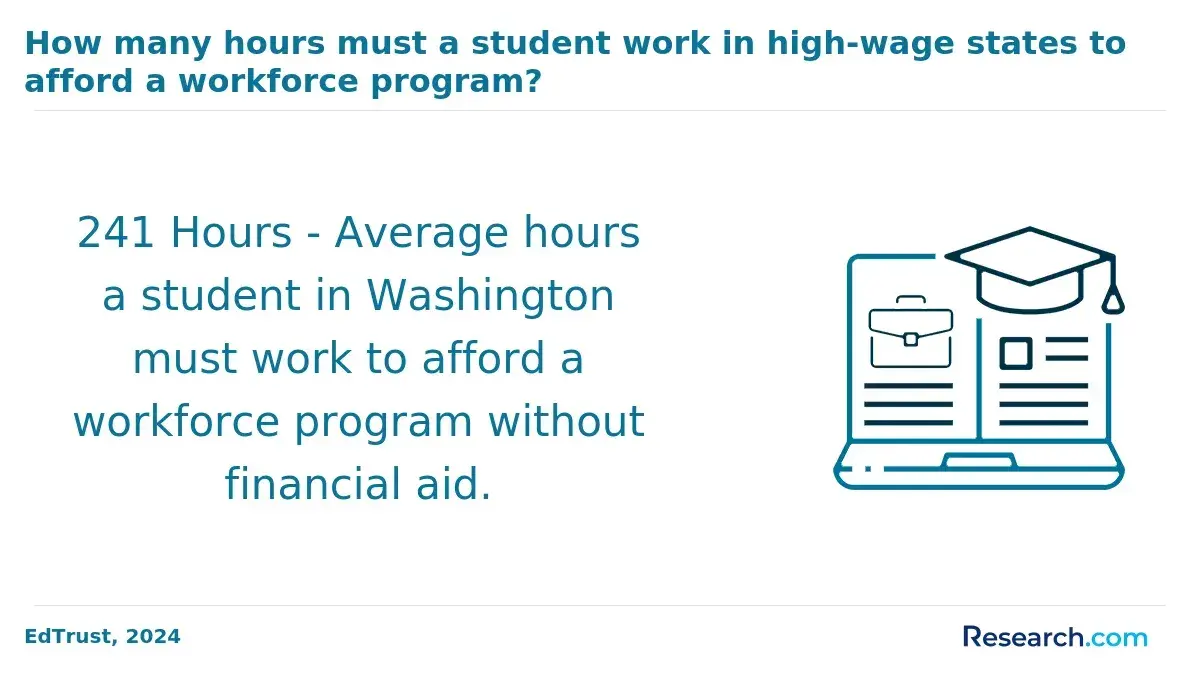
Balancing a full-time job, studies, and personal life can create significant financial and scheduling challenges for adults pursuing healthcare innovation degrees. Access to financial aid is crucial in easing these pressures and making ongoing education achievable.
Key financial aid opportunities that cater to working adults in these programs include:
- Federal Aid: This category includes loans, grants, and work-study options available through FAFSA. Grants such as the Pell Grant offer funds that do not need to be repaid, providing vital assistance without added debt.
- Employer Tuition Support: Many organizations encourage professional development by offering tuition reimbursement or assistance. These programs usually require proof of satisfactory academic performance and a connection between the courses and the employee's current job.
- Adult Learner Scholarships: Various foundations and associations grant scholarships aimed specifically at adults returning to education. These awards often consider work experience, financial needs, and career objectives.
- Grants: State and private grants frequently target students in healthcare innovation fields, especially those committed to serving underserved areas or addressing workforce shortages.
- Tax Benefits: Education-related tax credits like the Lifetime Learning Credit or deductions for tuition and fees can reduce the overall cost by lowering tax obligations.
A professional who completed a healthcare innovation degree while working shared how navigating financial aid was both daunting and empowering. She described juggling tight deadlines and family responsibilities while applying for multiple aid avenues, often feeling uncertain about eligibility rules. "It was a steep learning curve figuring out which grants and employer benefits applied to me," she explained.
Ultimately, the combination of employer tuition help and federal aid made her education affordable enough to continue without sacrificing job stability. Reflecting on her journey, she emphasized the importance of persistence and reaching out to financial aid advisors early. "I felt supported once I understood the options, which made all the difference in committing to the program and managing my finances."
Balancing coursework with full-time jobs and personal responsibilities is a common challenge for adults pursuing a Healthcare Innovation degree. Institutional support services are essential in helping students navigate these demands while maintaining steady academic progress.
- Academic Advising: Offers tailored support to help students select courses that complement their career objectives and manage their academic load effectively, improving time management and degree completion rates.
- Flexible Scheduling: Enables learners to attend classes or complete assignments during hours that fit their work and personal commitments, minimizing conflicts and reducing stress.
- Online Learning Support: Provides access to tutorials, technical assistance, and digital course resources, allowing students to engage with material at their own pace outside conventional classroom settings.
- Cohort-Based Learning: Creates peer groups that foster collaboration and networking, promoting motivation and mutual encouragement throughout the program.
- Mental Health Resources: Addresses the emotional challenges associated with balancing multiple roles by offering counseling and stress management tools to support students' well-being.
Accreditation verifies that healthcare innovation programs meet rigorous academic and professional benchmarks, ensuring a quality education for working adults. This recognition is vital as it enhances how employers perceive the degree, which can facilitate career growth.
Moreover, attending an accredited program often determines eligibility for federal financial aid, a critical consideration for adult learners managing education alongside work and personal commitments. Nearly 40% of graduate students in the U.S. are adults, underscoring the increasing demand for accessible, credible programs tailored to this demographic.
Beyond immediate benefits, accreditation influences the long-term value of a healthcare innovation degree. It enables credits to be transferred between institutions, supporting those who pursue continued education or career shifts.
Additionally, many professional certifications and licensure requirements hinge on holding an accredited qualification, which can open doors to specialized roles. Ultimately, accreditation serves as a cornerstone for ensuring both the credibility and strategic advantages of such degrees in a competitive job market.
Salary growth is a significant motivator for working professionals considering a healthcare innovation degree, with graduates typically earning between $65,000 and $110,000 annually depending on their experience and roles. This financial incentive aligns closely with the desire to advance careers while maintaining full-time employment.
- Industry Demand: The healthcare sector increasingly values professionals who can drive innovation to enhance patient outcomes and operational efficiency. High demand for expertise in healthcare innovation creates greater opportunities for salary increases.
- Role Advancement: Graduates often access better job roles, especially in leadership or specialized technical positions, which tend to offer higher compensation. Positions related to healthcare process improvement or technology implementation highlight this trend.
- Employer Policies: Organizations recognizing advanced degrees typically offer higher salaries or faster promotion paths. These policies reward professionals who invest in healthcare innovation education, contributing to tangible salary growth.
- Years of Experience: Practical expertise combined with the degree affects salary ceilings. Experienced professionals usually command premium salaries as their knowledge and skills deepen over time.
- Specialization: Focus areas like digital health and healthcare data analytics often lead to premium salaries due to emerging technologies and evolving industry needs.
Working adults evaluating healthcare innovation degree salary growth should consider these factors carefully. Those interested in finding flexible, accredited options that accommodate full-time work might explore programs, including the cheapest online healthcare administration degree. This approach supports career advancement without sacrificing current employment.
Ultimately, the salary increase with healthcare innovation degree varies widely but can be substantial when aligned with market demands and career planning.
A healthcare innovation degree enables working adults to move beyond entry-level roles into higher-level, more specialized, or leadership-oriented positions. This degree equips professionals with key skills in technology integration, strategic planning, and healthcare management that are essential for career advancement.
The following are common upward-mobility careers for those with a healthcare innovation degree:
- Healthcare Project Manager: This role involves overseeing the development and implementation of new healthcare technologies and initiatives. It requires strong leadership and organizational skills, making it a clear step above general administrative positions for working adults seeking career growth.
- Clinical Informatics Specialist: Focusing on managing healthcare data systems and improving electronic health records, this position leverages the technical expertise gained from the degree to enhance information technology in clinical settings.
- Healthcare Quality Improvement Director: Responsible for leading initiatives that optimize clinical outcomes and patient safety, this leadership role aligns with the degree's emphasis on fostering innovative healthcare delivery methods.
- Health Systems Analyst: Professionals in this role evaluate and redesign healthcare processes to increase operational efficiency. The degree prepares graduates to assess complex systems and implement forward-thinking solutions.
- Innovation Consultant: Offering expert advice on adopting new technologies and practices, this position requires strategic thinking and change management skills emphasized in the curriculum.
Each of these positions demonstrates how healthcare innovation careers for working adults provide pathways to specialist or managerial roles, supporting job opportunities with healthcare innovation degree programs that accommodate full-time employment. For those interested in expanding their qualifications alongside working, exploring options like the cheapest RN to BSN online can complement career advancement strategies in the healthcare sector.
What Graduates Say About Their Healthcare Innovation Degrees for Working Adults
- Gayle: "Choosing the online healthcare innovation program while working full-time was one of the best decisions I made. The flexibility allowed me to balance my career and studies without stress, and the cost, about $15,000, was a worthwhile investment that didn't break the bank. Since graduating, I've taken on leadership roles that directly impact patient care innovations. "
- James : "Reflecting on my journey, pursuing a part-time healthcare innovation degree while employed was challenging but rewarding. The tuition, roughly $18,000, felt reasonable given the depth of knowledge I gained. The degree has profoundly influenced my ability to contribute to systemic changes in healthcare, enhancing my professional value. "
- Rina: "As a working professional, I opted for a healthcare innovation degree program online to advance without halting my career. At an average cost of $16,500, it was a calculated financial commitment, but one that paid dividends through new career opportunities and skills in healthcare technology management. The program's practical approach helped me bridge theory and practice effectively. "
Other Things You Should Know About Healthcare Innovation Degrees
Most programs require an online application, official transcripts, a résumé, and a statement of purpose. Some also ask for one to three recommendation letters and proof of a bachelor’s degree from an accredited institution. Part-time applicants may need to explain work experience or schedule constraints.
Yes, many accredited institutions offer fully online or hybrid healthcare innovation degree programs designed for working adults. These formats provide flexibility to balance coursework with professional and personal responsibilities. Online options often include asynchronous classes, allowing students to study at times that best fit their schedules.
- What You Can Do with an MHCI Degree https://improvinghealthcare.mehp.upenn.edu/programs/master-health-care-innovation/what-you-can-do-mhci-degree
- Healthcare Innovation https://eufundingportal.eu/healthcare-innovation/
- NHS Accelerated Access Collaborative » The Health Innovation Network https://www.england.nhs.uk/aac/what-we-do/innovation-for-healthcare-inequalities-programme/health-innovation-network/
- Top Careers in Medical Technology: Roles Driving Healthcare Innovation https://medicaltechnologyjobs.co.uk/career-advice/top-careers-in-medical-technology-roles-driving-healthcare-innovation
- Healthcare Grants and Funding for 2026 | helloDarwin https://hellodarwin.com/business-aid/grants-and-funding/healthcare
- Innovations in Healthcare Technology: What Every Health Sciences Student Should Know - Beal University https://beal.edu/innovations-in-healthcare-technology-what-every-health-sciences-student-should-know/
- Digital and AI skills in health occupations | OECD https://www.oecd.org/en/publications/digital-and-ai-skills-in-health-occupations_5fbd42ab-en.html
- Why trust GlobalHealth Education? https://globalhealtheducation.com/au/resources/healthcare-jobs-that-ai-cant-replace
- Health Innovation Funding Opportunities - Health Innovation Network https://healthinnovationnetwork.com/news/health-innovation-funding-opportunities/
- Scholarships & Financial Aid https://www.aacnnursing.org/students/scholarships-financial-aid